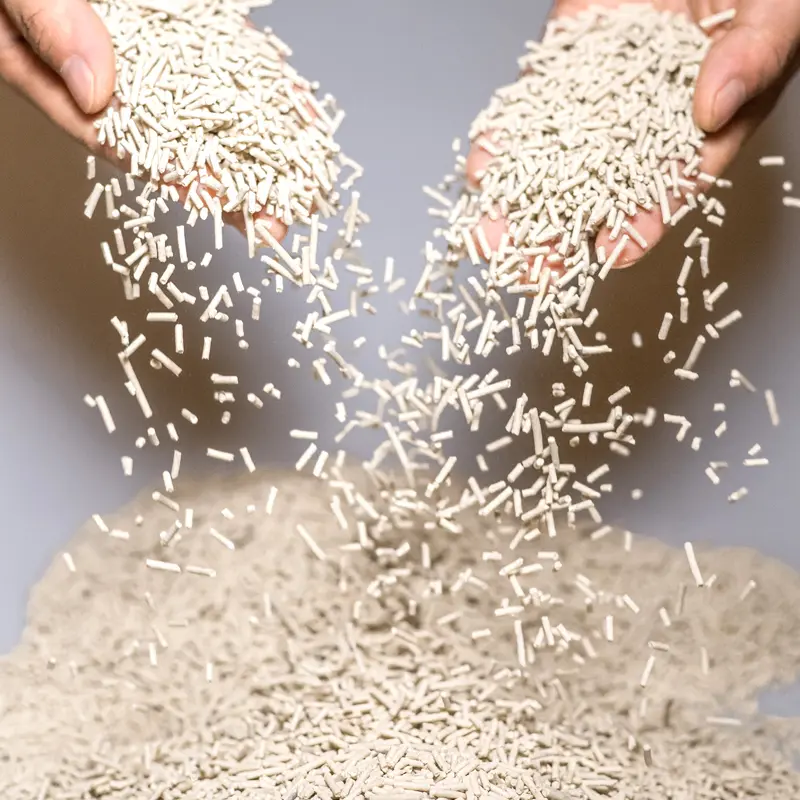
Odor control cereal cat litter is gaining attention as Canadian cat owners and pet-product buyers look for alternatives to traditional clay litter. Combining cereal-based plant materials with moisture absorption and odor-control technology, this type of litter can provide a practical solution for indoor cats, multi-cat households and consumers interested in plant-based pet-care products.
Canada is particularly relevant for this category because many cats live indoors, while Canadian homes also face seasonal challenges such as closed windows during cold weather. When ventilation is limited, litter-box odor can become more noticeable. A well-designed cereal-based litter can therefore compete not only on sustainability but also on everyday performance.
For Canadian distributors, retailers and private-label brands, understanding the product's characteristics, applicable regulations and competitive landscape is essential before launching an odor control cereal cat litter product.
What Is Odor Control Cereal Cat Litter?
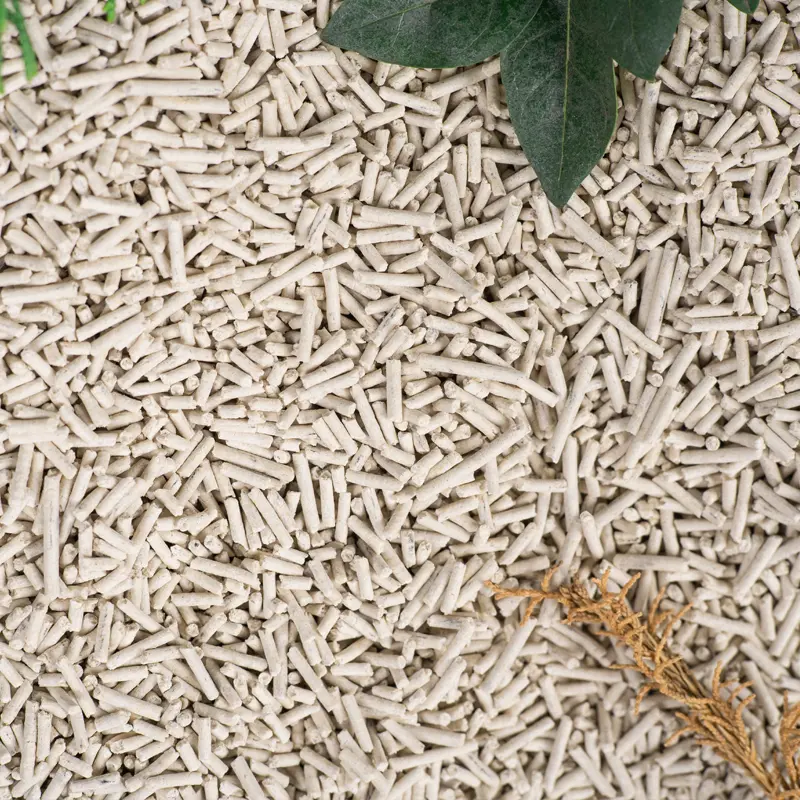
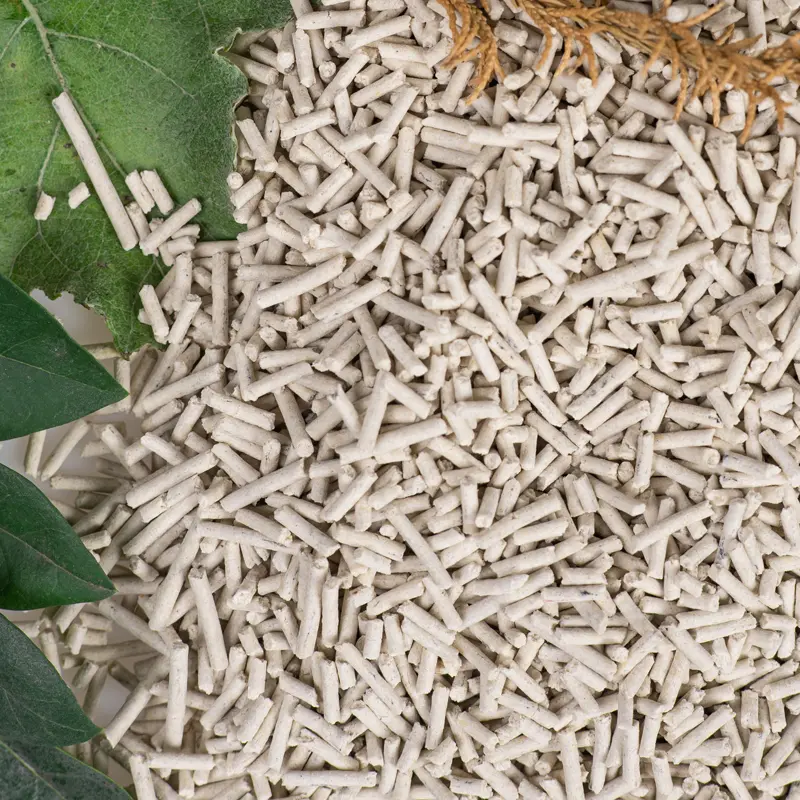
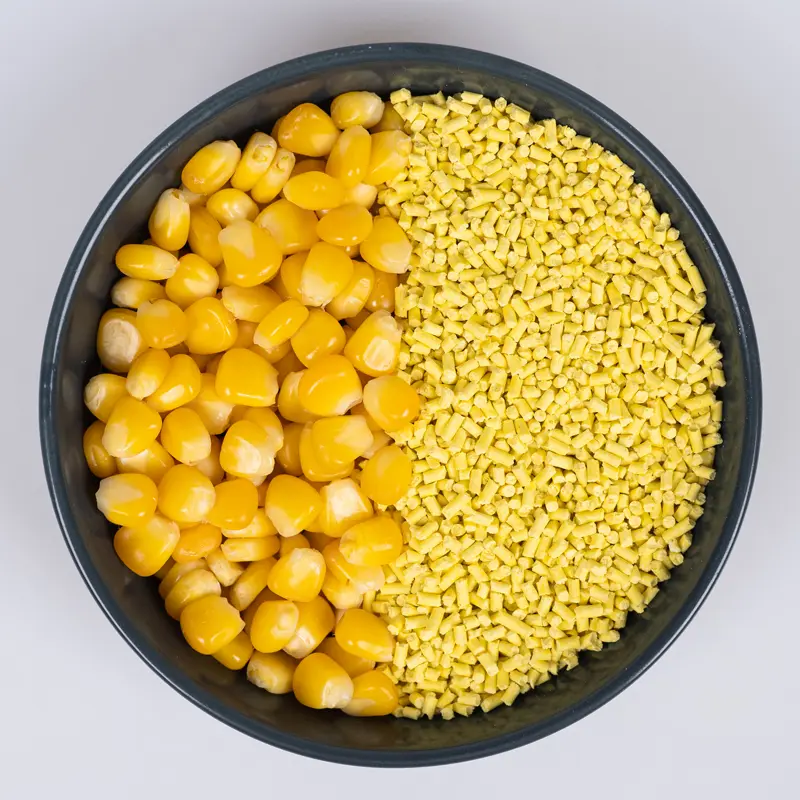
Odor control cereal cat litter is a plant-based cat litter manufactured from cereal or grain-derived materials. Depending on the formulation, manufacturers may use corn, wheat or other agricultural plant materials as the primary absorbent component.
The litter works by absorbing urine and moisture into the granules. In clumping formulations, natural or formulated binders help the wet material form a scoopable mass. Removing the contaminated clump prevents urine from remaining in the litter box and helps reduce odor.
Additional odor-control technology can include activated carbon, mineral adsorbents or specially selected deodorizing ingredients. Some manufacturers also use natural ingredients designed to help neutralize unpleasant smells rather than simply covering them with perfume.
A high-quality cereal cat litter should balance:
Fast moisture absorption
Reliable clumping
Effective odor control
Low dust
Low tracking
Cat-friendly texture
Stable performance during storage and transportation
Why Is Odor Control Important in Canada?
Canadian cat owners commonly keep cats indoors, particularly during cold winter periods. In cities and apartments, the litter box may be located in bathrooms, laundry rooms, bedrooms or other enclosed spaces.
When windows remain closed and ventilation is limited, unpleasant litter-box odors can become more noticeable.
This makes odor control an important product feature rather than simply a marketing benefit.
A cereal-based litter can help address odor by rapidly absorbing urine and reducing the amount of liquid exposed to air. When combined with effective clumping, contaminated material can be removed quickly during daily cleaning.
For multi-cat households, the importance of odor control becomes even greater because several cats create a higher moisture and waste load.

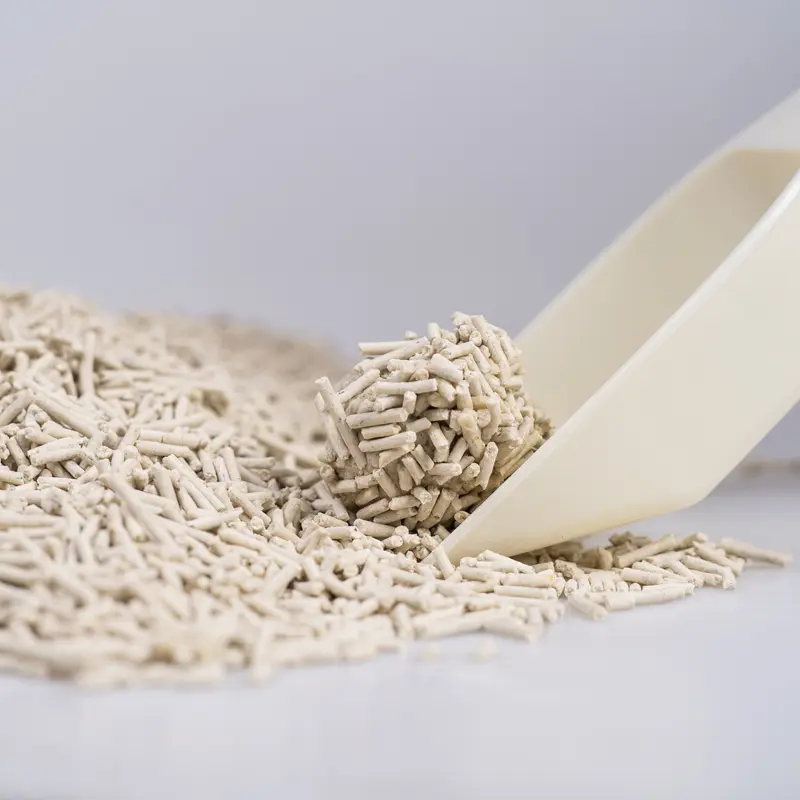
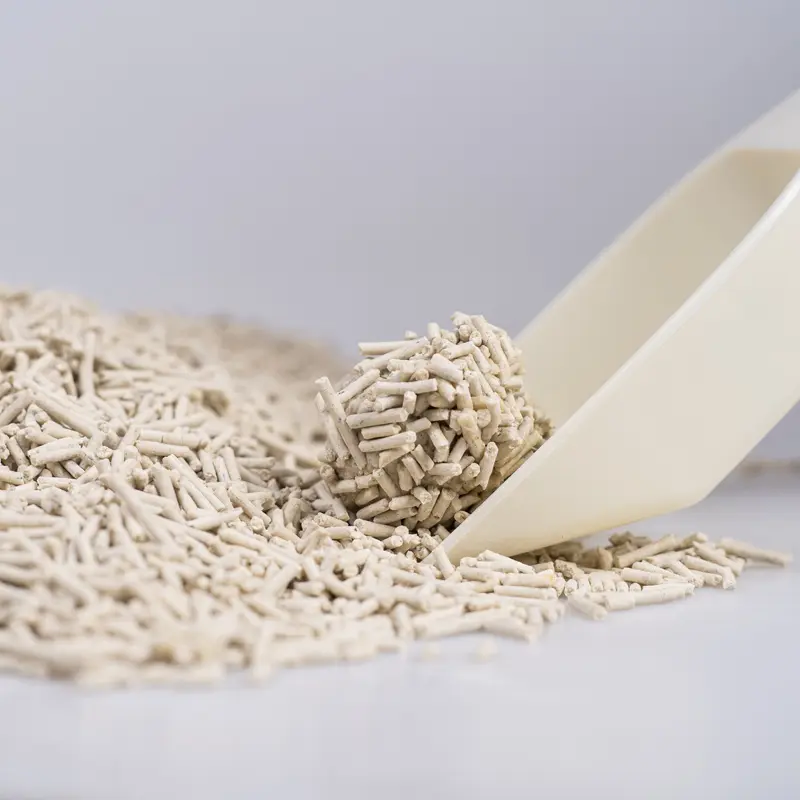
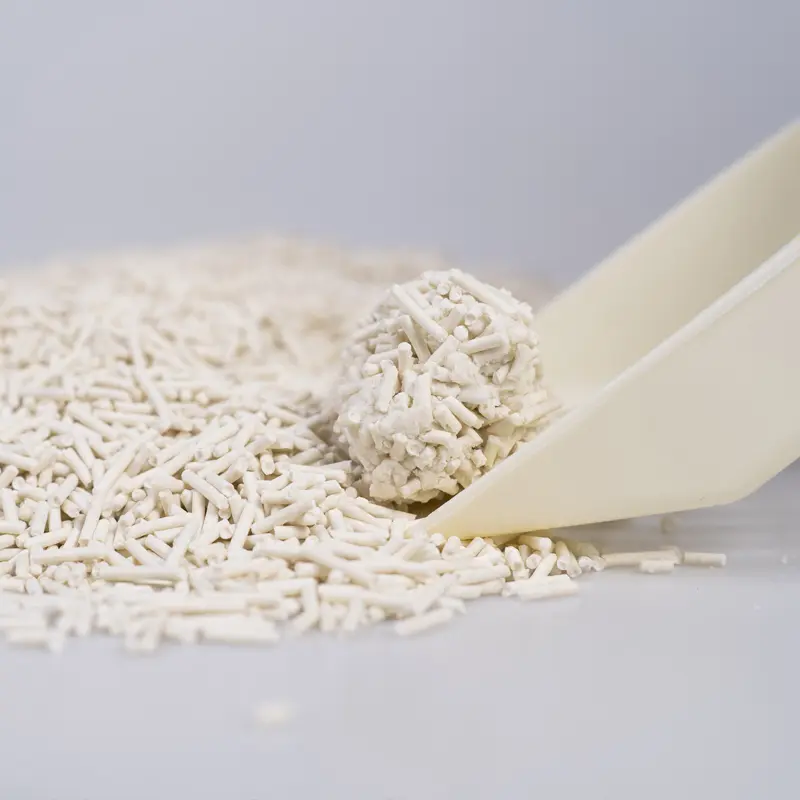
This picture showed cereal cat litter is a clumping cat litter,which can be scooped out of litter box easily.
Why cereal cat litter is becoming more and more popular in Canada?
Environmentally Friendly:
Cereal cat litter is known as an eco-friendly alternative to traditional clay litters. As environmental consciousness grows in Canada, many cat owners are seeking sustainable and biodegradable options to reduce their ecological footprint.The cereal cat litter can hit their concept and there is no pollution in the production.And also no pollution during use.
Biodegradability:
Cereal cat litter is made from natural, plant-based materials, which makes it biodegradable. This appeals to pet owners who are concerned about the environmental impact of traditional litters that may not break down as easily.For the soiled cereal cat litter, you can bury it in your garden as a fertilizer. No extra work to dipose it.
Low Dust:
The cereal litters are known for producing less dust than clay litters. This can be beneficial for both cats and their owners, as excessive dust can be irritating and pose respiratory concerns.You don't need to worry the cat will dirty your floor and make the house mess.
Clumping Properties:
The cereal cat litters have clumping capabilities, making it easier to scoop out waste and maintain a cleaner litter box. This feature is often appreciated by cat owners who prefer the convenience of clumping litters. And the cereal cat litter is also a non-sticky cat litter. If you use it with the suggested depth,it will not stick at the bottom of your litter box.
Natural Scent:
Cereal cat litters may have a natural scent compared to some synthetic or artificially scented litters. Cat owners who prefer a subtle or natural odor control option may find cereal litters appealing. To be important, its scent is light,but it will release a stronger scent after it comes into contact with mositure and eliminate the odors.
Product Innovation:
Gelin Town Pet are continually innovating in the pet care industry. The development of new and improved cereal cat litter formulations, with enhanced performance features, will contribute to its increasing popularity in Canada and North America.
Compared with the popular tofu cat litter, cereal cat litter have a better performance in odor control. And if you are looking for a natural cat litter without any additive,no dye,no perfume,the cereal cat litter can satisfy you.
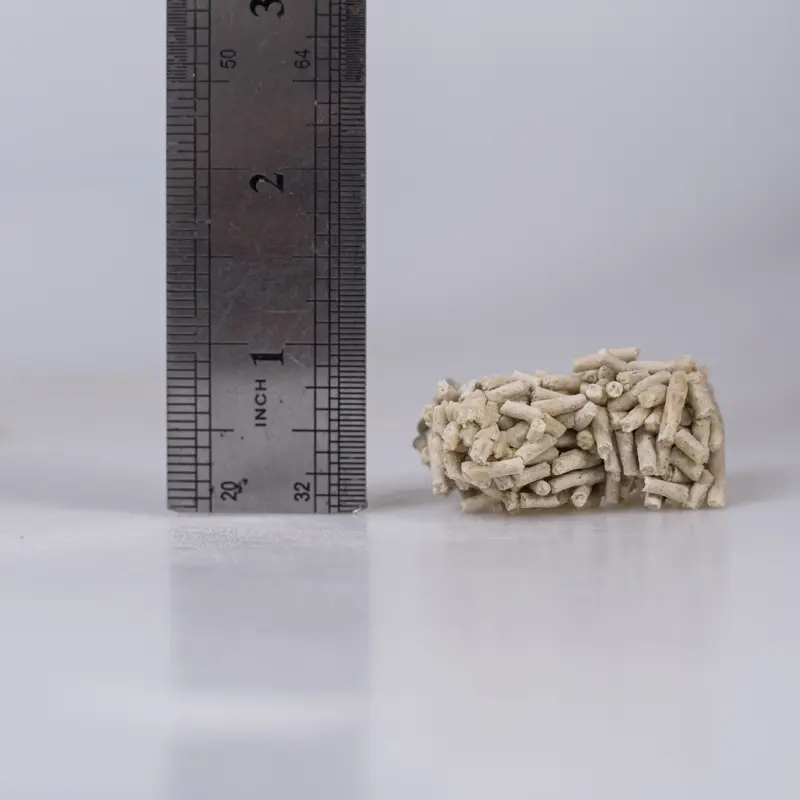
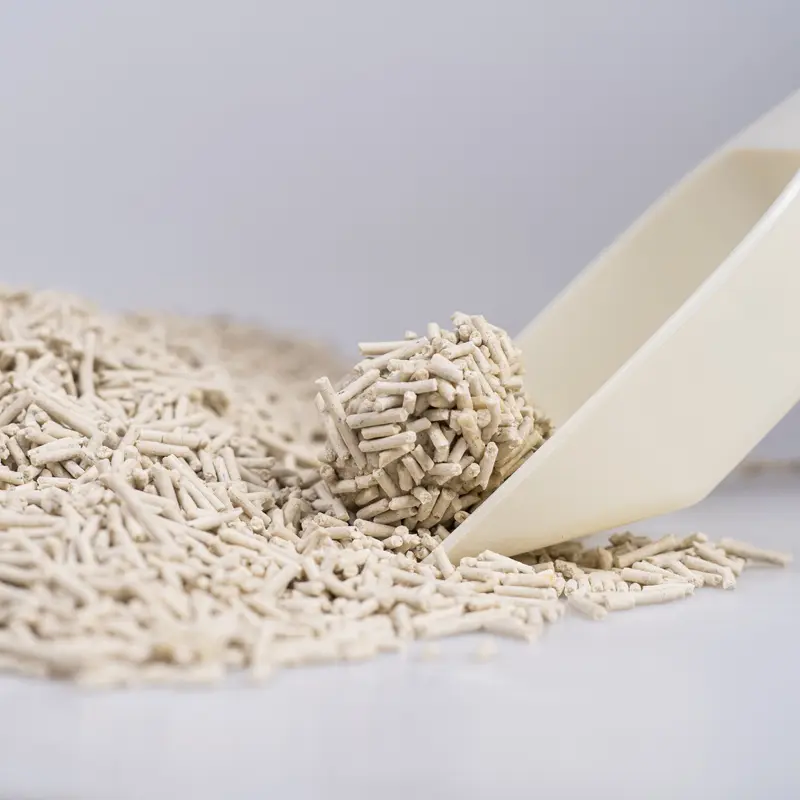
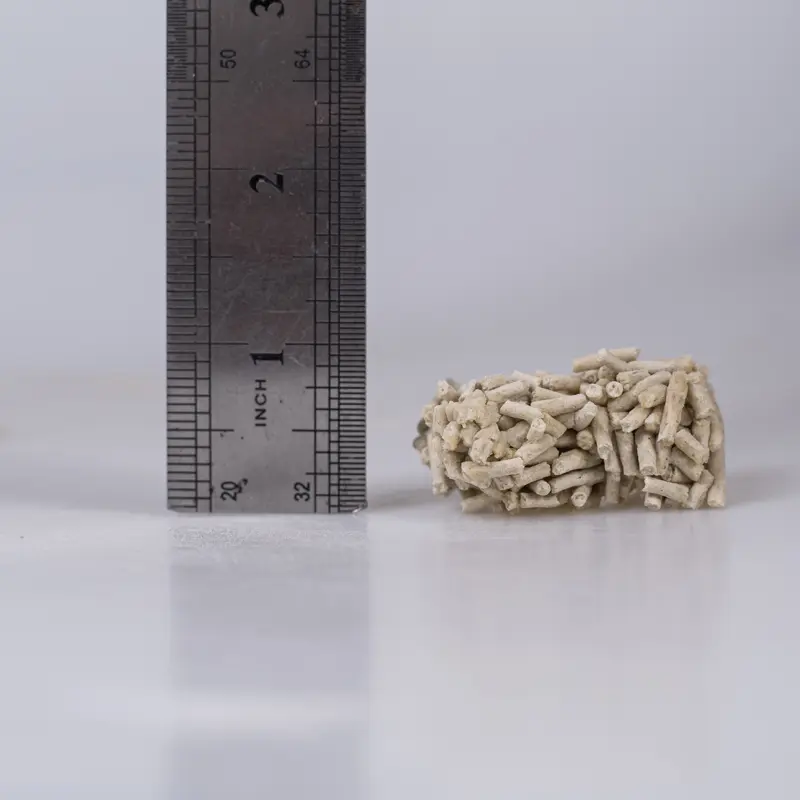
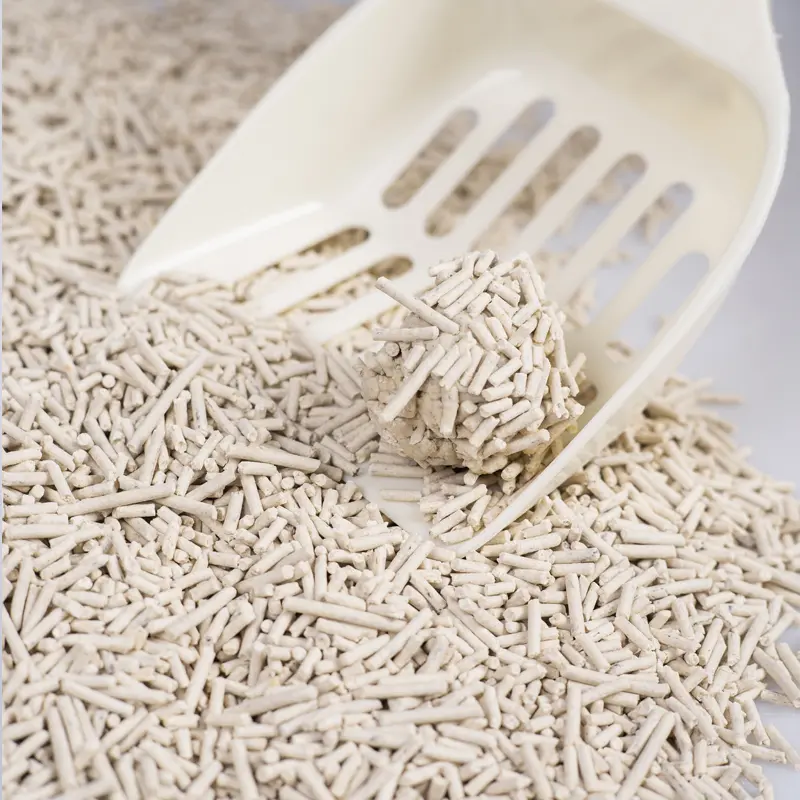
This picture showed cereal cat litter have a thinner clumps,it means it will not be easy to stick at the bottom of litter box.
The specification of cereal cat litter:
| Granule Size | Diameter 2mm |
| Material | Wheat straws,Corn straws,Corn starch,Pea fibre and Guar gum |
| Perfume | Natural |
| Density | 650-700g/Liter |
| Moisture | ≤10% |
| Absorption Rate | ≥350% |
| Track | Less track |
| Dust | Little dust |
| Biodegradable | Yes |
| Clumping | Yes |
| Flushable | Yes |
Does Canada Have a Specific Cat Litter Standard?
Canada does not have one single mandatory national product standard specifically defining “cereal cat litter” or prescribing one formula for all cat litter products.
Instead, Canadian compliance depends on factors such as the product's ingredients, packaging, claims, intended use and whether it contains substances that fall under specific regulatory frameworks.
Manufacturers and importers should therefore avoid claiming that a cereal cat litter is “Canadian certified” unless they have obtained a specific, legitimate certification.
Consumer Product Safety
The Canada Consumer Product Safety Act (CCPSA) provides the general legislative framework for consumer product safety in Canada. Health Canada administers and enforces the Act and related regulations.
Cat litter products therefore need to be assessed for applicable consumer-product safety requirements rather than relying on a fictional “Canadian cat litter standard.”
Chemical Ingredients
If a litter contains fragrances, additives, deodorizing chemicals or other regulated substances, additional Canadian requirements may apply.
Manufacturers should review ingredients and applicable obligations under Canada's chemical-management framework, including the Canadian Environmental Protection Act, 1999 (CEPA) where relevant.
Product Claims Matter
The wording used on packaging can affect regulatory considerations.
For example, statements such as:
“Odor control”
“Odor absorbing”
“Low dust”
“Plant based”
are different from stronger antimicrobial claims such as:
“Kills bacteria”
“Kills germs”
“Disinfects”
“Antibacterial”
The latter claims can trigger additional regulatory considerations depending on the formulation and intended use.
Therefore, Canadian manufacturers and importers should evaluate both what is inside the product and what is claimed on the package.
Main Features of Odor Control Cereal Cat Litter
Cereal-Based Raw Materials
Corn and wheat are commonly considered for plant-based litter formulations because they can provide useful moisture-absorption characteristics.
Using cereal-derived ingredients gives brands an alternative positioning compared with mineral clay litter.
Odor Absorption
Odor control starts with moisture management. The faster urine is absorbed, the less opportunity there is for strong odors to develop.
Premium products can combine absorption with additional odor-control materials to improve performance.
Clumping Performance
Strong clumping is important for daily maintenance.
A good clump should be:
Fast-forming
Firm enough for scooping
Resistant to breaking apart
Easy to remove
Efficient with clean litter
Poor clumping can result in wasted litter and unpleasant residue at the bottom of the box.
Low-Dust Processing
A dust-free grain cat litter is attractive to consumers who want a cleaner environment around the litter box.
Strictly speaking, “100% dust free” should only be used when supported by appropriate testing. In practice, manufacturers generally aim for very low dust through controlled granulation, screening and particle-size management.
Reduced Tracking
Tracking occurs when litter particles stick to a cat's paws and are carried away from the litter box.
Particle size, shape and surface characteristics can all influence tracking. A well-designed cereal litter should balance small particles for absorption with sufficient granule size to reduce tracking.
Benefits of Cereal Cat Litter for Canadian Consumers
Plant-Based Alternative
The most obvious benefit is its plant-based positioning. Consumers who want alternatives to conventional mineral clay may consider cereal litter a more suitable choice.
Convenient Handling
Depending on density, cereal litter can be lighter than some clay-based alternatives. This can be useful when purchasing large bags or receiving litter through e-commerce delivery.
Indoor Odor Management
Effective odor control is especially valuable in apartments and homes where litter boxes are located indoors.
Easier Daily Cleaning
Clumping formulations allow users to remove urine and feces without completely replacing the litter every day.
Low-Dust Options
Properly processed cereal particles can be engineered to minimize dust during pouring and scooping.
Potential Sustainability Positioning
Cereal-based materials are derived from agricultural resources, allowing brands to develop plant-based product lines.
However, manufacturers should avoid automatically describing every cereal litter as “eco-friendly,” “biodegradable” or “compostable” without evidence. Environmental claims should accurately reflect the actual formulation and disposal method.
Application Environments
Odor control cereal cat litter can be used in a variety of Canadian environments.
Urban Apartments
Compact apartments often have limited ventilation. Odor control can therefore be a major purchasing factor.
Detached Homes
In larger homes, the litter box may be located in a basement, bathroom, laundry room or utility area. Absorption and odor control remain important.
Multi-Cat Households
Multiple cats require stronger moisture management and frequent waste removal.
Pet Stores
Retailers can position cereal litter as a premium alternative to traditional clay.
Online Pet Retail
Lightweight packaging and recurring consumption make cat litter suitable for subscription and e-commerce models.
Automatic Litter Boxes
Some cereal litters can potentially work with automatic litter boxes, but compatibility depends on particle size, density and clump behavior.
Manufacturers should test products with specific machines rather than making blanket compatibility claims.
Problems That Odor Control Cereal Cat Litter Solves
A well-designed product can address several common litter-box problems.
Unpleasant odor: Fast absorption and odor-control technology help reduce odor development.
Excessive dust: Controlled particle processing can reduce airborne dust.
Difficult cleaning: Clumping makes contaminated material easier to remove.
Heavy bags: Lower-density plant-based litter may be easier to transport.
Litter tracking: Optimized particle size can reduce particles being carried around the home.
Demand for plant-based products: Cereal materials offer another option for consumers moving away from traditional mineral litter.
Cereal Cat Litter vs. Bentonite
Bentonite clay remains one of the biggest competitors.
Its strongest advantage is excellent and familiar clumping performance. Bentonite litter is also widely available and often competitively priced.
Cereal litter differentiates itself through plant-based materials, lightweight handling and sustainability-oriented positioning.
For premium brands, the goal should not necessarily be to beat bentonite on price. Instead, cereal litter can compete on the combination of odor control + plant-based materials + low dust + convenient handling.
Cereal Cat Litter vs. Silica Gel
Silica gel litter is well known for moisture absorption and odor management. It can also provide long periods between complete litter changes.
Cereal litter offers a different proposition. Instead of emphasizing mineral-based absorption, it focuses on plant-based materials and clumping convenience.
Silica may appeal to consumers prioritizing long-lasting moisture management, while cereal litter can attract consumers seeking plant-based alternatives.
Cereal Cat Litter vs. Tofu Cat Litter
Tofu litter is another major plant-based competitor.
Both cereal and tofu litter can provide:
Plant-based materials
Low-dust formulations
Clumping options
Odor control
Lightweight handling
The difference is primarily the raw material and resulting particle characteristics.
Cereal litter can differentiate itself through corn- or wheat-based formulations, while tofu litter is commonly associated with soybean-derived materials.
What Should Canadian Buyers Ask a Manufacturer?
Canadian distributors and private-label buyers should evaluate more than the product's marketing claims.
A reliable cereal cat litter supplier should provide information about:
Raw material composition
Moisture content
Particle size
Absorption performance
Clump strength
Dust testing
Odor-control testing
Tracking performance
Packaging specifications
Batch consistency
Ingredient documentation
Safety documentation
OEM/private-label capabilities
Buyers should also ask whether any fragrances, deodorizing ingredients or antimicrobial substances are included.
This is particularly important when preparing Canadian packaging and product claims.
How to Position Odor Control Cereal Cat Litter in Canada
For Canadian brands and distributors, a strong product positioning strategy should combine practical performance with plant-based differentiation.
Useful search and product positioning terms include:
Odor control cereal cat litter Canada
Cereal cat litter Canada
Plant based cat litter
Grain cat litter
Low dust cat litter
Clumping cereal cat litter
Natural odor control cat litter
Corn-based cat litter
Wheat-based cat litter
Private label cereal cat litter
OEM cereal cat litter manufacturer
Rather than repeating one keyword throughout a product page, brands can build a broader topical cluster around odor control, dust reduction, clumping, plant-based materials and Canadian pet-owner needs.
Conclusion
Odor control cereal cat litter offers Canadian consumers a plant-based alternative to traditional mineral litter while addressing several everyday concerns, including odor, dust, tracking and difficult cleaning.
There is no single Canadian standard specifically governing all cereal cat litter products. Instead, manufacturers and importers need to determine the applicable requirements based on the product's ingredients, claims, packaging and intended use. The Canada Consumer Product Safety Act provides an important general consumer-product safety framework, while chemical ingredients and antimicrobial claims may create additional regulatory considerations.
From a commercial perspective, the strongest cereal cat litter products will not compete simply by being “natural.” They need to deliver reliable odor control, rapid absorption, stable clumping, low dust and acceptable tracking performance.
For Canadian retailers, distributors and private-label brands, the most attractive positioning is therefore a combination of plant-based materials and measurable everyday performance.
A simple rule applies: Canadian cat owners may notice the word “cereal” on the package, but they will remember whether the litter actually keeps the litter box clean and odor under control.
Gelin Town Pet is specilizing in producing a full range of plant-based cat litter and consistly develop the innovative cat litter following the trend in overseas market. If you also want to develop a private label cereal cat litter, you can contact with our sale dept.The free samples are available.



961.webp)