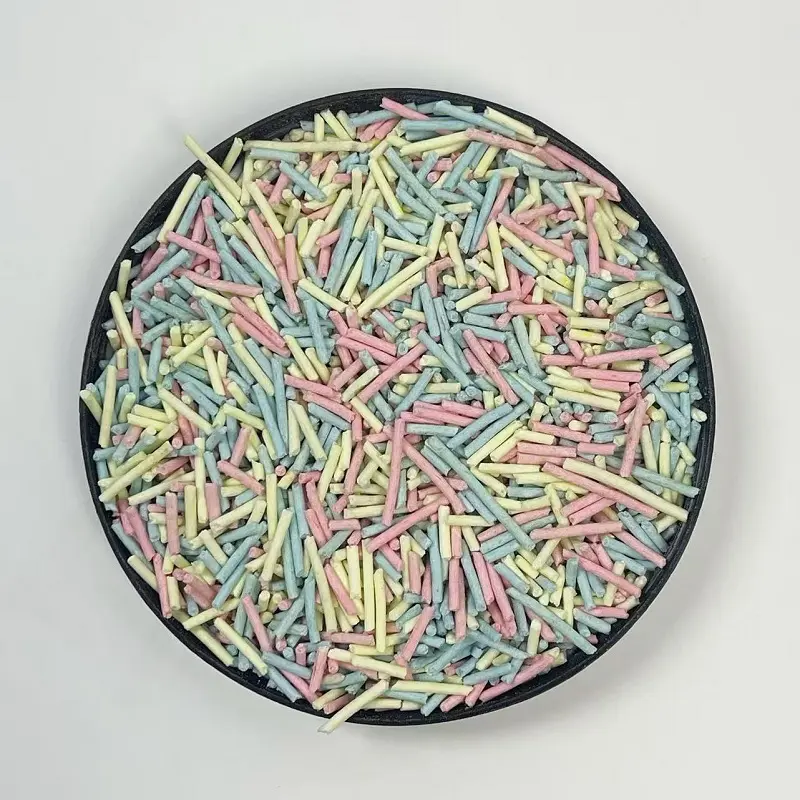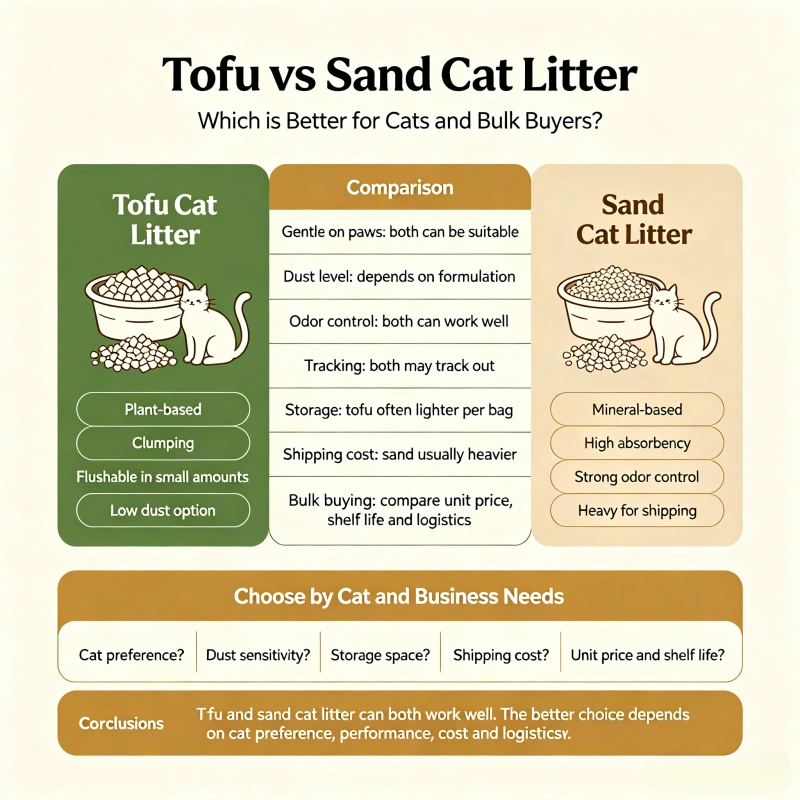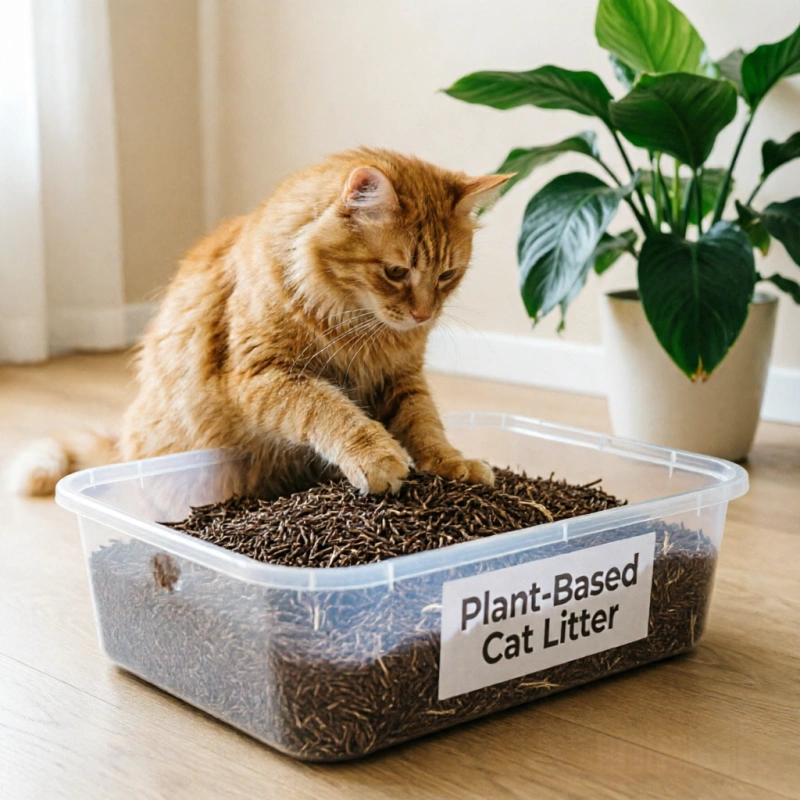
Plant-based cat litter has become one of the fastest-growing segments in the global pet care industry. As consumers become more environmentally conscious and pet owners demand safer, cleaner, and more sustainable products, traditional mineral-based litters such as bentonite clay are rapidly being replaced by natural alternatives.
Unlike clay or silica-based products, plant-based cat litter is made from renewable agricultural resources such as soybean fiber, corn starch, wood, paper, wheat, cassava, and coconut materials. These products are biodegradable, low-dust, and often flushable, making them highly attractive in modern pet markets across Europe, North America, and Asia.
This guide provides a complete SEO-optimized overview of plant-based cat litter types, including detailed descriptions, features, advantages, disadvantages, and recommendation ratings. It also includes a professional OEM procurement guide for pet brands and distributors.
What Is Plant-Based Cat Litter?
Plant-based cat litter is a type of biodegradable litter made from natural plant fibers and agricultural by-products. Instead of using mined minerals or synthetic silica, it relies on renewable raw materials such as:
Soybean fiber
Corn starch
Wheat fiber
Wood pulp
Paper pulp
Cassava starch
Coconut fiber
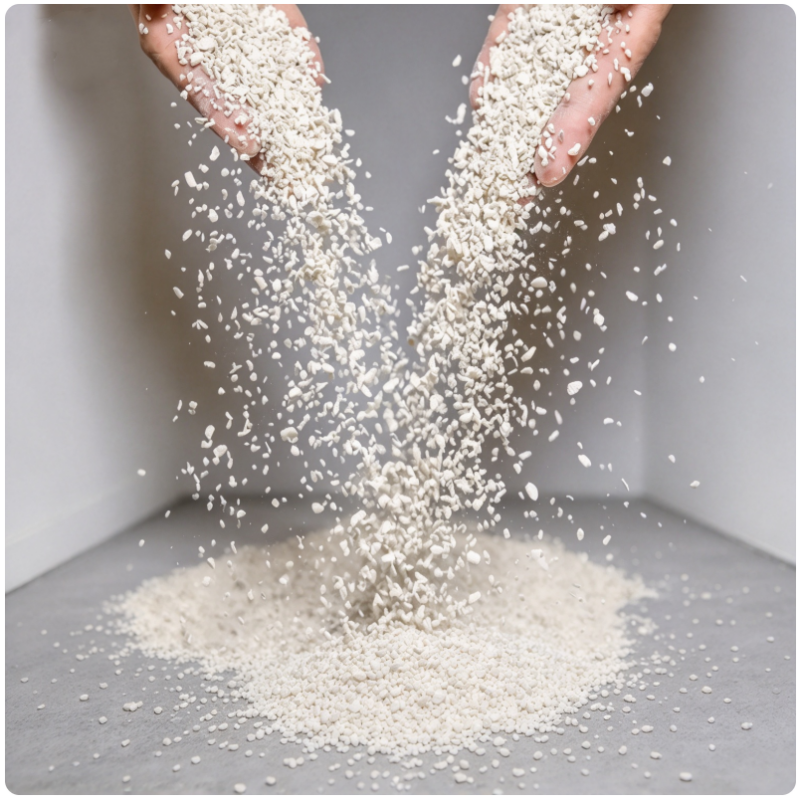
These materials are processed into pellets or granules that absorb moisture, form clumps, and control odor naturally.
Plant-based litter is designed to be:
Eco-friendly
Flushable (in most cases)
Low dust
Lightweight
Safe for pets and humans
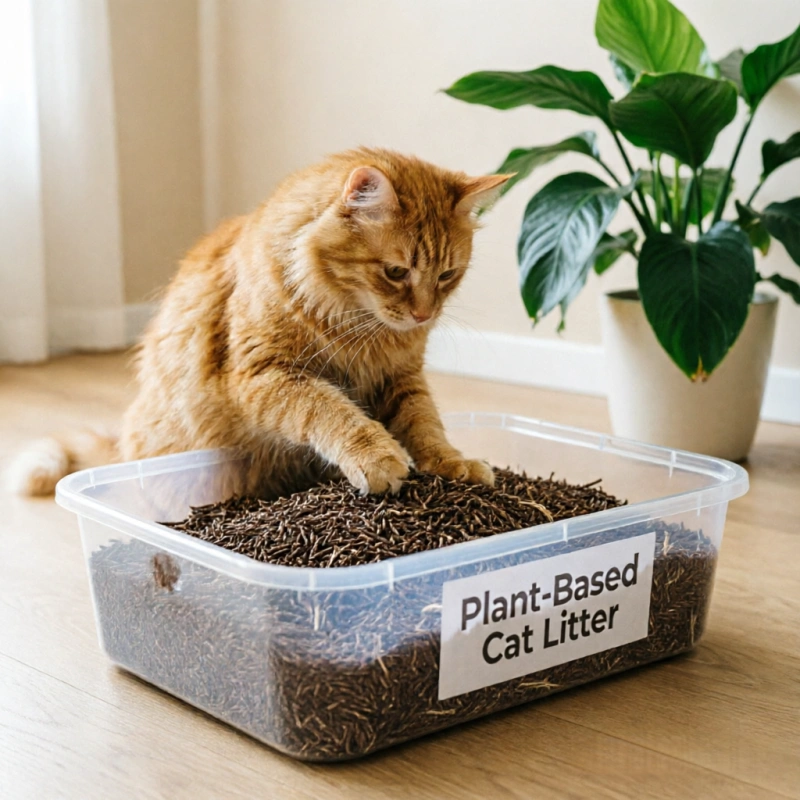
Why Plant-Based Cat Litter Is Growing Fast
The global demand is driven by several factors:
Environmental regulations restricting mining-based litter
Increasing pet ownership worldwide
Consumer demand for non-toxic products
Premiumization of pet care products
E-commerce and private label growth
Plant-based litter is no longer a niche product—it is becoming mainstream in premium pet brands.
Types of Plant-Based Cat Litter (Complete Guide)
Below is a detailed breakdown of major plant-based cat litter categories, each with description, features, advantages, disadvantages, and recommendation score.
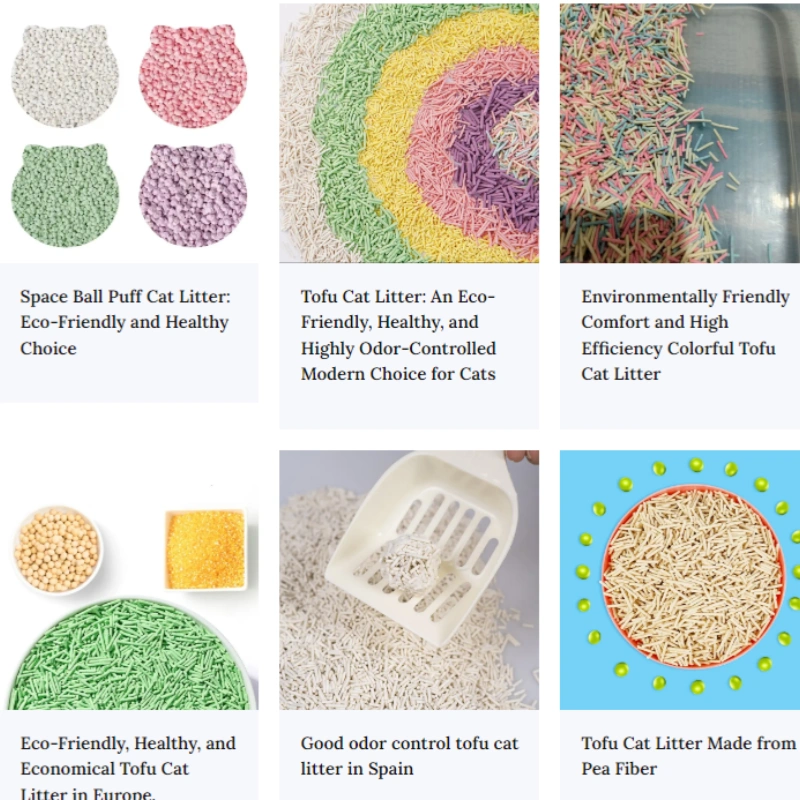
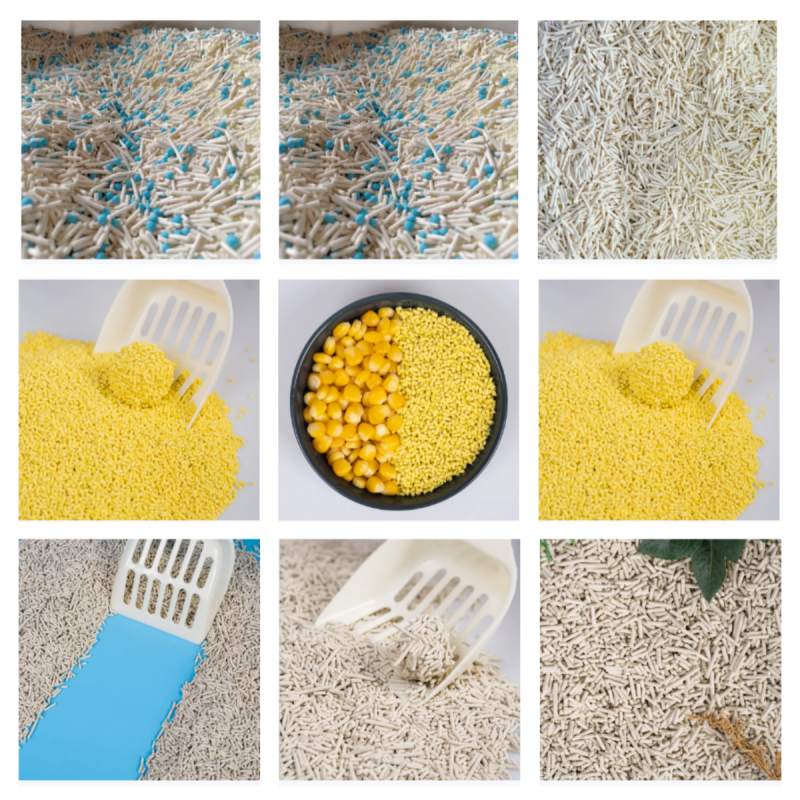
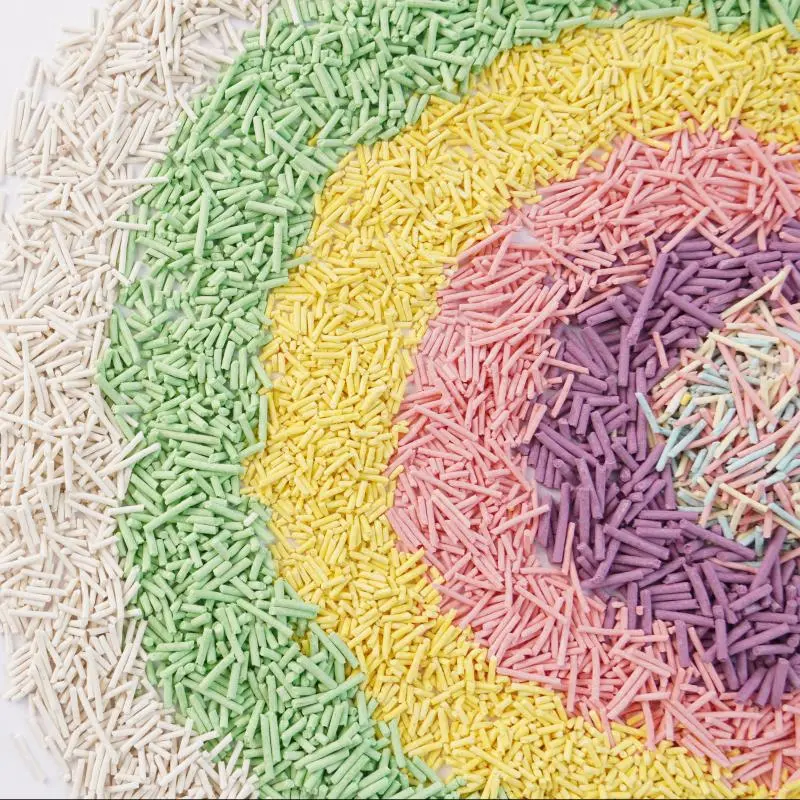
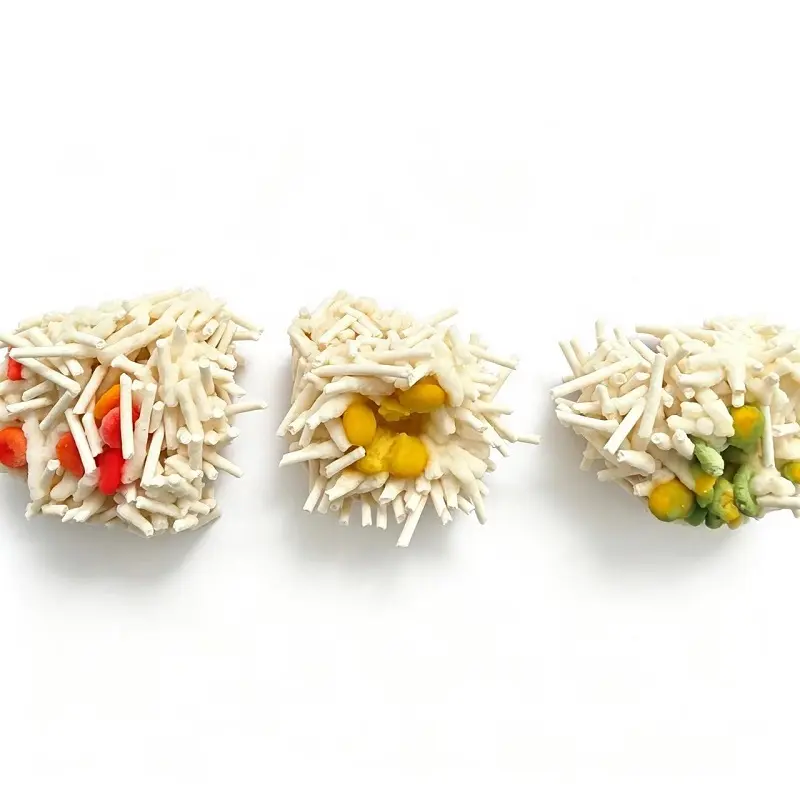
1. Tofu Cat Litter (Soybean Fiber Litter)
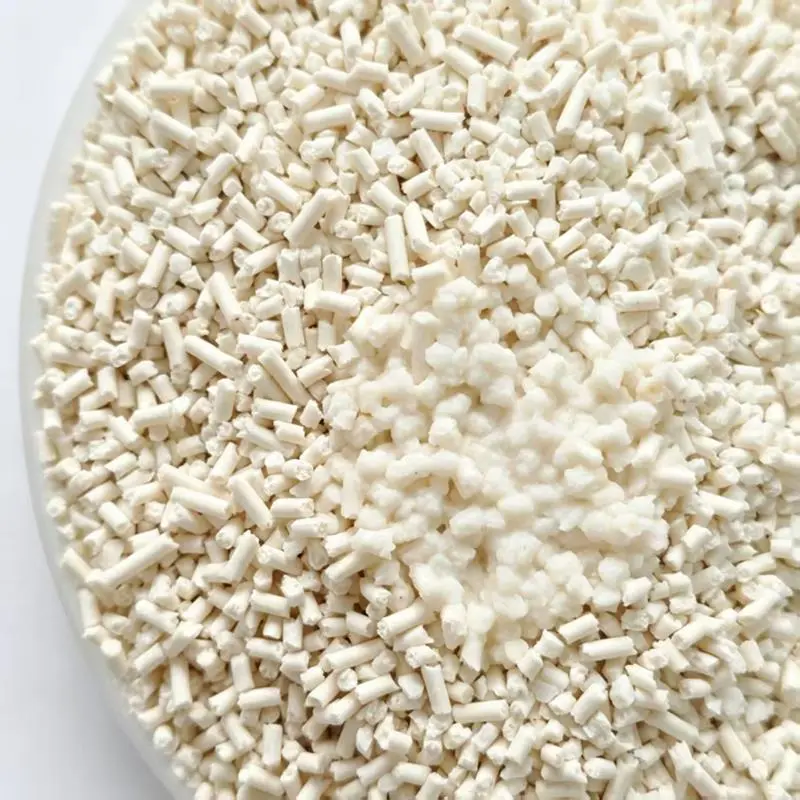
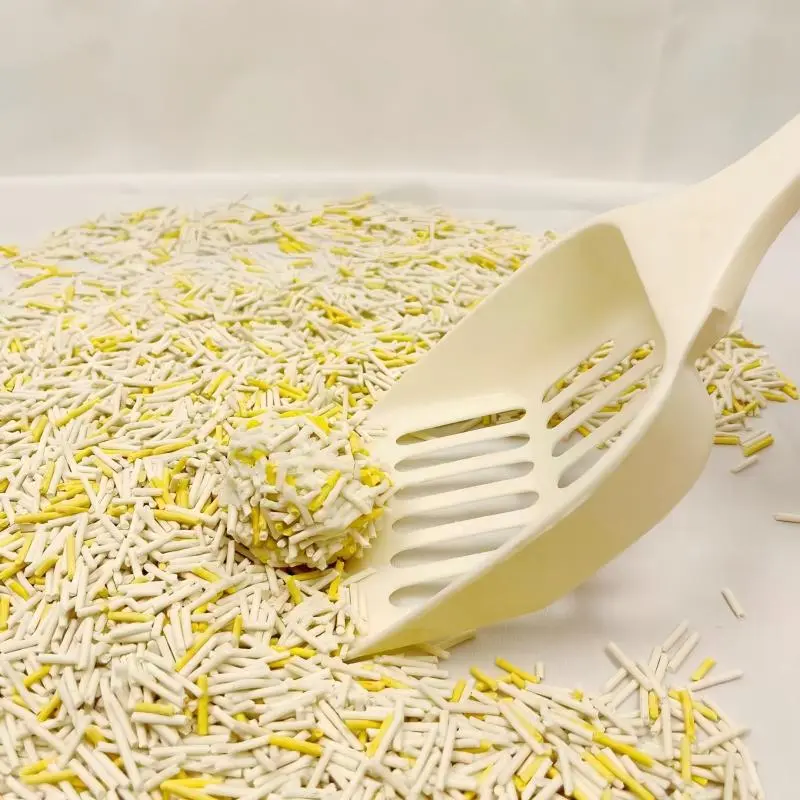
Tofu cat litter is made from soybean residue (okara), corn starch, and natural binders. It is one of the most popular plant-based litters globally due to its strong clumping ability and flushable nature. It dissolves in water, making disposal easy. It is commonly used in 1.5mm–3.0mm granules for optimal performance.
Features:
Strong clumping
Flushable
Low dust
Light weight
Advantages:
Excellent odor control, eco-friendly, safe for kittens, widely accepted globally.
Disadvantages:
Can be slightly more expensive than clay litter; may stick to litter box if humidity is high.
Recommendation Score: ⭐⭐⭐⭐⭐ (9.5/10)
2. Corn-Based Cat Litter
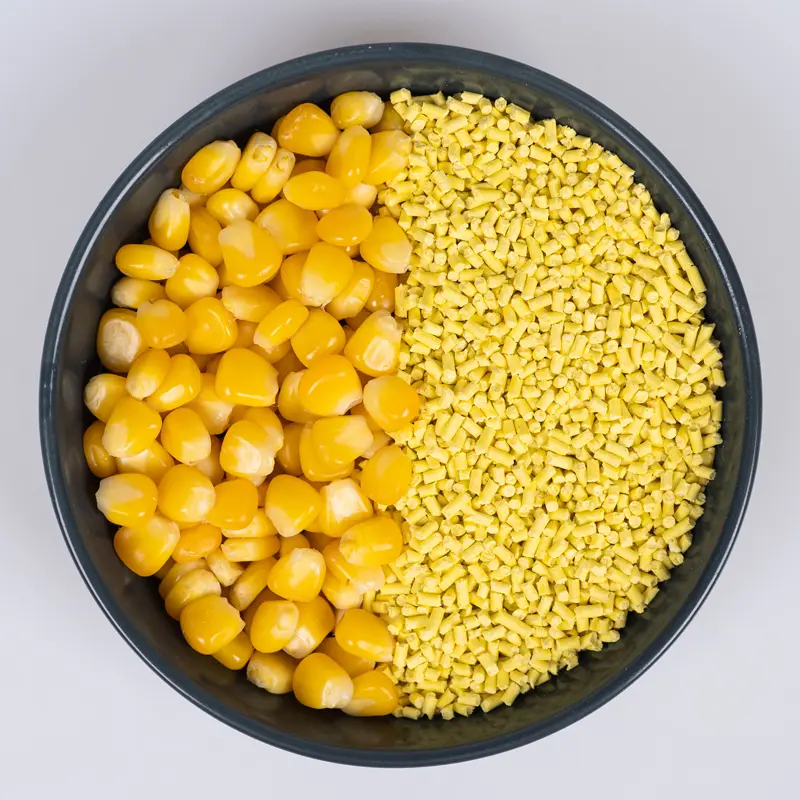
Corn cat litter is made from dried corn kernels and corn starch. It is a natural, biodegradable product with good clumping performance. It is popular in North America due to abundant corn supply.
Features:
Natural corn material
Medium to strong clumping
Mild natural scent
Advantages:
Affordable, widely available raw material, good absorption.
Disadvantages:
Can attract insects if not stored properly; slightly heavier odor retention compared to tofu litter.
Recommendation Score: ⭐⭐⭐⭐☆ (8.5/10)
3. Wheat-Based Cat Litter
Wheat litter is produced from wheat starch and wheat fiber. It is one of the earliest plant-based alternatives to clay litter.
Features:
Natural wheat enzyme odor control
Soft texture
Moderate clumping
Advantages:
Good odor neutralization, biodegradable, gentle on paws.
Disadvantages:
Less strong clumping than tofu litter; may produce slight dust during pouring.
Recommendation Score: ⭐⭐⭐⭐☆ (8/10)
4. Wood Pellet Cat Litter
Wood pellet litter is made from compressed sawdust or pine wood. It absorbs moisture and breaks into sawdust when wet instead of forming clumps.
Features:
Non-clumping or semi-clumping
High absorption
Natural pine scent
Advantages:
Very low cost, natural odor masking, widely available.
Disadvantages:
No strong clumping, requires frequent cleaning, less comfortable for cats.
Recommendation Score: ⭐⭐⭐☆ (7.5/10)
5. Paper-Based Cat Litter
Paper litter is made from recycled paper pulp compressed into pellets. It is extremely lightweight and soft.
Features:
Soft texture
High absorption
Low dust
Advantages:
Eco-friendly, good for post-surgery cats, very gentle.
Disadvantages:
Weak odor control, less durable, higher replacement frequency.
Recommendation Score: ⭐⭐⭐☆ (7/10)
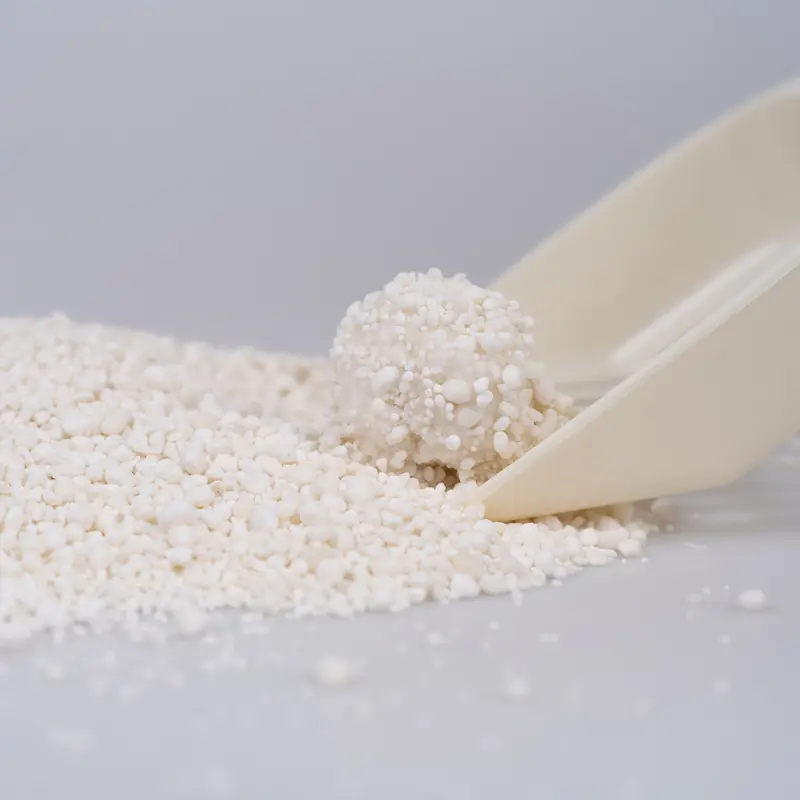
6. Cassava Cat Litter
Cassava litter is made from cassava starch (tapioca). It is a rising star in Southeast Asia due to abundant cassava production.
Features:
Strong clumping
Biodegradable
Lightweight
Advantages:
Excellent absorption, eco-friendly, smooth texture.
Disadvantages:
Still developing global supply chain; slightly less stable than tofu litter in humid climates.
Recommendation Score: ⭐⭐⭐⭐⭐ (9/10)
7. Coconut Cat Litter
Coconut litter is made from coconut husk fiber. It is highly absorbent and eco-friendly.
Features:
Natural fiber structure
Strong moisture absorption
Organic scent
Advantages:
Very sustainable, renewable material, excellent odor control.
Disadvantages:
Less common globally; slightly higher production cost.
Recommendation Score: ⭐⭐⭐⭐☆ (8.8/10)
8. Mixed Plant-Based Cat Litter
This type combines multiple plant materials such as tofu + corn or wood + cassava blends to optimize performance.
Features:
Balanced performance
Customizable formula
Enhanced odor control
Advantages:
Best of multiple materials, flexible OEM customization.
Disadvantages:
Requires advanced manufacturing control; consistency depends on factory quality.
Recommendation Score: ⭐⭐⭐⭐⭐ (9.2/10)
Plant-Based Cat Litter OEM Manufacturing Process
For OEM factories, production typically includes:
1. Raw Material Selection
High-quality agricultural fibers are selected based on purity, moisture, and fiber length.
2. Grinding and Refining
Materials are crushed into fine powder or fiber structures.
3. Mixing Formulation
Binders, starch, and deodorizing agents are blended.
4. Extrusion or Pelletizing
Mixture is formed into uniform granules (1.5mm–4mm).
5. Drying Process
High-temperature drying reduces moisture below 10%.
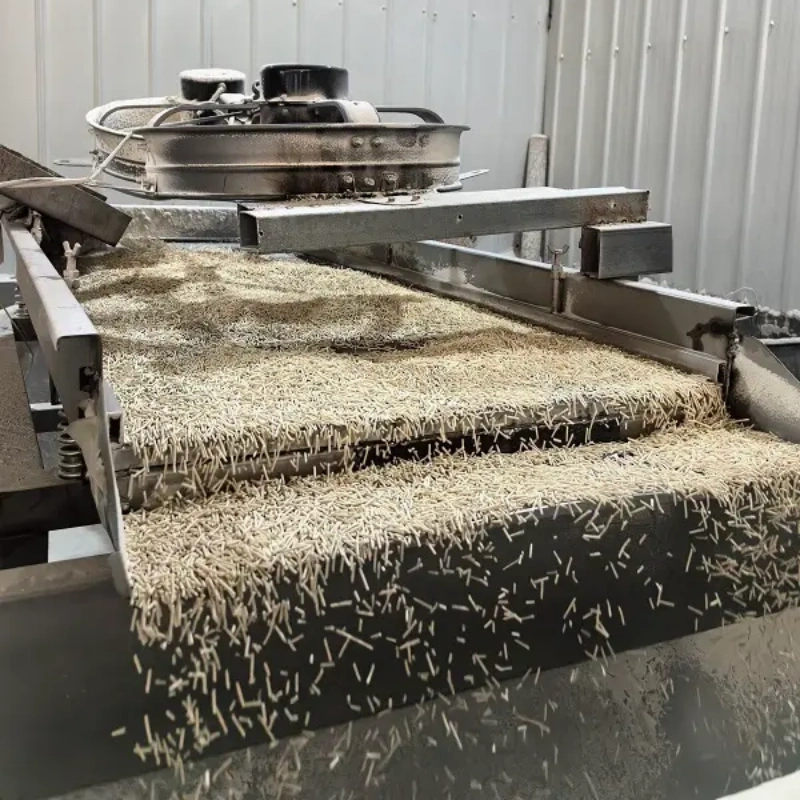
6. Dust Removal
Fine particles are removed using vibration sieves.
7. Fragrance Treatment (Optional)
Natural scents such as green tea or lavender are added.
8. Packaging
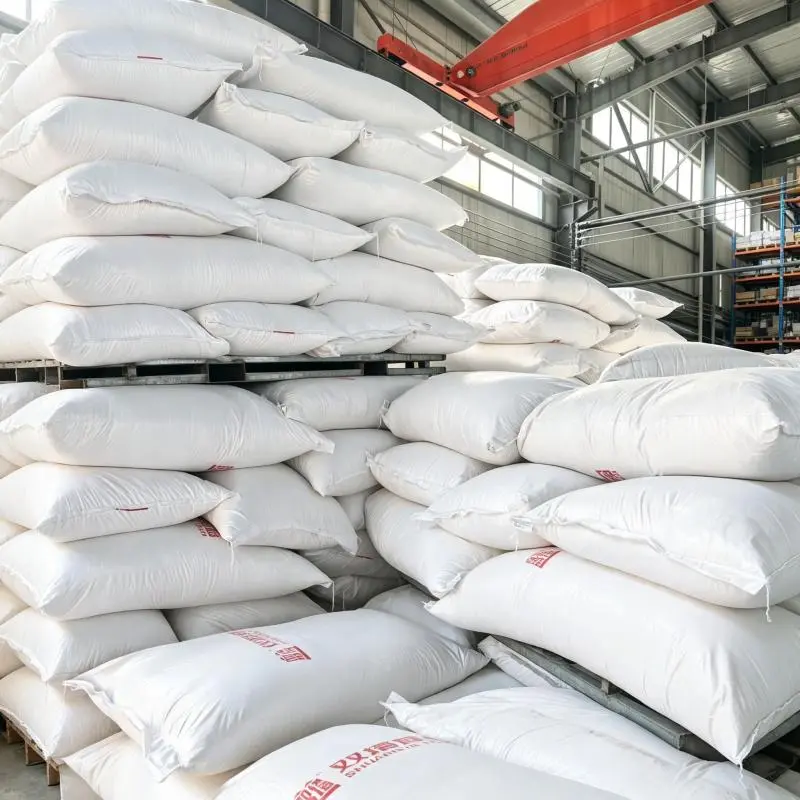
OEM private label bags (3L–20L) are printed and sealed.
OEM / ODM Procurement Guide for Plant-Based Cat Litter
For global pet brands, choosing the right supplier is critical.
Key Factors:
1. Raw Material Quality
Ensure food-grade or agricultural-grade safe materials.
2. Clumping Performance
Test water absorption and clump strength.
3. Dust Level
Low dust improves user experience and reduces respiratory risk.
4. Packaging Customization
OEM factories should offer:
Private label design
Multi-language packaging
Barcode/QR code printing
5. Certifications
Look for:
ISO9001
SGS testing reports
MSDS documentation
6. MOQ & Pricing
Typical MOQ:
5–10 tons per SKU
Flexible trial orders available
7. Export Capability
Ensure experience in:
Container shipping
Customs clearance
Global logistics support
Market Trend Analysis
Plant-based cat litter is expected to grow due to:
Rising eco-conscious consumers
Ban on mining-based litter in some regions
Premium pet care market expansion
E-commerce private label growth
Tofu and cassava litter are expected to lead future growth due to strong performance and sustainability advantages.
Conclusion
Plant-based cat litter represents the future of the global pet care industry. With multiple material options such as tofu, corn, wheat, wood, cassava, and coconut, pet brands can choose different formulas based on market positioning and price strategy.
Among all types, tofu cat litter remains the most balanced solution in terms of performance, eco-friendliness, and global acceptance, while cassava and mixed formulations are emerging as strong competitors.
For OEM buyers, success depends on choosing a factory with stable raw material sourcing, advanced extrusion technology, strict quality control, and strong private label capabilities. With the right partner, plant-based cat litter becomes not just a product—but a scalable, high-margin global brand opportunity.
387.webp)