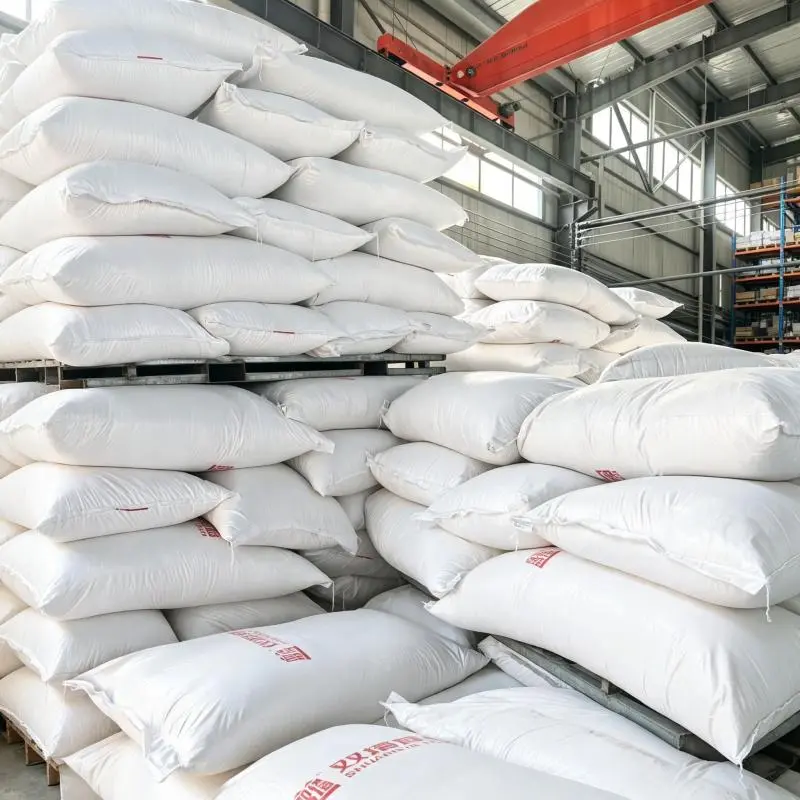
What Is Shuangta Pea Fiber?
Shuangta is a Chinese food-processing company known for its pea-processing products, including pea protein, pea starch, and dietary fiber.
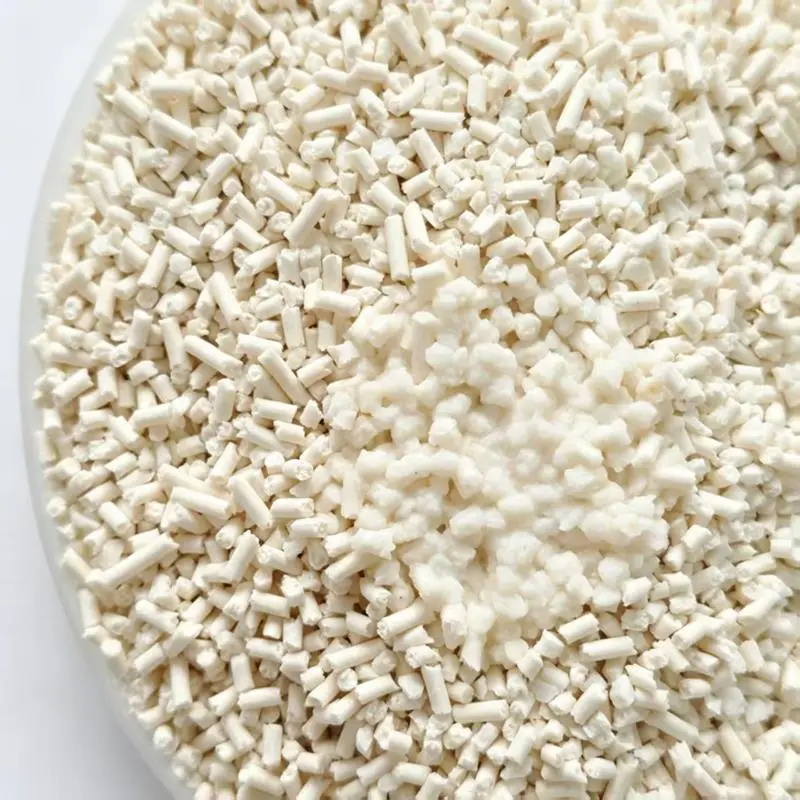
Pea fiber is a plant-based raw material obtained through pea processing. Depending on the raw material source and processing methods, its physical properties may vary, including fiber structure, particle size, color, moisture content, and water absorption performance.
In tofu cat litter production, pea fiber can serve as an important structural ingredient in the formulation.
It is more than just a simple filler. Pea fiber provides a plant-based fiber structure for cat litter pellets and works in combination with appropriate proportions of starch, guar gum, and other formulation ingredients to help create a plant-based material system with liquid absorption, clumping, and pellet-forming properties.
The performance of the final product depends not only on the pea fiber itself but also on the proportions of the different ingredients and the manufacturing process.
Therefore, for cat litter manufacturers, selecting a suitable and reliable source of pea fiber is an important step in developing consistent, high-quality tofu cat litter.
Key Advantages of Using Shuangta Pea Fiber in Tofu Cat Litter Production
1. Plant-Based Raw Material Aligned with Modern Cat Litter Trends
One of the key characteristics of pea fiber is its plant-based origin.
As more pet brands explore alternatives to traditional mineral cat litter, plant-derived ingredients offer cat litter manufacturers greater flexibility in developing new formulations.
Pea fiber can be used in combination with ingredients such as corn starch and guar gum, helping manufacturers develop plant-based cat litter products with different physical properties.
For pet brands looking to expand their plant-based cat litter product lines, pea fiber is a raw material worth considering.
Gelin Town Pet specializes in the research, development, and production of plant-based cat litter. Our product range includes traditional cylindrical tofu cat litter, small-pellet tofu cat litter, crushed tofu cat litter, and various blended formulations.
2. Synergistic Effects with Corn Starch and Guar Gum
High-performance tofu cat litter requires the proper combination of different raw materials.
Pea fiber, corn starch, and guar gum each serve distinct functions in the formulation.
Pea fiber: Provides plant-derived fiber and contributes to the physical structure of cat litter pellets.
Corn starch: Acts as a binder during processing, helping the mixed ingredients form pellets and influencing the resulting pellet structure.
Guar gum: Functions as a binding and thickening agent, helping the formulation develop cohesive properties when exposed to moisture.
With appropriate formulation ratios, these ingredients can work together to create cat litter pellets suitable for liquid absorption and clumping.
3. Helps Improve Clumping Performance
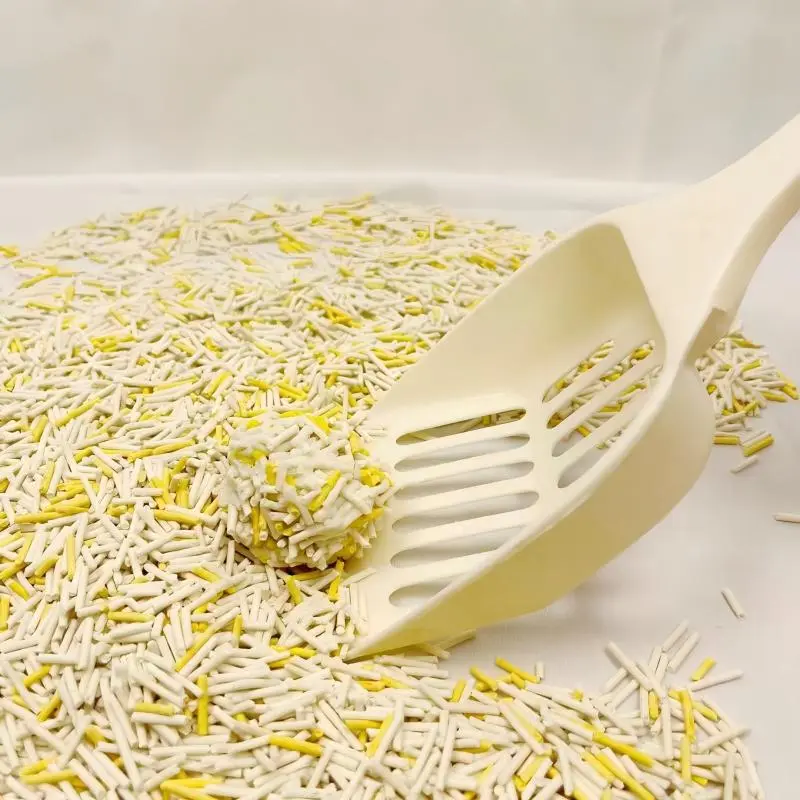
In tofu cat litter, fiber is more than just a filler ingredient. Suitable pea fiber can work together with starch and guar gum to form the structural system of the pellets, helping improve clumping speed, clump integrity, and ease of scooping.
Actual performance depends on the ingredient ratios, raw material properties, and manufacturing process.
4. An Established Pea-Processing Supplier
Shuangta has long focused on pea-derived products, including pea protein, pea starch, and dietary fiber, and has developed a relatively comprehensive pea-processing industry chain.
For cat litter manufacturers, choosing a specialized raw material supplier can help support better control over raw material quality and supply stability.
Why Is Raw Material Consistency Critical for Cat Litter Manufacturers?
For cat litter manufacturers, selecting suitable raw materials is only the first step. Maintaining consistency across different production batches is equally important.
Variations in fiber properties may affect the mixing, extrusion, and drying processes, as well as the physical properties of the final pellets.
For example, differences in moisture content or particle size may require manufacturers to adjust their processing parameters. If formulation and process controls are inadequate, variations may occur in the finished product's pellet size, hardness, water absorption performance, or fines content.
A standardized raw material management process should include the following key steps.
1. Incoming Raw Material Inspection
Before raw materials enter production, they should be inspected according to the factory's purchasing specifications.
Depending on the type of raw material and the documentation provided by the supplier, inspection items may include:
Product name and traceability information
Appearance and color
Moisture content
Particle size or physical consistency
Packaging integrity
Supplier specifications and applicable test reports
These inspections help identify potential deviations before raw materials enter the production line.
2. Formulation and Mixing Control
Thorough and uniform mixing helps ensure that pea fiber, corn starch, guar gum, and other ingredients are evenly distributed throughout each batch.
The specific mixing process should be determined according to the formulation and the physical properties of the raw materials.
A consistent mixing process helps improve extrusion and pellet-forming consistency while reducing unnecessary variations in the finished product.
3. Production Process Monitoring
During production, the factory needs to monitor key parameters that affect product quality.
These parameters may include:
Water addition
Extrusion conditions
Pellet size
Drying conditions
Screening and sieving performance
Production adjustments should be made based on the actual formulation and validated process specifications.
4. Finished Product Inspection
Finished tofu cat litter should be tested according to established product specifications.
Common quality indicators include:
Pellet diameter and length
Moisture content
Bulk density
Water absorption capacity
Clumping performance
Dust and fines content
Packaging integrity
Specific acceptance criteria should be established according to product specifications and customer requirements.
For importers and distributors, clearly defined product specifications and representative samples help determine whether a product is suitable for their target markets.
Gelin Town Pet: Your Tofu Cat Litter Manufacturing Partner in China
Gelin Town Pet is a plant-based cat litter manufacturer based in Shandong, China. We specialize in product research and development, manufacturing, and supply services for international B2B customers.
Our product range includes various types of plant-based cat litter, such as:
Traditional tofu cat litter
Small-pellet tofu cat litter
Crushed tofu cat litter
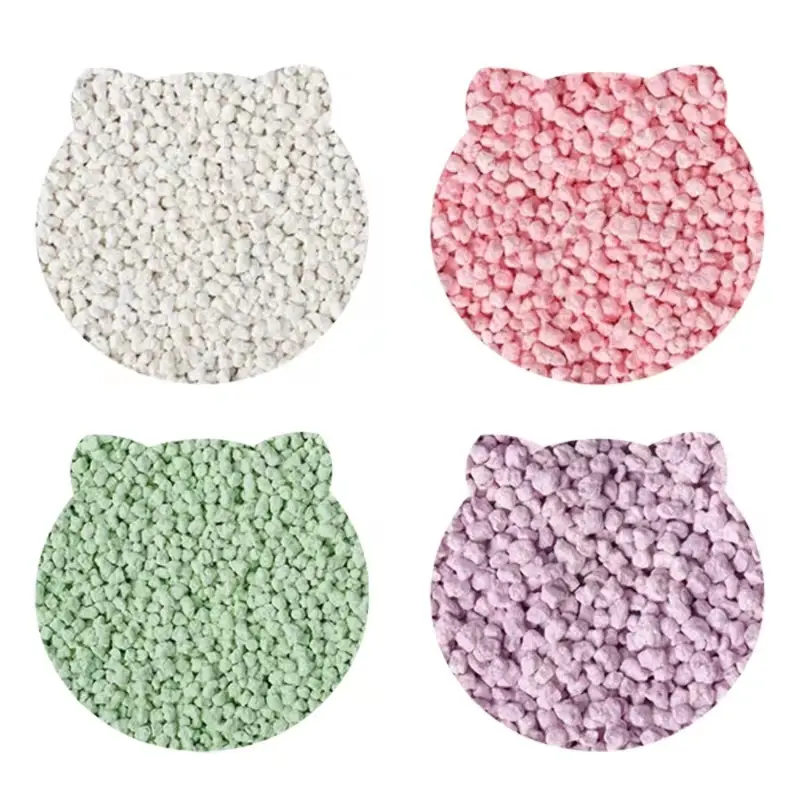
Puffed tofu cat litter
Tofu and cassava blended cat litter
Other customized plant-based cat litter products
We understand that different customers have different product specifications and requirements.
Some customers focus more on pellet size and clumping performance, while others prioritize fragrance, packaging, retail market positioning, or private-label product development.
Our OEM/ODM services help customers explore suitable product solutions based on their market needs.
Raw Material Selection and Formulation Development
We pay close attention to the various raw materials used in our products, including pea fiber, corn starch, guar gum, and other ingredients selected according to the formulation.
For products made with Shuangta pea fiber, this ingredient serves as an important plant-based component of the overall formulation.
We comprehensively evaluate raw material suitability in relation to mixing, extrusion, drying, screening, and the performance requirements of the finished product.
Manufacturing and Quality Control
Our production management focuses on controlling manufacturing processes and inspecting finished products against established specifications.
Product quality depends not only on raw material suppliers but also on formulation design, process control, testing, packaging, and storage conditions.
By managing these factors comprehensively, we strive to provide customers with consistent-quality cat litter products suited to their specific applications and requirements.
OEM/ODM Private-Label Services
We support international customers in developing or expanding their own cat litter brands.
Depending on order requirements and product feasibility, customization options may include formulation selection, pellet size, fragrance, color, packaging design, and product specifications.
Whether you are looking for an established tofu cat litter formulation or preparing to develop a new private-label product, we welcome the opportunity to discuss your requirements and help identify a suitable product solution.