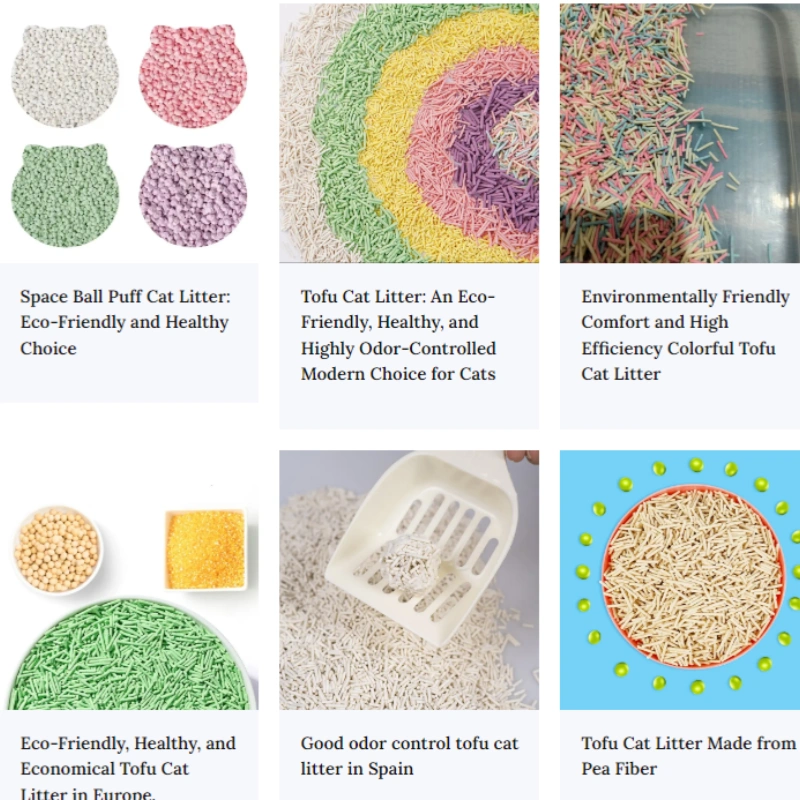
The demand for plant-based cat litter has created new opportunities for pet product wholesalers, importers, distributors, and private-label brands. With various raw materials, product formats, and formulation options available, choosing the right cat litter requires more than comparing prices. Buyers must evaluate product performance, target market preferences, supply capacity, quality consistency, and overall sourcing costs.
So, what is the best plant-based cat litter for wholesale buyers?
The answer depends on your business model and market requirements. Tofu cat litter may be a practical starting point for a broad product range, while cassava, corn, cereal, peanut shell, and mixed plant-based cat litter offer additional opportunities for product differentiation. The most suitable choice is the one that meets your customers' expectations while supporting reliable supply and sustainable business margins.
In this guide, we compare the main types of plant-based cat litter, explain what wholesale buyers should evaluate before placing an order, and outline how to select a reliable manufacturer for bulk purchasing and private-label production.
What Is Plant-Based Cat Litter?
Plant-based cat litter is made primarily from plant-derived materials rather than conventional mineral materials such as bentonite. Depending on the formulation, manufacturers may use soybean by-products, cassava, corn, cereal-based ingredients, peanut shells, or combinations of different plant materials.
These materials can be processed into different granule shapes, sizes, and formulations to meet various product requirements.
For wholesale buyers, plant-based cat litter offers several product development opportunities:
Product differentiation: Different raw materials and granule formats can help retailers build distinctive product lines.
Flexible product positioning: Formulations can be developed for different price segments and customer preferences.
Private-label opportunities: Buyers can explore customized materials, fragrances, colors, granule formats, and packaging.
Expanded product portfolios: Retailers can offer multiple plant-based litter options to serve different customer needs.
However, not all plant-based cat litter products have the same performance or environmental characteristics. Clumping strength, odor control, dust levels, moisture absorption, biodegradability, and disposal suitability depend on the actual formulation and supporting test evidence.
For this reason, wholesale buyers should assess individual products rather than assuming that all plant-based litter performs identically.
Best Types of Plant-Based Cat Litter for Wholesale Buyers
Different plant-based cat litter materials serve different sourcing and product development needs. Understanding their characteristics can help buyers select suitable products for their distribution channels.
1. Tofu Cat Litter: A Versatile Option for Wholesale Product Lines
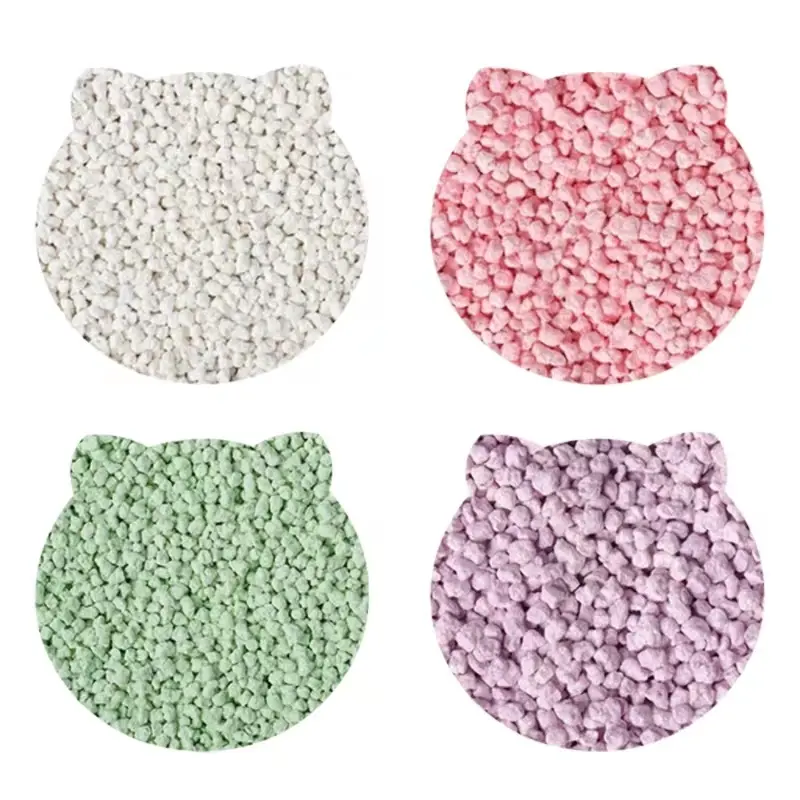
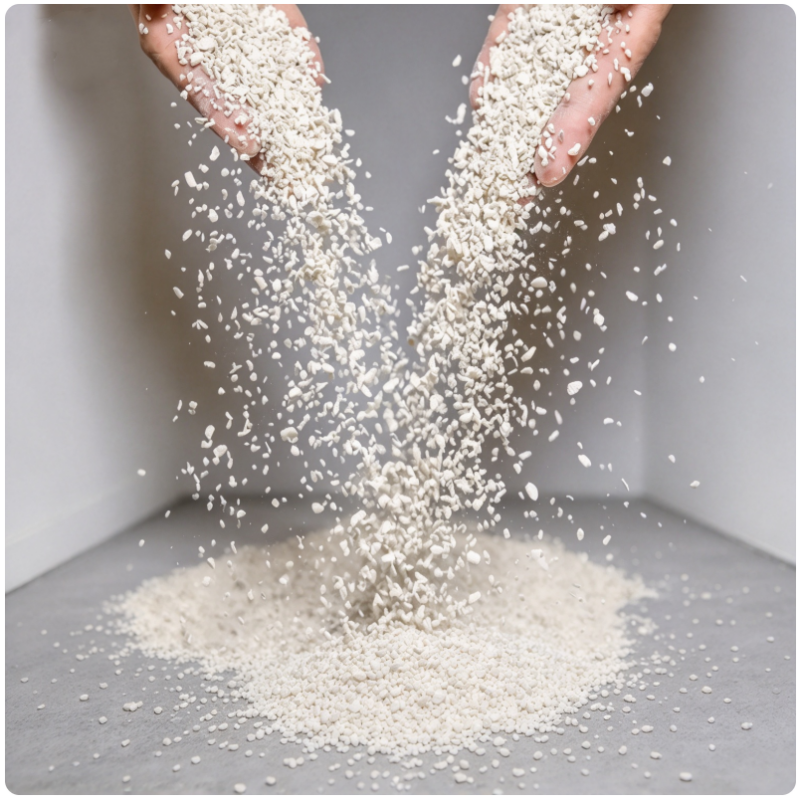
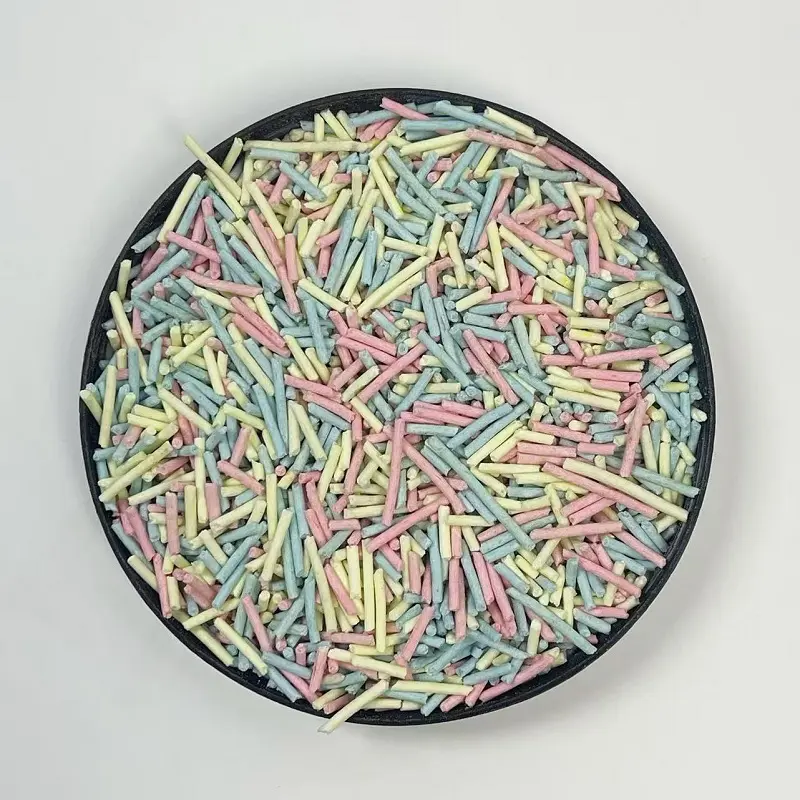
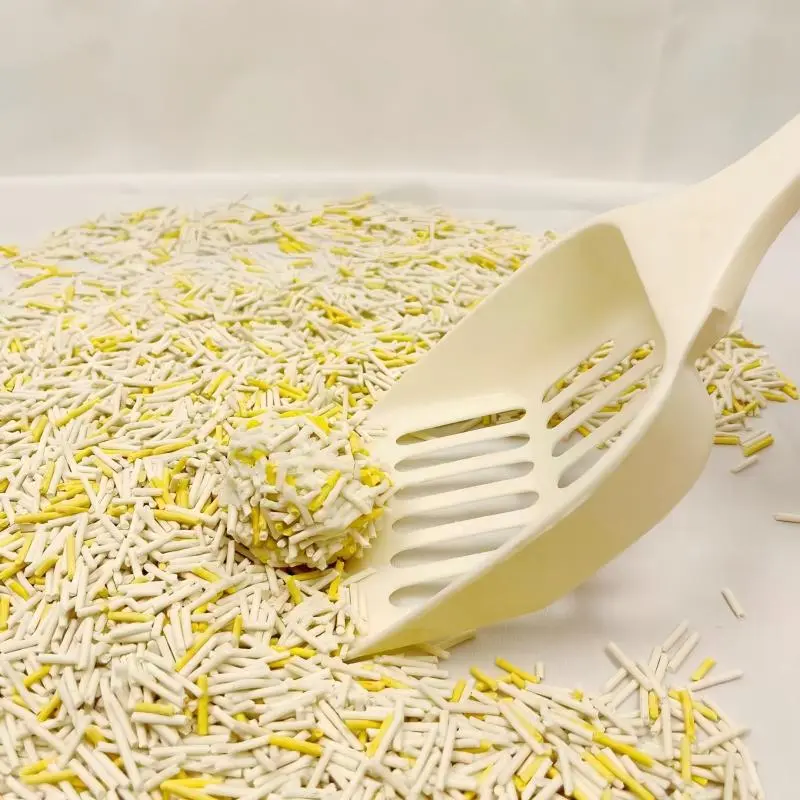
Tofu cat litter is commonly made using soybean-derived materials and other ingredients, depending on the formulation. It is available in different granule shapes and sizes, including conventional cylindrical pellets, crushed formats, and expanded or space-puffed designs.
For wholesale buyers, tofu cat litter can be a useful starting point when developing a plant-based product range.
Key considerations for buyers:
Granule shape, size, and consistency
Clumping performance and clump durability
Dust generation during pouring and handling
Odor control under normal use conditions
Packaging formats and retail presentation
Consistency between production batches
Different formats can also support product differentiation. For example, conventional pellets may suit buyers seeking a familiar product format, while crushed or expanded formats can provide additional options for customized product development.
Before selecting a product, buyers should request samples and compare the actual performance of the available formulations.
Best suited for: Wholesalers looking to establish a versatile plant-based cat litter range, distributors seeking multiple product formats, and private-label brands interested in customized packaging and product specifications.
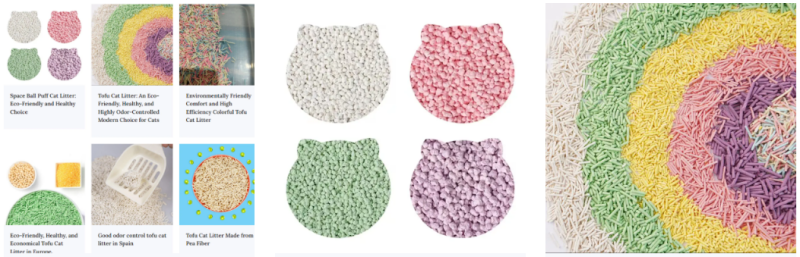
Tofu Cat Litter
2. Cassava Cat Litter: An Option for Product Differentiation
Cassava cat litter uses cassava-derived ingredients in its formulation. Depending on the recipe and manufacturing process, it can be developed in different granule formats and combined with other plant-based materials.
For buyers looking to expand beyond conventional tofu cat litter, cassava-based products may provide an additional option for product portfolio development.
Important factors to evaluate include:
Clumping speed and strength
Moisture absorption performance
Granule integrity and consistency
Dust levels during handling
Raw material availability and price stability
Product cost at the required order volume
The actual performance of cassava cat litter varies by formulation. Buyers should avoid making purchasing decisions based solely on the raw material name or supplier descriptions.
Best suited for: Importers and private-label brands seeking additional plant-based product options and buyers interested in comparing alternative formulations.
3. Corn Cat Litter: A Plant-Derived Product Category
Corn cat litter uses corn-derived materials as part of its formulation. Product characteristics depend on the ingredients, processing methods, and any additional materials used.
For wholesale buyers, corn cat litter can broaden an existing plant-based litter portfolio and provide another option for product positioning.
When evaluating corn cat litter, buyers should consider:
The actual composition of the product
Absorption and clumping performance
Odor control and dust levels
Granule size and durability
Raw material consistency
Product cost and target retail price
Sample testing is particularly important when comparing products from different manufacturers, as formulations using the same primary raw material may perform differently.
Best suited for: Buyers seeking greater raw material diversity and retailers looking to offer several plant-based cat litter categories.
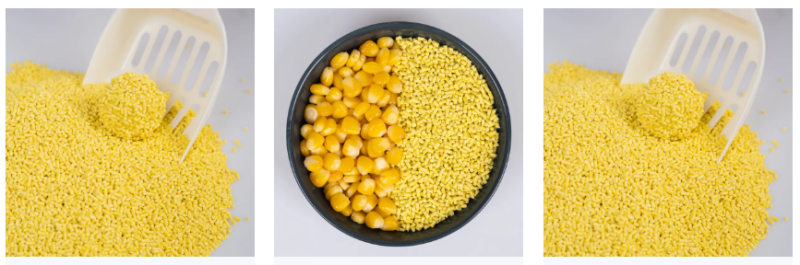
Corn Cat Litter
4. Cereal Cat Litter: An Alternative for Customized Formulations
Cereal cat litter uses cereal-derived materials in its formulation. Depending on the manufacturing process, it may be developed with different granule characteristics and performance specifications.
For wholesale buyers, the key consideration is not simply whether a product is cereal-based, but whether its performance, price, and supply consistency meet the requirements of the intended market.
Before ordering, evaluate:
Granule uniformity and durability
Absorption and clumping characteristics
Dust generation
Odor control performance
Ingredient specifications
Batch-to-batch consistency
If you are developing a private-label product, discuss the available formulations and customization possibilities with the manufacturer before finalizing your specifications.
Best suited for: Buyers interested in diversifying their plant-based cat litter assortment and exploring alternative formulations.
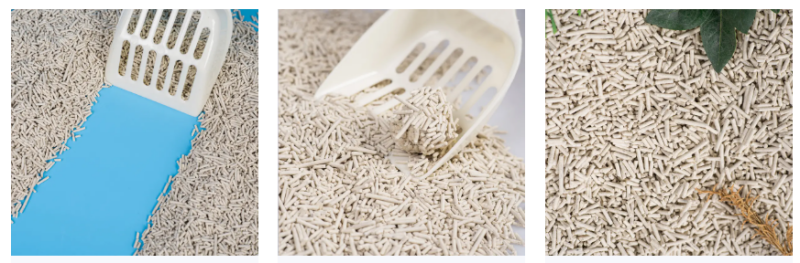
Cereal Cat Litter
5. Peanut Shell Cat Litter: Exploring Plant-Based By-Product Materials
Peanut shell cat litter uses processed peanut shells as part of its raw material base. This category offers another approach to plant-derived litter development, particularly for manufacturers working with alternative plant materials.
However, the characteristics of peanut shell-based litter depend heavily on raw material preparation and the final formulation.
Wholesale buyers should pay particular attention to:
Raw material processing and cleanliness
Potential contaminants and foreign materials
Dust levels and granule consistency
Moisture absorption and odor control
Product stability during storage
Availability and consistency of raw materials
Buyers should also consider the intended market's product requirements and any applicable safety or labeling expectations.
Best suited for: Buyers exploring differentiated plant-based products and manufacturers or brands interested in evaluating alternative raw material options.
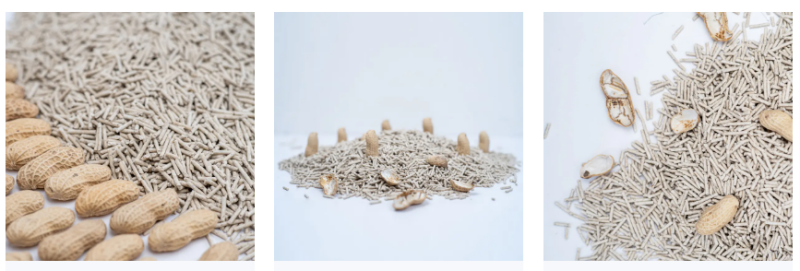
Peanut Shell Cat Litter
6. Mixed Plant-Based Cat Litter: Combining Materials for Specific Requirements
Mixed plant-based cat litter combines two or more materials to develop a formulation with targeted product characteristics.
Depending on the recipe, manufacturers may explore combinations involving cassava, tofu-derived ingredients, corn, cereal, or other suitable plant materials.
The purpose of a mixed formulation is to develop a product that meets defined requirements rather than simply combining ingredients.
Potential development objectives include:
Adjusting granule characteristics
Improving specific clumping or absorption properties
Balancing formulation costs
Developing distinctive product positioning
Creating customized products for private-label brands
For wholesale buyers, mixed cat litter requires careful evaluation of formulation consistency. Changes in ingredient proportions can affect product performance, appearance, and production costs.
Ask the manufacturer to confirm the agreed formulation specifications and explain how consistency is maintained across production batches.
Best suited for: Private-label brands, distributors seeking differentiated products, and buyers with specific performance or cost targets.
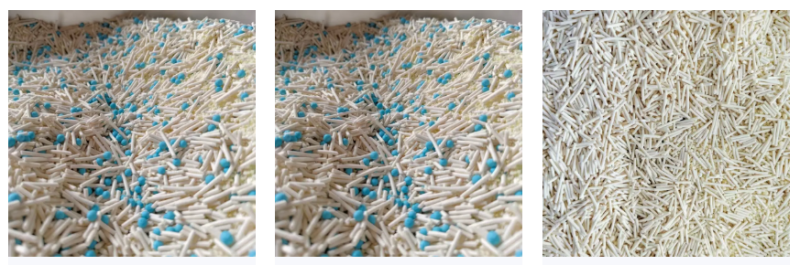
Mixed Plant-Based Cat Litter
How to Compare Plant-Based Cat Litter for Bulk Purchasing
Selecting the right plant-based cat litter requires a structured comparison. Rather than choosing a product based only on its raw material or quoted price, wholesale buyers should assess several performance and commercial factors.
The following table provides a practical framework for comparing supplier samples.
| Evaluation factor | What wholesale buyers should check |
|---|---|
| Clumping performance | Clump formation, strength, and resistance to breaking during removal |
| Absorption | Moisture uptake under consistent testing conditions |
| Odor control | Performance under the intended usage conditions |
| Dust levels | Dust generated during pouring, handling, and transport |
| Granule consistency | Uniformity of size, shape, and appearance |
| Granule durability | Resistance to breakage and fines generation |
| Packaging | Bag material, net weight, sealing quality, and transport suitability |
| Quality consistency | Whether subsequent batches meet the approved specifications |
| Raw material stability | Availability, ingredient consistency, and potential seasonal variation |
| Commercial cost | Product price, freight, import costs, and expected sellable quantity |
Compare Samples Using Consistent Test Conditions
A meaningful product comparison requires a consistent evaluation process.
For example, when comparing clumping performance, use the same test procedure and record the amount of liquid used, the waiting time, and the clump's condition after removal.
When comparing dust levels, make sure the evaluation method is consistent across samples. If numerical claims will be used in marketing materials, request test data supported by a clearly defined method.
Wholesale buyers should also assess samples under realistic storage and handling conditions. A product that performs well in a small sample may still require additional validation for bulk transportation, packaging, and long-term storage.
Evaluate Total Sourcing Cost, Not Just the Unit Price
The lowest quoted price does not always result in the lowest overall sourcing cost.
For imported cat litter, total landed cost may include:
Product purchase price
Packaging and labeling costs
Freight and insurance
Applicable import duties and taxes
Customs clearance and handling fees
Warehousing and distribution costs
A basic calculation is:
Landed cost per sellable unit = Total landed shipment cost ÷ Number of sellable units received
Buyers should also consider the net weight per bag, packaging dimensions, pallet configuration, shipping damage, and expected retail margin.
Comparing suppliers on a consistent cost basis makes it easier to determine which product is commercially suitable for your business.
How to Choose the Right Plant-Based Cat Litter for Your Target Market
The best product for one buyer may not be the best option for another. Product selection should reflect your distribution channel, customer expectations, pricing strategy, and supply requirements.
For Importers and Distributors
Importers and distributors generally need products that can support repeat orders and consistent distribution.
When assessing a manufacturer, focus on:
Available product categories and specifications
Production capacity and order planning
Quality control and batch consistency
Packaging and palletization options
Export documentation and shipping arrangements
Communication and responsiveness
A supplier that can support several related product categories may also help you consolidate sourcing and simplify supplier management, provided the products meet your requirements.
For Amazon, eBay, and Other E-Commerce Sellers
Online sellers must consider both product performance and fulfillment economics.
Packaging dimensions, bag weight, shipping costs, storage requirements, and the risk of packaging damage can all influence profitability.
When evaluating products for online channels, consider:
Packaging suitable for parcel transportation
Clear product specifications and accurate claims
Distinctive packaging and private-label opportunities
Product consistency for repeat customers
Freight and fulfillment costs relative to the selling price
Do not assume that a product with a lower factory price will necessarily produce a higher margin. Calculate the expected costs across the complete fulfillment process.
For Pet Store Chains and Offline Retailers
Retailers often need a balanced assortment that covers different customer preferences and price points.
A practical product strategy may include a core plant-based litter product alongside alternative materials or specialized formats.
Consider shelf presentation, package sizes, product information, replenishment requirements, and the ability to maintain consistent availability.
A supplier that offers several plant-based cat litter options may help you develop a broader assortment, subject to the supplier's actual production and customization capabilities.
For Private-Label Pet Brands
Private-label brands need more than a manufacturer that can print a logo on a bag. They need a partner that can work with them to define and maintain product specifications.
Before starting a project, clarify:
The target customer and retail price range
Preferred raw materials and granule format
Required performance characteristics
Packaging design and net weight
Available testing and quality documentation
Minimum order quantity and production schedule
Sample approval and change-control procedures
Defining these requirements early can reduce unnecessary revisions and help both parties prepare for bulk production.
What Wholesale Buyers Should Check Before Choosing a Cat Litter Manufacturer
A reliable cat litter manufacturer should be evaluated on production capability, quality management, product knowledge, and the ability to support your commercial requirements.
1. Manufacturing Capacity and Production Facilities
Ask whether the manufacturer has its own production facility and whether its equipment and production arrangements can accommodate your expected order volume.
Useful questions include:
What is the annual production capacity?
Which types of plant-based cat litter are manufactured in-house?
How is production scheduled for repeat orders?
Can the factory support customized specifications?
How are raw materials and finished products managed?
Annual capacity is a useful reference point, but it does not guarantee immediate availability. Buyers should confirm actual production schedules, current commitments, and lead times for their specific orders.
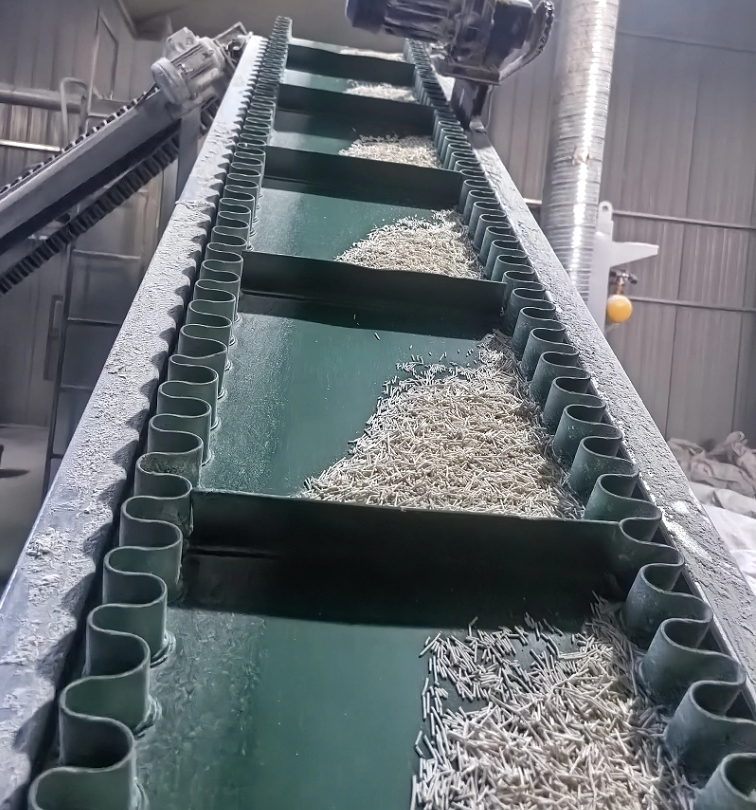
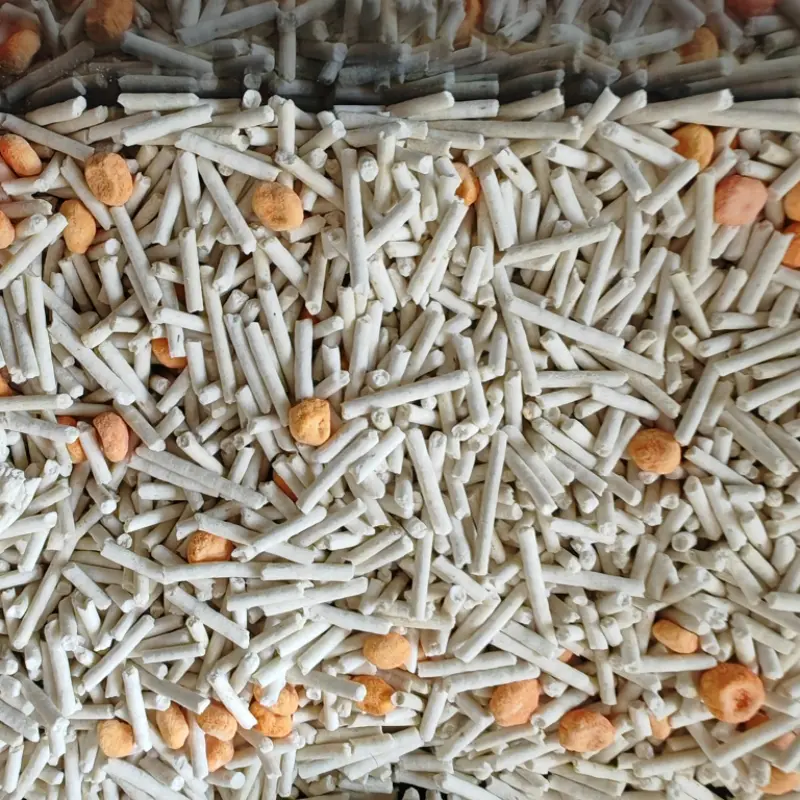
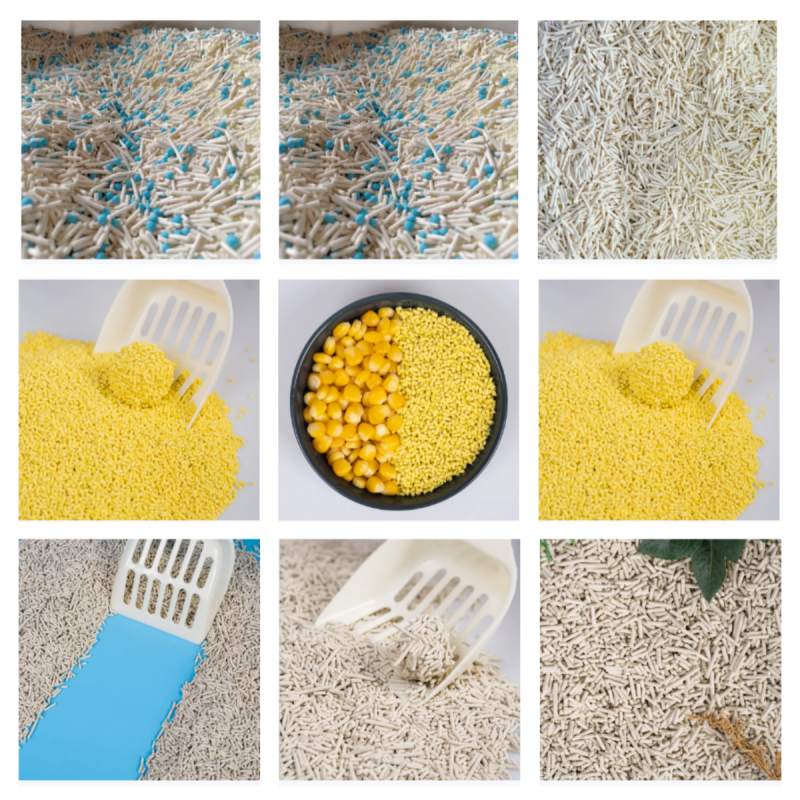
Tofu cat litter produced at the Gelin Town Pet factory.
2. Quality Control and Product Consistency
A manufacturer's quality management practices can be as important as its production capacity.
Ask how incoming materials are checked, how finished products are inspected, and how approved specifications are maintained between batches.
Depending on the product, relevant checks may include granule size, moisture, dust levels, clumping performance, packaging integrity, and other agreed quality indicators.
If a supplier provides certificates or test reports, verify the issuing organization, scope, validity, and applicability to the specific facility or product.
3. Minimum Order Quantity and Lead Time
Minimum order quantity (MOQ) and production lead time can significantly affect purchasing decisions.
Before comparing quotations, confirm:
MOQ for standard products
MOQ for customized formulations
MOQ for printed or private-label packaging
Sample availability and sample costs
Estimated production lead time
Payment terms and delivery arrangements
Customized packaging or formulations may have different minimum quantities from standard products. Always request confirmation based on your specific requirements.
4. Customization and Technical Support
For buyers developing a private-label range, the manufacturer's ability to communicate clearly about product specifications is essential.
Discuss the available options for raw materials, granule formats, colors, fragrances, and packaging. Ask which specifications can be customized and which are fixed by existing production capabilities.
A structured sample approval process is also important. The approved sample and written product specifications should serve as the reference for subsequent bulk production.
5. Export Experience and Documentation
International buyers should confirm that the supplier can provide the documents required for their particular market and shipment.
Depending on the destination and transaction, relevant documentation may include commercial invoices, packing lists, shipping documents, product specifications, and applicable testing or compliance records.
Requirements vary by country, product formulation, and intended claims. Confirm the applicable requirements before placing an order rather than assuming that one set of documents will be sufficient for every market.
OEM, ODM, and Private-Label Plant-Based Cat Litter Solutions
OEM/ODM manufacturing allows pet product brands to develop products under their own brand identity while working with an experienced manufacturing partner.
For wholesale buyers, this can provide a practical route to building a differentiated product range without establishing their own cat litter production facility.
What Can Be Customized?
Depending on the manufacturer's capabilities and the project requirements, customization may cover several areas.
Raw materials and formulations: Buyers can discuss available tofu, cassava, corn, cereal, peanut shell, and mixed plant-based cat litter options.
Granule formats: Different shapes, sizes, and product formats can be evaluated according to the available manufacturing process.
Colors and fragrances: Custom colors or fragrances may be possible, subject to formulation feasibility, product requirements, and sample approval.
Packaging: Options may include bag size, net weight, packaging material, printed artwork, labeling, and outer cartons.
Private-label branding: Manufacturers can work with buyers on brand presentation and packaging specifications, subject to agreed production requirements.
Testing and technical documentation: Buyers can identify the testing reports and product documents needed for their markets and confirm which items the manufacturer can provide.
Not every customization is suitable for every formulation or production line. The final scope should be confirmed before commercial production.
How Does the OEM/ODM Process Work?
A typical private-label cat litter project follows these steps:
Share your requirements. Provide your target market, intended sales channel, preferred product type, expected order volume, and packaging needs.
Select the product. Review suitable existing formulations and discuss any requested customization.
Evaluate samples. Test the samples against your performance and quality requirements.
Confirm specifications. Agree on raw materials, granule format, packaging, labeling, and relevant quality criteria.
Approve the packaging. Finalize the artwork and verify the required product information.
Confirm the order. Agree on MOQ, pricing, payment terms, production schedule, and delivery arrangements.
Proceed with production and inspection. Manufacture the order against the agreed specifications and complete the applicable quality checks before shipment.
Clear communication at each stage helps reduce misunderstandings and creates a more structured sourcing process.
Why Choose Shandong Gelin Town Pet Products Co., Ltd. for Wholesale Plant-Based Cat Litter?
Established in 2020, Shandong Gelin Town Pet Products Co., Ltd. is a professional cat litter manufacturer specializing in the research, development, and production of plant-based cat litter.
Our manufacturing facility covers approximately 16,000 square meters, with an annual production capacity of 7,000 tons. Equipped with automated production equipment, standardized workshops, and a professional R&D team, we provide manufacturing solutions for wholesale customers and businesses developing their own pet product brands.
A Diverse Range of Plant-Based Cat Litter
Our product range includes multiple plant-based cat litter categories, allowing buyers to explore different materials and product formats according to their market requirements.
Our offerings include:
Tofu Cat Litter: Including crushed-shape tofu cat litter, space-puffed tofu cat litter, and tofu cat litter with health-test features.
Corn Cat Litter: Corn-based options for different product development and sourcing requirements.
Cassava Cat Litter: Cassava-based products and mixed cassava cat litter options.
Cereal Cat Litter: Additional plant-based formulations for product range diversification.
Peanut Shell Cat Litter: An alternative plant-derived material category.
Mixed Plant-Based Cat Litter: Formulations combining plant-based materials according to the agreed product specifications.
Health Monitoring Cat Litter: Specialized products designed around health-monitoring features, subject to the specifications of the individual product.
This product range enables wholesale buyers to discuss different options with one specialized manufacturing partner.
Bulk Manufacturing Capacity
Our annual production capacity of 7,000 tons supports bulk manufacturing projects and provides a reference point for buyers planning wholesale orders.
For each project, we work with customers to confirm product specifications, required quantities, packaging arrangements, and production schedules.
Buyers should contact our team to verify current capacity, available production slots, and lead times for their specific requirements.
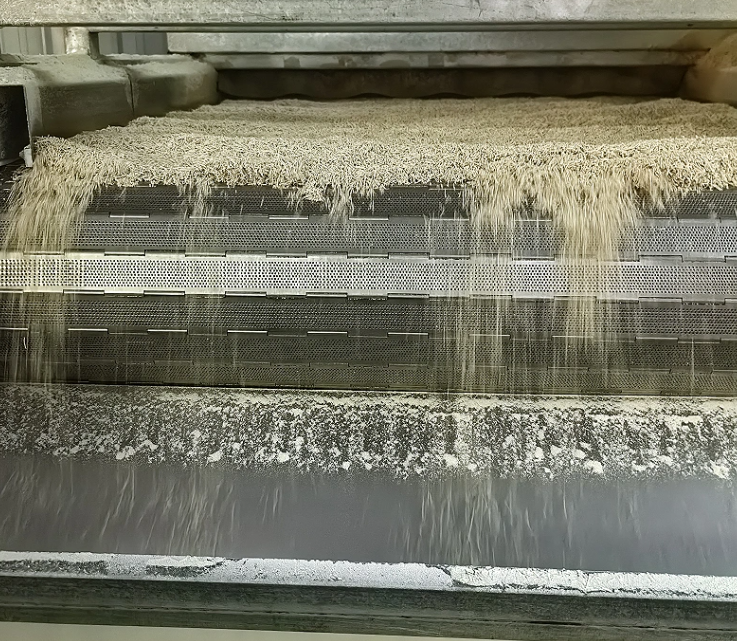
Cat litter is being produced rapidly.
OEM/ODM and Private-Label Services
We offer OEM/ODM and private-label manufacturing services for businesses seeking customized cat litter products.
Depending on the selected product and manufacturing requirements, customization may include raw materials, granule formats, colors, fragrances, packaging, and brand presentation.
Whether you operate an online store, manage a distribution business, or are developing your own pet care brand, our team can discuss suitable product options and manufacturing arrangements.
Quality Management and International Market Experience
We have served markets across Europe, North America, Australia, and Asia.
Our company has quality and compliance credentials associated with BSCI, ISO 9001, SGS, and CTI. The applicable certification or testing scope should be confirmed for each project, product, and destination market.
We encourage buyers to review relevant product specifications and available documentation before finalizing their purchasing requirements.
A Manufacturing Partner for Your Cat Litter Business
Choosing a manufacturer is an important decision for any wholesale or private-label project. Production capability, product consistency, customization options, communication, and delivery planning all contribute to a successful sourcing relationship.
At Shandong Gelin Town Pet Products Co., Ltd., we focus on plant-based cat litter manufacturing and work with buyers to evaluate products and define specifications for their business requirements.
If you are sourcing bulk cat litter or planning to launch a private-label product, our team can help you explore the available options.
Frequently Asked Questions
What Is the Best Plant-Based Cat Litter for Wholesale Buyers?
The best choice depends on your target market, customer preferences, product specifications, and sourcing budget. Tofu cat litter can be a practical starting point for a versatile product range, while cassava, corn, cereal, peanut shell, and mixed plant-based cat litter offer additional options. Compare samples and total sourcing costs before making a final decision.
Which Types of Plant-Based Cat Litter Can Be Purchased in Bulk?
Common categories include tofu, cassava, corn, cereal, peanut shell, and mixed plant-based cat litter. Availability, granule formats, packaging options, and minimum order quantities depend on the manufacturer and the specific product.
Can I Order Private-Label Plant-Based Cat Litter?
Yes, private-label manufacturing is available from manufacturers that support OEM/ODM services. Depending on the factory's capabilities, buyers may be able to customize packaging, branding, granule formats, colors, fragrances, and selected formulation specifications. Confirm the available options and minimum quantities with the supplier.
What Is the MOQ for Wholesale Cat Litter?
The minimum order quantity varies according to the product, packaging, formulation, and whether customization is required. Standard products may have different order requirements from products with customized formulations or printed packaging. Request a quotation based on your preferred product and estimated order volume.
How Can I Compare Wholesale Cat Litter Suppliers?
Compare suppliers on manufacturing capacity, quality control, product specifications, sample performance, MOQ, lead time, packaging options, documentation, and total landed cost. Request written quotations using the same product specifications so that you can make a fair comparison.
What Information Should I Provide When Requesting a Wholesale Quote?
To help a manufacturer prepare a relevant quotation, provide the following information:
Preferred cat litter type
Estimated order quantity
Packaging format and net weight
Private-label or customization requirements
Destination country or port
Required product specifications or testing documents
Expected delivery schedule
Providing these details early can make quotation and product selection more efficient.
Is All Plant-Based Cat Litter Biodegradable or Flushable?
No. These characteristics depend on the specific formulation, available test evidence, and applicable disposal requirements. Plant-derived ingredients alone do not establish that a finished product is suitable for composting or flushing. Buyers should verify the relevant claims and follow local waste disposal guidance.
Can a Manufacturer Supply Different Cat Litter Products for One Brand?
Some manufacturers can supply multiple product categories under one brand, depending on their production capabilities and order requirements. Ask whether the supplier can manufacture your preferred products, maintain their agreed specifications, and coordinate the required packaging and production schedules.
Find the Right Plant-Based Cat Litter for Your Wholesale Business
Choosing the right plant-based cat litter involves balancing product performance, customer preferences, sourcing costs, and manufacturing reliability.
By comparing different raw materials, testing samples, reviewing quality documentation, and evaluating the manufacturer's production capabilities, wholesale buyers can make more informed purchasing decisions.
Shandong Gelin Town Pet Products Co., Ltd. specializes in plant-based cat litter manufacturing, with an approximately 16,000-square-meter production facility, an annual production capacity of 7,000 tons, a diverse product range, and OEM/ODM services for wholesale and private-label customers.
Ready to source plant-based cat litter for your business? Contact our team to discuss product specifications, bulk purchasing requirements, or customized cat litter solutions for your brand.
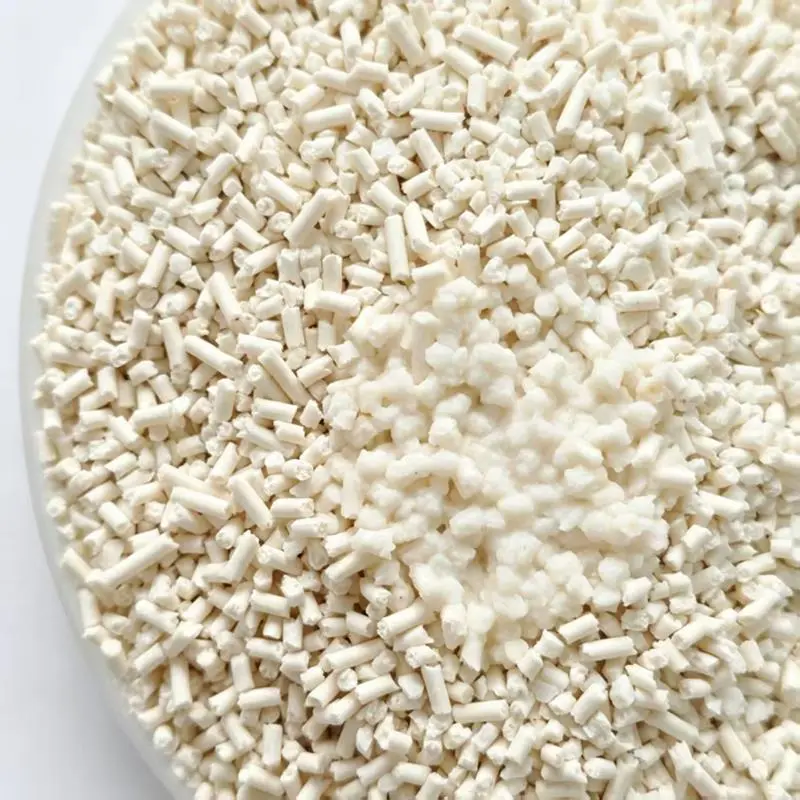
387.webp)