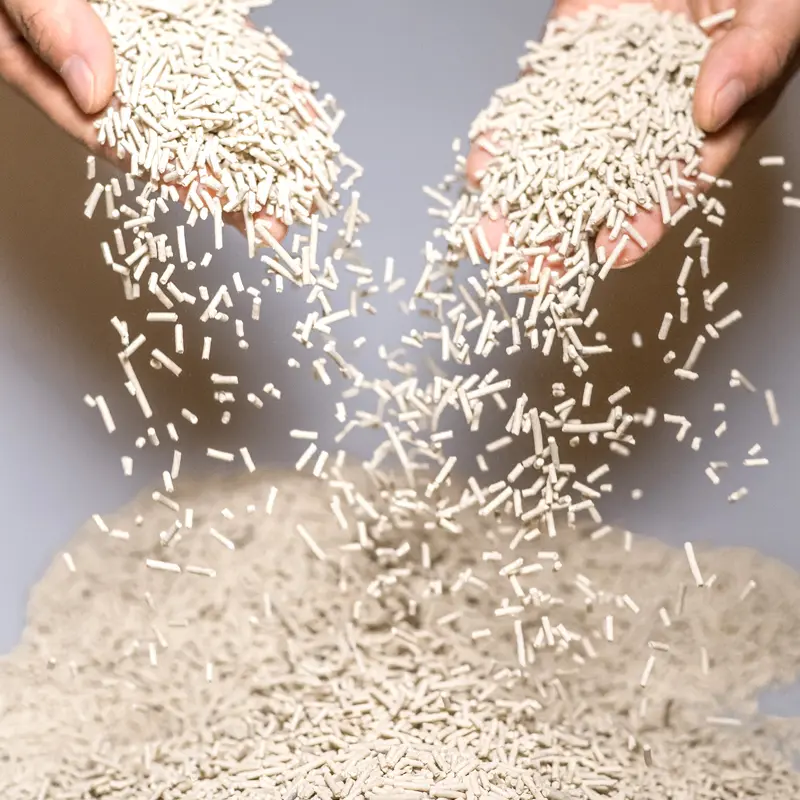
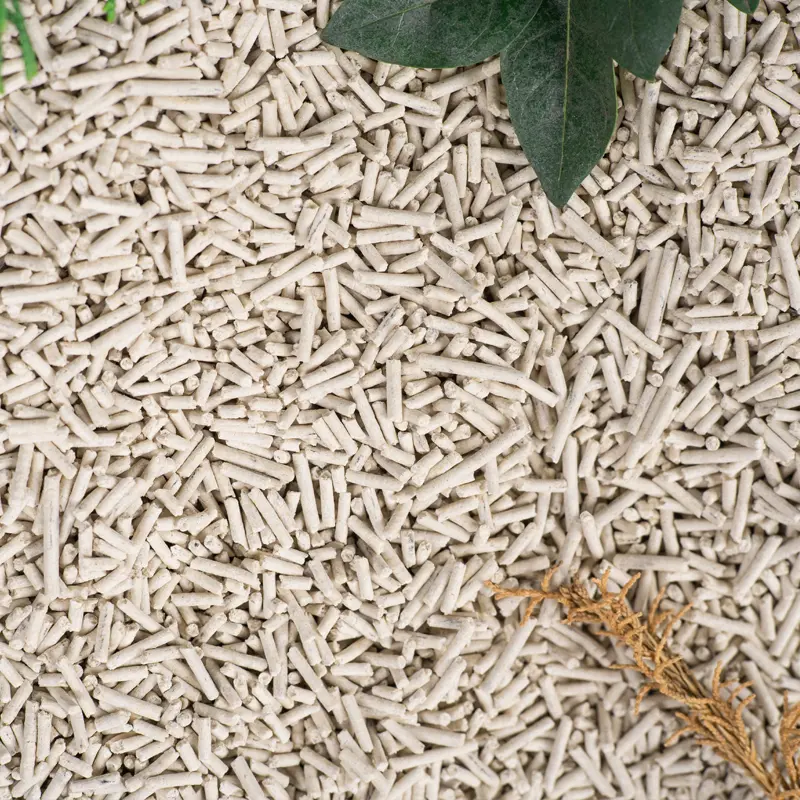
Good odor control, low dust and plant-based materials are becoming increasingly important in the European cat litter market. As more cat owners keep their pets indoors, they are looking for litter that can control unpleasant smells, reduce dust, simplify daily cleaning and provide a more natural alternative to traditional mineral litter.
Odor control cereal cat litter combines grain-derived plant materials with moisture absorption and deodorizing technology. Depending on the formulation, the raw material may include corn, wheat or other cereal-based ingredients. Modern formulations can also incorporate natural binders, activated carbon or other odor-control components.
For European pet brands, distributors and retailers, dust free grain cat litter offers an opportunity to combine plant-based positioning with practical performance. However, selling cat litter in Europe requires more than simply describing it as “natural” or “eco-friendly.” Manufacturers need to understand the applicable EU product-safety, chemical and environmental requirements.
What Is Odor Control Cereal Cat Litter?
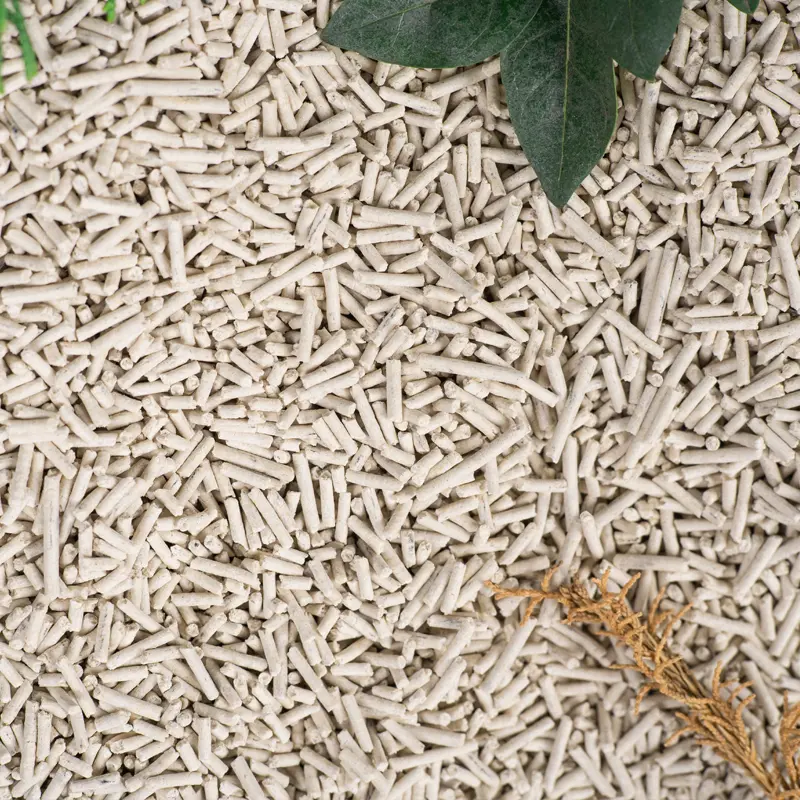
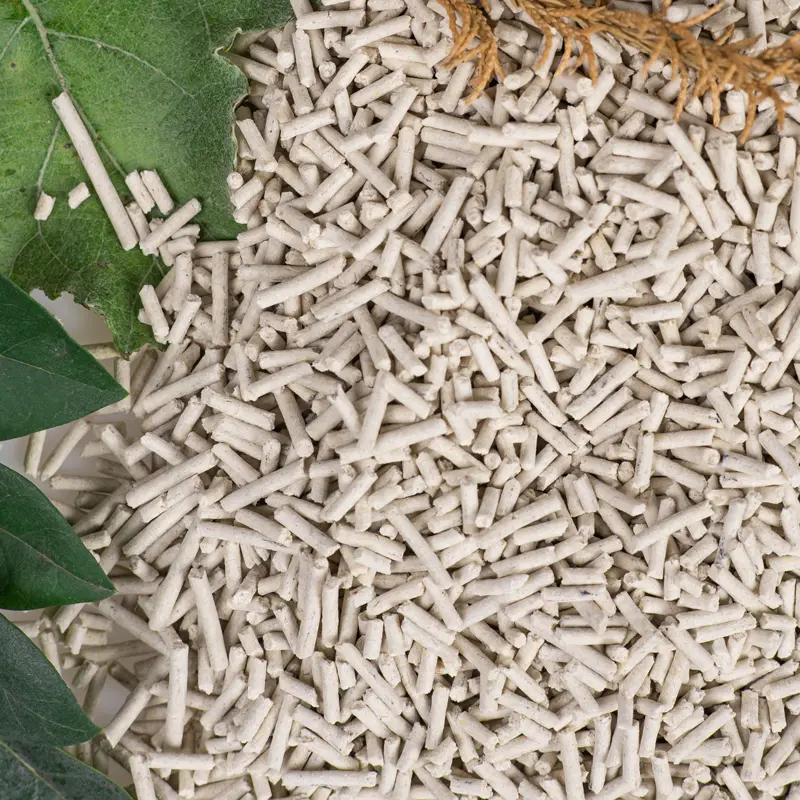
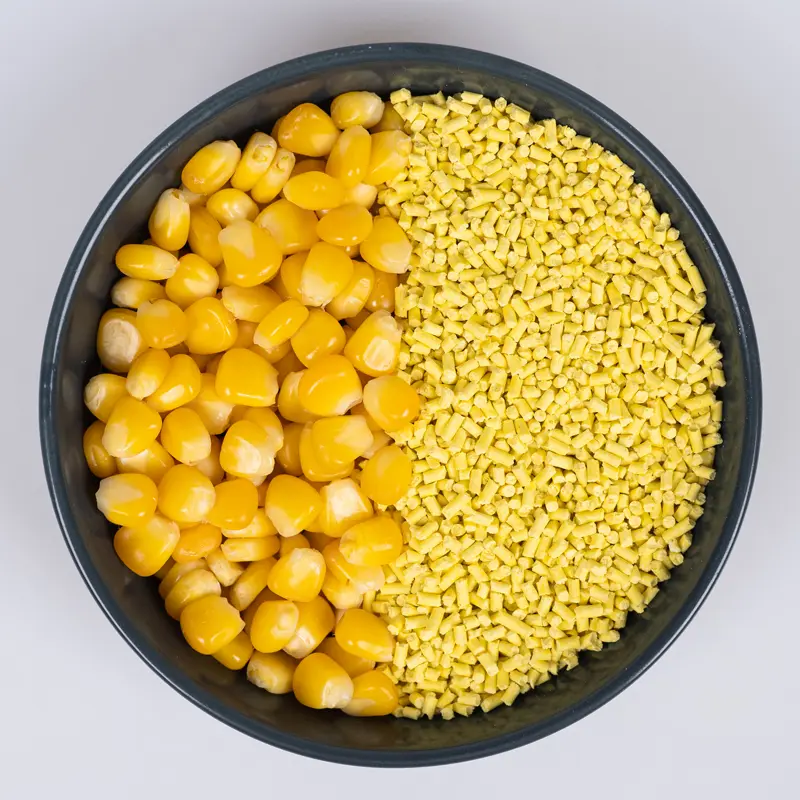
Odor control cereal cat litter is a plant-based cat litter made partly or primarily from grain-derived materials. Its main functions are to absorb urine, capture moisture, form removable clumps when applicable and reduce unpleasant odors inside the litter box.
Corn and wheat are common raw materials because their natural structure can provide useful absorption characteristics. The final performance, however, depends heavily on processing technology, particle size, binder selection, moisture content and deodorizing formulation.
A high-quality product should not simply absorb liquid. It should also prevent excessive wetness from spreading through the litter box and make contaminated material easy to remove.
This creates four important performance targets:
Fast liquid absorption
Reliable clumping
Effective odor control
Low dust generation
The combination is particularly attractive for indoor cats and multi-cat households.
Is There an EU Standard Specifically for Cat Litter?
This is an important question for European buyers.
There is currently no single harmonised EU product standard specifically titled “cat litter standard” that defines one mandatory formula, absorption rate or clumping requirement for all cat litter products.
Instead, compliance depends on the product's composition, claims, packaging and intended use. The EU's General Product Safety Regulation (EU) 2023/988 establishes general consumer-product safety requirements, while other legislation can become relevant depending on the substances and claims used in the product. The current consolidated GPSR text is available through EUR-Lex.
This means manufacturers should not claim that their cereal cat litter is “EU certified” simply because it complies with general EU requirements. There is an important difference between regulatory compliance, voluntary testing and certification.
REACH Considerations
REACH is the EU's principal chemical legislation and addresses the registration, evaluation, authorisation and restriction of chemical substances. It applies broadly to chemical substances used in products and places responsibilities on manufacturers and importers.
For grain-based litter, the exact REACH obligations depend on the formulation and substances involved. Natural cereal raw materials do not automatically mean that every finished product is exempt from all chemical-related requirements.
Manufacturers should therefore evaluate additives, binders, fragrances, deodorizing agents and other chemical components individually.
Biocidal Claims Require Extra Attention
A particularly important issue concerns claims such as “kills bacteria,” “antibacterial,” “disinfecting” or similar antimicrobial statements.
Under the EU Biocidal Products Regulation, Regulation (EU) No 528/2012, biocidal products generally require appropriate active-substance approval and product authorisation. The European Commission explains that biocidal products must be demonstrated to be safe and effective for their intended uses.
Therefore, a grain cat litter manufacturer should distinguish between:
Odor adsorption / odor neutralization: a performance function that does not necessarily make the product a biocidal product.
Antibacterial or antimicrobial claims: potentially subject to the EU Biocidal Products Regulation depending on the formulation and claim.
This distinction is extremely important when preparing packaging and marketing content for the European market.
Why grain cat litter is welcomed in EU?
Grain cat litter, like other natural and biodegradable cat litters, is welcomed in the European Union (EU) and other regions for several reasons related to environmental and sustainability concerns:
Biodegradability:
Grain cat litter is typically made from renewable plant-based materials like wheat straw, corn straw, corn starch,pea fiber. These materials biodegrade naturally, reducing the long-term environmental impact of cat litter waste. The EU places a strong emphasis on reducing non-biodegradable waste in its environmental policies.That's why more and more people are looking for the biodegradable cat litter.
Reduced Environmental Footprint:
Grain cat litter generally has a lower environmental footprint in terms of production and transportation compared to some other cat litters, especially clay-based litters that may require mining and extensive processing. The materials of grain cat litter are all sustainable and renewable.
Lower Dust and Allergen Levels:
Our grain-based cat litters are known for producing less dust and fewer allergens than clay-based and crystal alternatives, which can be beneficial for both cats and their owners. The EU has regulations aimed at promoting healthy and safe products for consumers and their pets.As we don't add chemical additive in our grain cat litter,it will ensure a healthy life for your cat.
Odor Control and Absorbency:
Our high-quality grain cat litters have good odor control and moisture absorption properties, which are essential features in a cat litter. If these litters perform well, they can meet the needs of pet owners.We don't need add parfume in it, the cat litter itself can release a natural grain scent to cover the odors after it come into contact with mositure.
Eco-Friendly Marketing:
With the growing interest in eco-friendly and sustainable products, grain cat litters are often marketed as environmentally friendly options, making them attractive to consumers who want to make more sustainable choices.
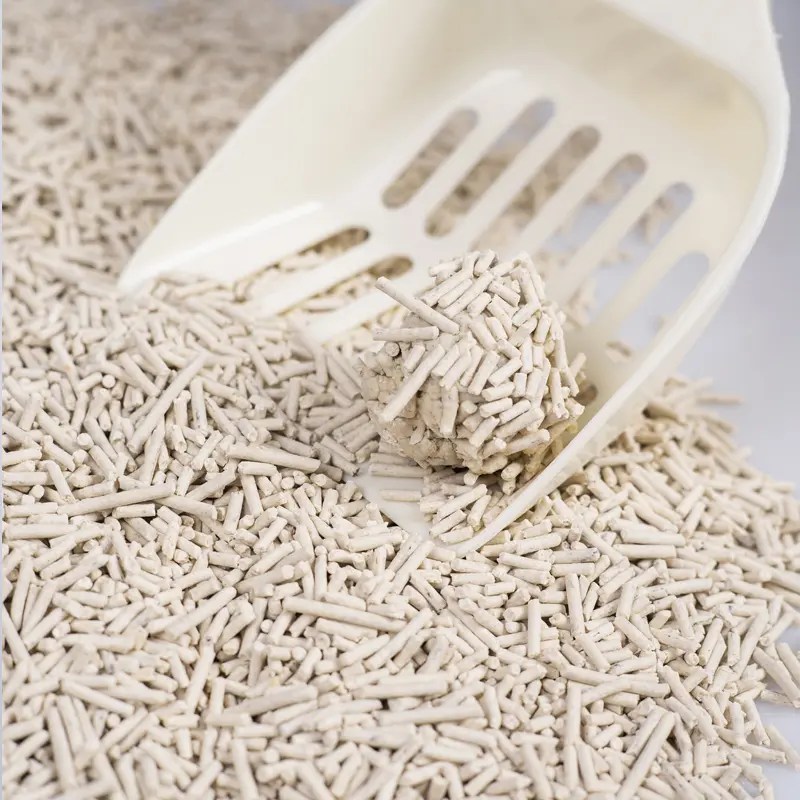
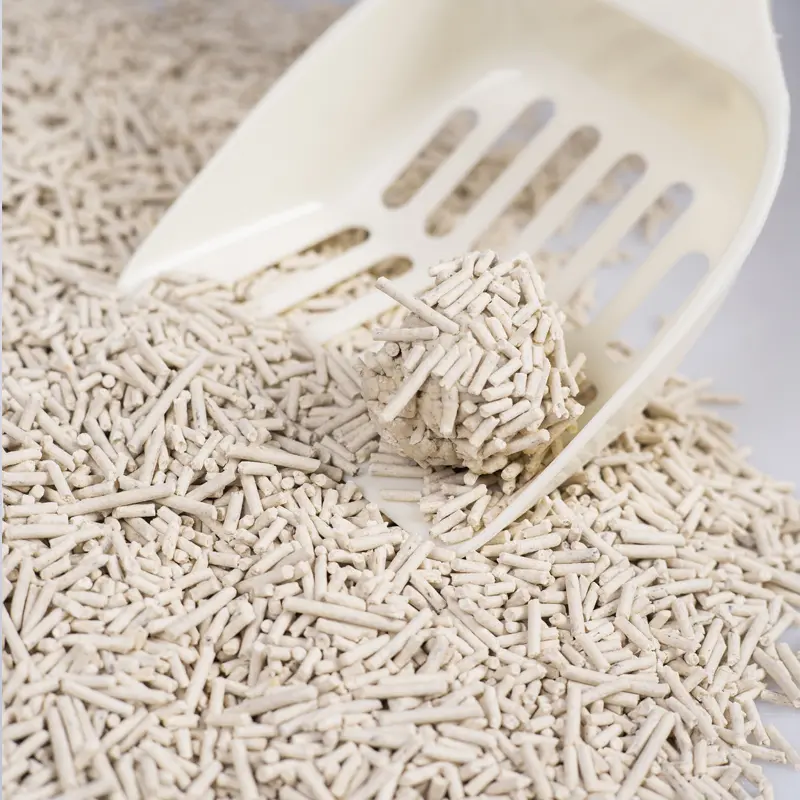
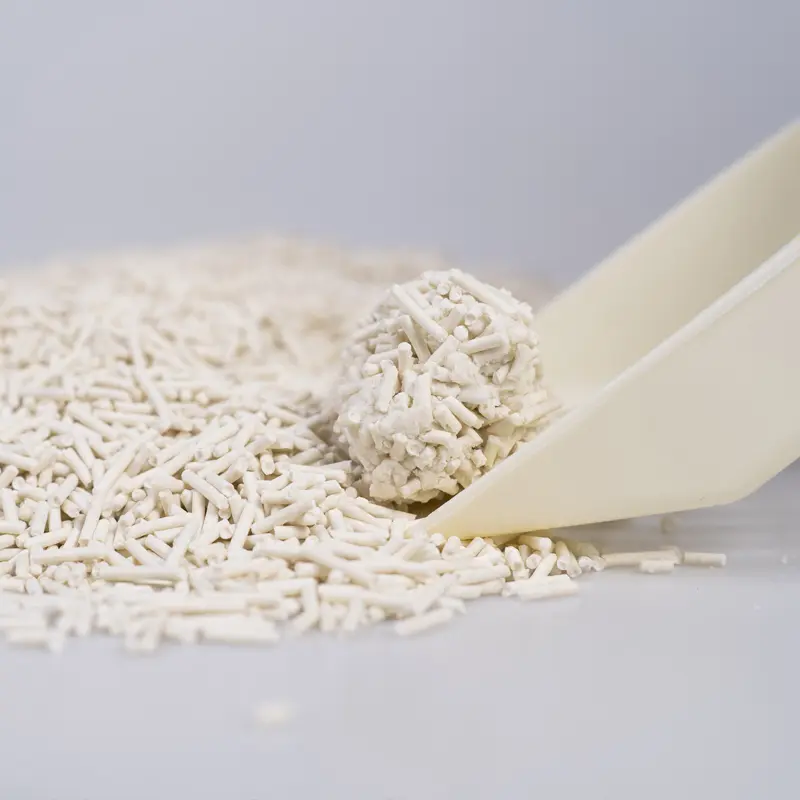
"This picture showed the grain cat litter is a clumping cat litter, which can be scooped out from litter box easily"
Can grain cat litter replace crystal cat litter in EU?
Grain cat litter can potentially replace crystal cat litter in the EU, but whether it's a suitable replacement depends on various factors, including your specific needs and preferences, as well as those of your cat. Here are some considerations:
Absorbency and Odor Control:
Crystal cat litter is known for its exceptional moisture absorption and odor control capabilities. For grain cat litter, it is a clumping cat litter with high absorption, but we suggest to scoop the clumps everyday to keep your house fresh all the time.If you value these features and want a cat litter that requires less frequent changing and maintenance, crystal litter might be the better choice.
Environmental Considerations:
If you are concerned about environmental sustainability and biodegradability, grain cat litter is a more eco-friendly option. It is made from natural, renewable plant-based materials and is biodegradable, which aligns with the EU's emphasis on reducing non-biodegradable waste.
Dust and Allergen Levels:
Grain cat litter tends to produce less dust and fewer allergens compared to some other types of cat litters. If you or your cat have allergies or respiratory sensitivities, this may be a crucial factor to consider.
Cat Preference:
Cats can be particular about the texture and feel of their litter. Some cats may prefer one type of litter over the other, so it's essential to consider your cat's comfort and acceptance when making a switch.
Cost:
The cost of both types of cat litter may vary, so consider your budget and the price of the litter when making a decision.
In many cases, grain cat litter can be a suitable replacement for crystal cat litter, especially if you prioritize eco-friendliness and are willing to scoop the soiled clumps everyday if necessary. However, the decision ultimately depends on your specific needs and what works best for you and your cat.
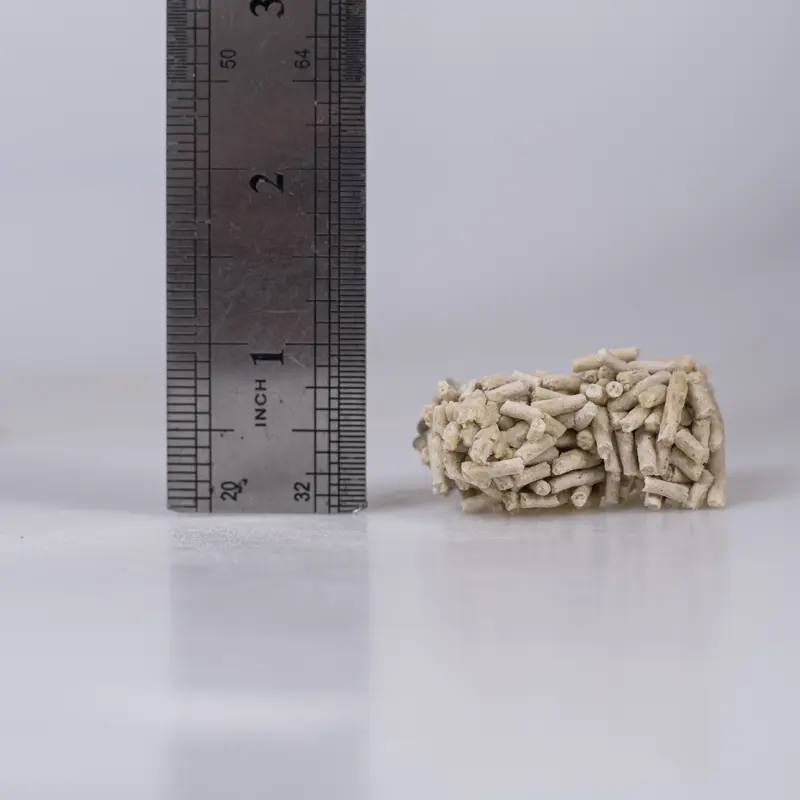
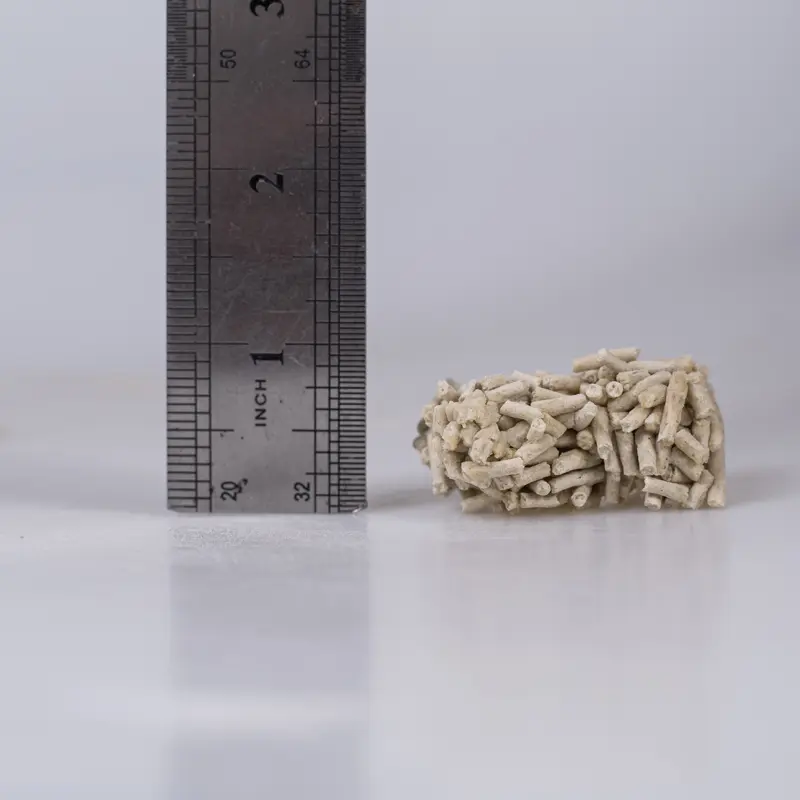
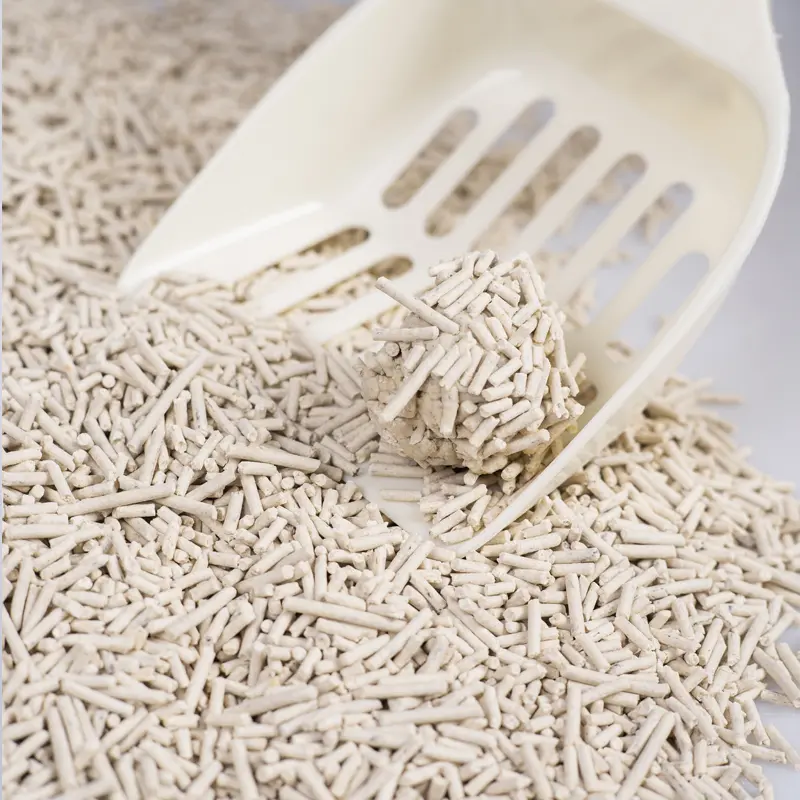
"This picture showed the clumps of grain cat litter is thinner, so it is a non-sticky cat litter.But it doesn't mean you can only put 2-3cm depth of cat litter in your litter box, the suggested depth is 6-8CM to make sure it can work well."
The specification of cereal cat litter:
| Item | Specification |
| Granule Size | Diameter 2mm |
| Material | Wheat straws,Corn straws,Corn starch,Pea fibre and Guar gum |
| Perfume | Natural |
| Density | 650-700g/Liter |
| Moisture | ≤10% |
| Absorption Rate | ≥350% |
| Track | Less track |
| Dust | Little dust |
| Biodegradable | Yes |
| Clumping | Yes |
| Flushable | Yes |
Key Features of Dust Free Grain Cat Litter
The phrase dust free grain cat litter is increasingly attractive to consumers, but manufacturers should understand that “dust free” is a strong performance claim.
A premium product should be engineered to minimize fine particles during production, transportation, pouring and scooping.
Low-Dust Processing
Cereal raw materials need controlled grinding, drying and screening. Excessive fines can create dust during bag opening and pouring.
A good manufacturing process should therefore include particle-size control and screening.
Strong Moisture Absorption
Fast absorption helps prevent urine from spreading throughout the litter box. This can improve both cleaning efficiency and odor management.
Stable Clumping
For clumping products, the ideal clump should be strong enough to scoop without breaking apart but not so hard that excessive clean litter is removed together with the waste.
Odor Control
Odor control can come from several mechanisms:
Rapid moisture capture
Physical adsorption
Natural deodorizing ingredients
Activated carbon
Controlled particle structure
Reduced exposure of urine to air
A good odor-control system should reduce unpleasant smells without relying on excessive perfume.
Reduced Tracking
Particle size and shape influence how much litter is carried outside the box on a cat's paws.
Low-tracking cereal litter can help keep floors cleaner, particularly in apartments.
Advantages of Plant Based Cat Litter
The main selling point of plant based cat litter is the use of renewable biological materials instead of relying exclusively on mined minerals.
This gives cereal litter a different market position from traditional bentonite and silica products.
Renewable Material Positioning
Corn and other cereal-derived materials come from agricultural sources. This provides brands with an opportunity to develop a plant-based product line.
However, environmental claims should be specific and evidence-based. “Plant-based” is a material description; it should not automatically be interpreted as “100% biodegradable,” “carbon neutral” or “zero environmental impact.”
Lightweight Handling
Depending on density, cereal litter can be lighter and easier to carry than some mineral products.
This is particularly useful for:
Online shopping
Subscription delivery
Elderly consumers
Multi-cat households
Large retail packages
Convenient Cleaning
Clumping cereal litter allows consumers to remove urine and feces without replacing the entire litter box every day.
This can improve product efficiency and reduce unnecessary litter consumption.
Better Indoor Experience
Low dust and odor control are particularly valuable for cats living in apartments, where the litter box may be located close to bedrooms, bathrooms or living areas.
Application Environments
Cereal cat litter Europe products can be positioned for several different consumer environments.
Single-Cat Apartments
For one indoor cat, odor control and low dust can make a noticeable difference in small living spaces.
Multi-Cat Households
Multi-cat homes create greater odor and moisture loads. Strong absorption and reliable clumping become more important.
Pet Stores
Retailers can position cereal litter as a premium alternative to traditional clay litter.
E-Commerce
Lightweight packaging, odor control and plant-based positioning are particularly suitable for online pet-product sales.
Automatic Litter Boxes
Some cereal litters may be suitable for automatic litter boxes, but compatibility must be verified. Particle size, density, clump strength and moisture behavior can affect screening performance.
Manufacturers should therefore conduct machine-specific testing instead of making a universal “compatible with all automatic litter boxes” claim.
What Problems Does Odor Control Cat Litter EU Solve?
A well-designed odor control cat litter EU product can address several common consumer problems.
Odor: Rapid moisture absorption helps reduce the time urine remains exposed.
Dust: Controlled particle processing can reduce airborne particles.
Cleaning: Strong clumping makes waste removal easier.
Weight: Plant-based litter can provide a convenient lightweight alternative.
Sustainability concerns: Grain-derived materials offer a renewable-material option.
Indoor hygiene: Better odor management improves the experience of keeping cats indoors.
Tracking: Optimized particle geometry can reduce litter being carried around the home.
The key is that these benefits must be supported by actual product performance rather than marketing language alone.
Competitive Analysis: Grain vs. Bentonite vs. Silica vs. Tofu
| Feature | Grain/Cereal Litter | Bentonite Litter | Silica Gel | Tofu Litter |
|---|---|---|---|---|
| Main material | Cereal/grain | Mineral clay | Silica | Soybean/tofu fiber |
| Plant-based | Yes | No | No | Yes |
| Odor control | Good to excellent depending on formula | Good | Excellent | Good to excellent |
| Clumping | Good to excellent | Excellent | Usually non-clumping | Good to excellent |
| Dust potential | Low in optimized products | Can vary | Generally low | Low in optimized products |
| Lightweight | Often | Generally heavier | Lightweight | Lightweight |
| Natural positioning | Strong | Moderate | Moderate | Strong |
| Premium positioning | Strong | Moderate | Strong | Strong |
| Key differentiation | Grain-based + odor control | Proven clumping | Moisture/odor absorption | Plant-based clumping |
Bentonite remains a powerful competitor because of its established clumping performance and broad availability.
Silica competes strongly on moisture absorption and odor control.
Tofu litter competes directly with cereal litter because both belong to the plant-based category.
Therefore, a cereal product should not compete only by saying “natural.” A stronger strategy is to communicate measurable advantages such as fast absorption, low dust, strong clumping, low tracking and odor-control performance.
How to Choose a Grain Cat Litter Manufacturer
European distributors and private-label brands should carefully evaluate their supplier before placing an OEM order.
A professional grain cat litter manufacturer should be able to provide information about:
Raw material sources
Particle-size specifications
Moisture content
Absorption performance
Clump strength
Dust-control testing
Odor-control testing
Packaging specifications
Batch traceability
Product safety documentation
Relevant chemical compliance information
Ingredient/additive information
OEM and private-label capability
For European buyers, documentation is just as important as the product itself.
A manufacturer should also be able to explain whether odor-control ingredients are purely adsorbent/deodorizing materials or whether they create claims that could bring the product into the scope of biocidal regulation.
How to Position Cereal Cat Litter in Europe
The most effective positioning combines performance and sustainability.
Instead of relying on one keyword such as “cereal cat litter,” brands can build a broader semantic SEO strategy around:
Dust free grain cat litter
Cereal cat litter Europe
Plant based cat litter
Odor control cat litter EU
Grain cat litter manufacturer
Low dust cat litter
Natural clumping cat litter
Corn-based cat litter
Sustainable cat litter
Private label cereal cat litter
This approach creates more natural topical coverage and captures different stages of the B2B and consumer buying journey.
Conclusion
Good odor control grain cat litter has strong potential in the European pet-care market because it combines several attributes that modern cat owners increasingly value: plant-based materials, convenient cleaning, low dust, odor control and easy handling.
However, European market entry should not be based on the assumption that there is one specific EU “cat litter certification” or mandatory cereal cat litter standard. Instead, manufacturers and importers need to determine which EU requirements apply according to the product's composition, claims and intended use.
The GPSR provides a general consumer-product safety framework, while REACH can be relevant to substances and chemical components. If a product makes genuine biocidal claims, the Biocidal Products Regulation may also become relevant.
For brands targeting cereal cat litter Europe, the strongest commercial formula is therefore straightforward: use well-controlled plant-based raw materials, engineer genuinely low-dust particles, provide reliable odor control and clumping performance, maintain consistent manufacturing quality and support the product with appropriate EU compliance documentation.
In short, sustainability attracts attention, but odor control and everyday performance create repeat customers.
FAQ:
Q1:What is your Popular Package Size?
Popular package: 6L 2.5kg , 7L 2.8kg. Also can do any size as your special request.
Q2: What is your MOQ?
MOQ: 1*20'FCL
Q3: Do you offer free samples?
Yes, free samples are available, but if Shipping express cost is too high, we hope you can help to share it. We will return it to you after the orders are placed.
Q4: How long the order will be finished?
The 1st order:about 30days, 2nd order about 15 days.
Q5: Can I do OEM?
Yes, we also can provide the private label packaging.

961.webp)