A cat litter scoop is used every day to remove urine clumps and feces, but it is often one of the most neglected items in the litter box area. Over time, dried litter, waste residue, moisture, and unpleasant odors can accumulate between the scoop's slots, around its edges, and near the handle.
Learning how to clean a cat litter scoop properly helps maintain a more hygienic litter area, reduce unpleasant smells, and prevent dirty equipment from spreading residue around your home.
The basic process is simple: remove loose litter, wash the scoop with warm water and mild detergent, scrub hard-to-reach areas, rinse thoroughly, and let it dry completely before storage. Disinfection may be appropriate in certain situations, but it should not be confused with ordinary cleaning.
This guide explains how to clean plastic and metal cat litter scoops, remove stubborn dried litter, choose suitable cleaning products, establish a practical cleaning routine, and avoid common hygiene mistakes.
Table of Contents
Why Should You Clean a Cat Litter Scoop?
What You Need to Clean a Cat Litter Scoop
How to Clean a Cat Litter Scoop: 7 Steps
How to Remove Dried Cat Litter from a Scoop
How to Clean Different Types of Cat Litter Scoops
How Often Should You Clean a Cat Litter Scoop?
Should You Disinfect a Cat Litter Scoop?
Common Cleaning Mistakes to Avoid
How to Store and Maintain a Cat Litter Scoop
When Should You Replace Your Cat Litter Scoop?
Frequently Asked Questions
1. Why Should You Clean a Cat Litter Scoop?
A litter scoop comes into direct contact with used cat litter, urine clumps, and feces. If residue remains on the surface, it can produce odors and contaminate the storage area.
Regular cleaning helps in several ways.
1.1 Reduce Unpleasant Odors
Used cat litter can retain urine and fecal residue.
When these materials dry on the scoop, unpleasant smells may remain even after the waste has been removed from the litter box.
Washing away the residue helps prevent the scoop from becoming an additional source of litter box odor.
For more ways to control unpleasant smells, read our guide on how to make cat litter not smell.
1.2 Remove Dried Litter and Stuck Waste
Clumping litter can stick to the scoop, especially when wet clumps are pressed against its surface or removed before they have fully formed.
As the material dries, it may become difficult to remove from narrow openings and corners.
Cleaning the scoop before residue builds up makes future maintenance easier.
1.3 Reduce Cross-Contamination
A dirty scoop can transfer contaminated material to the litter box rim, storage holder, nearby surfaces, or your hands.
A dedicated cleaning brush, suitable washing area, and proper hand hygiene help reduce this risk.
1.4 Maintain the Condition of the Scoop
Mineral deposits, dried litter, and repeated scraping can damage some scoop surfaces.
Plastic scoops may become scratched or warped, while metal scoops may develop rust if water remains around damaged coatings or joints.
Cleaning and drying the scoop properly can help extend its useful life.
1.5 Support a Cleaner Litter Box Routine
A clean scoop is only one part of litter box hygiene.
Daily removal of waste, regular tray cleaning, and proper litter replacement are also important.
For a broader comparison of odor-control products, see our guide to the best cat litter for odor control.
2. What You Need to Clean a Cat Litter Scoop
Prepare the cleaning supplies before washing the scoop.
| Cleaning Supply | Purpose |
|---|---|
| Warm water | Loosens dried litter and surface residue |
| Mild dish soap or detergent | Removes dirt and organic residue |
| Dedicated small scrub brush | Cleans slots, corners, and joints |
| Soft sponge | Cleans flat surfaces without unnecessary scratching |
| Disposable paper towels | Removes stubborn residue before washing |
| Gloves | Reduces direct contact with used litter |
| Separate wash basin | Prevents contamination of household washing areas |
| Clean towel or drying rack | Allows the scoop to dry thoroughly |
| Suitable disinfectant, when needed | Provides additional germ control when used according to its label |
A few simple rules make the process safer:
Use cleaning tools reserved for litter box accessories.
Avoid strongly scented detergents.
Do not use abrasive tools that can damage the scoop.
Keep your cat away from the cleaning area.
Follow the scoop manufacturer's care instructions.
The CDC recommends warm soapy water, scrubbing, rinsing, and drying as a general method for cleaning hard pet items. It also advises using a separate wash tub or laundry sink for pet items other than food bowls and toys, because washing contaminated items in a kitchen sink can spread germs to food-preparation surfaces.

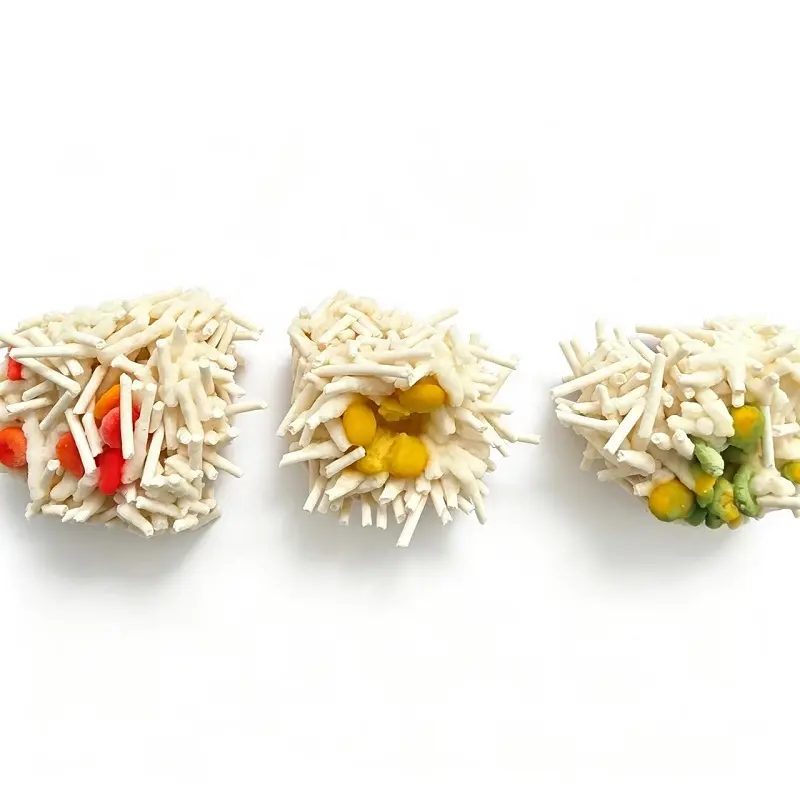
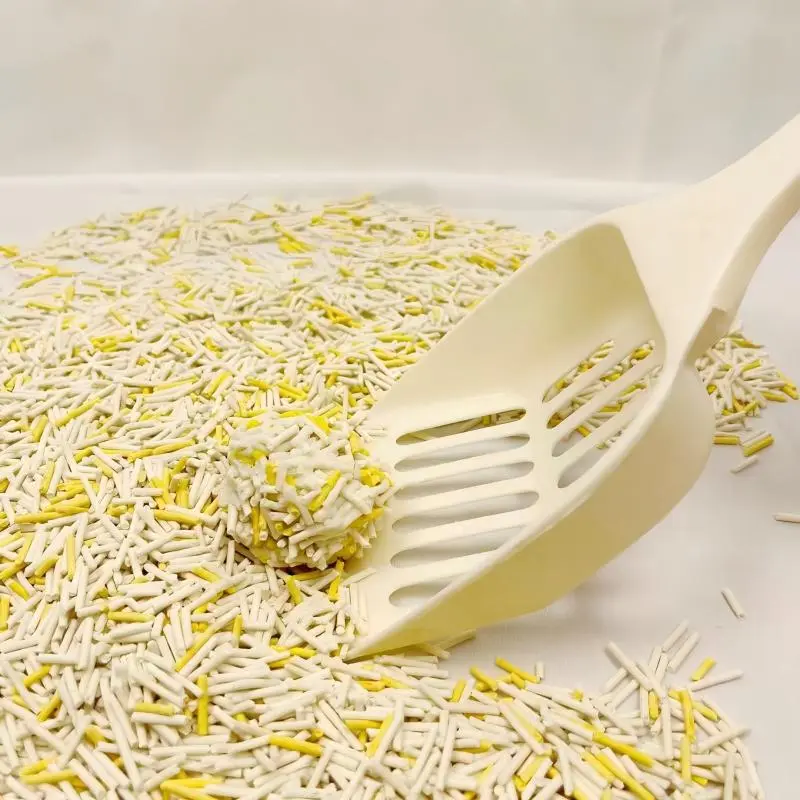
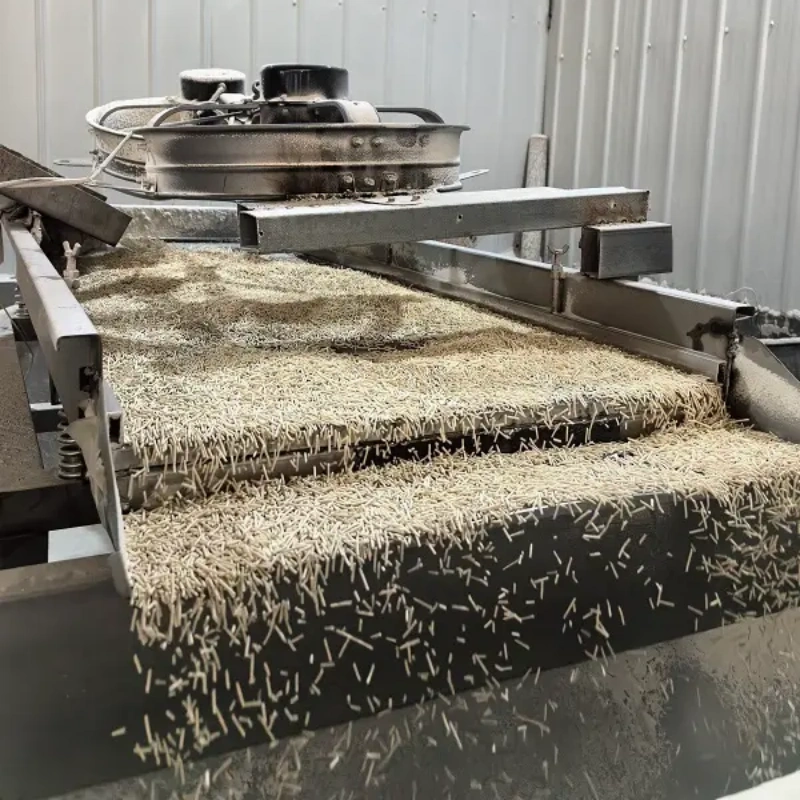
"From this picture we can see that a non-sticky cat litter can keep your litter box and scoop clean"
3. How to Clean a Cat Litter Scoop: 7 Steps
Follow this procedure whenever the scoop has visible residue, an unpleasant smell, or needs a more thorough cleaning.
Step 1: Remove Loose Cat Litter and Waste
Before adding water, remove any loose litter remaining on the scoop.
Hold it over a suitable waste bag or the designated waste-disposal area.
Use a paper towel or dedicated brush to remove visible waste stuck to the surface.
Do not shake contaminated particles back into clean litter.
Step 2: Rinse with Warm Water
Rinse both sides of the scoop using warm water.
Pay attention to:
The front surface.
The underside.
The edges.
The holes or slots.
The connection between the handle and scoop head.
Warm water helps loosen dried material and makes the next cleaning step easier.
Do not automatically use boiling water. High temperatures may warp some plastic scoops or damage protective coatings.
Step 3: Apply Mild Soap or Detergent
Add a small amount of mild dish soap or unscented detergent to warm water.
Use a soft sponge to wash the large surfaces.
Avoid strongly perfumed cleaners because lingering fragrance may be unpleasant to some cats.
The objective is to remove dirt and visible organic residue, not to leave the scoop smelling like a cleaning product.
Step 4: Scrub Between the Slots and Around the Edges
This is one of the most important parts of cleaning a litter scoop.
Dried litter often becomes trapped in narrow openings where a sponge cannot reach.
Use a small brush reserved for litter-area cleaning.
Carefully scrub:
Between the sifting slots.
Around the outer edges.
Under the scoop head.
Near handle connections.
Around any seams or textured sections.
Avoid using a knife or sharp metal scraper. Scratching the surface can create additional places for residue to collect.
Step 5: Rinse Thoroughly
Rinse the scoop until all visible dirt, loose particles, and soap have disappeared.
Check the openings and joints again.
Do not leave detergent residue on a tool that will come into contact with your cat's litter.
Step 6: Disinfect When Appropriate
Ordinary washing removes dirt and surface residue. Disinfection is a separate step that may be appropriate when additional germ control is needed.
If disinfection is necessary:
Check whether the scoop material is compatible with the disinfectant.
Select a suitable product intended for the relevant use.
Follow the product's dilution and application instructions.
Observe the required contact time.
Rinse the scoop afterward if the label requires it.
Let it dry completely before storing or returning it to the litter area.
Do not use phenol-containing disinfectants on cat items. Never mix bleach with ammonia or other cleaning products.
The CDC provides additional guidance on cleaning and disinfecting pet supplies.
Step 7: Dry the Scoop Completely
After washing, remove excess water with a clean towel or allow the scoop to air-dry.
Make sure the following areas are dry:
Sifting holes.
Metal joints.
Handle connections.
Seams and corners.
Any rubber or plastic attachments.
Store the scoop only after it is completely dry.
For metal scoops, drying is particularly important because trapped moisture can contribute to corrosion, especially if the protective surface has been damaged.
4. How to Remove Dried Cat Litter from a Scoop
Dried litter can be difficult to remove, especially when it has hardened between the holes or slots.
The best approach depends on the type of litter and the scoop material.
4.1 Soak the Scoop in Warm, Soapy Water
If the scoop's care instructions permit soaking, place it in a basin of warm water with mild detergent.
Allow the dried material to soften before brushing.
Avoid long soaking if the scoop has a wooden handle, glued joints, nonstick coating, or electronic components.
4.2 Use a Small Cleaning Brush
After soaking, use a dedicated brush to loosen the residue.
Move the brush through each opening rather than scrubbing only the flat surface.
A narrow brush can reach areas where a sponge cannot.
4.3 Remove Residue from the Handle Connection
The joint between the handle and the scoop head can collect dried litter and moisture.
Use a soft brush or disposable towel to clean around this area.
If the joint cannot be cleaned thoroughly, inspect the scoop for damage or trapped residue.
4.4 Rinse and Dry Again
Once the dried material has been removed, rinse the scoop thoroughly.
Dry it before storage.
Do not return it to the litter box area while water or cleaning residue remains.
5. How to Clean Different Types of Cat Litter Scoops
The correct cleaning method depends partly on the material used to make the scoop.
5.1 Plastic Cat Litter Scoop
Plastic scoops are lightweight and affordable.
However, repeated use may create scratches or surface damage that make residue harder to remove.
Recommended care:
Use warm water and mild detergent.
Clean with a soft sponge or brush.
Avoid boiling water unless the manufacturer explicitly permits it.
Avoid abrasive scouring pads.
Do not place it in a dishwasher unless marked dishwasher-safe.
Replace it if it becomes deeply scratched, cracked, or difficult to clean.
5.2 Stainless Steel Cat Litter Scoop
Stainless steel scoops are generally more rigid and durable than many plastic designs.
They are often useful for heavy clumping litter.
Recommended care:
Wash with warm water and mild detergent.
Brush the openings and joints.
Rinse thoroughly.
Dry completely.
Check for rust, damaged coatings, and loose handles.
Avoid assuming that every metal scoop is suitable for boiling-water treatment or dishwasher cleaning. Follow the product manufacturer's instructions.
5.3 Silicone or Coated Cat Litter Scoop
Some scoops use silicone components or nonstick-style coatings.
These products may have special temperature and cleaning requirements.
Use a soft sponge and mild detergent unless the manufacturer recommends another method.
Avoid sharp tools and aggressive scrubbing that could damage the surface.
5.4 Automatic Litter Box Scooping Components
Some automatic litter boxes have built-in scooping or sifting mechanisms.
These components should not be treated like an ordinary removable hand scoop.
Check the appliance manual before washing or removing any part.
Keep electrical components, sensors, motors, and charging connections away from water unless the manufacturer specifically permits cleaning them.
Material Comparison
| Scoop Material | Recommended Cleaning Method | Main Precaution |
|---|---|---|
| Plastic | Warm soapy water and soft brush | Avoid heat and deep scratching |
| Stainless steel | Mild detergent, rinse, and dry | Check joints and prevent corrosion |
| Silicone or coated material | Gentle washing according to care instructions | Protect the coating and avoid abrasives |
| Automatic scooping component |

6. How Often Should You Clean a Cat Litter Scoop?
There is no single cleaning interval that applies to every scoop.
The frequency depends on how often it is used, the type of litter, the amount of residue, the number of cats, and the household's hygiene requirements.
A practical routine is:
| When | What to Do |
|---|---|
| After each scooping session | Remove loose litter and inspect for stuck waste |
| When visible residue appears | Wash with warm water and mild detergent |
| When an odor remains | Give the scoop a thorough cleaning |
| During the regular litter box cleaning routine | Wash and dry the scoop as well |
| When the cat is sick or there is significant contamination | Follow appropriate cleaning and disinfection guidance |
| When the scoop is cracked or deeply scratched | Consider replacement |
For many households, including a full scoop wash when the litter tray is thoroughly cleaned is a convenient routine. A weekly wash can be used as a household reminder, but it is not a CDC-mandated schedule for litter scoops.
The CDC advises that pet items that contact urine or feces, such as litter boxes, should receive appropriate disinfection. It also recommends more frequent cleaning and disinfection when a pet is sick or household members are at increased risk from germs.
7. Should You Disinfect a Cat Litter Scoop?
Cleaning and disinfecting are not the same thing.
Cleaning removes visible dirt, waste, and residue.
Disinfecting uses an appropriate chemical product to kill microorganisms on a surface.
For ordinary household use, thorough cleaning is the basic routine. Additional disinfection may be appropriate when:
Your cat has an infectious illness.
The scoop has substantial fecal contamination.
The scoop is being cleaned between animals.
There is a specific veterinary recommendation.
Household hygiene risks require more frequent disinfection.
7.1 Which Disinfectants Should You Avoid?
Never choose a cleaner simply because it has a strong smell or claims to kill many germs.
Be particularly careful with:
Phenol-containing disinfectants.
Strong fragrance products that leave residue.
Full-strength cleaning chemicals used contrary to the label.
Products that may damage the scoop material.
Mixtures of different cleaning chemicals.
Phenol-containing disinfectants are toxic to cats. Bleach must never be mixed with ammonia or other cleaning agents because dangerous gases can be produced.
7.2 Does Vinegar Disinfect a Cat Litter Scoop?
Vinegar is sometimes recommended as a natural cleaner.
However, the CDC notes that there is insufficient research showing that vinegar reliably removes dirt or kills all relevant germs on pet items.
It may be useful for some household cleaning tasks, but it should not be treated as a substitute for a properly selected disinfectant when disinfection is necessary.
7.3 Can You Put a Cat Litter Scoop in the Dishwasher?
Only when the scoop manufacturer states that the product is dishwasher-safe.
High temperatures and detergent can damage some plastics, coatings, adhesives, and handles.
If the product's dishwasher compatibility is unknown, hand washing with warm soapy water is the safer default.
8. Common Cleaning Mistakes to Avoid
A few seemingly convenient cleaning habits can make litter scoop maintenance less effective.
| Common Mistake | Why It Is a Problem | Better Approach |
|---|---|---|
| Using boiling water on every scoop | May warp plastic or damage coatings | Follow material-specific care instructions |
| Using strongly scented cleaners | Can leave an unpleasant smell or residue | Choose mild, preferably unscented detergent |
| Scrubbing with sharp tools | Can scratch the surface and create hard-to-clean areas | Use a soft brush or sponge |
| Storing the scoop while wet | Trapped moisture may cause odor or corrosion | Dry completely before storage |
| Using the kitchen sponge | Can spread litter-area contamination | Keep a dedicated cleaning brush |
| Washing in a food-preparation sink without cleaning it afterward | May spread contamination to household surfaces | Use a separate wash basin or thoroughly clean and disinfect the shared sink |
| Mixing cleaning chemicals | Can create dangerous reactions | Use one product at a time and follow its label |
| Leaving the scoop inside the litter box | Can transfer dirty residue into clean litter | Store separately in a clean holder |
Mistake 1: Using the Same Sponge for Kitchen and Litter Cleaning
A litter scoop comes into contact with used litter and feces.
Using the same sponge for kitchen surfaces creates an unnecessary risk of cross-contamination.
Keep separate brushes, cloths, and basins for pet cleaning.
Mistake 2: Leaving the Scoop Inside the Litter Box
A scoop stored directly in the litter box can become contaminated with clean litter and fresh waste.
A separate holder keeps it accessible without leaving it in the material your cat uses.
Mistake 3: Using Too Much Disinfectant
More disinfectant does not automatically produce better hygiene.
The product must be used at the correct concentration and contact time.
Follow the manufacturer's instructions, including any rinsing and drying requirements.
9. How to Store and Maintain a Cat Litter Scoop
Proper storage helps keep the scoop cleaner between uses.
9.1 Use a Dedicated Holder
A scoop holder can keep the tool upright and reduce contact with nearby surfaces.
Choose a holder that is easy to wash and does not trap moisture.
Clean the holder regularly because litter dust and small particles can collect at its base.
9.2 Keep the Scoop Away from Food Preparation Areas
Store the scoop near the litter box but away from kitchen worktops, utensils, food containers, and pet feeding equipment.
This makes it easier to keep household cleaning tools separate.
9.3 Keep the Scoop Dry
Do not store a damp scoop inside a closed container.
Moisture can accumulate around joints and openings.
Allow the tool to dry completely before putting it away.
9.4 Check for Damage
Inspect the scoop regularly.
Look for:
Cracks.
Deep scratches.
Rust.
Loose handles.
Damaged coatings.
Residue trapped in inaccessible joints.
Replacing a damaged scoop may be easier and more hygienic than trying to restore a surface that can no longer be cleaned effectively.
10. Choosing a Cat Litter That Is Easy to Scoop and Maintain
The type of litter in your box affects how much material sticks to the scoop and how easy it is to clean.
Different materials form clumps and release from the scoop differently.
10.1 Clumping Cat Litter
Clumping litter forms masses when it absorbs urine.
The litter can be removed more easily when clumps hold their shape and separate cleanly from the scoop.
If clumps regularly stick to the scoop, check whether you are removing them too early or whether the product is forming weak, wet clumps.
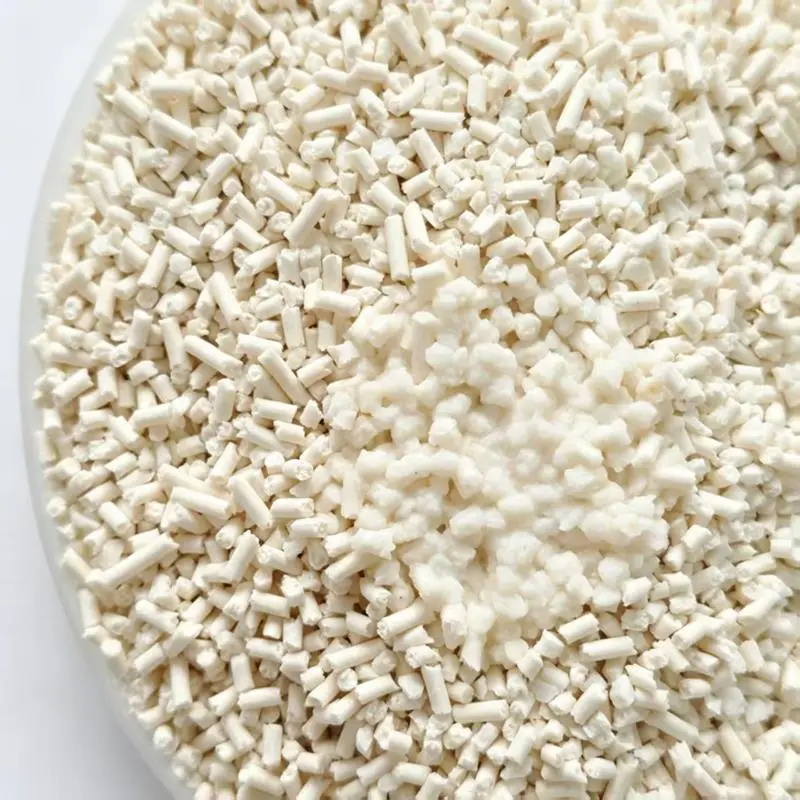
10.2 Tofu Cat Litter
Tofu cat litter is a plant-based option made using plant fibers and suitable binders.
It is available in different pellet shapes and sizes.
You can explore our tofu cat litter products and compare them with other litter materials.
10.3 Corn Cat Litter
Corn-based litter has different particle and absorption characteristics from mineral clay and tofu litter.
Explore corn cat litter products when comparing plant-based options.
10.4 Mixed Cat Litter
Mixed formulas combine different materials to achieve particular product characteristics.
Because the composition varies, the amount of residue and the way clumps release from a scoop may also vary.
See our mixed cat litter range.
10.5 Other Plant-Based Cat Litter
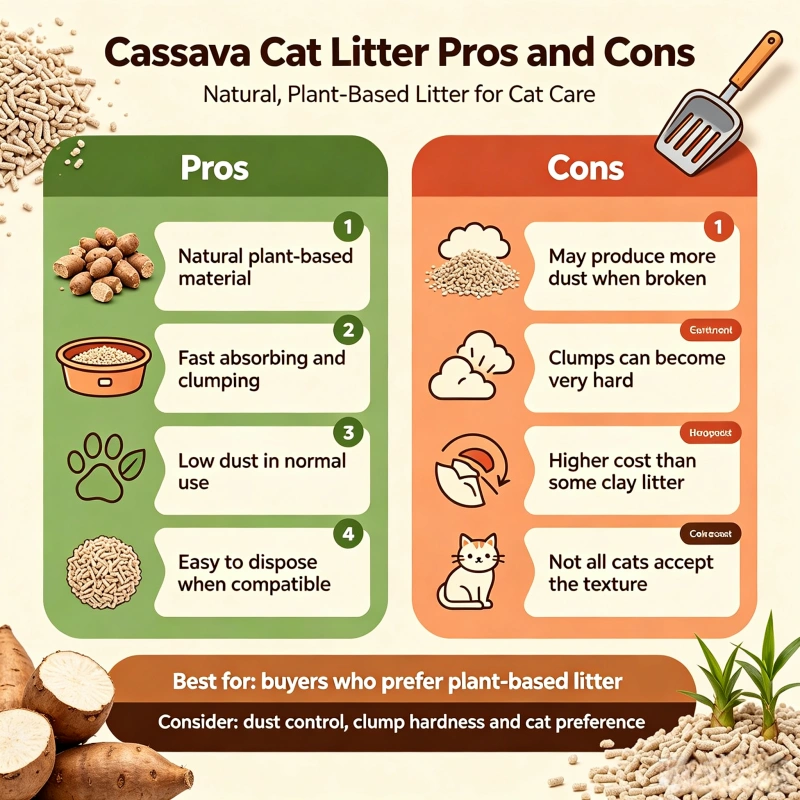
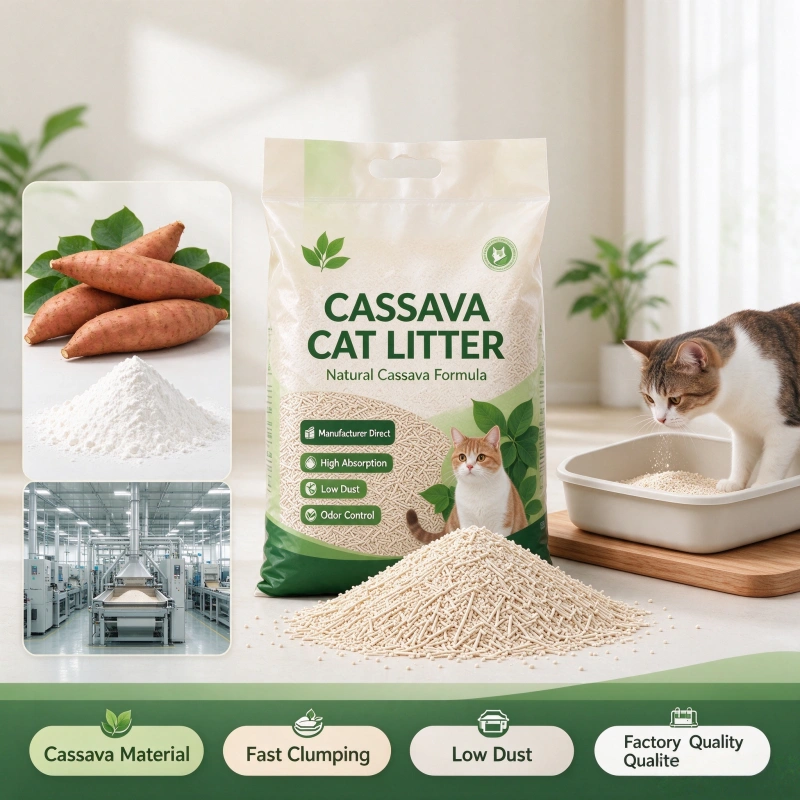
Plant-based formulas may also use cassava, cereal materials, peanut shells, and other plant-derived ingredients.
For product comparisons, visit our plant-based cat litter collection, cassava cat litter, and peanut shell cat litter.
The best litter is the one your cat accepts and that can be maintained properly. You can compare material characteristics in our complete guide to choosing cat litter.
11. How to Keep the Entire Litter Area Hygienic
Cleaning the scoop alone is not enough if the surrounding litter area remains dirty.
A simple routine can help keep the whole area cleaner.
Daily
Remove urine clumps and feces.
Check the scoop for residue.
Empty waste into a suitable disposal bag.
Keep the scoop in its designated holder.
Wash your hands after handling used litter.
During Regular Deep Cleaning
Empty the litter tray as appropriate for the litter type.
Wash the tray using a suitable detergent.
Clean and dry the scoop.
Wash the scoop holder.
Clean nearby surfaces and litter mats.
Replace fresh litter according to product instructions.
For more information about proper disposal, read our guides on how to dispose of cat litter and how to dispose of biodegradable cat litter.
If you are maintaining a litter box for a cat that uses specialized products, such as health-monitoring cat litter, pay attention to the manufacturer's cleaning and product-use instructions.
Extra Hygiene Precautions for Higher-Risk Households
Cat feces can contain infectious organisms, including Toxoplasma gondii in some circumstances.
The CDC recommends that pregnant people and people with weakened immune systems have someone else clean the litter box when possible. If they must handle litter, disposable gloves and thorough hand washing are important precautions.
See the CDC's toxoplasmosis prevention guidance for additional information.
12. Frequently Asked Questions About Cleaning Cat Litter Scoops
Q1. What is the easiest way to clean a cat litter scoop?
Remove loose litter, wash the scoop with warm water and mild detergent, scrub the slots and edges with a dedicated brush, rinse thoroughly, and let it dry completely before storage.
Q2. How often should I wash my cat litter scoop?
Check it after every scooping session and remove visible residue promptly. A full wash should be performed whenever the scoop is dirty or smells unpleasant and should be included in your regular litter-area cleaning routine. A weekly wash is a practical household reminder, not a universal CDC requirement.
Q3. Can I use dish soap to clean a cat litter scoop?
Yes. Mild dish soap or detergent is suitable for removing ordinary dirt and residue from many hard scoop surfaces. Rinse thoroughly so no soap remains.
Q4. Can I use bleach to disinfect a cat litter scoop?
A suitable bleach solution may be used only when the scoop material permits it and the product label provides appropriate instructions. Follow the correct dilution and contact time, and rinse if required by the label. Never mix bleach with ammonia or other cleaning products.
Q5. Is vinegar safe for cleaning a cat litter scoop?
Vinegar can be used for some ordinary household cleaning tasks, but it should not be relied upon as a proven disinfectant. The CDC notes that evidence is insufficient to show that vinegar reliably kills all relevant germs on pet items.
Q6. Can I put my cat litter scoop in the dishwasher?
Only if it is specifically labeled dishwasher-safe. Some plastic scoops, coatings, adhesives, and handles may be damaged by high temperatures or dishwasher detergents.
Q7. How do I remove dried clumping litter from a scoop?
If the material allows soaking, place the scoop in warm soapy water to soften the residue. Use a dedicated soft brush to clean the holes, edges, and joints. Rinse and dry thoroughly.
Q8. Should I clean a metal cat litter scoop differently?
Metal scoops can generally be washed using warm water and mild detergent. Dry them completely, especially around joints and handles, to reduce the chance of corrosion. Check for damaged coatings or rust.
Q9. Why does my cat litter scoop still smell after washing?
Persistent odor may come from residue trapped in the slots, deep scratches, damaged plastic, or dirty storage holders. Clean the joints and openings carefully. If the scoop remains unpleasant or cannot be cleaned thoroughly, consider replacing it.
Q10. Should I keep the cat litter scoop inside the litter box?
No. A separate holder or hook is generally a better option. Keeping the scoop outside the litter helps prevent dirty residue from being transferred back into clean litter.
Q11. Is cleaning the scoop the same as disinfecting it?
No. Cleaning removes dirt and residue with soap or detergent. Disinfection uses a suitable chemical product to kill microorganisms. Cleaning is the basic routine, while disinfection is an additional step when appropriate.
Q12. Can I use the same scoop for different types of cat litter?
A scoop may work with different materials if its slot size and design are suitable. However, clean it between material changes to avoid mixing products and check that the openings work with the new granule size.
Conclusion: Keep Your Cat Litter Scoop Clean, Dry, and Easy to Maintain
A cat litter scoop may be a simple tool, but it plays an important role in everyday litter box hygiene.
Regular inspection, warm soapy water, careful brushing, thorough rinsing, and complete drying can help remove waste residue and reduce unpleasant odors.
For additional hygiene, use a suitable disinfectant only when needed and follow its label carefully. Avoid phenol-containing cleaners, do not mix cleaning chemicals, and keep litter-area cleaning tools separate from kitchen equipment.
A clean scoop, a well-maintained litter box, and a suitable cat litter product work together to create a cleaner environment for cats and their owners.
Gelin Town Pet develops different plant-based and other cat litter products for international pet brands, distributors, and retailers. Explore our cat litter factory and manufacturing information, or contact Gelin Town Pet for product information and wholesale cooperation.
References and Further Reading
CDC – Preventing Toxoplasmosis
Vetstreet – Cat Litter Scoops for Easy Cleanup
PawPureHome – How to Clean a Cat Litter Scoop: A Simple Routine