Choosing the best cat litter is about more than controlling odors or making cleanup easier. For responsible cat owners, safety comes first. You want a litter that keeps your cat comfortable, minimizes unnecessary exposure to dust and irritating additives, and creates a cleaner environment inside your home.
But what is the best non-toxic cat litter? Is tofu litter safer than clay? Are corn-based and wood-based litters truly natural alternatives? And what ingredients should you avoid when buying cat litter?
The answers are not always as simple as product labels suggest. A litter marketed as natural, organic, or eco-friendly is not automatically safer for every cat. Its actual ingredients, manufacturing quality, dust levels, moisture resistance, and intended use all matter.
In this guide, we compare seven popular types of cat litter, explain what makes a formula a better choice, and help you find the right option for your cat's age, habits, and household environment.
Quick Answer: What Is the Best Non-Toxic Cat Litter?
For many adult cats, unscented, low-dust plant-based litter is worth considering, especially when owners want to reduce reliance on conventional mineral materials.
Here is a quick comparison of the most common options:
| Cat Litter Type | Main Material | Key Advantages | Potential Drawbacks |
|---|---|---|---|
| Tofu litter | Soybean or pea fiber | Lightweight, absorbent, often clumping | Moisture sensitivity, variable formulas |
| Corn litter | Corn-based plant fibers | Renewable material, good absorption | Mold and storage concerns |
| Wood litter | Pine or other wood fibers | Natural odor management, low tracking | Texture differences, variable clumping |
| Paper litter | Recycled paper | Low dust, soft pellets | Weaker odor control in some formulas |
| Cassava litter | Cassava starch and fibers | Plant-based, potentially strong clumping | Performance depends on formulation |
| Clay litter | Bentonite clay | Familiar texture, strong clumping | Dust and mineral sourcing concerns |
| Mixed litter | Multiple plant or mineral materials | Can balance different performance characteristics | Ingredient transparency is important |
Our practical recommendation: Start by looking at unscented, low-dust formulas with clearly disclosed ingredients. Tofu, cassava, and other well-formulated plant-based litters can be attractive alternatives for adult cats, but no material is automatically risk-free.
For kittens, particularly those that explore litter by eating it, a suitable non-clumping option may be preferable. Always consider your veterinarian's advice.
1. What Makes Cat Litter Non-Toxic?
Before comparing products, it is important to understand what non-toxic actually means when discussing cat litter.
There is no universal certification that guarantees every commercial cat litter is completely harmless under every possible exposure condition.
Cats interact with litter differently from humans. They walk through it, dig in it, inhale airborne particles, groom their paws afterward, and sometimes investigate unfamiliar materials by licking or chewing them.
Therefore, evaluating litter safety requires looking beyond the main ingredient.
1.1 Clear and Understandable Ingredients
The first thing to check is the ingredient list.
A responsible manufacturer should be able to explain what the product contains and why each ingredient is included.
For example, a plant-based clumping litter may contain:
Soybean fiber or pea fiber as its primary absorbent material.
Corn starch as a plant-derived binding ingredient.
Natural binders to help form stable clumps.
Activated carbon in certain formulas for odor management.
These ingredients have different functions. Their presence does not automatically guarantee safety, but clear disclosure makes it easier to evaluate the formula.
Be cautious when a product uses vague descriptions such as proprietary natural blend without providing meaningful ingredient information.
1.2 Low Dust and Minimal Airborne Particles
Dust is one of the most important considerations when choosing cat litter.
Fine particles can become airborne when litter is poured, scooped, or disturbed during digging. Cats with respiratory sensitivities may be particularly uncomfortable in dusty environments.
However, there is an important distinction between low-dust and completely dust-free.
Even plant-based litter can release fine particles when pellets break down during transportation or use.
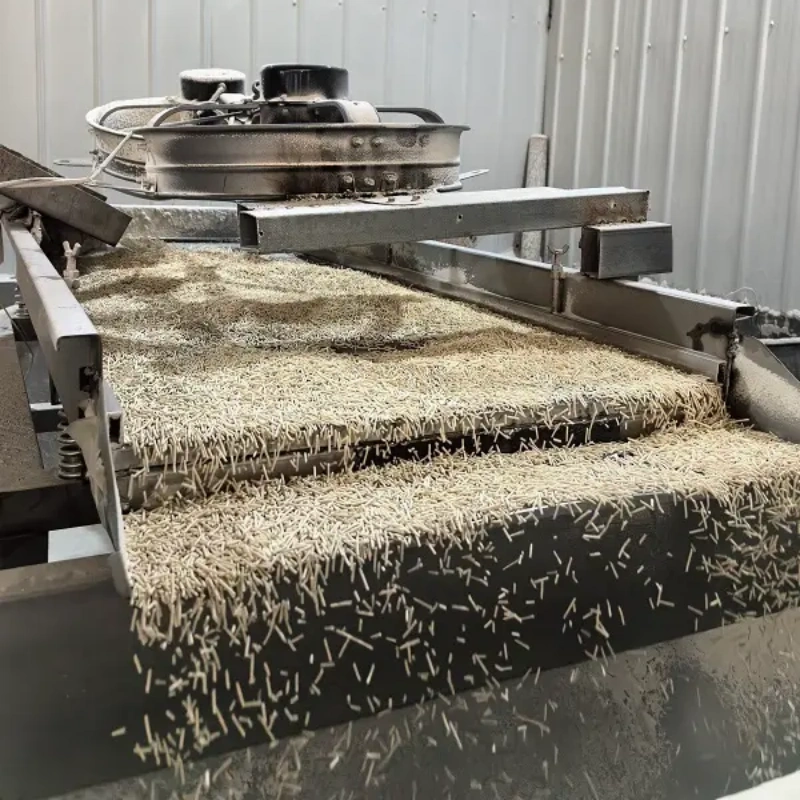
Look for products that use appropriate screening and dust-removal processes during manufacturing.
1.3 No Unnecessary Artificial Fragrances
Many traditional cat litters use strong perfumes to mask unpleasant smells.
Unfortunately, a fragrance that seems pleasant to humans may be overwhelming to cats.
Unscented litter is generally a sensible starting point, particularly for cats that are sensitive to changes in their environment.
Instead of relying on heavy perfumes, consider formulas that manage odors through moisture absorption, regular waste removal, and appropriate odor-control materials.
1.4 Appropriate Moisture and Microbial Management
Plant-based litter has many advantages, but moisture management deserves attention.
Materials derived from soybeans, corn, cassava, and other agricultural sources can absorb moisture. If the product is stored in humid conditions or becomes wet and is left unattended, microbial growth and mold may become concerns.
This is why manufacturing, drying, packaging, and storage are important parts of product quality.
Keep unused litter sealed in a cool, dry location, and replace contaminated litter promptly.
1.5 Consistent Manufacturing Quality
Two cat litters made from the same raw material can perform very differently.
The difference may come from:
Raw material purity.
Particle size consistency.
Drying conditions.
Extrusion and pelletizing methods.
Dust removal and screening.
Packaging quality.
Batch-to-batch quality control.
A trustworthy supplier should be able to explain these processes rather than relying entirely on marketing terms such as natural or premium.
2. The 7 Best Types of Non-Toxic Cat Litter
There is no single best cat litter for every household. Different materials offer different combinations of absorption, clumping, odor management, dust control, and convenience.
Here is how the seven main types compare.
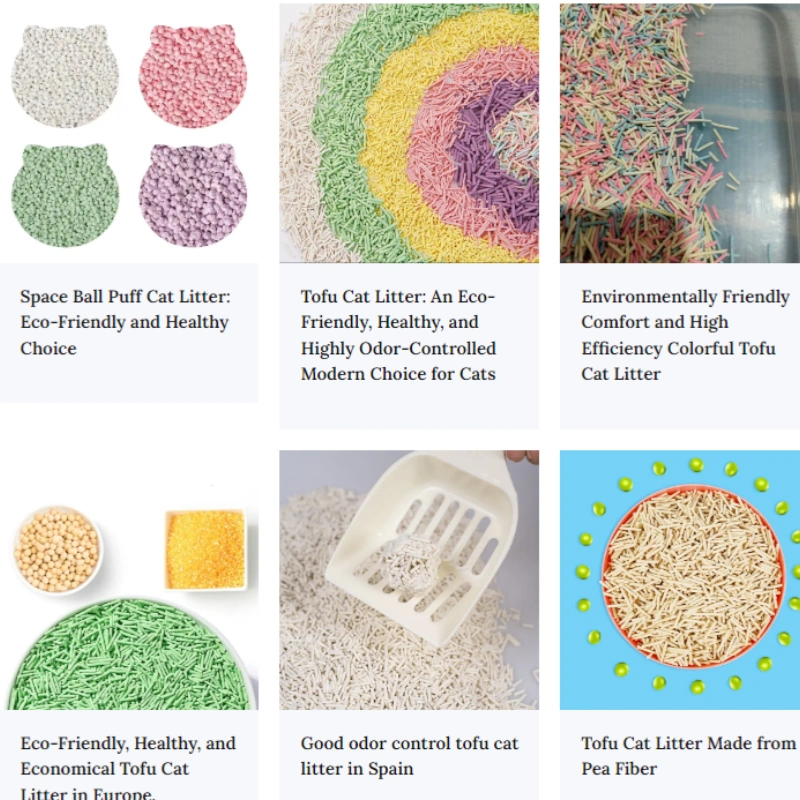
2.1 Tofu Cat Litter: A Practical Plant-Based Choice
Tofu cat litter is one of the most popular alternatives to conventional clay litter.
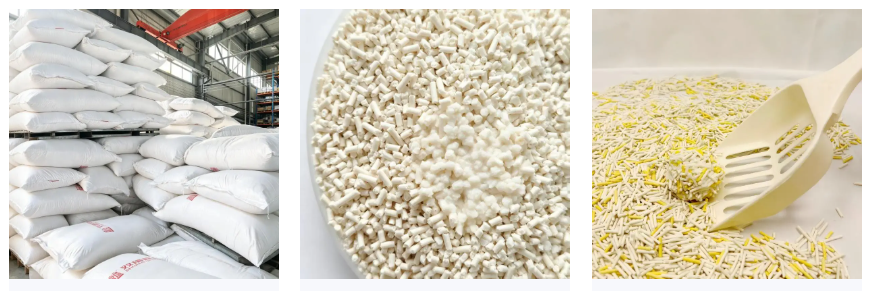
It is commonly manufactured using soybean residue, soybean fiber, pea fiber, or other plant-derived materials, combined with suitable binders.
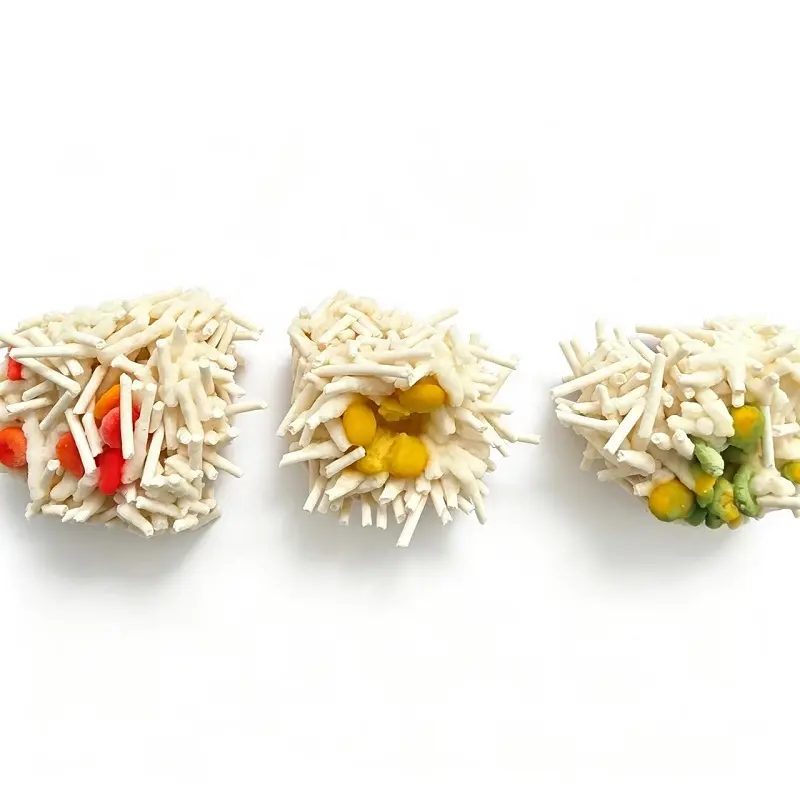
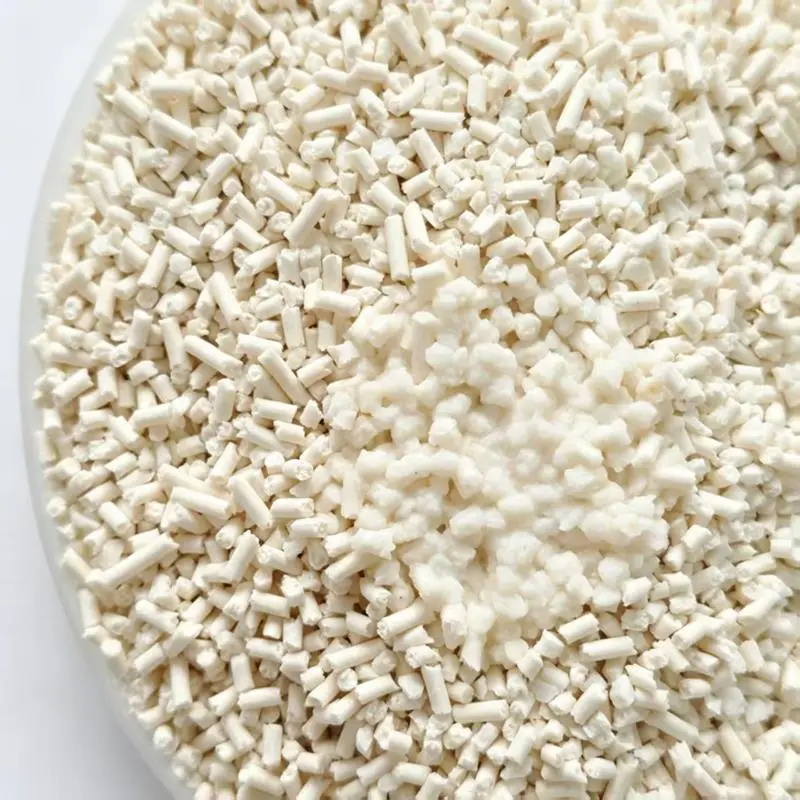
The ingredients are processed into pellets or smaller particles that absorb liquid and form clumps.
Why consider tofu cat litter?
Plant-derived raw materials.
Lightweight and relatively easy to handle.
Good liquid absorption in well-designed formulas.
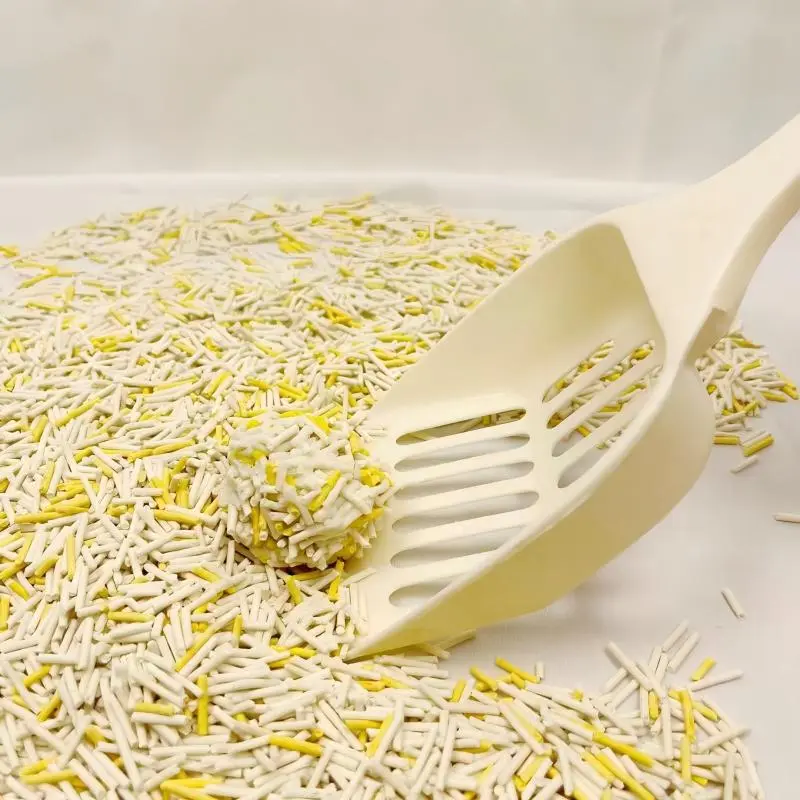
Convenient clumping and scooping.
Potentially lower dust than many conventional fine-grained products.
Biodegradable options, depending on the formulation.
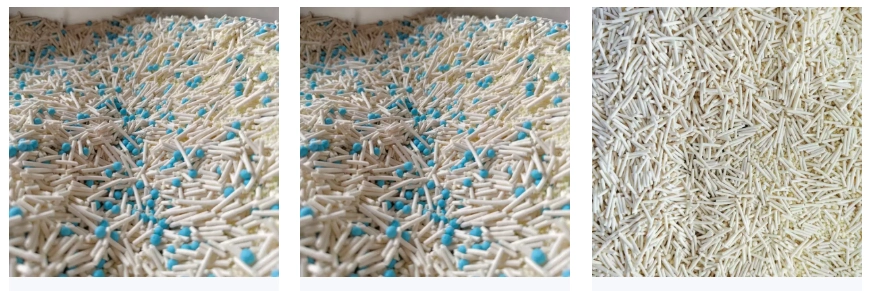
Another advantage is the variety of available particle sizes.
Short-pellet tofu litter can offer a more compact texture, while traditional cylindrical pellets may help reduce tracking around the litter box.
Crushed-shape tofu litter is another option for owners who prefer smaller particles and a different digging experience.
Potential drawbacks
Tofu litter is not automatically perfect.
Some formulas produce weak clumps, while others may become sticky when exposed to excessive moisture. Poor storage can also increase the risk of mold.
Its quality depends heavily on the raw materials, binder selection, and production process.
For owners looking for a balance between convenient cleaning and plant-based ingredients, a well-formulated unscented tofu litter is a strong option to consider.
Explore Gelin Town's Tofu Cat Litter to learn more about different pellet structures and plant-based formulations.
2.2 Corn Cat Litter: A Renewable Agricultural Alternative
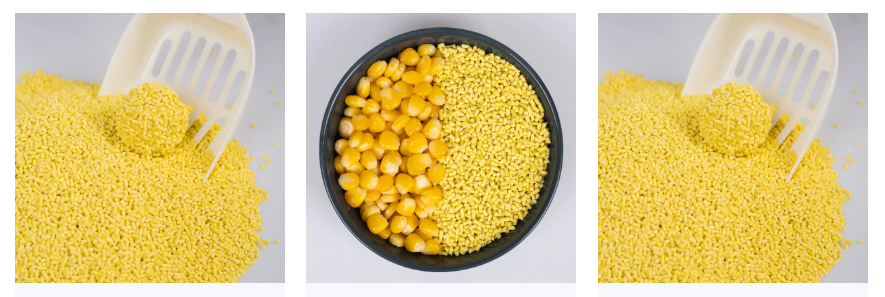
Corn-based cat litter uses agricultural materials to create absorbent particles.
It is often chosen by consumers who prefer renewable, plant-derived materials instead of conventional mineral litter.
Advantages:
Plant-based raw materials.
Good liquid absorption in suitable formulas.
Available in clumping varieties.
Lightweight compared with many clay products.
Potentially biodegradable, depending on the ingredients.
However, corn litter requires careful handling.
Agricultural materials can be vulnerable to moisture-related deterioration. Improper storage may encourage mold growth, and certain molds can produce mycotoxins.
This does not mean all corn litter is unsafe. It means that raw material quality, proper drying, moisture control, and packaging should be taken seriously.
If you choose corn-based litter, purchase from a manufacturer that can explain its material sourcing and quality-control procedures.
2.3 Wood Cat Litter: A Natural Option for Low-Tracking Households
Wood litter is generally made from processed wood fibers, sawdust, or compressed pellets.
Pine is a common material, although other wood sources are also used.
Wood pellets absorb moisture and often break down into finer particles after absorbing urine.
Advantages:
Plant-derived material.
Generally low tracking when intact pellets are used.
Can provide natural odor management.
Available in biodegradable formats.
Often suitable for households seeking a non-mineral alternative.
Potential drawbacks:
Not all cats enjoy the larger pellet texture.
Some products are non-clumping and require a sifting litter box. Others use finer wood fibers and have different cleaning requirements.
It is also important to check how the wood is processed. Wood source and processing methods affect the final product, and not every wood-based formula is suitable for every cat.
Wood litter is worth considering if you prioritize reduced tracking and do not mind adjusting your cleaning routine.
2.4 Paper Cat Litter: A Low-Dust Option
Paper cat litter is commonly produced from recycled paper that has been processed into pellets or granules.
It is frequently considered for cats that need a softer, lower-dust litter environment.
Advantages:
Often very low in dust.
Soft texture in many pellet products.
Lightweight.
Recycled material options.
Generally low tracking.
Paper litter may be especially useful for certain post-surgical situations when recommended by a veterinarian.
Potential drawbacks:
Many paper products are non-clumping, which can make urine removal more difficult.
Odor management and absorption also vary considerably between brands.
Some cats dislike the texture because it differs from the fine, sandy substrate they naturally prefer.
Paper litter can be a good specialized choice, but it is not necessarily the most convenient option for every household.
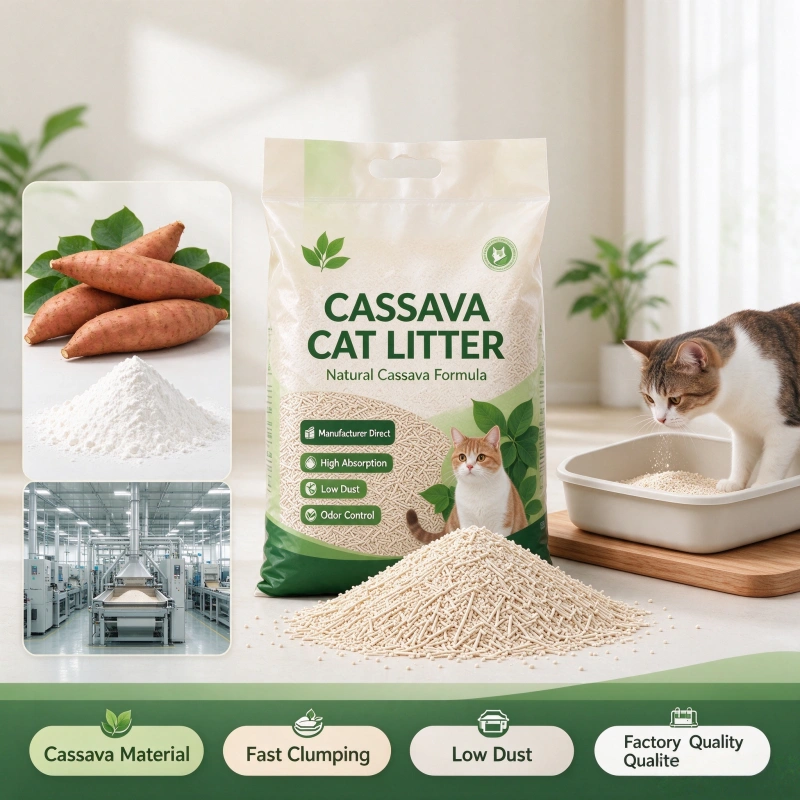
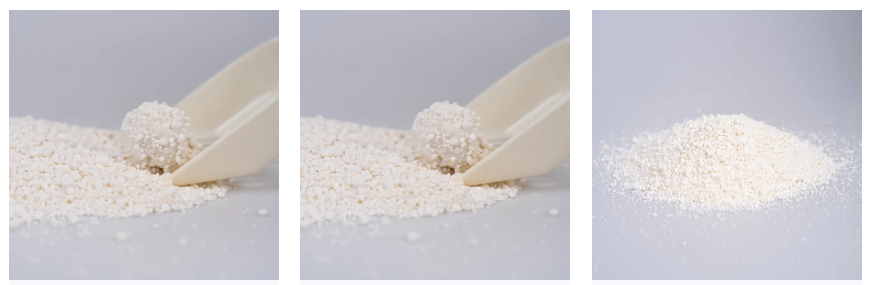
2.5 Cassava Cat Litter: An Emerging Plant-Based Alternative
Cassava is another agricultural material attracting attention in the plant-based cat litter market.
Cassava starch has useful binding properties, making it suitable for certain clumping litter formulations.
Depending on the formula, cassava-based litter may offer:
Plant-derived raw materials.
Good moisture absorption.
Convenient clump formation.
Lightweight particles.
Potentially reduced reliance on mineral-based ingredients.
Cassava is particularly interesting because it offers manufacturers another way to develop plant-based formulas with different particle sizes and performance characteristics.
However, cassava litter is not automatically superior to tofu or corn litter.
Its real performance depends on the starch content, fiber composition, binding ingredients, drying process, and final particle structure.
For consumers, the most useful approach is to compare the finished product rather than choosing based on the agricultural material alone.
2.6 Clay Cat Litter: Effective but Not Always the Best Fit
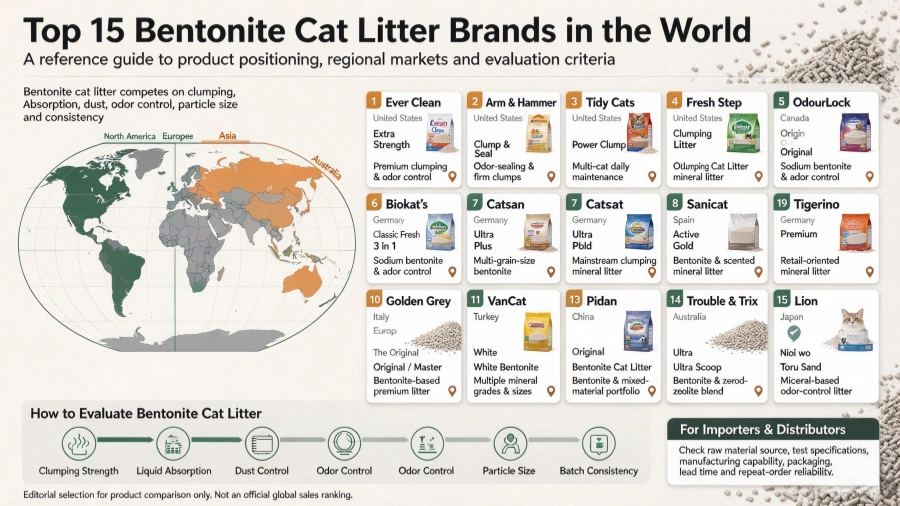
Clay litter, particularly sodium bentonite, remains popular because it is widely available and forms convenient clumps.
Many cats also accept its fine, sand-like texture.
Advantages:
Strong clumping performance in many products.
Familiar texture for cats.
Convenient daily scooping.
Wide availability.
Often economical.
However, clay litter also has limitations.
Some products release noticeable dust during pouring and digging. Mineral extraction and disposal can also raise environmental concerns.
It is important to distinguish between clay litter products rather than assuming every clay formula has the same dust performance.
A carefully processed low-dust, unscented clay litter may be suitable for many adult cats. Nevertheless, owners seeking plant-derived materials may prefer to explore alternatives such as tofu, cassava, or paper.
2.7 Mixed Cat Litter: Combining Different Materials
Mixed cat litter combines two or more materials to achieve a particular balance of performance.
For example, a formula may combine plant fibers with mineral ingredients or blend different agricultural materials.
The purpose may be to improve:
Absorption.
Clump strength.
Odor management.
Particle structure.
Dust control.
Cleaning convenience.
The main consideration is ingredient transparency.
Do not assume that a mixed formula is non-toxic simply because its main ingredient is plant-based.
Check the complete composition and understand why each material has been included.
3. Which Cat Litter Ingredients Should You Avoid?
Choosing the best non-toxic cat litter is not only about finding better ingredients. It is also about understanding which additives or product characteristics deserve closer attention.
Here are several considerations when reading product labels.
3.1 Strong Artificial Fragrances
Heavily scented litter may not be the best choice for cats with sensitive noses.
Perfumes are often used to create a fresh-smelling litter box, but they do not replace proper cleaning or effective moisture management.
An unscented formula is usually a better starting point.
3.2 Excessive Dust and Fine Particles
A product marketed as natural can still generate dust.
Look for manufacturers that screen and remove fine particles during production.
If possible, evaluate the litter during pouring and normal use instead of relying exclusively on packaging claims.
3.3 Unclear Chemical Additives
Be cautious when a manufacturer does not explain the purpose of its additives.
This does not mean every synthetic ingredient is inherently harmful. Some additives have legitimate functions, and safety depends on the substance, concentration, exposure, and intended use.
The better approach is to choose products with transparent ingredient information and documented quality controls.
3.4 Poorly Stored Plant-Based Materials
Plant-based litter needs appropriate moisture control.
Do not use litter that shows signs of mold, unusual discoloration, dampness, or an unexpected musty smell.
Store unopened bags away from humidity and direct water exposure.
3.5 Inappropriate Clumping Litter for Very Young Kittens
Very young kittens sometimes taste or swallow unfamiliar materials.
Ingesting clumping litter may create digestive problems, which is why a non-clumping option is generally a more cautious starting point for young kittens.
As kittens grow, litter selection can be adjusted according to their behavior and veterinary guidance.
4. Tofu vs. Corn vs. Clay: Which Is Better?
One of the most common questions among cat owners is whether tofu litter is actually better than traditional clay or corn litter.
The answer depends on what you value most.
| Comparison | Tofu Litter | Corn Litter | Clay Litter |
|---|---|---|---|
| Main material | Soy or pea fiber | Corn-based material | Mineral clay |
| Clumping | Usually available | Available | Usually available |
| Weight | Lightweight | Lightweight | Often heavier |
| Dust | Formula-dependent | Formula-dependent | Formula-dependent |
| Odor management | Absorption and optional additives | Absorption and formula design | Clumping and optional additives |
| Renewable raw materials | Yes, depending on sourcing | Yes, depending on sourcing | No |
| Moisture management | Important | Important | Product-dependent |
| Best suited for | Owners seeking plant-based convenience | Owners seeking agricultural alternatives | Owners preferring traditional fine-grained litter |
Which One Should You Choose?
Choose tofu litter if you want a lightweight, plant-based option with convenient clumping.
Choose corn litter if you prefer agricultural materials and can maintain appropriate storage conditions.
Choose clay litter if your cat strongly prefers fine-grained textures and you find a product with acceptable dust performance.
There is no universal winner. The best product is the one that combines suitable ingredients, reliable performance, and acceptance by your cat.
5. How to Choose the Safest Cat Litter for Your Cat
Instead of buying a product simply because it says natural or non-toxic, use the following checklist.
Step 1: Read the Ingredient List
Check whether the manufacturer clearly identifies the primary raw materials and additional ingredients.
Avoid relying on broad marketing descriptions without supporting information.
Step 2: Choose an Unscented Formula
Start with fragrance-free litter, particularly if your cat is sensitive to strong smells.
Odor control should come from absorption, regular scooping, and effective litter-box maintenance rather than simply covering odors with perfume.
Step 3: Check Dust Performance
Look for evidence of dust-control processes and consistent particle quality.
Remember that low-dust does not mean completely dust-free.
Step 4: Evaluate Clumping and Absorption
Good absorption helps keep the litter box cleaner.
For adult cats, a formula that forms stable clumps can make daily waste removal easier.
For very young kittens, consider non-clumping alternatives and follow veterinary advice.
Step 5: Consider Your Cat's Age and Behavior
A litter that works well for an adult cat may not be suitable for a curious kitten.
Older cats may also prefer softer particles that are comfortable under their paws.
Step 6: Examine the Manufacturer's Quality Controls
Look beyond the retail packaging.
Ask whether the manufacturer has procedures for raw material inspection, drying, screening, dust removal, and batch consistency.
For private-label buyers and distributors, these factors are especially important when selecting a long-term supplier.
Step 7: Introduce New Litter Gradually
Cats can be sensitive to changes in their bathroom environment.
Rather than replacing the entire litter box immediately, gradually introduce the new product and observe your cat's response.
If your cat avoids the box, develops unusual symptoms, or begins eating litter, stop the transition and consult a veterinarian when appropriate.
6. What Is the Best Non-Toxic Cat Litter for Kittens?
Kittens need special consideration because they are more likely to explore unfamiliar materials by tasting or chewing them.
For very young kittens, non-clumping paper or another suitable non-clumping litter is often a cautious choice.
As kittens grow, owners can evaluate other options according to their age, habits, and health.
Consider these guidelines:
Avoid strongly scented litter.
Choose a comfortable texture.
Monitor whether the kitten attempts to eat the litter.
Keep the litter box clean.
Use an easily accessible litter tray.
Introduce new materials gradually.
Most importantly, do not assume that all natural clumping litter is automatically kitten-safe.
If your kitten repeatedly eats litter, consult your veterinarian before continuing to use that product.
7. Is Plant-Based Cat Litter Better for Indoor Cats?
Plant-based cat litter is becoming increasingly popular among indoor cat owners.
Because indoor cats spend their entire lives in a controlled home environment, owners often pay particular attention to dust, fragrance, tracking, and odor management.
Plant-based materials offer several potential advantages.
First, agricultural raw materials such as soy, corn, cassava, and wood can provide renewable alternatives to conventional mineral resources.
Second, many plant-based products are lightweight and can be designed with different pellet structures.
Third, certain formulas can provide convenient clumping and effective moisture absorption.
However, plant-based does not automatically mean chemical-free, biodegradable in every disposal system, or completely safe if swallowed.
The actual product formulation remains the deciding factor.
For owners looking for a practical balance of absorption, convenience, and plant-derived ingredients, tofu and cassava-based products are worth comparing.
8. Why Manufacturing Quality Matters When Choosing Non-Toxic Cat Litter
A frequently overlooked part of cat litter safety is the manufacturing process.
Even when two products use similar raw materials, their final quality may be very different.
For example, poorly processed plant fibers can result in inconsistent particles, weak clumps, or excessive dust.
A well-controlled production process should focus on several areas:
Raw Material Selection
The manufacturer should establish appropriate sourcing and inspection procedures for soybean fiber, corn starch, cassava, wood, and other ingredients.
Drying and Processing
Moisture control is important for plant-based litter. Proper drying helps create a more consistent finished product and supports appropriate storage stability.
Particle Size Control
Consistent pellet dimensions influence absorption, tracking, digging comfort, and cleaning convenience.
Dust Removal
Screening and dust-removal procedures help reduce loose particles before packaging.
Quality Inspection
Finished products should undergo suitable quality checks for the specifications relevant to their intended market.
For pet brands, distributors, and wholesalers, manufacturing transparency is not just a purchasing consideration. It is part of building a dependable product line.
Exploring Plant-Based Cat Litter Manufacturing with Gelin Town Pet
Gelin Town Pet specializes in plant-based cat litter manufacturing, with product categories including tofu cat litter, corn cat litter, mixed cat litter, and health-monitoring cat litter.
Its product development range also includes different tofu litter structures, such as crushed-shape and space-puffed varieties.
The company describes its production facilities as covering approximately 16,000 square meters, with an annual production capacity of around 7,000 tons. It also presents BSCI, ISO 9001, SGS, and CTI-related certifications and audit information.
For businesses interested in developing a plant-based cat litter range, working directly with a manufacturer can make it easier to discuss:
Raw material options.
Pellet sizes and product structures.
Absorption and clumping requirements.
Dust-control specifications.
Packaging and private-label requirements.
OEM and ODM product development.
Learn more about Gelin Town Pet's manufacturing capabilities and cat litter factory.
Please contact us to place an order.
9. Frequently Asked Questions About Non-Toxic Cat Litter
What is the safest cat litter for cats?
There is no universally safest material for every cat. Unscented, low-dust litter with transparent ingredients is a sensible starting point. Tofu, paper, wood, and other plant-based options may suit different cats depending on their age, health, and preferences.
Is tofu cat litter non-toxic?
Tofu cat litter is typically made from plant-derived materials such as soybean residue or pea fiber. A well-formulated product with clear ingredients and appropriate manufacturing controls can be a good alternative to conventional clay litter. However, plant-based does not automatically guarantee that a product is harmless under every exposure condition.
Is clay cat litter toxic to cats?
Clay litter is not automatically toxic simply because it contains mineral materials. However, some products produce dust, and dust exposure may be undesirable for sensitive cats. Choosing an unscented, well-processed product with suitable dust performance is important.
What cat litter is safest for kittens?
For very young kittens that may taste or swallow litter, non-clumping paper or another appropriate non-clumping formula is generally a cautious option. As kittens mature, other litter types may become suitable. Consult your veterinarian if your kitten repeatedly eats litter.
Is dust-free cat litter really dust-free?
Not necessarily. Dust-free is often a marketing description rather than a guarantee that no airborne particles will be released. Even low-dust products can produce fine particles during transportation, pouring, and everyday use.
Is natural cat litter better than traditional cat litter?
Natural cat litter can offer advantages such as renewable raw materials, reduced reliance on mineral resources, and different dust and tracking characteristics. However, natural materials can also have limitations, including moisture sensitivity, inconsistent clumping, and storage requirements.
Can tofu cat litter be flushed down the toilet?
Some tofu cat litter products are marketed as flushable, but this depends on their specific formulation, local plumbing systems, and wastewater regulations. Do not assume that all tofu litter can be flushed. Follow the manufacturer's disposal instructions and local requirements.
Does non-toxic cat litter prevent respiratory problems?
No cat litter can guarantee the prevention of respiratory problems. However, reducing unnecessary airborne dust and avoiding strong fragrances may help create a more comfortable litter-box environment for some cats. Cats with respiratory symptoms should be evaluated by a veterinarian.
How often should non-toxic cat litter be changed?
The cleaning schedule depends on the litter type, the number of cats, and the manufacturer's instructions. Clumping litter generally requires daily removal of waste and regular replenishment. Non-clumping products may need more frequent full replacement.
Is biodegradable cat litter always safe for cats?
No. Biodegradability describes how a material can break down under certain conditions. It does not automatically establish its toxicity profile, suitability for ingestion, or overall safety for cats.
Final Thoughts: Choose Cat Litter Based on Ingredients, Quality, and Your Cat's Needs
Finding the best cat litter non toxic is not about choosing the product with the most attractive natural label.
It is about understanding the materials, evaluating the complete formulation, checking dust performance, avoiding unnecessary fragrances, and selecting a product that your cat comfortably accepts.
Tofu, cassava, corn, wood, and paper litter all offer different advantages. For many adult cats, a well-formulated unscented plant-based litter can be a practical alternative to traditional mineral litter. However, no single formula is ideal for every cat.
For manufacturers, distributors, and pet brands, the same principle applies: reliable raw materials, controlled production, consistent particle quality, and transparent product information are essential to developing a trustworthy cat litter range.
Ultimately, the best choice is one that balances your cat's comfort, everyday performance, and responsible product quality.