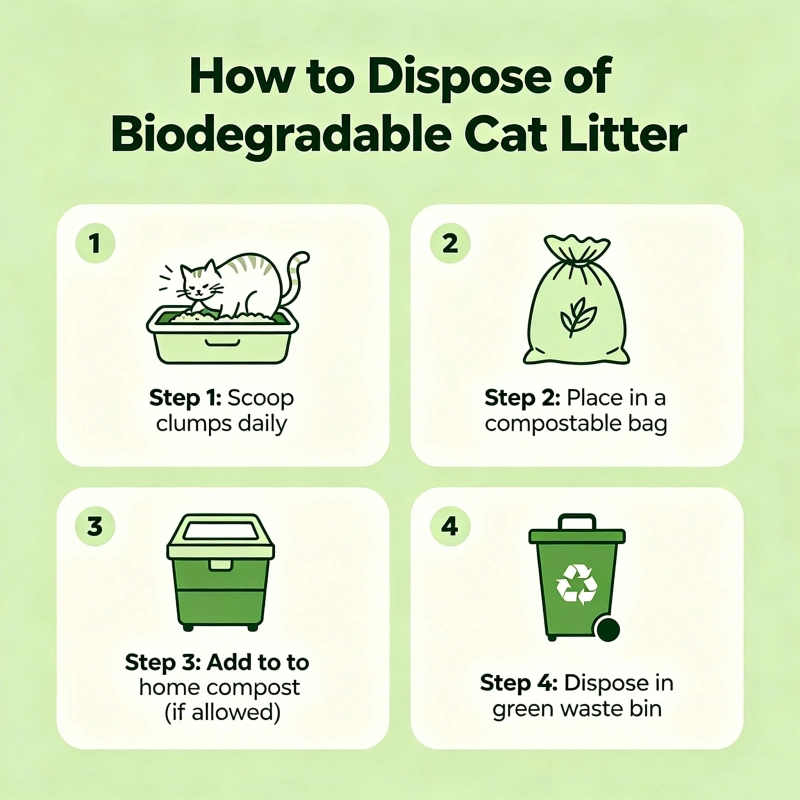
Switching to biodegradable cat litter is a fantastic step toward a more sustainable pet care routine. Made from natural materials like wood, paper, corn, wheat, or tofu, these litters break down over time and avoid the environmental harm of traditional clay. But here’s the critical question every eco-conscious cat owner faces: How do you actually dispose of it?
The answer isn’t as simple as tossing it in your backyard compost bin. Improper disposal can pose health risks and even harm the environment you’re trying to protect. This guide cuts through the confusion, providing a clear, safe, and practical roadmap for disposing of your biodegradable cat litter—whether you’re using a trusted brand from your local pet store or sourcing high-quality, plant-based litter directly from a manufacturer like Shandong Gelin Town Pet Products Co., Ltd., a professional cat litter producer established in 2020 with a 16,000-square-meter factory and an annual capacity of 7,000 tons.
Why Disposal Method Matters More Than You Think
Biodegradable doesn't automatically mean "compost anywhere" or "flush without worry." The primary concern with any cat waste is a parasite called Toxoplasma gondii. Cats are the only definitive host for this parasite, and its oocysts (eggs) are shed in their feces. These oocysts are incredibly resilient, surviving in soil and water for months or even years.
For most healthy adults, exposure to toxoplasmosis causes mild flu-like symptoms or none at all. However, it poses a serious risk to:
Pregnant women, as it can cause birth defects.
Immunocompromised individuals (e.g., those with HIV/AIDS or undergoing chemotherapy).
Marine life, as the parasite can wash into waterways and infect sea otters and other wildlife.
Therefore, the method you choose for disposal must prioritize safety alongside sustainability—especially when using premium plant-based litters like those developed by manufacturers who prioritize both performance and environmental responsibility.
Types of Biodegradable Cat Litter: A Detailed Comparison
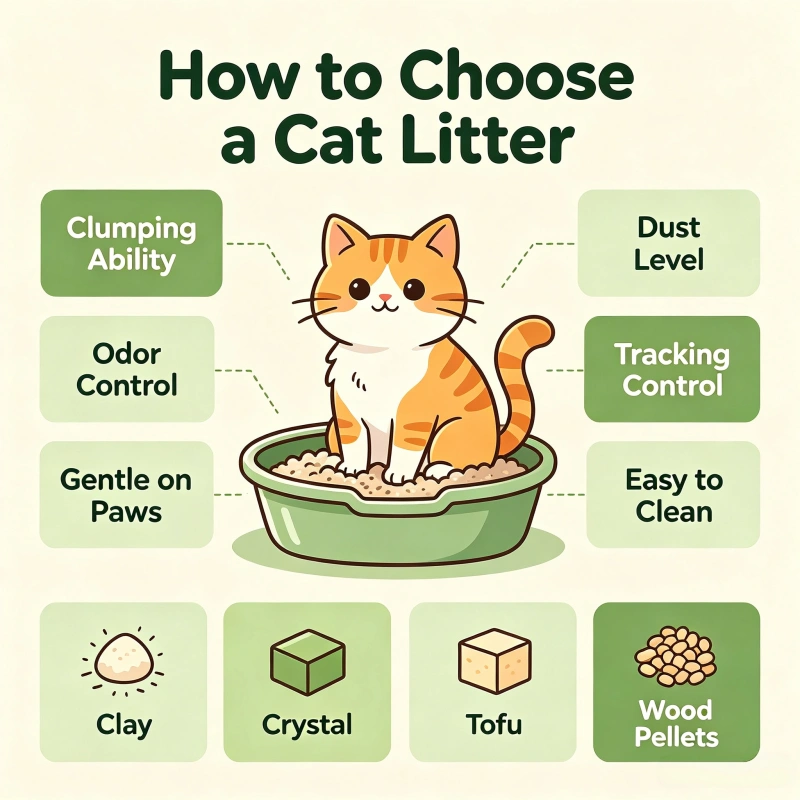
Not all biodegradable litters are created equal. The raw material significantly impacts performance, environmental footprint, and—critically—safe disposal options. Here’s a breakdown of the most common types:
| Type | Raw Material | Pros | Cons | Best Disposal Method |
|---|---|---|---|---|
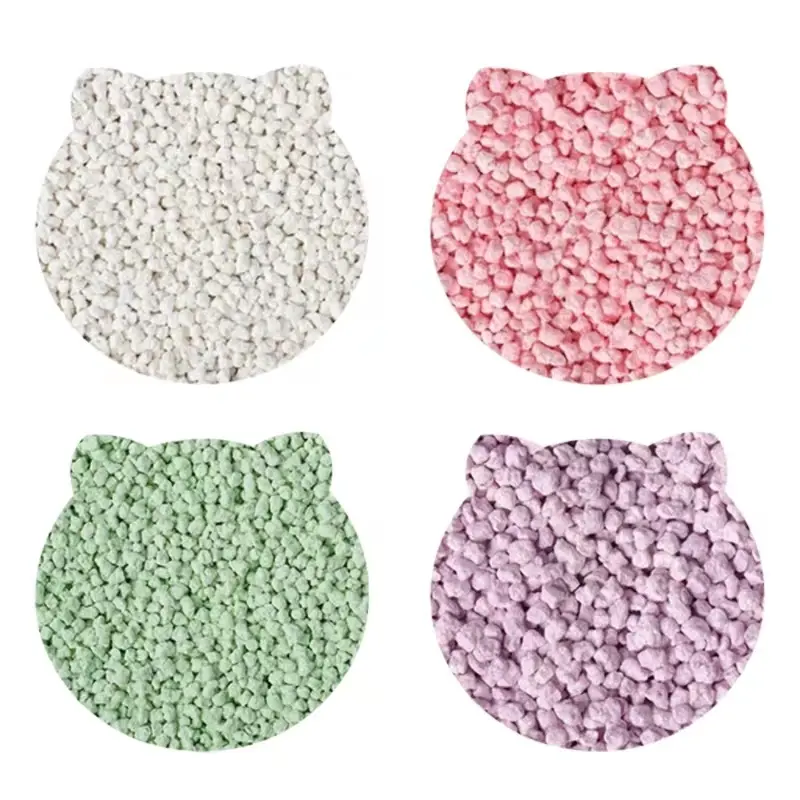
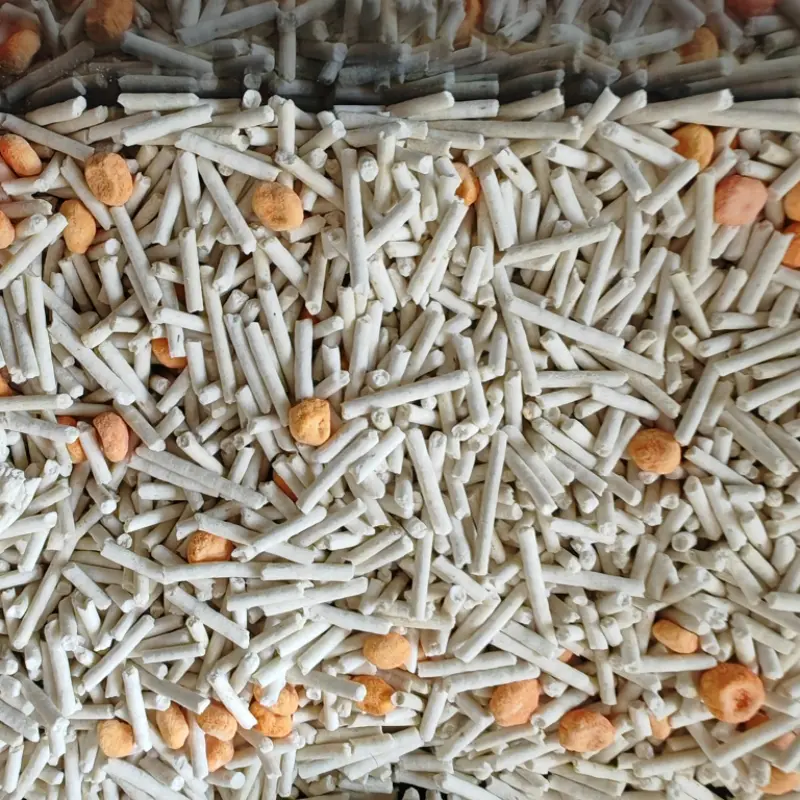
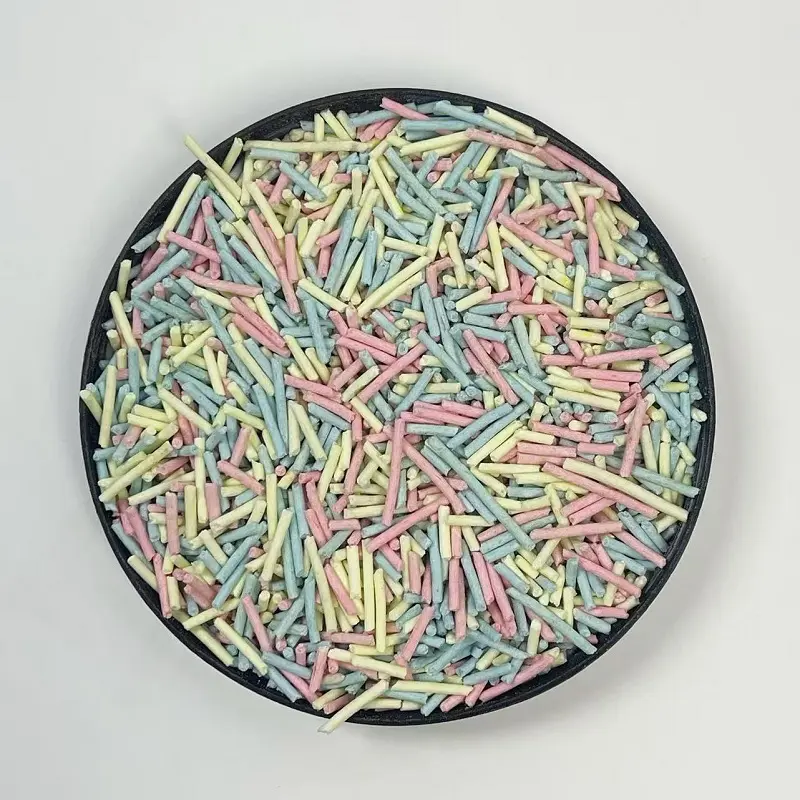
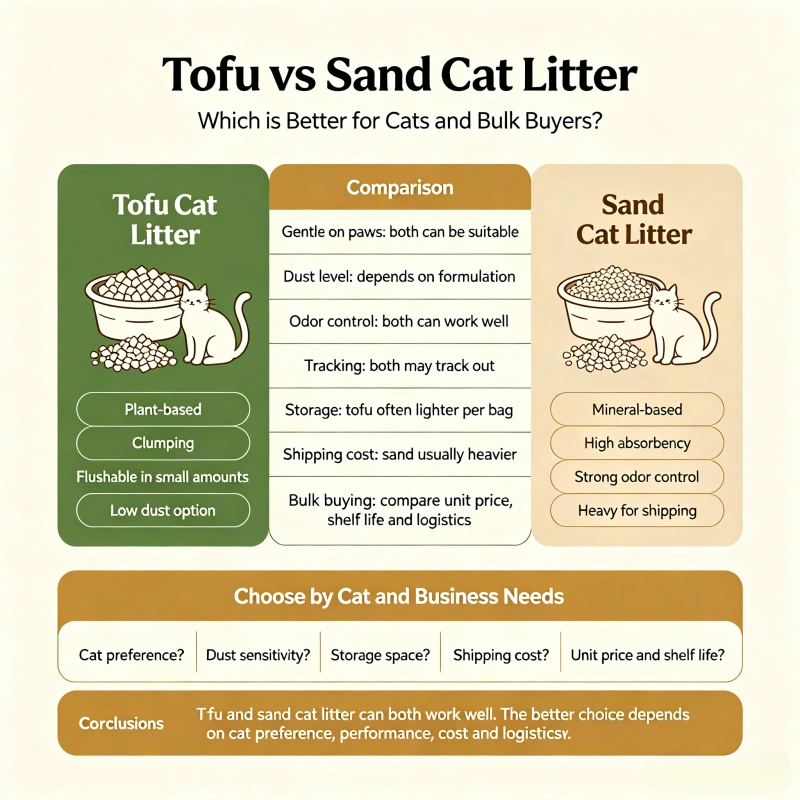
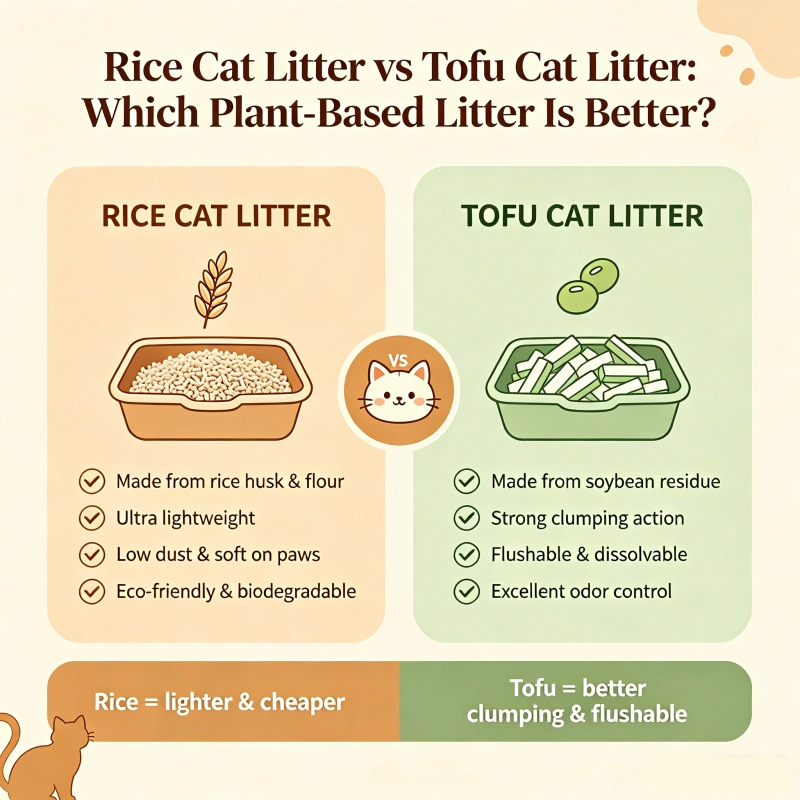
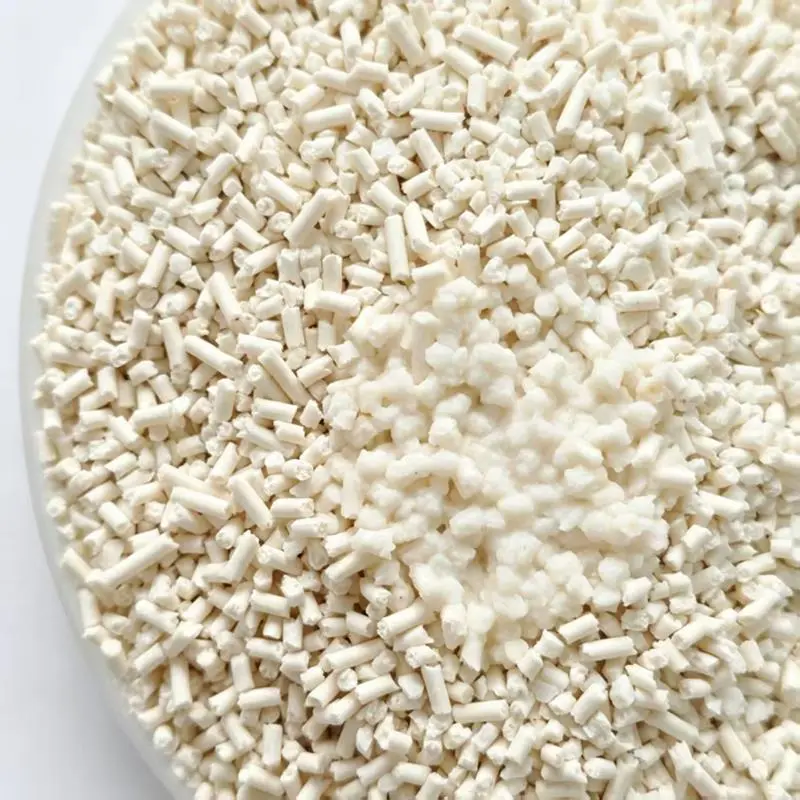
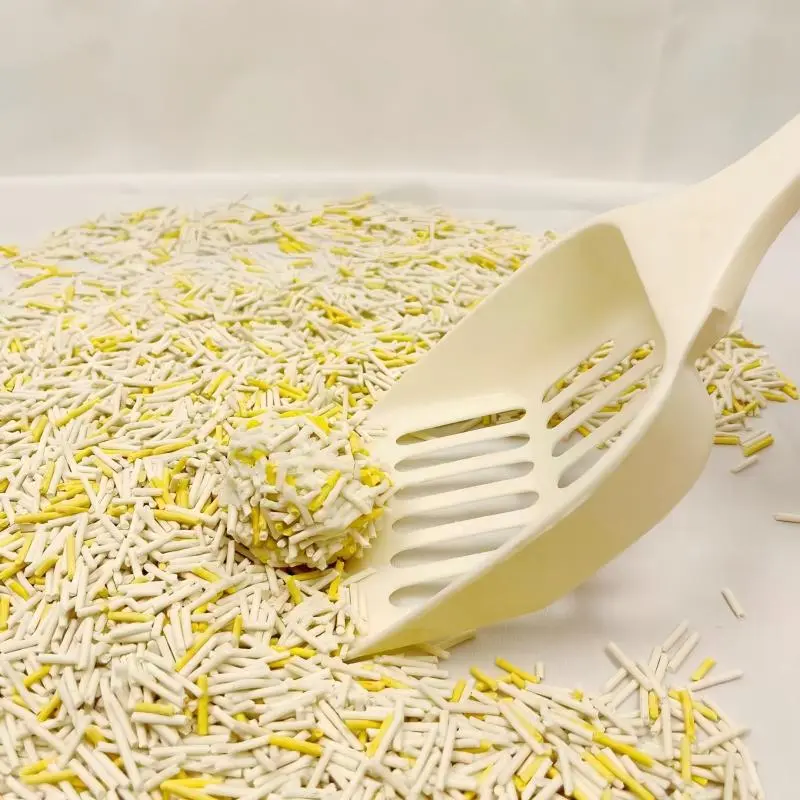
| Tofu Litter | Soybean or pea fiber residue (a byproduct of food production) | Ultra-low dust, excellent clumping, strong odor control, lightweight, often flushable* | Can be more expensive; *flushing not recommended due to plumbing/toxoplasma risks | Trash (safest), Dedicated Compost |
| Corn Litter | Ground corn cobs or kernels | Good clumping, natural odor neutralization, highly absorbent | May attract pests if composted improperly; potential GMO concerns for some buyers | Trash, Dedicated Compost |
| Wheat Litter | Processed wheat grains | Natural enzymes help break down odors, good clumping ability | Can be dusty; may not be suitable for homes with gluten allergies | Trash, Dedicated Compost |
| Wood Litter | Pine, cedar, or other softwoods (pellets or shavings) | Highly absorbent, excellent odor control from natural wood oils, long-lasting | Pellets require “activation” with water; can track more than clumping litters | Trash, Dedicated Compost |
| Paper Litter | Recycled paper (newsprint or virgin pulp) | Very low tracking, virtually dust-free, highly absorbent | Weaker clumping; can be less effective on strong odors | Trash, Dedicated Compost |
| Walnut Shell | Crushed walnut shells | Extremely hard, provides great texture for cats, excellent odor control | Higher cost; limited availability | Trash, Dedicated Compost |
*As a professional manufacturer like Shandong Gelin Town Pet Products Co., Ltd., we specialize in high-purity tofu and corn-based litters. Our state-of-the-art 16,000 m² factory uses advanced automation to ensure our plant-based formulas are free from synthetic additives, making them ideal candidates for safe, dedicated composting systems.*
Biodegradable Bio-Cat Litter Products You Might Be Interested In:
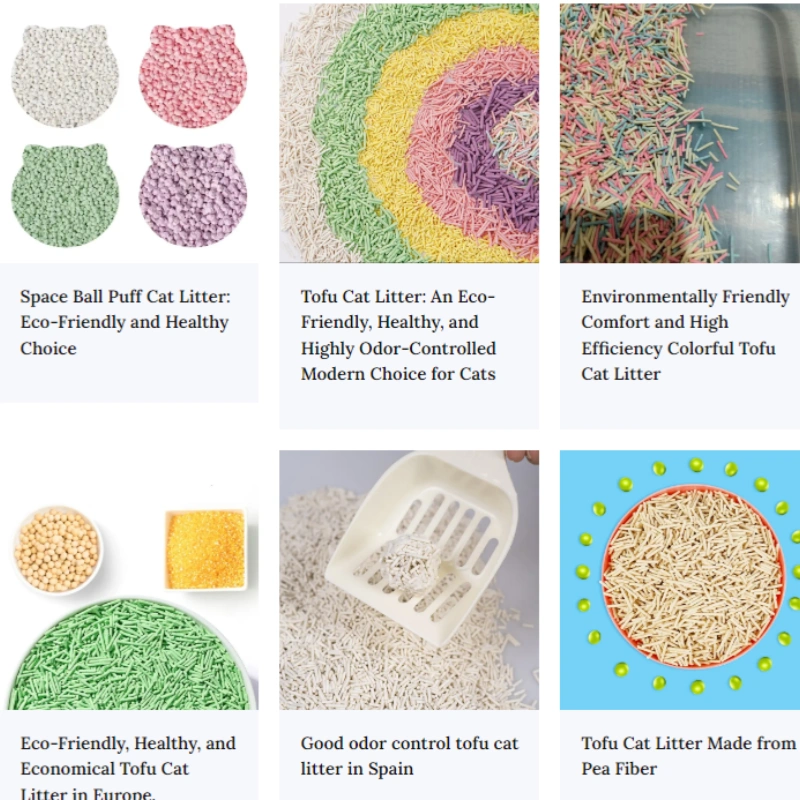
Biodegradable tofu cat litter in EU
Biodegradable corn based cat litter in Sweden
Healthiest tofu cat litter non-toxic and biodegradable at Walmart
The Big Three: Your Disposal Options Explained
You have three main options for getting rid of used biodegradable cat litter: the trash can, your compost system, or the toilet. Each has its own set of rules, benefits, and drawbacks.
Option 1: The Trash Can (Landfill)
This is the simplest and safest method for most households, especially if you have concerns about toxoplasmosis.
How to Do It Right:
Scoop Daily: Remove solid waste and clumps every day. This keeps the litter box fresh and minimizes odor in your trash.
Double-Bag It: Place the waste in a small, sturdy plastic bag, tie it off securely, and then place that bag inside your regular household trash bag. This extra layer provides a crucial barrier against leaks and odors.
Use a Lidded Bin: Keep your kitchen or utility room trash can tightly closed to prevent smells from escaping and to deter curious pets.
Pros:
Maximum Safety: Completely isolates the waste from your home environment, garden, and water supply.
Universally Applicable: Works for every type of biodegradable litter—including high-performance tofu or corn-based formulas from specialized producers like Shandong Gelin Town, which manufactures certified (BSCI, ISO9001, SGS, CTI) plant-based litters for global markets.
Simple & Convenient: Requires no special setup or knowledge.
Cons:
Not Truly Sustainable: Even though the litter itself is biodegradable, landfills are anaerobic (oxygen-free) environments where decomposition is extremely slow.
Uses Plastic Bags: Contributes to single-use plastic consumption.
Best For: Pregnant women, immunocompromised individuals, households near waterways, or anyone who wants a foolproof method—particularly when using premium litters designed for superior clumping and odor control, such as those offered through OEM/ODM services by experienced manufacturers.
Option 2: Composting
This is the most environmentally friendly option if done correctly. However, it requires a dedicated system separate from your food scrap compost.
Can You Compost Cat Litter? The Critical Rules:
Never add cat waste to a compost bin used for food scraps or garden fertilizer.
Only compost litter made from 100% natural, plant-based materials—like the tofu-based, corn-based, or recycled paper litters produced by factories specializing in clean, additive-free formulations. Avoid any litter with synthetic fragrances or chemical deodorizers.
Do not compost if your cat is on medication.
Many leading biodegradable litters on the market today—including private-label products developed by manufacturers like Shandong Gelin Town for Amazon sellers and international pet brands—are formulated specifically for safe composting in dedicated systems, thanks to their pure, plant-derived composition and absence of harmful additives.
How to Build a Safe, Dedicated Pet Waste Composter:
Location: At least 10 feet from gardens or water sources.
The Bin: Use a ventilated, lidded container buried partially in the ground.
Layering: Always cover waste with carbon-rich “browns” (sawdust, dry leaves).
Final Use: Never use the compost on edible plants. Only for ornamental landscaping.
Pros:
Truly Closes the Loop: Ideal for eco-conscious users of high-quality, pure plant-based litters.
Reduces Landfill Waste.
Cons:
High Risk if Done Wrong.
Requires Space & Maintenance.
Best For: Experienced composters using certified, additive-free biodegradable litter—such as those developed by R&D-focused manufacturers with standardized production workshops and global quality certifications.
Option 3: Flushing
Some brands market their biodegradable litter as “flushable,” but this practice is widely discouraged by environmental and plumbing experts.
The Risks:
Clogs: Even “flushable” litters can block pipes, especially older ones.
Septic Damage: Most septic systems cannot process cat litter.
Water Pollution: Toxoplasma oocysts survive wastewater treatment and threaten marine ecosystems.
While certain tofu-based litters—commonly produced in Asia and increasingly popular worldwide due to their fine texture and strong clumping—may claim flushability, responsible manufacturers and environmental agencies alike recommend against it. Factories like Shandong Gelin Town, which serve markets across Europe, America, and Australia, often advise customers to follow local disposal guidelines rather than rely on flush claims, prioritizing long-term ecological safety over short-term convenience.
If You Must Flush:
Only with a verified flushable product.
Only tiny amounts at a time.
Never with a septic system.
Best For: Generally not recommended, regardless of litter quality—even from top-tier producers.
Myth vs. Fact: Busting Common Biodegradable Litter Misconceptions
Misinformation can lead to unsafe practices. Let’s set the record straight.
| Myth | Fact |
|---|---|
| “Biodegradable means I can compost it in my garden bin.” | False. Due to the risk of Toxoplasma gondii, cat waste should never go into a compost pile used for food gardens. Only use a dedicated, non-edible compost system located far from water sources. |
| “If the bag says ‘flushable,’ it’s safe for my pipes and the environment.” | Mostly False. While some tofu litters disintegrate in water, they can still clog older plumbing or septic systems. More critically, municipal wastewater plants cannot kill Toxoplasma oocysts, which then pollute waterways and harm marine life. Flushing is discouraged by environmental agencies. |
| “All ‘natural’ litters are the same.” | False. Quality varies wildly. Some brands add synthetic fragrances, chemical binders, or silica to improve performance. For truly safe disposal, choose a litter from a certified manufacturer (look for ISO9001, SGS, BSCI) that guarantees a pure, plant-based formula. |
| “Biodegradable litter breaks down quickly in a landfill.” | False. Landfills are anaerobic (oxygen-free) environments where decomposition is extremely slow. Your eco-friendly litter may persist for decades. This is why the trash method, while safe, isn't truly sustainable. |
Pet Waste Disposal Regulations Around the World
Local laws can dictate your best disposal method. Here’s a quick global overview:
United States & Canada: Most municipal green waste programs explicitly prohibit pet waste. The EPA and Health Canada recommend disposal in the regular trash as the safest option for households.
European Union: Regulated under the Animal By-Products Regulation (EC No 1069/2009). Home composting of cat litter is generally not advised. Disposal in the general waste stream is the standard recommendation.
United Kingdom: The Environment Agency states that small amounts of cat litter can go in the general waste bin. Do not put it in food or garden waste collections.
Australia & New Zealand: Due to the threat to native wildlife (especially from Toxoplasma), councils strongly advise against composting cat waste. The landfill (trash) route is the official guidance.
*As a global supplier to markets in Europe, America, Australia, and Asia, Shandong Gelin Town ensures its products meet international safety and quality standards (ISO9001, SGS, CTI), providing peace of mind for distributors and end-users alike.*
Brand & Manufacturer Insights: What to Look For
When choosing a biodegradable litter, consider not just the material but also the manufacturer’s standards. Companies like Shandong Gelin Town Pet Products Co., Ltd. exemplify the modern, responsible approach:
Operating a 16,000 m² state-of-the-art factory with advanced automation
Holding international certifications (ISO9001, BSCI, SGS, CTI)
Offering OEM/ODM services for private-label brands on Amazon, eBay, and beyond
Specializing in pure plant-based formulas (tofu, corn, natural mineral) without harmful additives
These factors matter because a litter’s purity directly impacts its safe disposability. A well-manufactured, additive-free tofu or corn litter is far more suitable for composting than a “natural” product laced with synthetic fragrances or binding agents.
Step-by-Step: Your Safe Disposal Action Plan
Assess Your Household: Pregnant? Immunocompromised? Near a stream? → Use the trash.
Check Your Litter’s Origin: Is it from a reputable manufacturer using pure, plant-based ingredients? (Look for certifications like ISO9001 or SGS.)
Choose Your Method:
Trash: Double-bag, lid your bin.
Compost: Only with pure litter in a dedicated system; never on edibles.
Flush: Avoid, even if the packaging says it’s okay.
Wash Hands Thoroughly after handling waste.
Final Thoughts: Quality Meets Responsibility
Choosing biodegradable cat litter is a great first step—but responsible disposal completes the cycle. Whether you’re a pet parent buying retail or a brand owner sourcing from a professional manufacturer like Shandong Gelin Town Pet Products Co., Ltd., remember: sustainability must never compromise safety.
For most people, the trash can is the smartest choice. For those with the right setup, composting offers a greener path—especially when using high-purity, plant-based litters engineered for performance and environmental compatibility. And flushing? Best left off the table.
By aligning your disposal method with both your lifestyle and the quality of your litter, you ensure that your love for your cat extends to protecting your family, your community, and the planet.
Looking for a reliable, high-quality biodegradable cat litter manufacturer? Shandong Gelin Town Pet Products Co., Ltd. offers 7,000-ton annual capacity, ISO9001-certified production, and flexible OEM/ODM solutions for Amazon sellers, pet brands, and distributors worldwide. Contact us for samples or custom quotes.
Frequently Asked Questions (FAQs)
Q1: Can I put biodegradable cat litter in my city’s green bin or compost collection?
A: Almost certainly no. Nearly all municipal composting programs exclude pet waste due to pathogen risks. Always check with your local waste authority first.
Q2: Is tofu cat litter really better for the environment?
A: Yes, if it’s made correctly. High-quality tofu litter, like those produced in our factory, uses food-grade soy/pea fiber—a renewable byproduct—with no chemical additives. This makes it a cleaner choice from production to disposal.
Q3: How often should I change out biodegradable litter completely?
A: With daily scooping, a full change is typically needed every 1-2 weeks, depending on your cat’s usage and the litter’s clumping power. Our premium formulas are engineered for maximum longevity and odor control.
Q4: Does your company offer private label biodegradable cat litter?
A: Absolutely! Shandong Gelin Town Pet Products Co., Ltd. provides full OEM/ODM services. We can customize your litter’s material (tofu, corn, etc.), fragrance, color, packaging, and provide all necessary testing reports (SGS, CTI) for your brand, whether you sell on Amazon, eBay, or through offline channels.
387.webp)