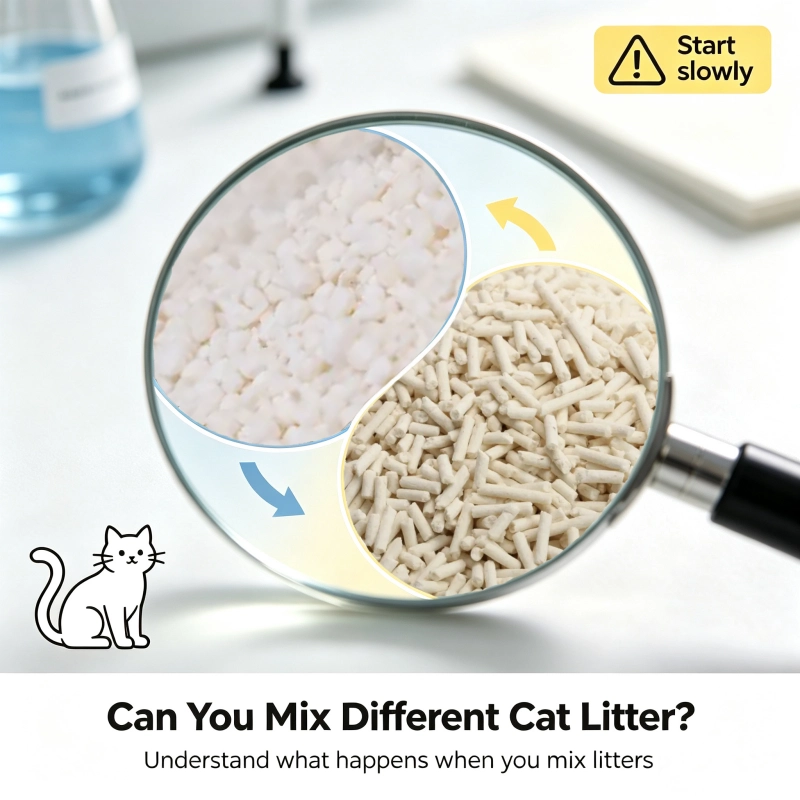
Mixing different cat litter is a question many cat owners ask when trying to improve odor control, reduce costs, or make the transition to a new litter easier. The short answer is yes—you can mix different cat litter, but only if you understand which types work well together and which combinations should be avoided.
Some litter blends can create the perfect balance between clumping ability, odor control, dust reduction, and affordability. Others may lead to poor clumping, tracking, excessive dust, or even cause your cat to avoid the litter box altogether.
This comprehensive guide explains everything you need to know about mixing cat litter. You'll learn the advantages, disadvantages, the best litter combinations, expert recommendations, and practical tips to help your cat adjust successfully.
Why Do Cat Owners Mix Different Cat Litter?
There are several reasons why pet owners choose to combine two or more litter types.
The most common motivations include:
Improving odor control
Reducing litter costs
Lowering dust levels
Creating stronger clumps
Making litter boxes easier to clean
Helping cats transition to a new litter
Combining natural ingredients with better performance
Testing different products without completely switching
Instead of searching for one "perfect" litter, many experienced cat owners customize their own mixture based on their cat's needs.
Can You Mix Different Types of Cat Litter?
Yes. Most cat litters can be mixed successfully, provided their physical properties are compatible.
Here is a quick overview.
| Cat Litter Combination | Can You Mix? | Recommended? | Notes |
|---|---|---|---|
| Tofu + Bentonite | Yes | ⭐⭐⭐⭐⭐ | Excellent balance of clumping and odor control |
| Corn + Tofu | Yes | ⭐⭐⭐⭐⭐ | Completely plant-based and eco-friendly |
| Bentonite + Silica | Yes | ⭐⭐⭐⭐☆ | Better odor absorption but uneven texture |
| Pine + Tofu | Yes | ⭐⭐⭐⭐☆ | Natural with good absorption |
| Corn + Bentonite | Yes | ⭐⭐⭐⭐☆ | Affordable and effective |
| Silica + Tofu | Yes | ⭐⭐⭐☆☆ | Works for odor control but texture differs |
| Crystal + Wood Pellets | Possible | ⭐⭐☆☆☆ | Cats may dislike the texture |
| Clay + Non-Clumping Wood Pellets | Not Ideal | ⭐☆☆☆☆ | Cleaning becomes difficult |
Generally speaking, litters with similar particle sizes and clumping behaviors mix much better.
Benefits of Mixing Cat Litter
Better Odor Control
Every litter material absorbs odors differently.
Bentonite traps urine effectively.
Tofu absorbs moisture quickly.
Corn naturally neutralizes ammonia.
Silica crystals absorb humidity over time.
Combining two materials often results in stronger odor management than using one litter alone.
Lower Overall Cost
Premium litter can become expensive for households with multiple cats.
Mixing an affordable base litter with a premium litter allows owners to reduce costs while maintaining good performance.
Example:
70% tofu litter
30% bentonite litter
This combination often provides premium clumping without significantly increasing monthly expenses.
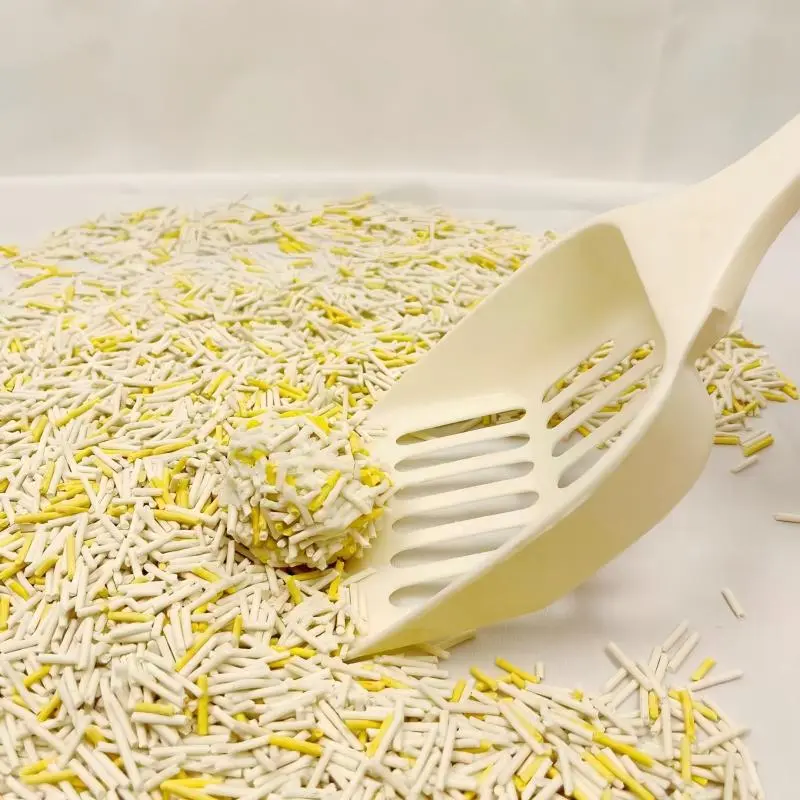
Improved Clumping
Strong clumps make litter boxes easier to clean.
Some natural litters produce softer clumps, while bentonite forms extremely hard clumps.
Mixing the two creates firmer, more durable clumps that are less likely to break apart.
Reduced Dust
Dust is a common concern, especially for:
kittens
senior cats
long-haired breeds
households with allergies
Plant-based litters usually generate much less dust than traditional clay litter.
Adding tofu or corn litter can noticeably reduce dust production.
Easier Transition Between Litters
Cats dislike sudden environmental changes.
If you're switching brands or materials, mixing old and new litter helps your cat adapt gradually.
A common transition schedule looks like this:
| Week | Old Litter | New Litter |
|---|---|---|
| Week 1 | 75% | 25% |
| Week 2 | 50% | 50% |
| Week 3 | 25% | 75% |
| Week 4 | 0% | 100% |
This gradual approach significantly reduces litter box rejection.
Possible Risks of Mixing Cat Litter
Although mixing litter can be beneficial, it is not always the best solution.
Inconsistent Clumping
Some litters absorb moisture immediately, while others work more slowly.
The result may be:
broken clumps
sticky litter
difficult scooping
Different Particle Sizes
Large pellets mixed with fine clay may separate naturally after repeated scooping.
Eventually the litter box becomes uneven.
Cats May Reject the Texture
Cats are surprisingly sensitive to texture.
If one litter feels soft while another contains sharp crystals, your cat may hesitate to use the litter box.
Watch carefully for signs such as:
scratching outside the box
urinating elsewhere
spending less time burying waste
Uneven Dust Production
Mixing a low-dust litter with a dusty clay litter will not completely eliminate dust.
The dustiest material usually dominates the overall experience.
The Best Cat Litter Combinations
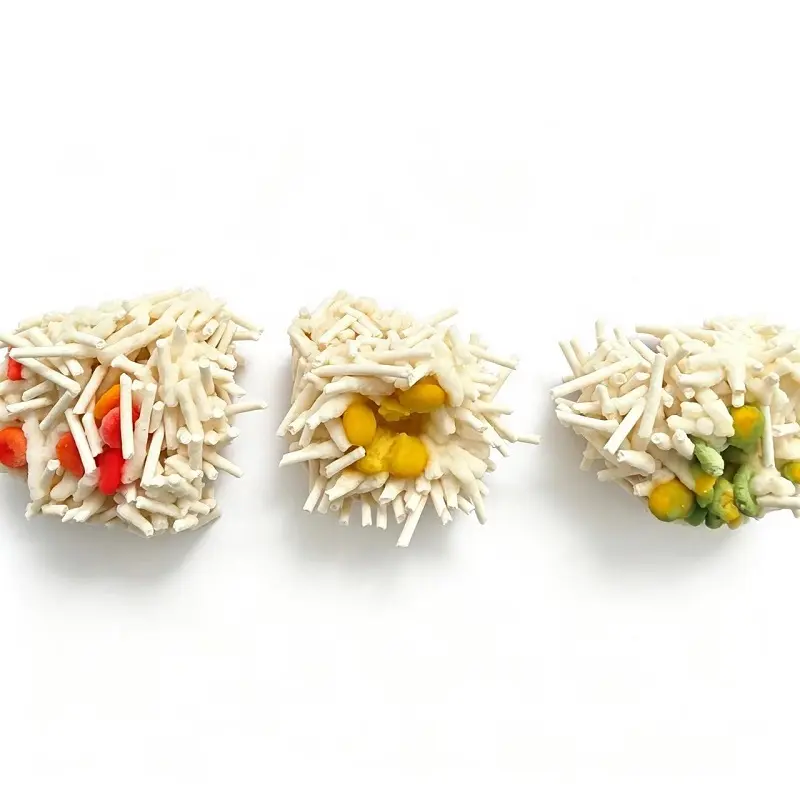
1. Tofu Litter + Bentonite Clay
This is one of the most popular professional blends.
Advantages:
excellent clumping
lower dust
better odor control
affordable
easy cleaning
Typical ratio:
70% tofu
30% bentonite
Best for:
multi-cat households
everyday use
high-traffic litter boxes
2. Tofu + Corn Litter
This combination is entirely plant-based.
Advantages include:
biodegradable
flushable in many local systems (always check local regulations)
lightweight
naturally low dust
It is an excellent option for environmentally conscious consumers.
3. Bentonite + Silica Crystal
This mixture provides exceptional moisture control.
Benefits:
long-lasting freshness
reduced odor
extended replacement intervals
However, the different textures may not appeal to every cat.
4. Pine + Tofu
Pine offers natural deodorizing properties.
When combined with tofu litter, owners enjoy:
pleasant natural scent
biodegradable materials
reduced dust
improved urine absorption
Which Cat Litters Should Not Be Mixed?
Some combinations create more problems than benefits.
| Combination | Reason |
|---|---|
| Non-clumping pellets + clumping clay | Difficult to scoop |
| Large crystals + tiny clay particles | Texture inconsistency |
| Strong scented + unscented litter | May overwhelm sensitive cats |
| Wet biodegradable litter + crystal litter | Uneven moisture absorption |
| Different pellet sizes | Separation after cleaning |
Whenever possible, choose litters with similar particle sizes and moisture behavior.
How to Mix Cat Litter Properly
Follow these simple steps.
Step 1: Clean the Litter Box
Remove all old litter.
Wash the box using warm water and mild soap.
Dry completely.
Step 2: Choose Your Ratio
Good starting ratios include:
| Purpose | Ratio |
|---|---|
| Transition | 75:25 |
| Balanced Performance | 50:50 |
| Improve Clumping | 70% tofu + 30% bentonite |
| Reduce Cost | 60% economical litter + 40% premium litter |
Step 3: Mix Thoroughly
Pour both litters into a container.
Stir evenly before filling the litter box.
Avoid pouring layers because cats may dig down and separate the materials.
Step 4: Observe Your Cat
For the first week, monitor:
litter box frequency
odor
clump quality
tracking
dust
signs of discomfort
Every cat has different preferences.
How Long Does It Take Cats to Adjust?
Most healthy cats adapt within one to two weeks.
Some confident cats accept a new blend immediately.
Older cats or particularly sensitive cats may require three to four weeks.
Never force a rapid change.
Expert Tips for Better Results
Veterinary professionals and experienced breeders often recommend the following practices:
Keep litter depth around 2–3 inches (5–8 cm).
Scoop waste at least once daily.
Replace the entire litter regularly according to the manufacturer's recommendations.
Avoid heavily scented litters if your cat has respiratory sensitivities.
Test new mixtures in one litter box first if you have multiple boxes.
Maintain consistency once your cat accepts a particular blend.
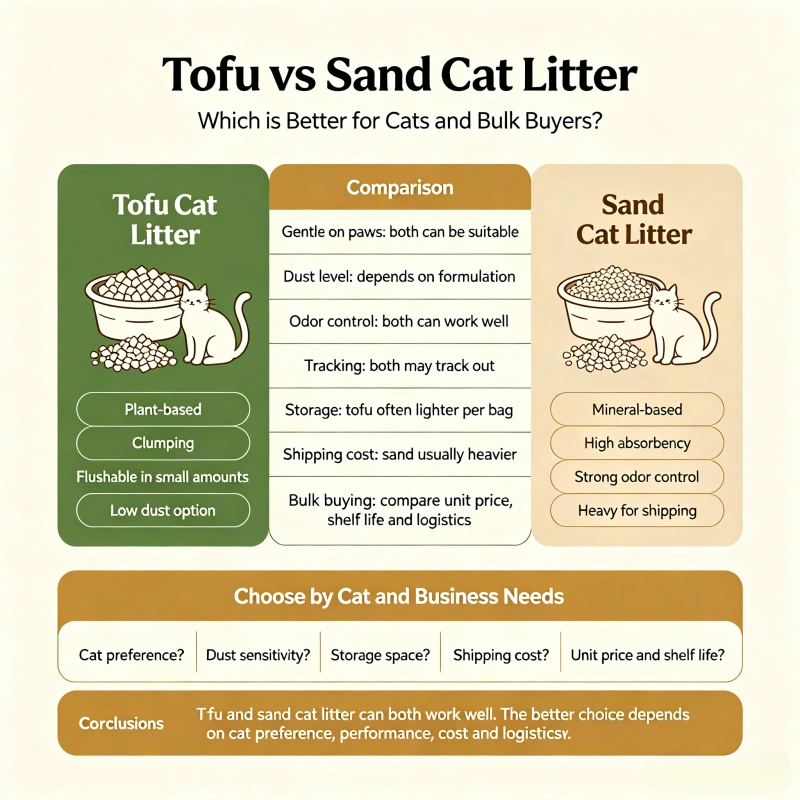
Competitor Analysis: How Different Cat Litter Materials Compare
Many popular cat litter brands focus on a single material, while others combine multiple ingredients to improve overall performance. Understanding the strengths and weaknesses of each material helps buyers make more informed decisions.
| Feature | Tofu Litter | Bentonite Clay | Corn Litter | Silica Crystal | Pine/Wood |
|---|---|---|---|---|---|
| Clumping | Excellent | Excellent | Good | No/Light | Moderate |
| Odor Control | Excellent | Very Good | Good | Excellent | Good |
| Dust | Very Low | Medium-High | Low | Very Low | Low |
| Weight | Light | Heavy | Light | Light | Medium |
| Flushability* | Often Yes* | No | Often Yes* | No | Sometimes* |
| Biodegradable | Yes | No | Yes | No | Yes |
| Eco-Friendly | Excellent | Poor | Excellent | Moderate | Excellent |
| Tracking | Low | Medium | Medium | Low | Low |
*Always follow local regulations and product instructions before flushing any litter.
Market Trends
Across North America, Europe, Australia, and Asia, consumer preferences have shifted noticeably toward plant-based cat litter. Compared with traditional clay litter, modern buyers increasingly value products that offer:
lower dust
renewable raw materials
lighter shipping weight
sustainable production
strong odor control
excellent clumping performance
As a result, tofu-based and blended plant-based litters have become one of the fastest-growing categories in the global pet care market.
Frequently Asked Questions
Is mixing cat litter safe?
Yes. Most combinations are perfectly safe as long as both products are non-toxic and intended for cats.
Can kittens use mixed litter?
Yes, but avoid litters that produce excessive dust or contain strong fragrances. Consult your veterinarian if your kitten has respiratory or digestive concerns.
Will mixing litter confuse my cat?
Usually not. Most cats adapt well when changes are introduced gradually.
Can I mix scented and unscented litter?
Yes, although heavily scented products may discourage some cats from using the litter box.
Does mixing litter save money?
Absolutely. Many households reduce monthly litter costs while maintaining good performance by combining premium and economical products.
What is the best mixture overall?
For most homes, 70% tofu litter and 30% bentonite clay offers an excellent balance of clumping strength, odor control, dust reduction, and value.
Choosing a Reliable Cat Litter Manufacturer
Whether you are building your own pet brand, sourcing wholesale cat litter, or expanding your retail product line, choosing the right manufacturing partner is just as important as selecting the right litter formula.
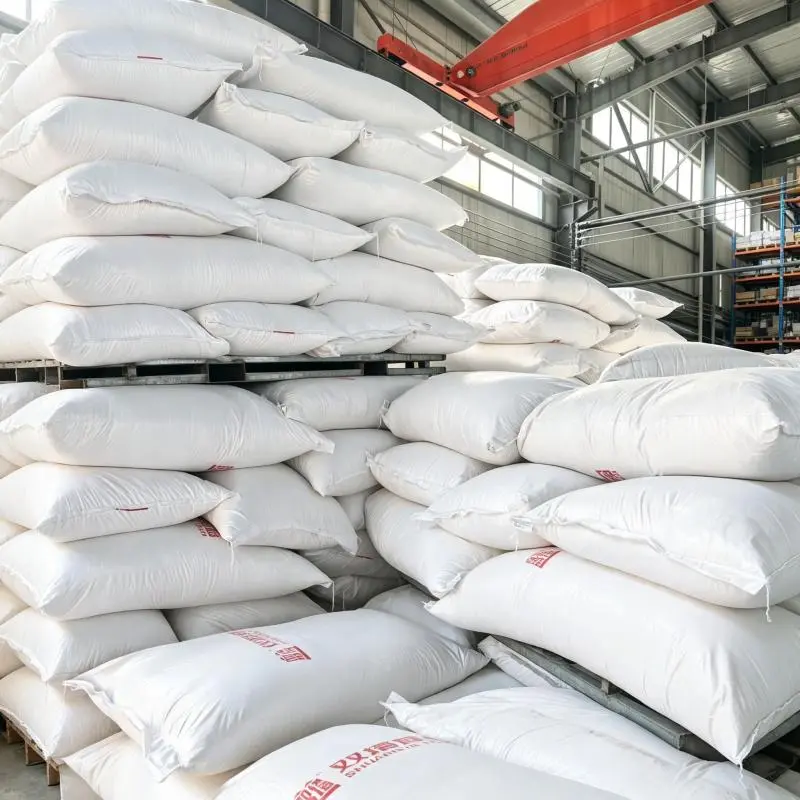
Established in 2020, Shandong Gelin Town Pet Products Co., Ltd. is a professional cat litter manufacturer with its own modern production facility dedicated to the research, development, and manufacturing of high-quality cat litter. Specializing in plant-based solutions, the company operates a standardized manufacturing base covering approximately 16,000 square meters with an annual production capacity of around 7,000 tons.
The factory is equipped with advanced automated production lines, experienced R&D professionals, and strict quality management systems to ensure consistent product performance and reliable supply for global customers.
Its product portfolio includes:
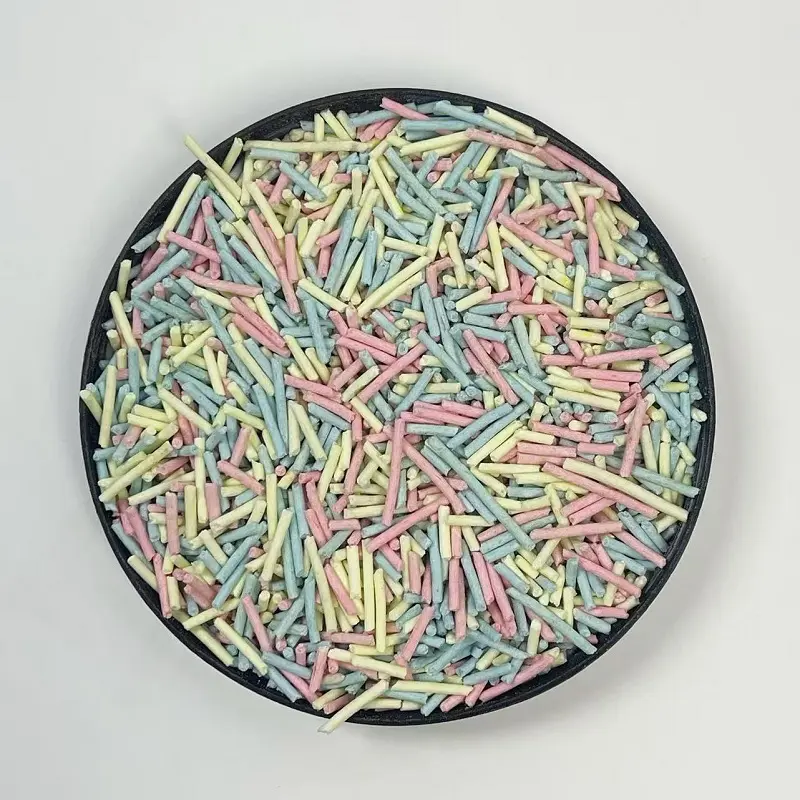
Tofu cat litter
Plant-based cat litter
Corn cat litter
Natural mineral cat litter
Health-monitoring cat litter
Customized blended litter formulations
To meet the needs of international distributors, retailers, and pet brands, the company provides:
OEM & ODM manufacturing
Private label services
Customized colors, fragrances, formulas, and packaging
Customized testing reports
Wholesale supply
Flexible production for Amazon, eBay, supermarkets, distributors, and offline retail brands
Products are exported to markets across Europe, North America, Australia, and Asia, with manufacturing standards supported by certifications including BSCI, ISO9001, SGS, and CTI.
From raw material sourcing to finished packaged products, the company offers an integrated supply chain designed to help businesses launch and scale competitive cat litter brands efficiently. Need premium tofu cat litter or customized cat litter solutions? Contact our team today to request samples, discuss your requirements, and receive a competitive wholesale quote.
Final Thoughts
So, can you mix different cat litter?
The answer is yes, and in many situations it is one of the smartest ways to improve litter box performance.
When compatible materials are combined thoughtfully, mixing cat litter can provide stronger clumping, better odor control, lower dust, easier cleaning, and improved cost efficiency. The key is selecting complementary materials and introducing changes gradually so your cat has time to adapt.
Among all available options, tofu litter blended with bentonite clay remains one of the most balanced solutions, delivering reliable performance while maintaining a cleaner, more comfortable litter box for both cats and their owners.
For pet brands, wholesalers, and retailers, demand for sustainable, plant-based cat litter continues to grow worldwide. Partnering with an experienced manufacturer capable of delivering consistent quality, customization, and scalable production can help businesses meet evolving consumer expectations and remain competitive in today's rapidly expanding pet care market.
387.webp)