Bentonite cat litter has dominated the global cat litter market for decades, accounting for more than 60% of worldwide sales. Its excellent clumping ability, affordability, and wide availability make it the preferred choice for millions of cat owners. However, increasing discussions about dust, silica exposure, environmental impact, and pet safety have raised an important question: Is bentonite cat litter actually safe?
The answer is more nuanced than a simple yes or no. Bentonite cat litter is generally considered safe when manufactured to high quality standards and used correctly. Most health concerns stem from poor-quality products, excessive dust generation, improper cleaning habits, or misinformation circulating online rather than scientifically proven risks.
This article examines the safety of bentonite cat litter from scientific, veterinary, manufacturing, and environmental perspectives. By evaluating available research, industry standards, and real-world usage, cat owners can make informed decisions based on evidence instead of marketing claims.
What Is Bentonite Cat Litter?
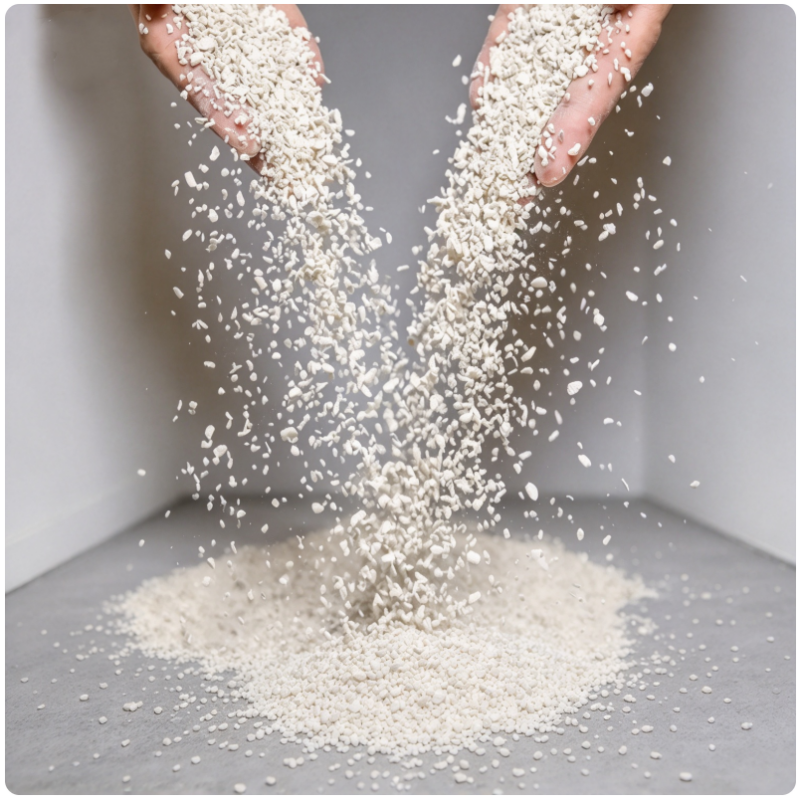
Bentonite cat litter is produced from naturally occurring bentonite clay, a volcanic ash-derived mineral primarily composed of montmorillonite. The clay possesses remarkable absorbent properties because its microscopic plate-like particles expand when exposed to water.
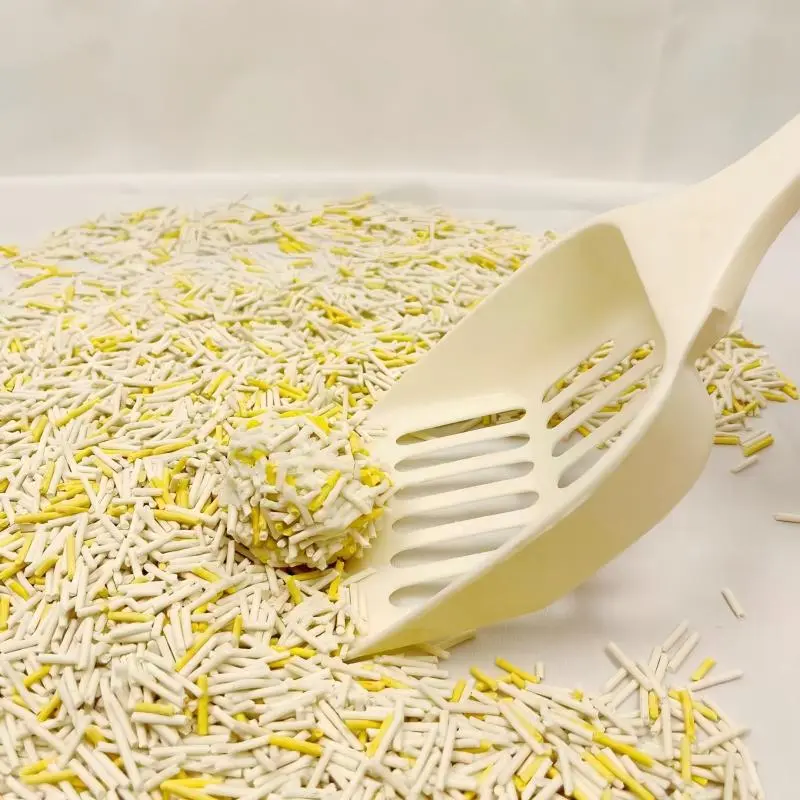
When a cat urinates, the clay rapidly absorbs moisture and forms hard clumps. These clumps can be removed without replacing the entire litter box, making bentonite litter economical and convenient.
Commercial bentonite litter generally contains:
Sodium bentonite or calcium bentonite
Natural clay minerals
Moisture control additives
Odor control ingredients
Optional activated carbon
Fragrance (for scented versions)
Premium manufacturers carefully remove impurities, heavy metals, and oversized particles during production while minimizing dust generation through advanced screening and granulation technologies.
Why Bentonite Cat Litter Became the Industry Standard
Before clumping litter was introduced, cat owners frequently replaced the entire litter box every few days. Bentonite revolutionized the market because of its unique swelling capacity.
Major advantages include:
Excellent liquid absorption
Strong clumping performance
Easy waste removal
Effective odor control
Long service life
Competitive pricing
Availability worldwide
Industry surveys suggest that clumping litter reduces total litter consumption by approximately 30–50% compared with traditional non-clumping litter because only contaminated portions need replacement.
These practical benefits explain why bentonite remains the benchmark against which newer litter materials are compared.
Is Bentonite Cat Litter Safe for Cats?
Current veterinary consensus indicates that bentonite litter is generally safe for healthy adult cats when properly manufactured and used correctly.
Several factors support this conclusion.
Cats Rarely Ingest Significant Amounts
Adult cats are naturally clean animals. They spend considerable time grooming but generally do not intentionally consume litter.
Accidental ingestion during grooming is usually minimal and passes through the digestive system without causing problems.
Kittens, however, are more curious and may eat litter while exploring their environment. Veterinarians often recommend non-clumping alternatives until kittens are approximately three to four months old.
Bentonite Is Chemically Stable
Bentonite is an inert mineral.
It does not react with skin, urine, or feces under normal household conditions.
Unlike certain chemical absorbents, bentonite does not release toxic gases or harmful chemical residues during regular use.
Millions of Cats Use It Daily
Perhaps the strongest real-world evidence comes from long-term usage.
Hundreds of millions of cats worldwide have used bentonite litter for decades. Serious health incidents directly linked to high-quality bentonite products remain extremely rare.
Examining the Dust Concern
Dust is the most frequently discussed safety issue surrounding bentonite litter.
When litter is poured, scooped, or disturbed, fine particles become airborne.
These particles may contain:
Clay dust
Mineral particles
Small amounts of crystalline silica (depending on raw material)
Organic debris
High dust concentrations may irritate:
Human lungs
Sensitive cats
People with asthma
Elderly pets with respiratory disease
However, dust level varies dramatically between manufacturers.
Premium products often advertise dust levels below 1%, while lower-cost products may exceed 5–10%.
Modern production equipment significantly reduces dust by:
Multiple screening stages
Particle size classification
Surface polishing
Dust extraction systems
Granule strengthening
Choosing a low-dust product substantially reduces potential respiratory irritation.
Does Bentonite Cat Litter Cause Lung Disease?
This question frequently appears online, yet scientific evidence remains limited.
Occupational exposure among mining workers differs dramatically from household litter use.
Workers in mining environments may inhale mineral dust for eight hours daily over several decades.
Cat owners typically experience only brief exposure while pouring or scooping litter.
Current veterinary literature has not established a direct causal relationship between normal household bentonite litter use and chronic lung disease in healthy cats.
Nevertheless, households with:
Asthmatic cats
Chronic bronchitis
Elderly cats
Respiratory allergies
may benefit from ultra-low-dust formulations or alternative litter materials.
What About Silica?
Many consumers confuse bentonite clay with silica gel crystal litter.
These are completely different products.
Bentonite clay naturally contains trace amounts of crystalline silica because silica occurs naturally in many rocks and minerals.
However, quality manufacturers carefully monitor silica content to comply with occupational and consumer safety regulations.
The greatest concern involves inhaling large quantities of respirable crystalline silica over many years.
Household exposure from premium low-dust litter is substantially lower than industrial occupational exposure.
The safest strategy remains selecting products specifically labeled as low-dust and following good litter box maintenance practices.
Is Bentonite Dangerous If Swallowed?
One common internet myth suggests bentonite expands inside a cat's stomach and causes fatal intestinal blockage.
Scientific evidence supporting this claim is limited.
Healthy adult cats rarely consume enough litter for expansion to become problematic.
However, certain situations deserve caution:
Young kittens
Cats with pica (abnormal eating behavior)
Neurological disorders
Nutritional deficiencies
If a cat repeatedly eats litter, owners should consult a veterinarian because the underlying behavioral or medical condition is generally more important than the litter itself.
Skin and Paw Safety
Bentonite is considered non-toxic and generally gentle on feline skin.
Most cats tolerate it without problems.
Occasionally, extremely dry climates combined with frequent litter box use may contribute to:
Dry paw pads
Mild skin irritation
Increased dust sticking to fur
These situations are uncommon and often improve after switching to a softer granule size or adding a litter mat outside the box.
Is Bentonite Safe for Humans?
For healthy adults, bentonite litter presents very little health risk during normal household use.
Basic hygiene recommendations include:
Washing hands after scooping
Avoiding unnecessary dust inhalation
Keeping litter boxes well ventilated
Wearing gloves if desired
Pregnant women avoiding direct litter cleaning because of toxoplasmosis—not because of bentonite itself
The primary health concern for humans remains infectious organisms in cat feces rather than the clay itself.
Environmental Considerations
Safety also extends beyond personal health.
Bentonite is a natural mineral, but it is not biodegradable.
Mining operations require:
Land excavation
Heavy equipment
Transportation
Energy consumption
Used bentonite litter generally ends up in landfills because it should not be flushed down toilets.
Compared with plant-based litters, bentonite has a larger mining footprint but often requires less frequent replacement due to superior clumping efficiency.
Manufacturers continue improving sustainability by:
Recycling production waste
Reducing packaging materials
Increasing transportation efficiency
Developing lightweight formulas
Comparing Bentonite with Alternative Cat Litters
Choosing litter involves balancing safety, performance, cost, and environmental impact.
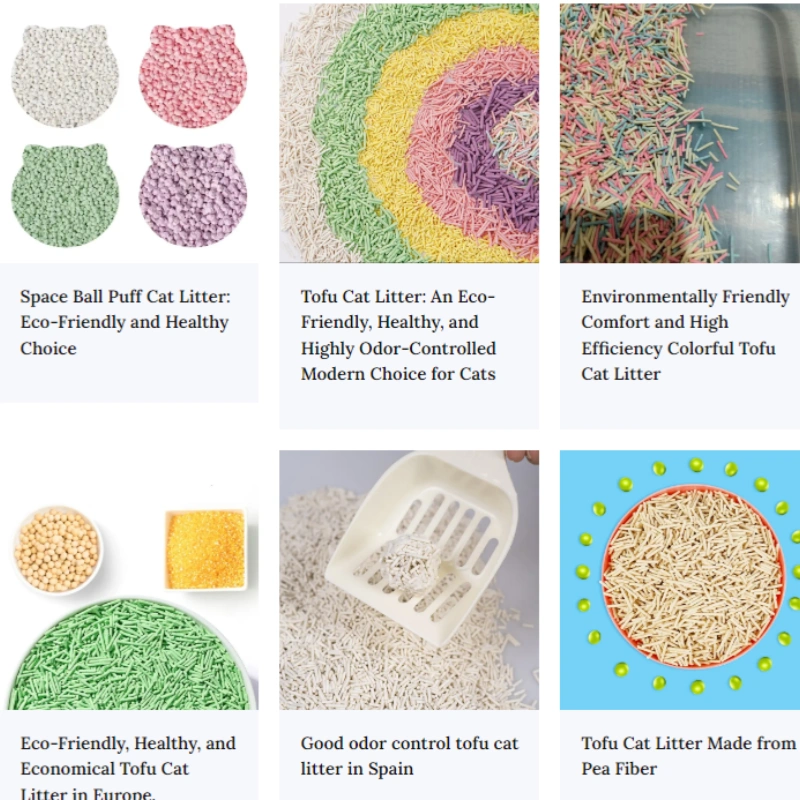
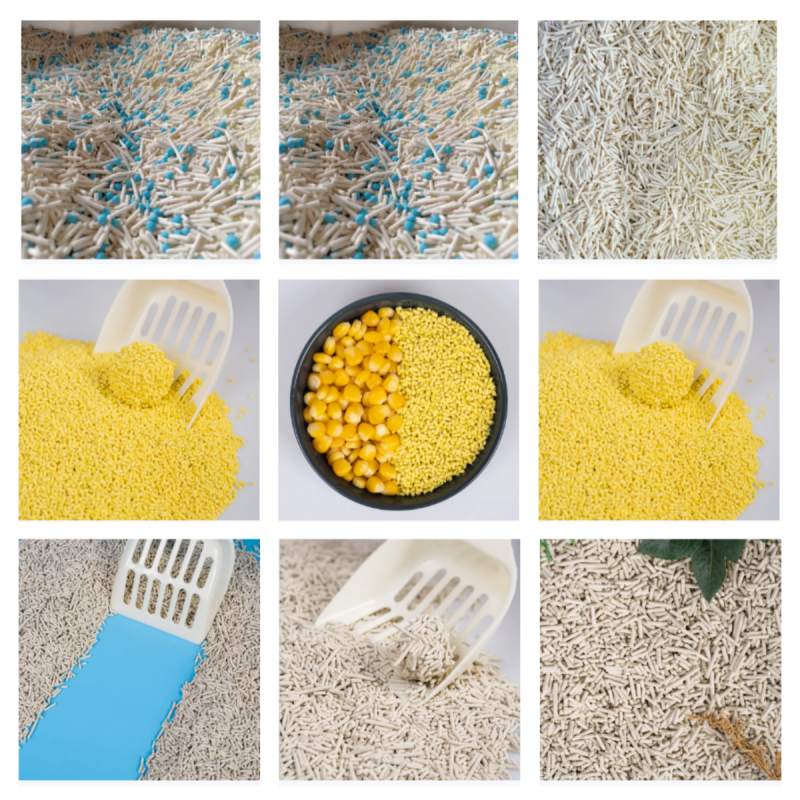
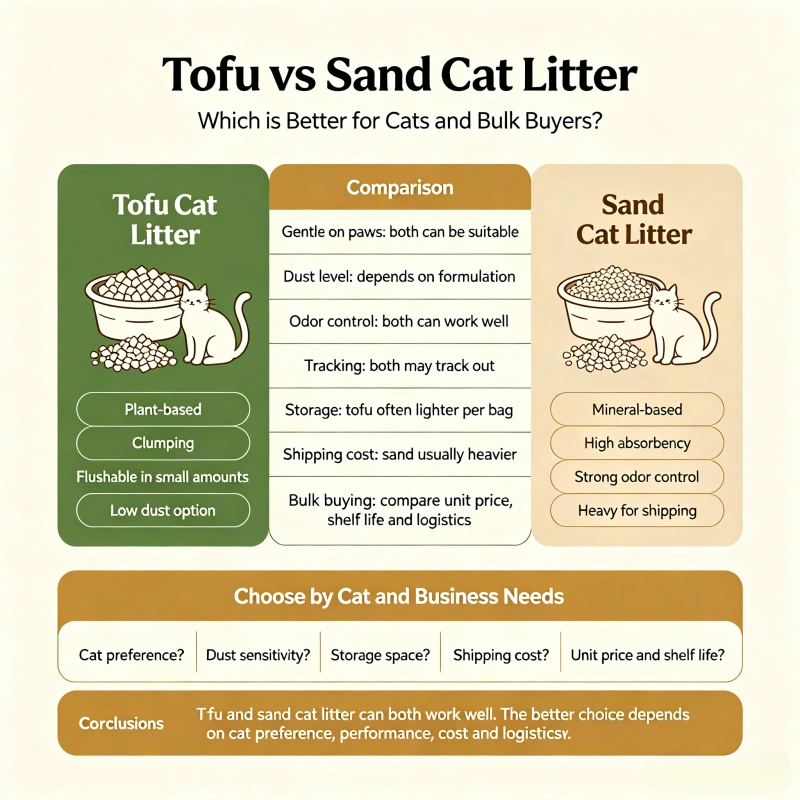
Bentonite vs Tofu Litter
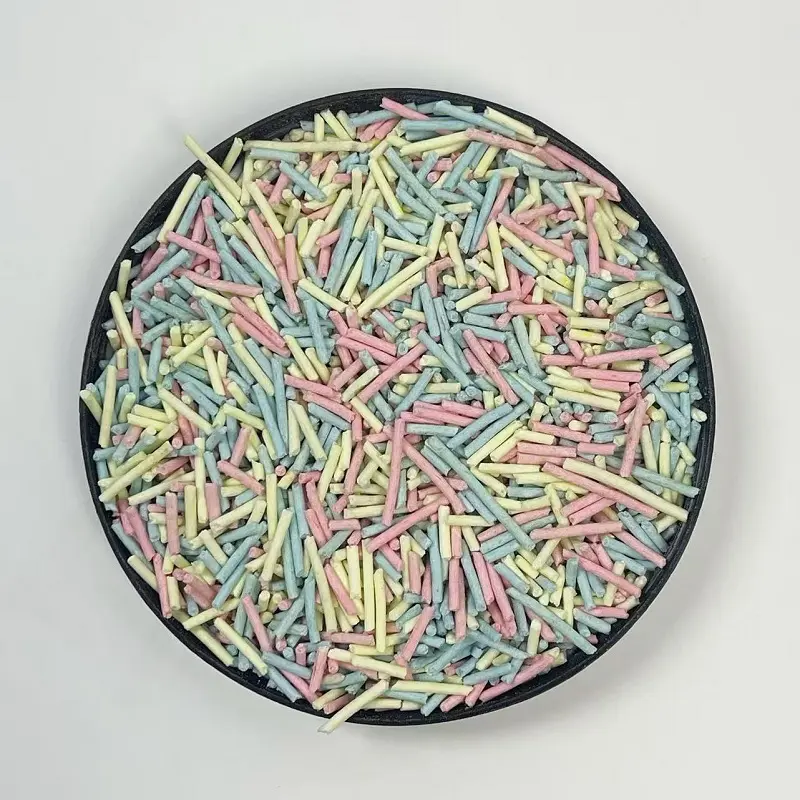
Tofu litter is biodegradable, lightweight, and often flushable in small amounts depending on local regulations.
It produces less mineral dust but generally costs more.
Some cats also require time to adapt to its different texture.
Bentonite vs Silica Crystal Litter
Silica crystal litter absorbs moisture effectively and produces less solid waste.
However, some cats dislike the hard crystals, and replacement intervals differ significantly.
Bentonite vs Pine Litter
Pine litter generates minimal dust and comes from renewable wood resources.
Its natural scent appeals to many owners, although odor control and clumping performance may not equal premium bentonite products.
Bentonite vs Corn or Cassava Litter
Plant-based litters are renewable and biodegradable.
However, they may attract insects under improper storage conditions and sometimes develop mold if exposed to excessive moisture.
No litter material is universally superior.
The best choice depends on the household's priorities.
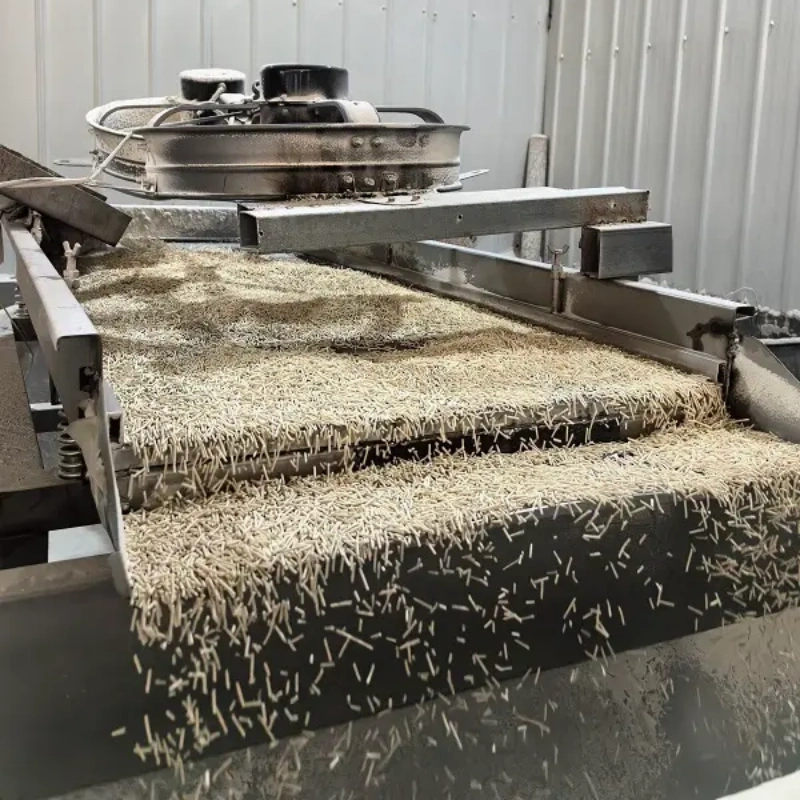
How Manufacturing Quality Determines Safety
Not all bentonite litter performs equally.
Premium manufacturers invest heavily in quality control.
Important manufacturing processes include:
Raw Material Selection
High-grade bentonite contains fewer impurities and offers superior absorption.
Dust Removal
Industrial vacuum systems remove microscopic particles before packaging.
Heavy Metal Testing
Reliable manufacturers routinely test for lead, arsenic, mercury, and cadmium.
Moisture Control
Consistent moisture levels improve clumping while reducing product degradation.
Microbial Monitoring
Finished products undergo microbiological testing to ensure cleanliness during storage and transportation.
These manufacturing improvements significantly influence both product performance and user safety.
Scientific Data Supporting Bentonite Performance
Laboratory testing consistently demonstrates the effectiveness of bentonite litter.
Typical premium product performance includes:
| Property | Typical Performance |
|---|---|
| Water absorption | 250–350% of weight |
| Clump formation | Within 3–10 seconds |
| Dust content | Below 1% for premium grades |
| Odor control | 24–72 hours depending on usage |
| Moisture retention | High |
| Daily waste removal | Scoop only contaminated clumps |
These characteristics explain why bentonite remains the preferred material in commercial and residential applications.
Common Myths About Bentonite Cat Litter
Several misconceptions continue circulating online.
Myth 1: Bentonite Is Toxic
Reality:
Pure bentonite is considered an inert natural mineral.
Myth 2: Every Cat Develops Lung Disease
Reality:
No convincing evidence supports this claim among healthy household cats using quality low-dust products.
Myth 3: Bentonite Always Causes Intestinal Blockage
Reality:
Healthy adult cats rarely ingest sufficient quantities for this to occur.
Myth 4: Natural Means Completely Risk-Free
Reality:
Even natural materials require proper manufacturing, handling, and responsible use.
Best Practices for Safe Use
Cat owners can maximize safety by following several simple recommendations.
Choose premium low-dust litter from reputable manufacturers.
Scoop waste daily.
Replace the entire litter periodically according to manufacturer recommendations.
Keep litter boxes in well-ventilated areas.
Wash hands after cleaning.
Monitor kittens closely for litter eating behavior.
Store litter in dry conditions to prevent contamination.
Consult a veterinarian if a cat develops persistent coughing, abnormal litter consumption, or respiratory symptoms.
Final Verdict: Is Bentonite Cat Litter Safe?
Based on current scientific understanding, decades of commercial use, and veterinary experience, bentonite cat litter remains one of the safest and most effective litter materials available when produced by reputable manufacturers and used correctly.
Its superior clumping ability, odor control, affordability, and long service life continue to make it the preferred choice for millions of households worldwide. While dust exposure, silica content, and environmental impact deserve thoughtful consideration, these concerns can largely be minimized by selecting high-quality low-dust products and maintaining proper litter box hygiene.
No cat litter material is entirely without limitations. Plant-based alternatives offer environmental advantages, while silica crystals provide different moisture management characteristics. Nevertheless, bentonite consistently delivers one of the best combinations of safety, performance, and value.
Rather than relying on myths or marketing claims, consumers should evaluate products based on manufacturing quality, dust control, laboratory testing, and the individual needs of their cats. For the vast majority of healthy adult cats, premium bentonite cat litter remains a reliable, practical, and scientifically supported choice.
387.webp)