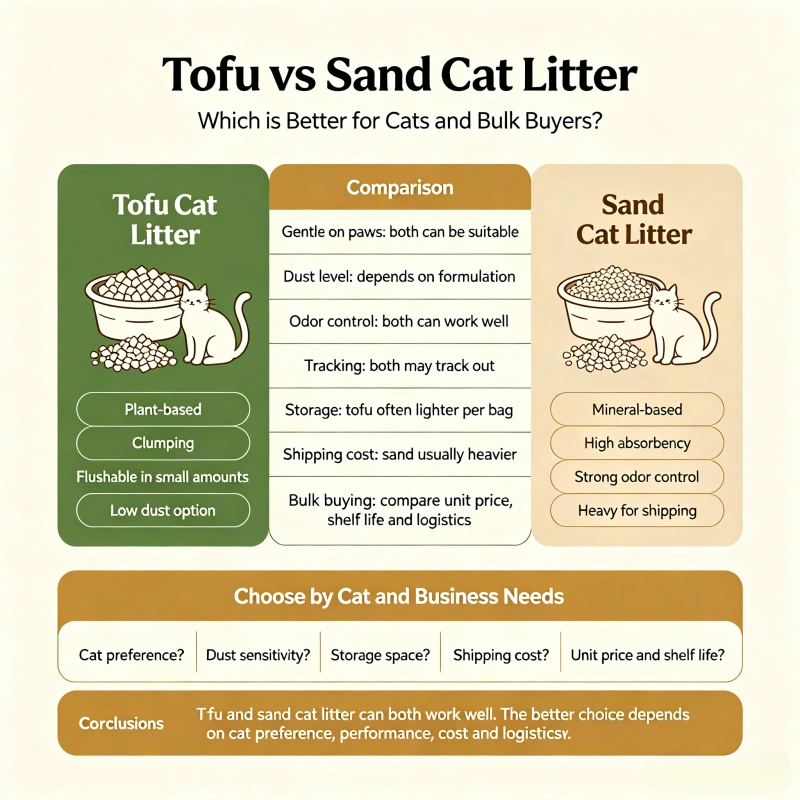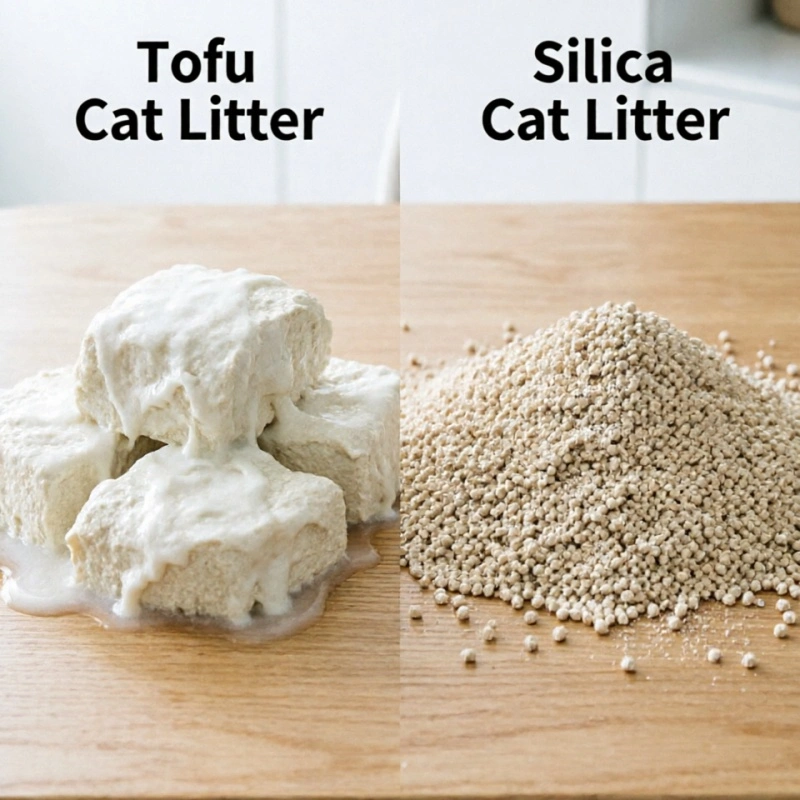
Choosing the right cat litter is one of the most important decisions for cat owners. The litter you choose affects your cat's comfort, your home's cleanliness, odor control, maintenance costs, and even environmental impact. Among the many options available today, tofu cat litter and silica cat litter (crystal cat litter) are two of the fastest-growing premium categories.
Both products promise superior odor control and easy maintenance, but they work in completely different ways. Tofu cat litter is a biodegradable, plant-based clumping litter made primarily from soybean fiber, while silica cat litter uses highly absorbent silica gel crystals that trap moisture inside microscopic pores.
So which one is better?
The answer depends on your priorities. If sustainability, flushability, and cat comfort matter most, tofu cat litter often wins. If maximum odor control and long replacement intervals are your priorities, silica litter may be the better choice.
This comprehensive guide compares both products using scientific data, market research, cost analysis, and real-world experience to help buyers, distributors, wholesalers, and pet owners make an informed decision.
What Is Tofu Cat Litter?
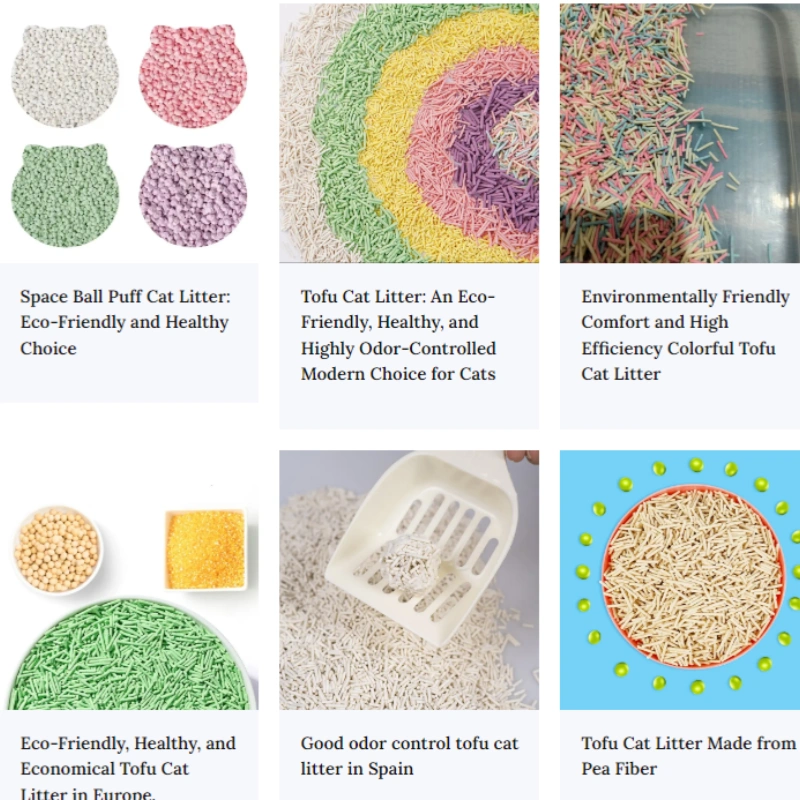
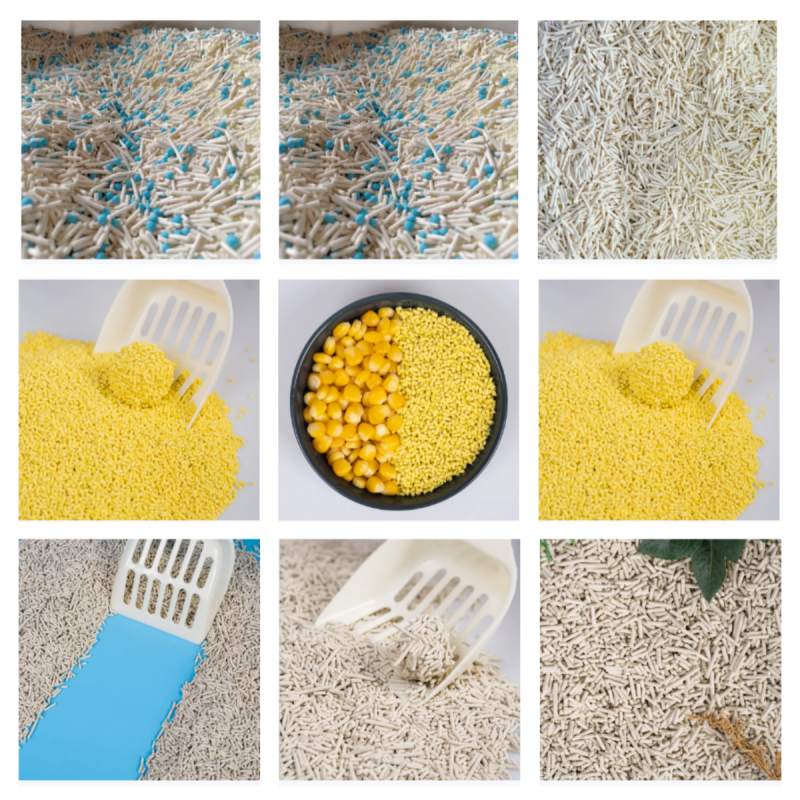
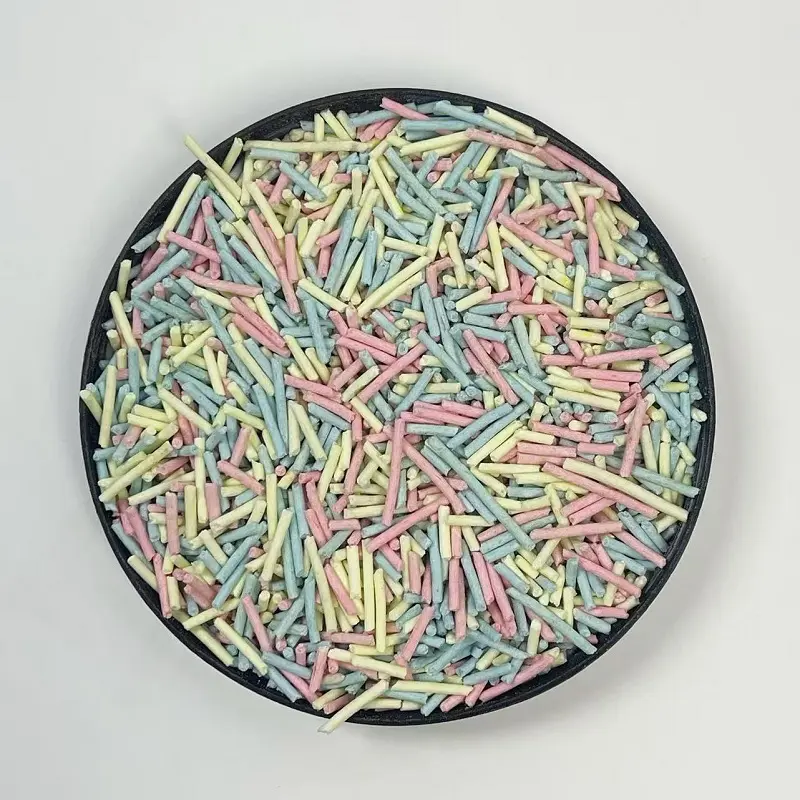
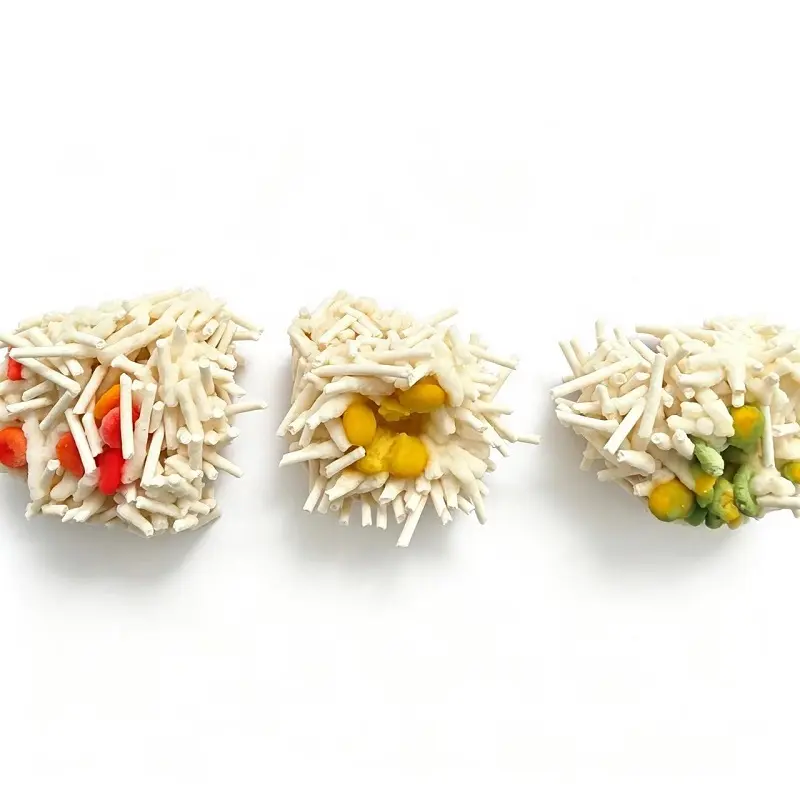
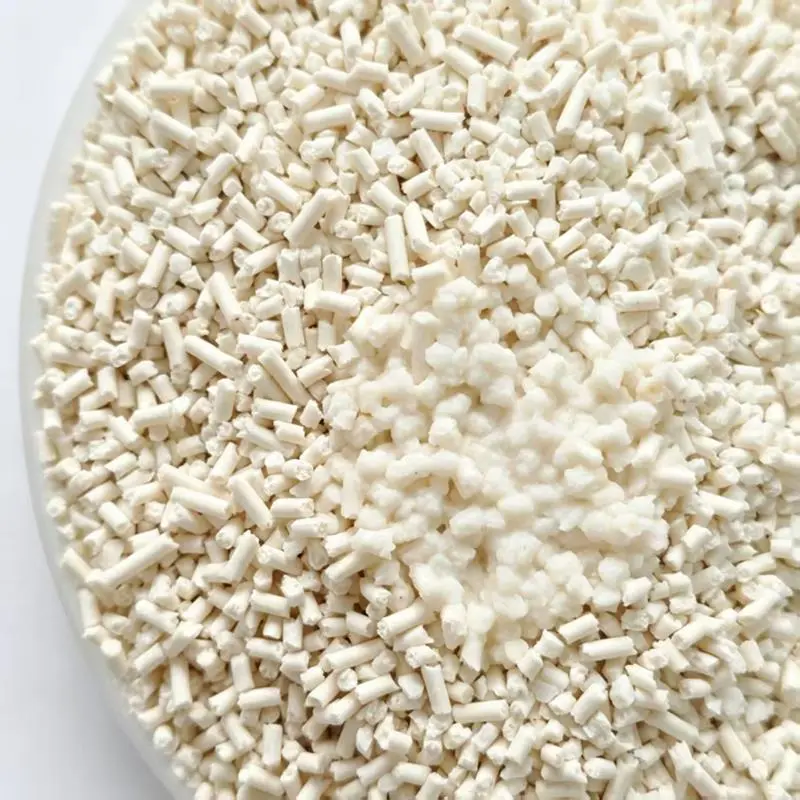
Tofu cat litter is a biodegradable clumping litter produced from soybean fiber, soybean residue (okara), corn starch, guar gum, and other natural plant ingredients.
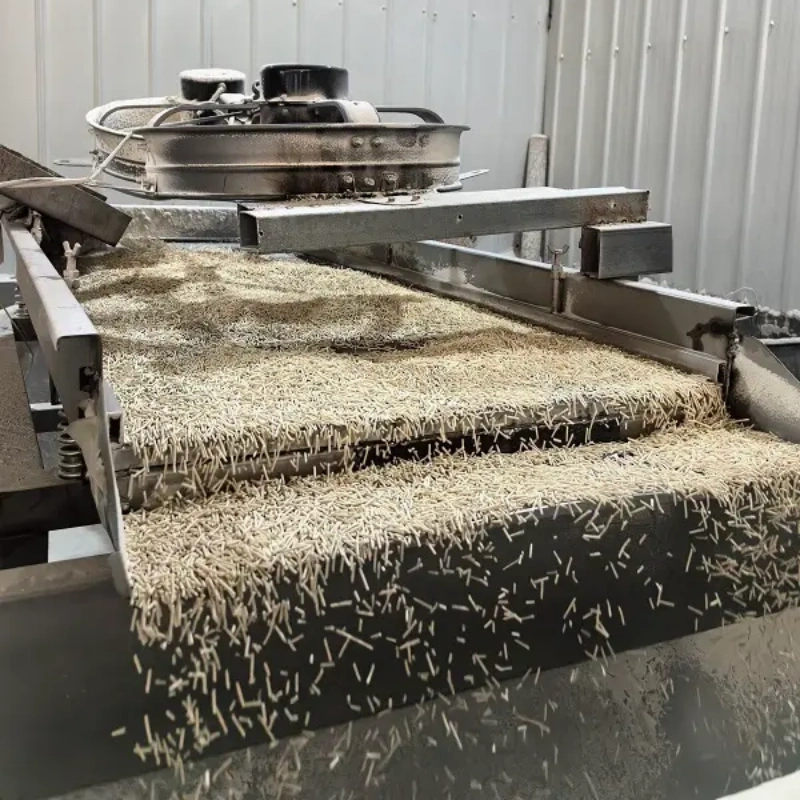
During manufacturing, the ingredients are mixed, sterilized, extruded into pellets, dried, and screened for uniform size.
Typical specifications include:
| Property | Typical Value |
|---|---|
| Material | Soybean fiber |
| Pellet diameter | 1.5–3 mm |
| Pellet length | 10–20 mm |
| Moisture | <8% |
| Density | 450–650 g/L |
| Water absorption | 300–500% |
| Dust level | <0.5% |
| Clumping time | 2–5 seconds |
Premium tofu litter contains no artificial fragrances or harmful chemicals.
What Is Silica Cat Litter?
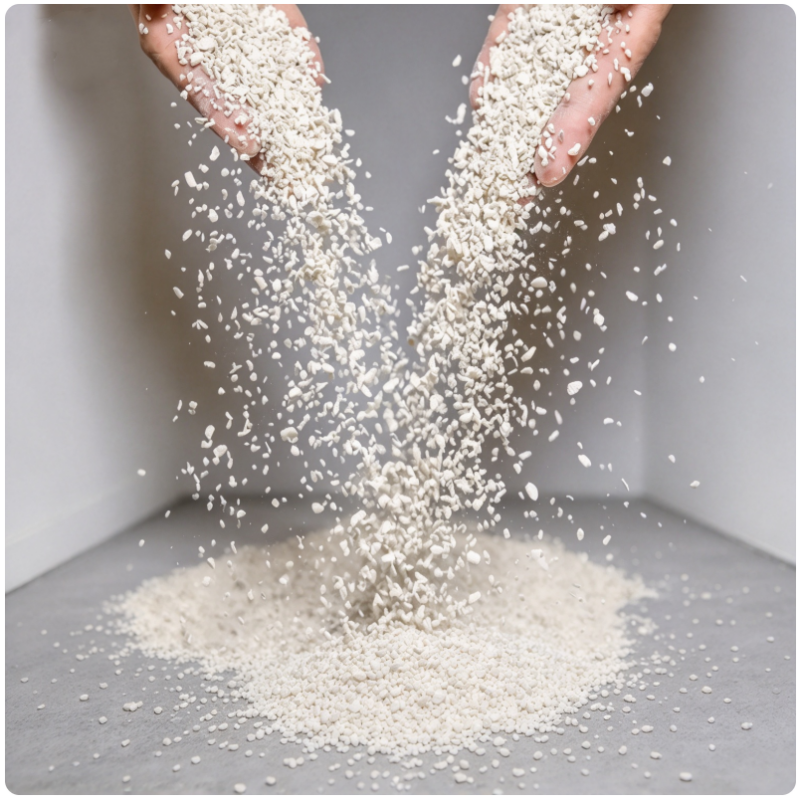
Silica cat litter, commonly called crystal cat litter, consists of porous silica gel granules manufactured from sodium silicate.
Despite the name, silica gel is not glass. It is an amorphous form of silicon dioxide containing millions of microscopic pores capable of absorbing large amounts of liquid.
Instead of forming clumps, silica crystals absorb urine internally while allowing moisture to evaporate gradually.
Typical specifications:
| Property | Typical Value |
|---|---|
| Material | Silica gel |
| Particle size | 2–8 mm |
| Water absorption | 35–40% by weight |
| Dust | Extremely low |
| Replacement cycle | 20–30 days |
| Weight | Very light |
Silica litter is particularly popular in North America and Europe.
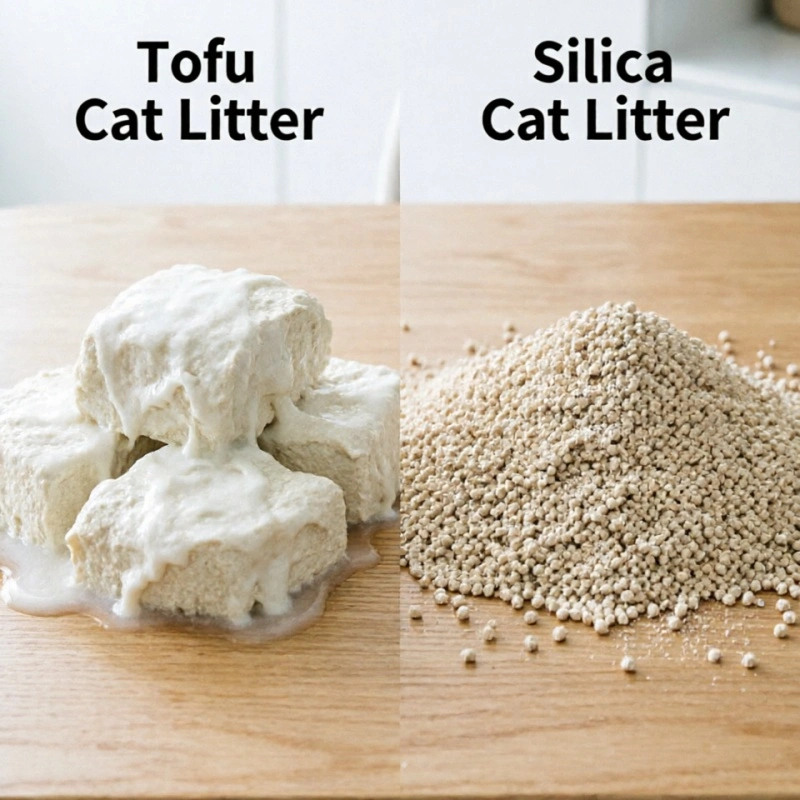
Quick Comparison
| Feature | Tofu Cat Litter | Silica Cat Litter |
|---|---|---|
| Material | Soybean fiber | Silica gel crystals |
| Clumping | Excellent | No |
| Flushable | Usually Yes | No |
| Biodegradable | Yes | No |
| Dust | Very Low | Very Low |
| Odor Control | Excellent | Excellent |
| Weight | Light | Ultra Light |
| Tracking | Low | Medium |
| Eco-Friendly | Excellent | Poor |
| Cat Acceptance | Very High | Medium |
| Price | Medium | High |
Working Principle
How Tofu Cat Litter Works
When urine contacts tofu pellets:
Soybean fiber rapidly absorbs moisture.
Natural starch expands.
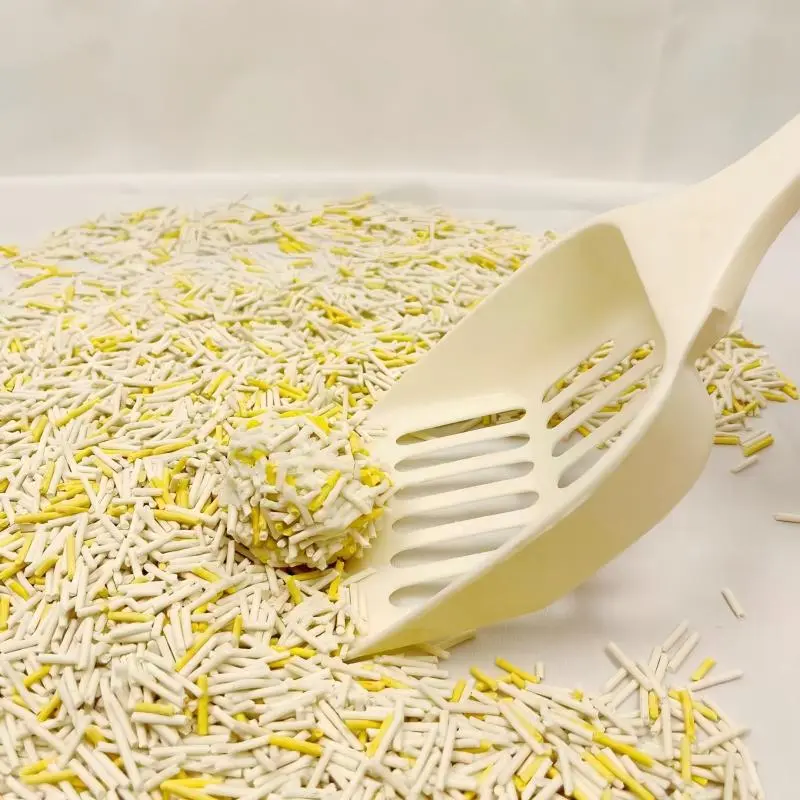
Firm clumps form within seconds.
Waste remains localized.
Clumps are removed daily.
Because only the dirty portion is discarded, litter consumption remains relatively low.
How Silica Cat Litter Works
Silica litter functions differently.
Rather than clumping, microscopic pores inside each crystal absorb urine like a sponge.
The water slowly evaporates while odor molecules remain trapped inside the crystal.
Eventually the crystals become saturated and require replacement.
Absorption Performance Comparison
Absorption is one of the biggest differences.
| Test | Tofu | Silica |
|---|---|---|
| Initial absorption | Excellent | Good |
| Clumping | Yes | No |
| Liquid lock | Excellent | Very Good |
| Standing urine | None | Possible |
| Easy cleanup | Excellent | Moderate |
Tofu litter absorbs liquid almost instantly.
Silica absorbs more slowly but stores moisture internally for weeks.
Odor Control Comparison
Both products perform extremely well.
Tofu Cat Litter
Odor control depends on:
Fast clumping
Moisture isolation
Optional activated carbon
Baking soda
Plant deodorizing agents
Good tofu litter controls odor for 5–7 days between complete litter box changes.
Silica Cat Litter
Silica litter excels because:
Moisture evaporates slowly
Ammonia remains trapped
Crystals stay dry
Many premium silica products can last 3–4 weeks for one cat.
Dust Performance
Dust is important for both cats and humans.
| Type | Dust Level |
|---|---|
| Bentonite | High |
| Silica | Very Low |
| Tofu | Very Low |
Premium tofu litter usually contains less than 0.5% dust.
High-quality silica litter is almost dust-free.
However, broken silica crystals can create fine particles over time.
Cat Comfort
Cats generally prefer softer textures.
Tofu Advantages
Natural smell
Soft pellets
Quiet when stepped on
Less stressful for kittens
Silica Disadvantages
Some cats dislike:
Hard crystals
Crunching sound
Sharp edges
Artificial appearance
Veterinary behavior studies suggest many cats transition more easily to plant-based litters than crystal litters.
Environmental Impact
This is where tofu litter has a significant advantage.
Tofu Cat Litter
✓ Renewable raw materials
✓ Compostable
✓ Biodegradable
✓ Lower carbon footprint
✓ Flushable (small amounts where local plumbing regulations permit)
Silica Cat Litter
Silica litter:
Is manufactured industrially
Does not biodegrade
Ends up in landfill
Cannot be flushed
As sustainability becomes a larger purchasing factor, plant-based litter continues gaining market share worldwide.
Weight Comparison
Average package weights:
| Product | Weight |
|---|---|
| Tofu (6 L) | 2.3–2.8 kg |
| Silica (7.6 L) | 1.8–2.2 kg |
| Clay | 5–8 kg |
Silica is usually the lightest.
Tracking Performance
Tracking refers to litter carried outside the box.
Tofu
Cylindrical pellets
Less sticking
Easier vacuuming
Silica
Small crystals
Can stick between paw pads
Easier to scatter
Tracking depends greatly on crystal size.
Cost Comparison
Average retail prices (2026):
| Product | Price |
|---|---|
| Premium Tofu | US$8–18 / 6 L |
| Premium Silica | US$15–30 / 7.6 L |
Factory export prices (OEM)
| Product | FOB China |
|---|---|
| Tofu | US$0.40–0.90/kg |
| Silica | US$0.80–1.80/kg |
Silica litter generally has a higher unit price due to manufacturing costs.
Monthly Cost
One cat:
| Type | Estimated Monthly Cost |
|---|---|
| Tofu | US$10–18 |
| Silica | US$12–22 |
Actual costs depend on cleaning frequency and product quality.
Health and Safety
Tofu
Advantages:
Food-grade raw materials
Low dust
No sodium bentonite
Safe for kittens
Minimal respiratory irritation
Silica
Generally considered safe.
However:
Cats should not ingest large quantities.
Broken crystals may irritate sensitive paws.
Some cats dislike the texture.
Cleaning Convenience
Tofu
Daily routine:
Scoop clumps
Refill litter
Complete replacement every 2–4 weeks
Silica
Routine:
Remove solid waste daily
Stir crystals
Replace entire box every 3–4 weeks
Some owners prefer tofu because removing urine clumps keeps the litter box looking cleaner.
Which Is Better for Multi-Cat Homes?
For multiple cats:
Tofu Advantages
Individual clumps removed immediately
Cleaner appearance
Better hygiene
Less ammonia buildup
Silica Challenges
Multiple cats saturate crystals quickly.
The replacement interval may drop from four weeks to one week.
International Market Trends
Global demand for premium cat litter continues to grow, driven by pet humanization and environmental awareness.
Current trends include:
Rapid growth in plant-based litters across Europe and Asia.
Increasing demand for flushable and biodegradable products.
Premium silica litter maintaining a strong position in North America due to its long-lasting odor control.
Private-label and OEM opportunities expanding for both product categories as retailers seek differentiated offerings.
Which Cat Owners Should Choose Tofu?
Tofu litter is ideal for:
Eco-conscious households
Apartment living
Multi-cat families
Kittens
Senior cats
Owners seeking easy daily cleaning
Buyers looking for biodegradable and renewable materials
Which Cat Owners Should Choose Silica?
Silica litter is a good choice for:
Single-cat households
Owners prioritizing long-lasting odor control
People who prefer less frequent full litter changes
Travelers who may be away for short periods (while still ensuring daily solid waste removal)
OEM Manufacturing Comparison
Many international brands source both tofu and silica litter from OEM cat litter manufacturers.
When evaluating suppliers, consider:
Raw material traceability
Dust-control testing
Absorption performance
Odor-control additives
Production capacity
ISO 9001 or BRC quality systems
Private-label packaging options
Export experience and compliance with destination-market regulations
For tofu litter in particular, manufacturers should also demonstrate consistent pellet density, fast clumping performance, and stable moisture content to ensure reliable product quality.
Final Verdict
There is no universal winner between tofu cat litter and silica cat litter because each excels in different areas.
Choose tofu cat litter if you value sustainability, strong clumping, easy daily cleaning, excellent cat acceptance, and biodegradable disposal. It is particularly well suited for environmentally conscious consumers, households with multiple cats, and brands targeting the growing natural pet-care market.
Choose silica cat litter if your highest priority is long-lasting moisture absorption and odor control with fewer complete litter replacements. It can be an excellent option for single-cat households and owners who prefer a lower-maintenance routine.
As global demand shifts toward eco-friendly pet products, tofu cat litter is experiencing faster growth and is increasingly becoming the preferred premium choice in many international markets. For importers, wholesalers, and private-label brands, partnering with an experienced OEM manufacturer that offers consistent quality, customization, and reliable export support can provide a significant competitive advantage.
FAQ
1. Is tofu cat litter safer than silica cat litter?
Both are generally safe when used correctly. Tofu litter is made from plant-based ingredients and is biodegradable, while silica litter is chemically inert but should not be ingested in large quantities.
2. Which litter controls odor better?
Silica litter typically provides the longest-lasting odor control, while premium tofu litter offers excellent odor management through rapid clumping and moisture isolation.
3. Can tofu cat litter be flushed?
Many tofu litters are marketed as flushable in small amounts, but always follow local plumbing regulations and municipal wastewater guidelines.
4. Is silica cat litter flushable?
No. Silica cat litter should always be disposed of in household waste.
5. Which litter lasts longer?
Silica litter generally lasts longer between complete replacements because it absorbs urine without forming clumps.
6. Which litter produces less dust?
High-quality tofu and silica litters are both very low-dust, though tofu pellets tend to generate less fine particulate matter over time.
7. Which is better for kittens?
Tofu litter is often recommended for kittens because of its soft texture and natural ingredients.
8. Is tofu litter better for the environment?
Yes. It is biodegradable, made from renewable plant materials, and has a lower environmental impact than silica litter.
9. Why do some cats refuse silica litter?
Some cats dislike the hard crystal texture, crunchy sound, or feel of silica granules under their paws.
10. Which litter offers better value?
For consumers seeking sustainability and easy cleaning, tofu litter often delivers better overall value. For those prioritizing extended replacement intervals and maximum odor control, silica litter may justify its higher purchase price.
Compare tofu cat litter vs silica cat litter in this complete guide. Discover differences in odor control, clumping, dust, cost, safety, eco-friendliness, and which litter is best for your cat.
387.webp)