Walnut Cat Litter Pros and Cons: The Complete Guide to Eco-Friendly Walnut Shell Cat Litter
Choosing the right cat litter is essential for your cat's comfort, your home's cleanliness, and the environment. As more pet owners seek sustainable alternatives to traditional clay litter, walnut cat litter has become one of the fastest-growing natural options. Made from crushed walnut shells, this biodegradable litter offers excellent odor control, low dust, and an eco-friendly footprint.
But is walnut cat litter the best choice for every household?
In this comprehensive guide, we'll explain what walnut cat litter is, its common specifications, advantages and disadvantages, how it compares with other popular litter types, and how to choose the best product for your cat.
What Is Walnut Cat Litter?
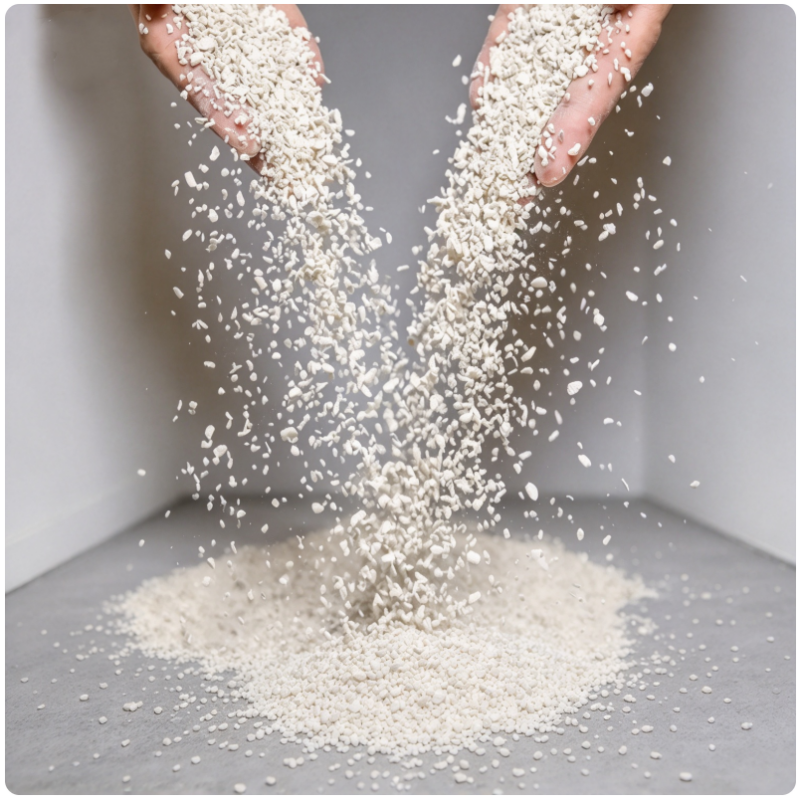
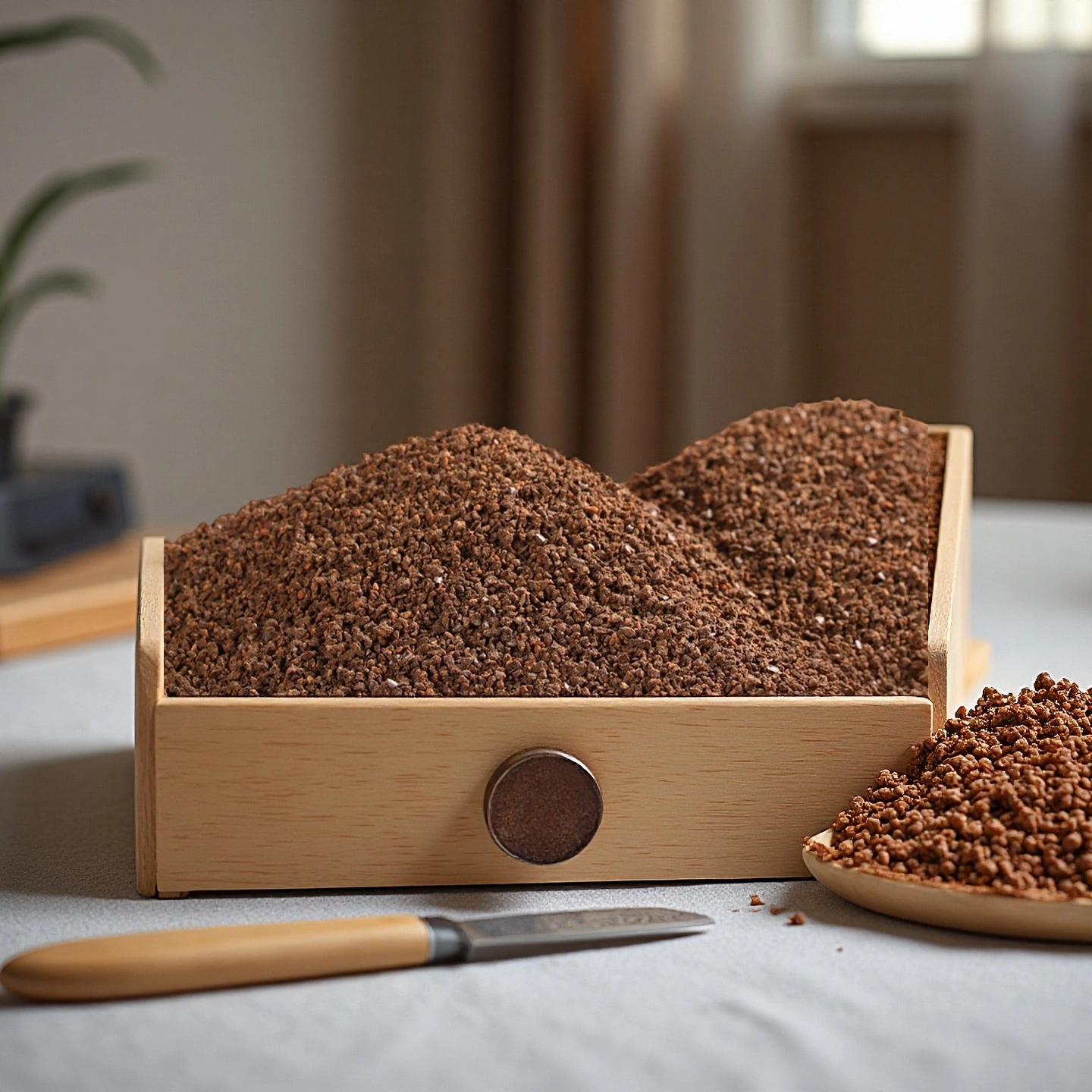
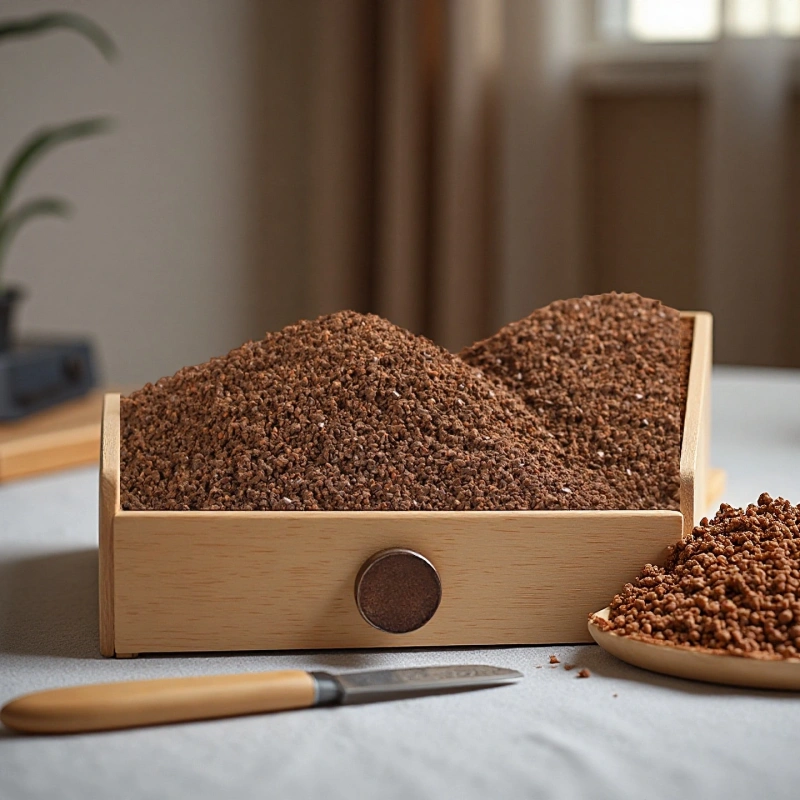
Walnut cat litter is a natural, plant-based litter made primarily from the hard shells of walnuts. Instead of discarding walnut shells as agricultural waste, manufacturers clean, grind, screen, and process them into absorbent granules suitable for cat litter.
Unlike bentonite clay, which is mined from the earth, walnut shells are a renewable agricultural by-product. This makes walnut litter a more sustainable option for environmentally conscious pet owners.
Depending on the manufacturing process, walnut cat litter is available in both clumping and non-clumping versions.
The natural porous structure of walnut shells helps absorb moisture while trapping unpleasant odors without relying on artificial chemicals.
How Is Walnut Cat Litter Made?
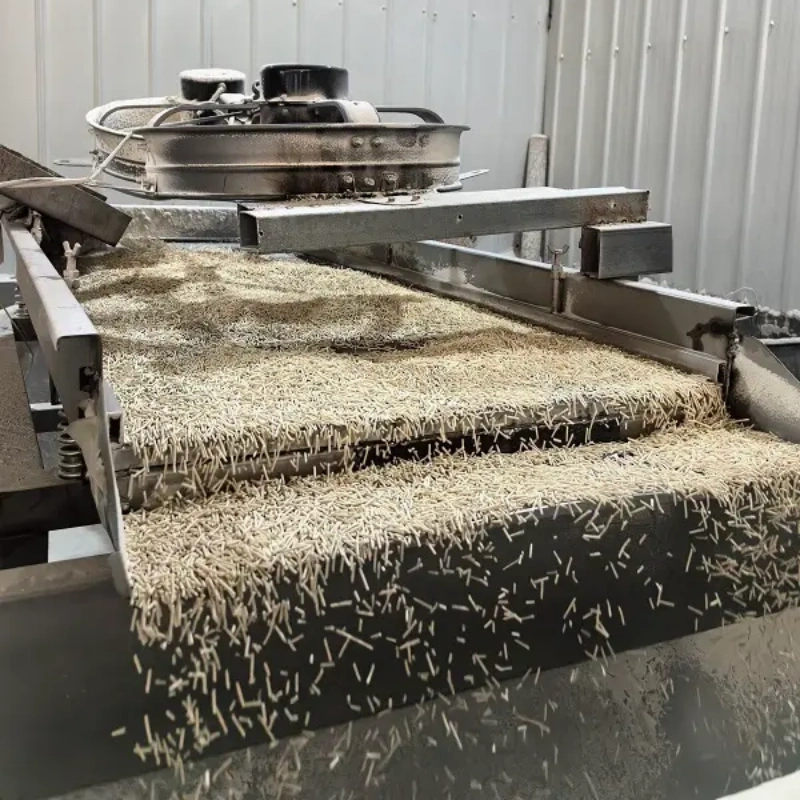
The production process generally includes the following steps:
Collecting high-quality walnut shells
Cleaning and removing impurities
Drying to reduce moisture content
Grinding into uniform particles
Screening for consistent size
Sterilization at high temperature
Dust removal
Quality inspection
Packaging
Some premium manufacturers also add natural plant extracts or activated carbon to further improve odor control.
Common Specifications of Walnut Cat Litter
Walnut cat litter is available in various particle sizes and packaging options depending on market demand.
Particle Size
1.0–2.0 mm
2.0–3.0 mm
2.0–4.0 mm
Customized granule sizes
Smaller particles generally provide better clumping, while larger granules reduce tracking.
Moisture Content
Typically below 8%, helping prevent mold during storage.
Water Absorption
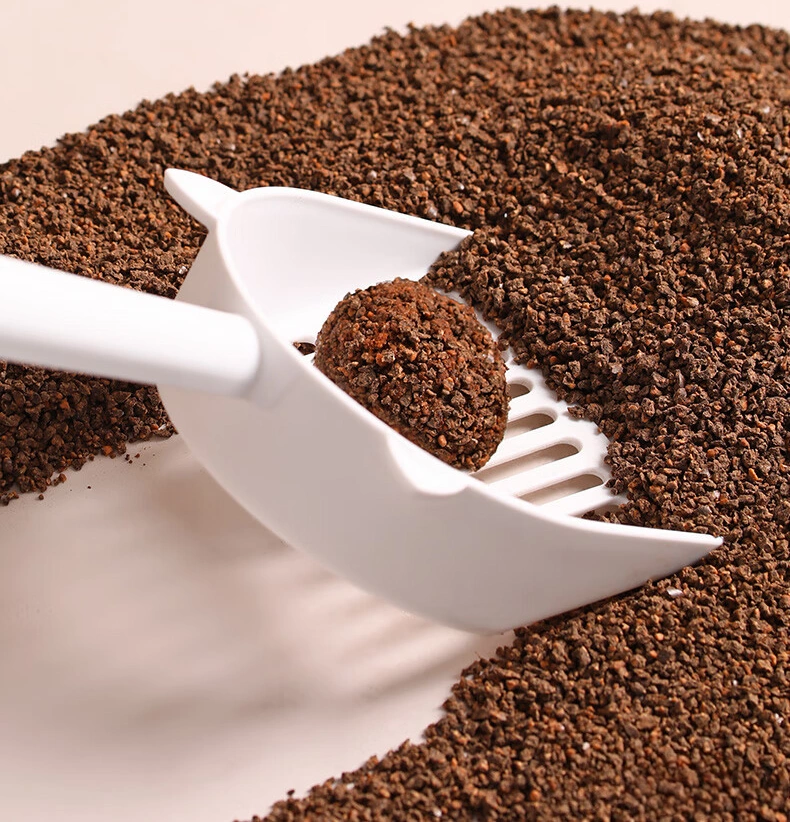
High-quality walnut litter can absorb 2–4 times its own weight in liquid, depending on particle size and processing technology.
Dust Level
Premium walnut litter usually contains less than 1% dust, making it suitable for households with allergies or respiratory sensitivities.
Available Packaging
2.5 kg
5 kg
6 L
10 L
20 L
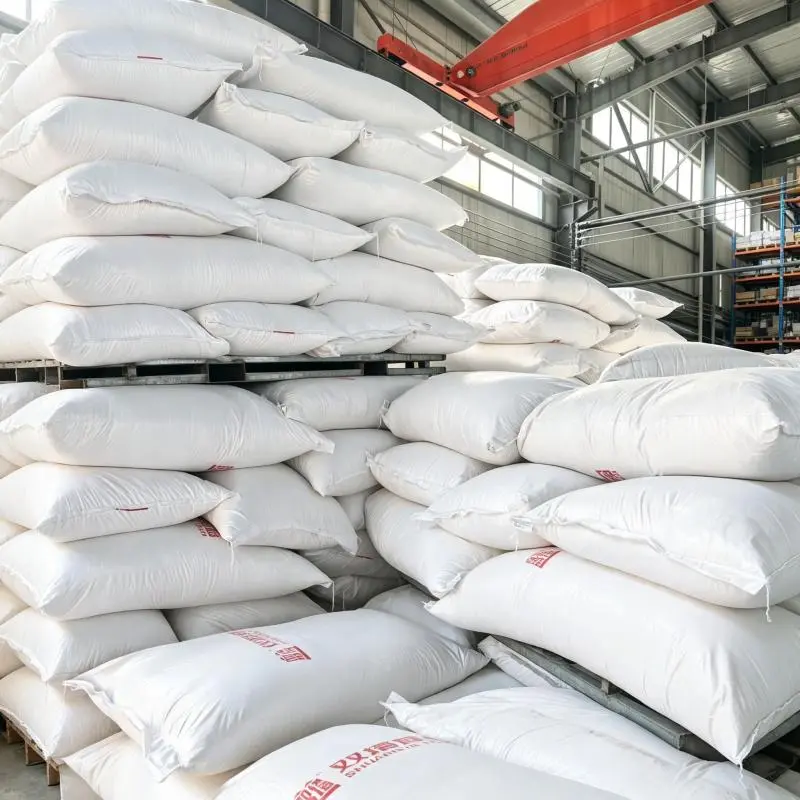
Private label packaging
OEM custom bags
Walnut Cat Litter Pros
Walnut litter has gained popularity for several reasons.
Environmentally Friendly
One of the biggest advantages is sustainability.
Walnut shells are an agricultural by-product that would otherwise be discarded. Recycling them into cat litter reduces waste and minimizes environmental impact.
Many walnut litters are biodegradable and compostable under appropriate conditions.
Excellent Odor Control
Walnut shells naturally contain compounds that help absorb odors.
Unlike some synthetic litters that simply mask smells with fragrances, walnut litter absorbs ammonia and moisture, helping reduce unpleasant odors naturally.
Some premium formulas also incorporate activated carbon for enhanced odor control.
Low Dust
Traditional clay litter often creates fine dust during pouring and scooping.
Walnut cat litter produces significantly less airborne dust, making it a healthier choice for:
Cats with asthma
Senior cats
Multi-cat households
Owners with allergies
Low dust also keeps furniture and floors cleaner.
Lightweight
Walnut litter is considerably lighter than bentonite clay.
Benefits include:
Easier transportation
Simpler storage
Reduced shipping costs
Convenient litter box cleaning
This is especially valuable for elderly pet owners.
Biodegradable
Unlike mineral-based litter that remains in landfills for decades, walnut litter naturally decomposes over time.
Many municipalities allow biodegradable litter to be disposed of with organic waste, although local regulations should always be checked.
Natural Appearance
Walnut litter features a rich brown color that resembles soil, helping conceal stains better than white mineral litters.
Its natural appearance also appeals to environmentally conscious consumers.
Renewable Raw Material
Walnut shells are produced every year as part of the food industry.
Using agricultural waste instead of mined minerals contributes to a more sustainable supply chain.
Walnut Cat Litter Cons
Despite its advantages, walnut litter also has several limitations.
Higher Price
Walnut litter generally costs more than bentonite clay litter due to:
Raw material processing
Agricultural sourcing
Premium positioning
Lower production volume
However, many users believe the improved odor control and reduced dust justify the higher cost.
Clumping Performance May Vary
Not all walnut litters clump equally well.
Some budget products produce softer clumps that may break apart during scooping, increasing litter waste.
Choosing a premium manufacturer usually results in better clumping performance.
Dark Color Makes Waste Less Visible
The dark brown granules can make it harder to spot:
Urine color changes
Blood
Abnormal stool
Owners monitoring a cat's health may need to inspect waste more carefully.
Tracking
Fine walnut particles may stick to cats' paws and be carried outside the litter box.
Using a litter mat usually solves this issue.
Limited Availability
Compared with clay litter, walnut litter is still less common in supermarkets.
Online retailers and specialty pet stores typically offer the widest selection.
Possible Nut Allergy Concerns
Although walnut shells contain very little residual protein after processing, households with severe nut allergies should consult the manufacturer regarding production methods and allergen testing.
Walnut Cat Litter vs Other Types of Cat Litter
Choosing the right litter often involves comparing different materials.
Walnut vs Bentonite Clay
Walnut Advantages
Renewable material
Low dust
Lightweight
Biodegradable
Better environmental profile
Bentonite Advantages
Strong clumping
Widely available
Lower purchase price
Excellent liquid absorption
Best choice:
Walnut for eco-conscious users; bentonite for maximum clumping at a lower cost.
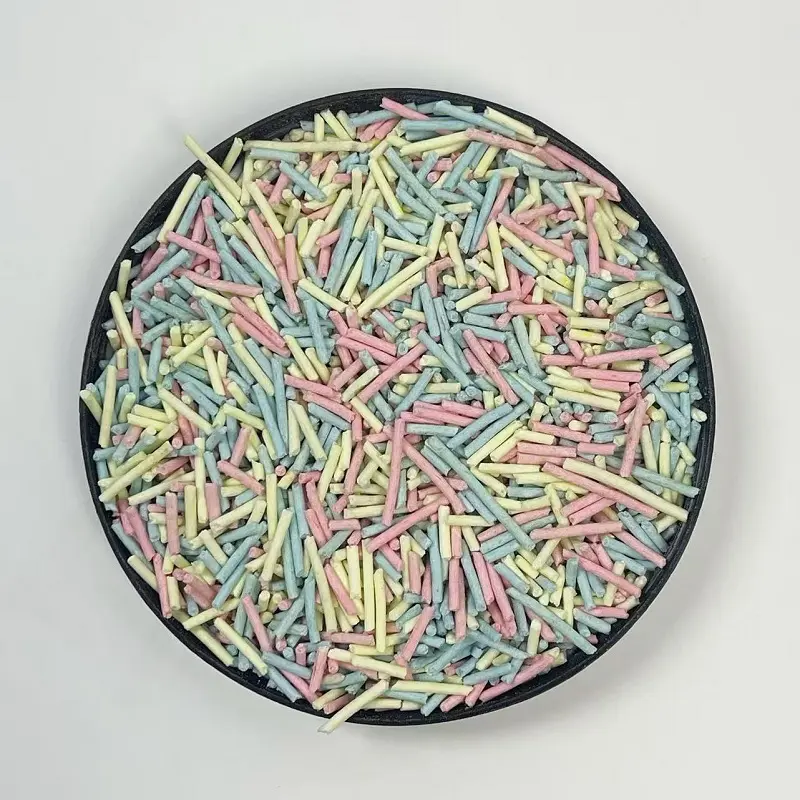
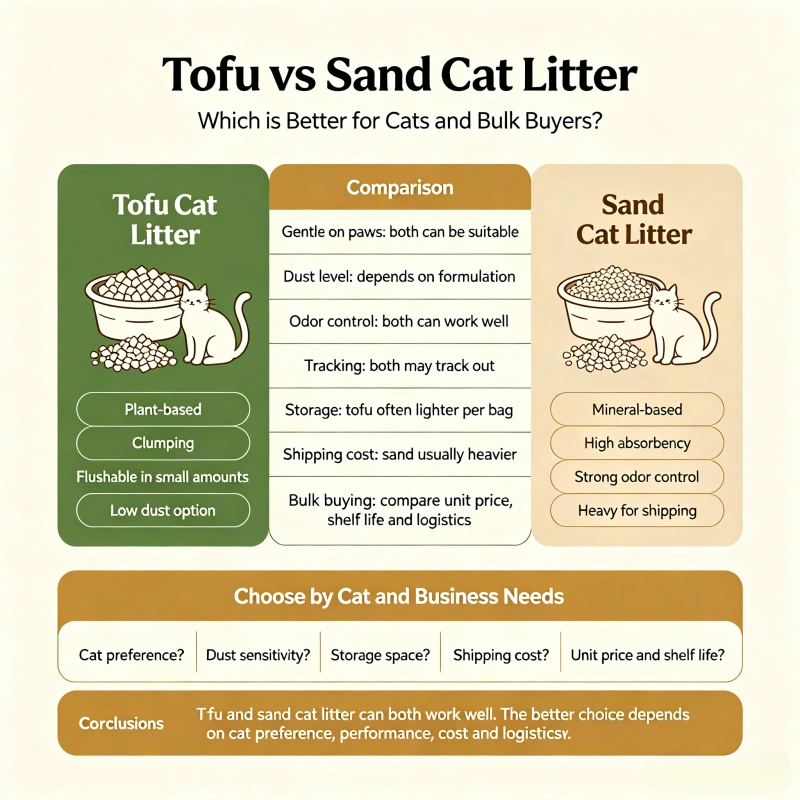
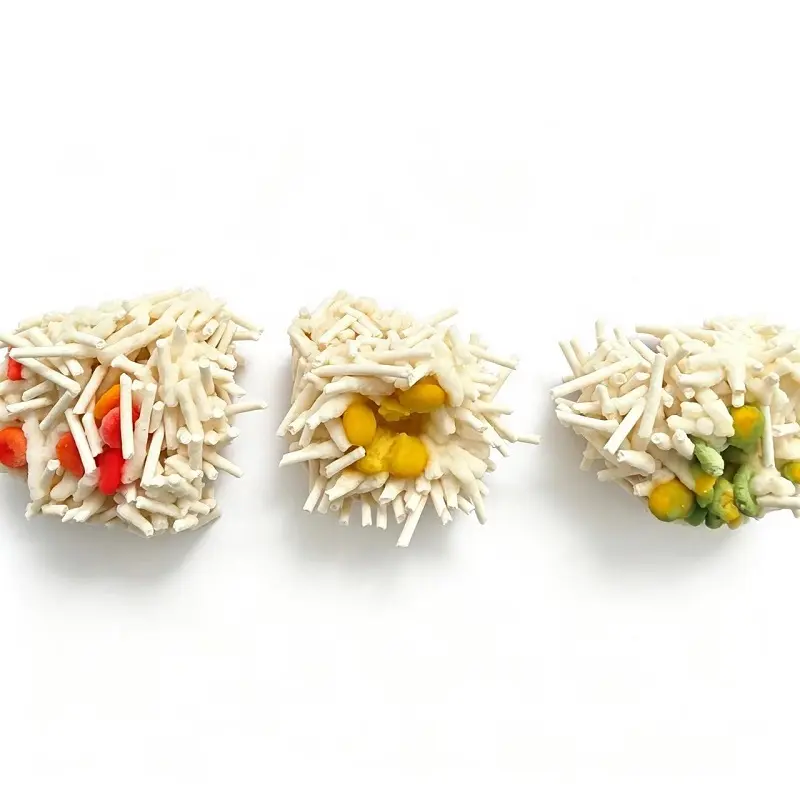
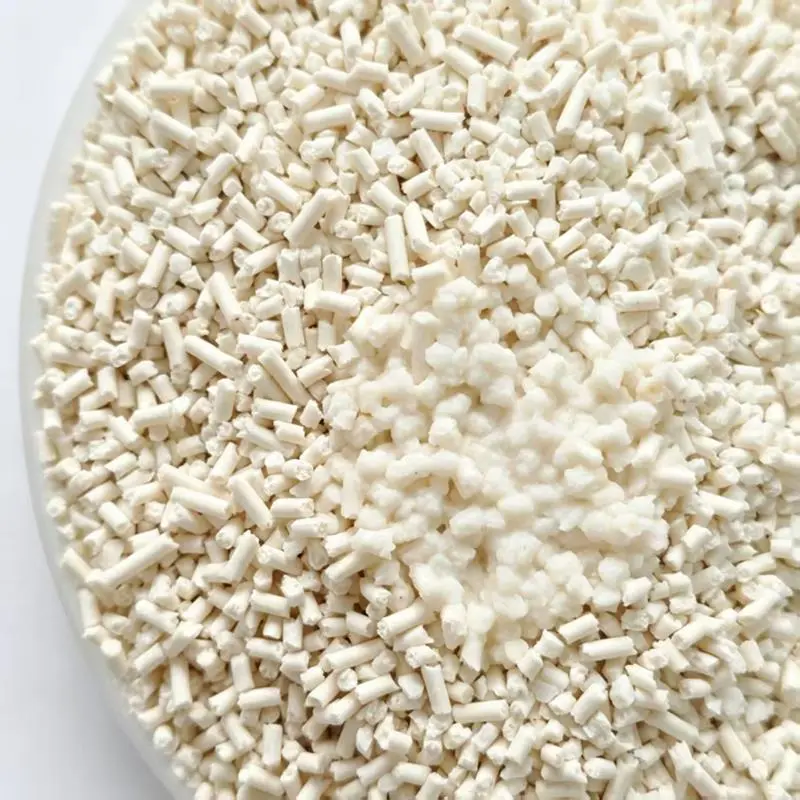
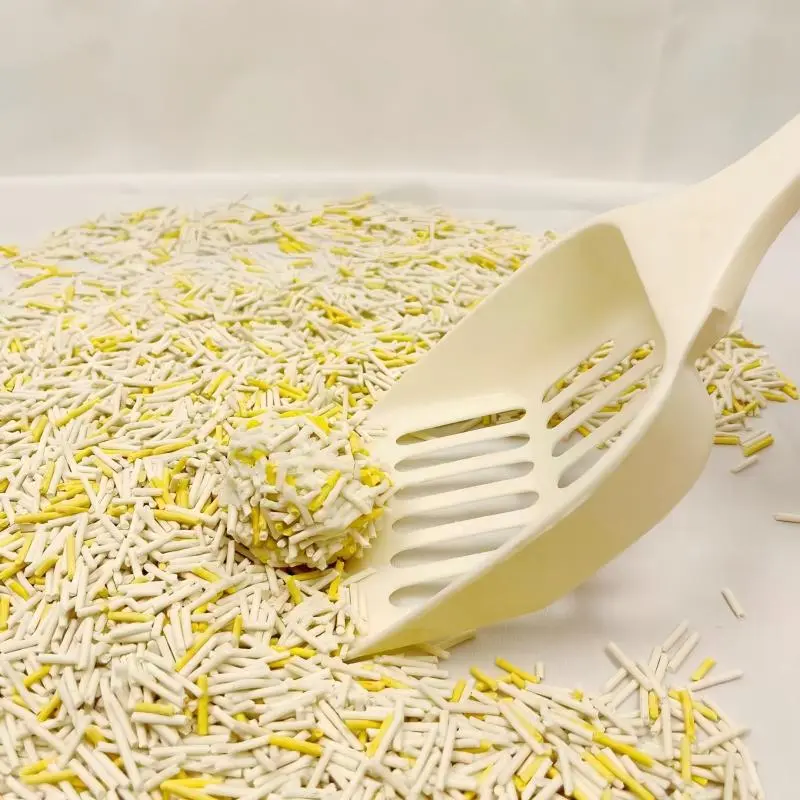
Walnut vs Tofu Cat Litter
Walnut Advantages
Longer shelf life
Less likely to dissolve in humid environments
Better resistance to mold
Natural odor absorption
Tofu Advantages
Flushable in many locations
Soft texture
Excellent clumping
Pleasant natural scent
Best choice:
Walnut performs better in humid climates, while tofu litter is ideal for owners seeking easy disposal.
780984593.webp "Hypoallergenic -Tofu-Cat-Litter- (1)780984593.webp")
Walnut vs Pine Cat Litter
Walnut Advantages
Better clumping
Lower dust
Stronger odor control
Pine Advantages
Pleasant wood fragrance
Renewable resource
Often more affordable
Best choice:
Walnut offers superior convenience, while pine appeals to users who prefer wood-based litter.
Walnut vs Silica Gel Cat Litter
Walnut Advantages
Natural material
Biodegradable
Softer on paws
Environmentally friendly
Silica Advantages
Exceptional moisture absorption
Long replacement interval
Lightweight
Best choice:
Walnut suits environmentally conscious households, while silica gel is ideal for extended-use convenience.
Walnut vs Corn Cat Litter
Walnut Advantages
Better odor resistance
Lower risk of mold
Longer storage life
Corn Advantages
Soft texture
Good clumping
Flushable in some regions
Best choice:
Walnut generally performs better in warm, humid climates where mold resistance is important.
Which Cats Benefit Most from Walnut Cat Litter?
Walnut litter is particularly suitable for:
Indoor cats
Multi-cat households
Long-haired cats
Allergy-sensitive owners
Families seeking eco-friendly products
Senior cats requiring low-dust environments
Buying Guide
When purchasing walnut cat litter, pay attention to the following factors:
Clumping Quality
Look for products that form firm, durable clumps that do not crumble during scooping.
Dust Level
Premium walnut litter should produce minimal dust during pouring.
Odor Control
Natural odor absorption can be enhanced by activated carbon or plant-based deodorizing additives.
Particle Size
Choose finer particles for stronger clumping or larger granules for reduced tracking.
OEM and Private Label Options
For wholesalers, distributors, and pet brands, many manufacturers offer:
Custom packaging
Private labeling
Customized formulas
Multiple fragrance options
Mixed natural litter formulations
Is Walnut Cat Litter Safe?
Yes. High-quality walnut cat litter is generally considered safe for both cats and humans.
Reputable manufacturers sterilize the raw material, remove contaminants, and conduct quality testing before packaging.
As with any litter, good hygiene practices—including regular scooping and complete litter replacement—help maintain a clean and healthy environment.
Frequently Asked Questions
Does walnut cat litter clump well?
Yes. Premium clumping walnut litter forms solid clumps that are easy to scoop, though performance varies by manufacturer.
Is walnut cat litter biodegradable?
Yes. Walnut shells are a natural agricultural by-product and are biodegradable under suitable conditions.
Does walnut litter control odor?
Yes. Walnut shells naturally absorb moisture and ammonia, providing effective odor control without heavy perfumes.
Is walnut litter dusty?
High-quality walnut litter produces very little dust, making it a good choice for cats and owners with respiratory sensitivities.
Can kittens use walnut cat litter?
Many walnut litters are suitable for kittens, but always follow the manufacturer's age recommendations and monitor young kittens to prevent accidental ingestion.
Is walnut litter flushable?
Most manufacturers do not recommend flushing walnut litter unless the product is specifically labeled as flushable and local plumbing regulations permit it.
How often should walnut litter be replaced?
Scoop waste daily and replace all litter every two to four weeks, depending on the number of cats and litter box maintenance.
Does walnut litter have a scent?
Most products have a mild natural earthy aroma. Some premium versions include plant-based fragrances, but many are unscented.
Is walnut litter more expensive than clay litter?
Generally yes, but many users consider the reduced dust, improved sustainability, and effective odor control worth the additional cost.
Who should choose walnut cat litter?
Walnut cat litter is an excellent option for pet owners who prioritize environmental sustainability, low dust, natural odor control, and renewable materials over the lowest initial purchase price.
Conclusion
Walnut cat litter offers an excellent balance of sustainability, odor control, low dust, and lightweight convenience. Made from recycled walnut shells, it transforms agricultural waste into a high-performance litter that appeals to environmentally conscious pet owners and premium pet brands alike.
While it may cost more than traditional bentonite clay litter and some products may have slightly softer clumping performance, its eco-friendly profile, biodegradable nature, and natural odor absorption make it a compelling alternative. For distributors and private-label brands, walnut cat litter also presents a growing market opportunity as global demand for plant-based pet products continues to rise.
By comparing its pros and cons with other litter materials and selecting a trusted manufacturer, cat owners can find a walnut litter that delivers both comfort for their pets and long-term value for their households.
387.webp)