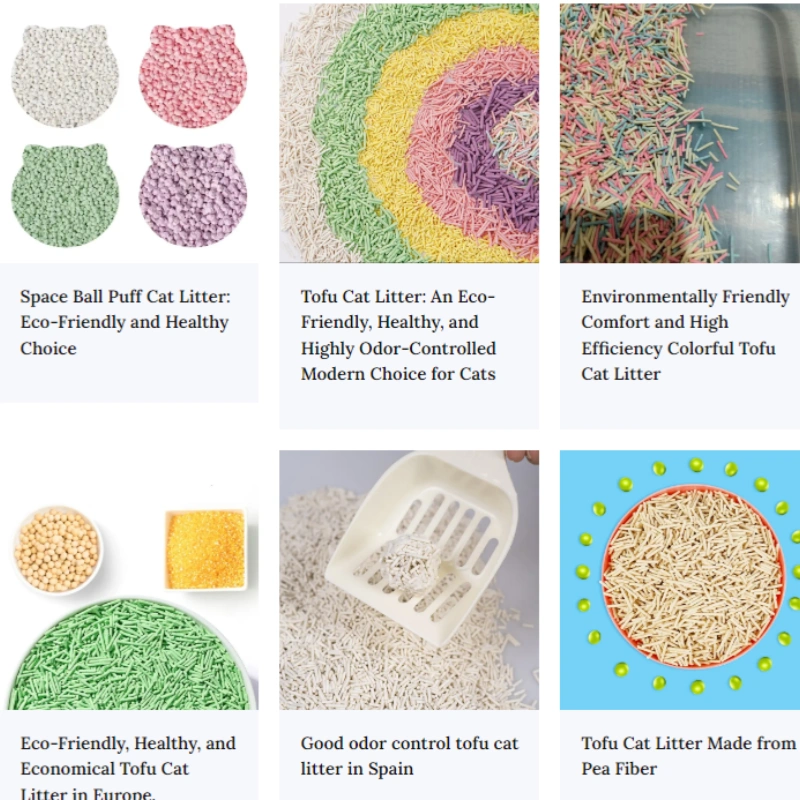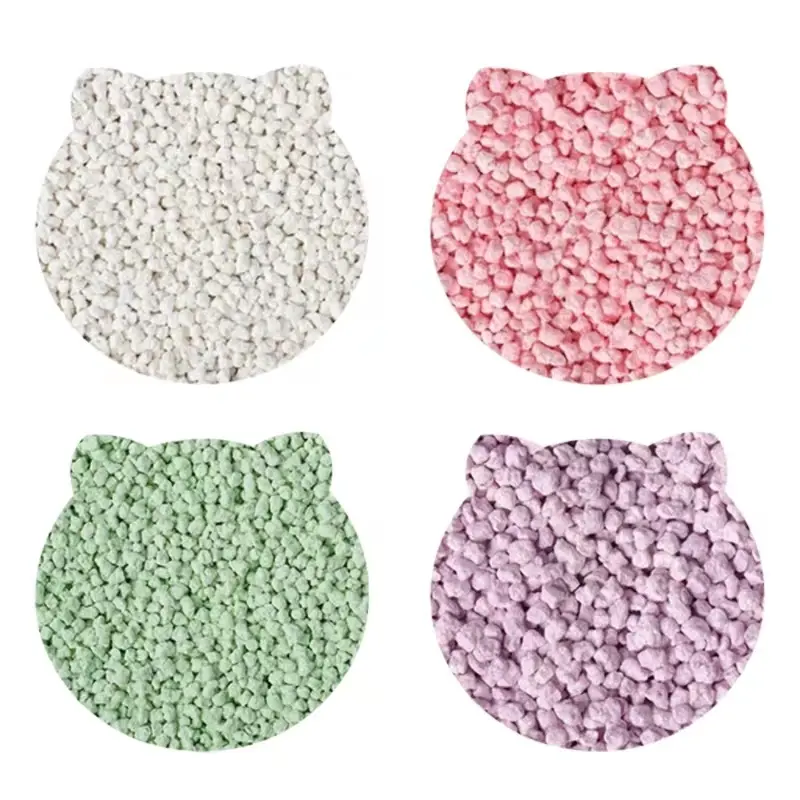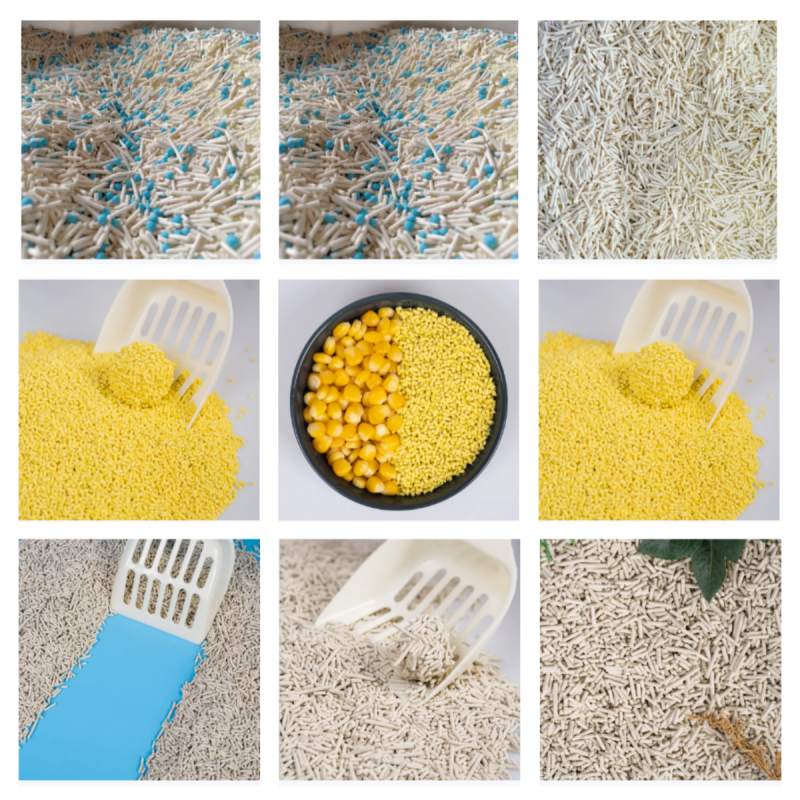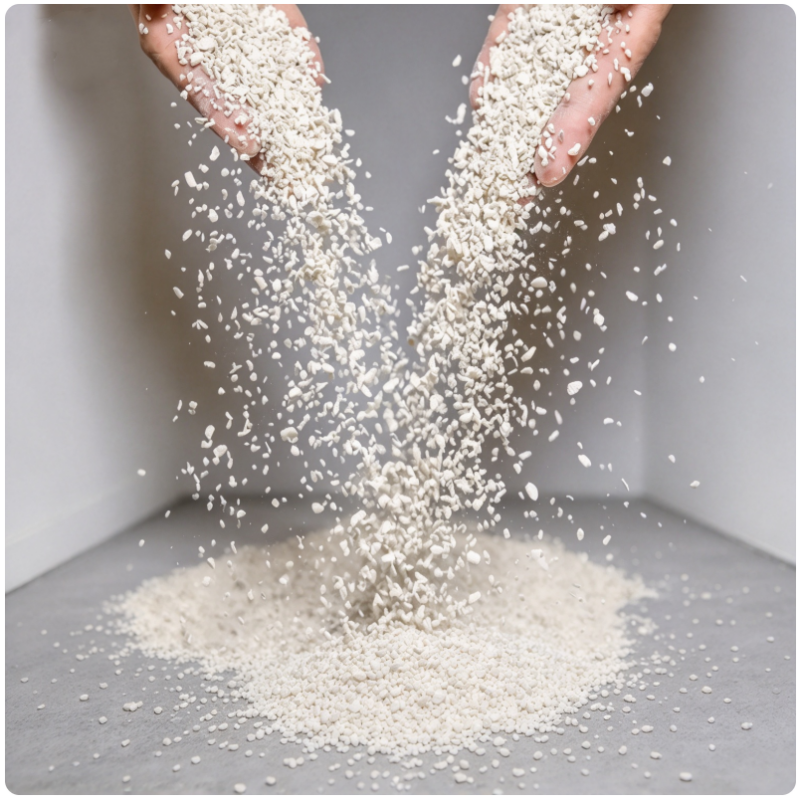
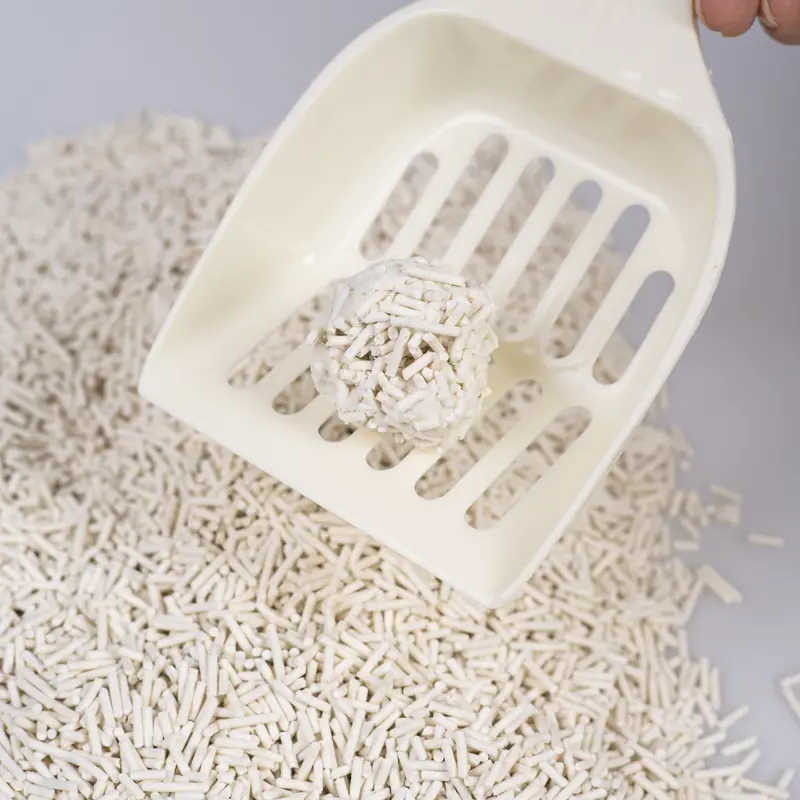
Cat litter has evolved dramatically over the past decade. As more cat owners become concerned about dust, odor, environmental impact, and pet health, tofu cat litter has quickly emerged as one of the most popular alternatives to traditional clay litter.
But many cat owners still ask important questions:
Is tofu cat litter really better?
What are the disadvantages?
Does it control odor effectively?
Is it safe for kittens?
Is tofu litter worth the higher price?
The truth is that tofu cat litter offers many impressive benefits, but it also has several limitations that buyers should clearly understand before switching.
This comprehensive guide explores the pros and cons of tofu cat litter in detail, including performance analysis, environmental impact, competitive comparisons, health considerations, cost evaluation, and practical buying advice to help cat owners make informed decisions.
What Is Tofu Cat Litter?
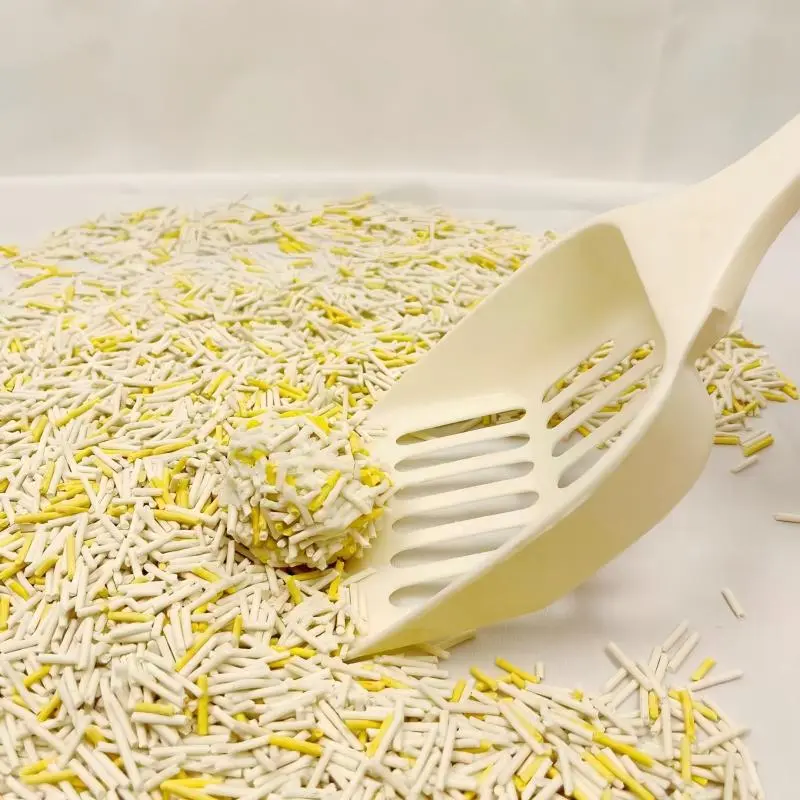
Tofu cat litter is a plant-based cat litter primarily made from:
Soybean fiber
Tofu residue
Pea fiber
Corn starch
Natural binders
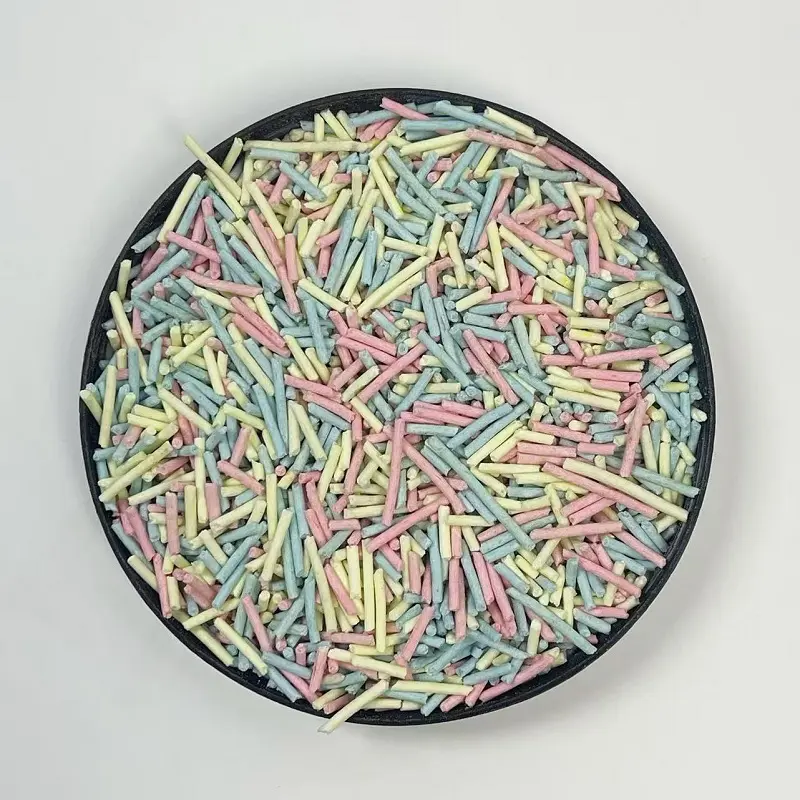
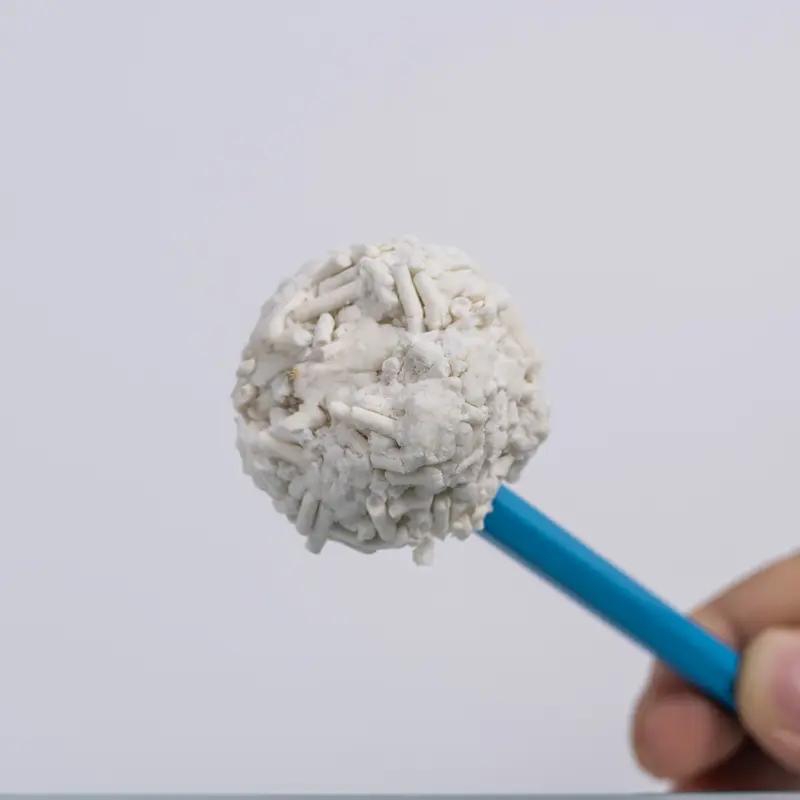
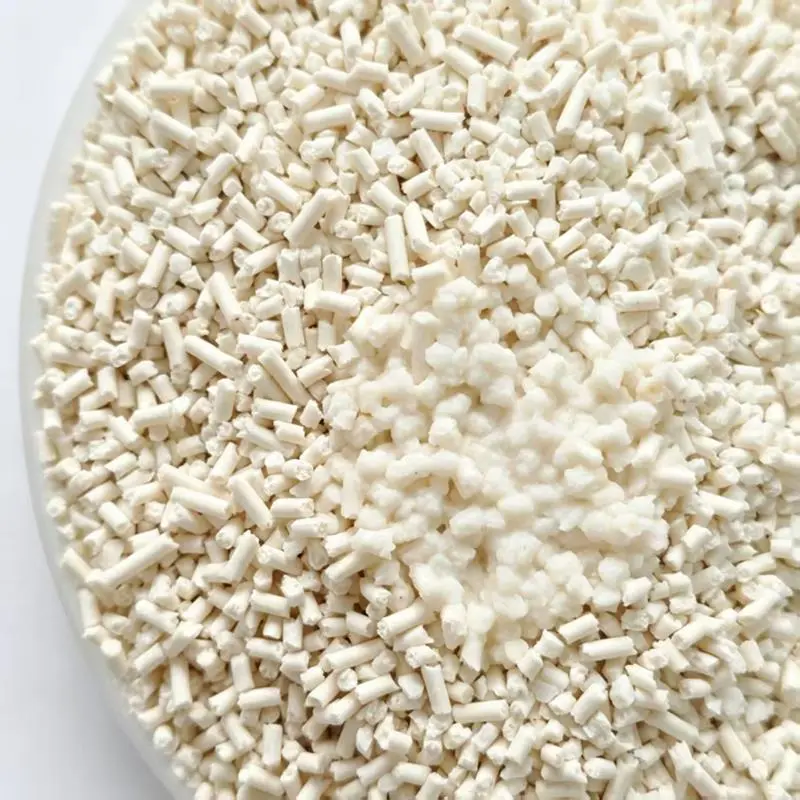
The litter is usually compressed into small cylindrical pellets that quickly absorb moisture and form clumps after contact with urine.
Unlike bentonite clay litter, tofu cat litter is biodegradable and often marketed as:
Eco-friendly
Dust-free
Flushable
Lightweight
Because it is made from food-grade plant materials, tofu litter is generally considered safer for cats and humans than some mineral-based litters.
Why Tofu Cat Litter Has Become So Popular
Several market trends have contributed to the rapid growth of tofu cat litter:
1. Rising Demand for Eco-Friendly Products
Modern consumers increasingly prefer sustainable pet products.
2. Health Concerns About Dust
Many cat owners worry about respiratory irritation caused by dusty clay litter.
3. Easier Cleaning
Tofu litter is known for fast clumping and easier scooping.
4. Lightweight Packaging
Compared with heavy clay litter bags, tofu litter is easier to carry.
5. Improved Indoor Living Standards
Apartment owners want better odor control and cleaner homes.
As a result, tofu cat litter has become particularly popular in:
Europe
North America
Japan
South Korea
Southeast Asia
Pros of Tofu Cat Litter
1. Excellent Dust Control
One of the biggest advantages of tofu cat litter is its low dust production.
Traditional bentonite clay litter often creates:
Airborne dust
Paw residue
Furniture dust buildup
This can irritate:
Cats
Owners
People with allergies
Asthma sufferers
High-quality tofu cat litter is typically:
99% dust free
Cleaner during pouring
Safer for respiratory systems
This is especially important for:
Long-haired cats
Senior cats
Indoor multi-cat households
2. Strong Odor Control
Tofu cat litter absorbs liquid quickly and traps odor efficiently.
Many premium tofu litters use:
Activated carbon
Green tea
Baking soda
Deodorizing plant fibers
Advantages include:
Reduced ammonia smell
Fresher litter box
Better apartment living experience
Compared with low-end clay litter, tofu litter often creates a cleaner indoor environment.
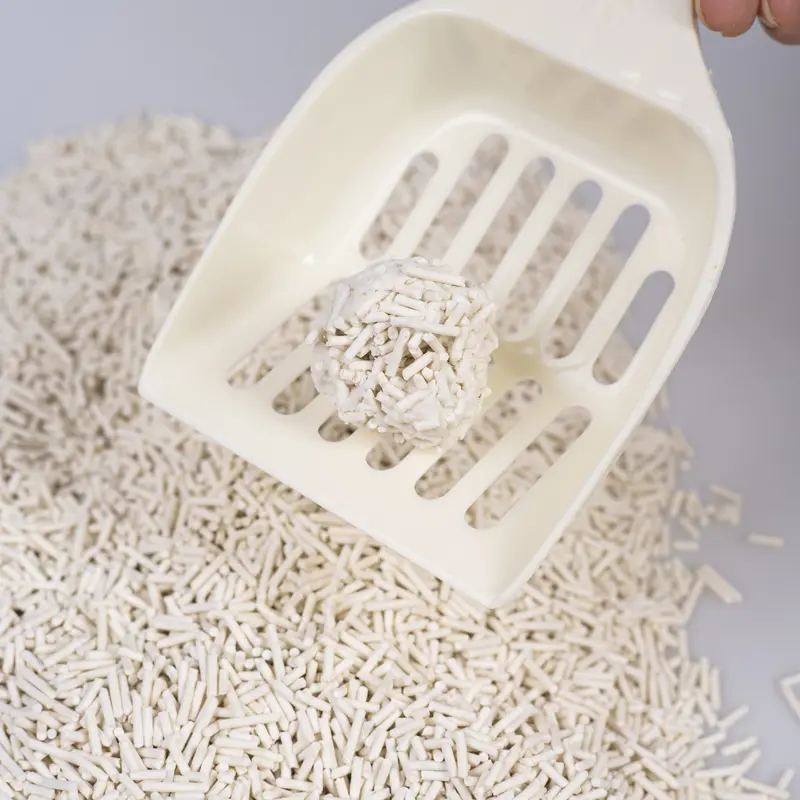
3. Fast Clumping Performance
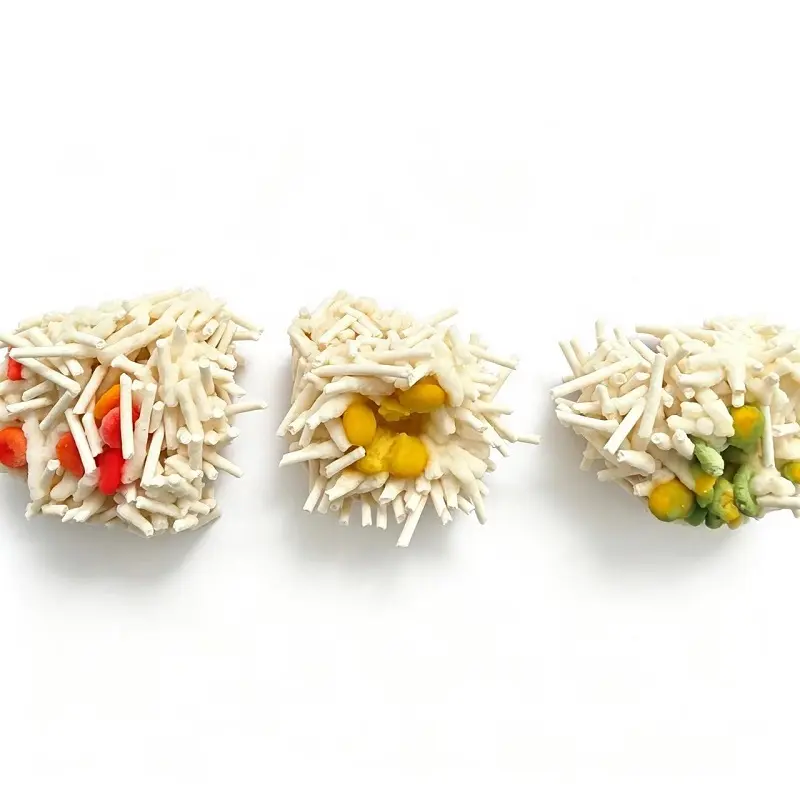
Good tofu litter forms tight clumps rapidly after absorbing urine.
Benefits:
Easy scooping
Reduced waste
Cleaner litter box maintenance
Lower litter consumption
Strong clumping also prevents urine from reaching the bottom of the litter tray.
4. Eco-Friendly and Biodegradable
Environmental sustainability is one of tofu litter’s biggest selling points.
Unlike clay litter:
Tofu litter is biodegradable
Uses renewable resources
Produces less mining damage
Reduces landfill pressure
Bentonite clay mining can significantly impact ecosystems, while tofu litter uses agricultural byproducts.
This appeals strongly to environmentally conscious consumers.
5. Flushable Convenience
Many tofu cat litters are marketed as flushable.
Small amounts can often dissolve in water more easily than clay litter.
Advantages:
Easier disposal
Less garbage odor
More convenient cleaning
However, flushing rules depend on:
Plumbing systems
Local regulations
Septic tank compatibility
Even flushable litter should be disposed of carefully.
6. Lightweight Compared With Clay Litter
Traditional clay litter is extremely heavy.
Tofu litter is usually:
Much lighter
Easier to carry
Easier to transport
More convenient for elderly users
This is especially useful for apartment residents.
Some cat owners joke that carrying clay litter feels like training for a strongman competition.
7. Safer for Cats
Because tofu litter uses natural ingredients, it is generally considered safer.
Benefits include:
Lower silica exposure
Reduced chemical additives
Softer texture for paws
This is important for:
Kittens
Sensitive cats
Cats with respiratory issues
8. Better Tracking Control
Some tofu litters produce less tracking than fine clay litter.
The larger pellet structure helps reduce:
Paw tracking
Floor mess
Dust footprints
Although no litter eliminates tracking completely, tofu litter often performs better than lightweight clay options.
9. Suitable for Automatic Litter Boxes
Many modern tofu litters work well with:
Self-cleaning litter boxes
Automatic litter robots
Advantages include:
Fast clumping
Lower dust in machinery
Easier waste separation
However, compatibility varies depending on pellet size.
Cons of Tofu Cat Litter
Despite its many advantages, tofu cat litter is not perfect.
1. Higher Price
The biggest disadvantage is cost.
Tofu cat litter is usually more expensive than:
Clay litter
Some wood litters
Basic crystal litter
Premium tofu litter can cost:
2–4 times more than economy clay litter
For multi-cat households, this becomes a significant ongoing expense.
2. Some Brands Have Weak Clumping
Not all tofu litters perform equally.
Low-quality tofu litter may:
Break apart during scooping
Form soft clumps
Stick to the litter box
This can increase cleaning difficulty.
Product quality varies greatly between manufacturers.
3. Potential Mold Risk
Because tofu litter is plant-based, poor storage conditions may lead to:
Mold
Moisture absorption
Spoilage
This is especially problematic in:
Humid climates
Poorly ventilated areas
Proper storage is essential.
4. Some Cats Need Adjustment Time
Cats accustomed to clay litter may initially reject tofu litter.
Reasons include:
Different texture
Different scent
Pellet size differences
Transitioning gradually is recommended.
5. Flushability Can Be Misleading
Although marketed as flushable, excessive flushing can still:
Damage plumbing
Block pipes
Stress septic systems
Some municipalities discourage flushing any cat litter.
Cat owners should always verify local plumbing recommendations.
6. Pellet Breakage
Certain tofu litters may crumble over time.
This can create:
Fine particles
Reduced clumping quality
Faster litter consumption
Premium high-density pellets usually perform better.
7. Lower Heavy Odor Performance in Some Cases
Although tofu litter controls normal odors well, extremely high urine volume in multi-cat homes may overwhelm lower-end tofu litter faster than premium clay products.
This depends heavily on:
Formula quality
Activated carbon additives
Cleaning frequency
8. Possible Attraction to Pets
Because tofu litter contains plant ingredients, some pets may:
Taste it
Play with it
Chew pellets
While generally safer than clay, excessive ingestion should still be avoided.
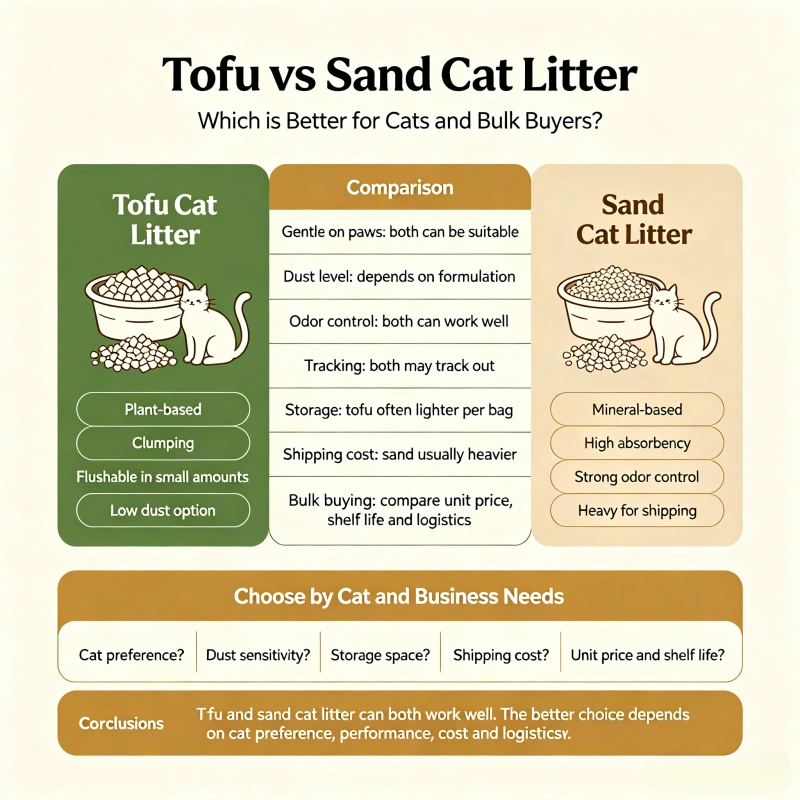
Tofu Cat Litter vs Clay Litter
| Feature | Tofu Cat Litter | Clay Cat Litter |
|---|---|---|
| Dust Level | Very low | Often high |
| Weight | Lightweight | Heavy |
| Eco-Friendly | Excellent | Poor |
| Odor Control | Good–Excellent | Excellent |
| Clumping | Good | Excellent |
| Price | Higher | Lower |
| Flushable | Sometimes | No |
| Respiratory Safety | Better | Lower |
Clay litter still dominates budget markets because of lower pricing and strong clumping.
However, tofu litter is growing rapidly in premium pet markets.
Tofu Cat Litter vs Pine Pellet Litter
| Feature | Tofu Litter | Pine Litter |
|---|---|---|
| Clumping | Yes | Usually no |
| Dust | Very low | Low |
| Odor Control | Strong | Natural wood smell |
| Texture | Softer | Larger pellets |
| Flushability | Better | Limited |
Tofu litter usually offers better convenience for everyday scooping.
Tofu Cat Litter vs Crystal Litter
| Feature | Tofu Litter | Crystal Litter |
|---|---|---|
| Dust | Low | Very low |
| Eco-Friendly | Excellent | Poor |
| Texture | Softer | Hard crystals |
| Cost | Medium-High | High |
| Paw Comfort | Better | Lower |
Many cats prefer tofu litter’s softer texture.
Economic Analysis: Is Tofu Cat Litter Worth the Cost?
Although tofu litter costs more initially, it may reduce long-term costs because:
Better clumping reduces waste
Less litter replacement is needed
Cleaner homes reduce cleaning time
However, cost-effectiveness depends on:
Brand quality
Number of cats
Scooping frequency
For some households, premium tofu litter can actually last longer than cheap clay litter.
Which Cats Benefit Most From Tofu Cat Litter?
Tofu litter is especially suitable for:
Kittens
Lower dust and safer ingredients.
Senior Cats
Gentler on paws and lungs.
Long-Haired Cats
Less dust and reduced tracking.
Asthmatic Cats
Lower airborne particles.
Apartment Cats
Better indoor odor management.
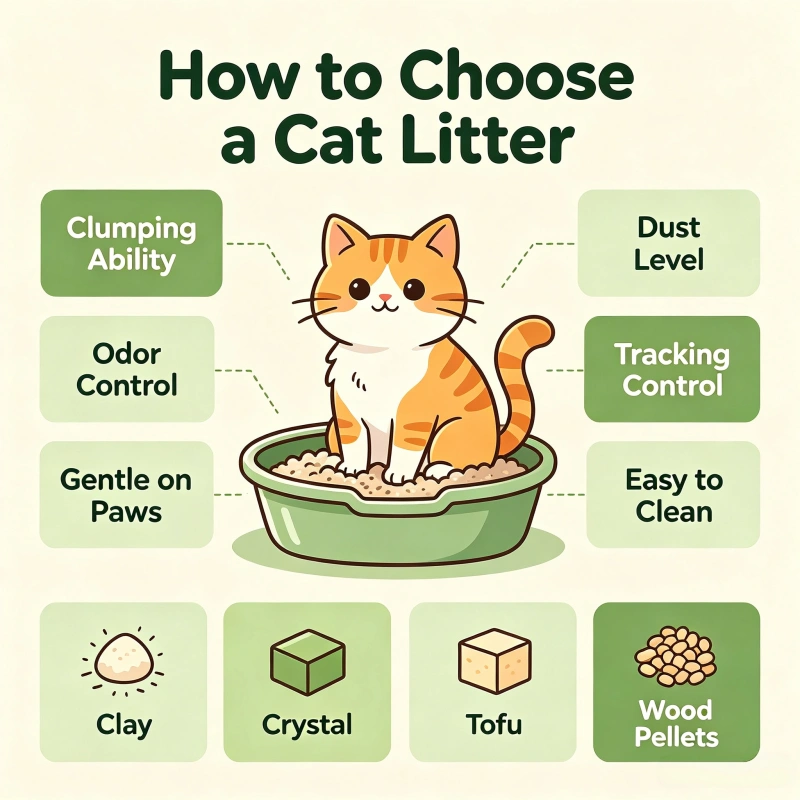
How to Choose High-Quality Tofu Cat Litter
When buying tofu litter, evaluate:
1. Clumping Strength
Strong clumps reduce waste.
2. Dust Percentage
Look for:
99% dust free
Low-dust certification
3. Pellet Density
High-density pellets resist breakage.
4. Odor Additives
Activated carbon and green tea improve odor control.
5. Water Solubility
Important for flushability.
6. Ingredient Transparency
Choose natural, non-toxic ingredients.
Common Buyer Mistakes
Buying the Cheapest Option
Low-cost tofu litter often sacrifices clumping quality.
Ignoring Storage Conditions
Moisture ruins tofu litter performance.
Changing Litter Too Quickly
Cats need gradual transitions.
Overfilling the Litter Box
Too much litter can reduce scooping efficiency.
Future Trends in Tofu Cat Litter
The tofu litter industry continues evolving rapidly.
Emerging trends include:
Activated carbon formulas
Mixed tofu-bentonite blends
Natural fragrance technology
Ultra-fast clumping formulas
Biodegradable packaging
Premium export-quality tofu litter
Global demand for eco-friendly pet products continues driving market expansion.
Final Conclusion
Tofu cat litter has become one of the fastest-growing alternatives to traditional clay litter because it offers a strong combination of low dust, eco-friendliness, odor control, lightweight convenience, and cat safety. For modern cat owners who prioritize cleaner homes, respiratory health, and environmental sustainability, tofu litter provides many compelling advantages.
However, tofu litter also has several drawbacks, including higher cost, variable product quality, potential moisture sensitivity, and occasional adjustment challenges for cats. Not all tofu litters perform equally, making product selection extremely important.
Overall, tofu cat litter is an excellent choice for:
Indoor cats
Apartment households
Multi-cat families
Environmentally conscious owners
Cats with respiratory sensitivities
As premium pet care trends continue growing worldwide, tofu cat litter is expected to become an increasingly important segment of the global cat litter market.
387.webp)