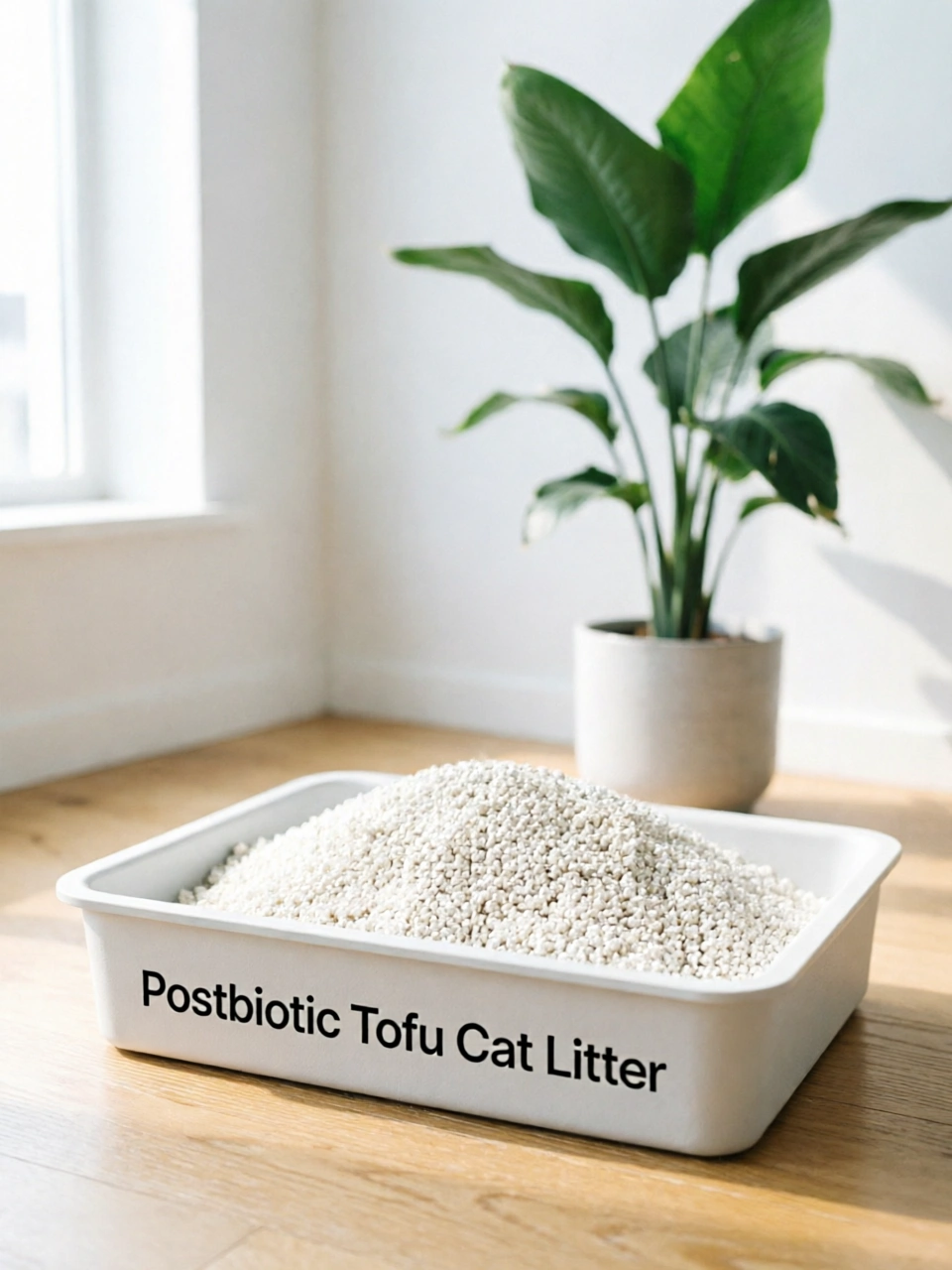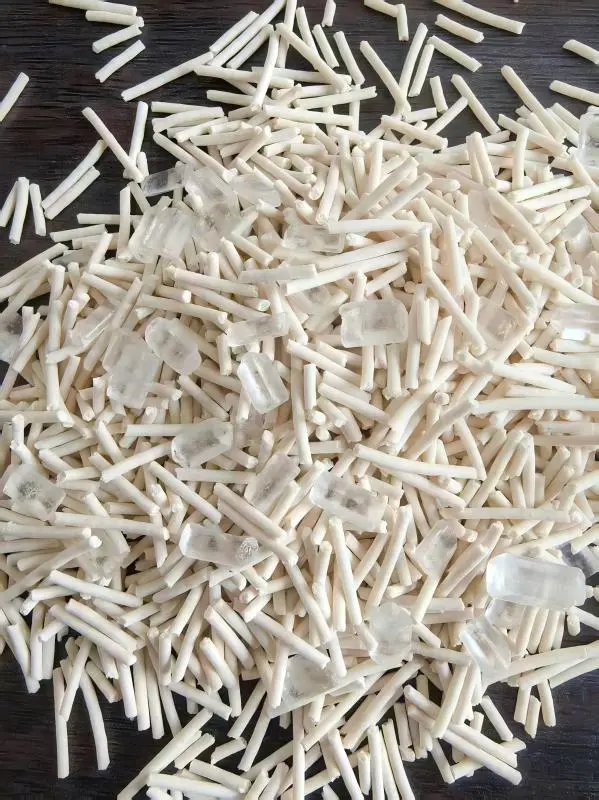
Cat litter odor is one of the most common complaints among pet owners—and one of the biggest challenges for manufacturers. Whether you're a factory producing cat litter or a consumer managing a litter box at home, controlling odor is essential for hygiene, comfort, and product performance.
This guide explains how to make cat litter not smell from two critical perspectives:
Cat litter Factory-level solutions (manufacturing and formulation)
Consumer-level solutions (daily use and maintenance)
Think of this as a complete, practical manual—clear, actionable, and designed to help you eliminate litter box odor at its source.
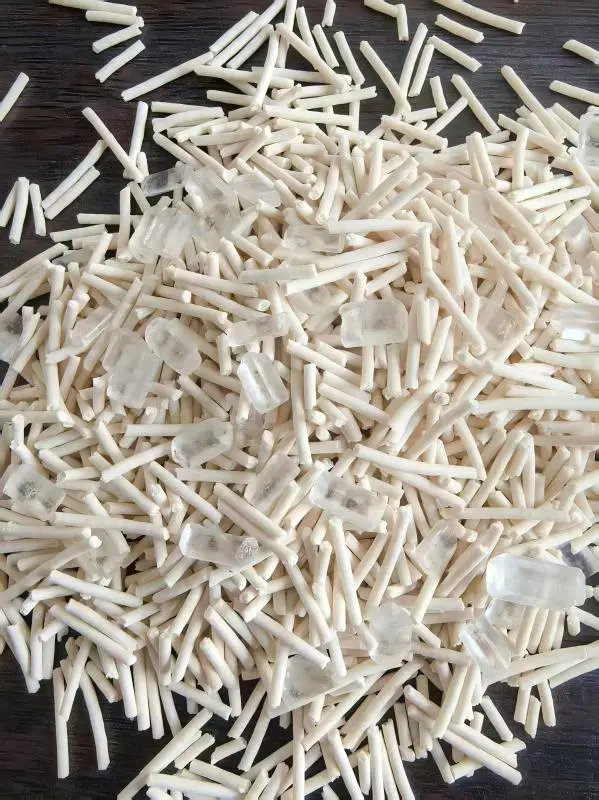
PART 1: WHY CAT LITTER SMELLS (UNDERSTANDING THE ROOT CAUSE)
Before solving the problem, we need to understand it.
Cat litter odor mainly comes from:
1. Ammonia Formation
When cats urinate, urea breaks down into ammonia gas, which has a strong, unpleasant smell.
2. Bacterial Growth
Moist environments allow bacteria to multiply, producing:
Sulfur compounds
Organic decay odors
3. Poor Absorption
If litter cannot absorb moisture quickly, odor spreads faster.
Key Insight:
Odor is not just about smell—it’s about moisture + bacteria + chemical reaction.
PART 2: HOW FACTORIES MAKE CAT LITTER NOT SMELL
From a manufacturing perspective, odor control is engineered into the product through materials, formulas, and production processes.
1. Choosing the Right Raw Materials
Bentonite (Clay Litter)
High absorption
Strong clumping
Moderate odor control
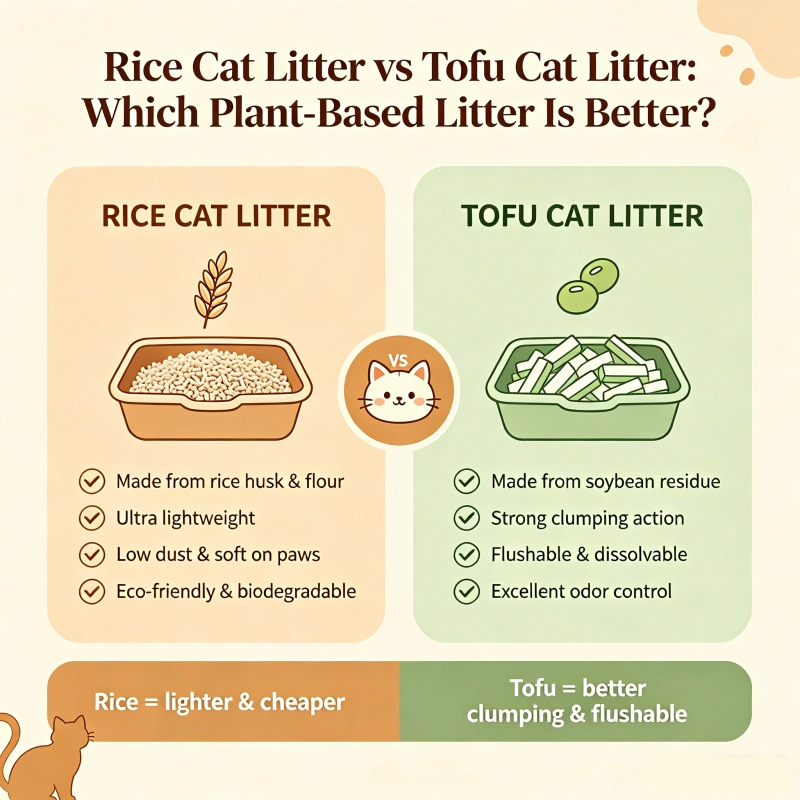
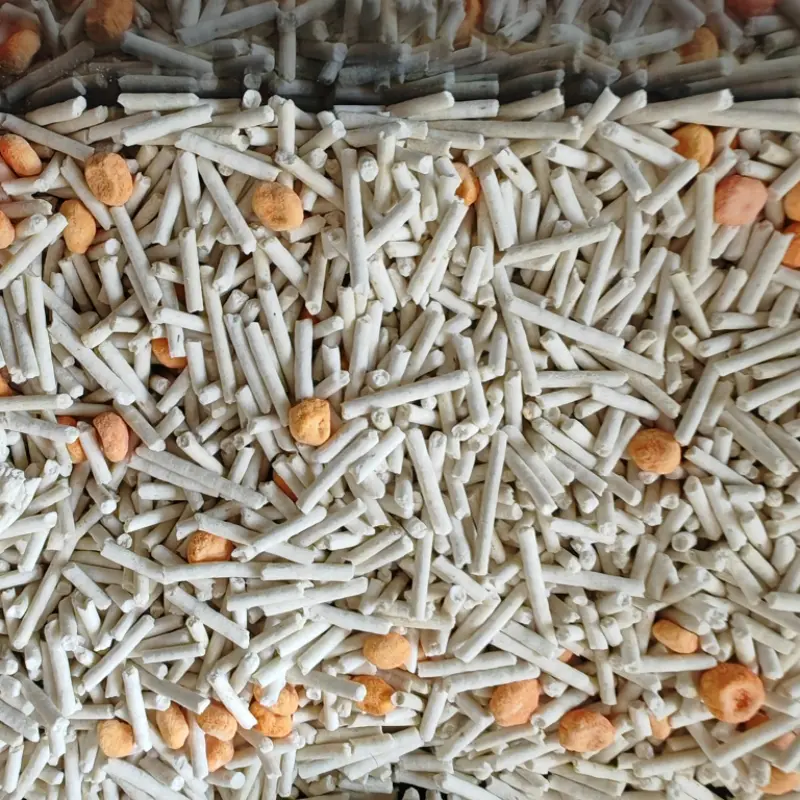
Tofu (Soy-Based Litter)
Natural odor absorption
Biodegradable
Low dust
Pine (Wood Litter)
Natural antibacterial properties
Fresh wood scent
Best practice:
Combine absorption + natural deodorization materials
2. Adding Odor Control Agents
This is the core of “odorless” litter design.
Baking Soda (Sodium Bicarbonate)
Neutralizes acidic odors
Absorbs moisture
Safe and cost-effective
Most widely used in OEM production
Activated Carbon
Highly porous
Traps odor molecules
Premium option
Zeolite
Mineral with strong adsorption
Captures ammonia effectively
Enzyme-Based Deodorizers
Break down odor-causing bacteria
Long-lasting effect
Factory Formula Strategy
A high-performance litter often combines:
Base material (tofu or clay)
Baking soda (cost-effective odor control)
Activated carbon (premium upgrade)
3. Improving Clumping Technology
Clumping is critical because it isolates odor.
Good Clumping Characteristics
Fast clump formation (within seconds)
Solid structure (no breakage)
Easy removal
Strong clumping = less odor spread
4. Controlling Moisture Absorption Rate
Factories optimize:
Pellet density
Particle size
Porosity
Goal:
Absorb urine instantly
Prevent pooling
5. Dust Reduction Technology
Dust can carry odor particles into the air.
Solutions:
High-pressure extrusion (tofu litter)
Dust removal systems
Particle polishing
Low dust = cleaner air + less odor spread
6. Adding Fragrance (Optional)
Types:
Natural scents (green tea, lavender)
Light perfumes
!Important:
Avoid strong artificial fragrances
Focus on neutralization, not masking
7. Production Process Optimization
High-quality factories use:
Controlled drying temperature
Uniform pellet shaping
Strict moisture control
Poor production = higher odor retention
8. Packaging Technology
Packaging affects odor performance.
Best Practices:
Vacuum packaging
Moisture-proof bags
Airtight sealing
Prevents litter from absorbing humidity before use
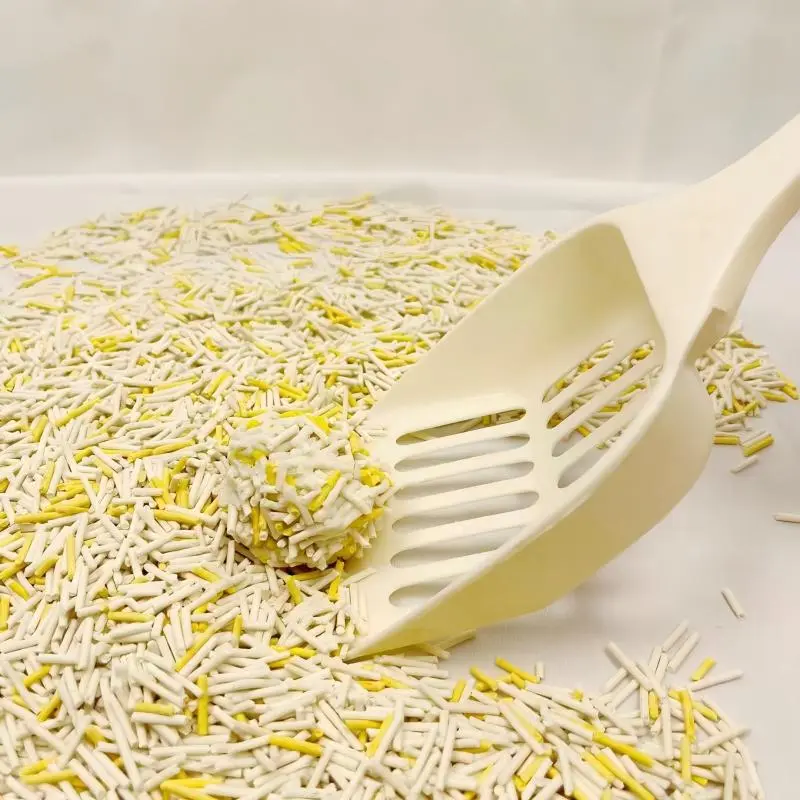
PART 3: HOW CONSUMERS CAN KEEP CAT LITTER FROM SMELLING
Even the best litter will smell if used incorrectly. Here’s how to manage odor at home effectively.
1. Scoop the Litter Box Daily
This is the most important rule.
Why?
Removes ammonia sources immediately
Prevents bacterial buildup
Minimum: once per day
Ideal: twice per day
2. Maintain Proper Litter Depth
Recommended:
2–3 inches (5–7 cm)
Too shallow:
Poor absorption
Faster odor spread
Too deep:
Waste buildup
3. Replace Litter Regularly
Even clumping litter needs full replacement.
General Guidelines:
Single cat: every 2–3 weeks
Multiple cats: every 1–2 weeks
4. Clean the Litter Box Properly
Step-by-Step Cleaning
Empty all litter
Wash with warm water
Use mild soap (no harsh chemicals)
Dry completely before refilling
Do this at least once a month
5. Use Baking Soda at Home
Simple and effective method:
Sprinkle a thin layer at the bottom of the box
Add litter on top
Boosts odor control instantly
6. Choose the Right Litter Type
Best Options for Odor Control:
Tofu litter with baking soda
Clay clumping litter
Activated carbon litter
Avoid low-quality, non-absorbent litter
7. Improve Ventilation
Odor builds up in closed spaces.
Tips:
Place litter box in a ventilated area
Avoid small enclosed corners
Use air circulation
8. Use a Covered Litter Box (With Caution)
Pros:
Contains odor
Cons:
Can trap smell inside
Best solution:
Use a covered box with ventilation holes
9. Control Your Cat’s Diet
Yes, diet affects litter odor.
High-quality diet:
Less odor in waste
Poor diet:
Stronger ammonia smell
10. Use Odor Neutralizers (Optional)
Examples:
Litter box deodorizers
Charcoal filters
Air purifiers
PART 4: COMMON MISTAKES THAT CAUSE LITTER ODOR
Avoid these common errors:
Not scooping daily
Using too little litter
Mixing incompatible litter types
Ignoring box cleaning
Buying low-quality litter
PART 5: FACTORY + CONSUMER = BEST RESULTS
The best odor control happens when:
Factory provides:
Strong clumping
Effective deodorizing formula
Low dust
Consumer provides:
Proper maintenance
Regular cleaning
Correct usage
Both sides must work together
PART 6: SIMPLE ODOR CONTROL CHECKLIST
For Manufacturers
✔ Use high-quality raw materials
✔ Add baking soda or activated carbon
✔ Ensure fast clumping
✔ Minimize dust
✔ Use moisture-proof packaging
For Consumers
✔ Scoop daily
✔ Clean box regularly
✔ Use enough litter
✔ Improve ventilation
✔ Choose high-quality products
FINAL VERDICT
Making cat litter not smell is not about covering up odor—it’s about eliminating it at the source.
Factories must design litter with strong absorption, clumping, and deodorizing technology
Consumers must maintain proper hygiene and usage habits
When both are done correctly, litter odor can be reduced to nearly zero.
CONCLUSION
Cat litter odor is manageable—and even preventable—with the right approach.
From advanced manufacturing techniques like baking soda formulation and activated carbon integration, to simple home practices like daily scooping and proper cleaning, every step plays a role.
If you want a truly odor-free experience:
Start with high-quality litter
Follow proper maintenance routines
Stay consistent
A clean litter box doesn’t just improve your home—it improves your cat’s health and happiness too.
387.webp)
122.webp)