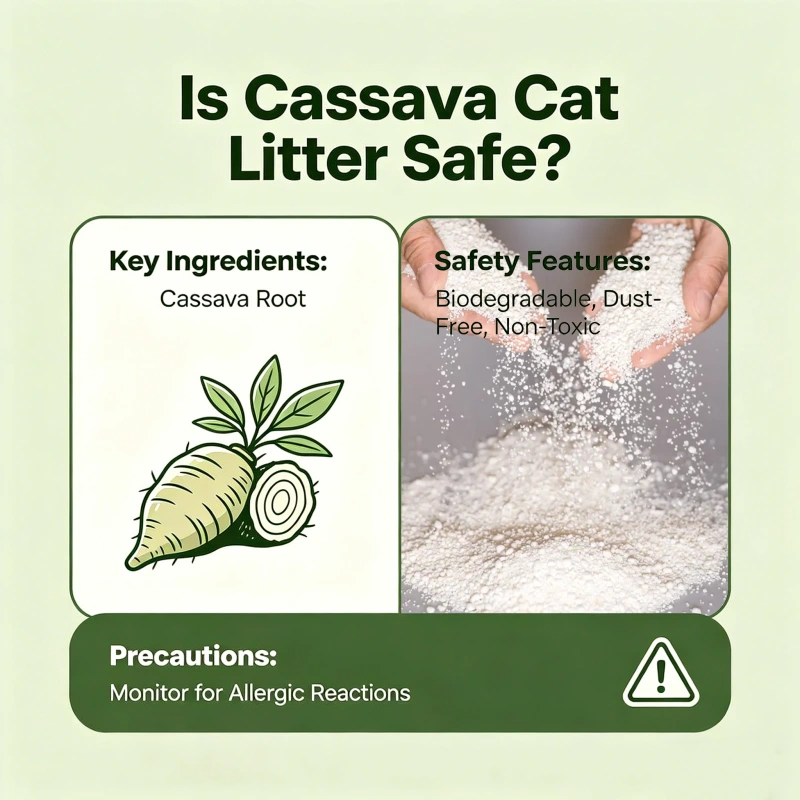
As a cat owner, you're constantly on the lookout for products that keep your feline friend healthy and your home clean. With the rise of eco-friendly pet care, cassava cat litter has surged in popularity, touted for its natural origins, low dust, and strong clumping ability. But a crucial question lingers: Is cassava cat litter safe?
This concern is understandable. After all, raw cassava root contains cyanogenic glycosides, which can release toxic hydrogen cyanide (HCN). The thought of this toxin being near your beloved pet is alarming. However, the answer isn't a simple yes or no. It hinges entirely on how the cassava is processed before it becomes the litter in your cat's box.
In this guide, we’ll cut through the marketing hype and dive deep into the science, manufacturing processes, and safety standards to give you a clear, practical understanding of whether cassava cat litter is a safe choice for your home.
Understanding the Source of Concern: Cassava's Natural Toxins
The Biology Behind the Toxin
The core of the safety question lies in the biology of the cassava plant itself. Cassava (Manihot esculenta) is a staple food for hundreds of millions of people worldwide, prized for its starchy roots. However, it also serves as a natural defense mechanism for the plant.
Cassava roots, especially the bitter varieties, contain compounds called cyanogenic glycosides, primarily linamarin. When the plant’s cells are damaged—through chewing, cutting, or processing—an enzyme called linamarase comes into contact with these glycosides. This reaction breaks them down and releases hydrogen cyanide (HCN), a potent and fast-acting poison that inhibits cellular respiration.
Real-World Implications for Humans
For humans, consuming improperly prepared bitter cassava can lead to acute cyanide poisoning or a chronic neurological condition known as konzo. This well-documented risk is why traditional preparation methods for cassava as food are so rigorous: thorough peeling, prolonged soaking, and extensive cooking are all designed to remove or destroy these toxins.
Why This Matters for Pet Owners
So, it’s logical to ask: if raw cassava is dangerous, how can it be safe for my cat to walk on, dig in, and potentially ingest small amounts while grooming? The key lies not in the raw material, but in the transformation it undergoes before becoming a consumer product.
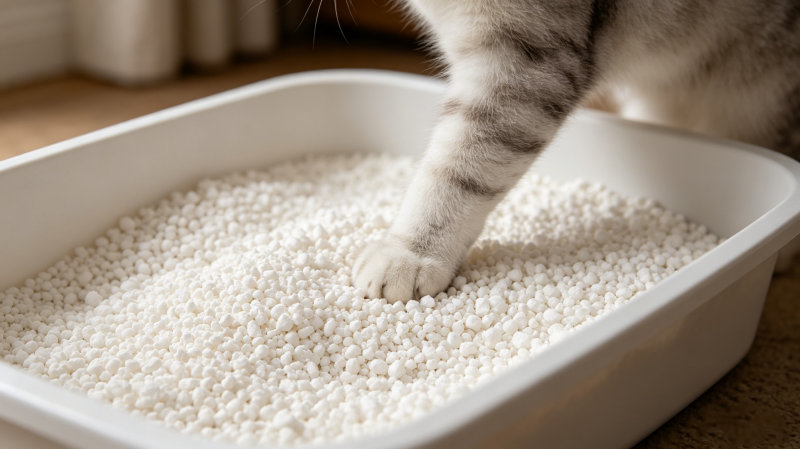
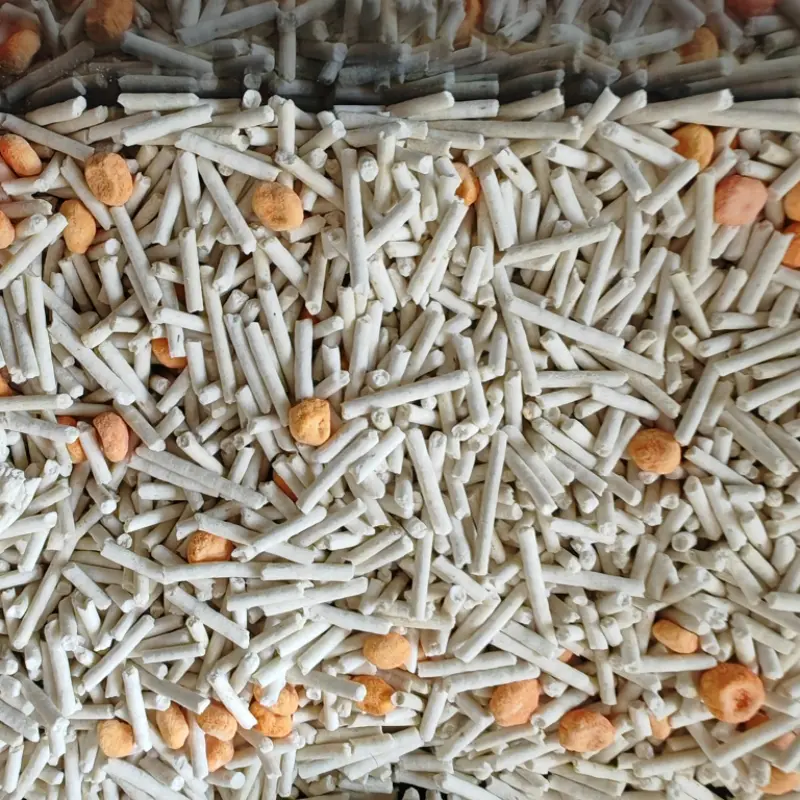
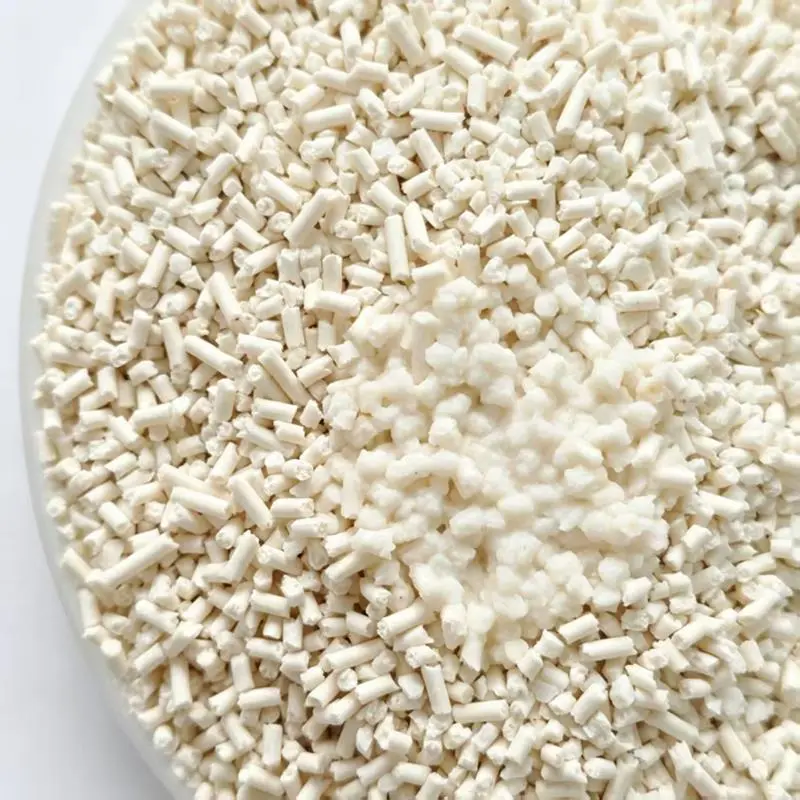
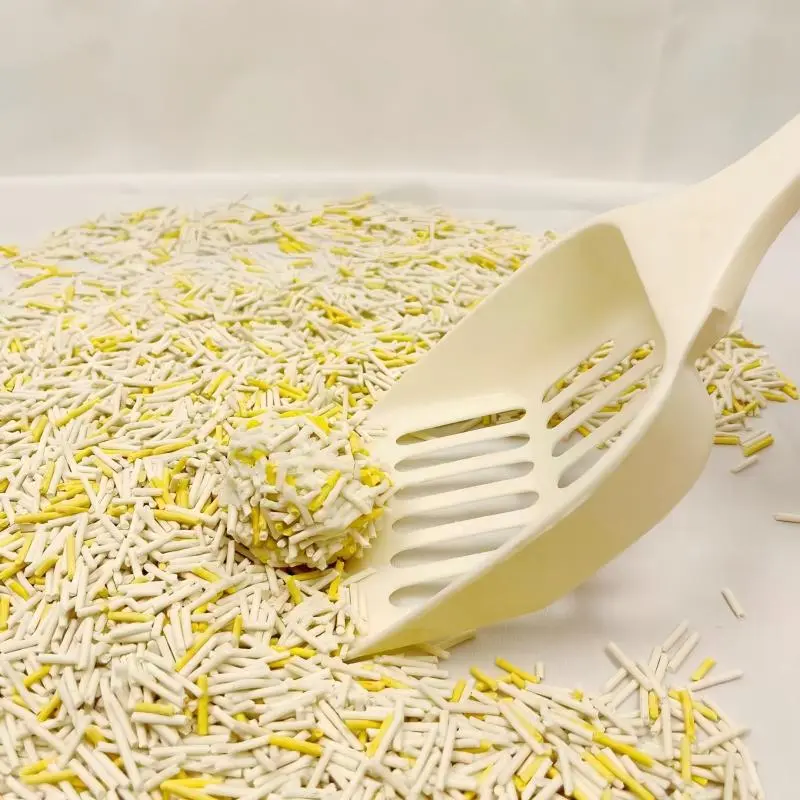
Natural cassava cat litter clumps quickly when wet, offering cats a dry and comfortable touch. It effectively solves litter box odor and tracking issues, providing your feline with a safe and comfortable restroom experience.
From Toxic Root to Safe Litter: The Critical Role of Processing
The Journey from Farm to Factory
The key difference between a dangerous raw root and a safe cat litter product is industrial processing. Reputable manufacturers of cassava cat litter do not use raw cassava. They use highly refined cassava starch, which undergoes a multi-step de-toxification process long before it ever reaches your home.
Here’s a breakdown of the typical journey from farm to litter box:
Raw Material Selection: Manufacturers often start with "sweet" cassava varieties, which naturally have much lower levels of cyanogenic glycosides than their "bitter" counterparts. The primary goal is to extract the pure starch.
Peeling and Washing: The outer skin of the cassava root, where a significant concentration of toxins resides, is completely removed. The peeled roots are then thoroughly washed.
Grating and Pressing: The roots are grated into a pulp and pressed to extract a milky liquid containing the starch and water-soluble compounds, including the cyanogenic glycosides.
Fermentation and/or Soaking: The extracted pulp or liquid is often allowed to ferment or is soaked in water for an extended period (sometimes up to several days). During this time, the natural enzymes break down the glycosides, and the volatile hydrogen cyanide gas is released and dissipates into the air.
Washing and Drying: The starch slurry is washed multiple times with clean water to remove any residual toxins and impurities. It is then dried into a fine, white powder.
High-Temperature Manufacturing: To create the final cat litter granules, the purified cassava starch is mixed with water and sometimes other natural binders (like corn starch) and then extruded or molded under high heat and pressure. This final thermal step ensures that any remaining trace compounds are completely denatured and rendered inert.
Scientific Validation of Safety
By the end of this process, the resulting cassava starch is a food-grade ingredient, virtually free of cyanogenic glycosides and hydrogen cyanide. It’s the same type of starch used in many human foods as a thickener or gluten-free flour. Independent laboratory testing using methods like GC-MS (Gas Chromatography-Mass Spectrometry) can confirm the absence of detectable cyanide residues in properly processed cassava starch, providing scientific reassurance of its safety.
Therefore, a high-quality cassava cat litter made from properly processed, food-grade starch poses no cyanide risk to your cat.
Evaluating Safety Beyond Cyanide: Other Potential Risks
Respiratory Health and Dust Control
While the cyanide concern is the most prominent, a truly safe cat litter must be evaluated on other fronts as well. Here are other factors to consider:
Dust Levels: Low-dust litters are crucial for both feline and human respiratory health. Cats with asthma or other respiratory conditions are particularly sensitive. High-quality cassava litters are known for their extremely low dust content due to their dense, pelletized structure.
The Hidden Danger of Additives
Chemical Additives: Some brands may add artificial fragrances, dyes, or chemical binding agents to enhance performance or scent. These additives can be potential irritants or allergens for sensitive cats. Always look for litters with a simple, transparent ingredient list—ideally just "cassava starch" or "cassava and corn starch."
Microbial Contamination Risks
Mold and Bacteria: Like any organic material, if stored in a damp environment, cat litter can potentially harbor mold. However, reputable brands have strict quality control measures to ensure their products are dry and free from microbial contamination before packaging. This includes moisture control during storage and packaging in sealed, moisture-proof bags.
Ingestion: A Universal Consideration
Ingestion Risk: While cassava starch itself is non-toxic, any foreign material ingested in large quantities can cause a gastrointestinal blockage, especially in kittens who are more prone to mouthing objects. This is a general risk with any clumping litter, not specific to cassava. However, the biodegradable nature of cassava means that small, accidental ingestions are far less concerning than with clay or silica litters.
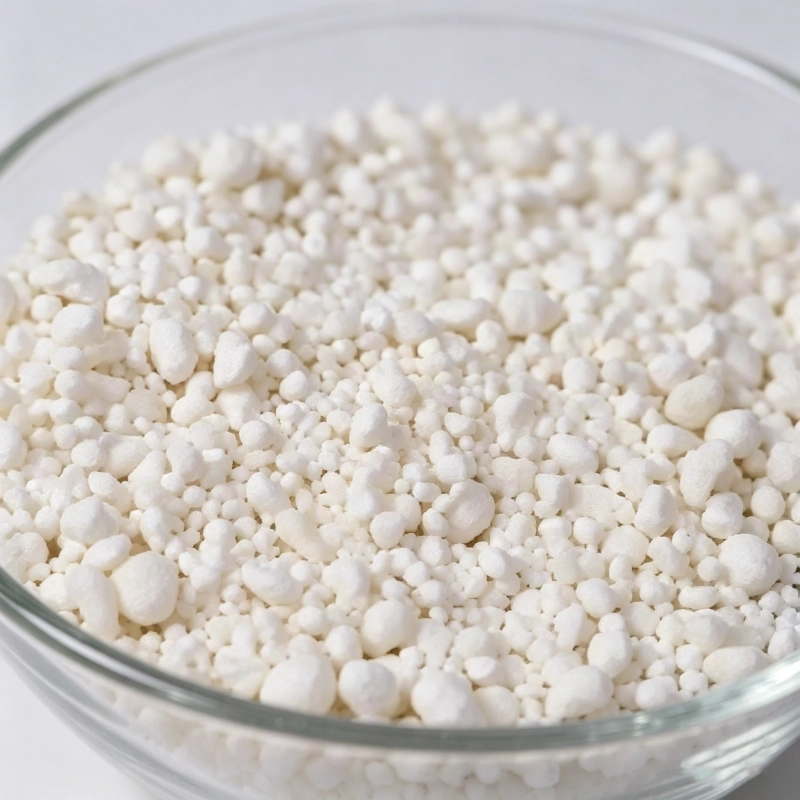
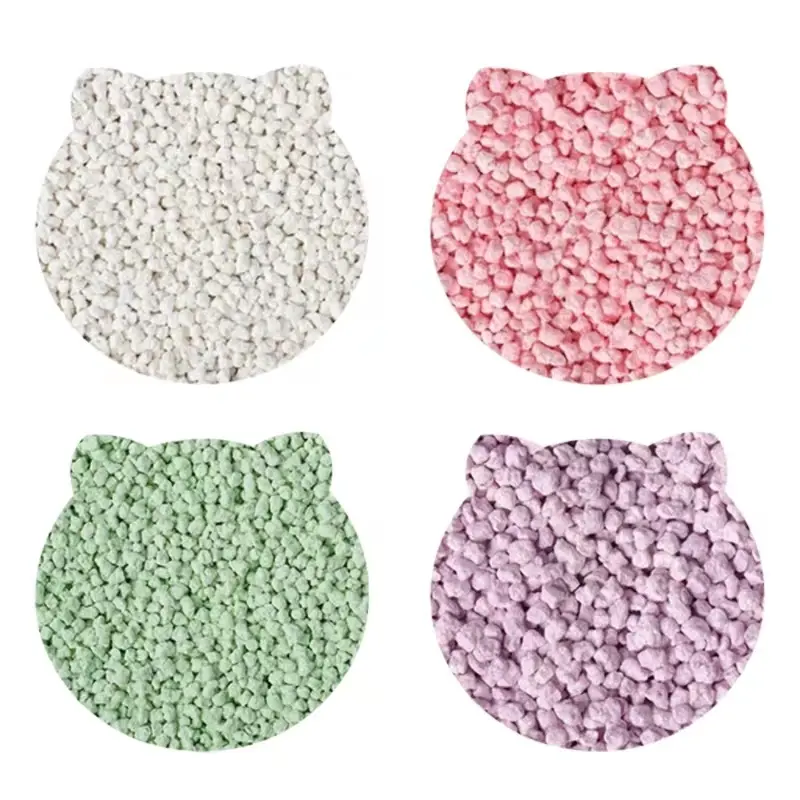
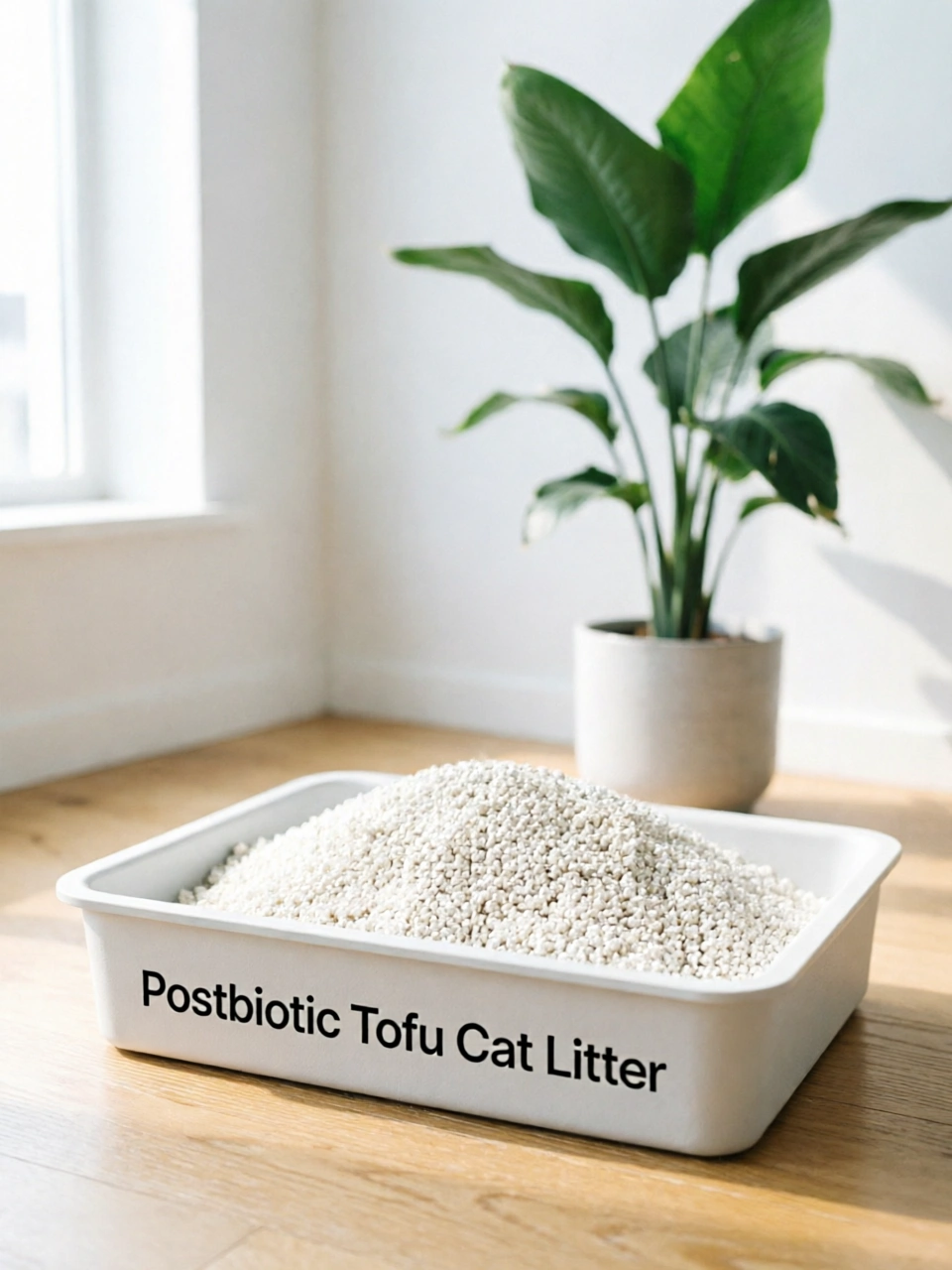
Made from food-grade raw materials, these plump, uniform cassava cat litter pellets are natural, additive-free, non-toxic and safe—even if ingested accidentally by cats, giving pet owners complete peace of mind.
How to Choose a Safe and High-Quality Cassava Cat Litter
The Importance of Ingredient Transparency
Not all cassava litters are created equal. The market includes both premium, responsibly-made products and cheaper alternatives that may cut corners. Here’s how to be a savvy shopper:
1. Look for Transparency and Certifications
Reputable brands will be upfront about their ingredients and manufacturing. Look for:
Clear Ingredient List: It should state "cassava starch," "food-grade cassava," or similar. Avoid vague terms like "plant-based materials."
Safety Certifications: In China, look for compliance with national standards like GB/T 41678-2022 (General Technical Requirements for Pet Supplies) or the newer GB/T 43839-2024 (Safety Technical Requirements for Companion Animal Supplies). These standards set limits for heavy metals, harmful chemicals, and physical properties like dust.
Third-Party Testing: The best brands will provide access to test reports from independent, accredited laboratories (look for CMA or CNAS accreditation). These reports should confirm the absence of harmful substances like formaldehyde, heavy metals (lead, arsenic), and, by extension, cyanide residues.
2. Perform Simple At-Home Checks
You can also do a few quick checks at home:
Smell Test: Open the bag. It should have a very faint, neutral, or slightly sweet, starchy smell. A strong, chemical, or "off" odor is a red flag.
Dust Test: Pour a small amount of litter from a height into a clean container. A high-quality cassava litter will produce almost no visible dust cloud.
Water Solubility Test: Drop a few granules into a glass of water. Genuine cassava litter should begin to break down and dissolve within a few minutes, which is a good sign of its natural composition and flushability (if your plumbing allows).
3. Observe Your Cat’s Reaction
After introducing a new litter, monitor your cat closely for a few days. Signs of a negative reaction can include:
Sneezing or coughing after using the box.
Reluctance to use the litter box.
Excessive paw licking or signs of skin irritation on their paws. If you notice any of these, discontinue use immediately.
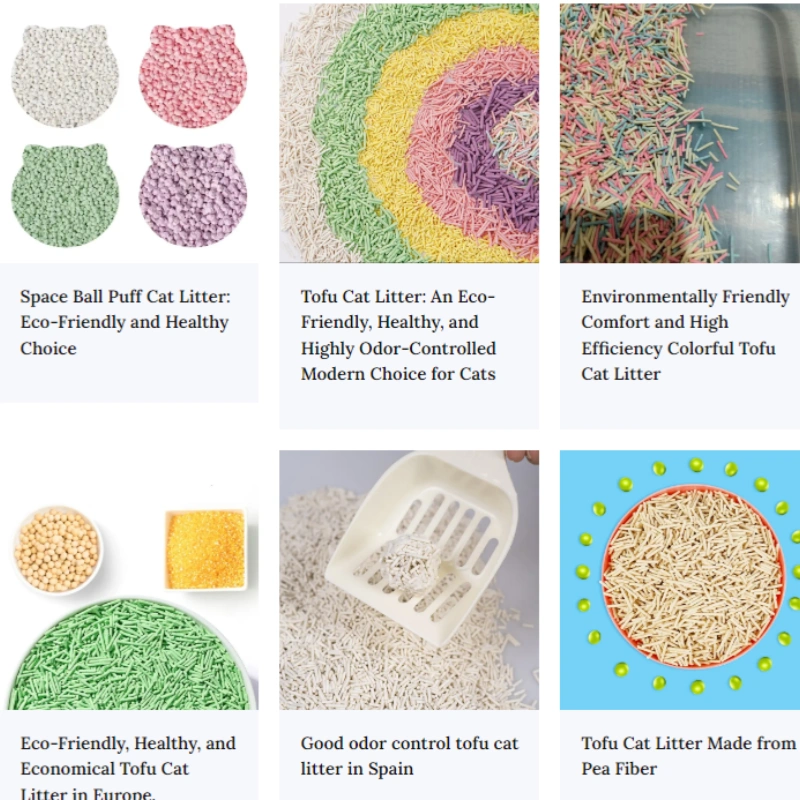
View premium cassava cat litter products:
Cassava cat litter: OEM, manufacturer from China
New Plant-Based Cassava Cat Litter Dust free Non-Stick Bottom Popular in Europe
Dust free cassava cat litter with high absorption welcomed in Norway
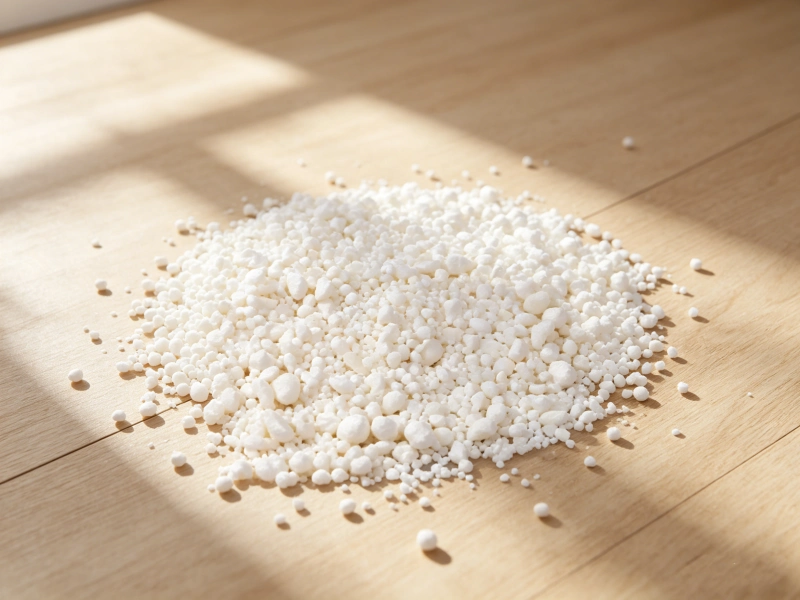
The low-dust, round cassava cat litter pellets stay intact even when scattered, preventing tracking and keeping your home floor clean and tidy, eliminating the hassle of sweeping up stray litter.
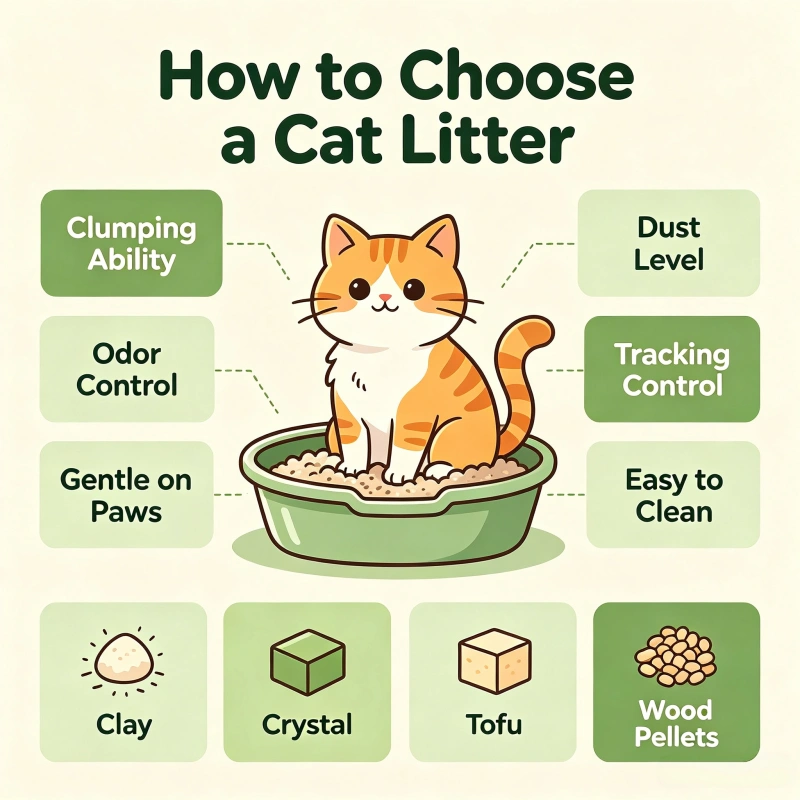
Cassava vs. Other Popular Litter Types: A Safety and Performance Comparison
To put cassava litter in context, let’s compare it to other common options.
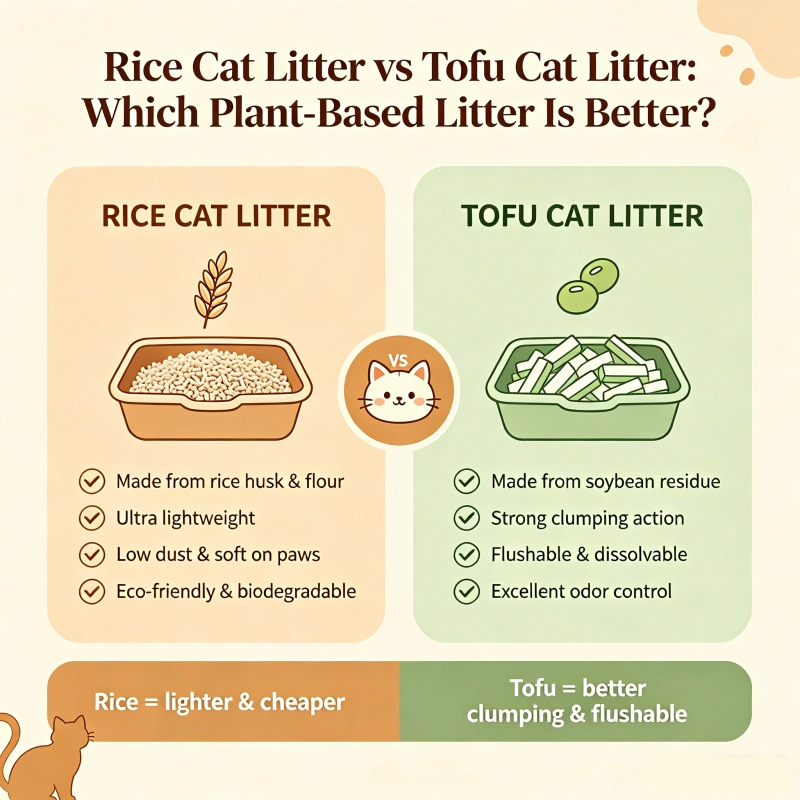
| Feature | Cassava Litter | Tofu Litter | Bentonite (Clay) Litter | Silica Gel Crystals |
|---|---|---|---|---|
| Primary Material | Refined cassava starch | Soybean or pea fiber | Mined clay | Synthetic silica |
| Cyanide Risk | None (when properly processed) | None | None | None |
| Dust Level | Very Low | Low to Moderate | High | Very Low |
| Tracking | Low (larger pellets) | Moderate | High (fine granules) | Low |
| Clumping Strength | Strong & Fast | Moderate | Very Strong | N/A (Absorbs, doesn’t clump) |
| Odor Control | Good (natural absorption) | Good | Good (often with added scents) | Excellent |
| Eco-Friendliness | Biodegradable, Flushable* | Biodegradable, Flushable* | Non-renewable, Not biodegradable | Non-biodegradable |
| Ingestion Safety | High (non-toxic starch) | High (non-toxic fiber) | Low (can cause blockages) | Low (can cause dehydration) |
*Always check local plumbing guidelines before flushing any cat litter.
Why Cassava Stands Out
As the table shows, cassava litter stands out for its excellent balance of low dust, strong clumping, natural odor control, and high ingestion safety, making it a top contender for health-conscious owners. Its plant-based origin also aligns with the growing consumer demand for sustainable and biodegradable pet products.
The Verdict: Is Cassava Cat Litter Safe?
Summarizing the Evidence
So, after all this analysis, what’s the final answer to "Is cassava cat litter safe?"
Yes, high-quality cassava cat litter from a reputable brand is generally very safe for cats.
The initial concern about cyanide is valid but is effectively mitigated by the rigorous industrial processing that transforms raw cassava root into pure, food-grade starch. The final product contains no harmful levels of hydrogen cyanide.
The Consumer's Role in Safety
The real safety considerations lie elsewhere: choosing a brand that avoids harmful chemical additives, produces a truly low-dust product, and adheres to recognized safety standards. By doing your homework, checking for certifications, and observing your cat’s response, you can confidently select a cassava litter that is not only safe but also offers superior performance and environmental benefits.
Ultimately, the safety of any pet product depends on the integrity of its manufacturer. When sourced responsibly, cassava cat litter is a smart, modern choice for a cleaner, healthier, and more sustainable home for both you and your feline companion.
Addressing Common Myths and Misconceptions
Myth 1: "All Plant-Based Litters Are the Same"
This is a dangerous oversimplification. While cassava, tofu (soy/pea), and corn litters are all plant-based, their raw materials, processing methods, and final properties can vary significantly. For instance, some corn litters may use genetically modified corn or include chemical binders, while a high-quality cassava litter relies on its natural starch for clumping.
Myth 2: "If It's Natural, It Must Be Safe"
"Natural" is not a regulated term in pet products. Many natural substances are toxic (e.g., certain essential oils, lilies for cats). The safety of a natural product depends entirely on its specific composition and how it’s been processed. Raw cassava is a perfect example of a natural but potentially dangerous substance that becomes safe through proper refinement.
Myth 3: "Cassava Litter Can't Handle Odors as Well as Clay"
Modern cassava litters are engineered for high absorbency. The dense structure of the granules traps urine and odors effectively. While they may not have the instant, powerful odor-masking effect of heavily scented clay litters, they offer a more natural and healthier form of odor control by absorbing and neutralizing smells at the source, rather than covering them up with artificial fragrances.
Environmental Impact and Sustainability
A Greener Choice for Your Home and Planet
One of the most compelling reasons to choose cassava litter is its environmental profile. Unlike bentonite clay, which is strip-mined and contributes to landscape destruction, cassava is a renewable agricultural crop. Its cultivation can even support sustainable farming practices in tropical regions.
Biodegradability and Waste Management
Cassava litter is fully biodegradable. This means that when disposed of in a compost bin (for non-fecal waste) or in a landfill, it will break down naturally over time, unlike plastic-based silica crystals or mined clay. Many high-quality cassava litters are also marketed as flushable, offering a convenient disposal method that reduces household waste. However, it’s always wise to check with your local wastewater authority before flushing, as septic systems can have different requirements.
Carbon Footprint Considerations
The production of cassava litter generally has a lower carbon footprint compared to clay mining and processing. The energy required to process the starch and form the granules is often offset by the renewable nature of the raw material and the efficiency of modern manufacturing facilities.
Looking for a Trusted Manufacturer of Safe, High-Quality Cassava Cat Litter?
If you're a retailer, distributor, or brand owner seeking a reliable partner for premium plant-based cat litter, look no further than Shandong Gelin Town Pet Products Co., Ltd.
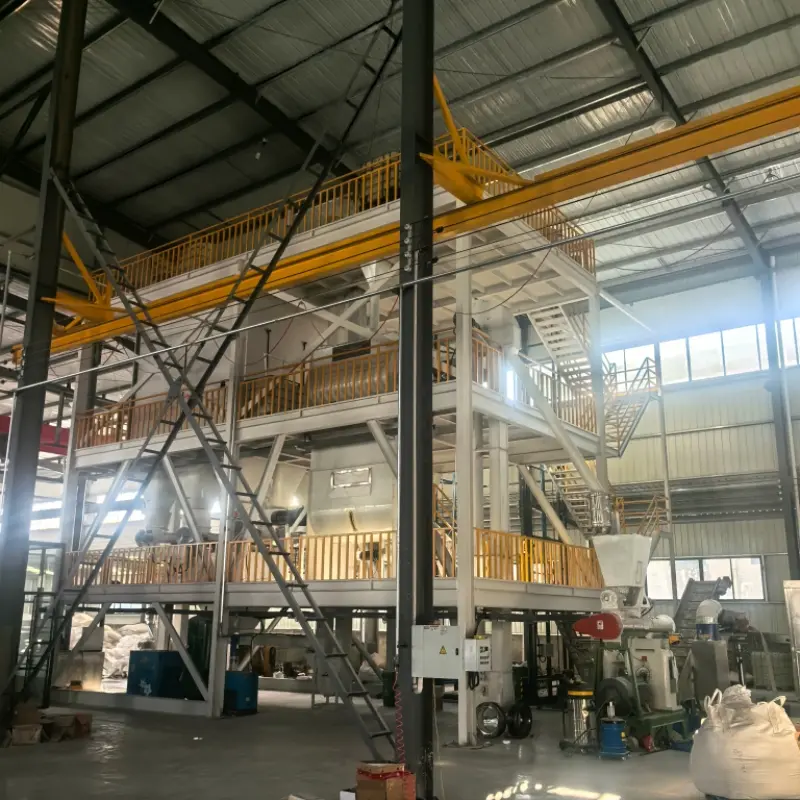
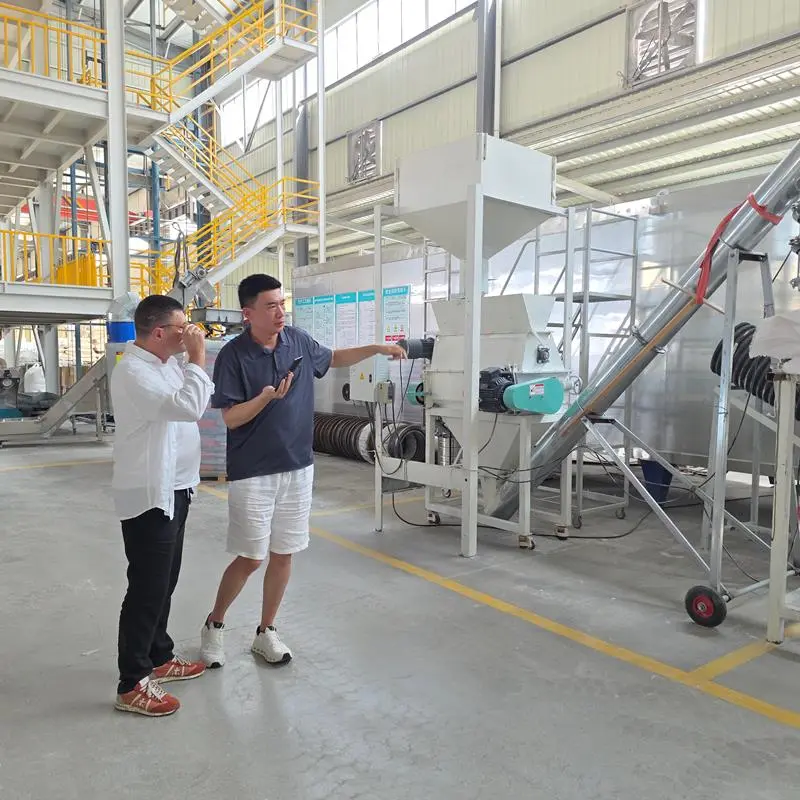
Established in 2020, Shandong Gelin Town Pet Products Co., Ltd. is a professional cat litter manufacturer with its own state-of-the-art cat litter factory. We are committed to designing and manufacturing cat litter to improve the lives of cats. Our factory specializes in the production and research of plant-based cat litter. Equipped with advanced production equipment, a professional R&D team, and standardized workshops, our production area covers approximately 16,000 square meters, with an annual capacity of 7,000 tons.
Our cat litter factory uses the most advanced automatic production equipment. The cat litter production capacity is huge, and it can undertake and customize the production of large quantities of cat litter. If you are looking for a tofu cat litter processing factory, we will be your best choice.
Over the years, we have been dedicated to developing high-end cat litter and have gained recognition in markets across Europe, America, Australia, and Asia. Our commitment to quality is affirmed through certifications including BSCI, ISO9001, SGS, and CTI.
Our cat litter range includes diverse options such as plant-based litter, health-monitoring varieties, tofu-based litter, corn-based litter, natural mineral litter, and more. As a specialized cat litter manufacturer, we offer wholesale options for our cat litter products. Additionally, if you have your own pet brand, we provide OEM/ODM cat litter services. Whether you have specific requirements for cat litter, such as color, material, fragrance, testing reports, and more, our customized cat litter services, including private labeling, cater to your unique needs.
Whether you are an online retailer on platforms like Amazon and eBay or engaging in offline brand promotion, we offer a comprehensive supply chain solution, from raw materials to packaged products. Contact us today to learn more about our safe, effective, and eco-friendly cassava cat litter solutions.
387.webp)