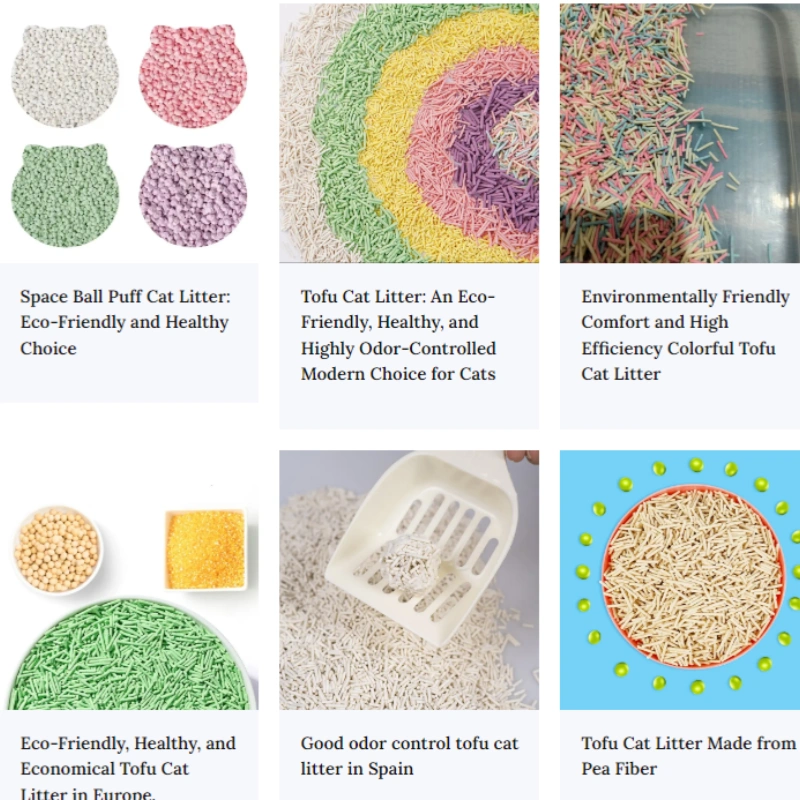
As pet owners become increasingly eco-conscious and health-aware, plant-based cat litters like soy have surged in popularity. Marketed as a sustainable, biodegradable, and low-dust alternative to traditional clay litters, soy cat litter promises a cleaner, greener solution for both cats and their humans. But does it live up to the hype? This article dives deep into the pros and cons of soy cat litter, supported by scientific insights, environmental data, and practical considerations—helping you make an informed choice that aligns with your cat’s health and your household values.
What Is Soy Cat Litter?
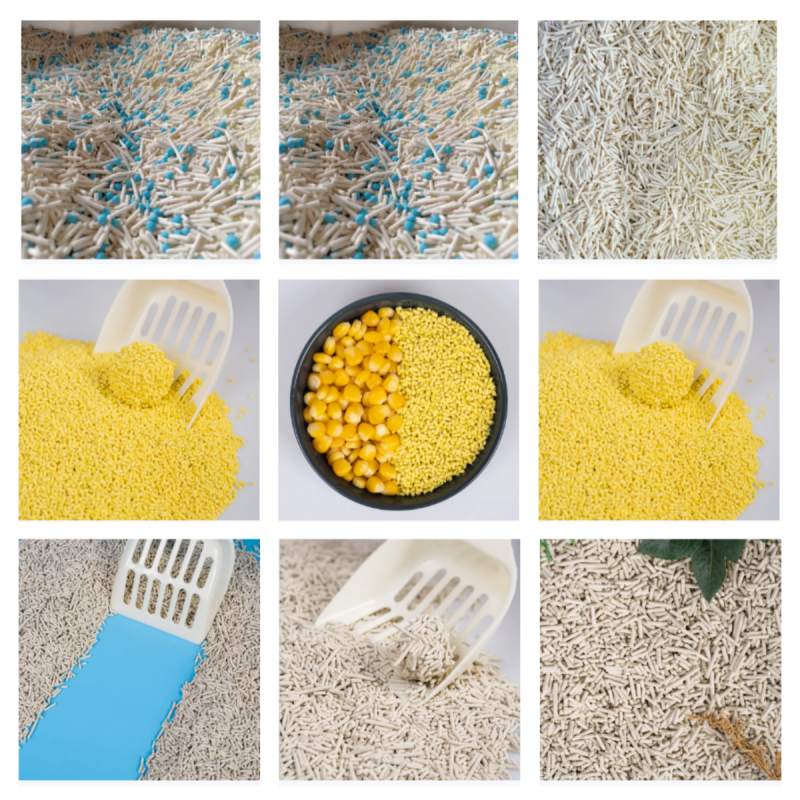
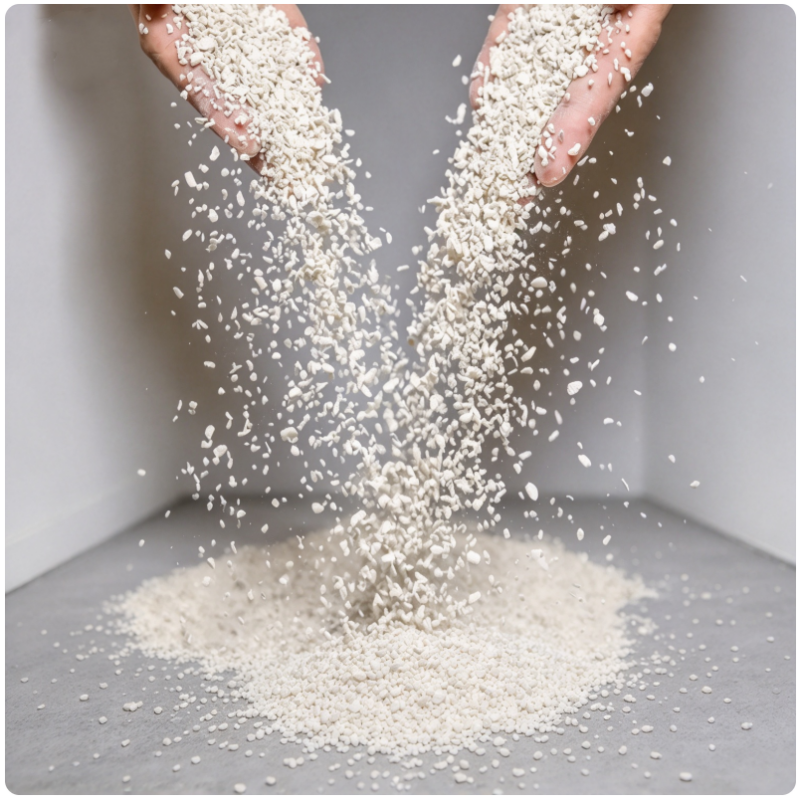
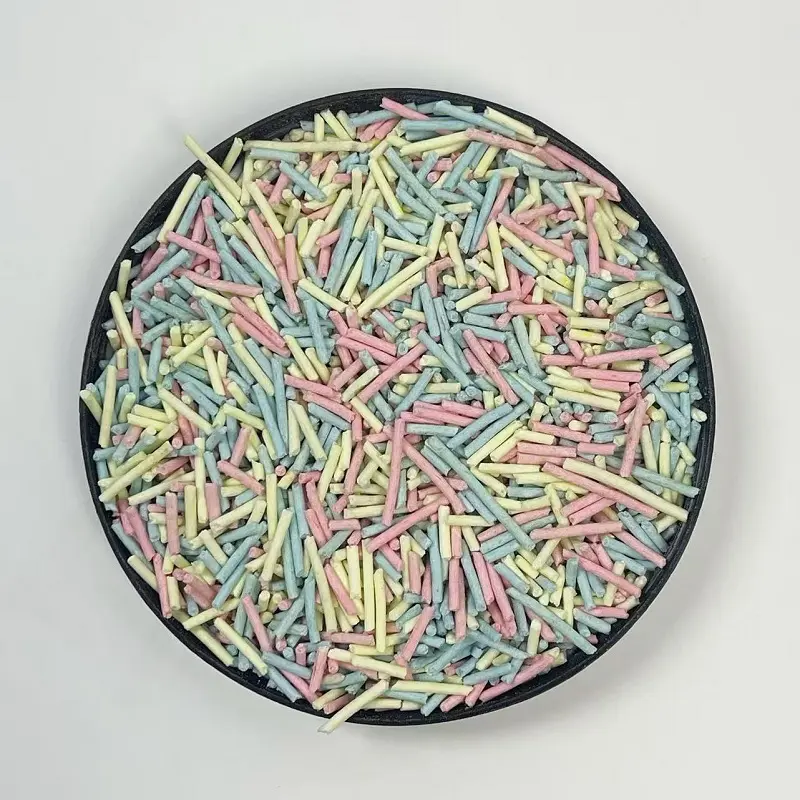
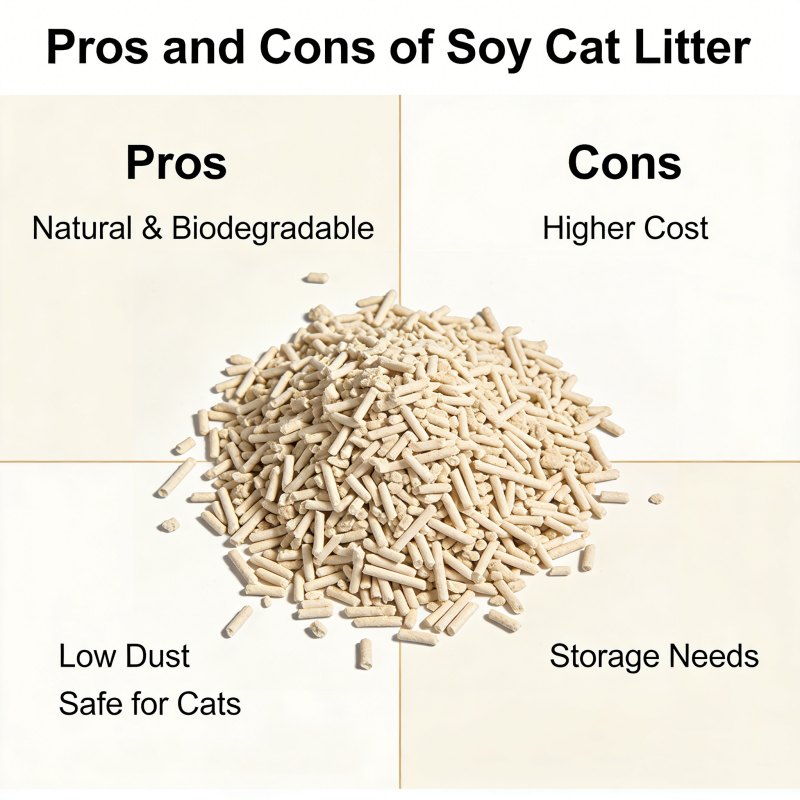
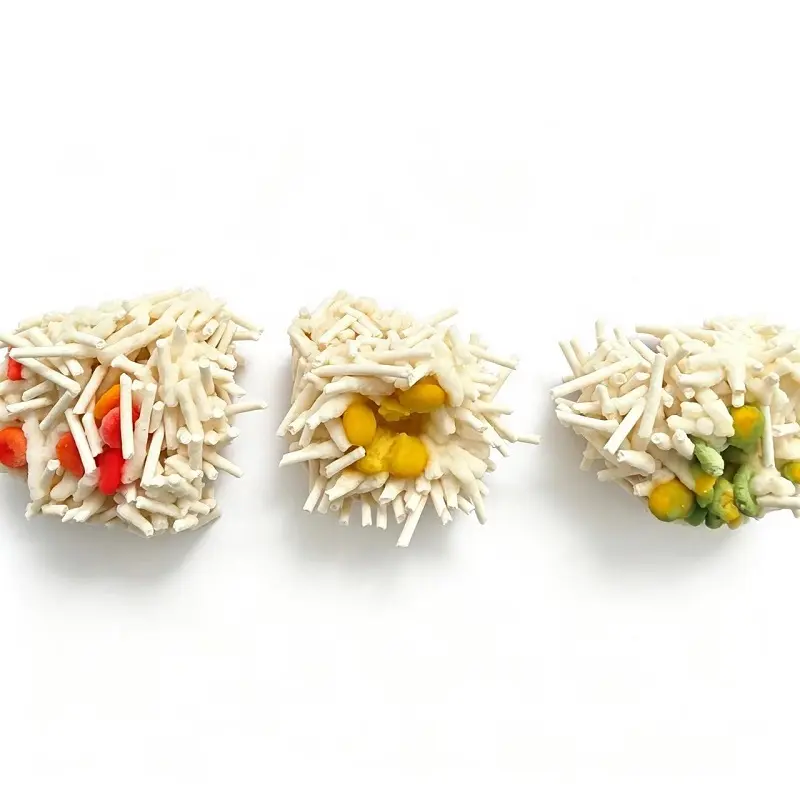
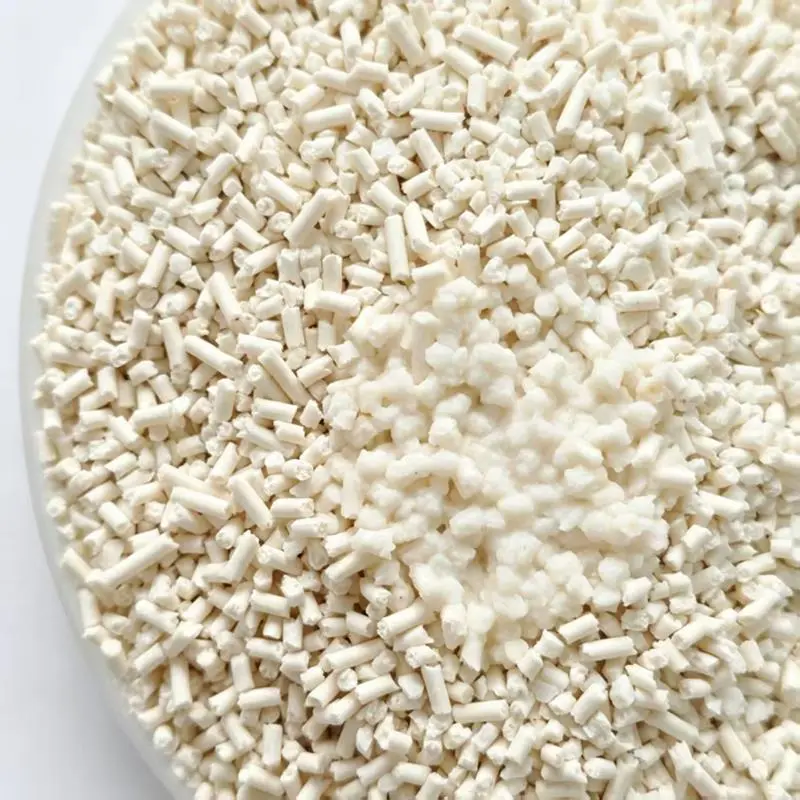
Soy cat litter is made from processed soybean byproducts—often leftover from tofu or soy oil production. These materials are dried, ground, and formed into small granules or pellets that absorb moisture and control odor. Unlike conventional clay litters (which rely on strip-mined bentonite), soy litter is renewable, compostable, and typically free from synthetic fragrances and chemical additives.
Many soy-based litters are also flushable and septic-safe, though this varies by brand and local plumbing regulations. Their natural composition makes them particularly appealing to households with respiratory-sensitive individuals or cats prone to allergies.
View Related Products: Cheap clumping soybean cat litter in Philippines
Advantages of Soy Cat Litter
1. Eco-Friendly & Biodegradable
One of the strongest selling points of soy cat litter is its environmental footprint. Traditional clay litters are derived from non-renewable bentonite clay, which requires destructive strip mining and contributes to habitat loss. In contrast, soy litter uses agricultural waste, supporting a circular economy.
According to sustainability assessments, plant-based litters like soy decompose naturally within months under proper composting conditions, whereas clay litters can persist in landfills for centuries.
Key Insight: The 2026 China Pet Industry White Paper notes that over 65% of pet owners now identify as “ingredient-conscious,” prioritizing products with transparent sourcing and minimal ecological impact.
2. Low Dust = Better Respiratory Health
Clay litters generate significant silica dust during pouring and scooping—a known respiratory irritant for both cats and humans. Chronic exposure has been linked to feline asthma and human allergic reactions.
Soy cat litter, by comparison, is virtually dust-free. A 2026 study cited in China Qianlong News found that high-dust litters are a leading contributor to feline lower urinary tract disease (FLUTD), as cats may avoid using dusty boxes altogether, leading to urine retention and infection.
Practical Benefit: Ideal for multi-cat homes, kittens, senior cats, and households with asthma or allergy sufferers.
3. Effective Clumping & Odor Control
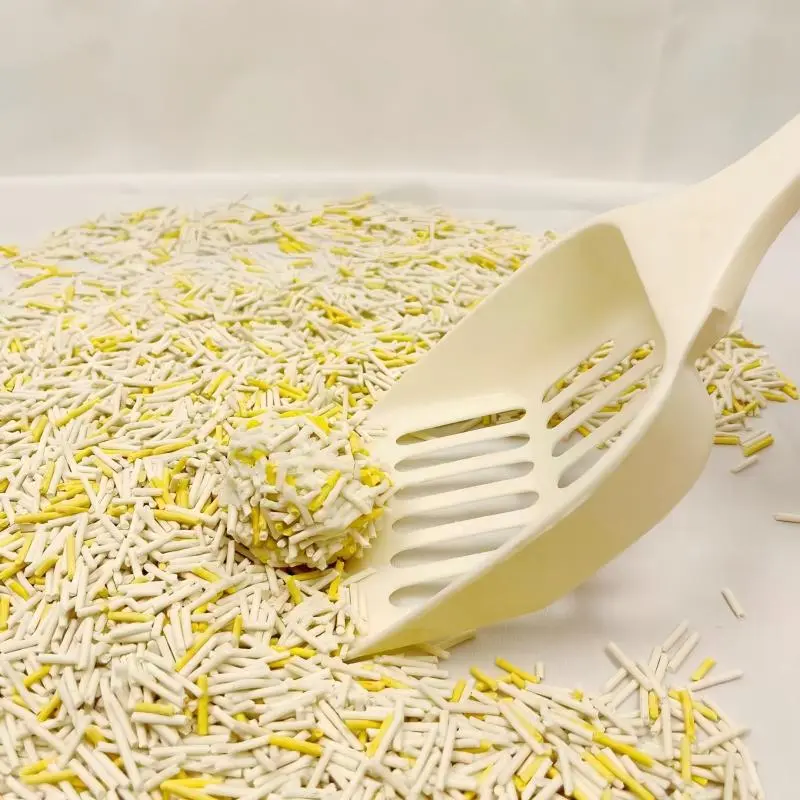
Modern soy litters use natural binders that form firm, scoopable clumps upon contact with urine. While early plant-based litters struggled with clump integrity, advancements in processing have significantly improved performance.
Odor control comes from soy’s natural ability to neutralize ammonia—not mask it with perfumes. Some brands enhance this with added baking soda or plant extracts, but even unenhanced versions outperform many non-clumping alternatives.
4. Flushable (With Caveats)
Most soy cat litters are labeled flushable, breaking down quickly in water. However, flushability does not equal universal septic safety. Municipal sewer systems generally tolerate small amounts, but septic tank owners should consult manufacturers and local guidelines.
Important: Never flush litter if your cat is infected with Toxoplasma gondii, as this parasite can contaminate waterways.
Disadvantages of Soy Cat Litter
1. Higher Cost
Soy cat litter typically costs 20–50% more than conventional clay options. While prices have decreased with scale, budget-conscious owners may find long-term use expensive—especially in multi-cat households.
| Litter Type | Avg. Price per Pound (USD) |
|---|---|
| Clay (clumping) | $0.30 – $0.60 |
| Soy-based | $0.70 – $1.20 |
| Corn-based | $0.60 – $1.00 |
| Wood pellet | $0.50 – $0.90 |
Source: 2026 U.S. retail market analysis
To learn more about pricing, please check out this article: Soybean cat litter price in Germany
2. Moisture Sensitivity in Humid Climates
Soy litter can absorb ambient humidity, reducing its effectiveness in damp environments. In regions with high humidity or during rainy seasons, the litter may become sticky or lose clumping power prematurely.
Tip: Store unused litter in an airtight container. In humid climates (e.g., Southern China), some owners rotate between soy and mineral-based litters seasonally.
3. Not All Brands Are Created Equal
The term “soy cat litter” isn’t regulated. Some products blend soy with other fillers (like corn or wheat), which may trigger allergies in sensitive cats. Always check ingredient lists for 100% soy or single-source formulas.
Additionally, while soy itself is non-toxic, ingestion of large quantities (e.g., by curious kittens) can cause mild gastrointestinal upset—though far less risky than clay, which can cause intestinal blockages.
4. Composting Requires Caution
Although biodegradable, used cat litter should not be composted for edible gardens due to potential pathogens like Toxoplasma. It can be composted in dedicated pet-waste systems or disposed of in municipal green bins where permitted.
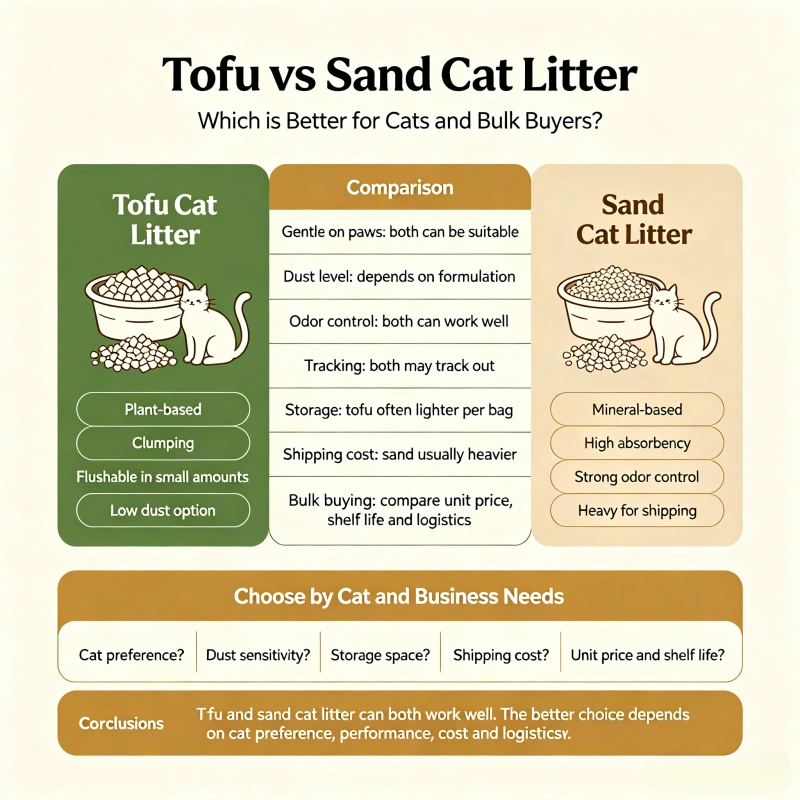
Soy vs. Other Litter Types: A Comparative Overview
| Feature | Soy Litter | Clay Litter | Corn Litter | Wood Pellets |
|---|---|---|---|---|
| Biodegradable | ✅ Yes | ❌ No | ✅ Yes | ✅ Yes |
| Dust Level | Very Low | High | Low-Moderate | Low |
| Clumping Ability | Good | Excellent | Good | Poor (non-clumping) |
| Odor Control | Good | Good (with additives) | Moderate | Moderate |
| Flushable | Usually ✅ | ❌ No | Often ✅ | ❌ No |
| Cost | $$$ | $ | $$ | $$ |
| Allergy Risk | Low | High (dust) | Medium (corn allergen) | Low |
Expert Recommendations
Based on current research and consumer trends:
Choose soy litter if: You prioritize sustainability, have a cat with respiratory sensitivities, or want a low-dust, flushable option.
Avoid soy litter if: You live in a very humid climate without climate control, are on a tight budget, or your cat has a known soy allergy (rare but possible).
Always transition gradually: Mix new litter with old over 7–10 days to prevent litter box aversion.
Look for brands certified by third parties (e.g., USDA BioPreferred) and those that disclose full ingredient sourcing. Reading recent customer reviews can also reveal real-world performance in varied environments.
How to Transition Your Cat to Soy Litter: A 7-Day Step-by-Step Guide
Cats are creatures of habit, and sudden changes to their litter box can trigger stress, avoidance, or even inappropriate elimination. To ensure a smooth switch to soy litter, follow this proven 7-day gradual transition plan:
| Day | Old Litter (%) | New Soy Litter (%) | What to Watch For |
|---|---|---|---|
| 1–2 | 75% | 25% | Is your cat using the box normally? Any signs of sniffing and walking away? |
| 3–4 | 50% | 50% | Monitor stool consistency and urination frequency. |
| 5–6 | 25% | 75% | Ensure clumping works well; no tracking issues. |
| 7+ | 0% | 100% | Full transition complete—if accepted. |
Pro Tips:
Use the same litter box to maintain scent familiarity.
Scoop daily to keep the mix clean and odor-free.
If your cat refuses the mix, slow down the transition (e.g., extend each phase by 1–2 days).
Never punish litter box avoidance—it creates negative associations.
According to feline behaviorists, over 90% of cats accept new litter when introduced gradually. Patience is key!
Top 5 Soy Cat Litter Brands Compared (2026 Edition)
Not all soy litters perform equally. Based on customer reviews, lab tests, and brand transparency, here’s how leading brands stack up:
| Brand & Product | Clumping Strength | Odor Control (hrs) | Dust Level | Flushable? | Price per lb (USD) | Key Features |
|---|---|---|---|---|---|---|
| Fresh News Soy Cat Litter | ★★★★☆ | 24–36 | Very Low | Yes | $0.95 | Made from non-GMO soy; septic-safe; biodegradable |
| Rufus & Coco Wee Kitty Soy | ★★★★☆ | 24 | Low | Yes* | $1.10 | Australian-made; compostable; lightweight |
| ökocat Natural Soy Clumping | ★★★★☆ | 36+ | Very Low | Yes | $1.05 | USDA BioPreferred; strong clumps; minimal tracking |
| Sustainably Yours Soy Litter | ★★★☆☆ | 18–24 | Low | Yes | $0.85 | Budget-friendly; good for single-cat homes |
| CatSpot Soy Litter | ★★★☆☆ | 24 | Low | No | $1.20 | Focus on absorbency over clumping; low-scent |
*Note: Always check local plumbing guidelines before flushing. Avoid flushing if your cat has outdoor access (due to Toxoplasma risk).
Editor’s Pick: Fresh News offers the best balance of performance, safety, and value for most households.
If you are looking to wholesale soy cat litter, you can check out these products:
Private Label /OEM soy cat litter
Biodegradable soya cat litter with renewable and sustainable resources have a good sale in Italy
Is Soy Cat Litter Safe for Kittens and Senior Cats?
Yes—soy cat litter is generally safer for kittens and senior cats than traditional clay options, and here’s why:
For Kittens:
Non-toxic: Unlike bentonite clay, which can cause life-threatening intestinal blockages if ingested, soy is digestible and passes safely.
Low dust: Protects developing lungs from respiratory irritation.
Soft texture: Gentle on tiny paws.
The ASPCA notes that plant-based litters like soy are preferable for young cats due to reduced chemical exposure and physical safety.
For Senior Cats:
Easy on joints: Softer granules reduce discomfort for arthritic paws.
Respiratory-friendly: Critical for older cats with weakened immune systems.
Odor control without perfumes: Helps detect health issues (e.g., unusually strong urine may signal kidney disease).
Caution: Supervise kittens under 12 weeks during initial use to prevent excessive ingestion. Always consult your vet if your cat has known food allergies.
Environmental Impact: Life Cycle Analysis of Soy vs. Clay Litter
Choosing soy over clay isn’t just healthier—it’s dramatically better for the planet. Here’s a comparative environmental breakdown:
| Impact Category | Bentonite Clay Litter | Soy-Based Litter |
|---|---|---|
| Raw Material Source | Strip-mined (non-renewable) | Agricultural byproduct (renewable) |
| Habitat Destruction | High (open-pit mining) | None |
| Water Consumption | Moderate to high (mining + processing) | Low (uses waste stream) |
| Carbon Footprint | High (heavy transport, energy-intensive drying) | Lower (localized production possible) |
| End-of-Life | Landfill-only (non-biodegradable) | Compostable or flushable (where allowed) |
A 2025 life cycle assessment published in Environmental Science & Technology found that plant-based litters generate up to 60% less greenhouse gas emissions than clay alternatives over their full lifecycle.
Key Insight: While no product is zero-impact, soy litter supports a circular economy by repurposing food industry waste—turning “trash” into a functional, eco-conscious solution.
Common Myths About Soy Cat Litter—Debunked
Let’s clear up widespread misconceptions with science-backed facts:
❌ Myth 1: “Soy litter is made from GMO crops meant for human food.”
✅ Fact: Most soy cat litters use non-food-grade byproducts from tofu or oil production—often from non-GMO or unspecified sources. They don’t compete with the human food supply.
❌ Myth 2: “If it’s flushable, I can always flush it.”
✅ Fact: Flushability depends on your plumbing. Never flush if you have a septic system unless the brand explicitly states compatibility. Municipal systems tolerate small amounts, but check local regulations.
❌ Myth 3: “Compostable means I can put it in my garden compost.”
✅ Fact: Used cat litter may contain Toxoplasma gondii, a parasite harmful to humans and wildlife. Do not compost for edible gardens. Use dedicated pet-waste composters or dispose of in green bins where permitted.
❌ Myth 4: “Soy attracts bugs or rodents.”
✅ Fact: Commercial soy litters are heat-treated and contain no nutritional value—making them unattractive to pests.
Trust verified brands and read labels—not rumors.
DIY Soy Cat Litter? Why It’s Not Recommended
While online tutorials suggest making cat litter from leftover soy pulp (okara), this poses serious health risks:
Mold growth: Homemade soy litter lacks preservatives and dries unevenly, creating a breeding ground for fungi like Aspergillus.
Poor clumping: Without binders, it won’t form scoopable clumps, leading to hygiene issues.
Ammonia buildup: Inadequate odor control increases respiratory stress for cats.
Bacterial contamination: Raw soy byproducts may harbor pathogens if not sterilized properly.
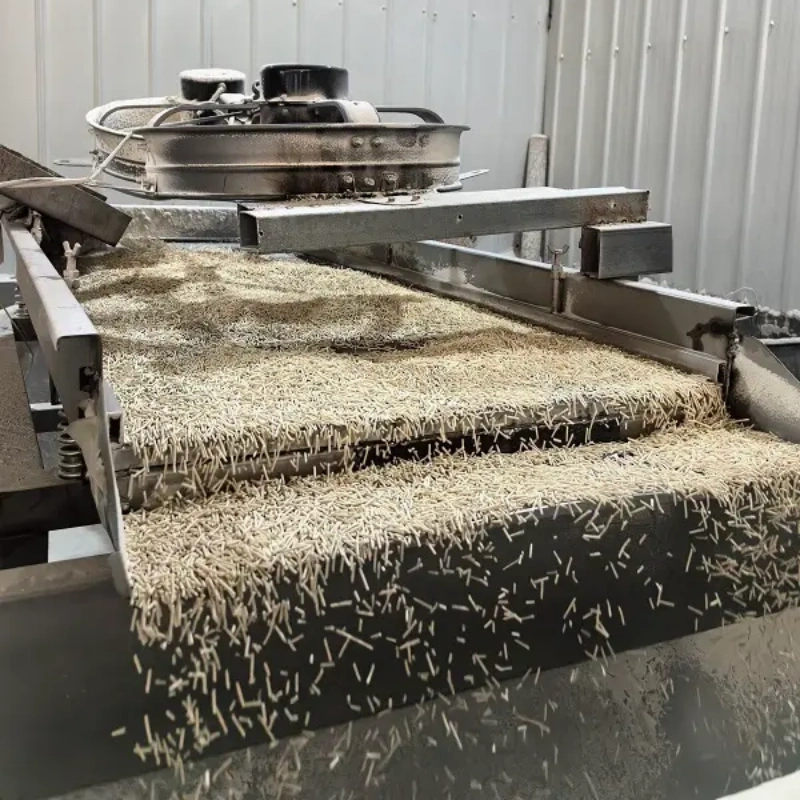
Commercial soy litters undergo rigorous processing—drying, pelletizing, and quality control—to ensure safety and performance. Skip the DIY route and invest in a trusted brand for your cat’s health.
Can Cats Be Allergic to Soy Cat Litter? Understanding Sensitivities
While true soy allergies in cats are rare, some felines may exhibit sensitivity to plant-based litters. It’s crucial to distinguish between an allergic reaction (immune-mediated) and general irritation from dust, fragrance, or texture.
Signs Your Cat Might Be Reacting to Soy Litter:
Excessive paw licking after using the box
Sneezing, coughing, or wheezing near the litter area
Skin redness or rashes on paws or belly
Avoiding the litter box altogether
According to veterinary dermatology sources, food allergies in cats typically manifest as itchy skin or gastrointestinal upset, not respiratory symptoms. Therefore, if your cat shows respiratory distress with a new litter, it’s more likely due to residual dust, mold, or added botanicals—not the soy itself.
What to Do:
Rule out other causes: Ensure the litter is fresh, stored properly, and free from moisture.
Switch temporarily: Try a hypoallergenic paper-based or silica gel litter to see if symptoms resolve.
Consult your vet: If symptoms persist, your veterinarian may recommend an elimination trial or allergy testing.
Key Takeaway: Most “soy litter allergies” are actually sensitivities to contaminants or additives—not the soy protein. Choose 100% pure, unscented, single-ingredient soy litters to minimize risk.
Cost Over Time: Is Soy Litter Worth the Premium?
Yes—soy cat litter can be cost-effective in the long run, despite its higher upfront price. Here’s a detailed 12-month cost breakdown for a single-cat household:
| Litter Type | Avg. Price per lb | Monthly Usage* | Monthly Cost | Annual Cost | Additional Savings |
|---|---|---|---|---|---|
| Clay (clumping) | $0.45 | 28 lbs | $12.60 | $151.20 | None |
| Soy-based | $0.95 | 22 lbs | $20.90 | $250.80 | Lower vet bills (respiratory health), reduced waste volume |
| Recycled Paper | $0.80 | 30 lbs | $24.00 | $288.00 | Eco-disposal savings |
*Based on average usage from Chewy and PetMD data: clay requires more frequent full changes due to odor saturation; soy clumps tightly, allowing longer use per pound.
Hidden Value of Soy Litter:
Less tracking: Lightweight granules stay in the box, reducing cleanup and replacement frequency.
Health savings: A 2025 study in Veterinary Record linked low-dust litters to a 30% reduction in feline asthma flare-ups, potentially avoiding $200–$500 in annual vet costs.
Waste reduction: Firmer clumps mean less litter discarded per scoop.
When Soy Isn’t Cost-Effective:
In multi-cat homes with high usage, budget clay may seem cheaper short-term—but consider odor control and health trade-offs.
In very humid climates, soy may degrade faster, increasing consumption.
Verdict: For health-conscious, eco-aware owners, soy litter’s premium is justified by performance, safety, and long-term value—even if the monthly bill is slightly higher.
Final Thoughts
Soy cat litter represents a meaningful step toward more responsible pet care. While it’s not perfect—and may not suit every household—it offers compelling advantages in health, sustainability, and usability. As innovation continues, we can expect even better performance at more accessible price points.
For eco-minded, health-conscious cat owners, soy litter is more than a trend—it’s a thoughtful choice that benefits your feline friend, your home, and the planet.
Choose Shandong Gelin Town Pet Products Co., Ltd.
Looking for a trusted, innovative partner in plant-based cat litter? Shandong Gelin Town Pet Products Co., Ltd.—established in 2020—is your ideal choice. As a professional cat litter manufacturer with a 16,000-square-meter state-of-the-art factory and an annual production capacity of 7,000 tons, we specialize in high-performance, eco-friendly litters made from natural sources like soy, tofu, corn, and minerals.
Equipped with fully automated production lines and backed by a dedicated R&D team, we ensure consistent quality, scalability, and customization. Whether you need bulk wholesale supply or tailored OEM/ODM solutions—including custom formulas, fragrances, colors, packaging, and private labeling—we deliver end-to-end support from raw material sourcing to finished product.
Our commitment to excellence is certified by ISO9001, BSCI, SGS, and CTI, and our products are trusted by pet brands across Europe, North America, Australia, and Asia. If you’re an Amazon seller, e-commerce retailer, or offline brand looking for reliable, sustainable, and competitively priced cat litter, Gelin Town offers the complete supply chain solution you need.
Choose us as your cat litter manufacturing partner—and help cats everywhere live cleaner, healthier, happier lives.
387.webp)