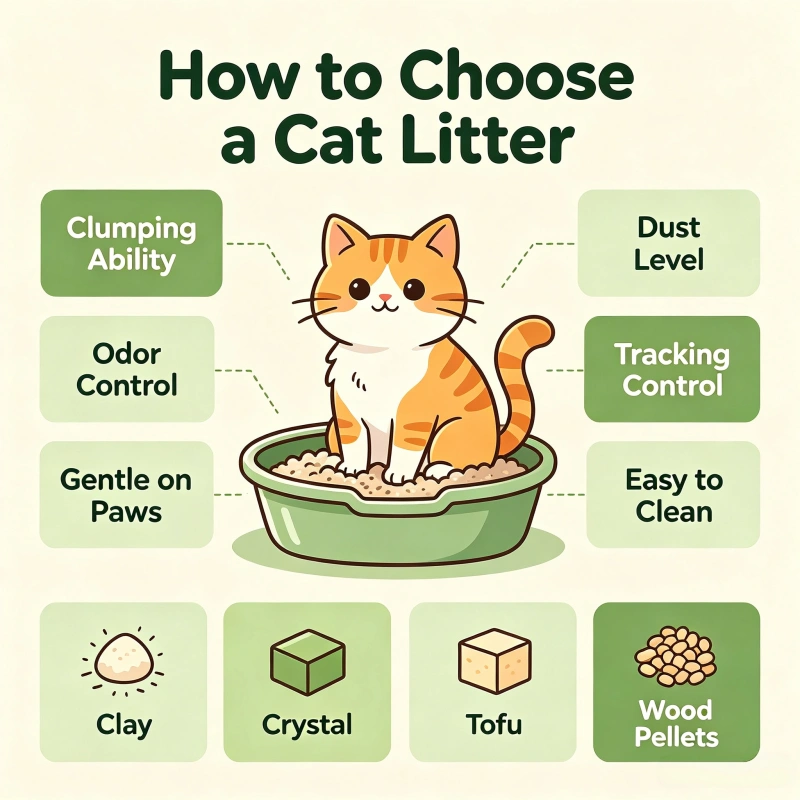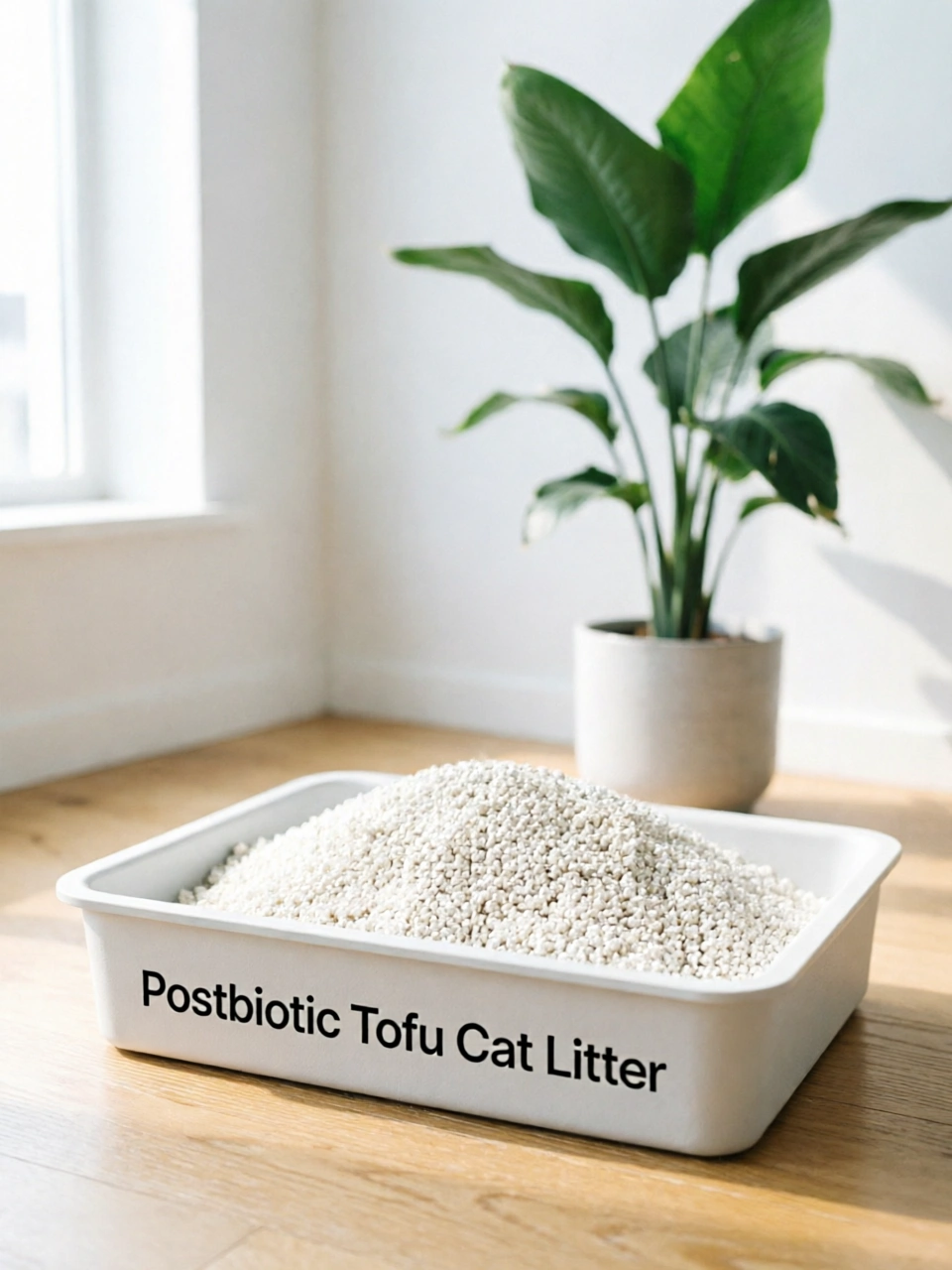
Choosing the right cat litter is more important than many pet owners realize. It affects not only your cat’s comfort and health but also your home’s cleanliness, odor control, and environmental impact. Among the most popular eco-friendly options today are tofu cat litter and pine litter.
But which one is better?
In this comprehensive guide, we will compare tofu vs pine litter in detail—covering materials, performance, odor control, clumping ability, safety, cost, and real-life usability—so you can make the best decision for your cat and your home.
What Is Tofu Cat Litter?
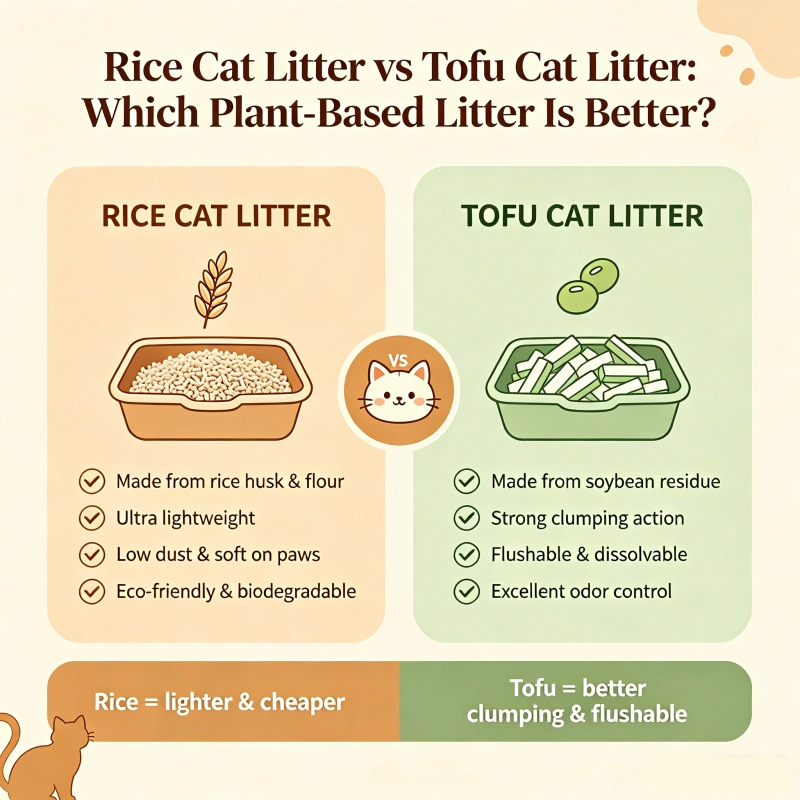
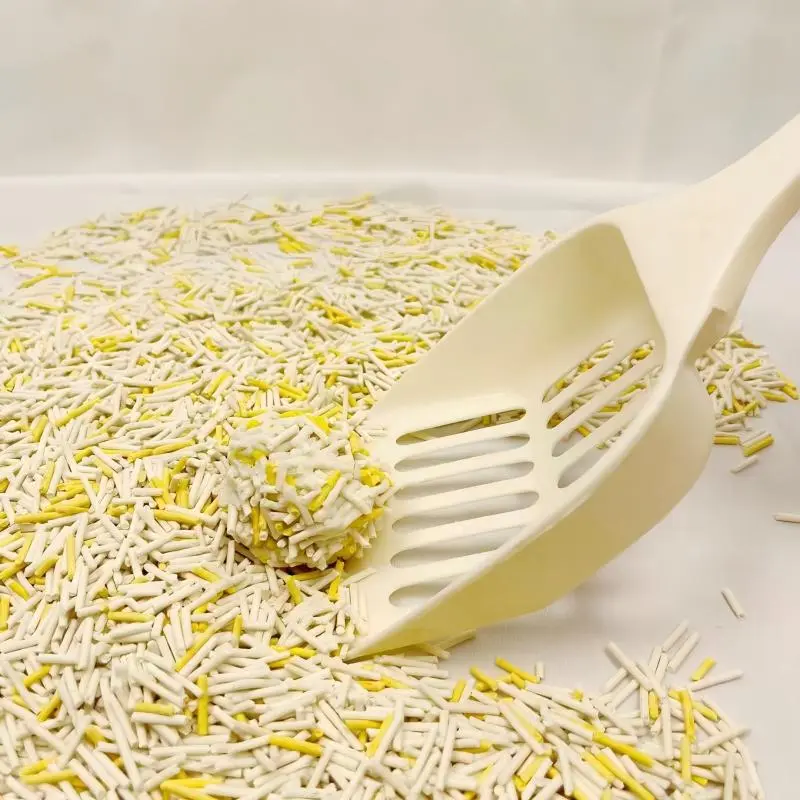
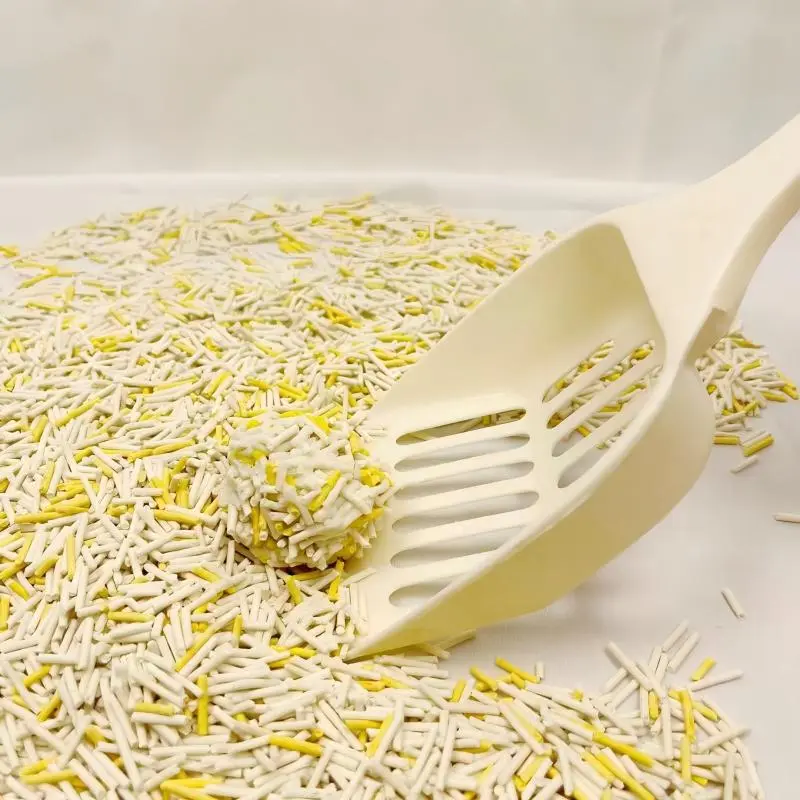
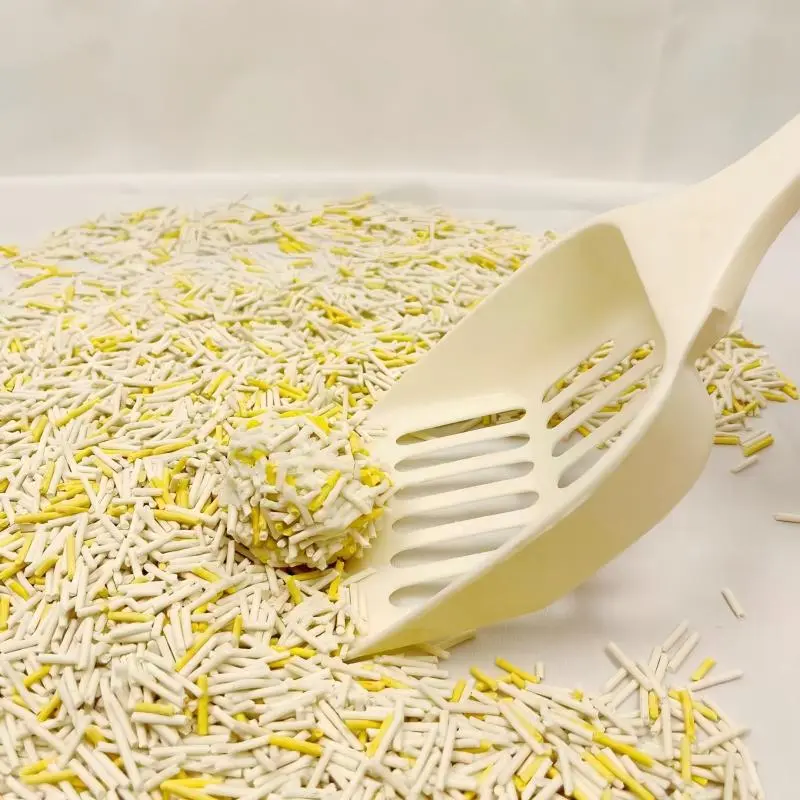
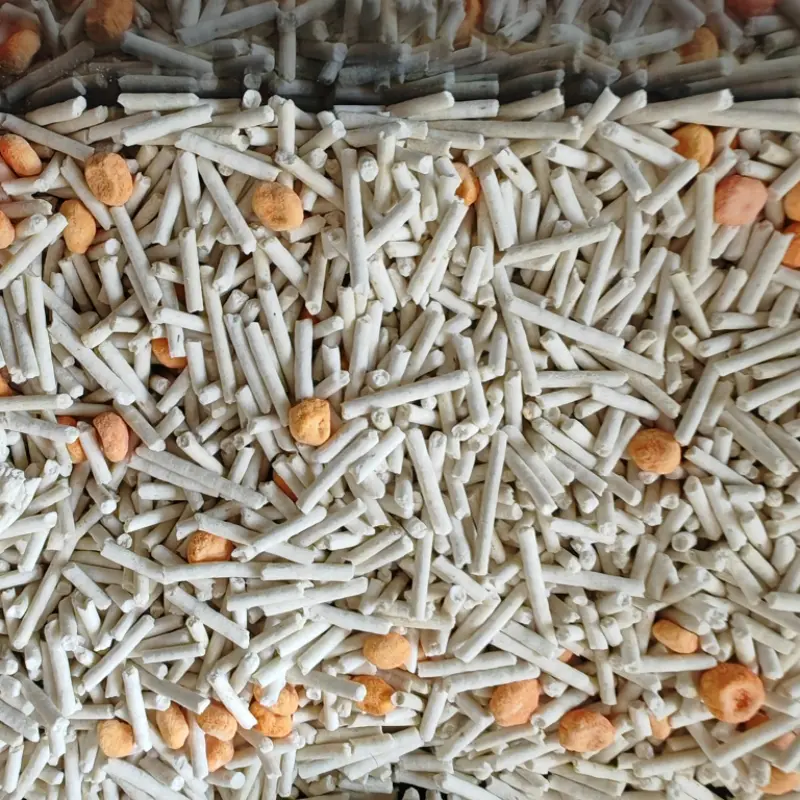
Tofu cat litter is made from soybean byproducts, typically tofu residue (soy pulp) combined with natural binders such as starch.
Key Features of Tofu Litter
100% biodegradable and eco-friendly
Excellent clumping ability
Low dust production
Often flushable (in small amounts)
Mild, natural scent
Tofu litter is especially popular among pet owners who prioritize convenience and cleanliness.
What Is Pine Cat Litter?
Pine litter is made from compressed pine wood fibers or pellets, often sourced from recycled lumber or sawdust.
Key Features of Pine Litter
Natural wood-based material
Strong odor control from pine oils
Available in pellet or granular form
Biodegradable and compostable
Typically non-clumping (pellet form)
Pine litter is widely appreciated for its natural smell and affordability.
Tofu vs Pine Litter: Quick Comparison Table
| Feature | Tofu Litter | Pine Litter |
|---|---|---|
| Material | Soybean residue | Pine wood |
| Clumping | Strong clumping | Usually non-clumping |
| Odor Control | Good | Excellent (natural pine scent) |
| Dust Level | Very low | Low to moderate |
| Flushable | Yes (most types) | No |
| Tracking | Low | Moderate |
| Eco-Friendliness | High | High |
| Cost | Medium to high | Low to medium |
Material and Environmental Impact
Tofu Litter
Tofu litter is made from food-grade byproducts, making it:
Renewable
Compostable
Safe for pets and humans
It reuses waste from tofu production, reducing environmental impact.
Pine Litter
Pine litter is derived from:
Recycled wood
Sustainably sourced timber
It is also biodegradable but may involve more processing depending on the brand.
Verdict
Both are eco-friendly, but tofu litter has a slight edge due to its use of food industry waste and lower processing requirements.
Clumping Ability and Cleaning Convenience
Tofu Litter
Forms tight, solid clumps
Easy to scoop and remove
Keeps litter box cleaner for longer
Pine Litter
Pellet form breaks into sawdust when wet
Requires sifting rather than scooping
Cleaning process can be less convenient
Verdict
If you value convenience, tofu litter wins clearly due to its superior clumping ability.
Odor Control Performance
Tofu Litter
Absorbs moisture effectively
Controls odor well
Some varieties include natural deodorizing agents
Pine Litter
Contains natural pine oils
Strong odor-neutralizing properties
Produces a fresh wood scent
Verdict
For odor control alone, pine litter is slightly better, especially in multi-cat households.
Dust and Air Quality
Tofu Litter
Ultra-low dust
Ideal for cats with respiratory issues
Cleaner for indoor environments
Pine Litter
Low dust in pellet form
Some dust when pellets break down
Verdict
Tofu litter is better for air quality, especially in smaller living spaces.
Tracking and Cleanliness
Tofu Litter
Minimal tracking
Small particles may stick slightly to paws
Pine Litter
Pellets are larger but can scatter
Sawdust may spread outside the box
Verdict
Both have tracking issues, but tofu litter is generally cleaner.
Safety for Cats and Humans
Tofu Litter
Non-toxic and edible (in small amounts)
Safe for kittens
No harmful chemicals
Pine Litter
Generally safe
Natural pine oils may irritate very sensitive cats (rare)
Verdict
Both are safe, but tofu litter is slightly safer for sensitive pets.
Flushability and Disposal
Tofu Litter
Flushable in small quantities
Dissolves quickly in water
Convenient for apartment living
Pine Litter
Not flushable
Must be disposed of in trash or compost
Verdict
Tofu litter wins for convenience, especially for urban users.
Cost Comparison
Tofu Litter
Higher upfront cost
Longer-lasting due to clumping efficiency
Pine Litter
Lower cost
Widely available and budget-friendly
Verdict
Pine litter is more economical, especially for multiple cats.
Longevity and Usage Efficiency
Tofu Litter
Clumping reduces waste
Requires less frequent full replacement
Pine Litter
Needs complete replacement more often
Pellets break down quickly
Verdict
Tofu litter offers better long-term efficiency, despite higher initial cost.
Cat Preference and Adaptation
Tofu Litter
Soft texture similar to traditional clay litter
Easier for cats to adapt
Pine Litter
Hard pellets may feel unfamiliar
Some cats resist switching
Verdict
Tofu litter is more cat-friendly, especially for picky cats.
Pros and Cons Summary
Tofu Litter Pros
Excellent clumping
Low dust
Flushable
Cat-friendly texture
Long-lasting
Tofu Litter Cons
Higher price
Slight tracking
Pine Litter Pros
Strong odor control
Affordable
Natural scent
Eco-friendly
Pine Litter Cons
Non-clumping
Less convenient cleaning
Not flushable
Which One Should You Choose?
Choose Tofu Litter If You:
Want easy cleaning and clumping
Live in an apartment
Prefer flushable options
Have a picky or sensitive cat
Choose Pine Litter If You:
Want the best odor control
Are on a budget
Prefer a natural wood scent
Don’t mind more manual cleaning
Expert Recommendation
For most modern households, tofu litter is the better all-around choice due to:
Convenience
Cleanliness
Cat acceptance
Low dust
However, pine litter remains an excellent budget-friendly option, especially for owners who prioritize odor control.
Final Verdict: Tofu vs Pine Litter
Both tofu and pine litter are excellent eco-friendly alternatives to traditional clay litter, but they serve different needs:
Tofu litter: Best for convenience, cleanliness, and modern living
Pine litter: Best for odor control and affordability
If you want a hassle-free experience and a happier cat, tofu litter is the superior choice for most users.
Conclusion
Choosing between tofu vs pine litter ultimately depends on your priorities—whether it’s cost, convenience, odor control, or environmental impact.
By understanding the strengths and weaknesses of each option, you can select the litter that best fits your lifestyle and ensures your cat stays comfortable and healthy.
A small change in litter choice can make a big difference—not just for your pet, but for your daily routine as well.
387.webp)
122.webp)