Choosing the right cat litter is more than just a matter of convenience—it’s a decision that impacts your cat’s health, your home’s cleanliness, and even the environment. With a dizzying array of options on the market, two types consistently stand out: cereal-based cat litter (often made from corn, wheat, or other grains) and bentonite cat litter (a type of clay). This article will break down the key differences between these two popular choices, helping you make an informed decision that aligns with your values and your feline friend’s needs.
What Are Cereal and Bentonite Cat Litters?
Before we dive into the comparison, let’s clarify what each type is.
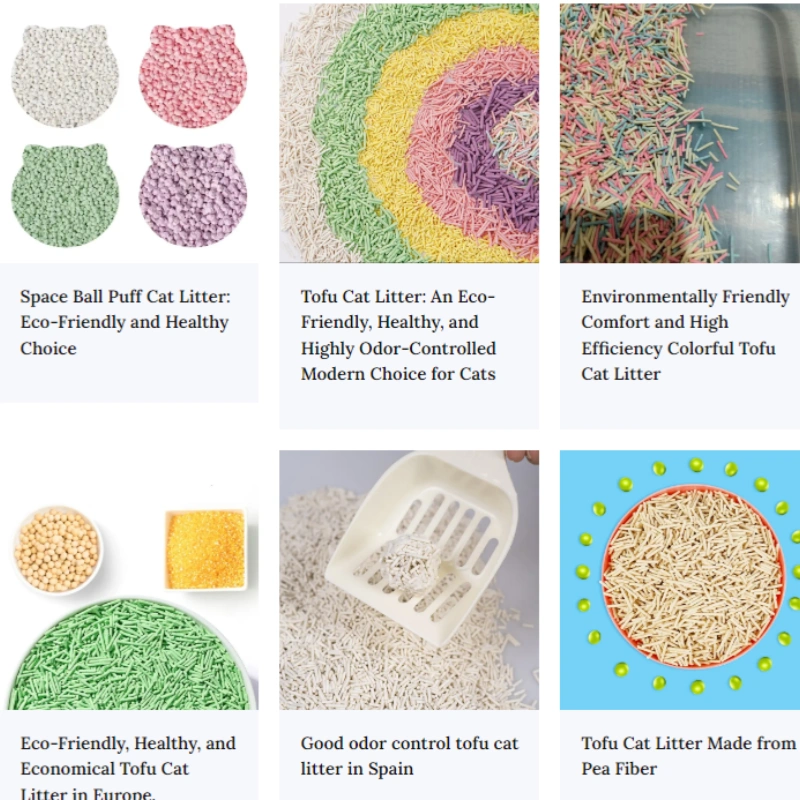
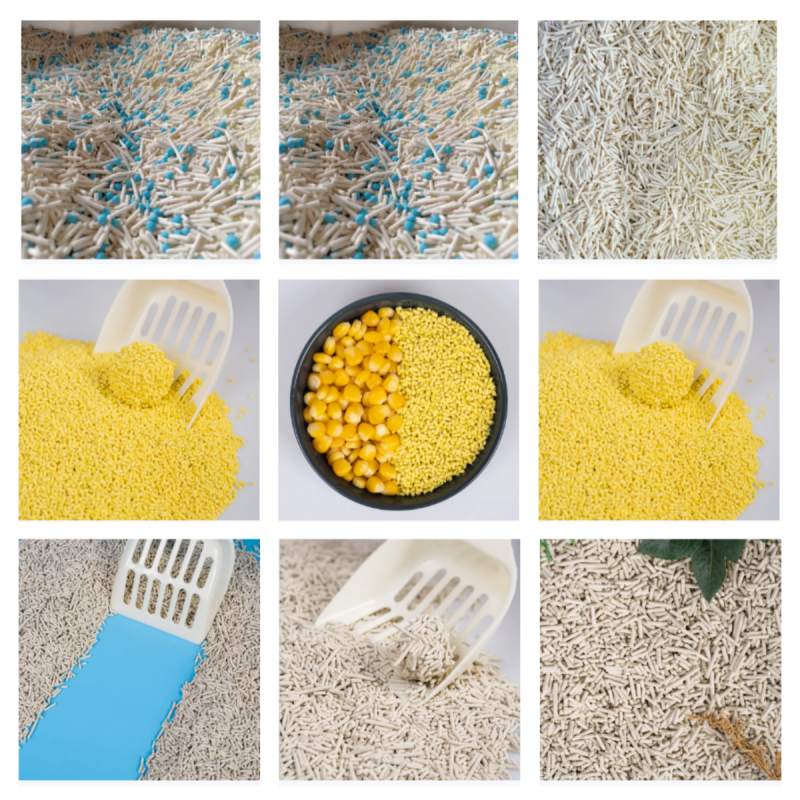
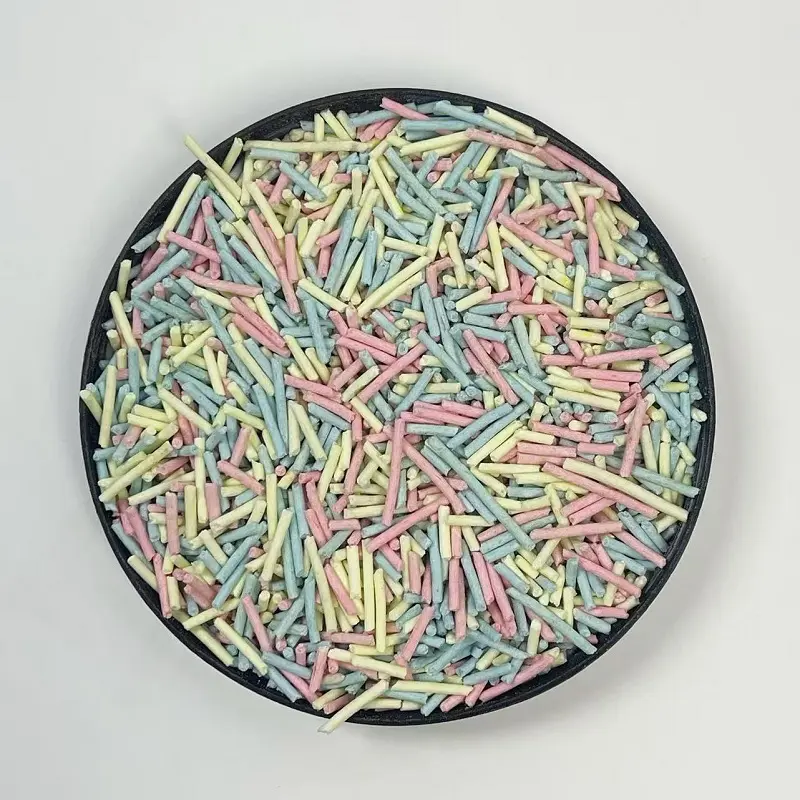
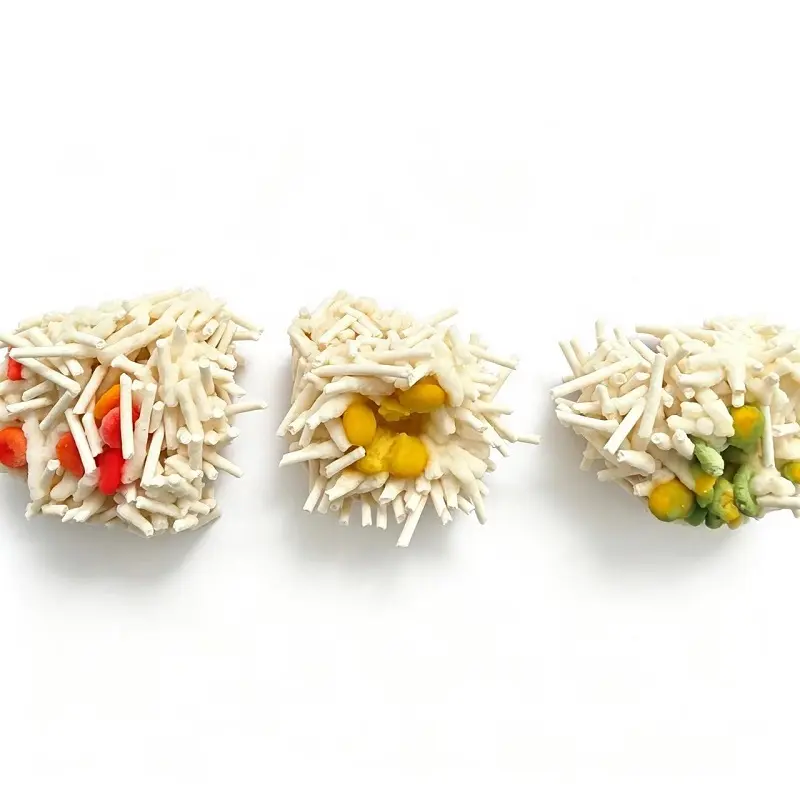
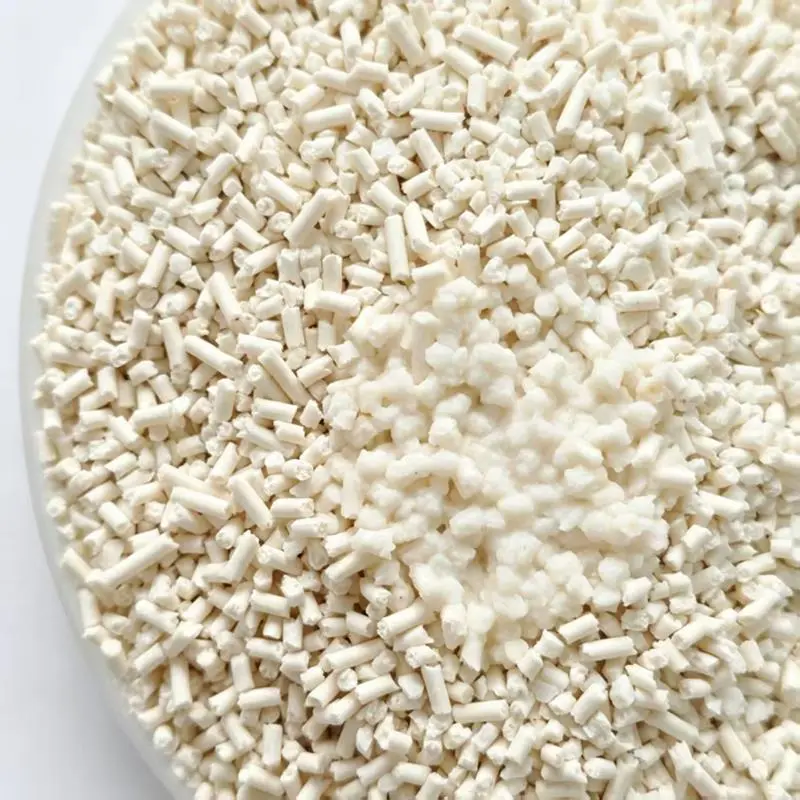
Cereal Cat Litter: This is a plant-based litter typically made from ground-up corn, wheat, or other cereal grains. It’s often marketed as “natural,” “biodegradable,” or “flushable.” The production process involves compressing these natural materials into small granules that are highly absorbent.
View related products: Health and environmental friendliness Cereal cat litter United States
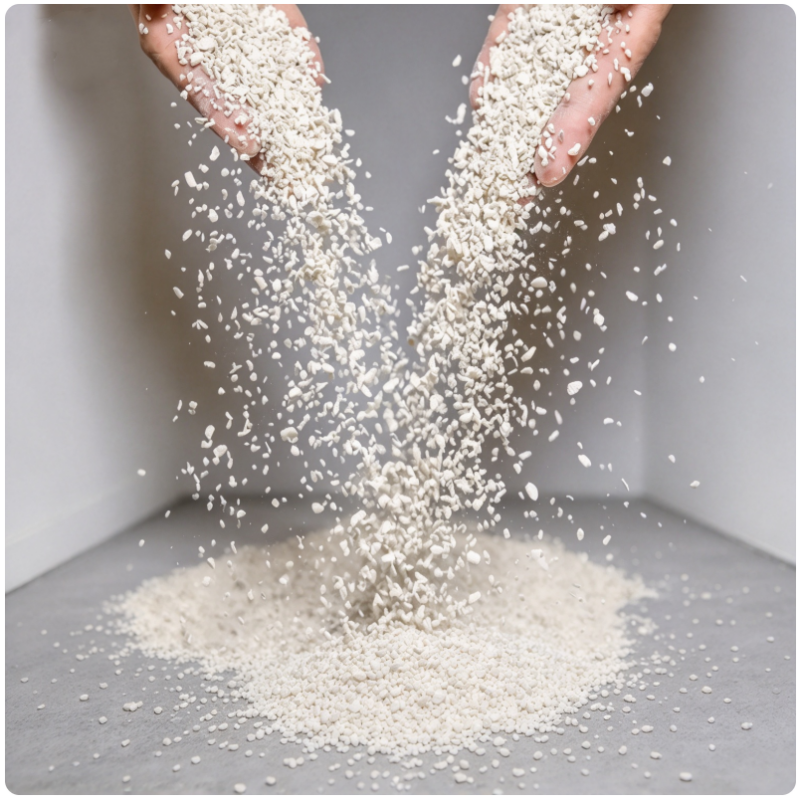
Bentonite Cat Litter: Also known as clumping clay litter, this is made from sodium bentonite, a type of volcanic ash that swells and forms hard clumps when it comes into contact with moisture. It’s been the dominant choice in the market for decades due to its powerful clumping ability and odor control.
Performance Comparison: Clumping, Odor Control, and Dust
The core function of any cat litter is to manage waste effectively. Here’s how the two stack up.
1. Clumping Ability
Bentonite: This is where bentonite truly shines. Upon contact with urine, it forms rock-solid clumps that are easy to scoop out, leaving the rest of the litter clean and dry. This makes daily maintenance quick and efficient.
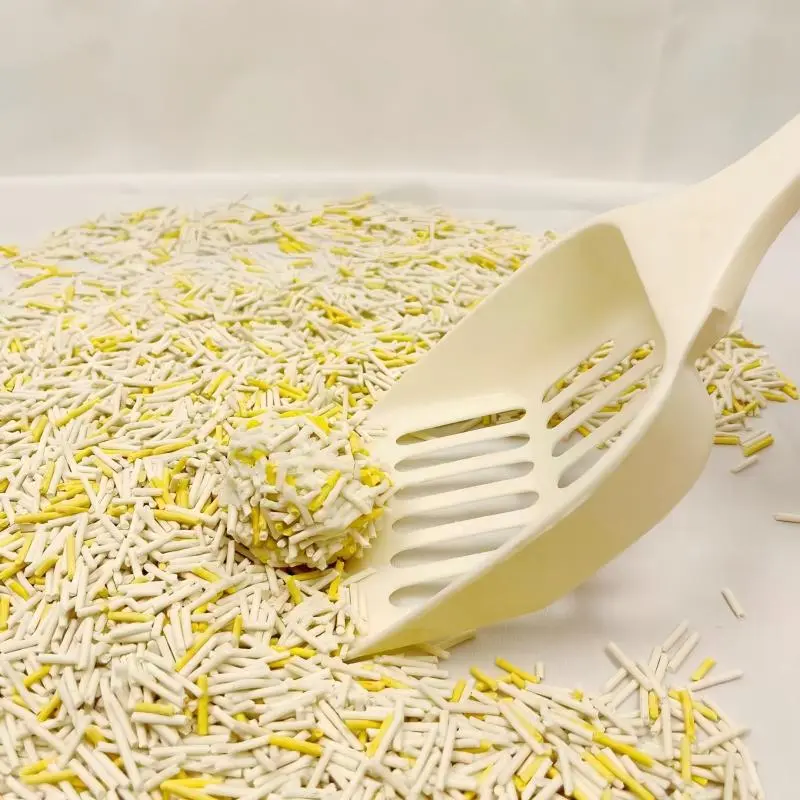
Cereal: Cereal litters also clump, but their clumps are generally softer and more fragile. While they hold together well enough for scooping, they can sometimes break apart, especially if the litter box isn’t scooped frequently. However, newer formulations have significantly improved in this area.
2. Odor Control
Bentonite: Bentonite has excellent natural odor-absorbing properties. Many commercial bentonite litters are also enhanced with activated carbon or baking soda for even stronger deodorizing power.
Cereal: Plant-based litters control odors through absorption and natural enzymatic action. They often have a mild, earthy scent that many owners find pleasant. While they may not neutralize strong ammonia smells as aggressively as bentonite, they are effective for most households, especially with regular cleaning.
3. Dust Levels
Bentonite: Traditional bentonite litters can be quite dusty, which is a major concern for cats with respiratory sensitivities and for owners with allergies. However, many premium brands now offer “low-dust” or “99% dust-free” versions.
Cereal: One of the biggest advantages of cereal litter is its very low dust level. The natural fibers produce minimal airborne particles, making it a healthier choice for both pets and people.
You can also read this article to learn about the pros and cons of cereal cat litter: Cereal cat litter pros and cons
Health and Safety Considerations
Your cat’s safety is paramount, and the type of litter you choose can play a role.
Ingestion Risk: Cats, especially kittens, sometimes ingest small amounts of litter while grooming. Bentonite is not digestible and can cause internal blockages if consumed in large quantities. In contrast, cereal litters are made from food-grade ingredients, making them much safer if accidentally ingested.
Respiratory Health: As mentioned, the dust from bentonite can irritate a cat’s lungs. For cats with asthma or other respiratory conditions, a low-dust cereal litter is a far better option.
Tracking: Both types can be tracked outside the litter box, but the lightweight nature of some cereal litters can make them slightly more prone to being carried on paws. Using a good quality litter mat can solve this issue for either type.
Environmental Impact: A Critical Difference
This is perhaps the most significant point of divergence between the two.
Bentonite: Bentonite is a finite mineral resource that is mined from the earth. The mining process is environmentally disruptive, leading to habitat destruction and landscape scarring. Furthermore, used bentonite litter is not biodegradable and must be disposed of in landfills, where it will sit indefinitely.
Cereal: Cereal litters are made from renewable, annually harvested crops. They are fully biodegradable and compostable (in non-septic systems). Many are also flushable in small quantities, though it’s always wise to check local wastewater guidelines and your specific product’s instructions before doing so. This eco-friendly profile is a major reason for the growing popularity of plant-based litters.
Cost and Value
Upfront Cost: Bentonite litter is generally less expensive to purchase upfront than premium cereal litter.
Long-Term Value: However, cereal litters are often more absorbent by weight, meaning you might use less over time. Their lighter weight can also translate to lower shipping costs. When considering performance, health benefits, and environmental impact, many owners find the higher initial cost of cereal litter to be a worthwhile investment.
Comparative Overview Table
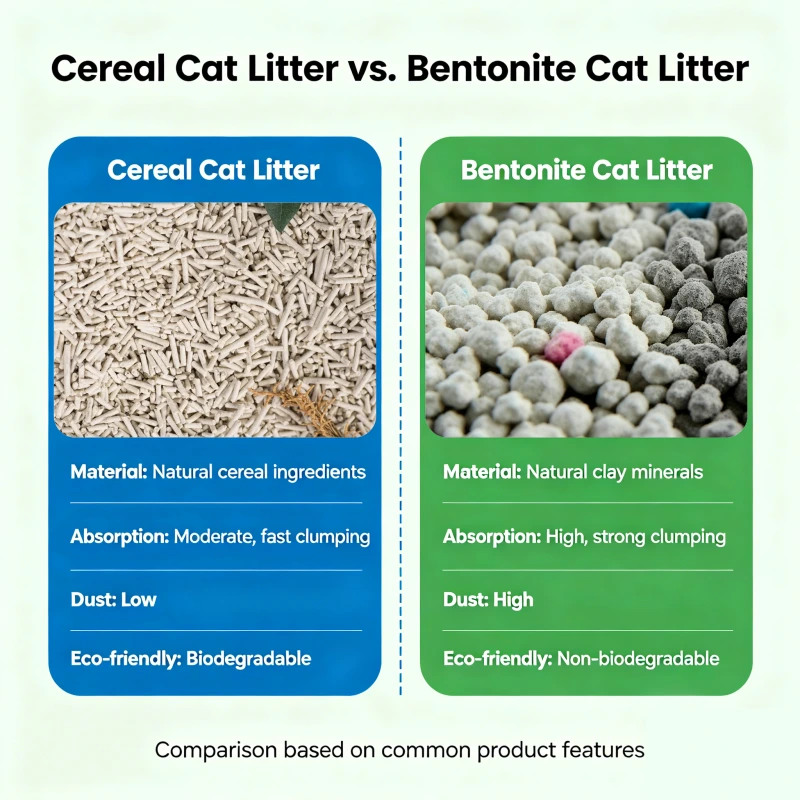
| Feature | Cereal Cat Litter | Bentonite Cat Litter |
|---|---|---|
| Primary Material | Corn, wheat, or other grains | Sodium bentonite (clay) |
| Clumping | Good, soft clumps | Excellent, hard, rock-solid clumps |
| Odor Control | Good, natural enzymatic action | Excellent, often enhanced with carbon |
| Dust Level | Very Low | Moderate to High (low-dust options available) |
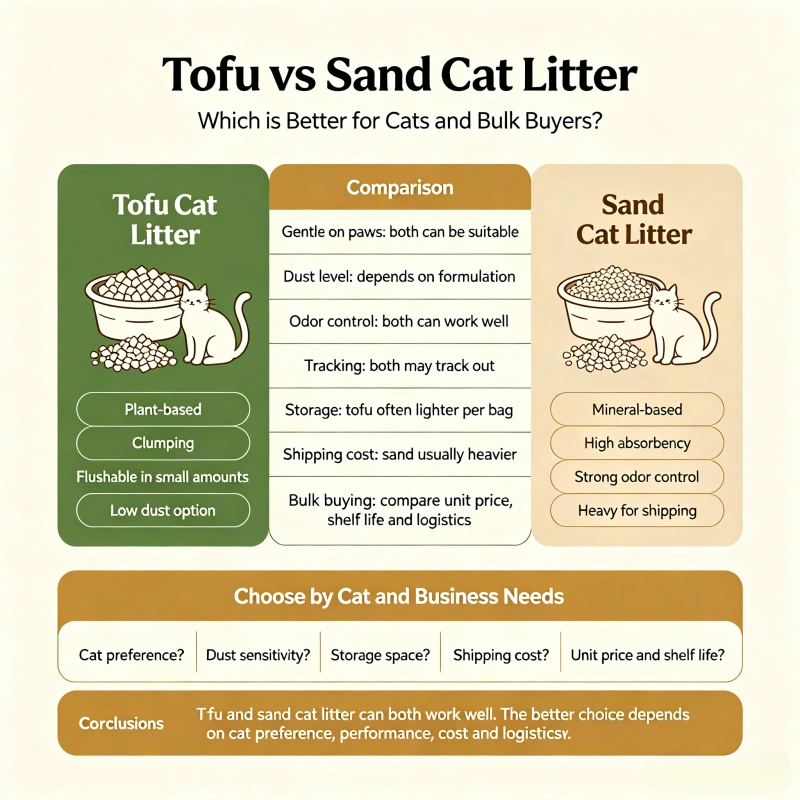
| Flushable | Yes (check local guidelines) | No |
| Biodegradable | Yes | No |
| Ingestion Safety | Safe (food-grade) | Risk of blockage |
| Environmental Impact | Low (renewable, biodegradable) | High (mining, non-biodegradable) |
| Typical Price | Higher | Lower |
Real-World User Experience & Common Complaints
While product specifications matter, real-life usage often reveals nuances that lab tests can’t capture. Many cat owners report that bentonite litter tends to stick to their cats’ paws, leading to noticeable tracking throughout the home—especially on light-colored floors or carpets. This not only creates extra cleaning but can also be frustrating for those seeking a low-maintenance solution.
On the other hand, some users of cereal-based litters note that if the product is stored in a humid environment—like a bathroom without proper ventilation—it may absorb moisture from the air and become prone to mold or clumping in the bag. The key takeaway? Always store plant-based litter in a cool, dry place, preferably in an airtight container. Proper handling ensures optimal performance and longevity.
Flushability: Myths vs. Reality
One of the most appealing claims about cereal cat litter is that it’s “flushable.” While technically true for many brands, this feature comes with important caveats. “Flushable” does not mean “flush freely.” Most manufacturers recommend flushing only small amounts at a time—typically no more than one scoop per flush—to avoid overwhelming your plumbing system.
More critically, homes with septic tanks should never flush any type of cat litter, including plant-based varieties. Even biodegradable granules can accumulate in septic systems, leading to clogs or reduced tank efficiency over time. If you’re unsure about your wastewater setup, it’s safest to dispose of used litter in the trash or compost it (in non-septic, municipal-compliant systems).
Scented vs. Unscented Options in Both Types
Fragrance plays a surprising role in litter acceptance. Bentonite litters are frequently scented with strong perfumes or artificial deodorizers to mask ammonia odors—a strategy that works for humans but not always for cats. Felines have an extremely sensitive sense of smell, and overpowering fragrances can deter them from using the box altogether.
In contrast, cereal litters typically carry a mild, natural grain-like aroma or are completely unscented. This subtlety makes them more palatable to odor-sensitive cats. If your cat suddenly starts avoiding the litter box, consider whether a recent switch to a heavily scented product might be the culprit. A simple change to an unscented version often resolves the issue quickly.
Impact on Litter Box Maintenance Routine
Your choice of litter directly affects your daily cleaning routine. Bentonite excels in ease of scooping thanks to its hard clumps, but the dense clay makes waste bags surprisingly heavy. Most owners find they need a full litter change every 2–3 weeks, even with daily scooping, due to residual dust and odor buildup.
Cereal litter, while lighter and easier to handle, may require more frequent topping off because the granules break down faster with use. However, its biodegradable nature offers a major advantage: when it’s time for a full change, you can compost it (in appropriate systems) or flush small amounts, significantly reducing household waste volume and eliminating smelly trash bags.
Special Considerations for Multi-Cat Households
Managing a litter box for multiple cats presents unique challenges. Bentonite’s robust clumping ability holds up well under heavy use, making it a practical choice for high-traffic boxes. However, the increased digging activity from several cats stirs up more dust, which can exacerbate respiratory issues in sensitive pets or humans.
Cereal litter, with its ultra-low dust profile, offers a healthier breathing environment in multi-cat homes. That said, odor control may require more vigilance—you might need to scoop twice daily or refresh the litter more often to keep ammonia levels in check. For large households, pairing cereal litter with a high-sided, ventilated box can enhance performance.
Innovation in Modern Cereal Litters
Gone are the days when plant-based litters were criticized for weak clumps or poor odor control. Today’s advanced cereal formulations combine corn, wheat, pea fiber, and natural additives like baking soda or activated charcoal to deliver harder clumps and superior ammonia neutralization. Some premium brands even incorporate natural antimicrobials—such as green tea extract or citrus bioflavonoids—to inhibit bacterial growth and extend freshness.
These innovations have closed the performance gap with traditional clay litters while retaining all the health and environmental benefits of plant-based materials.
Cost Over Time: A Simple Calculation Example
At first glance, bentonite appears more economical. But a closer look reveals a different story. Consider this scenario:
A 10-lb bag of premium cereal litter costs $20 and lasts two weeks for one cat. A 20-lb bag of bentonite costs $18 and also lasts two weeks.
While bentonite seems cheaper per pound, much of its weight comes from dense, non-absorbent clay—meaning you’re paying for mass, not function. Meanwhile, cereal litter’s higher absorbency per gram often translates to less product used over time. Factor in lower disposal costs (no heavy trash bags) and environmental savings, and the long-term value of cereal litter becomes clear.
Veterinarian Recommendations
Veterinary professionals increasingly advocate for safer, gentler litter options—especially for vulnerable cats. Many veterinarians recommend plant-based litters for kittens, who are more likely to ingest litter during grooming, and for cats recovering from surgery or suffering from respiratory conditions like asthma. The low-dust formula and non-toxic composition of cereal litter reduce the risk of airway irritation and gastrointestinal blockages, aligning with a holistic approach to feline health.
Transitioning Your Cat Between Litter Types
Cats are creatures of habit, and sudden changes can lead to litter box avoidance. If you’re switching from bentonite to cereal (or vice versa), transition gradually over 7–10 days. Start by mixing 25% new litter with 75% old, then slowly increase the ratio each few days. Monitor your cat’s behavior—if they seem hesitant, slow down the process. Never make an abrupt switch; patience during transition ensures long-term success and keeps your cat comfortable.
Sustainability Certifications to Look For
As eco-consciousness grows, so does “greenwashing.” To ensure you’re choosing a truly sustainable product, look for third-party certifications. Reputable indicators include:
OK Compost or TÜV Austria certification for biodegradability
FSC-certified or recycled-content packaging
Transparency about sourcing (e.g., non-GMO corn, sustainably farmed wheat)
At Shandong Gelin Town Pet Products, we prioritize verifiable sustainability—our plant-based litters are designed not just to perform, but to protect the planet for future generations of pets and people alike.
Why Choose Shandong Gelin Town Pet Products?
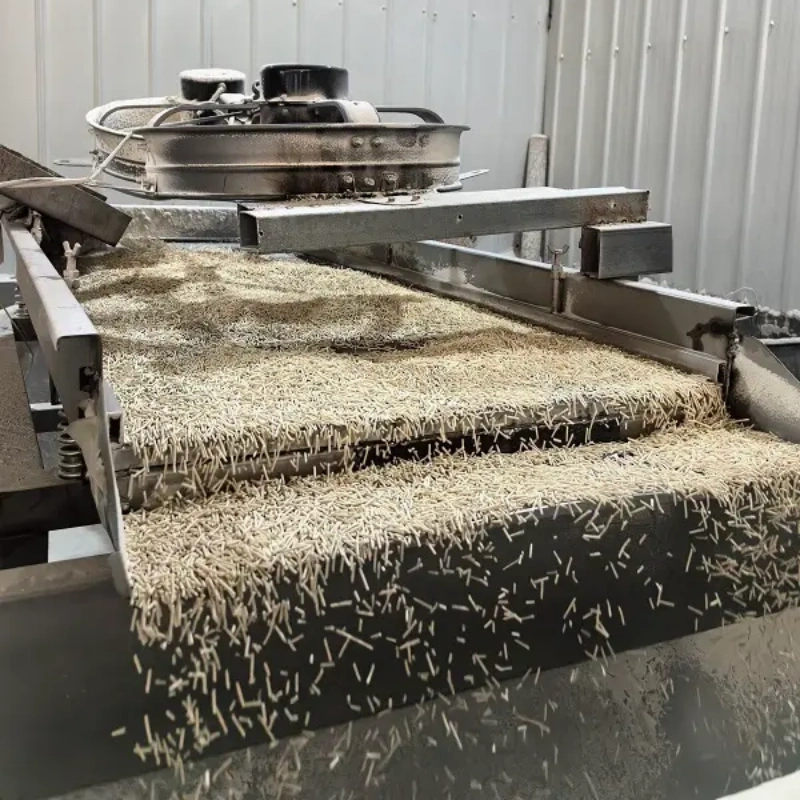
For those leaning towards the sustainable and health-conscious benefits of cereal-based litter, Shandong Gelin Town Pet Products Co., Ltd. stands out as a premier manufacturer. Established in 2020, our state-of-the-art factory in China is dedicated to the research and production of high-end, plant-based cat litters.
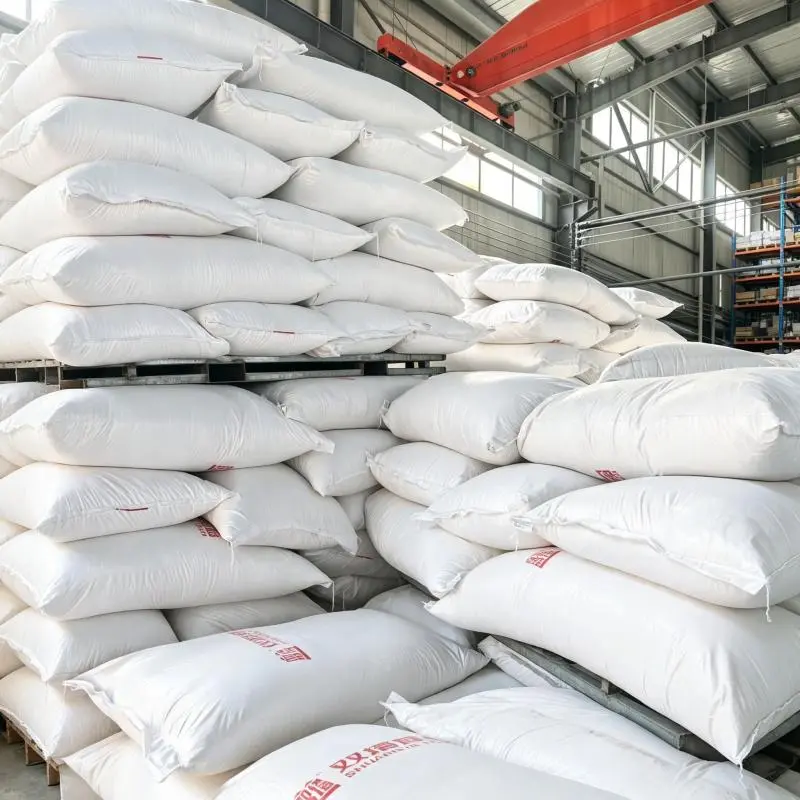
Our facility spans approximately 16,000 square meters and boasts an annual capacity of 7,000 tons, equipped with the most advanced automatic production lines. We specialize in creating diverse, innovative products including tofu-based, corn-based, and other natural litters that prioritize your cat's well-being.
We understand that every brand has unique needs. That’s why we offer comprehensive OEM/ODM services, allowing you to customize your cat litter’s material, color, fragrance, and packaging. Our commitment to quality is backed by international certifications including BSCI, ISO9001, SGS, and CTI, ensuring our products meet the highest global standards.
Whether you’re an online retailer on Amazon or eBay, or a brick-and-mortar brand, we provide a complete supply chain solution—from raw materials to finished, packaged goods—making us your ideal partner in the thriving pet care market.
View Gelin Town premium cereal cat litter products:
Plant based clumping Cereal cat litter Eco friendly in Canada
Health and environmental friendliness Cereal cat litter United States
Conclusion: Making the Right Choice for You and Your Cat
There’s no single “best” cat litter for everyone. The choice between cereal and bentonite ultimately depends on your priorities.
If your top concerns are powerful clumping, maximum odor control, and a lower upfront cost, traditional bentonite litter remains a reliable workhorse.
If you prioritize your cat’s long-term health, a cleaner indoor air quality, and a smaller environmental footprint, then a high-quality cereal-based litter is the clear winner.
As the pet industry continues to evolve towards more sustainable and health-focused solutions, plant-based litters like those produced by Shandong Gelin Town represent the future of cat care—a future where we can keep our homes clean, our cats healthy, and our planet green, all at the same time.
Ready to upgrade your cat’s litter experience with a safer, cleaner, and planet-friendly solution? Contact Shandong Gelin Town Pet Products today for OEM/ODM quotes, samples, or wholesale inquiries—and make the smart switch to premium plant-based cat litter.
387.webp)