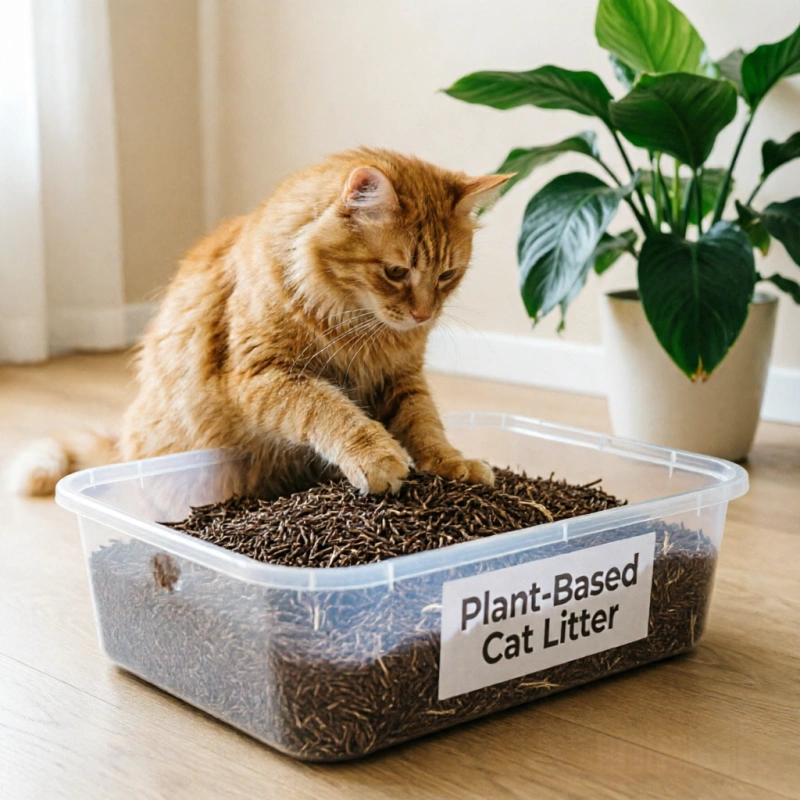
The global cat litter market has evolved far beyond traditional clay products. As consumers become more environmentally conscious and pet owners demand safer, healthier options, manufacturers have developed a wide range of cat litter made from renewable plant materials, minerals, and advanced absorbent technologies. Today, cat litter brands, distributors, and private label companies can choose from dozens of formulations to meet different market needs.
For businesses entering the cat litter industry, understanding how cat litter is made is essential. Although every manufacturer has proprietary formulas, the basic production principles are similar. Different raw materials require different manufacturing processes, equipment, and quality control methods.
This guide provides an overview of the major cat litter types, explains how each is manufactured, and helps cat litter brands, importers, wholesalers, and distributors better understand the production process before selecting an OEM manufacturing partner.
What Is Cat Litter?
Cat litter is an absorbent material placed inside a litter box to collect cat urine and feces while controlling moisture, odors, and bacteria. Modern cat litter is designed to offer:
Fast liquid absorption
Strong clumping performance
Excellent odor control
Low dust generation
Easy waste removal
Safe use for cats
Convenient transportation and storage
The ideal litter depends on consumer preferences, environmental regulations, pricing, and regional market trends.
Major Types of Cat Litter
Different raw materials result in different performance characteristics.
1. Bentonite Clay Cat Litter
Bentonite remains one of the world's most widely used cat litter materials.
Main Raw Material
Sodium bentonite clay
Features
Excellent clumping
High absorbency
Affordable
Heavy weight
Non-biodegradable
Common markets include North America, the Middle East, Eastern Europe, and Latin America.
2. Corn Cat Litter
Corn litter is manufactured from natural corn fiber and plant starch.
Advantages include:
Biodegradable
Lightweight
Low dust
Fast clumping
Natural ingredients
Corn litter has become increasingly popular in Canada, Australia, and Europe.
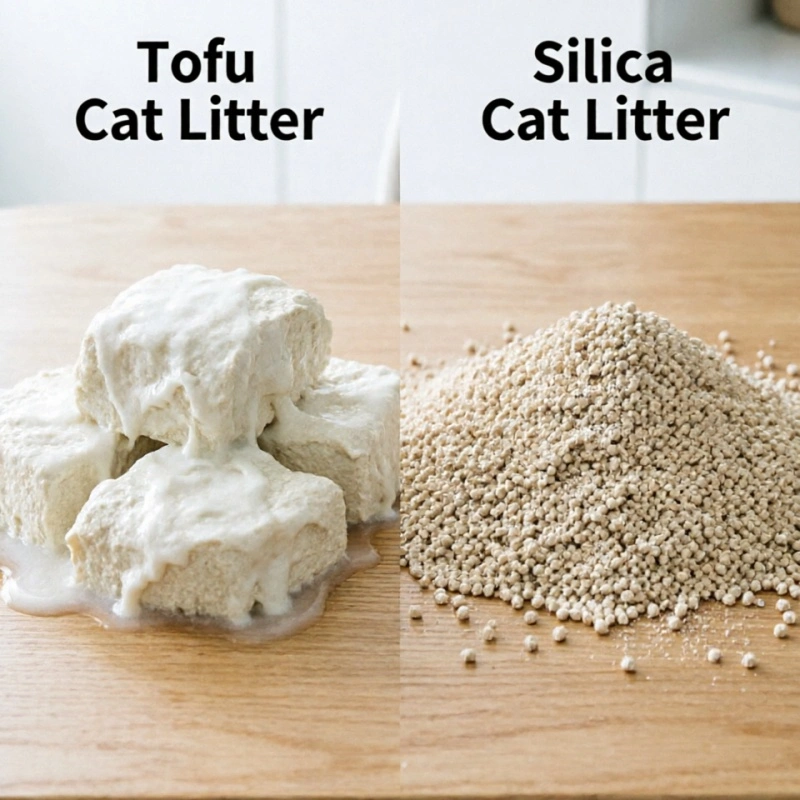
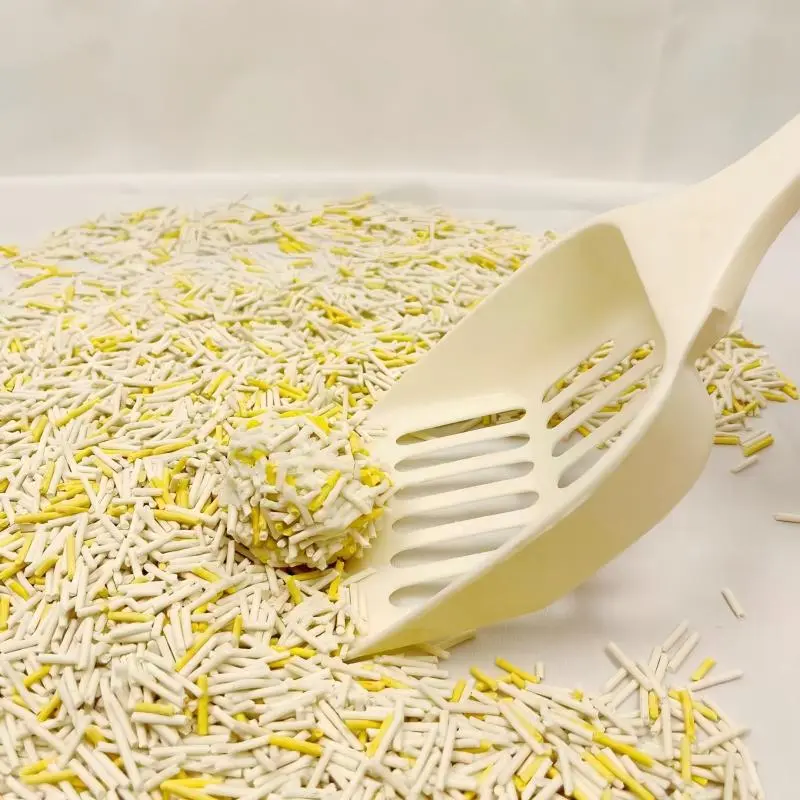
3. Tofu Cat Litter
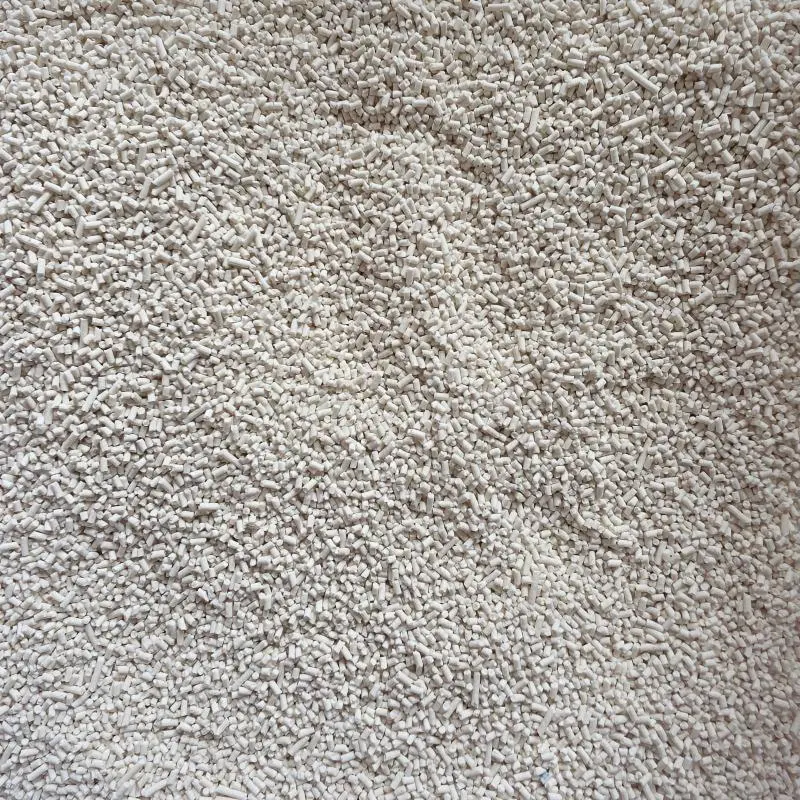
Tofu cat litter is produced primarily from soybean fiber.
Raw materials include:
Soybean residue
Pea fiber
Corn starch
Plant binders
Benefits include:
Flushable
Excellent deodorizing
Soft texture
Eco-friendly
It is one of the fastest-growing categories in Asia and Europe.
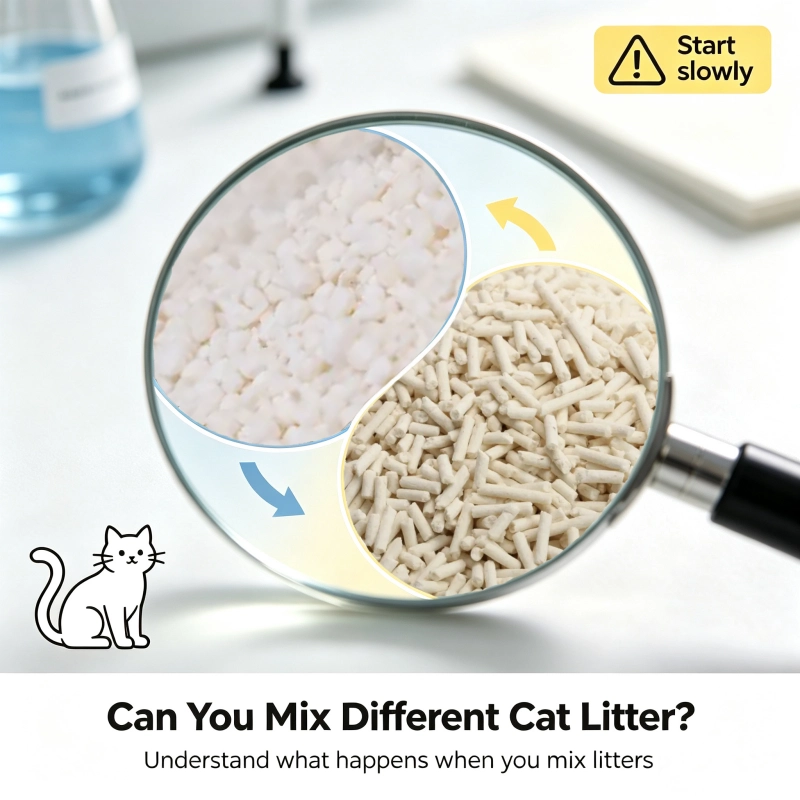
4. Mixed Cat Litter
Mixed litter combines multiple materials to balance performance and cost.
Typical blends include:
Bentonite + Tofu
Corn + Tofu
Corn + Cassava
Bentonite + Plant Fiber
Mixed formulas allow manufacturers to customize:
Clumping
Odor control
Dust level
Cost efficiency
5. Silica Crystal Cat Litter
Silica litter is manufactured from sodium silicate processed into porous silica gel crystals.
Advantages:
Extremely high absorbency
Long service life
Lightweight
Strong odor control
Disadvantages:
Higher cost
No clumping
Harder texture
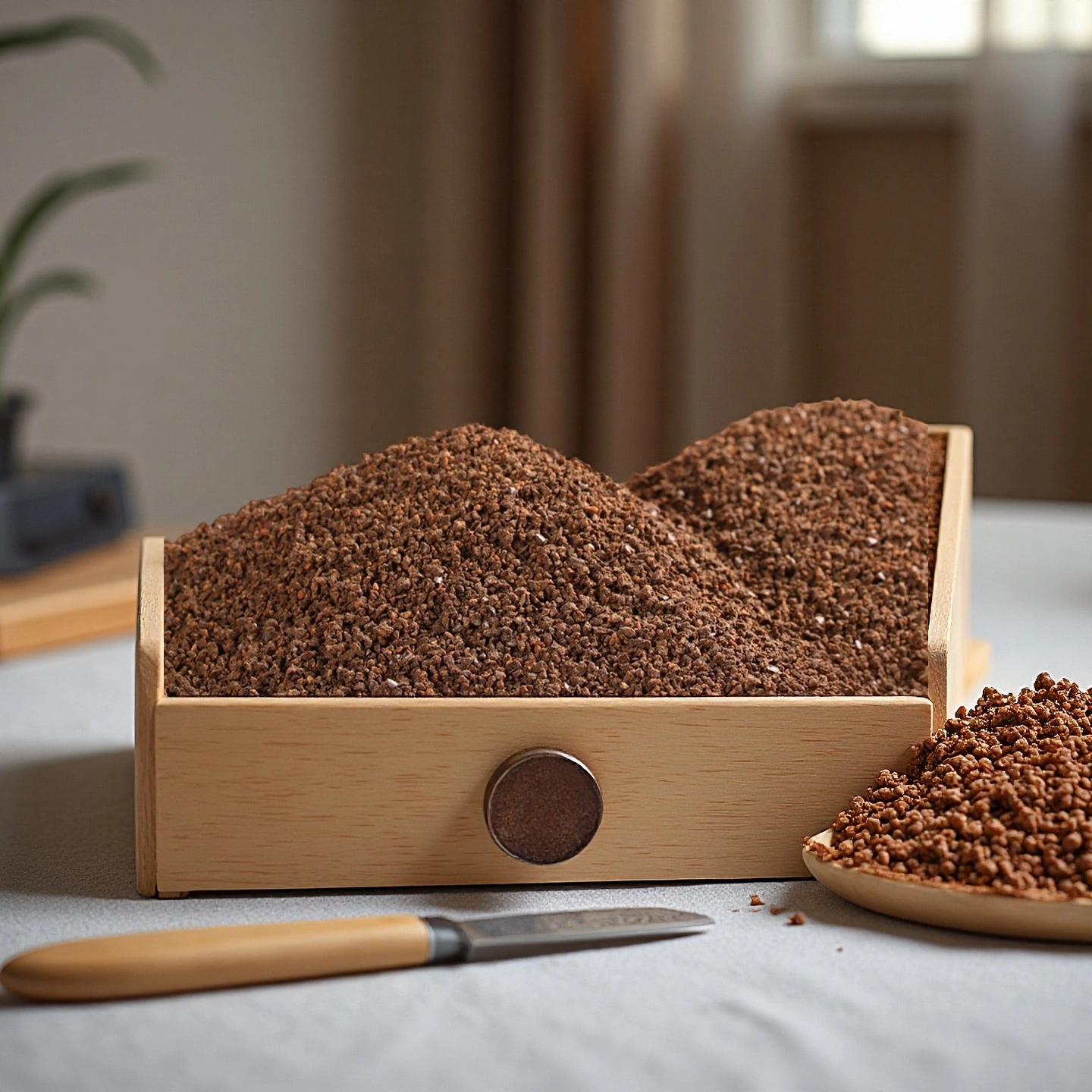
6. Walnut Shell Cat Litter
Walnut shell litter uses finely processed walnut shells.
Benefits include:
Renewable
Dark natural color
Excellent odor adsorption
Low dust
7. Cassava Cat Litter
Cassava root contains abundant natural starch.
It produces:
Strong clumps
Fast absorption
Smooth texture
Biodegradable waste
Many premium brands blend cassava with tofu or corn.
How Tofu Cat Litter Is Made
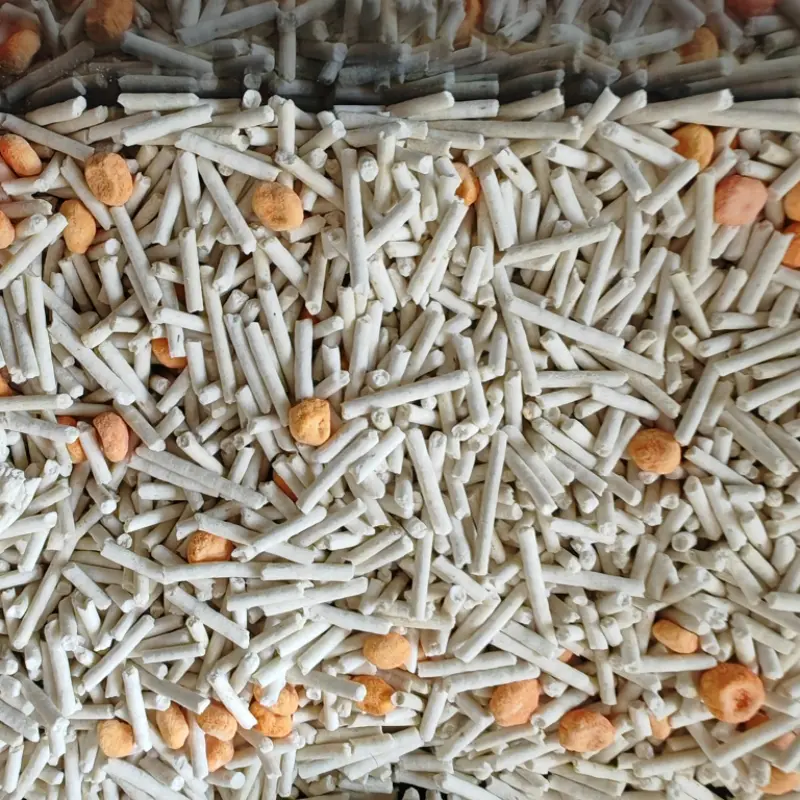
The tofu litter process resembles food pellet production.
Raw Materials
Soybean fiber
Corn starch
Pea fiber
Natural gums
Production includes:
Mixing
Moisture adjustment
Extrusion
Pellet cutting
Drying
Cooling
Screening
Metal detection
Packaging
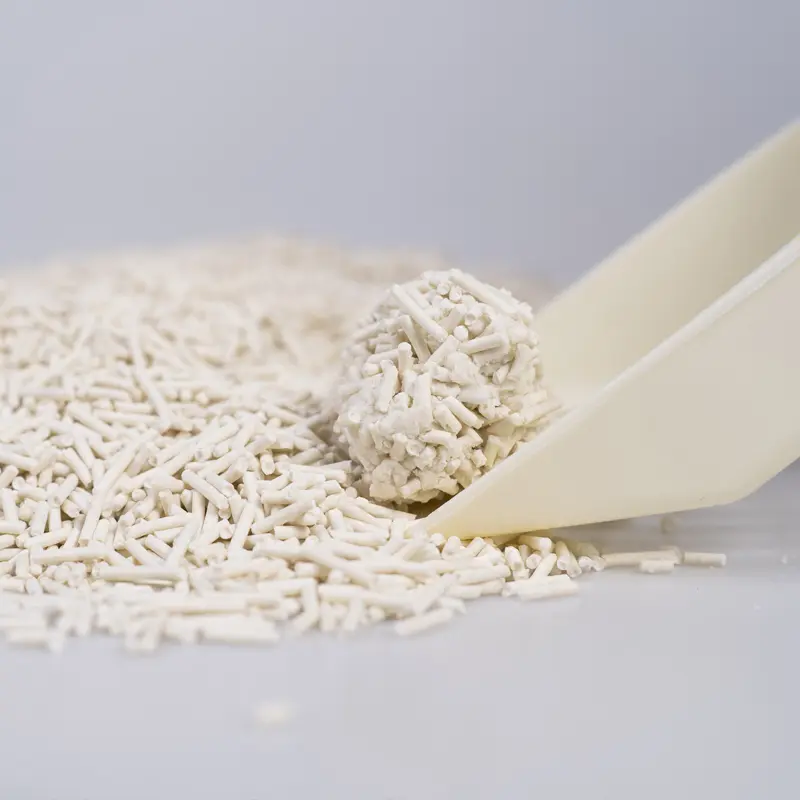
The result is a lightweight cylindrical pellet with excellent water absorption.
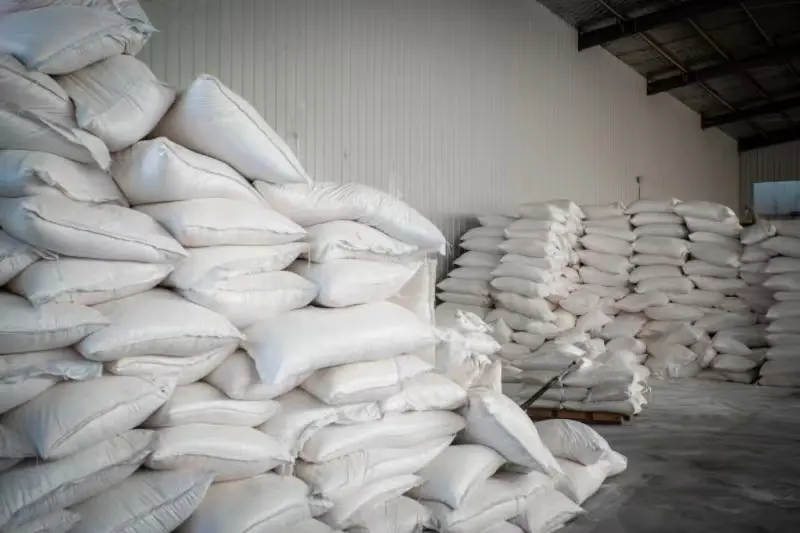
These pea residue play a crucial role in the production of tofu cat litter. Next, the extracted pea residue is processed to transform it into cat litter suitable for cats. First, the pea residue is ground into small particles, and during this process, a certain amount of water is added to facilitate the grinding into fine granules. Subsequently, these moist particles are subjected to drying and dehydration methods to reduce their moisture content, achieving a certain level of dryness. At this stage, most of the pea residue has been converted into fine particles with some degree of moisture absorption and clumping ability. However, further processing is still needed to enhance its absorbency and clumping properties.To achieve this goal, we will incorporate a certain proportion of food-grade cornstarch and guar gum and mix them evenly. The addition of these ingredients enhances the moisture absorption properties of tofu cat litter, allowing it to quickly absorb urine and clump together for easy cleaning.
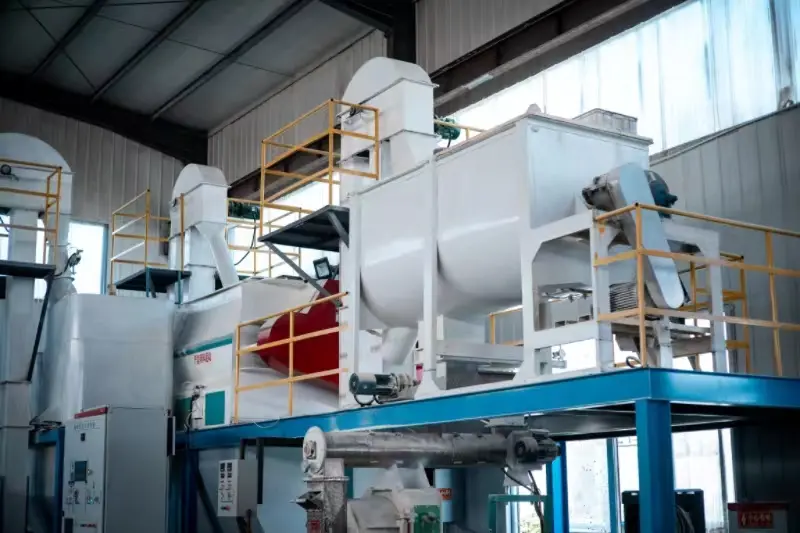
Additionally, to provide effective odor control and a better user experience, we can add fragrances according to customer preferences.The use of these additives undergoes rigorous inspection and testing to ensure they have no adverse effects on the safety and health of cats. Once the raw materials are thoroughly mixed, they are conveyed to a pelletizer for compression and shaping, extruded into the desired cylindrical shape, and then subjected to drying and sterilization. It's crucial to closely monitor the moisture content during the drying process, as it directly affects the user experience of the cat litter.
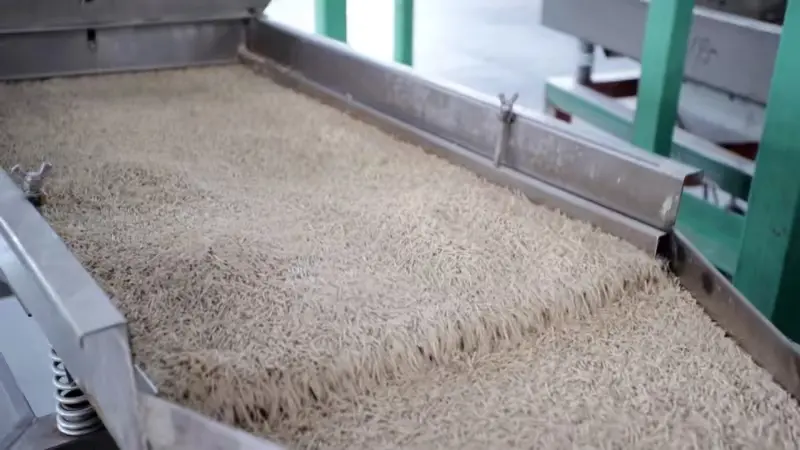
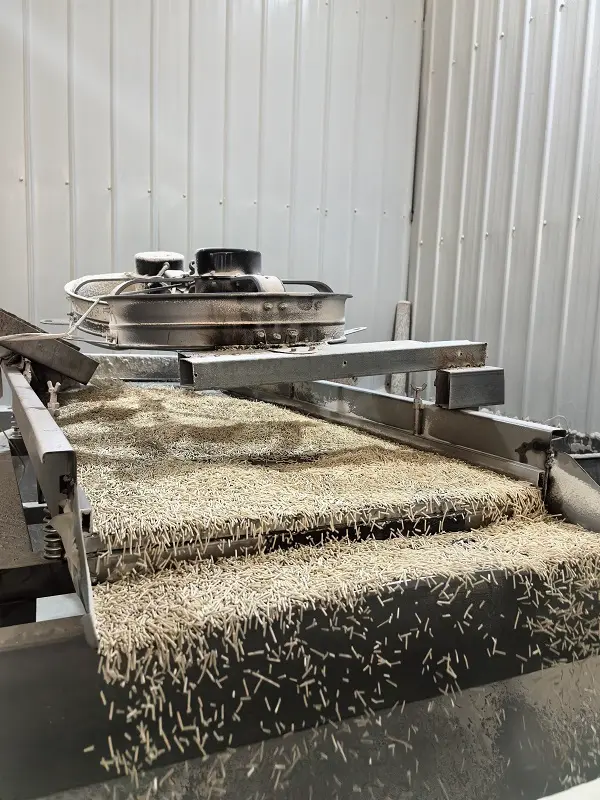
After drying and sterilization, the cat litter is cooled, dusted, and processed to reduce the final product's dust content. Following this cooling phase, the cat litter goes through three stages of vibration sieves to eliminate dust, ensuring that the cat litter enters packaging without any dust particles. Finally, through stringent quality control and packaging procedures, the tofu cat litter is placed into bags or boxes and packaged.
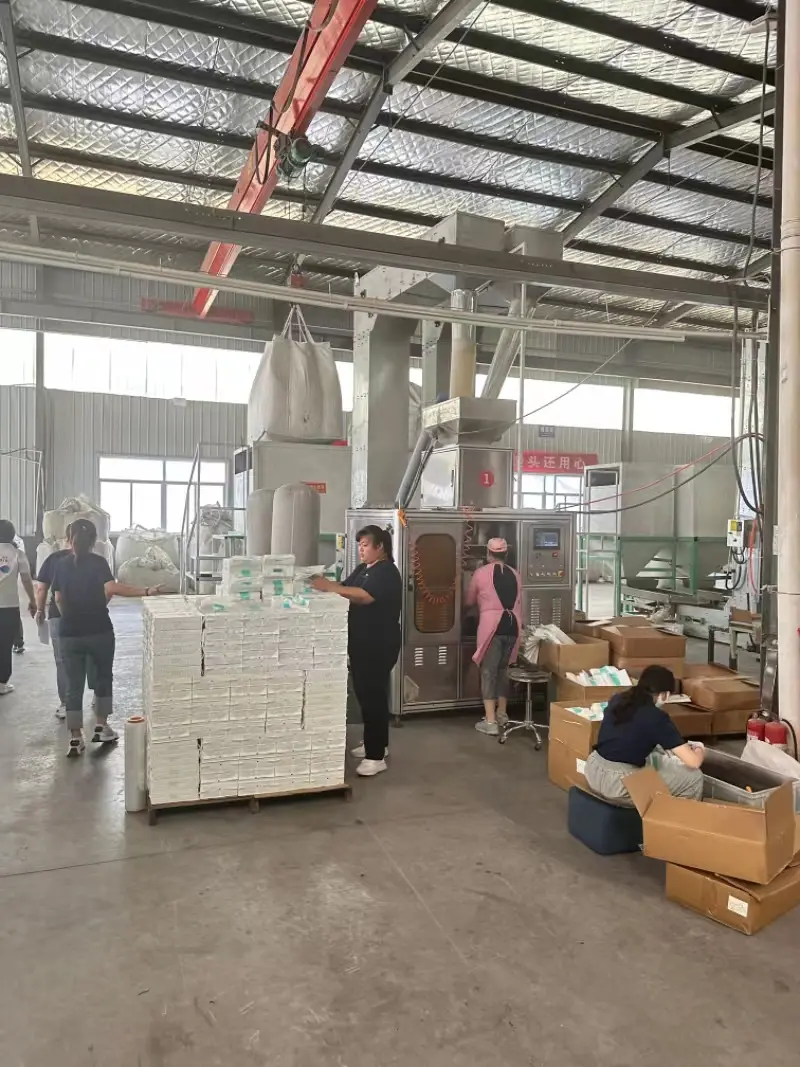
Overall, the production process of tofu cat litter adheres to a scientific approach to raw material handling and processing, from the extraction of protein from peas to the addition of absorbents and fragrances, and finally to rigorous quality control and packaging. Each step has undergone careful scientific research, development, and testing. By understanding these processes, we can gain a better understanding of the production and use of tofu cat litter, ultimately providing a more comfortable and healthy living environment for our pets.
Judging from the detailed manufacturing process of tofu cat litter, other cat litters have a similar process.
How Corn Cat Litter Is Made
Corn cat litter production is cleaner and more sustainable than clay mining.
Step 1: Raw Material Selection
High-quality corn fiber is selected.
Step 2: Grinding
Corn is milled into uniform powder.
Step 3: Formula Mixing
Manufacturers add:
Plant starch
Natural binders
Deodorizing ingredients
Step 4: Granulation
Pelletizing equipment forms cylindrical particles.
Step 5: Drying
Low-temperature dryers remove excess moisture.
Step 6: Cooling
Particles cool naturally before screening.
Step 7: Dust Removal
Fine particles are separated.
Step 8: Packaging
Finished litter is packed into OEM retail bags.
How Silica Cat Litter Is Made
Silica litter manufacturing differs significantly.
The process involves:
Sodium silicate preparation
Chemical reaction
Gel formation
Aging
Drying
Crushing
Screening
The finished crystals contain millions of microscopic pores capable of absorbing large quantities of liquid.
How Bentonite Cat Litter Is Made
Bentonite production begins with mining.
Step 1: Mining
Natural bentonite ore is extracted from mines.
Step 2: Crushing
Large rocks are crushed into smaller particles.
Step 3: Drying
Rotary dryers reduce moisture to improve consistency.
Step 4: Grinding
The dried clay is milled into uniform granules.
Step 5: Screening
Different mesh sizes produce:
Fine
Medium
Large particles
Step 6: Dust Removal
Air classifiers remove excessive dust.
Step 7: Packaging
Automatic weighing systems fill retail bags and bulk sacks.
Pine Cat Litter Manufacturing Process
Pine cat litter is made from reclaimed pine wood, often in the form of sawdust. It is highly absorbent and biodegradable, offering a natural scent.
Steps to Make Pine Cat Litter:
Collection of Raw Materials:
Sawdust or wood shavings, typically from reclaimed or recycled pine wood, are collected.
Grinding and Screening:
The wood material is ground into fine particles and screened to remove larger debris.
Compression and Pelletizing:
The ground sawdust is compressed into small cylindrical pellets using high-pressure extrusion machines.
Drying:
The pellets are dried in a kiln to remove moisture and ensure they absorb liquid effectively.
Screening and Dust Removal:
The dried pellets are sieved to remove excess dust.
Packaging:
The finished pine litter is packed in eco-friendly bags, ready for distribution.
Paper Cat Litter Manufacturing Process
Paper cat litter is made from recycled paper. It’s a dust-free, highly absorbent option and is often used for cats with respiratory issues.
Steps to Make Paper Cat Litter:
Collection of Raw Materials:
Recycled paper, such as newspapers or office paper, is collected and shredded into small pieces.
Pulping:
The shredded paper is soaked in water and turned into a pulp to break down the fibers.
Forming Pellets:
The paper pulp is pressed and shaped into small pellets or granules. Natural binders may be added to help maintain the pellet shape.
Drying:
The formed pellets are dried in a kiln or drying chamber to remove all moisture.
Screening and Dust Removal:
The pellets are screened to remove any excess dust.
Packaging:
The paper cat litter is packed in biodegradable bags, ready for sale.
How Mixed Cat Litter Is Produced
Mixed litter begins with selecting compatible raw materials.
For example:
40% Bentonite
30% Tofu
30% Corn
The production process includes:
Independent raw material inspection
Precision weighing
High-speed mixing
Moisture adjustment
Granulation (if required)
Drying
Screening
Quality inspection
The exact formula varies depending on customer requirements.
Essential Equipment Used in Cat Litter Manufacturing
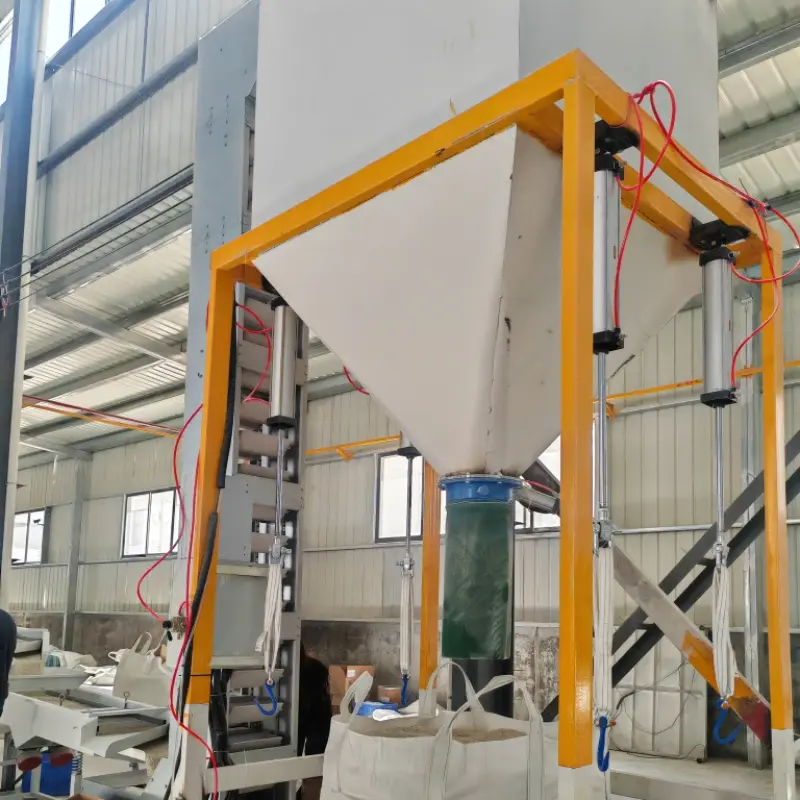
Modern cat litter factories typically operate automated production lines equipped with:
Raw material storage silos
Crushers
Pulverizers
Ribbon mixers
Twin-shaft mixers
Granulators
Extruders
Rotary dryers
Fluidized-bed dryers
Cooling conveyors
Vibrating screens
Dust collectors
Metal detectors
Automatic weighing machines
Vertical packaging machines
Robotic palletizers
Automation improves production consistency while reducing labor costs.
Quality Control During Manufacturing
Reliable manufacturers inspect every production stage.
Typical quality tests include:
Moisture Content
Maintains product stability.
Target:
5–8%
Dust Content
Premium litter generally maintains dust below:
0.5%
Clumping Strength
Manufacturers simulate urine absorption and measure:
Clump hardness
Break resistance
Scoop performance
Water Absorption
Tests determine:
Absorption speed
Maximum absorption capacity
Particle Size
Uniform particle size improves consumer experience.
Odor Control
Laboratory testing evaluates ammonia adsorption performance.
Packaging Inspection
Every batch undergoes:
Weight verification
Seal inspection
Printing quality check
Barcode verification
OEM Manufacturing for Cat Litter Brands
Most international brands do not own manufacturing facilities.
Instead, they cooperate with experienced OEM factories.
OEM services typically include:
Formula development
Product customization
Particle size adjustment
Fragrance options
Unscented formulations
Dust control optimization
Packaging design
Retail artwork
Barcode printing
Multi-language labels
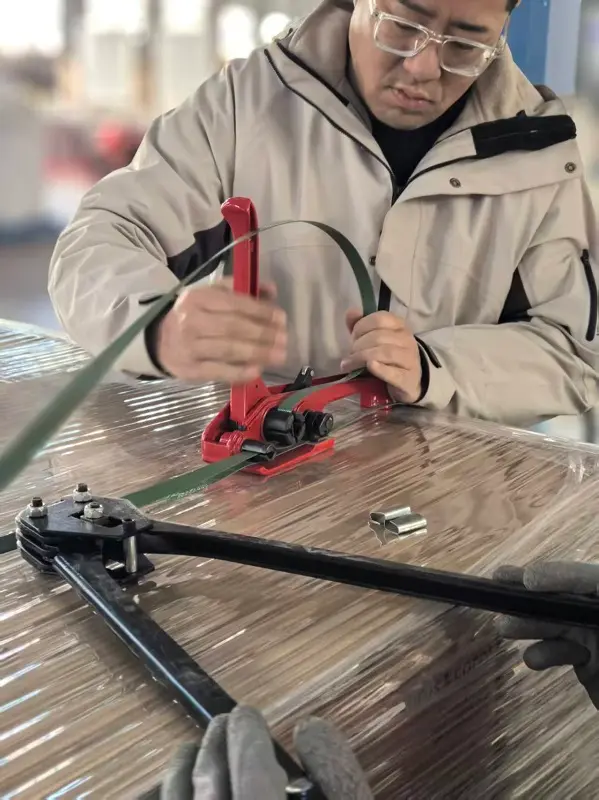
Private label production allows brands to launch products quickly without investing in expensive production equipment. Gelin Town Pet is a professional cat litter manufacturing factory. Tofu cat litter is a specialty and advantageous cat litter product.
Custom Packaging Options
Professional factories provide flexible packaging solutions.
Popular retail sizes include:
2 kg
2.5 kg
4 kg
5 kg
6 L
7 L
10 L
20 L
Packaging materials include:
PE bags
Kraft paper bags
Matte laminated bags
Gloss laminated bags
Recyclable plastic packaging
Printing options:
High-definition gravure printing
Flexographic printing
Matte finish
Metallic finish
Spot UV
Zipper closures
Easy-carry handles
Factories can also produce export cartons, display-ready packaging, and pallets customized for supermarkets, pet chains, and e-commerce fulfillment.
How Cat Litter Brands Choose an OEM Factory
Selecting the right manufacturing partner is as important as choosing the right formula. Before placing large orders, distributors and private-label brands should evaluate several key factors:
Production capacity and equipment automation
Experience with international export markets
Stable raw material supply
Quality management systems
Product testing capabilities
Flexible minimum order quantities (MOQs)
Packaging design and customization services
R&D support for new formulas
Reliable delivery schedules
Responsive after-sales service
A factory with strong technical expertise can help brands shorten product development cycles while maintaining consistent quality across every production batch.
Conclusion
Understanding how cat litter is made gives cat litter brands, distributors, and importers valuable insight into product quality, manufacturing costs, and supplier capabilities. While bentonite, corn, tofu, silica, walnut shell, cassava, and mixed cat litters each follow different production processes, they all share the same objectives: delivering superior absorbency, effective odor control, low dust, and a safe, comfortable experience for cats.
As consumer demand continues to shift toward sustainable and premium pet products, OEM manufacturers play an increasingly important role in helping brands develop differentiated cat litter solutions. By partnering with an experienced factory that offers advanced production technology, strict quality control, flexible customization, and professional packaging services, businesses can confidently bring high-quality cat litter products to market and build long-term success in the growing global pet care industry.
387.webp)
122.webp)