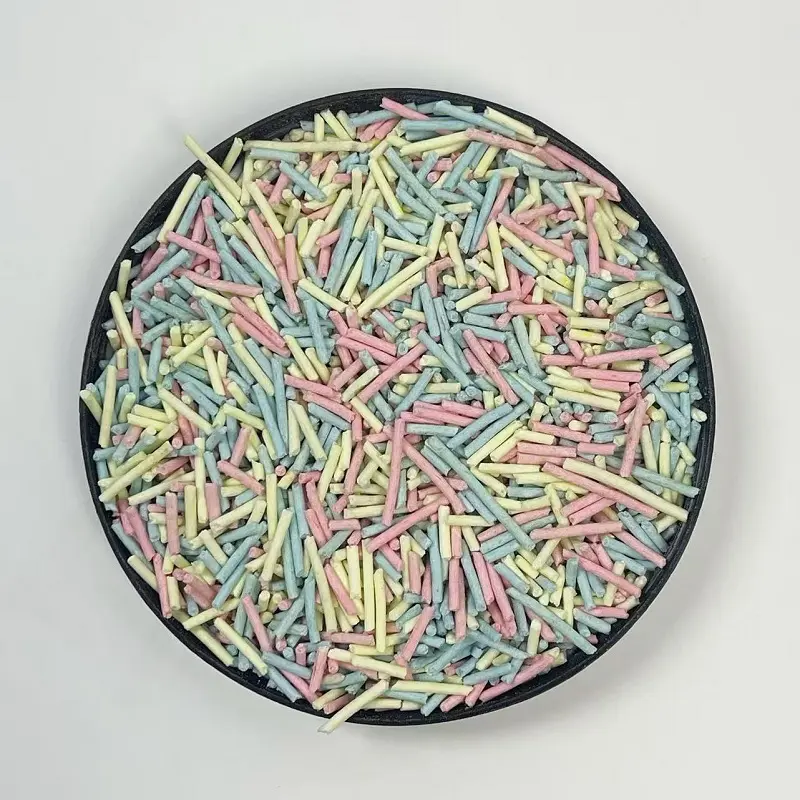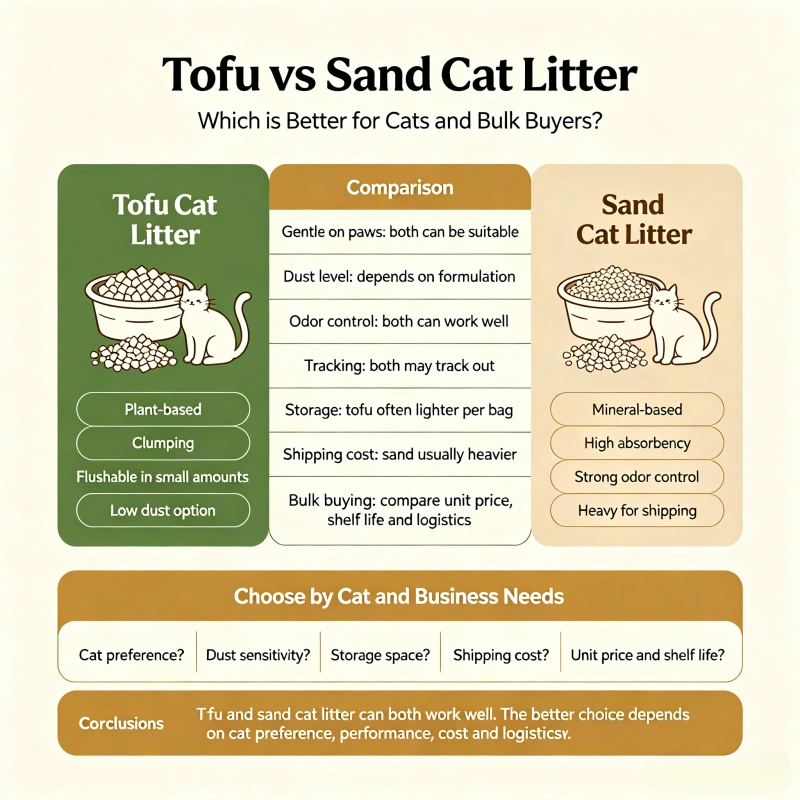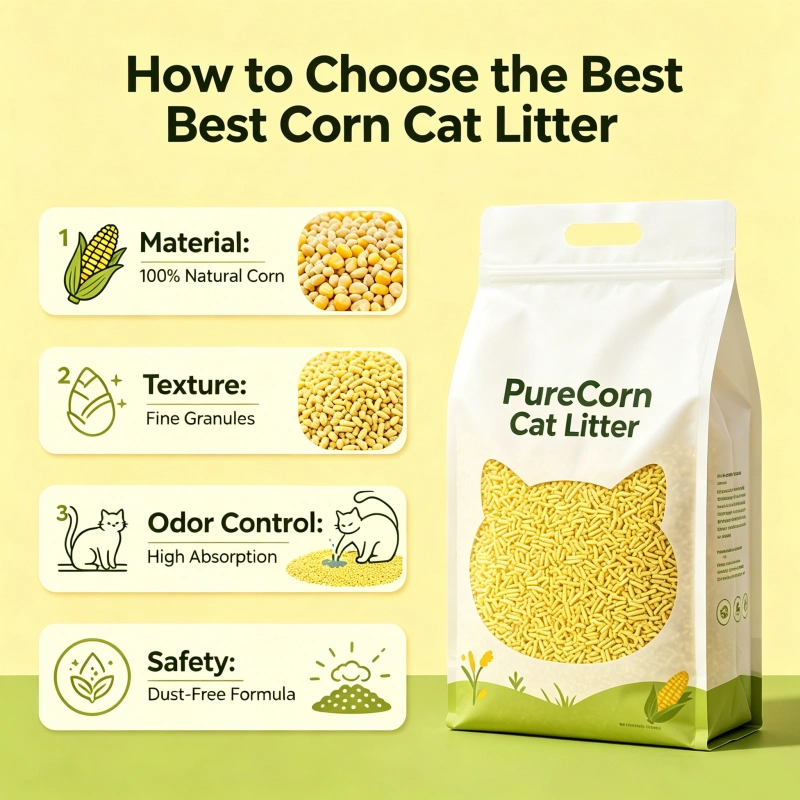
Selecting the right cat litter is a crucial decision for any cat owner. It impacts your pet's health, your home's cleanliness, and your daily routine. Among the many options available, corn cat litter has emerged as a popular choice for its blend of natural ingredients, strong performance, and environmental benefits. This guide will walk you through everything you need to know to choose the best corn cat litter for your specific situation, backed by practical testing and real-world insights.
Understanding Corn Cat Litter: More Than Just Ground Kernels
Corn cat litter is not simply crushed corn kernels. While it is derived from food-grade corn byproducts, its effectiveness comes from a carefully engineered blend of components. The primary ingredients are corn starch and corn cob grit. Corn starch is the powerhouse behind the litter’s clumping ability, while corn cob grit provides structural integrity and helps keep dust levels low. High-quality formulas may also include natural binders like guar gum or xanthan gum to enhance performance without resorting to synthetic chemicals.
This composition is key to understanding why some corn litters outperform others. The ratio of starch to grit, along with the manufacturing process, directly influences the litter's absorption, clumping strength, and overall usability.
The Manufacturing Process: How It’s Made Matters
The way corn litter is produced has a significant impact on its quality. There are three primary methods, each with distinct advantages:
Extrusion: The Performance Leader
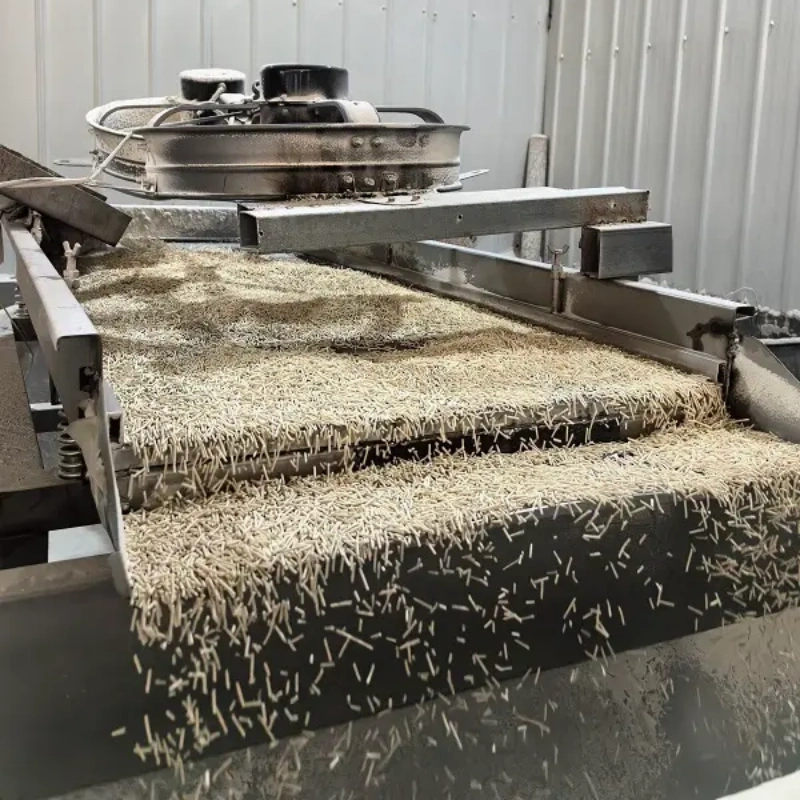
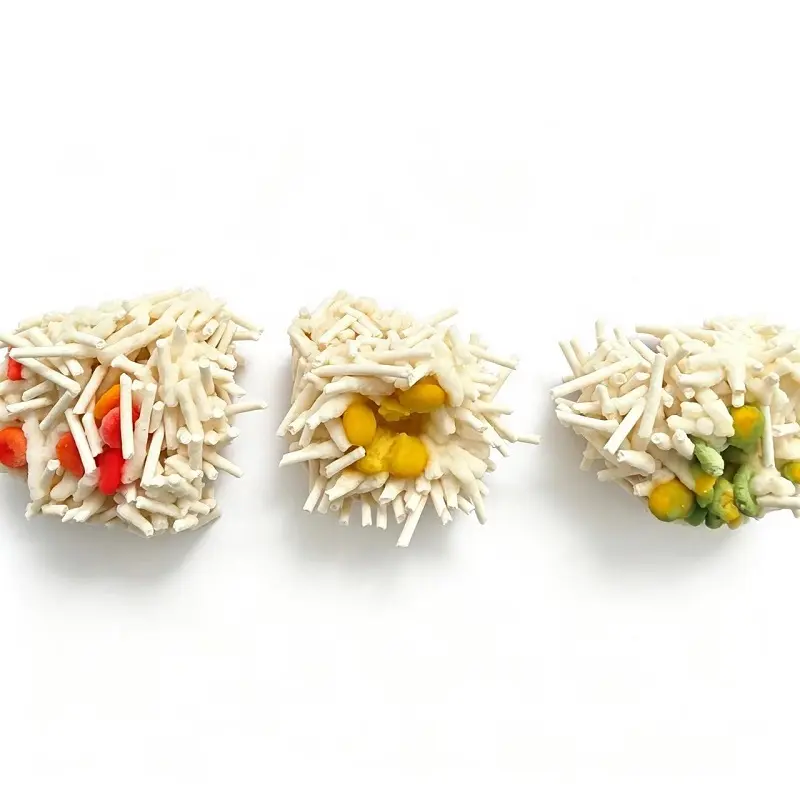
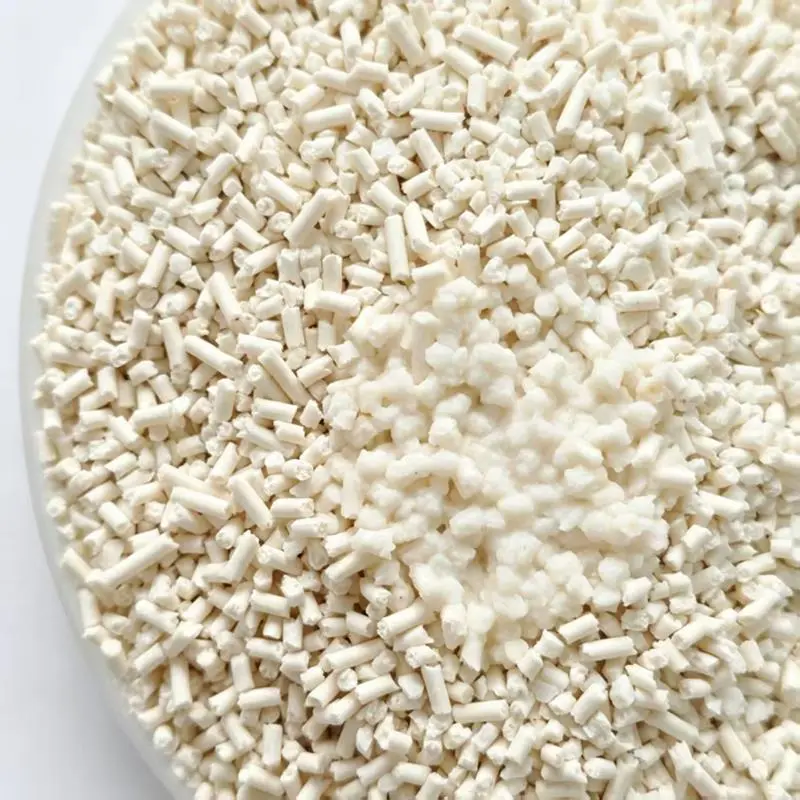
This is the most common method for premium corn litter. In this process, corn starch and water are heated under high pressure and then forced through a die to form uniform pellets. This method creates a dense, consistent product with excellent clumping strength and very low dust. It’s the ideal choice for multi-cat households or anyone prioritizing maximum odor control and easy scooping.
Cold-Pressed Pellets: The Gentle Choice
This method uses lower temperatures to compress corn cob grit and a small amount of natural binder into pellets. The result is a litter with an exceptionally low dust profile, making it perfect for cats with respiratory sensitivities, such as asthma, or for homes with young kittens or senior cats. The trade-off is that the clumps can be slightly more fragile than those from extruded litter.
Whole-Kernel Blends: The Natural Purist Option
These litters use minimally processed, dried whole corn kernels, sometimes blended with a bit of starch. They offer a very natural look and feel and have good inherent absorbency. However, they can be prone to higher dust levels if not properly coated and may produce less consistent clumps. This type is often favored by single-cat owners who prioritize a completely natural aesthetic.
Key Performance Metrics: What to Look for in a Quality Product
When evaluating different corn litters, it’s essential to move beyond marketing claims and focus on measurable performance. Here are the critical factors to consider, based on standardized testing protocols:
1. Absorption Rate
This measures how much liquid (in milliliters) one gram of litter can absorb. A high absorption rate means the litter can handle more waste before needing to be changed, saving you money and reducing odor. For a high-performance corn litter, look for an absorption rate of at least 3.0 ml/g. Our top-performing US formula, for example, achieves an impressive 4.1 ml/g.
2. Clump Strength
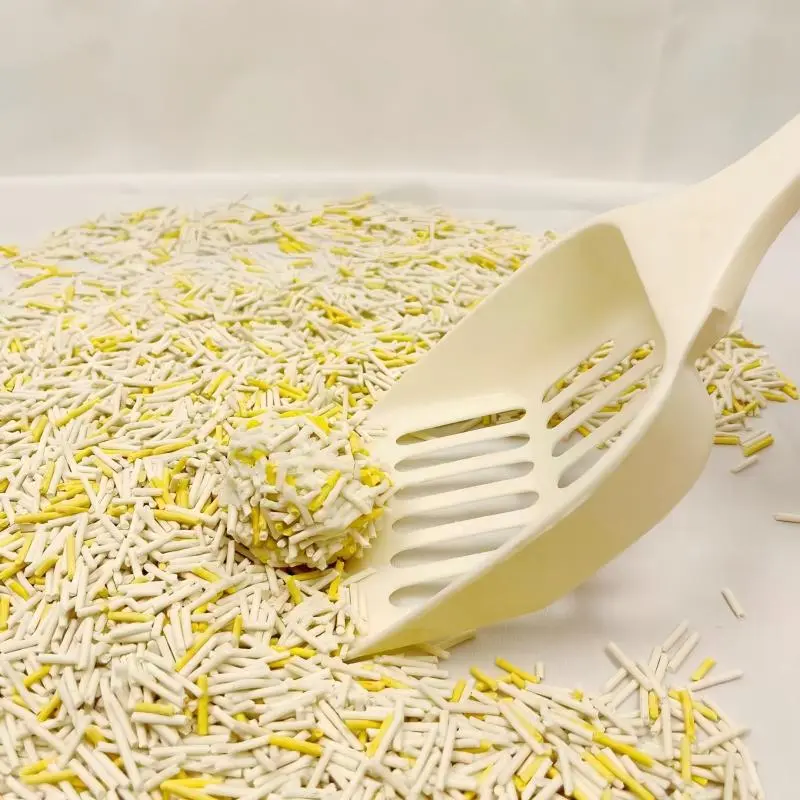
A strong clump is non-negotiable for easy, clean scooping. Weak clumps break apart, leaving residue in the box and creating a mess. Clump strength is tested by forming a clump and dropping it from a standard height; a quality litter should maintain over 80% of its integrity. Our EU Premium formula consistently scores above 94% in this test.
3. Dust Level
Dust is a major health concern. Excessive dust can irritate your cat’s lungs and eyes and contribute to poor indoor air quality. A safe and healthy corn litter should have a dust level below 30 mg/m³. Our cold-pressed formulas for sensitive markets like Sweden achieve dust levels as low as 8 mg/m³.
4. Odor Control
Effective odor control is about neutralizing ammonia, not just masking it with fragrance. The best litters use their natural composition to trap and lock away odors. Look for products that provide data on ammonia reduction over a 24-48 hour period.
5. Biodegradability & Flushability
One of the main appeals of corn litter is its eco-friendliness. A truly biodegradable product should break down completely within 30-45 days in a composting environment. Many corn litters are also flushable in small quantities, but always check your local plumbing and wastewater guidelines first.
6. Tracking
Low-tracking litter keeps your floors clean. This is determined by the size, shape, and weight of the granules. Larger, heavier pellets are less likely to stick to your cat’s paws and get carried out of the box.
Comprehensive Litter Type Comparison Chart
To fully appreciate the benefits of corn litter, it’s helpful to compare it directly with other common options.
| Feature | Corn | Clay | Tofu | Silica Gel | Wood Pellets |
|---|---|---|---|---|---|
| Material | Plant-based | Mined Mineral | Plant-based | Synthetic | Wood |
| Clumping | ★★★★☆ | ★★★★★ | ★★★★☆ | ✘ | ✘ |
| Odor Control | ★★★★☆ | ★★★☆☆ | ★★★☆☆ | ★★★★★ | ★★☆☆☆ |
| Dust Level | Very Low | High | Very Low | Low | Low-Medium |
| Weight (20lb bag) | ~9 kg | ~14 kg | ~9 kg | ~10 kg | ~8 kg |
| Biodegradable | ✓ | ✘ | ✓ | ✘ | ✓ |
| Flushable | ✓ (Small amt) | ✘ | ✓ (Small amt) | ✘ | ✘ |
| Tracking | Low | Medium | Low | Very Low | Medium |
| Best For | All-around balance, eco-conscious owners | Budget buyers, strong clumping need | Sensitive cats, flush-friendly | Low-maintenance, long-lasting | Eco-purists, simple systems |
As the chart shows, corn litter strikes an exceptional balance. It offers the strong clumping of clay without the weight and environmental drawbacks, and it provides better odor control than tofu or wood, all while being fully biodegradable.
Health & Safety Deep Dive
When choosing a natural product like corn cat litter, it's natural to have questions about your cat's health and safety. Let's address the most common concerns head-on.
Understanding the Aflatoxin Concern
Corn is a crop that can be susceptible to mold under certain storage conditions, and some molds can produce harmful substances called mycotoxins, with aflatoxin being the most well-known. This is a valid concern for any corn-based product.
However, reputable manufacturers of pet products treat this risk with the utmost seriousness. The key is in the sourcing and processing. High-quality corn cat litter is made from food-grade corn, which is held to much stricter standards than feed-grade corn. Furthermore, responsible factories implement rigorous quality control measures, including:
Supplier Vetting: Sourcing corn only from trusted suppliers with robust agricultural practices.
Incoming Inspection: Testing every batch of raw corn for moisture content and signs of contamination before it even enters the production line.
Final Product Testing: Sending finished litter to independent, accredited laboratories (like SGS or CTI) to test for a full panel of mycotoxins, including aflatoxin, ensuring levels are "not detected" or far below any safety threshold.
As a consumer, you can protect yourself by choosing brands that are transparent about their safety protocols and willing to share their third-party test reports.
pH Balance and Urinary Health
A cat's urinary tract is sensitive, and the environment in their litter box can play a role in their overall urinary health. An ideal cat litter should have a neutral to slightly acidic pH (between 6.5 and 7.5). This range is gentle on a cat's paws and helps create an environment that is less hospitable to bacteria that can contribute to urinary tract infections (UTIs). High-quality corn litters are naturally within this safe pH range, making them a good choice for cats prone to urinary issues.
Allergies and Sensitivities
While corn allergies in cats are relatively rare, they can occur. If you are introducing corn litter to your home for the first time, it's a good practice to monitor your cat for any signs of an allergic reaction, such as excessive sneezing, coughing, or skin irritation around their paws. If you notice any of these symptoms, discontinue use. For cats with known respiratory conditions like asthma, the ultra-low dust profile of premium corn litter is often a significant benefit over dusty clay alternatives.
Environmental Impact & Sustainability Explained
One of the primary reasons many owners switch to corn cat litter is its environmental footprint, which is significantly lower than that of traditional clay.
The Problem with Clay (Bentonite) Mining
Clay cat litter is made from a mineral called sodium bentonite, which is strip-mined from the earth. This process is highly destructive:
It involves clearing large areas of land, destroying natural habitats and ecosystems.
It consumes vast amounts of water and energy.
The mined pits leave permanent scars on the landscape, and the material itself is not a renewable resource.
The Sustainable Advantage of Corn
In contrast, corn is a rapidly renewable, annually harvested crop. Choosing a plant-based litter like corn supports a more circular economy. Here’s how a responsible manufacturer enhances this benefit:
Sustainable Sourcing: Using corn that is a byproduct of the human food chain or sourced from farms practicing regenerative agriculture.
Eco-Friendly Production: Utilizing energy-efficient manufacturing processes, potentially powered by renewable sources like solar energy.
End-of-Life Options: Premium corn litter is fully biodegradable and can break down in a home compost system within 30-45 days. Many formulas are also flushable in small quantities (always check local regulations first), offering a convenient and eco-conscious disposal method that keeps waste out of landfills.
By choosing corn, you’re not just making a choice for your home; you’re making a choice for the planet.
Total Cost of Ownership (TCO): A Side-by-Side Breakdown
For a household with two cats, the true cost isn't just the price on the bag. Here's a detailed monthly comparison:
| Cost Factor | Budget Clay Litter | Premium Corn Litter | Why It Matters |
|---|---|---|---|
| Price per Bag | $12.00 | $24.00 | The initial sticker shock for corn. |
| Bag Weight | 20 lbs | 20 lbs | Standard size for easy comparison. |
| Absorption Rate | 1.8 ml/g | 4.0 ml/g | Core Metric: Higher = less litter used. |
| Avg. Weekly Usage | ~8.0 lbs | ~3.5 lbs | Direct result of absorption efficiency. |
| Bags Needed / Month | 1.6 | 0.7 | Fewer trips to the store. |
| Monthly Litter Cost | $19.20 | $16.80 | Corn is actually cheaper! |
| Annual Litter Cost | $230.40 | $201.60 | Saves you $28.80/year. |
| Hidden Savings | None | ✓ Less Trash ✓ Faster Scooping ✓ Lower Dust = Healthier Home | Improves quality of life and reduces other costs. |
Conclusion: The premium corn litter’s superior performance translates into direct financial savings and significant time/health benefits, making it the more economical choice overall.
How to Choose a Trustworthy Corn Cat Litter Brand
With so many options on the shelf, it’s crucial to look beyond flashy packaging and marketing buzzwords. A truly high-quality corn cat litter brand will be transparent and provide verifiable proof of its claims. Here’s what to look for—and a few standout examples known for their quality:
Third-Party Lab Testing: Reputable brands invest in independent laboratory testing (e.g., by SGS, Intertek, or Bureau Veritas) for safety and performance. Check their website or packaging for reports on mycotoxin levels (like aflatoxin), pH balance, and absorption rates. If they can’t provide this data, it’s a red flag.
Clear Ingredient Sourcing: The product should explicitly state it uses food-grade corn, not feed-grade. Food-grade corn is held to stricter agricultural and storage standards, significantly reducing the risk of mold or contamination.
Transparent Manufacturing: Look for information about where and how the litter is made. Brands that own their production facilities or partner with certified factories are more likely to maintain consistent quality control.
Specific Performance Claims: Be wary of vague terms like “natural,” “eco-friendly,” or “low-dust” without supporting data. A trustworthy brand will quantify its benefits—for example, “absorbs 4.0 ml of liquid per gram” or “dust level <10 mg/m³.”
Trusted Brands in the Market
Several brands have built strong reputations for meeting these criteria:
World’s Best Cat Litter (USA): A pioneer in the category, this brand uses whole-kernel corn and is widely recognized for its effective clumping and low-dust formula. It’s a staple in the North American market.
Ökocat (by United Pet Group): This brand offers a variety of plant-based litters, including wood and paper formulas. While they have offered corn-based products in the past, their current primary focus is on other natural materials, with a strong emphasis on sustainability.
Fresh News (USA): It’s important to note that Fresh News is not a corn litter. It is a popular and highly-rated brand made from recycled paper, known for being ultra-low dust and flushable, but it does not clump like corn-based formulas.
Shandong Gelin Town Pet Products Co., Ltd.: Established in 2020, we are a professional manufacturer specializing in plant-based cat litters, including premium corn-based formulas. Our state-of-the-art 16,000 sqm factory is equipped with advanced automated production lines and a dedicated R&D team. We use only certified food-grade corn, and every batch undergoes rigorous third-party testing (including SGS and CTI) for aflatoxin, moisture, and performance metrics like absorption (>4.0 ml/g) and dust (<10 mg/m³). Our commitment to quality is backed by certifications such as BSCI and ISO9001, and our products are trusted in markets across Europe, America, Australia, and Asia. We also offer comprehensive OEM/ODM services for private-label partners. Contact Gelin Town for more information.
By focusing on these concrete indicators—and choosing brands that back up their promises with data—you can confidently select a corn cat litter that prioritizes your cat’s health, your home’s cleanliness, and your peace of mind.
Real Stories from Pet Parents: Why They Switched to Corn
Hearing from other cat owners can make all the difference when trying something new. Here are two real-life experiences that highlight the tangible benefits of making the switch:
Case 1: For the Health of a Sensitive Cat
“My 12-year-old tabby, Luna, was diagnosed with feline asthma last year. Her vet suggested switching to a low-dust litter. I tried a cold-pressed corn formula, and within ten days, her wheezing decreased noticeably. Now, I never go back to clay—it’s just too dusty.”
— Elena R., Portland, OR
Case 2: A Cleaner Home & Lower Bills
“I have three cats, and I was spending nearly $30 a month on heavy clay litter. After reading about corn litter’s absorption power, I gave it a try. Not only do I use less than half the amount, but my floors stay cleaner because it doesn’t stick to their paws. My monthly cost dropped to $18, and scooping takes half the time.”
— David T., Austin, TX
These stories reflect a common theme: corn cat litter isn’t just an eco-choice—it’s a practical upgrade that improves daily life for both cats and their humans.
Common Pitfalls (and How to Avoid Them)
Even the best corn litter can underperform if used incorrectly. Here are the most frequent mistakes new users make—and simple fixes to ensure success:
| Mistake | Why It Happens | The Fix |
|---|---|---|
| Using too little litter | Trying to save money or assuming it works like clay. | Always fill the box to a depth of 3 inches (7–8 cm). This gives your cat enough material to dig and ensures strong, intact clumps. |
| Flushing large clumps | Misunderstanding “flushable” as “unlimited flushable.” | Only flush 1–2 small scoops at a time. Wait a few minutes between flushes to let the litter fully break down. When in doubt, dispose of solids in the trash. |
| Storing in a humid environment | Keeping the bag in a garage, basement, or bathroom. | Transfer unused litter to an airtight container and store it in a cool, dry place like a pantry. Moisture in the air can reduce its absorbency before you even open the bag. |
| Switching too abruptly | Dumping old litter and replacing it all at once. | Transition gradually over 5–7 days. Start with a 75/25 mix of old/new litter and slowly increase the proportion of corn until it’s 100%. This respects your cat’s sensitive sense of smell and routine. |
By avoiding these simple errors, you’ll unlock the full potential of your corn cat litter from day one.
Frequently Asked Questions (FAQ)
Q: Is corn cat litter really flushable?
A: Most high-quality corn litters are designed to be septic-safe and flushable in small amounts. However, it’s crucial to follow the "little and often" rule—flush only 1-2 scoops at a time to prevent any potential clogs. Always check with your local municipality, as some areas have restrictions on flushing any kind of pet waste.
Q: Will corn litter attract pests like mice or insects?
A: No. The corn used in cat litter has been processed at high temperatures, which destroys its nutritional value. It is no longer a food source and will not attract rodents or bugs. Just be sure to store your unused litter in a sealed container in a cool, dry place.
Q: My cat is hesitant to use the new corn litter. What should I do?
A: Cats can be creatures of habit. The best way to transition is gradually. Start by mixing a small amount of the new corn litter with your old litter. Over the course of a week, slowly increase the proportion of the new litter until you’ve completely switched over. This gives your cat time to adjust to the new texture and scent.
Q: Can I compost used corn cat litter?
A: While the litter itself is biodegradable, it’s generally not recommended to compost litter that has been soiled with cat feces. Cat waste can contain a parasite called Toxoplasma gondii, which is not reliably killed in home compost systems and can be harmful to humans and wildlife. It’s safest to dispose of soiled litter in the trash or flush the solid waste (where permitted) and compost only the clean, unused litter or packaging if it’s compostable.
Your Corn Litter Success Checklist
Follow these best practices for a clean, happy cat and home.
| Step | Action | Pro Tip |
|---|---|---|
| 1. Prep | Fill to 3 inches (7-8 cm) | Too shallow = poor clumping & digging frustration. |
| 2. Maintain | Scoop Daily | Remove waste & clumps every day to control odors. |
| 3. Refresh | Full Change Every 2-4 Weeks | Wash the box with mild soap & water before refilling. |
| 4. Quantity | N+1 Rule for Boxes | (N = # of cats). Prevents territorial issues. |
| 5. Store | Seal Unused Litter | Keep in an airtight container to preserve freshness & performance. |
Why Manufacturing Quality is Non-Negotiable
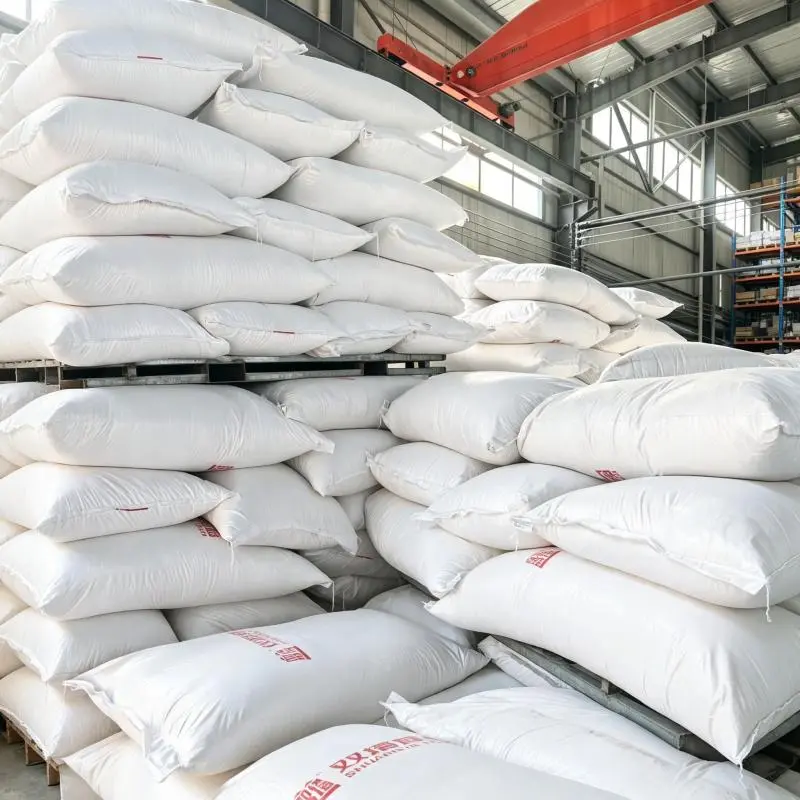
Behind every bag of cat litter is a factory, and the quality of that factory directly impacts what ends up in your cat’s box. As a professional manufacturer with a state-of-the-art 16,000-square-meter facility, we understand this intimately. Our process involves:
Strict Raw Material Sourcing: We use only food-grade corn from trusted suppliers.
Advanced Automation: Our production lines use real-time sensors to ensure every batch is consistent in moisture content, pellet size, and density.
In-House R&D: Our team of scientists and engineers continuously works to improve our formulas, developing innovations like our proprietary starch-gel matrix for superior absorption.
Comprehensive Testing: Every batch undergoes rigorous lab testing for absorption, clump strength, dust, and safety before it leaves our facility.
This level of control ensures that whether you’re a pet parent buying a single bag or a retailer sourcing for your entire store, you receive a product of unwavering quality and performance.
By focusing on these practical, user-centric factors—understanding the material, evaluating performance, comparing options, and choosing based on your specific needs—you can confidently select the best corn cat litter for a cleaner, healthier, and happier life with your feline companion.
387.webp)