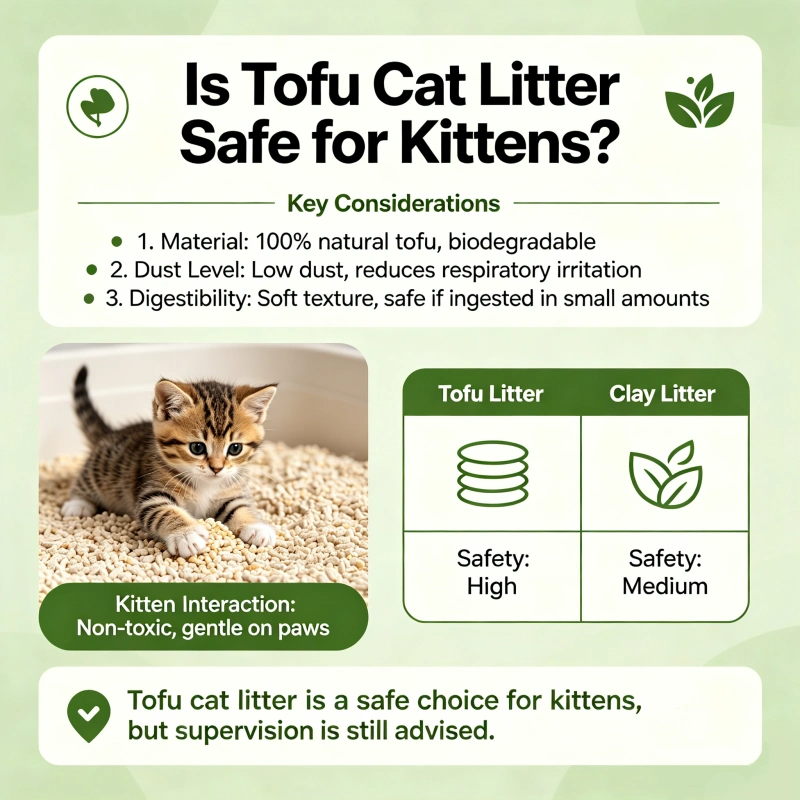
Bringing home a new kitten is a joyful, life-changing event. Along with the cuddles and playful paws comes a long list of responsibilities, one of the most important being to create a safe and comfortable environment. A crucial part of that environment is the litter box. With so many options on the market—clay, silica gel, pine, and the increasingly popular tofu cat litter—it’s natural to wonder: Is tofu cat litter safe for kittens?
The short answer is yes, tofu cat litter is generally considered one of the safest and most kitten-friendly options available in 2026. However, like any product, it’s essential to understand its composition, benefits, potential risks, and how it compares to alternatives before making a final decision. This comprehensive guide will walk you through everything you need to know to choose the best litter for your furry family member.
What Exactly Is Tofu Cat Litter?
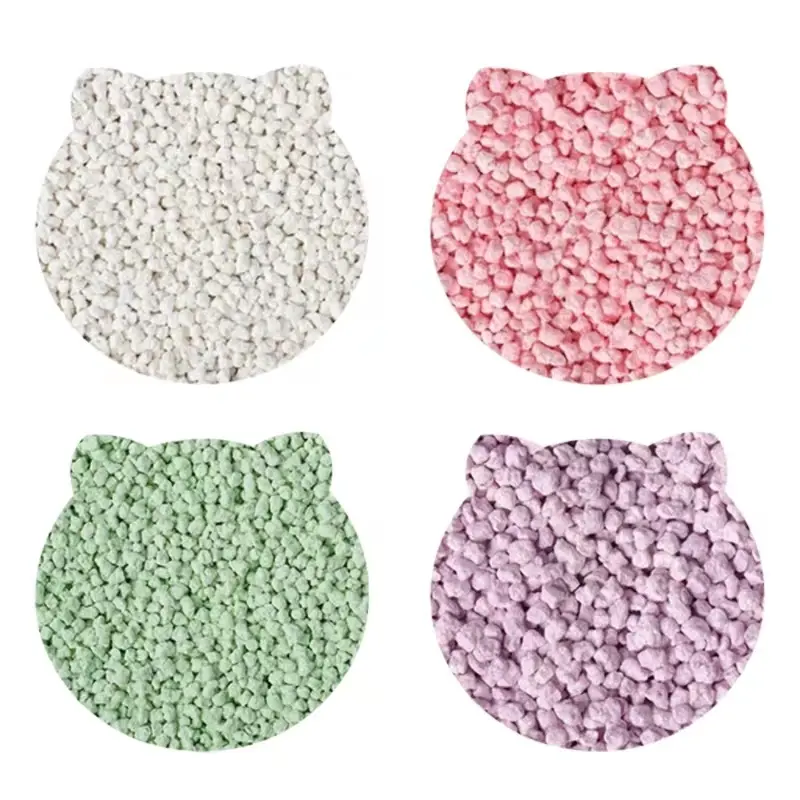
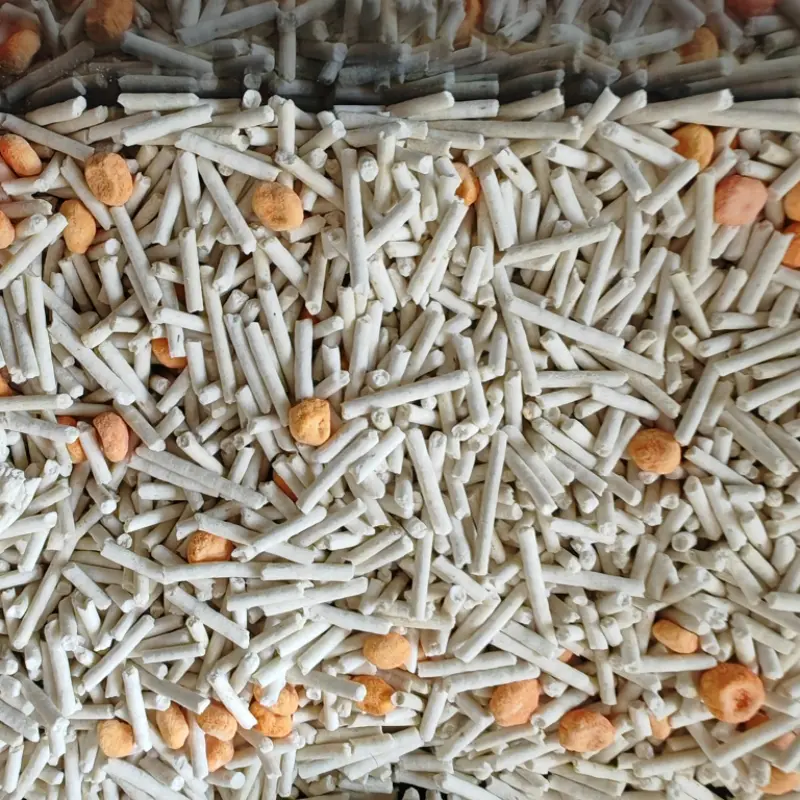
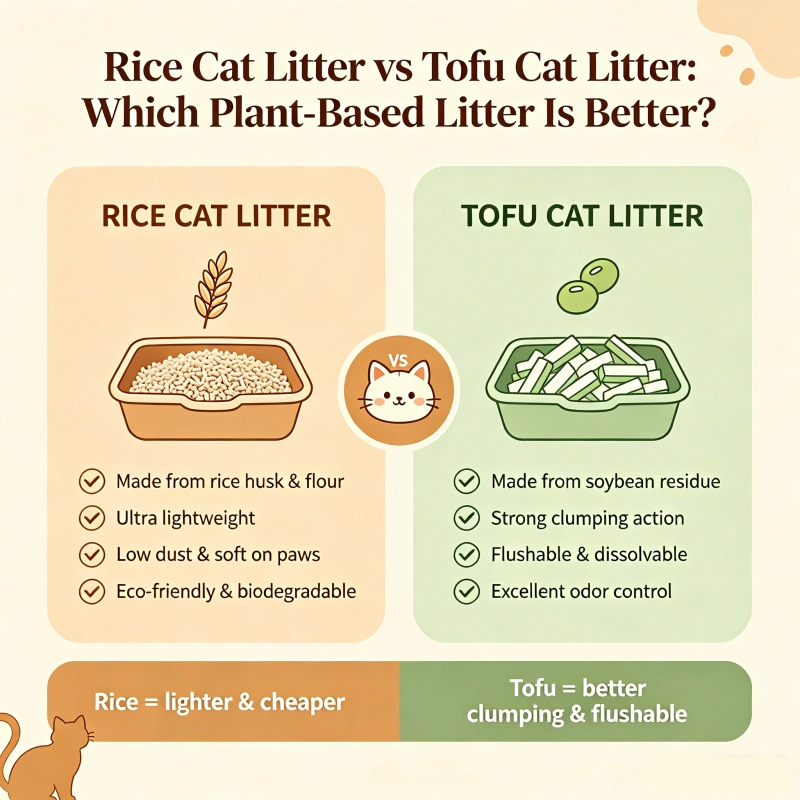
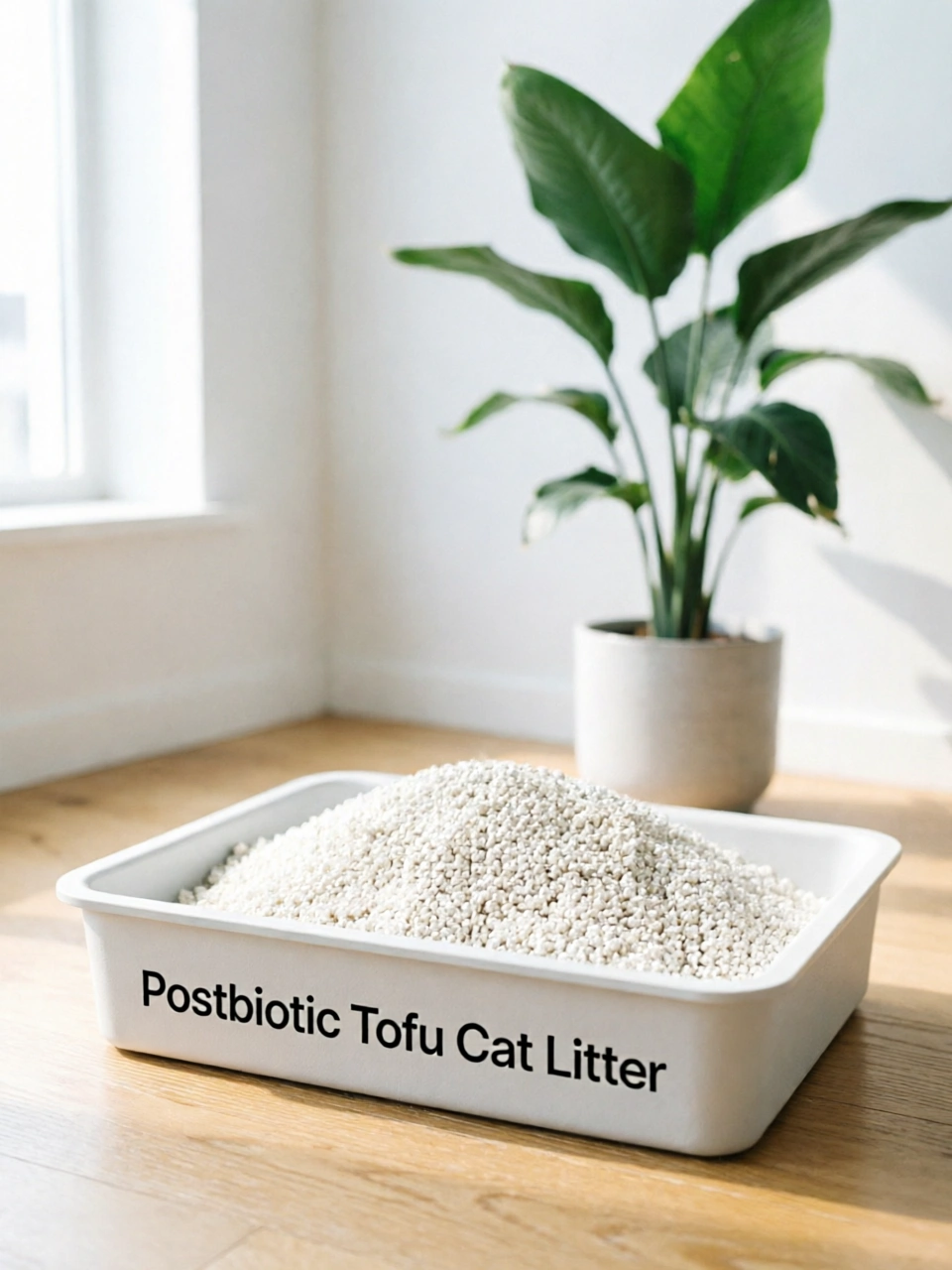
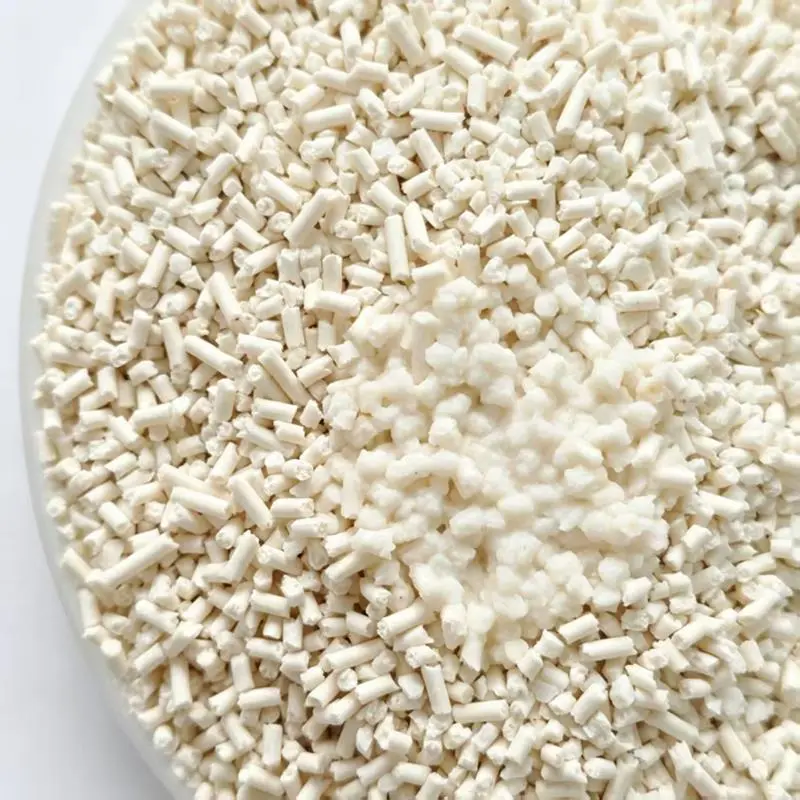
Before we dive into safety, let’s clarify what tofu cat litter actually is. Despite its name, it’s not made from the soft, white blocks of tofu you find at the grocery store. Instead, it’s crafted from the by-products of soybean processing, primarily soybean fiber and sometimes pea fiber or other food-grade plant materials.
The manufacturing process involves compressing these natural fibers into small, dense granules. The result is a lightweight, highly absorbent, and fast-clumping litter that is often marketed as “flushable” and “biodegradable.” Its natural origin is a key selling point, appealing to pet parents who prioritize eco-friendliness and non-toxic materials in their homes.
Key Ingredients and Their Safety Profile
The primary ingredient in high-quality tofu litter is food-grade soybean fiber. This means it meets safety standards for human consumption, which immediately sets a high bar for its safety around pets. It contains no synthetic chemicals, artificial fragrances, or dyes that are common irritants in other litter types.
Many brands also add natural odor-control agents like activated charcoal or plant-based enzymes. These work by neutralizing odors at a molecular level rather than masking them with strong perfumes, which can be overwhelming for a kitten’s sensitive nose.
Because it’s made from natural, edible-grade materials, the biggest safety advantage of tofu litter is its low toxicity risk if ingested. Kittens, especially those under 12 weeks old, are naturally curious and often explore their world with their mouths. They may accidentally ingest small amounts of litter while grooming their paws after using the box. With tofu litter, this accidental ingestion is far less concerning than with clay or silica gel litters, which can cause serious internal blockages or dehydration.
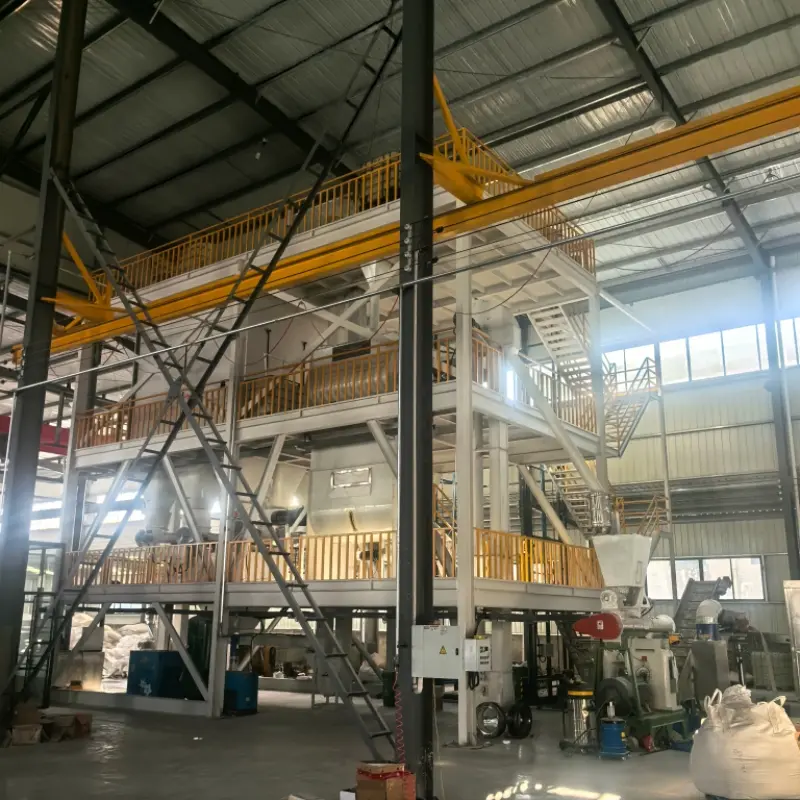
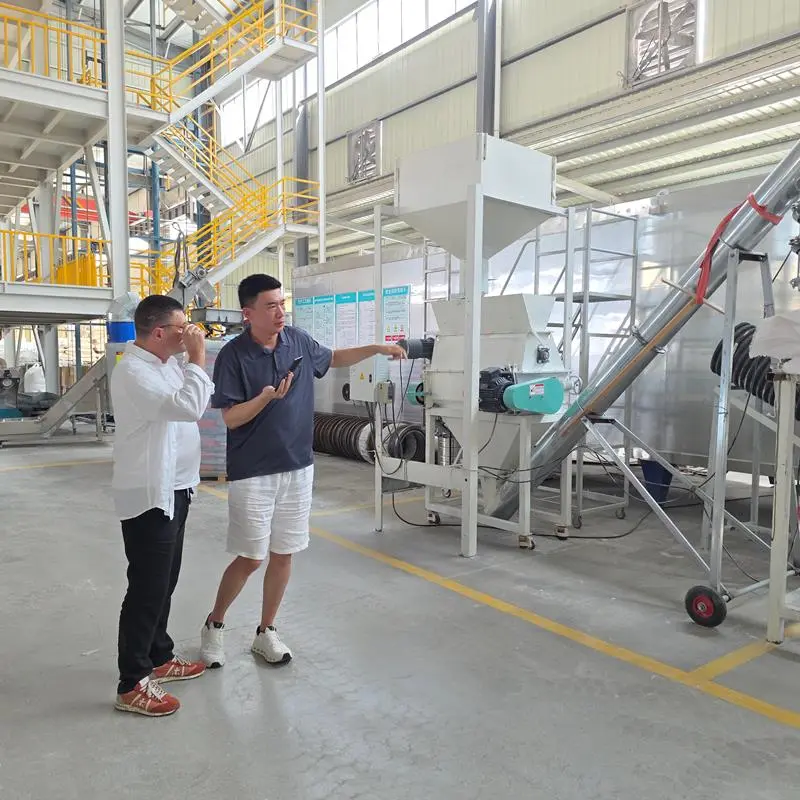
It’s worth noting that the quality of tofu litter can vary significantly depending on the manufacturer. Reputable producers use only pure, food-grade raw materials and maintain strict quality control throughout the production process. For instance, specialized manufacturers like Shandong Gelin Town Pet Products Co., Ltd., established in 2020, operate state-of-the-art facilities dedicated exclusively to plant-based cat litter. With a 16,000-square-meter production base and advanced automated equipment, they focus on R&D to ensure their tofu litter is consistently dust-free, highly absorbent, and safe—qualities that matter most when you’re choosing a product for a vulnerable kitten. Their commitment to quality is further validated by international certifications including ISO9001, BSCI, SGS, and CTI.
Why Tofu Litter Is Often the Top Choice for Kittens
Veterinarians and feline behaviorists frequently recommend tofu litter for kittens, and for several compelling reasons that go beyond just its non-toxic nature.
1. Gentle on Sensitive Respiratory Systems
One of the most significant hazards of traditional clay (bentonite) litter is its fine, pervasive dust. When a cat digs, this dust becomes airborne and can be easily inhaled. For adult cats, this can lead to chronic respiratory irritation. For tiny kittens with still-developing lungs, it poses an even greater risk and can potentially contribute to long-term health issues like asthma.
Tofu cat litter, in contrast, is virtually 99% dust-free. Its granules are larger and heavier than clay particles, so they don't become airborne. This creates a much healthier breathing environment for your kitten, allowing them to use their litter box without coughing or sneezing.
2. Soft and Comfortable on Tiny Paws
A kitten’s paws are delicate. Some litters, like certain crystal or coarse wood pellet varieties, can feel harsh or uncomfortable to dig in. Tofu litter has a soft, smooth texture that is gentle on their little feet, encouraging them to use the box consistently. A positive first experience with the litter box is critical for successful and lifelong litter training.
3. Excellent Clumping for Easy Clean-Up
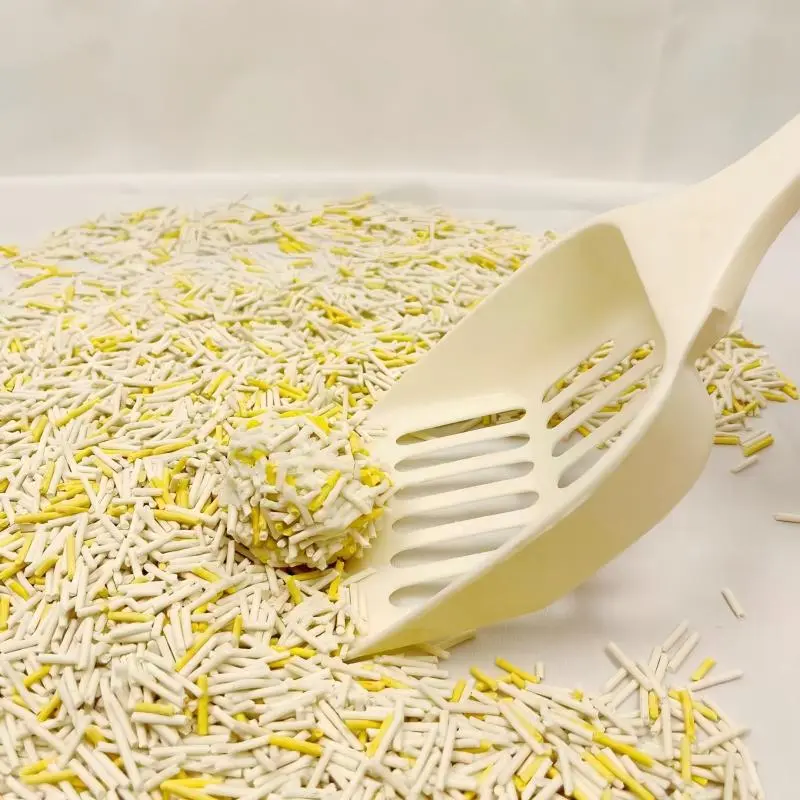
Tofu litter is known for its superior clumping ability. It forms hard, solid clumps almost instantly upon contact with liquid. This makes scooping incredibly easy and efficient, allowing you to remove waste quickly and keep the box fresh. A clean litter box is a happy litter box, and a happy box is one your kitten will want to use. Frequent cleaning also helps prevent the development of bad habits like going outside the box.
4. Natural Odor Control Without Overpowering Scents
Kittens have a sense of smell that is up to 14 times stronger than ours. Strong artificial fragrances found in many scented litters can be not just unpleasant but genuinely aversive to them, causing them to avoid the box altogether.
Tofu litter relies on its natural composition and added enzymes or charcoal for odor control. It typically has a very mild, neutral, or slightly nutty smell that is unobtrusive to both humans and cats. This subtle approach keeps the area smelling fresh without overwhelming your kitten’s senses.
To learn more about the advantages of tofu cat litter, you can also check out this article: Top 10 Benefits of Tofu Cat Litter,Why choose tofu cat litter?
Understanding the Potential Risks and How to Mitigate Them
While tofu litter is widely regarded as safe, it’s responsible to acknowledge and address its potential downsides. Being informed allows you to use it in the safest way possible.
The Ingestion Question: Is It Really Harmless?
As mentioned, the low toxicity of tofu litter is a major plus. If your kitten nibbles on a small piece out of curiosity, it’s unlikely to cause harm because it’s made from digestible plant fiber.
However, “low risk” does not mean “no risk.” If a kitten develops a habit of eating large quantities of any non-food item, it’s a condition called pica. Pica can be a sign of an underlying medical issue (like anemia or a nutritional deficiency) or a behavioral problem (like stress or boredom). Even a safe material like tofu litter can cause a gastrointestinal blockage if consumed in large enough amounts.
What to do: Monitor your kitten’s behavior. If you notice them consistently trying to eat the litter, consult your veterinarian to rule out any health concerns. In the meantime, you can try a different brand of tofu litter or temporarily switch to a paper-based litter, which is also very safe and unappealing to eat.
The Flushability Factor: A Word of Caution
Many tofu litter brands proudly advertise that their product is flushable. While this is technically true for the litter itself, there are important caveats.
First, never flush litter that contains your kitten’s feces. Cat feces can carry a parasite called Toxoplasma gondii, which is harmful to marine life and can contaminate water supplies. Feces should always be disposed of in the trash.
Second, even when just flushing urine clumps, you should be cautious. Not all plumbing systems are created equal. Older pipes, septic systems, or municipal sewer systems that are prone to clogs may not handle even biodegradable materials well. Flushing large clumps at once can cause a blockage.
What to do: If you choose to flush, only flush small, broken-up urine clumps and do so infrequently. Always check with your local waste management authority about their guidelines. When in doubt, the safest disposal method for all cat waste is the regular trash.
Moisture Sensitivity and Storage
Because it’s made from plant fibers, tofu litter is hygroscopic, meaning it absorbs moisture from the air. If you live in a very humid climate or store the litter in a damp place like a basement or garage, the bag can absorb ambient moisture. This can cause the litter to start clumping inside the bag before you even use it, reducing its effectiveness in the box.
What to do: Store your tofu litter in a cool, dry place. Once you open a bag, consider transferring the contents to an airtight container to maintain its freshness and performance.
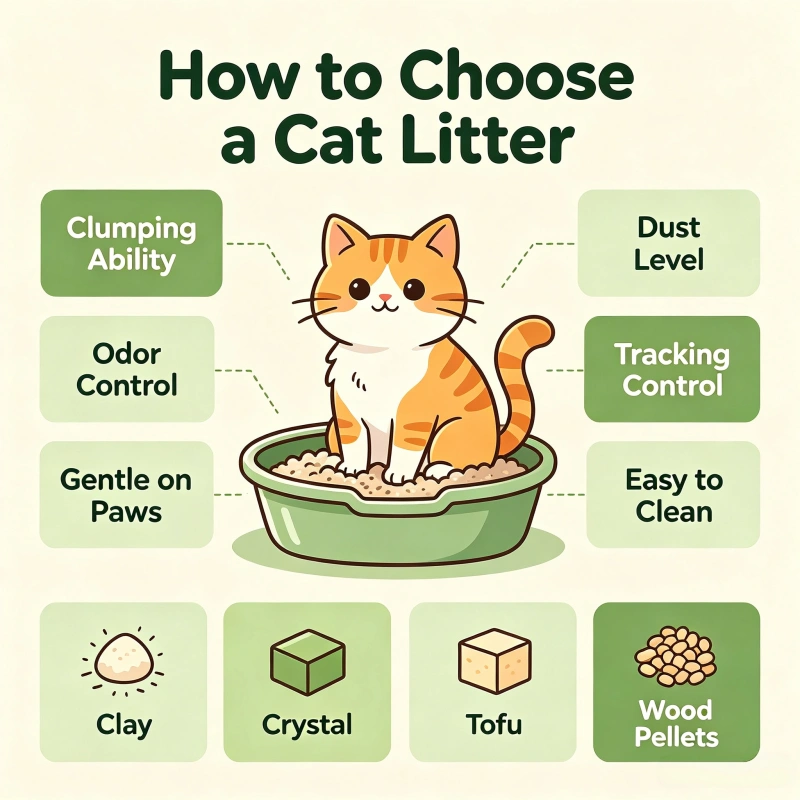
Tofu vs. The Competition: A Detailed Litter Showdown
To truly understand why tofu litter stands out for kittens, it’s helpful to compare it directly against the other most common types on the market.
| Feature | Tofu Litter | Clay (Bentonite) Litter | Silica Gel (Crystal) Litter | Paper-Based Litter |
|---|---|---|---|---|
| Safety for Kittens | Excellent (Non-toxic, low ingestion risk) | Poor (High dust, toxic if ingested, can cause blockages) | Fair (Low dust, but crystals can be a choking hazard; ingestion risk) | Excellent (Non-toxic, very low ingestion risk) |
| Dust Level | Virtually None | Very High | Low | Low to Moderate |
| Texture | Soft, smooth granules | Fine, sandy powder | Hard, sharp crystals | Soft, shredded or pellet form |
| Clumping Ability | Excellent (Fast, hard clumps) | Excellent (Traditional standard) | None (Absorbs but doesn't clump) | Poor to Fair (Some brands clump weakly) |
| Odor Control | Good (Natural, enzyme-based) | Good (Often heavily perfumed) | Excellent (Traps odors in pores) | Fair (Can hold ammonia smell) |
| Tracking | Low (Granules are larger) | High (Fine dust sticks to paws) | Moderate (Crystals can stick) | Low (Shreds are light but large) |
| Eco-Friendliness | Biodegradable & Flushable (with caution) | Mined, non-renewable, not biodegradable | Made from sand, non-biodegradable | Biodegradable & Recycled |
| Cost | Moderate to High | Low to Moderate | Moderate to High | Moderate |
Why the others fall short for kittens:
Clay Litter: Its high dust content is the primary concern for kittens' lungs. Its fine texture is also easily tracked all over your home, and its mining process is environmentally damaging.
Silica Gel Litter: While low in dust, the hard, clear crystals can be a choking hazard for a curious kitten. If ingested, they can swell inside the digestive tract. They also don’t provide the digging satisfaction many cats crave.
Paper-Based Litter: This is actually a very close second to tofu litter in terms of safety. It’s non-toxic and dust-free. However, it often lacks the strong clumping power of tofu, can be more expensive, and some kittens dislike its texture or the sound it makes.
Based on this comparison, tofu litter offers the best overall balance of safety, performance, and user-friendliness specifically for young kittens.
How to Choose the Best Tofu Litter for Your Kitten
Not all tofu litters are created equal. Here’s what to look for on the label to ensure you’re getting a high-quality, safe product:
Simple, Transparent Ingredients: The ingredient list should be short and easy to understand. Look for “soybean fiber,” “pea fiber,” or “food-grade plant fiber” as the primary component. Avoid any litter with a long list of unpronounceable chemicals or vague terms like “natural fragrance.”
Unscented or Naturally Scented: Choose an unscented version or one scented only with natural essential oils (and even then, use caution as some oils can be toxic to cats). The safest bet is no added scent at all.
Low-Dust Guarantee: Reputable brands will explicitly state that their product is “99% dust-free” or “virtually dust-free.”
Strong Clumping Claims: Look for descriptions like “fast-clumping” or “hard clumps” to ensure easy maintenance.
Brand Reputation and Certifications: Stick with established brands that have positive reviews from other pet owners and, ideally, some form of third-party quality certification.
Today’s market includes a growing number of specialized manufacturers focused solely on plant-based litters. Companies like Shandong Gelin Town Pet Products Co., Ltd. exemplify this trend—they operate large-scale, modern facilities in China dedicated entirely to the R&D and production of high-end tofu, corn, and other plant-based cat litters. With an annual capacity of 7,000 tons and a full supply chain from raw materials to finished packaging, they serve global markets and offer flexible OEM/ODM services for private-label brands on platforms like Amazon and eBay. Their adherence to international standards (ISO9001, BSCI, etc.) ensures consistent safety and performance, making them a reliable source for premium kitten-safe litter.
Top-Rated Tofu Litter Brands in 2026 (Based on User Reviews and Vet Recommendations)
Purina Tidy Cats LightWeight Tofu: Known for its excellent clumping and very low tracking.
Scoop Away Pure Performance Tofu: Offers powerful, natural odor control with activated charcoal.
Fresh Step Clean Paws Tofu: Features a unique granule shape designed to minimize tracking even further.
World's Best Cat Litter (Multiple Cat): A long-standing favorite, made from whole-kernel corn (a similar concept), known for its exceptional clumping and odor control.
For the latest information on tofu cat litter prices, please see this article: How Much Does Tofu Cat Litter Cost? Complete 2026 Guide
Introducing Your Kitten to Tofu Litter: A Step-by-Step Guide
Even the safest litter won’t work if your kitten refuses to use it. Here’s how to make the transition smooth and successful:
Start Early: You can introduce a litter box as early as 3-4 weeks old, when kittens begin to explore away from their mother.
Choose the Right Box: Use a small, shallow box with low sides so your kitten can easily climb in and out. A cardboard box or a specially designed kitten pan works perfectly.
Fill It Properly: Add only about 1-2 inches of tofu litter to start. Too much can be intimidating for a tiny kitten.
Place It Strategically: Put the box in a quiet, low-traffic area of your home, away from their food and water bowls.
Show Them the Way: After meals or naps, gently place your kitten in the box. You can scratch the surface of the litter with your finger to demonstrate the digging behavior.
Positive Reinforcement: Never punish your kitten for accidents. Instead, praise and offer a treat when they use the box correctly. Clean any accidents thoroughly with an enzymatic cleaner to remove all traces of odor that might attract them back to the same spot.
Be Patient and Consistent: Litter training takes time. Stick with the same type of litter during the training period to avoid confusion.
Final Verdict: Is It Safe?
After reviewing the ingredients, consulting the latest veterinary advice, and comparing it to all major alternatives, the evidence is clear. Yes, high-quality, unscented tofu cat litter is a safe, effective, and often ideal choice for kittens in 2026.
Its combination of non-toxic, food-grade materials, zero dust, soft texture, and excellent performance addresses the specific needs and vulnerabilities of young cats better than most other options on the market. By choosing a reputable brand—ideally one produced by a dedicated, certified manufacturer like Shandong Gelin Town Pet Products Co., Ltd., whose focus on plant-based innovation and rigorous quality control ensures a consistently safe product—and following the simple usage and introduction tips outlined above, you can provide your new kitten with a litter box experience that is not only safe but also encourages good, lifelong bathroom habits. Contact Gelin Town to obtain samples.
Remember, every kitten is an individual. While tofu litter is a fantastic starting point, pay close attention to your kitten’s preferences and behavior. If they seem to dislike it for any reason, don’t hesitate to try another safe alternative like paper-based litter. Your ultimate goal is a clean, healthy, and happy cat, and the right litter is a big step in that direction.
387.webp)