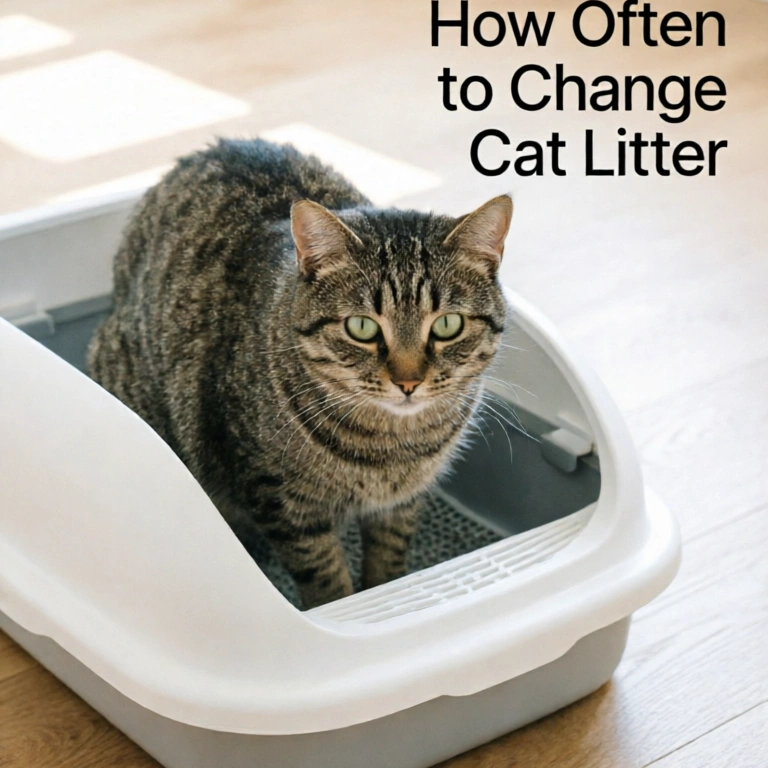
One of the most common questions among cat owners is: How often should you change cat litter?
The answer is not as simple as changing the litter once a week or once a month. The ideal replacement schedule depends on several factors, including the type of litter, the number of cats in the household, the size of the litter box, your cat's health, and the litter's odor-control performance.
Changing cat litter too infrequently can lead to unpleasant odors, bacterial growth, ammonia buildup, and litter box avoidance. On the other hand, changing litter too often can unnecessarily increase costs and waste perfectly usable litter.
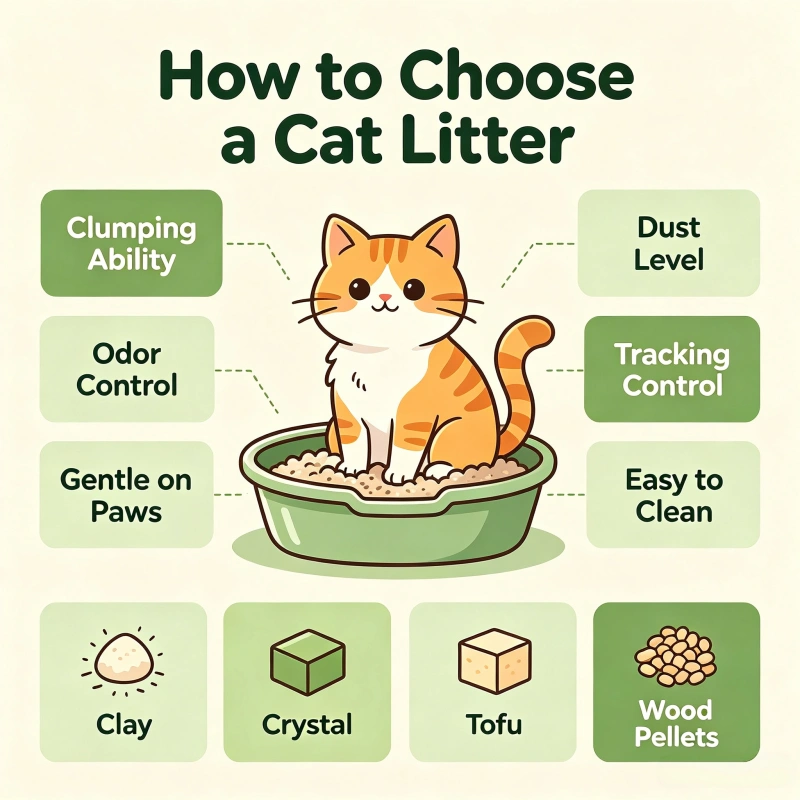
This comprehensive guide explains how often to change every major type of cat litter, including clay litter, tofu litter, bentonite litter, crystal litter, pine litter, paper litter, corn litter, and mixed formulas. You'll also learn the factors that influence litter lifespan, signs that litter needs replacement, and practical tips for maintaining a cleaner and healthier litter box.
Why Regular Cat Litter Replacement Is Important
Cats are naturally clean animals. In the wild, they instinctively bury their waste to hide their scent from predators and competitors.
A dirty litter box can create several problems:
Odor Problems
Urine breaks down into ammonia over time, producing strong and unpleasant smells.
Bacterial Growth
Moist litter can become a breeding ground for:
Bacteria
Mold
Parasites
Fungi
Litter Box Avoidance
Many cats refuse to use dirty litter boxes.
This may result in:
Accidents around the house
Stress-related behaviors
House-soiling problems
Health Monitoring Issues
Fresh litter helps owners monitor:
Urination frequency
Stool quality
Blood in urine
Digestive health
Regular litter replacement supports both feline health and household hygiene.
Factors That Affect How Often Cat Litter Should Be Changed
Before discussing individual litter types, it's important to understand the variables that influence litter replacement frequency.
Number of Cats
More cats produce more waste.
For example:
| Number of Cats | Recommended Cleaning Frequency |
|---|---|
| 1 Cat | Scoop Daily |
| 2 Cats | Scoop Twice Daily |
| 3+ Cats | Scoop Multiple Times Daily |
A multi-cat household may require complete litter replacement much more frequently.
Litter Box Size
Larger litter boxes hold more litter and distribute waste more effectively.
Deep litter beds generally last longer than shallow ones.
Cat Age
Kittens often use litter boxes more frequently than adult cats.
Senior cats may also require more frequent maintenance due to health conditions.
Diet
Cats consuming:
Wet food
High-protein diets
Specialized medical diets
may produce stronger odors.
Litter Quality
Premium litters often provide:
Better clumping
Improved odor control
Lower dust levels
Longer lifespan
Higher-quality litter generally requires less frequent replacement.
How Often to Change Clumping Bentonite Cat Litter
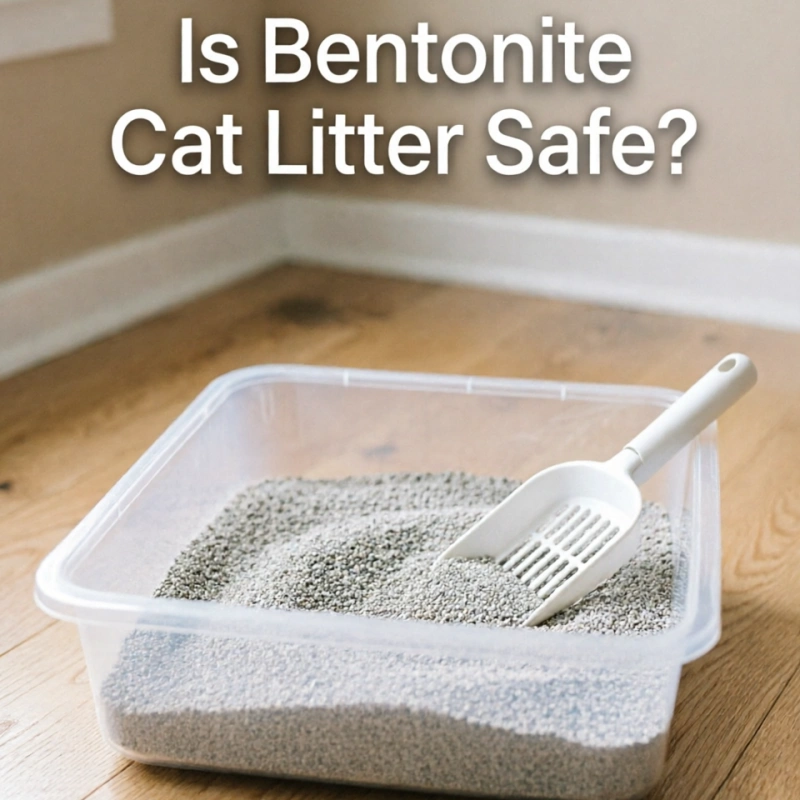
Bentonite clay litter remains one of the most popular cat litter options worldwide.
How It Works
Bentonite absorbs moisture and forms solid clumps when exposed to urine.
These clumps can be removed individually.
Recommended Schedule
Daily
Scoop urine clumps
Remove feces
Weekly
Add fresh litter as needed
Every 2-4 Weeks
Completely replace litter
Wash litter box
Single Cat Household
Full replacement every:
2-4 weeks
Multi-Cat Household
Full replacement every:
1-2 weeks
Advantages
Excellent clumping
Easy cleaning
Strong odor control
Drawbacks
Heavy weight
Dust production
Environmental concerns
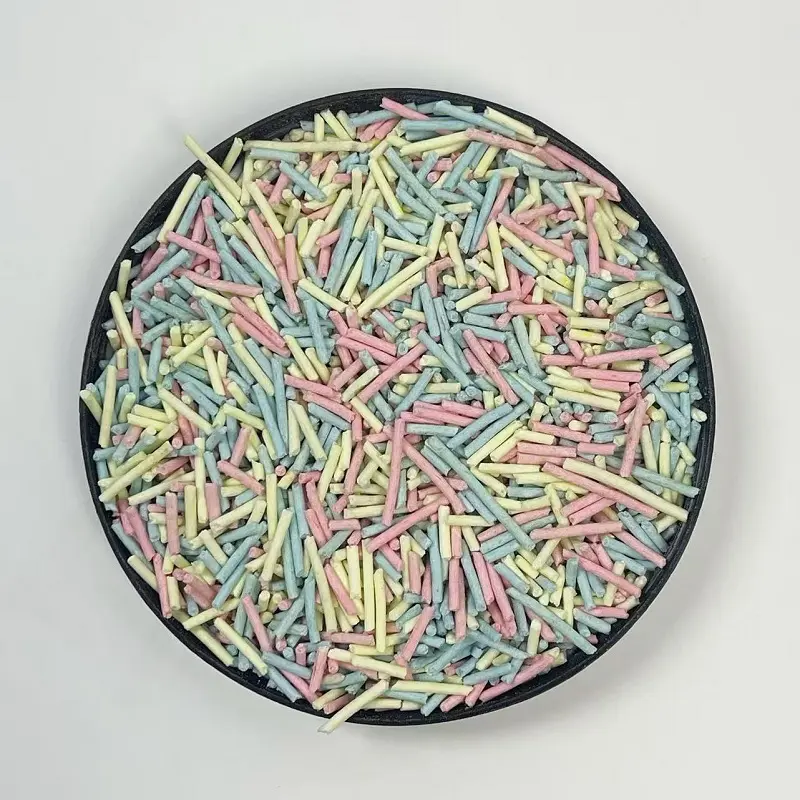
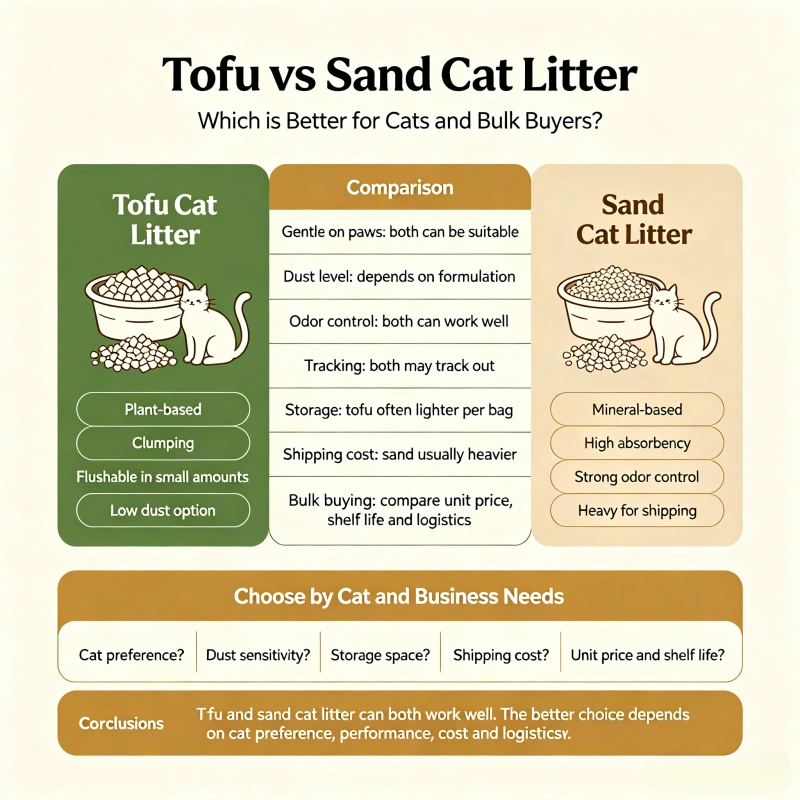
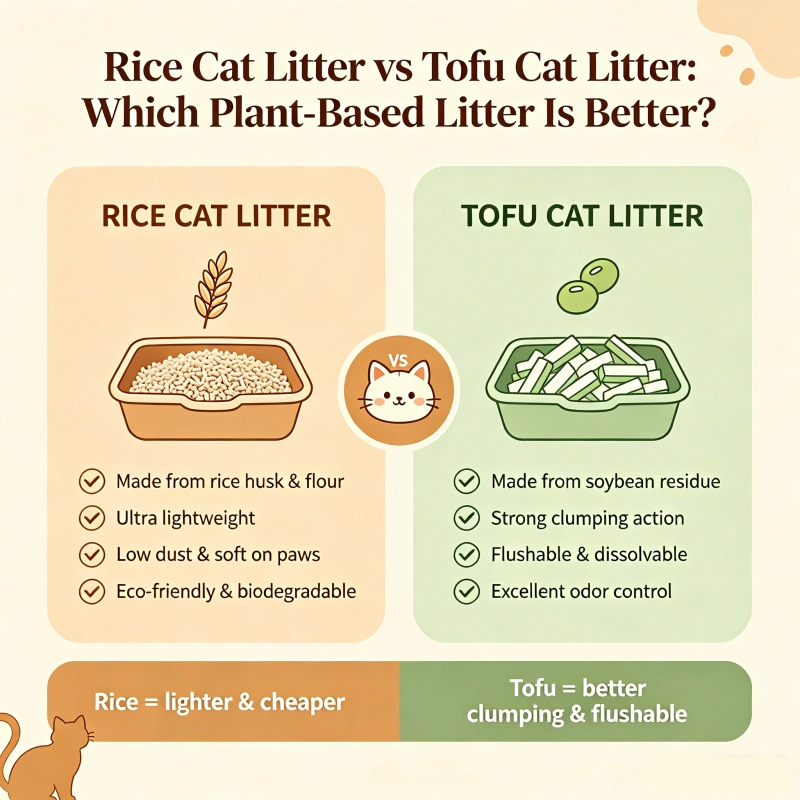
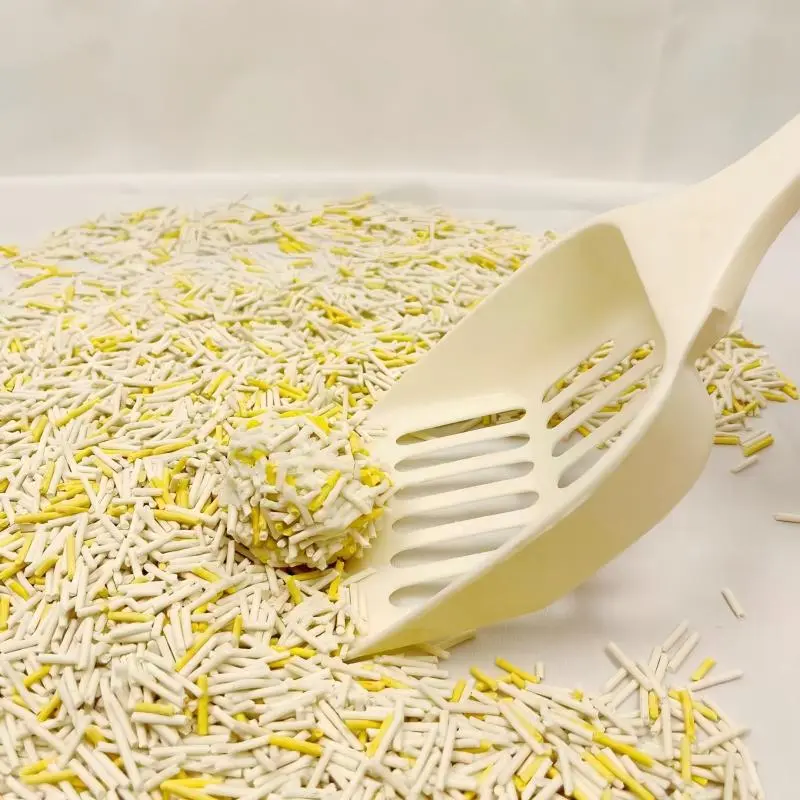
How Often to Change Tofu Cat Litter
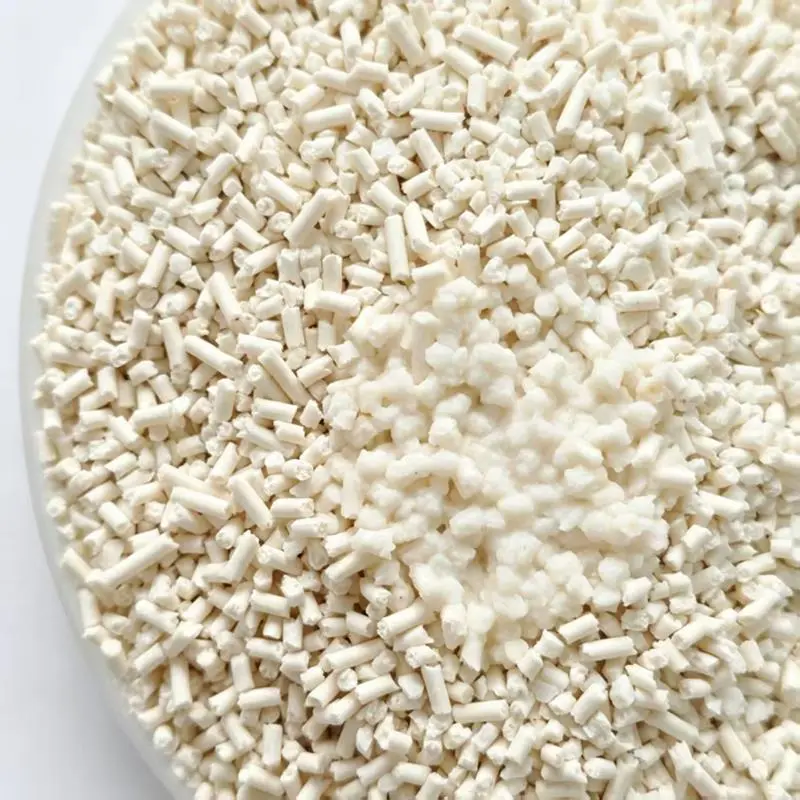
Tofu cat litter has become increasingly popular because it is biodegradable, low-dust, and environmentally friendly.
How It Works
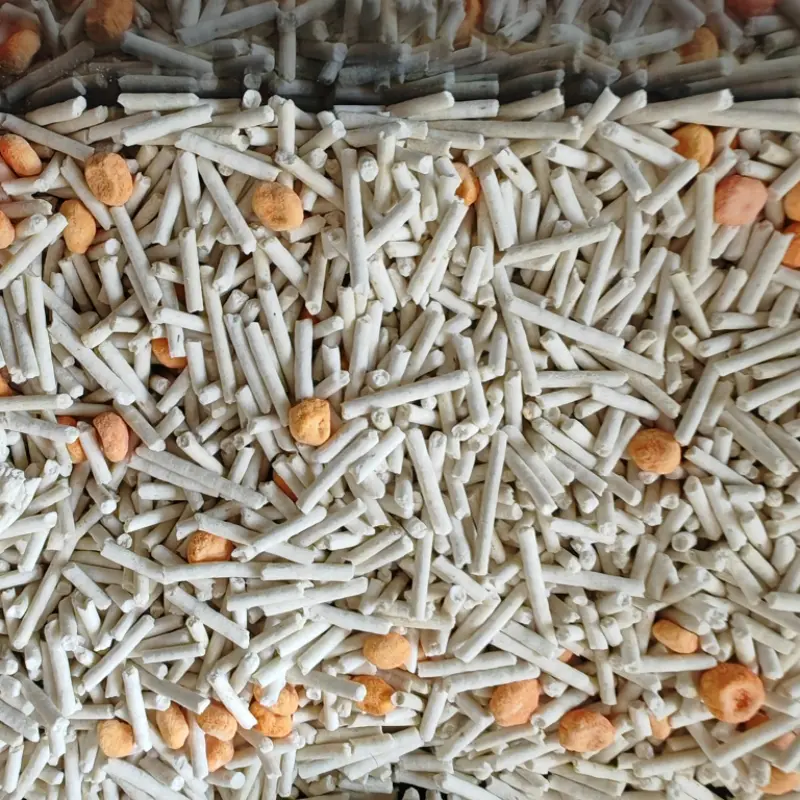
Made primarily from soybean fiber, tofu litter forms firm clumps that can be removed easily.
Recommended Schedule
Daily
Scoop waste
Weekly
Refill litter as needed
Every 3-5 Weeks
Complete litter replacement
Single Cat Household
Change every:
3-5 weeks
Multi-Cat Household
Change every:
2-3 weeks
Advantages
Excellent odor control
Flushable in small quantities
Low dust
Eco-friendly
Drawbacks
Higher purchase price
Sensitive to humidity
Tofu litter often lasts longer than traditional clay litter because of its superior absorbency.
How Often to Change Crystal Cat Litter
Crystal litter is usually made from silica gel.
How It Works
Instead of clumping, silica crystals absorb moisture and gradually evaporate it.
Recommended Schedule
Daily
Remove solid waste
Weekly
Stir crystals
Every 3-6 Weeks
Replace entire litter box
Single Cat Household
Replacement every:
4-6 weeks
Two Cats
Replacement every:
2-4 weeks
Advantages
Extremely low maintenance
Strong odor control
Lightweight
Drawbacks
Higher cost
Some cats dislike texture
Difficult to monitor urine output
Crystal litter often offers the longest replacement interval among commercially available cat litters.
How Often to Change Pine Cat Litter
Pine litter is made from compressed wood fibers or pellets.
How It Works
Pine pellets absorb moisture and gradually break down into sawdust.
Recommended Schedule
Daily
Remove feces
Weekly
Remove excess sawdust
Every 1-3 Weeks
Replace remaining litter
Single Cat
Every:
2-3 weeks
Multi-Cat Homes
Every:
1-2 weeks
Advantages
Natural scent
Biodegradable
Low dust
Drawbacks
Some cats dislike pellet texture
Lower clumping performance
How Often to Change Paper Cat Litter
Paper litter is often recommended for:
Kittens
Post-surgery cats
Sensitive cats
Recommended Schedule
Daily
Remove waste
Every 5-10 Days
Complete replacement
Single Cat
Every:
7-10 days
Multiple Cats
Every:
5-7 days
Advantages
Very soft texture
Dust-free
Safe for recovery
Drawbacks
Lower odor control
Lower absorbency
Paper litter generally requires more frequent replacement than most other litter types.
How Often to Change Corn Cat Litter
Corn litter is a biodegradable plant-based litter.
Recommended Schedule
Daily
Scoop waste
Every 2-4 Weeks
Replace litter completely
Single Cat
Every:
3-4 weeks
Multi-Cat Household
Every:
2 weeks
Advantages
Natural ingredients
Good clumping
Lightweight
Drawbacks
May attract insects if stored improperly
Sensitive to humidity
How Often to Change Wheat Cat Litter
Wheat litter is another biodegradable alternative.
Recommended Schedule
Daily
Remove clumps
Every 2-4 Weeks
Full litter replacement
Advantages
Good odor control
Natural enzymes
Flushable in some areas
Drawbacks
Potential allergy concerns
Can spoil in humid environments
How Often to Change Non-Clumping Clay Litter
Non-clumping clay litter behaves differently from clumping litter.
Since urine remains within the litter, odor accumulates more rapidly.
Recommended Schedule
Daily
Remove feces
Every 5-7 Days
Replace all litter
Single Cat
Every:
5-7 days
Multi-Cat Household
Every:
3-5 days
Advantages
Low cost
Widely available
Drawbacks
Frequent replacement required
Stronger odor buildup
Cat Litter Replacement Frequency Comparison
| Litter Type | Single Cat | Multiple Cats |
| Bentonite Clumping | 2-4 Weeks | 1-2 Weeks |
| Tofu Litter | 3-5 Weeks | 2-3 Weeks |
| Crystal Litter | 4-6 Weeks | 2-4 Weeks |
| Pine Litter | 2-3 Weeks | 1-2 Weeks |
| Paper Litter | 7-10 Days | 5-7 Days |
| Corn Litter | 3-4 Weeks | 2 Weeks |
| Wheat Litter | 2-4 Weeks | 1-2 Weeks |
| Non-Clumping Clay | 5-7 Days | 3-5 Days |
Signs That Cat Litter Needs Changing Immediately
Even if you haven't reached the recommended schedule, certain warning signs indicate the litter should be replaced.
Strong Ammonia Smell
A strong urine odor indicates the litter has reached saturation.
Excessive Moisture
Wet litter loses absorbency and promotes bacterial growth.
Poor Clumping
When clumps break apart easily, the litter is no longer functioning effectively.
Dark Color Changes
Discoloration often indicates contamination and saturation.
Cat Refuses to Use the Litter Box
This is one of the strongest indicators that cleaning is overdue.
Increased Dust
Old litter may produce more dust and irritate both cats and owners.
How to Make Cat Litter Last Longer
Scoop Daily
Daily scooping is the most effective way to extend litter lifespan.
Use Enough Litter
Maintain:
2-3 inches for standard litter
3-4 inches for clumping litter
Use Larger Litter Boxes
Larger boxes distribute waste more effectively.
Follow the "One Plus One Rule"
Experts recommend:
Number of Cats + One Litter Box
Example:
1 cat = 2 litter boxes
2 cats = 3 litter boxes
Store Litter Properly
Keep litter in:
Dry areas
Sealed containers
Cool environments
Choose High-Quality Litter
Premium litter often costs more initially but lasts longer and controls odor better.
Common Mistakes Cat Owners Make
Adding New Litter Without Cleaning
Continuously topping off old litter does not eliminate bacteria.
Waiting Until the Box Smells
If you can smell the litter box, your cat noticed it much earlier.
Using Too Little Litter
Shallow litter beds saturate faster.
Ignoring Multi-Cat Adjustments
More cats require more frequent maintenance.
Not Washing the Litter Box
Even premium litter cannot compensate for a dirty litter box.
Which Cat Litter Requires the Least Frequent Replacement?
Based on replacement intervals, the ranking is:
Crystal Cat Litter
Corn Cat Litter
Bentonite Clumping Litter
Wheat Litter
Pine Litter
Paper Litter
Non-Clumping Clay Litter
However, the best choice depends on your cat's preferences, budget, environmental concerns, and odor-control needs.
Final Thoughts
There is no universal answer to how often cat litter should be changed because every litter type performs differently. Clumping bentonite litter generally requires complete replacement every two to four weeks, tofu and corn litters often last three to five weeks, crystal litter can remain effective for up to six weeks, while paper and non-clumping clay litters typically require much more frequent replacement.
The most important factors are daily scooping, maintaining proper litter depth, monitoring odor levels, and observing your cat's behavior. A clean litter box not only keeps your home fresher but also supports your cat's physical health, emotional comfort, and long-term well-being. By choosing the right litter type and following an appropriate cleaning schedule, cat owners can create a cleaner, healthier, and more enjoyable environment for both themselves and their feline companions.
387.webp)