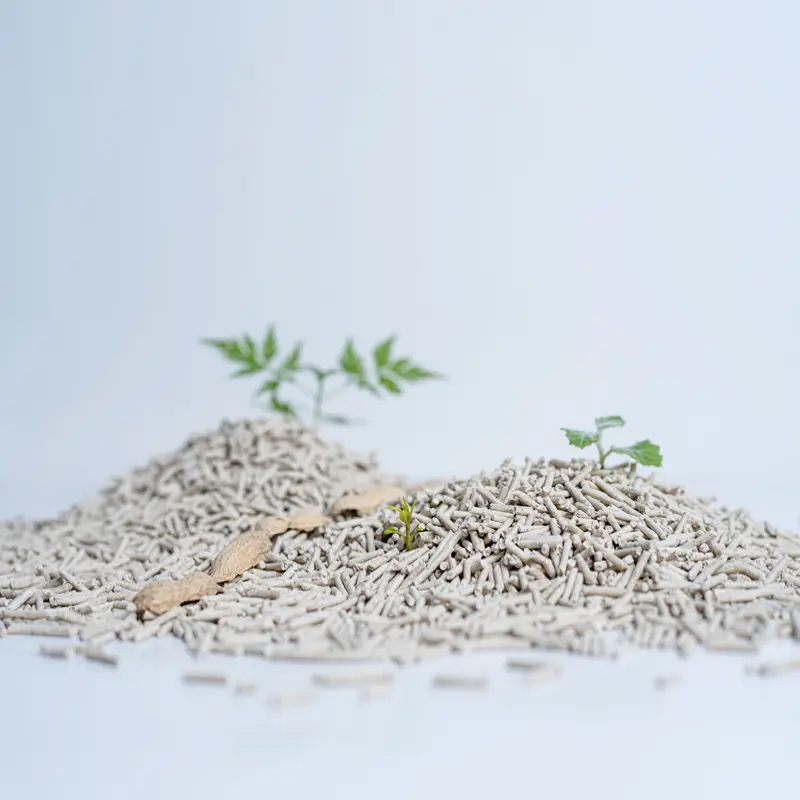
Choosing between clumping litter and non-clumping litter can seem simple, but the right choice depends on more than whether the litter forms a solid ball after absorbing urine. Cat owners also need to consider odor control, cleaning frequency, absorption, tracking, dust, cat preferences, household size, and the type of material used.
So, which is better: clumping or non-clumping cat litter?
For many households, clumping litter is the more convenient option because urine forms a removable clump that can be scooped out without replacing all the litter. Non-clumping litter, however, can still be a practical choice for owners who prefer certain materials, larger pellets, lower tracking, or a simpler replacement routine.
The key is to understand how the two types work and choose based on your cat's needs and your daily cleaning habits.
What Is Clumping Cat Litter?
Clumping cat litter is designed to bind together when it comes into contact with liquid. When a cat urinates in the litter box, the wet litter forms a relatively solid mass that can be removed with a scoop.
The remaining dry litter stays in the box and can continue to be used. Owners normally remove urine clumps and feces every day, then add fresh litter as needed to maintain the correct depth.
Clumping is a functional characteristic rather than a specific material. Clumping litter can be made from bentonite clay, plant-based ingredients, or other absorbent materials.
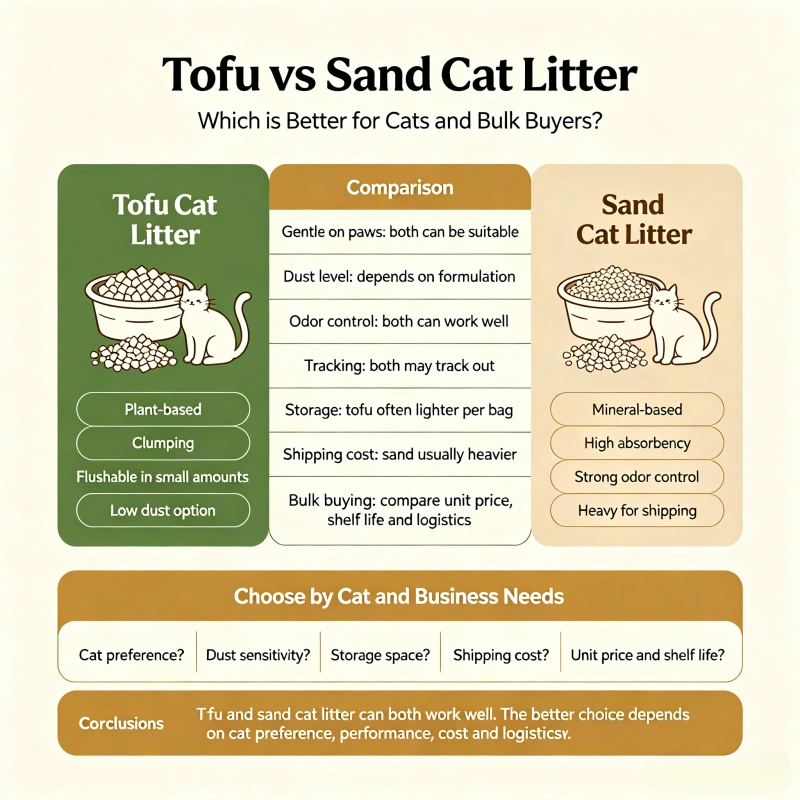
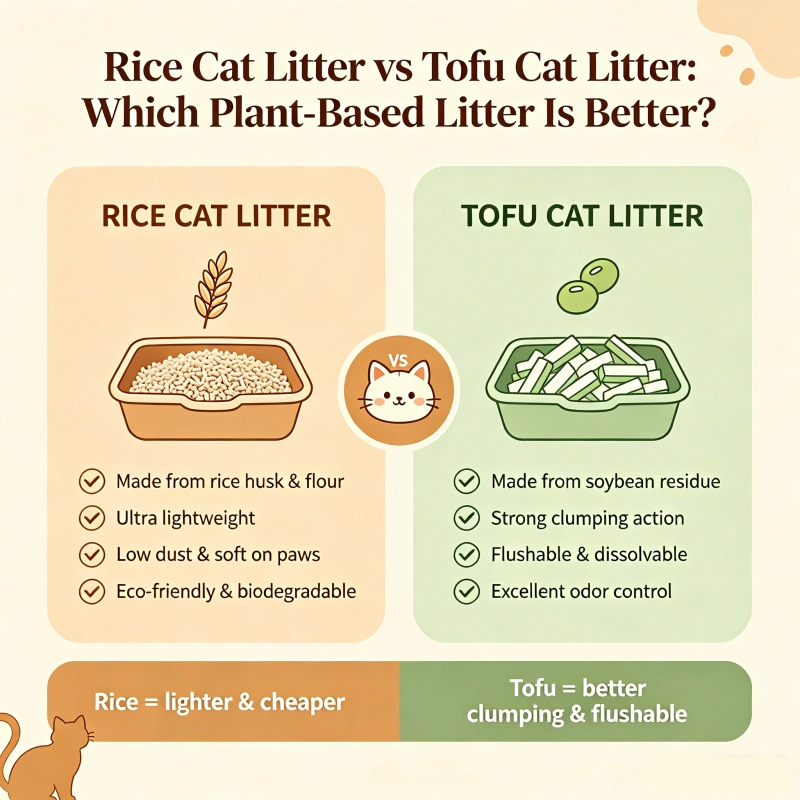
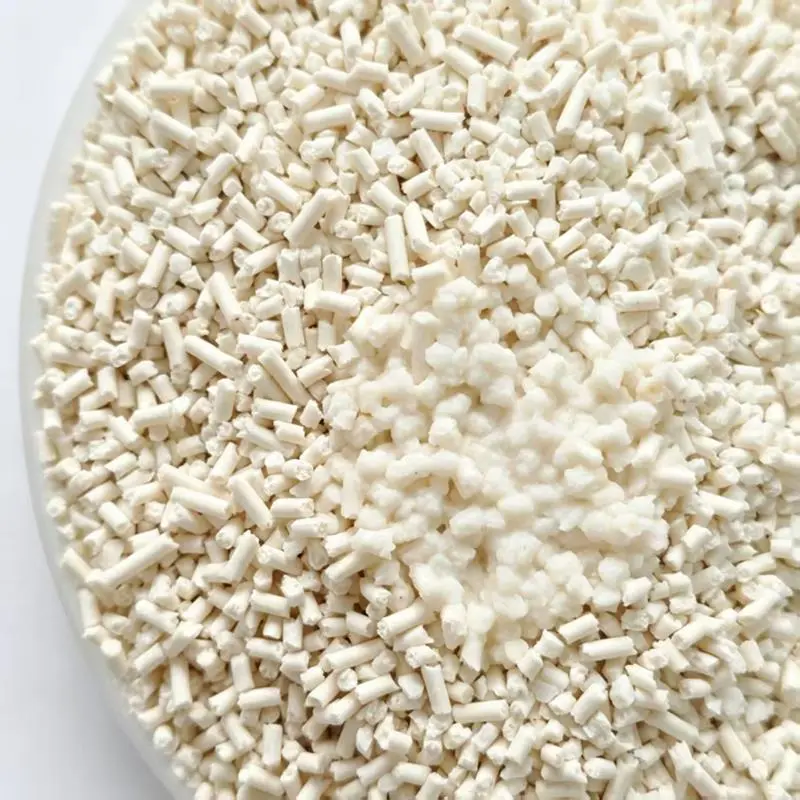
Common plant-based clumping materials include tofu, corn, wheat, cassava, and other natural fibers. These materials can be formulated to provide different levels of absorption, clumping strength, dust control, odor control, and biodegradability.
The main advantage of clumping litter is selective removal: you remove the soiled portion instead of removing the entire contents of the litter box every time.
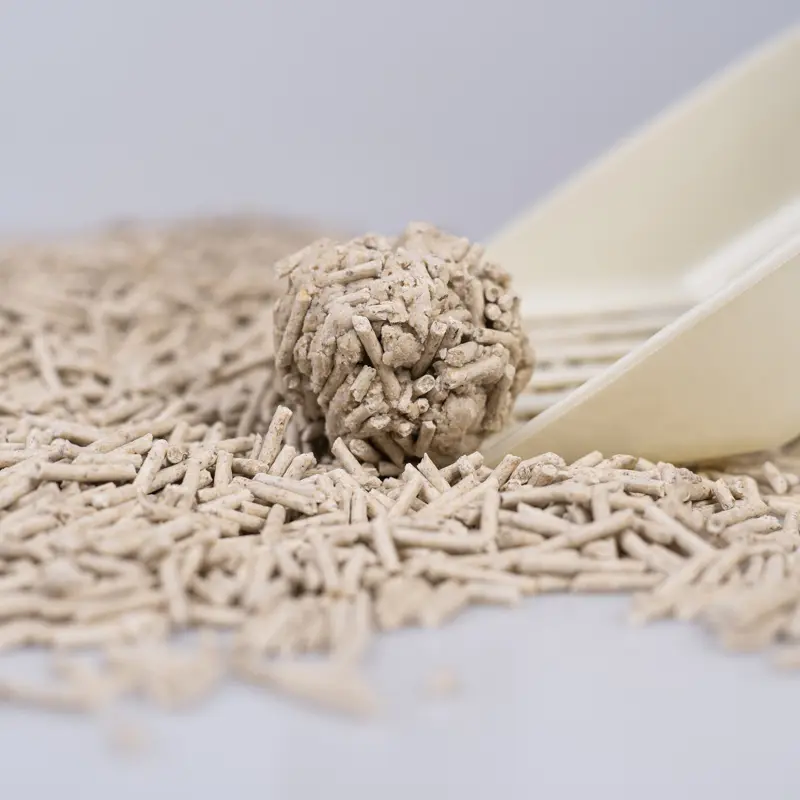
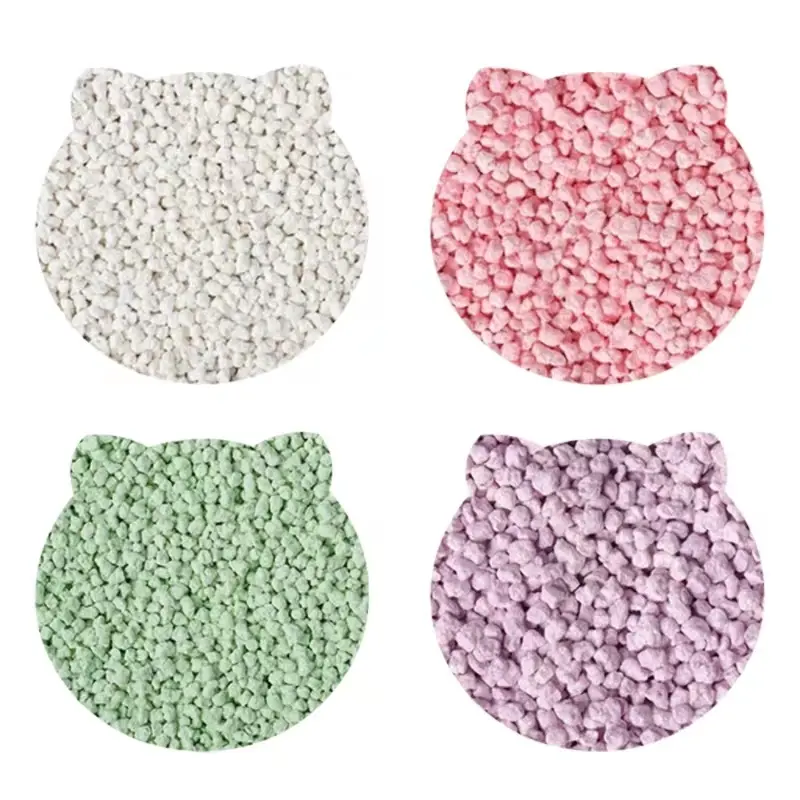
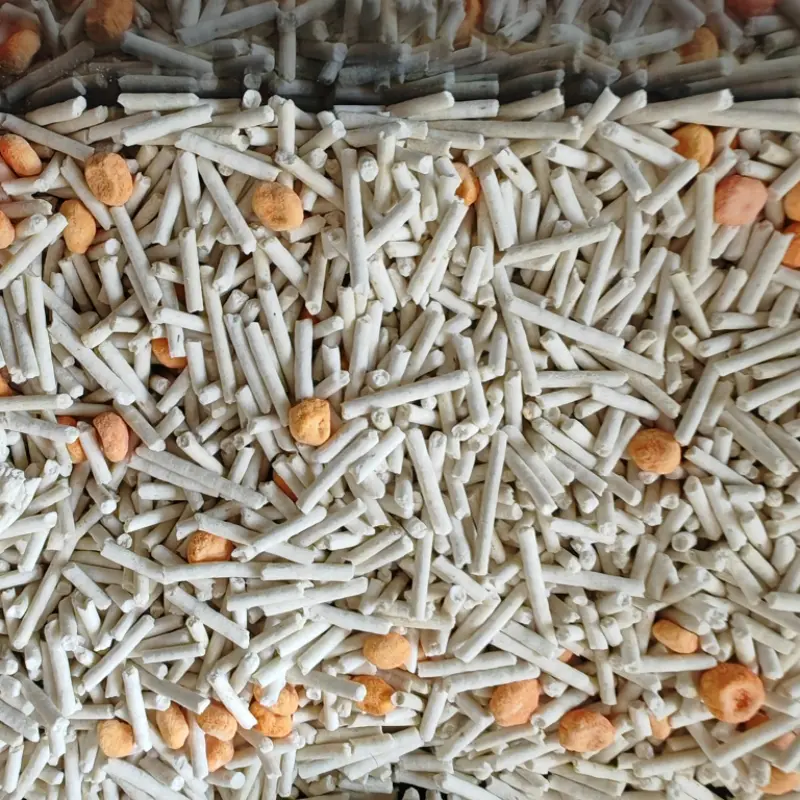
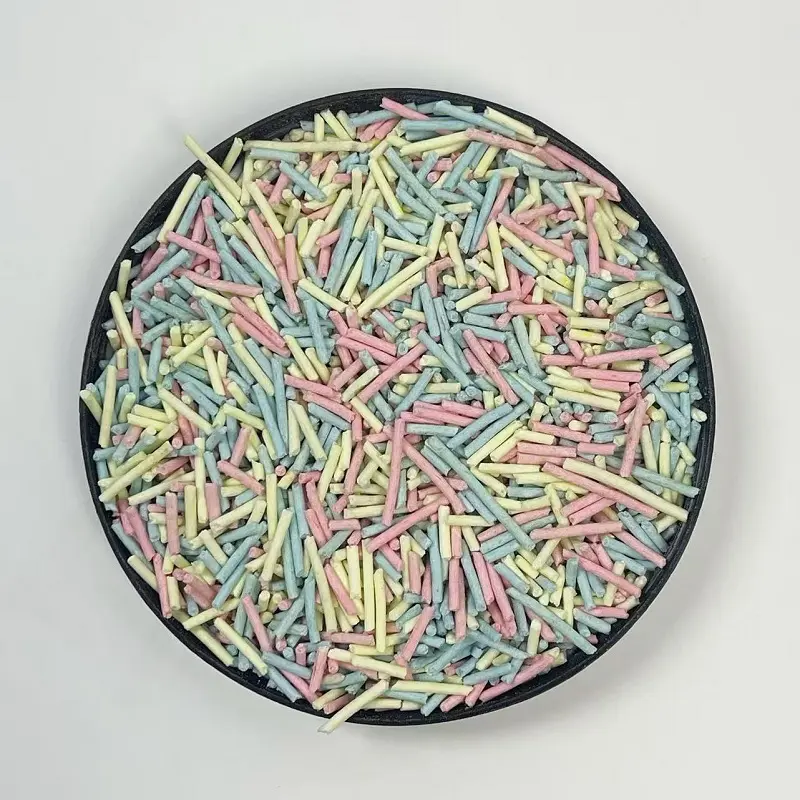
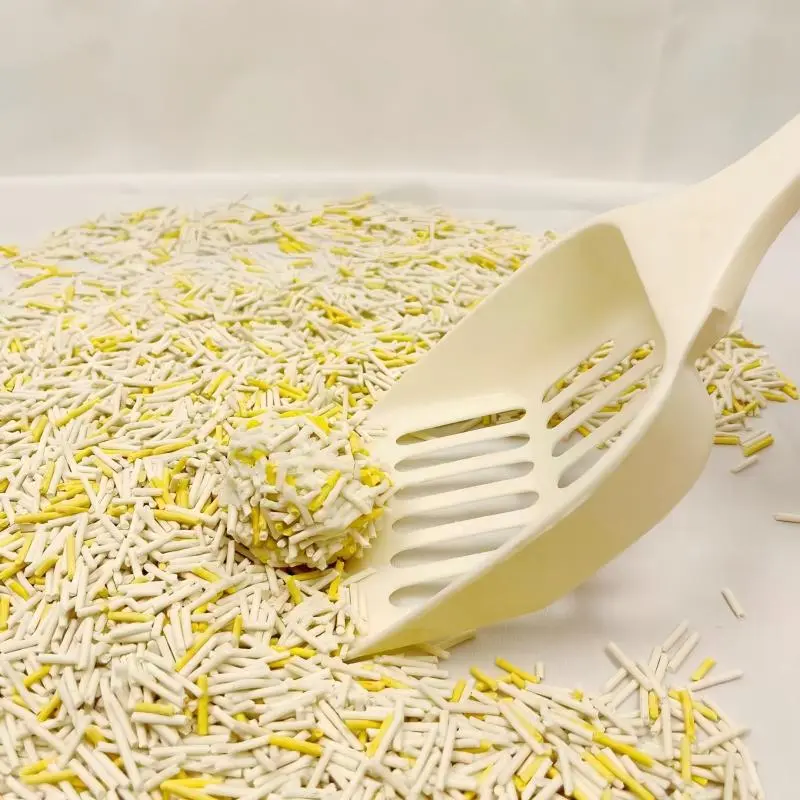
"From this picture,the clumping cat litter can clump hard, it will be easy to be scooped out from litter box, and the clumps can cover the odor well to make your house fresh"
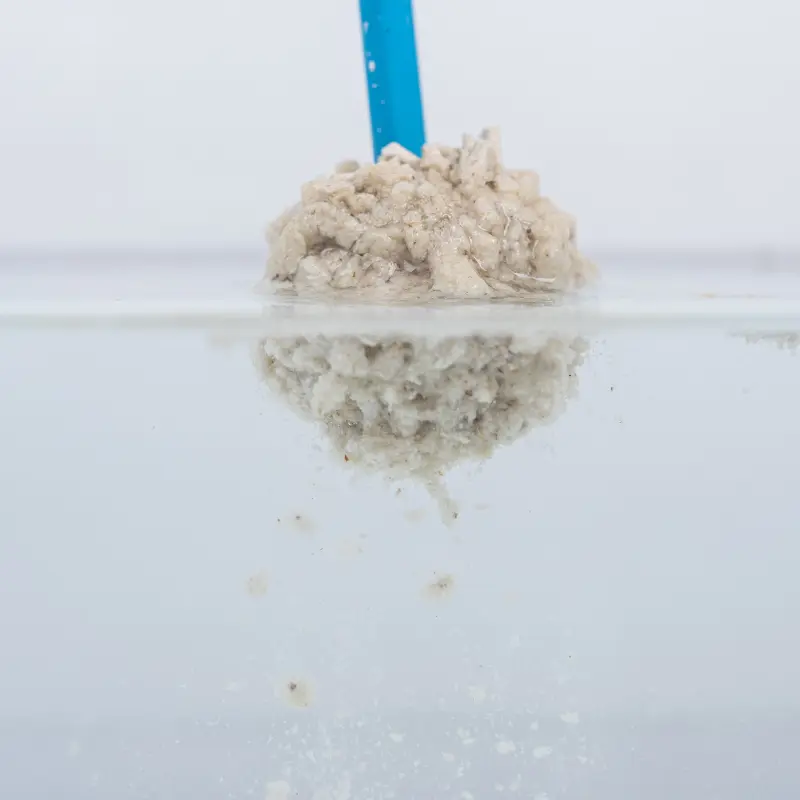
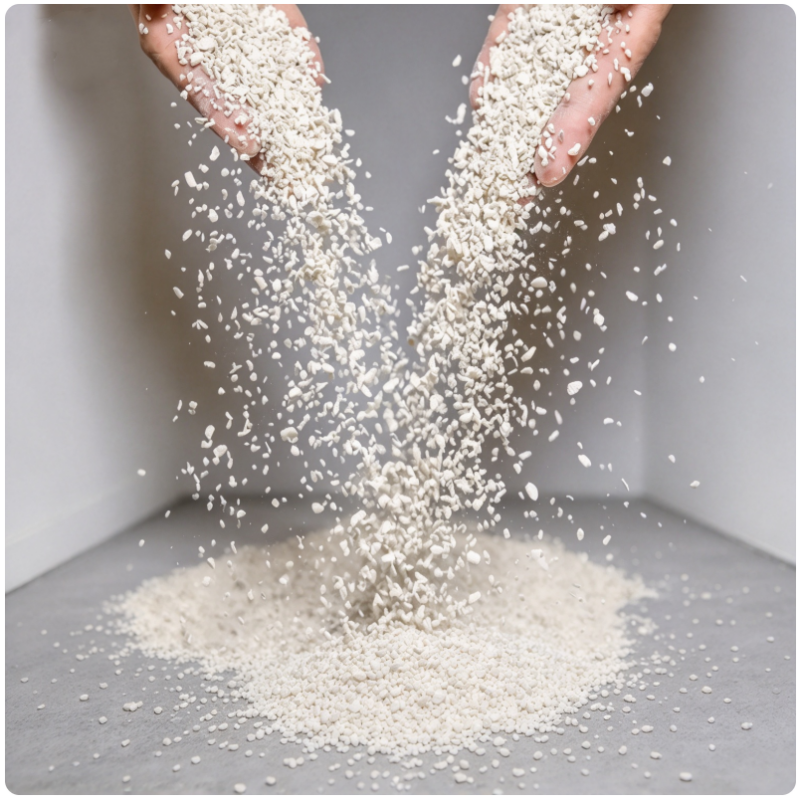
"This picture showed that the plant-based cat litter can be dissovled into water very quickly,so it can be flushed into your toilet and no extra work to dispose."
What Is Non-Clumping Cat Litter?
Non-clumping cat litter absorbs or manages moisture without forming a solid urine clump.
Depending on the material, liquid may be absorbed into the litter, distributed through the surrounding particles, or retained within a porous structure. Because there is no firm urine clump to scoop out, the litter generally requires a different cleaning routine.
Non-clumping litter can be made from several materials, including wood pellets, paper, certain mineral materials, and silica-based products. Performance varies considerably between materials, so "non-clumping" should not automatically be interpreted as low-quality or ineffective.
The main difference is the cleaning mechanism. With non-clumping litter, owners typically remove feces regularly and replace the litter more frequently as the material becomes saturated or odors increase.
Clumping vs Non-Clumping Litter: What Is the Difference?
The most important difference is how each type handles urine.
Clumping litter turns wet litter into a removable mass. Non-clumping litter absorbs or holds moisture without creating a scoopable clump.
This affects almost every part of the litter-box experience.
| Feature | Clumping Litter | Non-Clumping Litter |
|---|---|---|
| Urine management | Forms removable clumps | Absorbs moisture without clumping |
| Daily cleaning | Scoop affected areas | Remove waste and monitor saturation |
| Odor management | Often easier to control through frequent removal | Depends strongly on material and replacement frequency |
| Litter replacement | Usually partial replacement | Usually more frequent full replacement |
| Material choices | Clay and many plant-based options | Wood, paper, mineral, silica and other materials |
| Tracking | Depends on particle size and formulation | Often lower with larger pellets, but varies |
| Dust | Depends on formulation | Depends on material and processing |
| Long-term convenience | Generally high | Depends on cleaning routine |
| Multi-cat use | Often convenient | May require more frequent replacement |
There is no single performance result that applies to every product. A low-dust plant-based clumping litter, for example, may behave very differently from a fine-grained clay clumping litter.
For this reason, cat owners should compare the complete product rather than judging it only by whether it is clumping or non-clumping.
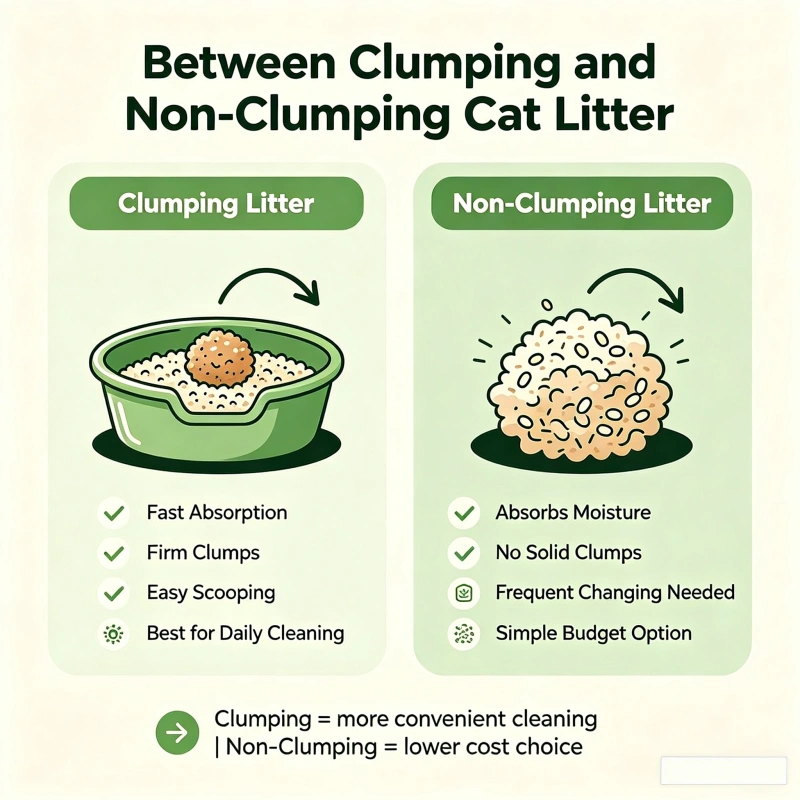
Which Is Easier to Clean?
Clumping litter is generally easier for owners who prefer daily spot cleaning.
When urine forms a solid clump, the owner can scoop the wet material and feces from the box while leaving most of the clean litter behind. Fresh litter can then be added to replace what was removed.
This makes the daily cleaning process predictable:
Scoop feces.
Remove urine clumps.
Check the litter depth.
Add fresh litter when necessary.
Clean the entire litter box periodically.
With non-clumping litter, urine does not form a solid mass that can be removed separately. Depending on the material, moisture may remain in the surrounding litter. Once the litter becomes saturated or odor becomes noticeable, a larger portion—or sometimes the entire box—needs to be replaced.
Therefore, if your priority is minimizing the amount of litter removed during daily cleaning, clumping litter usually has an advantage.
Which Has Better Odor Control?
Odor control depends on both litter design and cleaning frequency.
Clumping litter can provide good odor management because urine is concentrated into removable clumps. Once the clump is scooped out, the source of the odor is removed from the litter box.
Some clumping products also contain additional odor-control ingredients, while plant-based formulations may use natural materials or additives designed to reduce unpleasant smells.
However, clumping does not automatically mean superior odor control. A poorly formulated clumping litter may still develop odors, especially when the litter box is not cleaned regularly.
Non-clumping litter can also provide effective odor management when it uses an absorbent or odor-controlling material. Silica-based products, wood pellets, paper products, and other materials all work through different mechanisms.
The most important factors are absorption capacity, odor-control technology, litter-box ventilation, the number of cats using the box, and how frequently waste is removed.
For households with multiple cats, frequent waste removal becomes especially important. Clumping litter is often preferred because urine can be removed without discarding large amounts of clean litter.
Which Type Lasts Longer?
Clumping litter can often remain usable for longer because clean litter is separated from soiled litter during daily scooping.
This does not mean that one bag of clumping litter will always last longer than one bag of non-clumping litter. Actual consumption depends on the litter's absorption capacity, particle size, clump strength, litter-box size, number of cats, and how much clean litter is removed during scooping.
A strong clump is valuable because it reduces the amount of wet material left behind. At the same time, a clump that breaks apart easily can leave wet particles in the box and increase litter consumption.
Non-clumping litter may need more frequent replacement because liquid cannot be selectively removed in the same way.
Therefore, when comparing cost, do not look only at the price of a bag. Consider:
How much litter is required per litter box?
How frequently does the litter need to be replaced?
How much clean litter is lost during scooping?
How well does the product absorb urine?
How much material is needed for odor control?
The real cost is the amount spent over time, not simply the price printed on the package.
Which Is Better for a Multi-Cat Household?
Clumping litter is often a practical choice for multi-cat households because several cats can use the same litter box throughout the day while owners remove urine clumps and feces as they appear.
This helps prevent the entire box from becoming contaminated after only a few uses.
However, litter type is only one part of multi-cat litter-box management. The number of litter boxes, box size, cleaning frequency, ventilation, and individual cat preferences are also important.
If multiple cats share a litter box, a litter with strong absorption, stable clumping, and effective odor control can make daily maintenance easier.
Non-clumping litter can also be used in multi-cat homes, but the owner may need to monitor saturation and odor more closely and replace the litter more frequently.
What About Tracking and Dust?
Tracking occurs when litter particles stick to a cat's paws or fur and are carried outside the litter box.
Fine particles are often more likely to travel around the home, but tracking is not determined solely by whether litter is clumping.
Particle size, shape, density, surface texture, and the design of the litter box all affect tracking.
A larger pellet or granule may reduce the amount of material carried out of the box. However, some cats may prefer the softer texture of finer litter, so reducing tracking should not come at the expense of your cat refusing to use the litter box.
Dust is another consideration.
Some clay-based products can create dust when poured, scooped, or disturbed. Plant-based litter can also vary considerably in dust level depending on the raw material and manufacturing process.
Instead of assuming that all clumping litter is dusty or all non-clumping litter is low-dust, check the actual product specifications and user experience.
For sensitive cats and households where dust is a major concern, a properly processed low-dust formulation may be worth prioritizing.
Is Plant-Based Clumping Litter a Good Alternative?
Plant-based clumping litter has become increasingly attractive to owners looking for alternatives to conventional mineral litter.
Materials such as tofu, corn, wheat, cassava, and other plant fibers can be processed into absorbent particles or pellets that form clumps when exposed to liquid.
The potential advantages include renewable raw materials, lightweight products, biodegradable formulations, and compatibility with odor-control or flushable designs in products where local disposal guidance allows it.
However, "plant-based" does not automatically mean every product is biodegradable, flushable, dust-free, or suitable for every cat.
Performance still depends on formulation and manufacturing quality.
When evaluating a plant-based clumping litter, consider:
Clump strength
Absorption speed
Odor control
Dust level
Tracking
Particle size
Moisture resistance during storage
Biodegradability
Disposal instructions
Cat acceptance
For manufacturers and private-label buyers, these factors are equally important because the formulation determines not only the product's environmental positioning but also its everyday performance.
Is Clumping Litter Better Than Non-Clumping Litter?
For many cat owners, yes—but "better" depends on what you value most.
Choose clumping litter if you want:
Easier daily scooping
Selective removal of urine
Convenient litter-box maintenance
Strong waste removal and odor management
A practical option for multi-cat households
A wide selection of clay and plant-based formulations
Less frequent complete litter replacement
Consider non-clumping litter if you prefer:
Larger pellets or a particular texture
A simple replacement routine
Certain wood, paper, mineral, or silica-based materials
Potentially lower tracking with suitable pellet-style products
A product that matches your cat's individual preference
The material is just as important as the clumping mechanism. A cat may reject a theoretically excellent litter because the texture, fragrance, particle size, or dust level is unsuitable.
How to Choose the Right Cat Litter
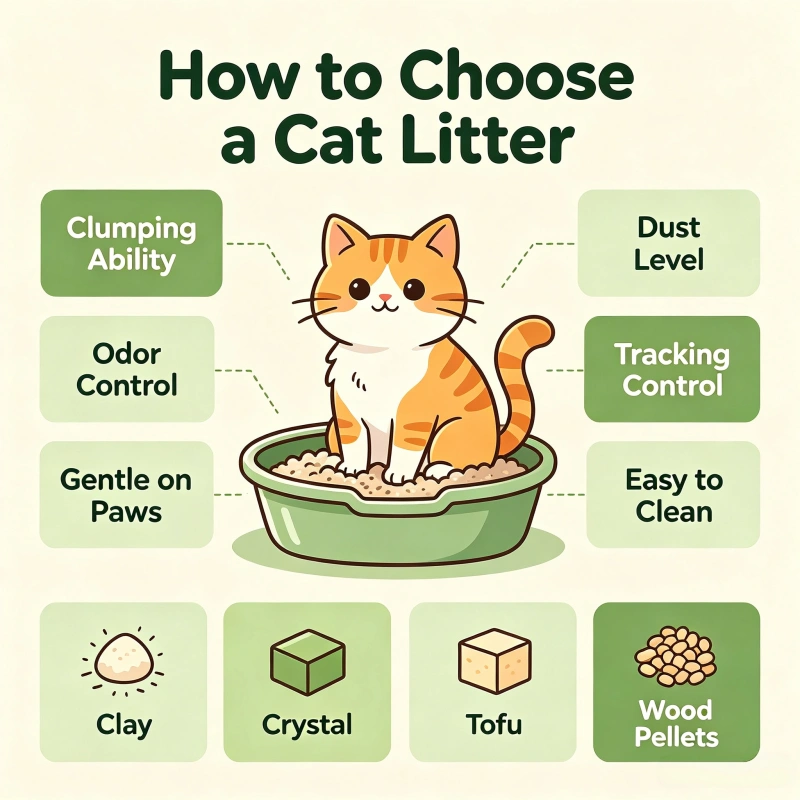
Instead of asking only "clumping or non-clumping?", consider the following five questions.
1. How often can you clean the litter box?
If you can scoop daily and prefer to remove only soiled material, clumping litter is usually convenient.
If you prefer replacing the litter periodically rather than scooping urine clumps every day, non-clumping litter may fit your routine better.
2. How important is odor control?
For small apartments, enclosed spaces, or multi-cat homes, prioritize absorption, odor-control performance, and easy waste removal.
3. Does your cat have a preferred texture?
Cats can be very particular about litter. Some prefer fine, sand-like particles, while others accept pellets or larger granules.
A litter that performs well technically is not useful if your cat refuses to use it.
4. Is tracking a major problem?
Look for a particle size and shape that balance comfort and tracking. A litter mat placed outside the box can also reduce the amount of litter carried around the home.
5. Are environmental considerations important?
If sustainability is a priority, consider plant-based or recycled materials and check the manufacturer's claims regarding biodegradability and disposal.
Do not assume that every natural litter has the same environmental profile.
Clumping vs Non-Clumping Litter: Final Verdict
Clumping and non-clumping cat litter serve different preferences and cleaning routines.
Clumping litter is generally the more convenient choice for owners who want to scoop urine and feces every day, maintain a cleaner litter box, and avoid replacing all of the litter after every period of use. It is particularly practical for busy households and homes with multiple cats.
Non-clumping litter can still be a good option when the cat prefers a particular material or texture, when larger pellets are preferred, or when the owner wants a straightforward replacement-based cleaning routine.
The most important point is that "clumping" describes how litter handles liquid; it does not tell you everything about the product. Material, particle size, absorption, dust, tracking, odor control, sustainability, and cat acceptance all matter.
For buyers looking for a modern alternative, plant-based clumping litter combines the convenience of scoopable waste removal with materials such as tofu, corn, wheat, cassava, and other plant fibers. The best formulation depends on the target market, cat preferences, performance requirements, and intended positioning.
Ultimately, the best cat litter is not simply the one with the strongest marketing claim. It is the one that your cat consistently accepts and that allows you to maintain a clean, comfortable, and manageable litter box.
Looking for a Reliable Plant-Based Cat Litter Manufacturer?
If you are looking for a reliable cat litter manufacturer to develop, source, or customize clumping or non-clumping cat litter, Shandong Gelin Town Pet Products Co., Ltd. can provide a complete manufacturing and supply solution.
Established in 2020, Shandong Gelin Town Pet Products Co., Ltd. is a professional cat litter manufacturer with its own state-of-the-art cat litter factory. We are committed to designing and manufacturing high-quality cat litter products that improve the everyday lives of cats and their owners.
Our factory specializes in the production and research of plant-based cat litter, with approximately 16,000 square meters of production facilities and an annual production capacity of around 7,000 tons. Equipped with advanced automated production equipment, standardized workshops, and a professional R&D team, our facility is designed to support both stable large-scale production and customized cat litter development.
For brands looking for a tofu cat litter factory or a long-term plant-based cat litter supplier, our production capabilities allow us to handle large-volume orders while maintaining consistent product quality and specifications.
Cat Litter Manufacturing and OEM/ODM Services
Our product portfolio includes a wide range of cat litter solutions, including:
Plant-based cat litter
Tofu cat litter
Corn-based cat litter
Health-monitoring cat litter
Natural mineral cat litter
Customized clumping cat litter
Other cat litter formulations developed according to customer requirements
We also provide OEM and ODM cat litter services for pet brands, distributors, wholesalers, and retailers. Customers can work with our team to develop products according to specific market and brand requirements, including material, particle size, color, fragrance, packaging, and other product specifications.
If you already have your own pet brand, our private-label cat litter service can help you develop products under your own brand identity. From product formulation and raw materials to production, packaging, and finished goods, we can support different stages of the supply chain.
Quality, Certifications, and Global Markets
Over the years, we have focused on the development and manufacture of high-quality cat litter products for international markets. Our products have gained recognition across Europe, North America, Australia, and Asia.
Our quality and manufacturing management are supported by certifications and testing credentials including BSCI, ISO 9001, SGS, and CTI.
Whether you are developing a new plant-based cat litter product, expanding an existing product line, or looking for a reliable supplier for long-term wholesale orders, we can provide manufacturing solutions tailored to your requirements.
From Raw Materials to Finished Cat Litter Products
We understand that sourcing cat litter is about more than finding a factory with production capacity. Brands also need reliable raw materials, consistent manufacturing, product customization, quality control, packaging support, and dependable supply.
Our manufacturing capabilities enable us to provide an integrated supply chain solution from raw materials to packaged cat litter products.
Whether you are an online retailer selling through platforms such as Amazon and eBay, a pet product distributor, or an established brand developing an offline retail network, our team can support your cat litter sourcing and product development needs.
Looking for a plant-based cat litter manufacturer, tofu cat litter factory, or OEM/ODM cat litter supplier? Contact Shandong Gelin Town Pet Products Co., Ltd. to discuss your product requirements and develop a customized cat litter solution for your market.
387.webp)