The pet care industry is rapidly shifting from basic hygiene products toward functional, data-driven litter solutions that provide early health insights. Among these innovations, pH health monitoring cat litter has emerged as a standout category, combining everyday waste management with urinary health awareness through intelligent color-changing technology.
Unlike traditional litter, this product integrates pH-sensitive indicators that react to urine composition, offering a visual signal of potential changes in acidity, alkalinity, or blood presence. While not a diagnostic tool, it functions as an early warning system that helps pet owners respond faster to potential urinary issues.
What is pH health monitoring cat litter?
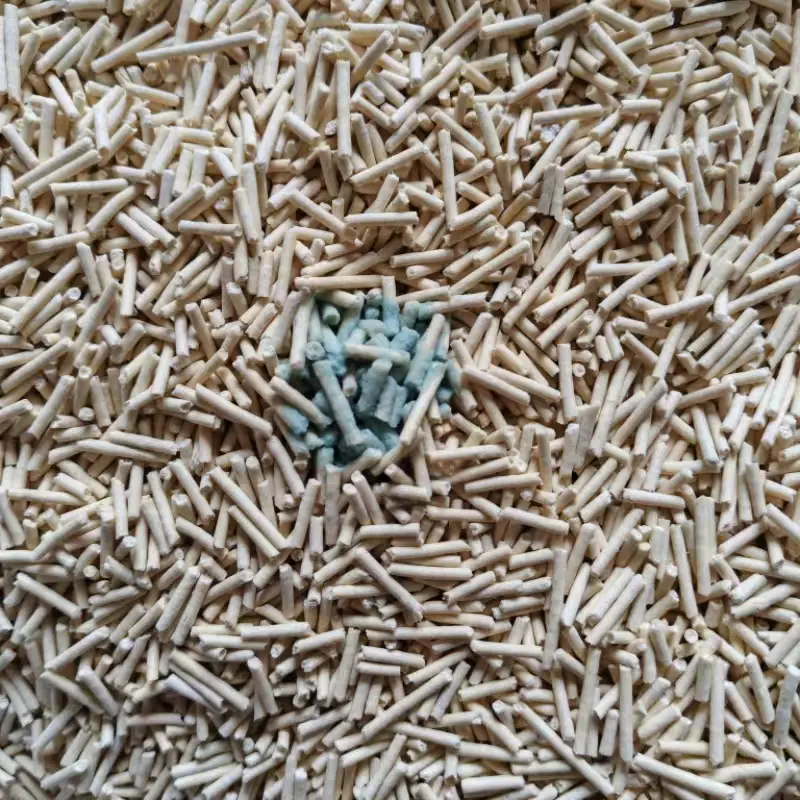
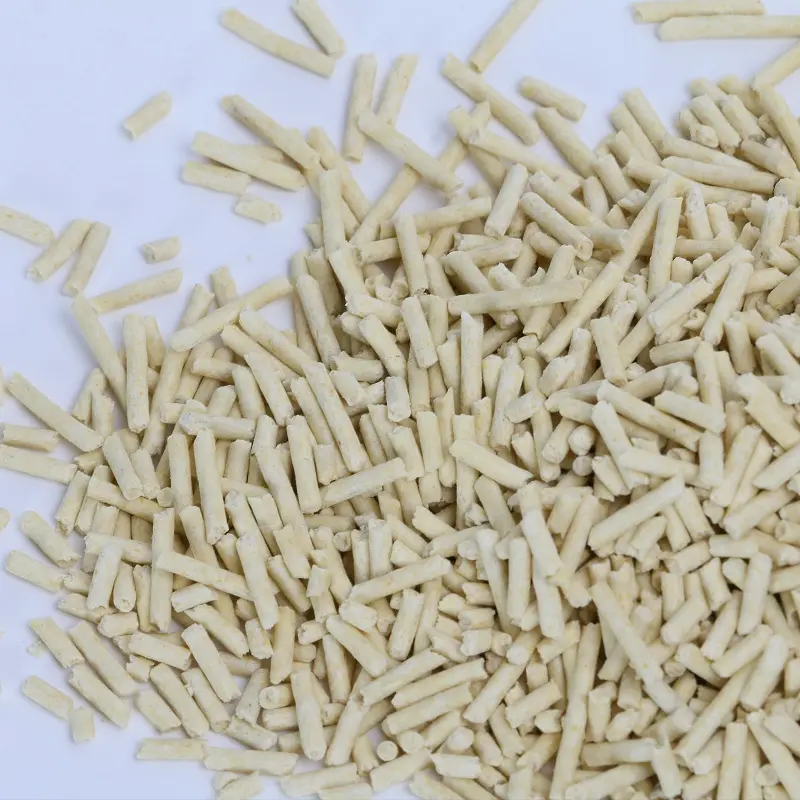
pH Health Monitoring Cat Litter is a type of cat litter designed to help pet owners monitor their cat's health by detecting changes in the pH level of the cat's urine. The primary purpose of this product is to identify potential health issues early, particularly those related to the urinary system, such as urinary tract infections (UTIs), bladder stones, and other conditions that can affect a cat's urine pH.
What is its principle?
The principle behind pH health monitoring cat litter is based on the integration of pH-sensitive indicators into the litter material. These indicators are chemicals that change color when exposed to urine, depending on the pH level. The pH scale ranges from 0 to 14, with lower values being acidic, 7 being neutral, and higher values being alkaline.
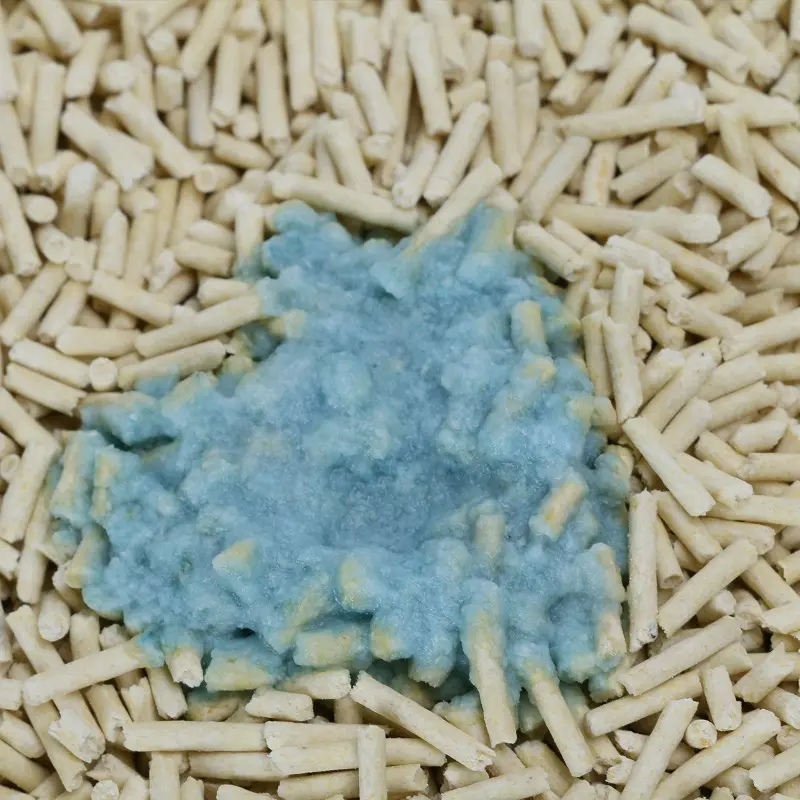
pH Indicators: The litter contains pH indicators that are sensitive to the pH levels commonly found in cat urine. These indicators are specially designed to change color when the pH level falls within certain ranges. For example, if the pH of the urine is higher than 8.5 (which is more alkaline), the litter might change color to blue.
Color Change: When a cat urinates in the litter box, the urine comes into contact with the pH-sensitive litter. The litter then changes color according to the pH level of the urine. Different colors correspond to different pH levels, allowing pet owners to visually assess whether the cat's urine is within a normal range or if there may be an issue that requires veterinary attention.
Detailed Explanation of the Technology
Incorporation of pH Indicators: The pH-sensitive indicators are incorporated into the litter material during the manufacturing process. This is typically done by coating the litter granules with a solution containing the pH indicators or by embedding the indicators directly into the granules.
Stability of Indicators: Ensuring that the pH indicators are stable and provide accurate readings is crucial. The indicators must be resistant to environmental factors such as humidity and temperature, which could otherwise affect their performance.
Range of Detection: The indicators are chosen based on the typical pH range of healthy cat urine, which usually falls between 6.0 and 7.5. Deviations from this range may indicate health issues:
Acidic urine (pH < 6.0) can indicate conditions like metabolic acidosis or certain types of kidney disease.
Alkaline urine (pH > 7.5) can be a sign of bacterial infections, kidney issues, or the presence of certain types of bladder stones.
Color Interpretation: The specific color change corresponding to the pH level allows the pet owner to interpret the health status of the cat. Some products come with a color chart that provides a visual reference for interpreting the colors seen in the litter.
Practical Use
To use pH health monitoring cat litter, pet owners simply replace their regular litter with this specialized product. When the cat urinates, the owner observes the color change in the litter. If the litter turns a color that indicates an abnormal pH, it may be a sign that the cat needs to be taken to the vet for further examination.
Limitations
While pH health monitoring cat litter can be a useful tool for early detection of potential health issues, it is not a diagnostic tool. The pH change only indicates a possible problem, and a veterinarian should be consulted for a thorough diagnosis and treatment plan. Additionally, factors like diet and medication can also influence urine pH, so changes in color should be interpreted with these in mind.
This type of cat litter offers a non-invasive way for pet owners to keep an eye on their cat's health and can be particularly useful for cats that are prone to urinary tract issues.
Product Overview
pH health monitoring cat litter is a multifunctional litter designed to:
Absorb urine efficiently like standard clumping litter
Control odor and maintain hygiene
Display color changes based on urine pH levels
Help detect abnormal urinary conditions early
This technology is widely used in silica, clay, tofu, and mixed plant-based litters. Market leaders such as PrettyLitter and plant-based smart litters demonstrate that color indicators can significantly improve early detection awareness in home pet care environments . Greenpet Tofu Cat Litter Factory has developed this cat litter that can help you add new product lines and attract new customers.
Working Principle
The core mechanism is based on pH-reactive chemical indicators embedded in litter granules.
When urine contacts the litter:
Acidic urine triggers one color range
Neutral urine maintains baseline color
Alkaline urine shifts toward blue-green tones
Blood presence may trigger red indicators
Industry references show a typical interpretation system:
Normal range: yellow / light green
Acidic urine: orange / red tones
Alkaline urine: blue / dark green
Blood detection: red indicators
These visual changes allow owners to observe trends in urinary health without invasive testing.
Technical Specifications Table
| Item | Specification |
|---|---|
| Product Type | pH Health Monitoring Cat Litter |
| Main Materials | Silica gel / tofu fiber / bentonite / plant starch |
| Indicator System | pH-sensitive color-changing micro granules |
| Color Range | Red / orange / yellow / green / blue spectrum |
| Absorption Rate | 300%–500% liquid absorption capacity |
| Dust Level | Low to ultra-low dust formulation |
| Odor Control | Ammonia neutralization + adsorption system |
| Clumping Ability | Fast-forming solid clumps (plant and clay variants) |
| Particle Size | 1.5 mm – 3.5 mm (varies by type) |
| Shelf Life | 12–24 months sealed |
| Recommended Change Cycle | 7–30 days depending on material |
| Safety Standard | Non-toxic, pet-safe indicator compounds |
| Compatibility | All litter boxes, including automatic systems |
Technical Parameters & Performance Indicators
1. Absorption Efficiency
High-end formulations use porous silica or plant fibers that lock liquid quickly, reducing odor formation and bacterial growth.
2. Color Stability Window
Advanced OEM formulations maintain readable color signals for 24–48 hours, preventing misinterpretation caused by aging urine exposure.
3. Dust Suppression Technology
Modern products reduce airborne particles through:
Granule coating processes
Dust-binding mineral additives
Low-friction particle engineering
This is especially important for respiratory-sensitive cats and indoor environments.
4. pH Sensitivity Range
Most systems detect a urinary pH range of:
Acidic: < 6.0
Normal: 6.0–7.0
Alkaline: > 7.0
These thresholds align with common feline urinary health monitoring benchmarks .
Application Scenarios
pH health monitoring litter is not limited to home use. It is increasingly used in multiple professional and commercial environments.
1. Household Pet Care
Daily urinary tracking
Early warning for urinary tract issues
Multi-cat health monitoring
2. Veterinary Clinics
Post-treatment observation
Recovery monitoring for UTI or kidney conditions
Non-invasive screening support
3. Pet Hospitals & Boarding Facilities
Health surveillance in group environments
Early detection of abnormal urine patterns
Reduced manual testing workload
4. Pet Subscription Brands
Premium “smart care” product lines
App-integrated tracking systems
Data-driven pet wellness services
5. Breeding Facilities
Monitoring reproductive health conditions
Stress-related urinary changes
Preventive herd health management
Success Cases (Industry Examples)
Case 1: Premium Smart Litter Brand Expansion
A plant-based pH monitoring litter brand introduced color-changing technology combined with an app system. Within months:
Subscription retention increased significantly
Repeat purchase rates improved due to perceived health value
Users reported better early awareness of urinary changes
Case 2: Veterinary Clinic Integration
A mid-sized veterinary clinic in Asia adopted pH indicator litter for post-surgery monitoring. Results:
Reduced need for frequent urine strip testing
Improved owner compliance in home monitoring
Faster detection of abnormal urinary trends
Case 3: Multi-Cat Household Usage
In households with 3–5 cats:
Owners identified urinary pattern changes earlier
Reduced emergency vet visits
Improved long-term cat health tracking consistency
Customer Reviews & Feedback
Customer feedback from global users highlights both advantages and limitations.
Positive Feedback
“Makes it easier to notice subtle health changes.”
“Odor control is better than expected.”
“Helpful for multi-cat homes where tracking is difficult.”
“Gives peace of mind without complicated tools.”
Critical Feedback
Color interpretation sometimes requires experience
Needs frequent litter replacement for accuracy
Dust levels vary depending on formulation
Not a substitute for veterinary diagnosis
Many users describe it as a “trend detection tool rather than a diagnostic device.”
Customization & OEM Manufacturing Process
Manufacturers now offer full OEM/ODM services for pH health monitoring litter.
Step 1: Requirement Definition
Base material selection (silica, tofu, clay, corn, etc.)
Target market positioning (premium, eco-friendly, budget)
Packaging design and branding
Step 2: Formula Development
Selection of pH indicator compounds
Adjustment of absorption and clumping performance
Odor control optimization
Step 3: Sample Testing
Color reaction calibration
Absorption speed tests
Dust and tracking evaluation
Step 4: Pilot Production
Small batch manufacturing
Stability testing under humidity and temperature variation
Step 5: Mass Production
Automated granule coating systems
Quality inspection (pH response accuracy + safety testing)
Packaging and sealing
Step 6: Logistics & Delivery
Export packaging
Private label printing
Global shipping coordination
Competitive Analysis
The market includes several key categories of competing products.
1. Standard Clumping Litter
Low cost
No health tracking features
Strong odor control in clay variants
Limited value-added functionality
2. Silica Gel Crystal Litter
High absorption efficiency
Long-lasting odor control
Often used in premium pH monitoring systems
Can produce dust in late usage cycles
3. Plant-Based (Tofu / Corn) Litter
Eco-friendly and biodegradable
Flushable in some formulations
Increasingly integrated with pH monitoring systems
Slightly weaker odor control in some cases
4. Smart App-Connected Litter Systems
Data tracking + AI integration
Higher price point
Strong in premium markets
Requires subscription ecosystem
Competitive Comparison Table
| Feature | Standard Clay Litter | Silica Crystal Litter | Plant-Based Litter | pH Monitoring Litter |
|---|---|---|---|---|
| Health Tracking | No | Limited | Limited | ✔ Yes |
| Odor Control | Medium | High | Medium | High |
| Dust Level | Medium | Low–Medium | Low | Low–Medium |
| Eco-Friendly | Low | Low | High | Medium–High |
| Cost | Low | Medium | Medium | Medium–High |
| Smart Features | No | No | No | Yes |
Industry Trends
The pH monitoring litter market is evolving toward:
AI-integrated litter boxes
App-based urinary tracking systems
Fully biodegradable smart litter
Multi-pet health analytics platforms
Subscription-based pet wellness ecosystems
The future direction is clear: litter is no longer just waste management—it is becoming a daily health diagnostic interface for pets.
Conclusion
pH health monitoring cat litter represents a major shift in the pet care industry, transforming a basic consumable into a functional health-awareness tool. While it does not replace veterinary diagnostics, it provides valuable early signals that can help pet owners respond faster to potential urinary issues.
With continued innovation in materials, AI integration, and eco-friendly formulations, this category is positioned to become a standard feature in premium pet care systems worldwide.