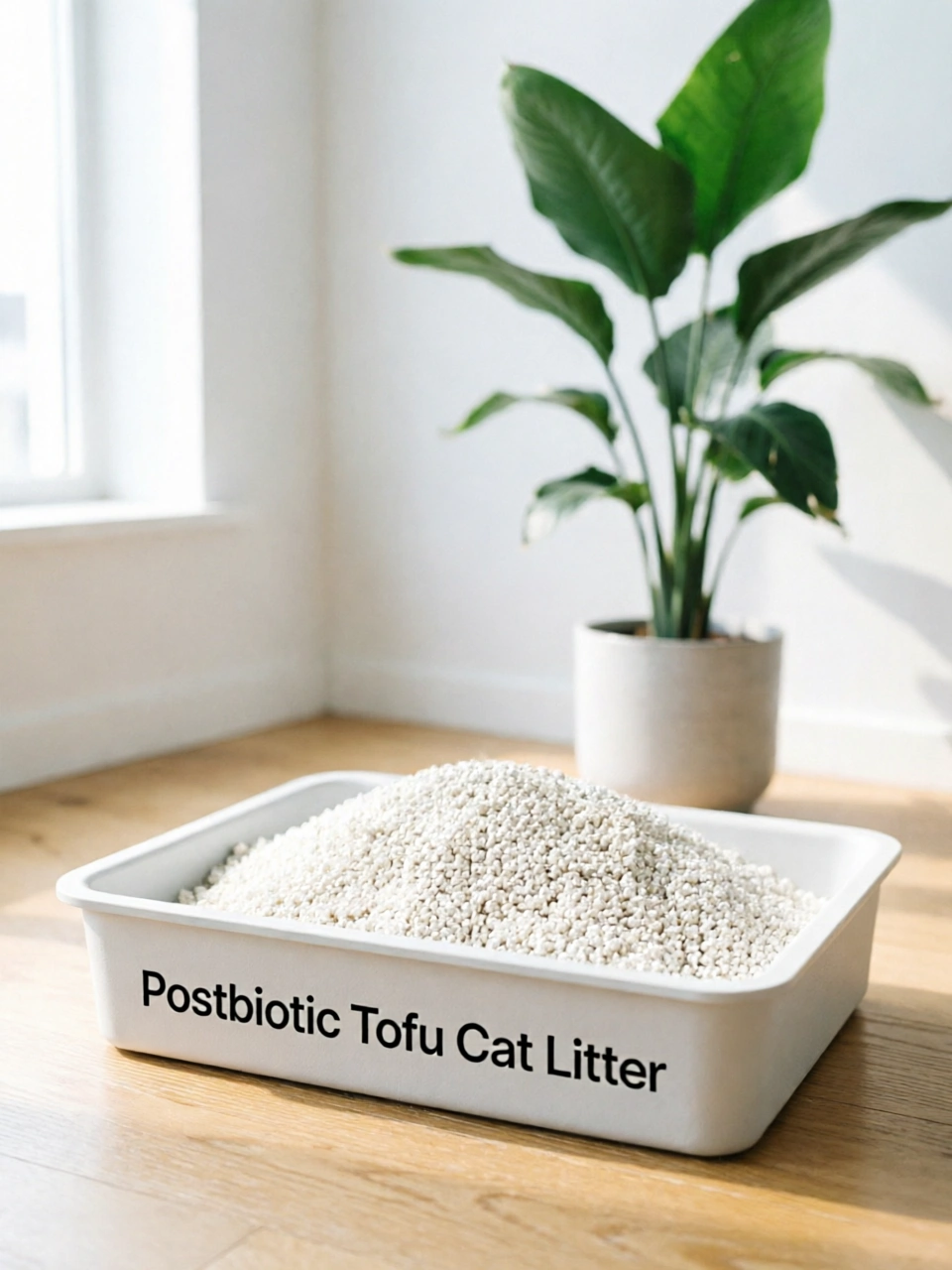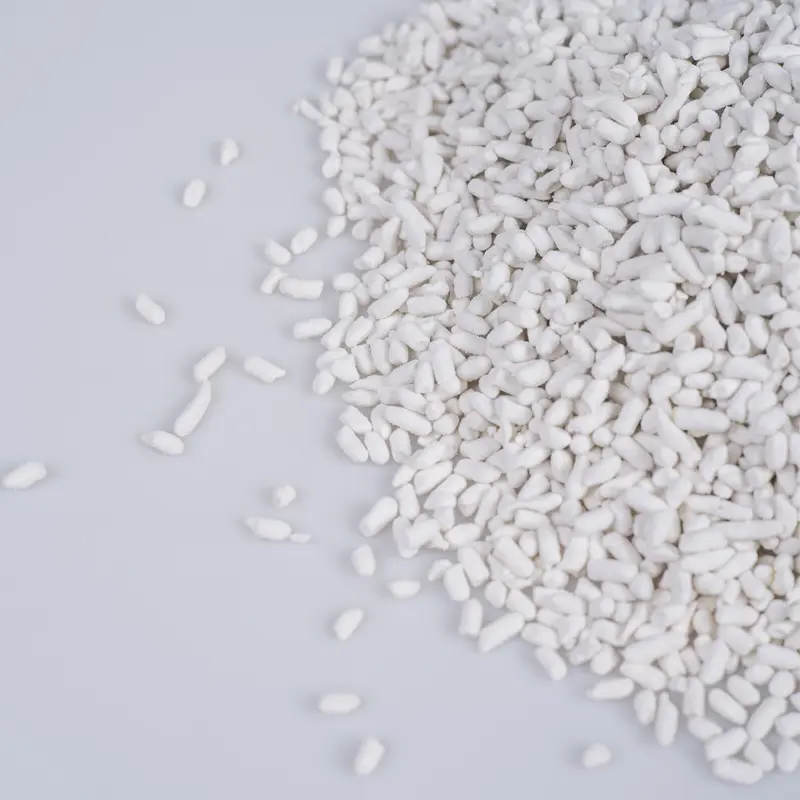
Choosing the right cat litter can make a significant difference to both cats and their owners. While traditional clay litter remains widely used, more cat owners and pet brands are exploring alternative materials such as tofu, corn, wood, and paper.
Among these options, paper pellet cat litter stands out for its low-dust characteristics, larger pellet size, lightweight structure, and paper-based materials. However, it also has some limitations, particularly when it comes to clumping, odor control, cleaning, and cat acceptance.
So, what are the real pros and cons of paper pellet cat litter? Is it better than clay litter? Is it suitable for every cat? And what should retailers and pet brands consider when sourcing paper pellet litter?
This guide covers the key advantages and disadvantages of paper pellet cat litter and compares it with other popular litter types to help you make a more informed decision.
What Is Paper Pellet Cat Litter?
Paper pellet cat litter is made by processing paper-based materials into compressed pellets that are designed to absorb moisture in a cat's litter box.
Unlike fine-grained clay litter, paper pellets are relatively large and have a different texture under a cat's paws. Most paper pellet products are also non-clumping, meaning that urine is absorbed into the pellets rather than forming a solid clump that can be scooped out.
Depending on the formulation and manufacturing process, paper pellets may soften, expand, or break apart after absorbing moisture.
Paper pellet litter is often chosen by people looking for an alternative to mineral-based litter. It can also be attractive to pet brands developing plant-based or alternative-material cat litter products.
However, "paper-based" does not automatically mean that every product has the same performance. Absorption, odor control, dust, tracking, pellet strength, and overall user experience can vary significantly between products.
For this reason, it is important to evaluate the complete product rather than judging it only by its raw material.
Specifications Table
| Specification | Description |
|---|---|
| Material | 100% recycled paper, compressed into pellets |
| Particle Size | 2mm - 6mm diameter pellets |
| Absorption Rate | Absorbs up to 3-4 times its weight in liquid |
| Odor Control | Natural odor absorption, may be enhanced with baking soda or charcoal additives |
| Dust Levels | Virtually dust-free, ideal for allergy-prone cats |
| Biodegradable | Yes, can be composted after use (if waste is properly managed) |
| Weight | Lighter than traditional clay litters, easy to carry and pour |
| Flushable | Generally not recommended due to potential plumbing issues |
| Available Sizes | 1kg, 2kg, 5kg, 10kg, 15kg, 20kg bags |
| Recommended Use | Suitable for kittens, cats with respiratory issues, and environmentally conscious pet owners |
Absorption Capacity
Paper pellet cat litter has a high absorption capacity due to the porous nature of the compressed paper. Below is an estimate of how much liquid each size of paper pellet cat litter can absorb:
| Weight of Litter | Absorption Capacity |
|---|---|
| 1kg | Absorbs approximately 3-4 liters of liquid |
| 2kg | Absorbs approximately 6-8 liters of liquid |
| 5kg | Absorbs approximately 15-20 liters of liquid |
| 10kg | Absorbs approximately 30-40 liters of liquid |
| 15kg | Absorbs approximately 45-60 liters of liquid |
| 20kg | Absorbs approximately 60-80 liters of liquid |
Note: Actual absorption capacity may vary depending on pellet size and brand formulation.
Market Sizes of Paper Pellet Cat Litter and Absorption Capacities
| Brand/Size | Weight | Estimated Absorption |
|---|---|---|
| EcoPaper Pellets | 1kg | 3-4 liters |
| Nature's Paper Litter | 2kg | 6-8 liters |
| GreenCat Paper Pellets | 5kg | 15-20 liters |
| Recycled Paws Paper Litter | 10kg | 30-40 liters |
| Earth-Friendly Pellets | 15kg | 45-60 liters |
| Sustainable Pets Paper Litter | 20kg | 60-80 liters |
Paper pellet cat litter is a sustainable, dust-free option that is particularly suitable for households with cats that have allergies or respiratory issues. Its high absorption capacity makes it efficient in locking away moisture, though it may need to be changed more frequently than clumping litters to maintain freshness. Available in various sizes, it offers flexibility for different needs, making it an ideal choice for those seeking an environmentally friendly alternative for their feline companions.
Pros of Paper Pellet Cat Litter
Low Dust
One of the most commonly cited advantages of paper pellet cat litter is its relatively low dust level.
Fine litter particles can become airborne when litter is poured, scooped, or disturbed by a cat digging. Because paper pellet litter uses larger particles, it generally produces less airborne dust than many fine-grained litter products.
This can be particularly appealing to cat owners who want to reduce dust around the litter box.
For manufacturers, dust performance is influenced by factors such as raw material quality, pellet structure, production conditions, drying, and screening. Consistent manufacturing processes are therefore important when developing a low-dust paper pellet product.
Low Tracking
The larger size of paper pellets can also help reduce tracking.
Fine particles can easily stick to a cat's paws and be carried across floors, carpets, and furniture. Larger pellets are generally less likely to spread throughout the home.
However, paper pellet litter is not completely track-free. Once pellets absorb moisture and begin to break down, smaller particles can still appear around the litter box.
The actual tracking performance depends on pellet size, hardness, moisture resistance, and the cat's behavior.
Lightweight
Paper-based litter can be relatively lightweight compared with many mineral-based products.
For consumers, this can make bags easier to carry and pour. For distributors and retailers, weight can also influence storage, transportation, and logistics costs.
For commercial buyers, however, it is important to compare product performance and cost per usable kilogram rather than simply comparing the weight of individual bags.
Alternative Material to Traditional Clay Litter
Paper pellets provide an alternative to traditional mineral-based cat litter.
For consumers who prefer paper-based materials, this can be an attractive product characteristic. It also gives pet brands another option when developing a broader range of alternative-material or plant-based litter products.
The environmental benefits of a paper product should nevertheless be evaluated as a whole. Raw material sourcing, manufacturing, packaging, transportation, and disposal can all affect the overall environmental impact.
Good Moisture Absorption
Paper fibers naturally have moisture-absorbing properties, which makes them suitable for pellet-style cat litter.
When a cat urinates in the litter box, the pellets absorb moisture rather than behaving like traditional clumping clay.
The actual absorption rate depends on the raw material, pellet density, particle structure, moisture content, and manufacturing process.
For this reason, product testing is important when comparing different paper pellet formulations.
Often Available in Unscented Options
Many paper pellet products are available without added fragrance.
This can be appealing to cat owners who prefer a more neutral litter-box environment. Some cats may also be sensitive to strong fragrances or simply prefer unscented litter.
At the same time, fragrance can be included as part of a customized product formulation for brands that want to offer scented versions.
For OEM and ODM projects, fragrance is one of the product specifications that can potentially be customized depending on the target market and formulation.
Cons of Paper Pellet Cat Litter
Limited Odor Control Compared With Some Alternatives
Odor control is one of the main concerns when considering paper pellet cat litter.
Because most paper pellets are non-clumping, urine is absorbed into the litter instead of being enclosed in a removable clump. If saturated litter remains in the box for too long, odors can become more noticeable.
This means that cleaning frequency can have a significant impact on the user experience.
For multi-cat households, odor control may be particularly important because a larger amount of urine can accumulate in the litter box.
For manufacturers, odor performance can be influenced by the raw material, formulation, moisture absorption, pellet structure, and other product-development factors.
Usually Non-Clumping
Another important disadvantage is that most paper pellet litter does not form traditional urine clumps.
With clumping clay litter, a cat owner can usually scoop out the urine clump while leaving most of the clean litter behind.
Paper pellets work differently. Wet pellets may become soft, swollen, or broken down, which means that the cleaning process can require a different approach.
This may not be a problem for owners who are comfortable with non-clumping litter, but it can be a disadvantage for people who prefer the convenience of traditional clumping litter.
Different Texture May Not Suit Every Cat
Cats can be highly selective about litter texture.
A cat that is accustomed to soft, sand-like clay litter may not immediately accept larger paper pellets.
Some cats adapt quickly, while others may prefer fine-grained materials.
When switching to paper pellet litter, gradual introduction can help some cats become familiar with the new texture.
Cleaning May Require More Attention
Because paper pellets generally do not create solid urine clumps, maintaining the litter box may require a different cleaning routine.
Solid waste should be removed regularly, while saturated litter should be managed according to the product's instructions.
The right scoop and litter-box design can make the process easier, but owners who strongly prefer quick clump removal may find paper pellets less convenient.
May Not Work With Every Automatic Litter Box
Some automatic litter boxes are designed specifically for fine clumping litter.
Paper pellets behave differently because of their size, weight, and non-clumping characteristics.
Before using paper pellet litter with an automatic litter box, users should check the equipment manufacturer's compatibility requirements.
For pet brands, compatibility claims should also be supported by actual product testing rather than assumptions.
Disposal Needs to Be Considered
Paper is generally associated with biodegradable materials, but this does not automatically mean that used cat litter can be flushed down a toilet or placed in household compost.
Disposal depends on the specific product formulation and local regulations.
Consumers should always follow the product manufacturer's disposal instructions and applicable local waste-management requirements.
Paper Pellet Cat Litter vs. Clay Litter
The comparison between paper pellet litter and clay litter is one of the most important considerations for cat owners.
Clay litter is widely used because many products offer strong clumping, convenient scooping, and effective odor control.
Paper pellets offer a different set of advantages, particularly in terms of particle size, dust, weight, and alternative material positioning.
| Feature | Paper Pellet Cat Litter | Clay Cat Litter |
|---|---|---|
| Material | Paper-based | Mineral-based |
| Particle size | Larger pellets | Usually fine particles |
| Dust | Generally low | Varies by product |
| Tracking | Generally lower | Can be higher |
| Clumping | Usually non-clumping | Many products are clumping |
| Moisture absorption | Good | Good to excellent |
| Odor control | Depends on formulation | Often strong |
| Texture | Coarse pellets | Fine and sand-like |
| Weight | Generally lightweight | Generally heavier |
| Cleaning method | Remove waste and saturated litter | Scoop formed clumps |
| Environmental positioning | Attractive for alternative-material products | Depends on product |
| Cat acceptance | Depends on individual cat | Often familiar to cats |
Neither material is universally better.
Paper pellets may be more attractive to consumers who prioritize low dust, low tracking, lightweight handling, and alternative materials.
Clay may be more suitable for people who prioritize strong clumping and convenient urine removal.
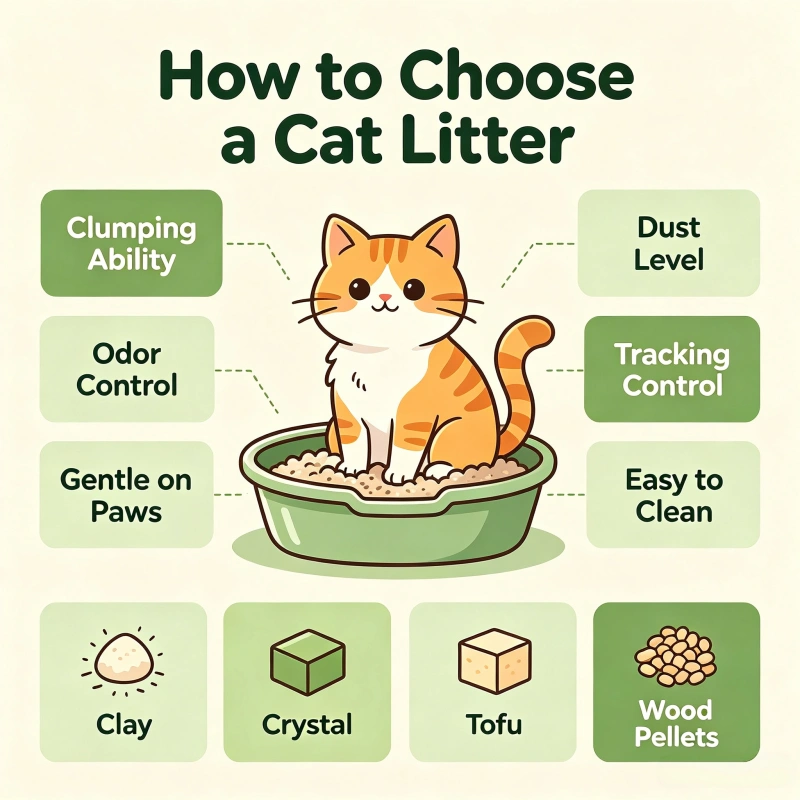
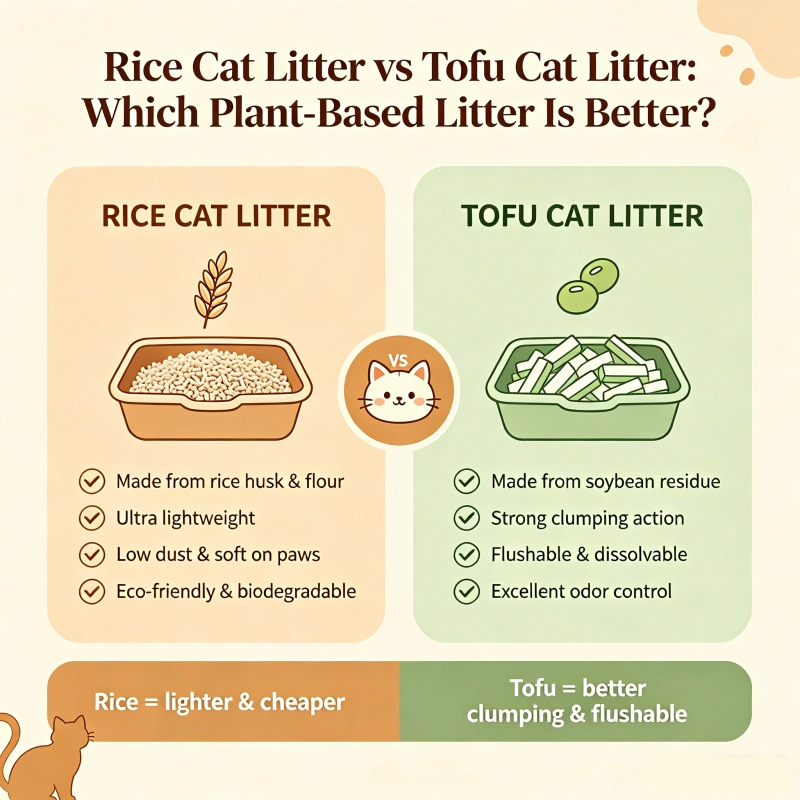
Paper Pellet Cat Litter vs. Tofu, Corn, and Wood Litter
Paper is only one of several alternative materials used in modern cat litter.
Tofu litter is commonly made using soybean-derived materials, while corn litter uses corn-based ingredients. Wood pellet litter is generally made from compressed wood or sawdust.
Each material has its own characteristics, and performance can vary considerably between formulations and manufacturers.
| Litter Type | Main Material | Typical Strengths | Potential Limitations |
|---|---|---|---|
| Paper Pellet | Paper-based materials | Low dust, lightweight, low tracking | Usually non-clumping, odor control varies |
| Tofu | Soybean-based materials | Plant-based, clumping options, convenient cleaning | May cost more depending on formulation |
| Corn | Corn-based materials | Plant-based, absorbent, lightweight | Performance varies by formula |
| Wood Pellet | Wood or sawdust | Natural material, larger pellets, low dust | Texture and odor control vary |
| Clay | Mineral-based materials | Strong clumping, convenient scooping | Can be heavier and dust varies |
The right material depends on the target customer, product positioning, expected price range, performance requirements, and market preferences.
For pet brands, offering more than one material can also help create a differentiated product portfolio.
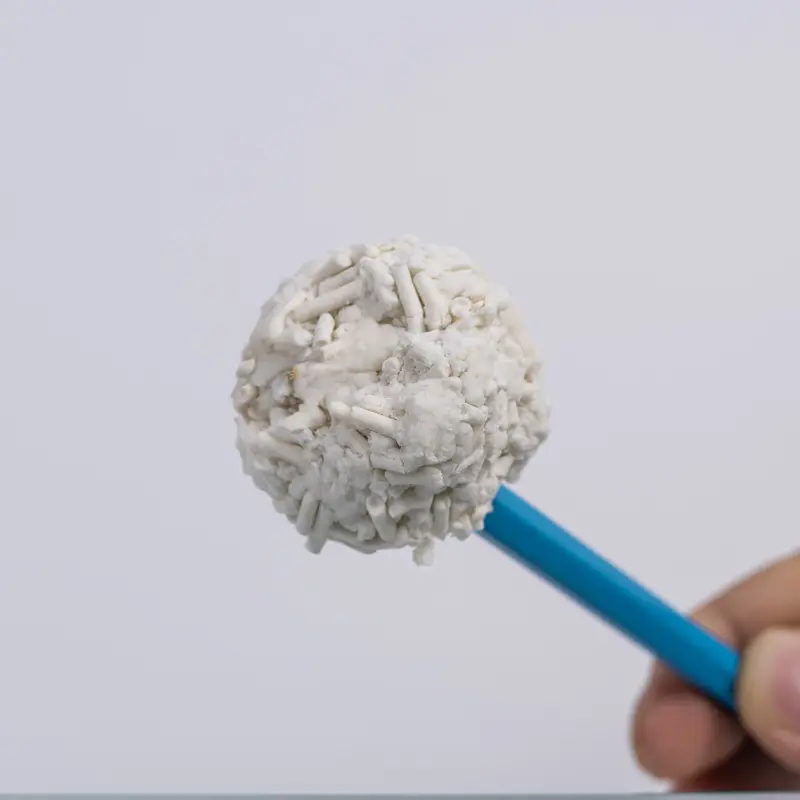
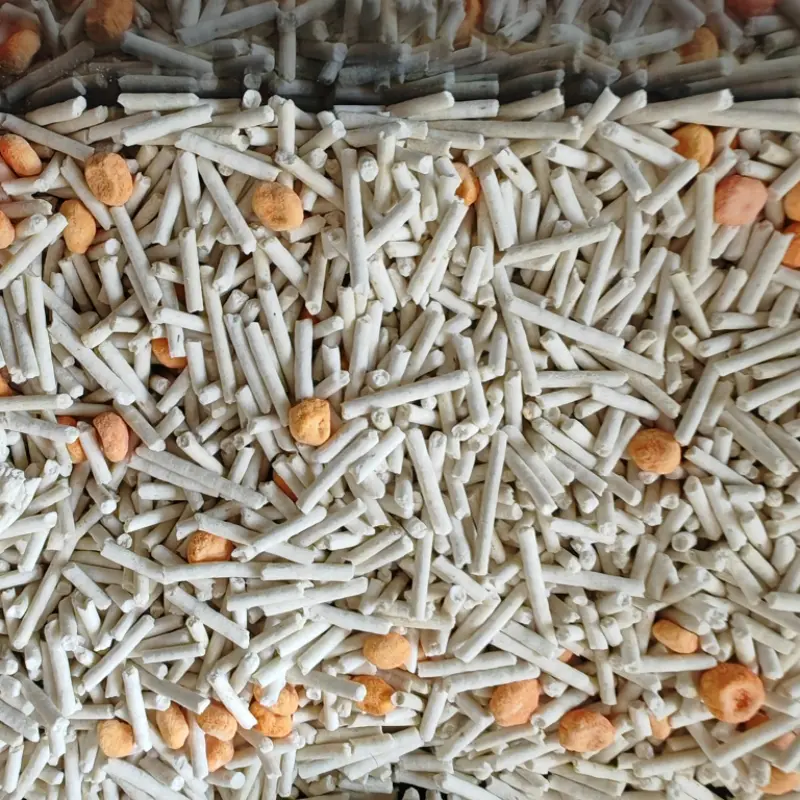
This picture showed our tofu cat litter is a clumping cat litter and clumps are tight.It will help to cover the odors and easy to be scooped out of litter box
Is Paper Pellet Cat Litter Right for Your Cat?
Paper pellet cat litter may be a suitable option if you prioritize:
Low dust
Reduced tracking
Lightweight handling
Paper-based materials
Unscented options
Larger pellets
An alternative to traditional clay litter
However, it may not be the best choice if your cat strongly prefers fine-grained litter or if your highest priority is powerful clumping and simple urine removal.
Every cat has individual preferences. When introducing a new litter, a gradual transition can help reduce the chance of litter-box rejection.
For households with multiple cats, litter-box size, the number of boxes, cleaning frequency, and odor control should also be considered.
What Should Buyers Look for in Paper Pellet Cat Litter?
For individual cat owners, product performance is usually the main consideration.
For distributors, retailers, importers, and private-label pet brands, there are additional factors to evaluate before choosing a paper pellet cat litter supplier.
Raw Material Quality
Raw material quality can influence pellet strength, absorption, dust, and consistency.
For commercial production, stable raw material sourcing is particularly important because changes between batches can affect the finished product.
Pellet Size and Density
Pellet size and density affect texture, absorption, tracking, packaging, and transportation.
A manufacturer should be able to maintain consistent pellet specifications during large-volume production.
Absorption Performance
Buyers should evaluate how quickly the litter absorbs moisture and how the pellets behave after absorption.
Testing can help compare different formulations and determine whether the product meets the requirements of the target market.
Odor Control
Odor control is one of the most important factors influencing customer satisfaction.
Depending on the product concept, brands may evaluate different formulations and odor-control approaches during product development.
Dust and Tracking
Low-dust and low-tracking performance can be important selling points for paper pellet litter.
However, these characteristics should be supported by product testing and quality-control procedures rather than marketing claims alone.
Packaging and Private Label Options
For pet brands and retailers, packaging is an important part of the finished product.
A capable manufacturer may support customized bag sizes, packaging designs, labels, product specifications, and other private-label requirements.
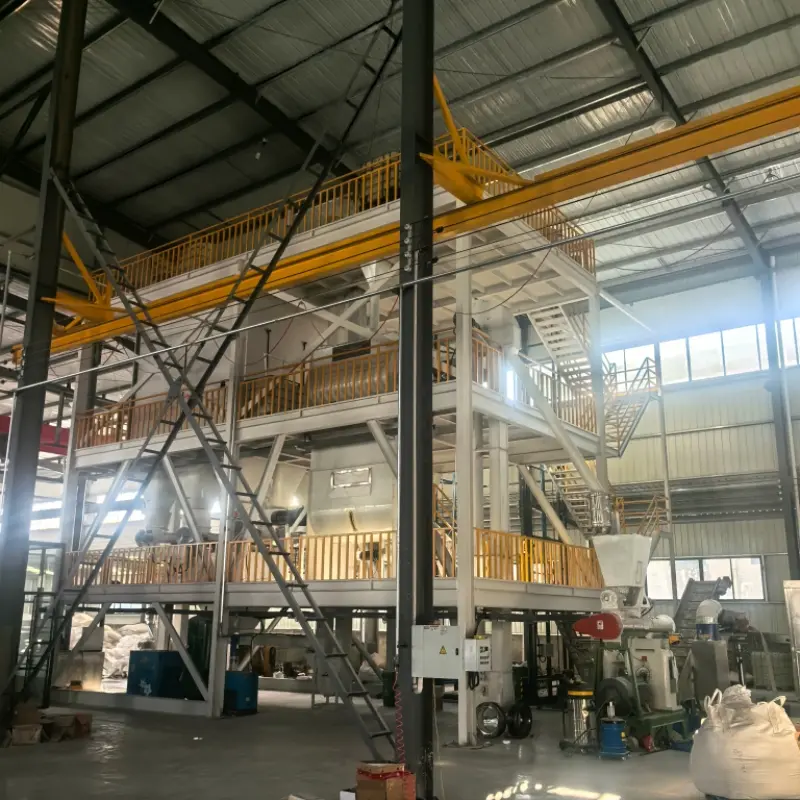
How Is Paper Pellet Cat Litter Manufactured?
Paper pellet cat litter manufacturing can involve several stages, depending on the raw materials and product formulation.
A typical production process may include raw material preparation, processing, pelletizing, drying, screening, quality inspection, and packaging.
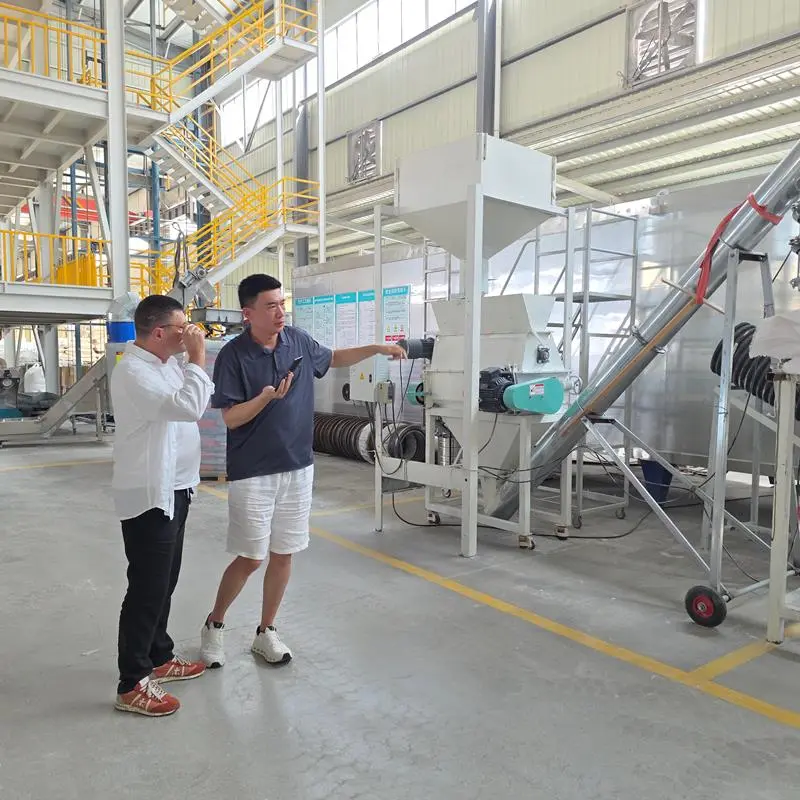
Automated production equipment can help improve production efficiency and maintain consistency between batches.
Quality control is also important throughout the manufacturing process. Pellet size, moisture, density, appearance, dust, and absorption performance may all need to be evaluated according to the product specification.
For large-volume buyers, production capacity is another important consideration.
A supplier may have an attractive product sample, but the ability to reproduce the same quality consistently at commercial volumes is equally important.
Why Choose an Experienced Cat Litter Manufacturer?
For a retailer or pet brand, sourcing cat litter is not simply about finding the lowest unit price.
A reliable manufacturing partner can support product development, raw material sourcing, quality control, packaging, testing, production, and logistics coordination.
Shandong Gelin Town Pet Products Co., Ltd. was established in 2020 and specializes in the research and manufacturing of cat litter, with a particular focus on plant-based cat litter products.
Our production facility covers approximately 16,000 square meters and has an annual production capacity of approximately 7,000 tons.
The factory is equipped with automated production equipment, standardized workshops, and a professional R&D team.
Our product range includes plant-based cat litter, tofu cat litter, corn cat litter, health-monitoring cat litter, natural mineral cat litter, and other customized cat litter solutions.
Our certifications include BSCI, ISO9001, SGS, and CTI, supporting our quality-management and production standards.
We serve customers in markets across Europe, North America, Australia, Asia, and other international markets.
OEM, ODM, and Private Label Cat Litter Manufacturing
For businesses developing their own pet brands, OEM and ODM manufacturing can provide greater flexibility than purchasing standard products.
Depending on the project, customized cat litter solutions can include:
Material selection
Product formulation
Pellet size
Color
Fragrance
Packaging
Private labeling
Testing requirements
Product specifications
Our factory supports wholesale and customized production for online retailers, distributors, importers, and pet brands.
Whether you are selling through Amazon, eBay, retail stores, distributors, or your own ecommerce website, a complete manufacturing and supply-chain solution can help simplify the process from raw materials and product development to finished, packaged cat litter.
For businesses considering paper pellet cat litter, tofu cat litter, corn cat litter, or other plant-based products, working directly with an experienced manufacturer can also make it easier to develop products around specific market requirements.
Frequently Asked Questions
Is paper pellet cat litter good?
Paper pellet cat litter can be a good choice for cats and owners who prioritize low dust, reduced tracking, lightweight handling, and alternative materials. However, individual cats may have different preferences for texture and litter type.
Does paper pellet cat litter clump?
Most paper pellet cat litter is non-clumping. Instead of forming a solid urine clump, the pellets absorb moisture and may soften or break apart.
Does paper pellet cat litter control odor?
Odor-control performance varies by product. Paper pellets absorb moisture, but non-clumping products may require more frequent removal of saturated litter to maintain good odor control.
Is paper pellet cat litter low dust?
Paper pellets generally produce less dust than many fine-grained litter products, although actual dust levels depend on the raw material, pellet structure, manufacturing process, and screening.
Is paper pellet cat litter biodegradable?
Paper-based materials can be biodegradable, but the exact properties depend on the product formulation. Biodegradable does not automatically mean flushable or suitable for home composting.
Can paper pellet cat litter be customized?
Yes. Depending on the manufacturer and project requirements, paper pellet cat litter can potentially be customized in areas such as material, formulation, pellet size, fragrance, packaging, labeling, and testing.
How do I choose a paper pellet cat litter manufacturer?
Look at more than product price. Important factors include production capacity, raw material consistency, R&D capabilities, quality-control systems, certifications, customization options, packaging capabilities, testing support, and experience with international customers.
Final Verdict
Paper pellet cat litter offers several attractive benefits, especially low dust, reduced tracking, lightweight handling, moisture absorption, and paper-based material options.
Its main disadvantages are that it is usually non-clumping, may require a different cleaning routine, and may not provide the same odor-control performance or texture as every other type of cat litter.
For cat owners, the best choice depends on the individual cat and the owner's priorities.
For retailers, distributors, and pet brands, the decision involves additional factors such as product consistency, manufacturing capacity, customization, packaging, quality control, and supply-chain reliability.
If you are looking for a paper pellet cat litter manufacturer, plant-based cat litter supplier, or OEM/ODM cat litter factory, choosing an experienced manufacturing partner can help you develop a product that meets the performance and market requirements of your target customers. Welcome to contact us.
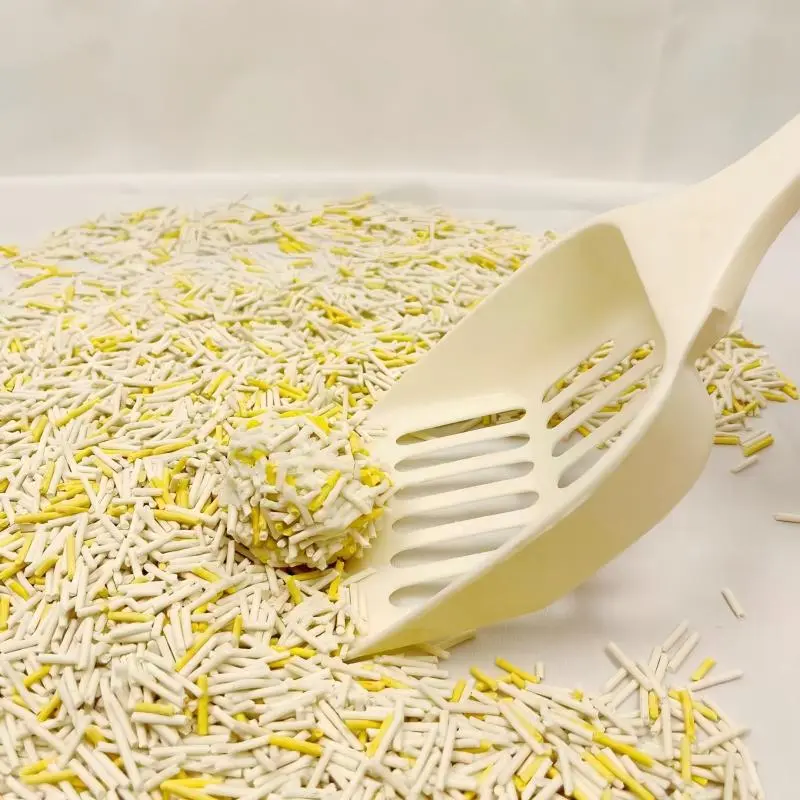
387.webp)
122.webp)