Looking for a reliable tofu cat litter manufacturer in China? Choosing the right factory involves more than comparing prices or selecting a product described as biodegradable, low-dust, or fast-clumping. International buyers need a manufacturing partner that can provide consistent raw materials, suitable product specifications, reliable quality control, customized packaging, and dependable export support.
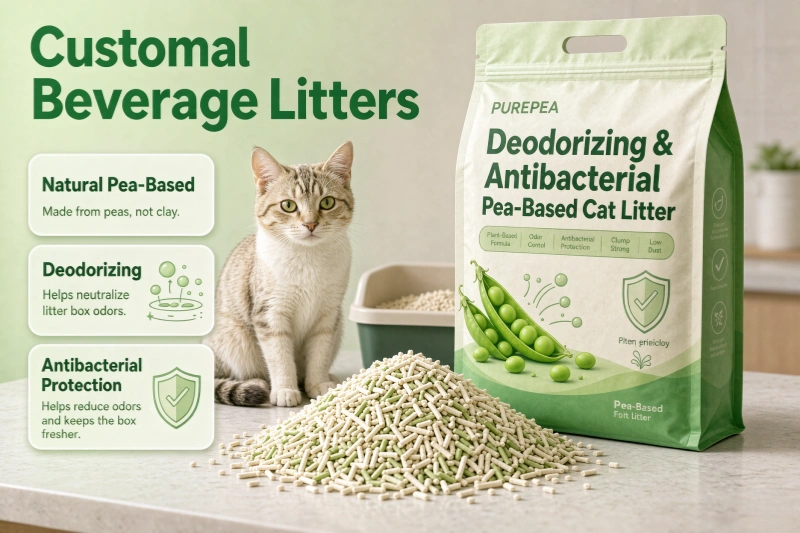
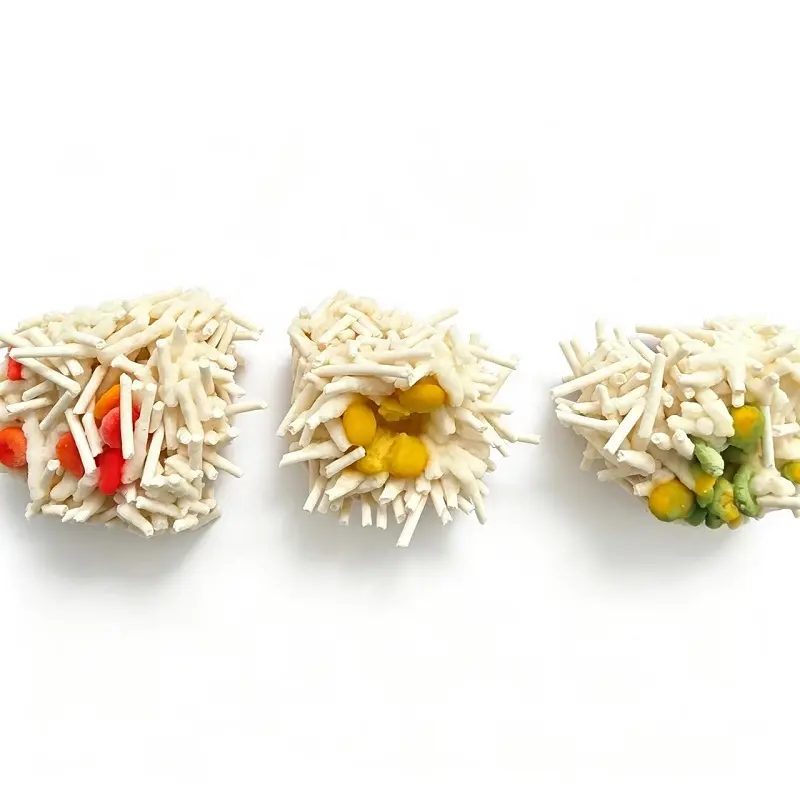
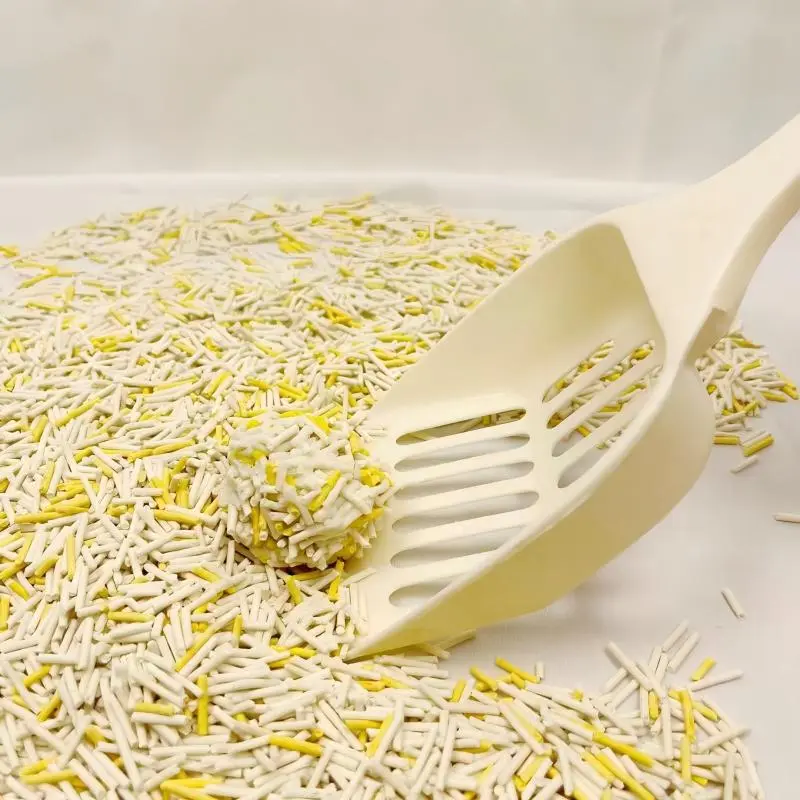
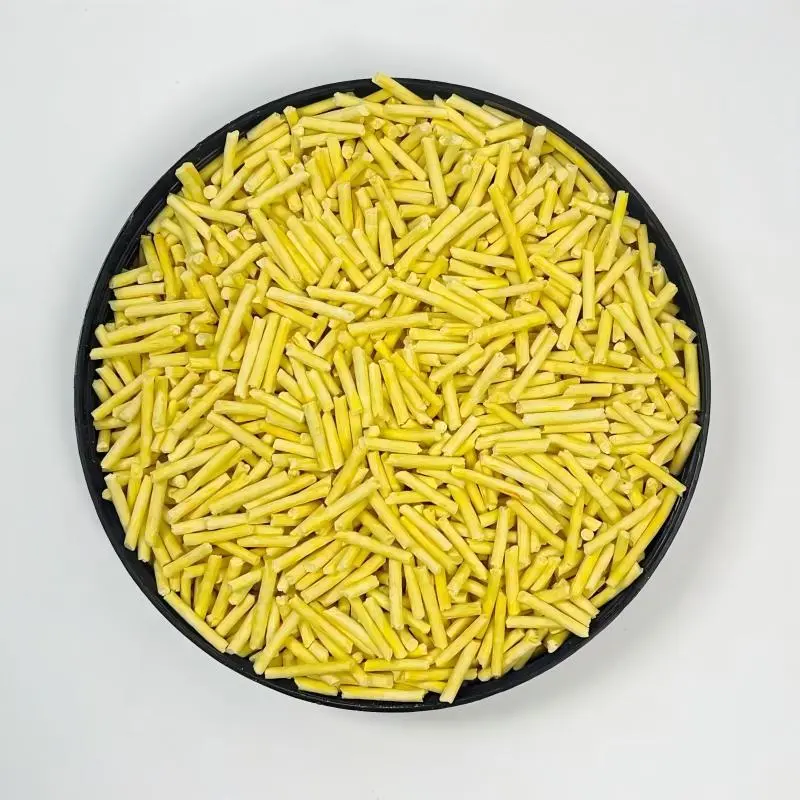
Tofu cat litter is a plant-based product commonly made from ingredients such as pea fiber, soybean fiber, corn starch, and guar gum. Depending on the formula, manufacturers can develop different pellet sizes, shapes, colors, fragrances, and functional options for different retail markets.
Gelin Town Pet is a Chinese cat litter manufacturer specializing in plant-based cat litter production, OEM/ODM development, wholesale supply, and private-label packaging. Our published tofu cat litter product specifications include 1.5 mm, 2.0 mm, and 3.0 mm pellet options, customizable colors, and packaging formats such as 6 L, 7 L, and 10 L.
This guide explains how to evaluate a tofu cat litter manufacturer in China, compare product formulations, verify quality, customize your own brand, and prepare for a successful bulk order.
Table of Contents
Why Source Tofu Cat Litter from a Manufacturer in China?
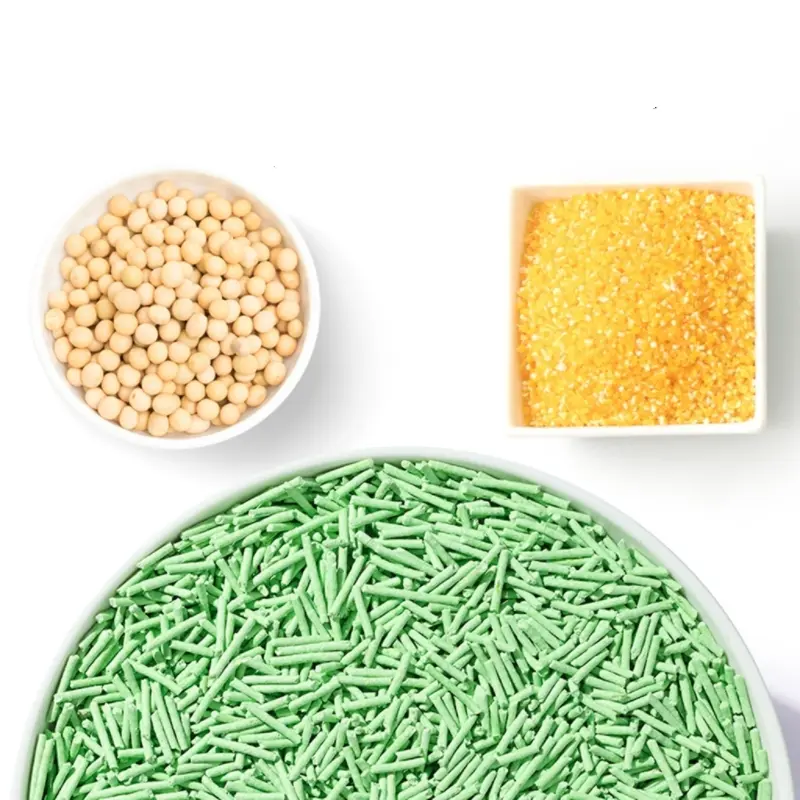
What Is Tofu Cat Litter Made Of?
Different Types of Tofu Cat Litter Available for OEM/ODM
Tofu Cat Litter Specifications and Customization Options
What Makes High-Quality Tofu Cat Litter?
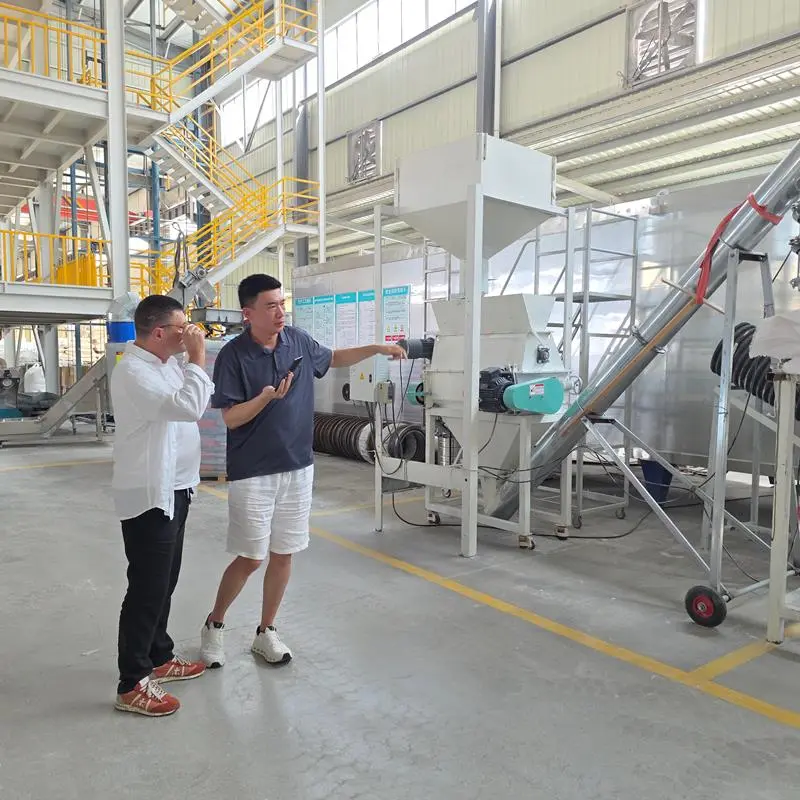
How Tofu Cat Litter Is Manufactured
Tofu Cat Litter OEM vs. ODM: What Is the Difference?
Private Label Tofu Cat Litter Packaging
MOQ, Pricing, and Bulk Order Considerations
How to Evaluate a Tofu Cat Litter Manufacturer
Why Work with Gelin Town Pet?
Frequently Asked Questions
1. Why Source Tofu Cat Litter from a Manufacturer in China?
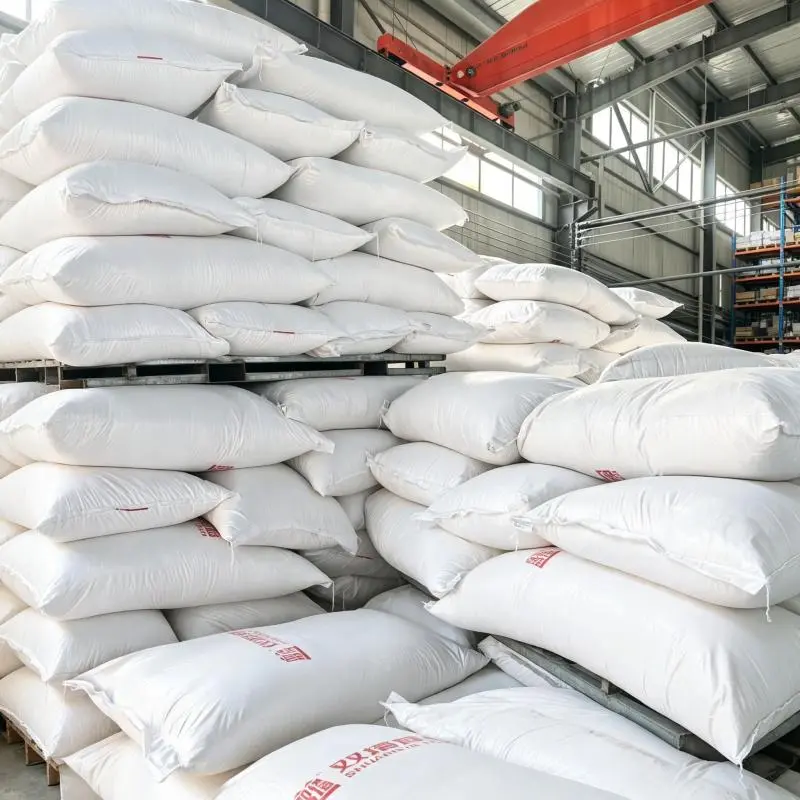
China has an established supply chain for plant-based cat litter, including soybean-derived materials, pea fiber, starches, binders, processing equipment, packaging, and export services.
For international pet brands and distributors, sourcing directly from a manufacturer can provide several potential advantages.
1.1 Access to Plant-Based Raw Materials
Tofu cat litter formulas may use soybean fiber, pea fiber, corn starch, and other plant-derived ingredients.
The available raw material combinations allow manufacturers to develop different product grades and performance characteristics.
For buyers, it is important to check the actual ingredient composition rather than assume that every product described as tofu cat litter is made entirely from leftover tofu residue.
1.2 Flexible Product Development
An experienced manufacturer may support customization of:
Plant fiber selection.
Ingredient ratios.
Pellet diameter and length.
Standard or crushed particle shapes.
Color and fragrance.
Optional odor-management ingredients.
Retail and bulk packaging.
This is useful for brands targeting different consumer segments, from value-oriented retail products to premium plant-based cat litter.
1.3 Integrated Manufacturing and Packaging
Sourcing from a manufacturer that coordinates raw material preparation, mixing, granulation, drying, screening, quality inspection, and packaging can simplify supply-chain communication.
Buyers should still verify which operations are actually completed in-house and which are outsourced.
1.4 OEM and Private-Label Opportunities
Working directly with a Chinese tofu cat litter manufacturer allows distributors, retailers, and e-commerce businesses to develop products under their own brand names.
Gelin Town provides OEM/ODM tofu cat litter products for international buyers seeking customized specifications and packaging.
2. What Is Tofu Cat Litter Made Of?
Tofu cat litter is a plant-based litter made using fibers and starches that can be processed into absorbent granules.
The exact formula varies between manufacturers and products. Some formulas rely more heavily on pea fiber, while others use soybean-derived materials or a combination of plant fibers and starch-based binders.
2.1 Pea Fiber
Pea fiber is a commonly used plant-based material in tofu cat litter manufacturing.
It provides a fibrous structure that can contribute to liquid absorption and pellet formation.
Its performance depends on raw material quality, particle size, moisture, and the other ingredients in the formula.
Gelin Town offers tofu cat litter made from pea fiber, with product specifications and customization options for OEM buyers.
2.2 Soybean Fiber
Soybean fiber and soybean-processing by-products are traditional raw materials used in tofu cat litter.
They provide plant-based material for the granule structure and can be combined with starches and binders during manufacturing.
The term "tofu cat litter" does not guarantee that a finished product contains only soybean residue. Buyers should request the actual material description and formulation information for the selected SKU.
2.3 Corn Starch
Corn starch helps bind the plant-fiber ingredients during processing.
When exposed to suitable moisture and heat, starch can contribute to granule formation and structural cohesion.
The amount of starch must be matched to the fiber characteristics and production process. An unsuitable ratio may affect pellet hardness, clumping behavior, and drying requirements.
2.4 Guar Gum and Other Binders
Guar gum is used in some tofu cat litter formulas to support binding and pellet structure.
Depending on the formulation, manufacturers may also evaluate other suitable binding ingredients.
A binder should not be selected only because it is commonly mentioned in product descriptions. Its compatibility with the raw materials and processing conditions should be established through product-development trials.
2.5 Optional Functional Ingredients
Some OEM/ODM projects may include additional ingredients to create differentiated product options.
Examples include:
Activated carbon.
Baking soda.
Plant-derived deodorizing materials.
Postbiotic ingredients.
Fragrance.
Colorants.
These are optional formulation components, not requirements for every tofu cat litter product.
Any antibacterial, deodorizing, health-related, or other functional claim should be supported by appropriate evidence for the finished product.
3. Different Types of Tofu Cat Litter Available for OEM/ODM
A capable tofu cat litter manufacturer should understand that different markets may require different pellet formats and product features.
The right format depends on consumer preference, cleaning habits, target price, distribution channel, and the requirements of automatic litter boxes.
3.1 Standard Cylindrical Tofu Cat Litter
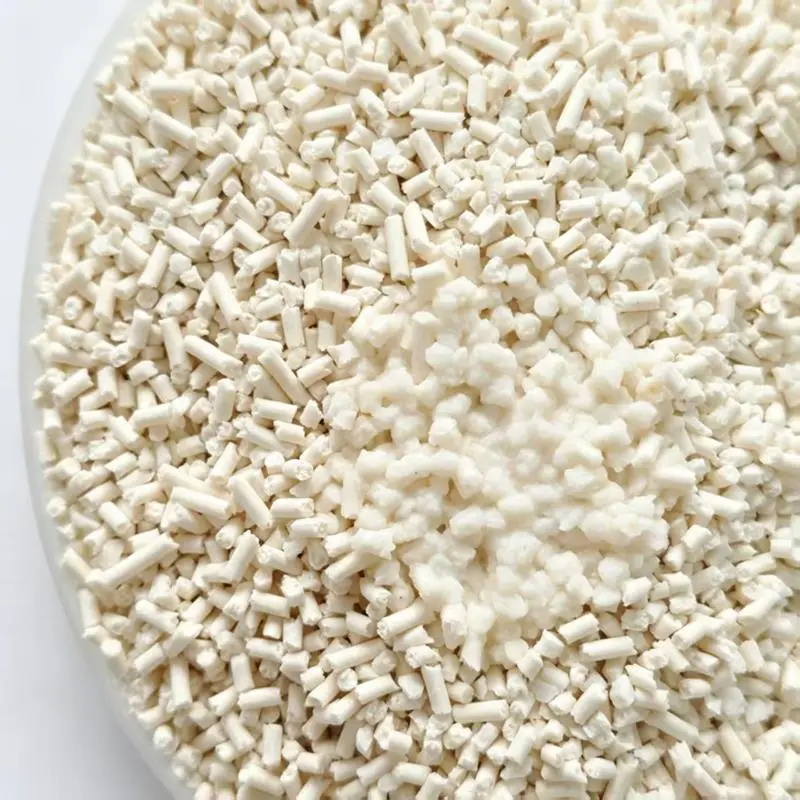
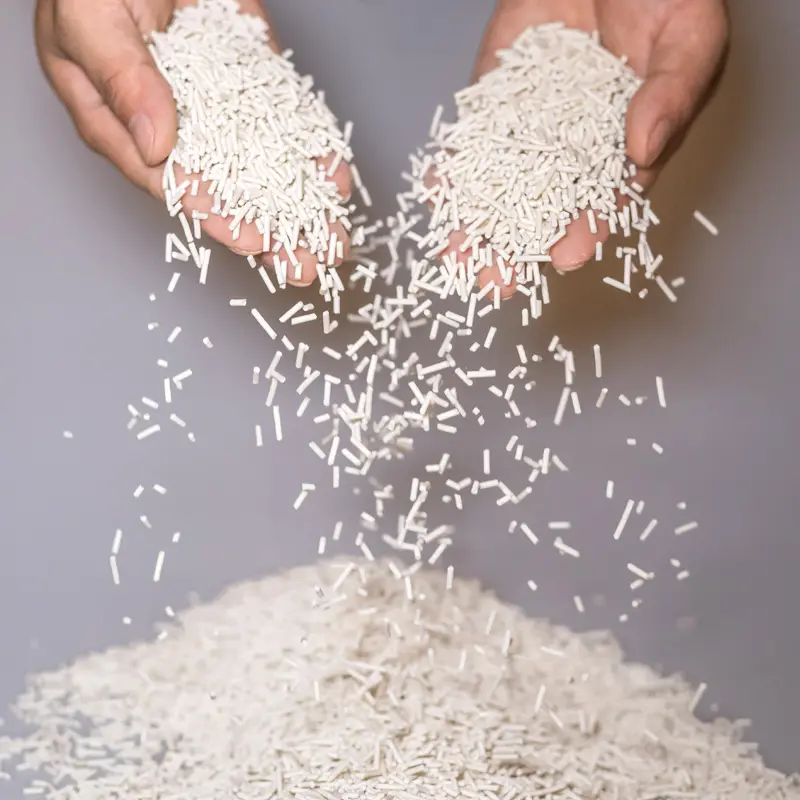
Standard tofu cat litter is generally formed into cylindrical or stick-shaped pellets.
Available specifications may include different diameters and lengths.
It is suitable for conventional litter box applications when the formula provides the required absorption, clumping, and durability.
3.2 Fine or Small-Diameter Tofu Cat Litter
Fine pellets provide a different texture and surface area from larger cylindrical pellets.
Some customers prefer smaller particles because of their feel under a cat's paws.
However, particle size alone does not prove better absorption, less dust, or stronger clumping. The finished formula must be tested.
3.3 Crushed Tofu Cat Litter
Crushed tofu cat litter contains irregular or broken particles instead of uniform long strips.
Depending on the product design, this structure may provide a different scooping and litter-box experience.
Some buyers consider crushed formats for automatic litter boxes, but compatibility should be tested with the exact machine model. Do not assume that every crushed tofu product works with every automatic litter box.
Explore Gelin Town's crushed tofu cat litter.
3.4 Space-Puffed Tofu Cat Litter
Space-puffed or expanded tofu cat litter uses a different particle structure from conventional compact pellets.
Its physical characteristics, bulk density, and handling behavior should be compared with the standard formula.
Buyers should request samples and evaluate the product based on the specifications that matter to their target market.
See our space-puffed tofu cat litter.
3.5 Functional and Deodorizing Tofu Cat Litter
Some brands want more than a standard plant-fiber formula.
Depending on technical feasibility, a manufacturer may develop products with selected deodorizing or functional ingredients.
For example, Gelin Town offers a postbiotic tofu cat litter product.
When developing a functional formula, define its intended benefit and agree on how that benefit will be evaluated. The presence of an additive is not, by itself, proof of a specific performance or health benefit.
Product Format Comparison
| Product Format | Main Characteristics | Important Evaluation Points |
|---|---|---|
| Standard cylindrical pellets | Conventional tofu litter format | Diameter, length, clumping, absorption |
| Fine pellets | Smaller particle structure | Tracking, dust, consumer preference |
| Crushed tofu litter | Irregular particles | Scoopability, particle distribution, machine compatibility |
| Space-puffed litter | Expanded particle structure | Bulk density, durability, handling |
| Functional tofu litter | Base formula with selected additives | Ingredient compatibility and product-specific testing |
To view the broader tofu cat litter product range, compare the available products before selecting a formula for your brand.
4. Tofu Cat Litter Specifications and Customization Options
A product quotation is only meaningful when the product specifications are clear.
For importers, distributors, and pet brands, the following parameters should be discussed before requesting a final quotation.
4.1 Raw Material Composition
Confirm whether the selected product uses pea fiber, soybean fiber, corn starch, guar gum, or another suitable combination.
If the formula is customized, request an ingredient description that supports your internal quality review and applicable destination-market labeling.
4.2 Pellet Diameter and Length
Pellet dimensions affect product appearance, handling, and consumer preference.
Gelin Town's published OEM/ODM tofu cat litter listing includes:
1.5 mm.
2.0 mm.
3.0 mm.
Customized specifications, subject to product and equipment feasibility.
Diameter and length should be specified separately when both affect the desired product.
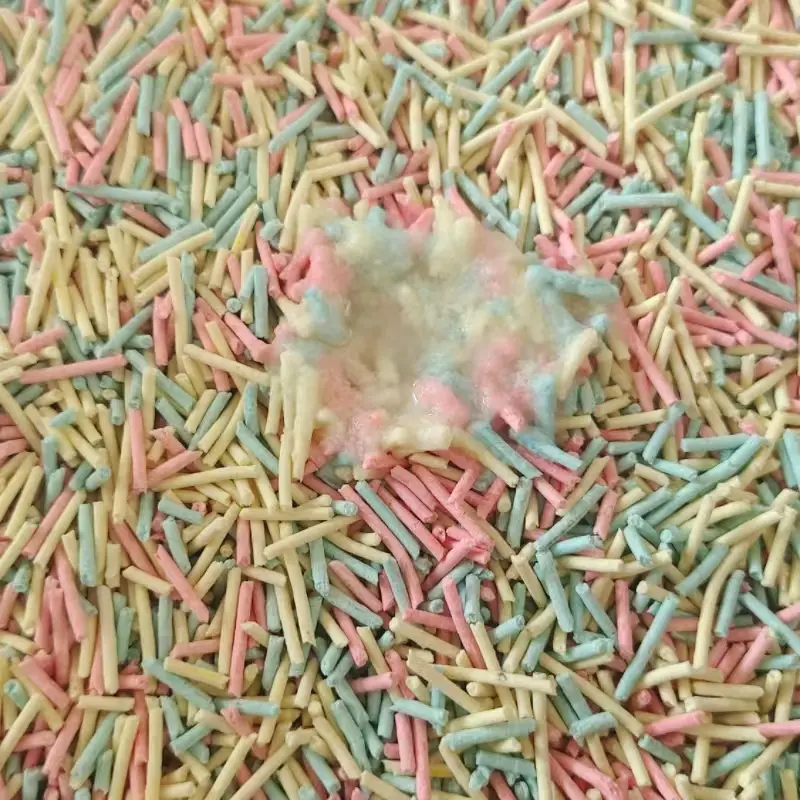
4.3 Color and Fragrance
Color can be customized according to the product concept and market positioning.
Fragrance options may include unscented products or selected fragrance types, depending on the formula.
For a first launch, it is often more practical to validate a core unscented or standard product before introducing multiple fragrance variations.
4.4 Moisture and Bulk Density
Moisture content is important for product stability and packaging.
Bulk density influences package volume, bag weight, storage, and shipping calculations.
Both should be agreed as measurable specifications rather than described with general terms such as "dry" or "lightweight."
4.5 Product-Specific OEM Reference Specifications
The current Gelin Town OEM/ODM tofu cat litter listing provides the following reference information:
| Specification | Published Product Information |
|---|---|
| Materials | Pea fiber, soybean fiber, corn starch, guar gum |
| Pellet diameter | 1.5 mm, 2.0 mm, 3.0 mm |
| Color | Customizable |
| OEM/ODM | Available |
| Listed MOQ | 1 × 20-foot FCL |
| Published packaging examples | 6 L / 2.5 kg, 7 L / 2.8 kg, 10 L / 4.5 kg |
| Origin | China |
These are specifications published for the referenced product listing. They should not be interpreted as universal terms for every Gelin Town formula or custom project. Confirm the exact SKU, formula, packaging combination, and current MOQ before placing an order.
For detailed product information, see our Factory OEM/ODM Tofu Cat Litter page.
5. What Makes High-Quality Tofu Cat Litter?
A high-quality tofu cat litter product should meet agreed performance requirements consistently.
Instead of relying on descriptions such as "premium," "super absorbent," or "dust-free," buyers should define measurable product characteristics and test methods.
5.1 Raw Material Consistency
Raw material changes can affect mixing, pellet formation, absorption, and final product performance.
A manufacturer should maintain incoming material specifications and batch records.
Important checks include:
Raw material identity.
Supplier and batch traceability.
Moisture.
Appearance.
Particle-size consistency.
Foreign matter.
Storage condition.
5.2 Water Absorption
Absorption testing should use a defined sample mass, test liquid, contact time, and drainage procedure.
A simplified comparison may calculate:
Water absorption (%) = Retained liquid mass ÷ Initial dry sample mass × 100
For meaningful results, all compared products must use the same test conditions.
A high absorption percentage does not automatically mean better everyday performance. The way the litter retains liquid and forms removable clumps also matters.
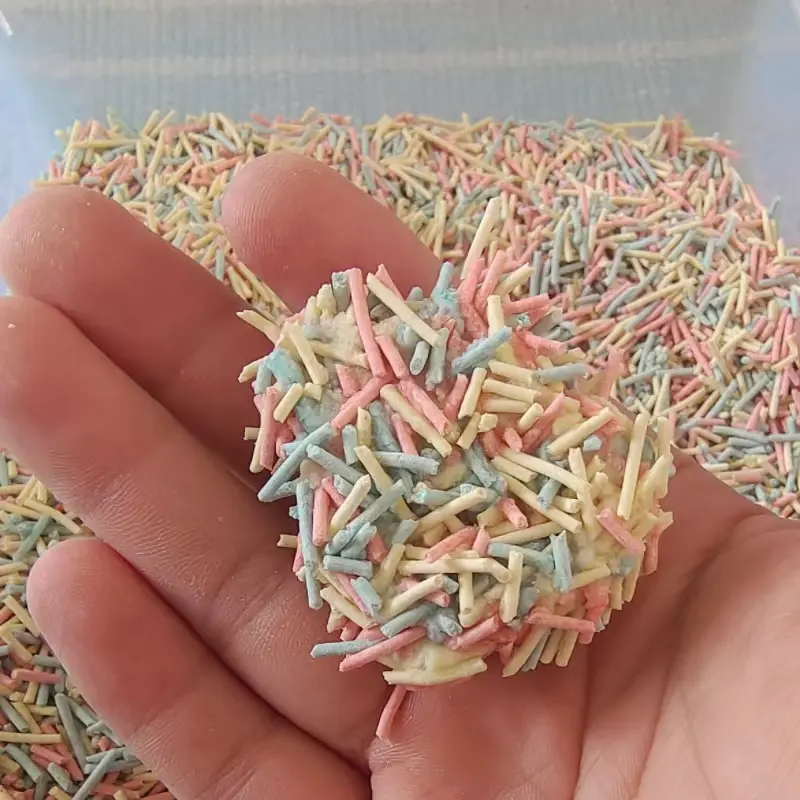
5.3 Clumping Strength
A useful clumping test should evaluate both formation time and clump integrity.
A controlled procedure can include:
Place the same measured quantity of litter into identical trays.
Apply the same measured liquid volume.
Wait for the same contact period.
Remove the formed clump using the same scoop or test device.
Record whether the clump remains intact or breaks apart.
Inspect the tray for wet residue.
Repeat the test on several samples.
For a commercial specification, the buyer and manufacturer can define a clump-retention or breakage measurement with an agreed acceptance limit.
5.4 Dust and Fine Particle Content
Dust is influenced by raw material preparation, grinding, granulation, drying, screening, and transportation.
A visual inspection alone cannot verify a quantitative claim such as "99% dust-free."
A proper test should specify the sample mass, handling method, collection or screening equipment, calculation, and number of repetitions.
It is also important to distinguish between fine-particle content and airborne dust during pouring. These are related but different measurements.
5.5 Pellet Strength and Durability
Pellets can break during manufacturing, packaging, shipping, and normal use.
Excessive breakage increases fine particles and may change the product's appearance.
A durability evaluation can compare the particle distribution before and after controlled handling or transportation simulation.
This is especially relevant to buyers importing full-container quantities.
5.6 Odor-Control Performance
Odor control depends on liquid absorption, clump removal, optional additives, and cleaning habits.
If a manufacturer makes a specific odor-control claim, request a suitable product-specific test.
The test should identify the odor challenge, environmental conditions, measurement method, observation periods, and control sample.
Do not assume that adding activated carbon, baking soda, or a postbiotic ingredient automatically proves superior odor control.
5.7 Packaging and Storage Stability
A product that performs well immediately after production may deteriorate if it absorbs moisture during storage or shipping.
Before bulk approval, evaluate:
Bag sealing.
Packaging material.
Product moisture.
Carton strength.
Pellet breakage.
Product condition after transportation.
Storage stability under agreed conditions.
For more practical testing procedures and supplier evaluation criteria, read our OEM/ODM Tofu Cat Litter Buying Guide.
6. How Tofu Cat Litter Is Manufactured
Commercial tofu cat litter production involves a sequence of controlled manufacturing steps.
The exact process varies with the formula and equipment, but most production systems include the following stages.
Step 1: Raw Material Selection
The manufacturer selects suitable plant fibers, starches, and binders.
Materials may include pea fiber, soybean fiber, corn starch, and guar gum.
Incoming materials should be checked for moisture, identity, appearance, and consistency before production.
Step 2: Raw Material Preparation
Depending on the material, preparation may include drying, grinding, sieving, or other processing steps.
The purpose is to achieve suitable particle characteristics and reduce unwanted variation before mixing.
Step 3: Weighing and Formula Mixing
Each ingredient is measured according to the approved formula.
The materials are blended in an industrial mixer to improve uniformity.
Accurate weighing and mixing are important because formula variations can affect pellet structure and clumping performance.
Step 4: Moisture Conditioning
Water or other suitable processing moisture is introduced in a controlled way.
The moisture level must be suitable for the selected fiber, starch, binder, and forming system.
Too little moisture may affect granule formation. Excessive moisture can increase the drying load and create product stability problems.
Step 5: Extrusion and Pellet Formation
The conditioned mixture enters an extrusion or granulation system.
The equipment forms the material into the required pellet structure. A cutting system can adjust the pellet length where applicable.
Die design, material feeding, moisture, and machine settings all influence the finished granules.
Step 6: Drying and Cooling
Freshly formed pellets contain residual moisture.
Drying reduces moisture to the agreed product specification. The correct drying conditions depend on the initial moisture, formula, pellet size, and equipment.
After drying, the granules are cooled before final screening and packaging.
Step 7: Screening and Dust Removal
The material passes through screening and dust-removal equipment.
Oversized particles, broken pellets, and excessive fines can be separated according to the product specification.
Removed material should be handled according to the factory's quality procedures rather than automatically returned to finished product.
Step 8: Final Inspection and Packaging
Finished product is checked for appearance, moisture, particle size, absorption, clumping, dust, and other agreed requirements.
Qualified products are then weighed and packed using the approved retail or bulk packaging.
For a more detailed explanation of the production stages, see our guide to how to make tofu cat litter.
7. Tofu Cat Litter OEM vs. ODM: What Is the Difference?
OEM and ODM are two common manufacturing cooperation models for international pet brands.
Although some suppliers use the terms interchangeably, they can represent different levels of product development.
7.1 OEM Tofu Cat Litter
OEM is suitable for buyers who already have a reasonably clear product specification.
The buyer defines the product requirements, and the manufacturer produces the tofu cat litter according to the approved formula, pellet specifications, quality standards, and packaging instructions.
OEM projects may include:
Standard formulas with custom branding.
Customized raw material combinations.
Different pellet diameters.
Custom color or fragrance.
Private-label retail packaging.
Agreed quality inspection requirements.
This model is suitable for distributors and established brands that know what product they want to purchase.
7.2 ODM Tofu Cat Litter
ODM involves more product development support from the manufacturer.
The buyer provides a market concept or performance target, while the manufacturer helps develop and refine the formula.
An ODM project may involve:
New ingredient combinations.
Formula adjustment.
Particle structure development.
Functional additive evaluation.
Sample development and testing.
Packaging and product positioning recommendations.
This approach is useful for businesses that want a differentiated tofu cat litter product but do not have an in-house formulation team.
OEM vs. ODM Comparison
| Item | OEM | ODM |
|---|---|---|
| Starting point | Buyer-defined specifications | Buyer concept or target performance |
| Formula | Existing or buyer-approved formula | Manufacturer-assisted development |
| Sample development | Based on agreed specifications | May involve multiple development rounds |
| Customization | Product and packaging specifications | Formula, performance, product design, packaging |
| Development workload | Usually more straightforward | Usually more extensive |
| Suitable for | Established product requirements | New or differentiated products |
Gelin Town also provides private-label tofu cat litter solutions for pet brands, distributors, wholesalers, and retailers.
8. Private Label Tofu Cat Litter Packaging
Packaging affects product protection, shelf presentation, logistics, and the overall customer experience.
For B2B projects, it should be discussed during product development rather than after the formula has been finalized.
8.1 Common Packaging Sizes
Published Gelin Town packaging information includes options such as:
1.5 kg.
2 kg.
2.5 kg.
5 L.
6 L.
10 L.
20 L.
The correct combination of weight and volume depends on the formula's bulk density.
Weight and volume should not be treated as interchangeable. Buyers should confirm the filling method and declared quantity before printing packaging artwork.
8.2 Packaging Materials
Potential packaging structures include:
| Packaging Material | Potential Application | Important Considerations |
|---|---|---|
| PE bags | Cost-conscious retail and bulk packaging | Strength, sealing, moisture protection |
| Laminated plastic bags | Printed retail products | Material structure, durability, barrier properties |
| Kraft-paper laminated bags | Natural or premium brand positioning | Moisture resistance, handling strength |
| Customized flexible packaging | Brand-specific retail requirements | Filling compatibility, printing, storage |
The suitable material depends on the product's moisture sensitivity, package weight, shipping conditions, and destination-market requirements.
8.3 Bag Styles and Features
Buyers may consider:
Stand-up pouches.
Flat-bottom bags.
Pillow bags.
Valve bags.
Customized retail bags.
Optional features can include carrying handles, zipper closures, tear notches, and resealable designs.
8.4 Custom Branding and Artwork
Private-label packaging may include:
Brand logo.
Product name.
Product type.
Net weight or volume.
Ingredient information.
Usage instructions.
Storage guidance.
Barcode and batch information.
Manufacturer or importer details where required.
Always approve the final artwork and, where practical, a physical print sample before mass printing.
For additional product options, visit our plant-based cat litter range.
9. MOQ, Pricing, and Bulk Order Considerations
The cost of tofu cat litter depends on the formula, raw materials, product specifications, packaging, order quantity, and shipping arrangements.
A reliable supplier should provide a quotation based on an identifiable product specification rather than a general description.
9.1 What Is the MOQ for Tofu Cat Litter?
MOQ varies by product and manufacturing arrangement.
Factors include:
Standard or customized formula.
Number of SKUs.
Packaging material.
Custom printing requirements.
Bag size.
Production scheduling.
Container loading efficiency.
Gelin Town's current OEM/ODM tofu cat litter product listing specifies an MOQ of 1 × 20-foot FCL for that product. This should be treated as a reference for the listed product, not a universal MOQ for every formula or packaging project.
Confirm the exact MOQ for each SKU before placing an order.
9.2 What Determines the Factory Price?
Several factors influence the price per bag or metric ton.
Raw materials: Different plant fibers, starches, and binders have different costs.
Formula complexity: Additional formulation development or functional ingredients may influence the price.
Product specifications: Pellet size, shape, color, fragrance, and performance requirements can change manufacturing costs.
Packaging: Bag material, printing method, package size, carton specifications, and special features affect the quotation.
Order quantity: Larger orders may improve production and packaging efficiency, although this depends on the actual project.
Testing and documentation: Special laboratory tests, inspections, or market-specific documents may involve additional costs.
9.3 Calculate Total Landed Cost
Do not compare suppliers only by factory price.
A more complete calculation is:
Total landed cost = Product cost + Packaging and printing + Inspection and documentation + Inland transport + International freight + Insurance + Customs duties and taxes + Destination handling and delivery
Then calculate:
Landed cost per sellable bag = Total landed cost ÷ Number of sellable bags received
For online retailers, also consider platform fees, warehouse charges, fulfillment costs, advertising, customer returns, and product damage.
Because cat litter is relatively heavy, package density, bag dimensions, carton design, and container loading efficiency can have a meaningful impact on total logistics costs.
For more details, see our complete guide to tofu cat litter price and quality.
10. How to Evaluate a Tofu Cat Litter Manufacturer
Before choosing a manufacturer, buyers should evaluate its production capabilities, raw material controls, testing procedures, and ability to maintain specifications across repeat orders.
Use the following checklist during supplier evaluation.
10.1 Verify the Actual Factory
Ask whether the supplier owns the manufacturing facility and which production steps are completed in-house.
Where practical, request:
Factory photographs or a live video tour.
Production-line information.
Workshop and warehouse details.
Product batch identification.
Production and packaging records.
A trading company may still be able to provide a valid sourcing service, but buyers should understand where manufacturing takes place and who is responsible for quality issues.
10.2 Review the Quality Management System
Ask for relevant certificates, reports, and audit documents.
Check the issuing organization, legal entity, certificate number, validity period, and scope.
A factory-management certificate, social-compliance audit, laboratory report, and product test report are different kinds of documents. One should not be presented as a substitute for another.
10.3 Request Samples from the Actual Formula
Do not approve a product based only on photographs or general descriptions.
Request samples of the actual formula and check:
Raw material characteristics.
Pellet dimensions.
Moisture.
Absorption.
Clumping.
Dust or fines.
Fragrance.
Packaging condition.
If more than one formula is being considered, label each sample with its formula or product code so that results can be compared accurately.
10.4 Establish a Golden Sample
Once the sample has passed evaluation, retain a reference sample and a written specification sheet.
The purchase order should identify the approved product version and acceptance criteria.
If the manufacturer needs to change a raw material, binder, fragrance, or packaging component, the change should follow an agreed approval procedure.
10.5 Confirm Export and Repeat-Order Capabilities
International buyers should discuss:
Incoterms.
Container loading.
Export documentation.
Carton and pallet specifications.
Production schedule.
Inspection requirements.
Claim and corrective-action procedures.
A supplier's ability to manufacture the first order is not enough. Long-term consistency and communication are equally important.
11. Why Work with Gelin Town Pet?
Shandong Gelin Town Pet Products Co., Ltd. was established in 2020 and operates its own cat litter manufacturing facility in China.
According to the company's published profile:
Established: 2020.
Production area: Approximately 16,000 m².
Annual production capacity: Approximately 7,000 tons.
Main product categories: Tofu cat litter, plant-based cat litter, corn cat litter, mixed cat litter, health-monitoring cat litter, and other products.
Business services: Wholesale, OEM, ODM, and private-label customization.
The company also lists BSCI, ISO 9001, SGS, and CTI-related credentials on its company and factory pages. Buyers should review the actual documents and confirm the issuing body, validity, and applicable scope when conducting supplier audits.
11.1 Tofu Cat Litter Formula and Specification Options
Gelin Town's published OEM tofu cat litter listing describes a formula using pea fiber, soybean fiber, corn starch, and guar gum.
The listed product options include 1.5 mm, 2.0 mm, and 3.0 mm pellet diameters, customizable colors, and retail packages such as 6 L / 2.5 kg, 7 L / 2.8 kg, and 10 L / 4.5 kg.
The exact specifications, MOQ, and packing arrangement should be confirmed for the selected SKU.
11.2 Multiple Product Formats
Our product range includes standard tofu cat litter, crushed tofu cat litter, space-puffed tofu cat litter, and functional product options.
This allows buyers to compare different particle structures and product concepts before developing a private-label range.
11.3 Factory and Production Capabilities
Gelin Town's published cat litter factory profile provides information about its production facilities, equipment, packaging, and manufacturing operations.
You can also review the company's About Us profile for additional background.
11.4 Product Development and OEM/ODM Support
We work with overseas customers to discuss product requirements, develop samples, confirm specifications, approve packaging, and arrange mass production.
The goal is to establish a clear product standard before bulk manufacturing so that the finished product can be evaluated against the approved requirements.
If you are developing a tofu cat litter product for your own brand, contact Gelin Town Pet to discuss your target market, desired formula, pellet specifications, packaging, and order quantity.
12. Frequently Asked Questions About Tofu Cat Litter Manufacturers in China
Q1. How do I find a reliable tofu cat litter manufacturer in China?
Start by identifying factories with relevant plant-based cat litter production experience. Review their actual manufacturing facilities, raw material controls, product specifications, quality documents, packaging capabilities, and export experience. Request samples and test them against written requirements before placing a bulk order.
Q2. What is the main ingredient in tofu cat litter?
Common ingredients include pea fiber, soybean fiber, corn starch, and guar gum. Some formulas use other plant fibers or functional additives. The exact composition varies by manufacturer and product.
Q3. Is all tofu cat litter made from soybean residue?
No. Although soybean-processing by-products are traditionally associated with tofu cat litter, commercial formulations may also use pea fiber and other plant-based materials. Buyers should check the actual ingredient declaration.
Q4. What is the MOQ for OEM tofu cat litter?
MOQ depends on the product, formulation, packaging material, printing requirements, and production schedule. Gelin Town's published OEM/ODM product listing specifies 1 × 20-foot FCL for that particular product. Confirm the quantity for your exact SKU and packaging combination.
Q5. Can a tofu cat litter factory customize pellet size and color?
Yes, depending on production equipment and product requirements. Gelin Town's published product listing includes 1.5 mm, 2.0 mm, and 3.0 mm pellet options, as well as customizable colors. Other specifications should be confirmed during sample development.
Q6. What is the difference between OEM and ODM tofu cat litter?
OEM generally means the buyer provides the agreed product specifications and the manufacturer produces accordingly. ODM involves more manufacturer support in developing or adjusting the formula and product concept. The exact responsibilities should be defined in the commercial agreement.
Q7. Is tofu cat litter biodegradable?
Tofu cat litter made with plant-derived fibers and starches may have biodegradable properties, but the finished product's actual biodegradation depends on the complete formulation, additives, test conditions, and disposal environment. A biodegradable claim should be supported by suitable product-specific evidence.
Q8. Can tofu cat litter be flushed down the toilet?
Do not assume that all tofu cat litter is flushable. Even if a formula disperses in water, it may still cause plumbing or wastewater issues. Follow the manufacturer's instructions and local wastewater rules. Avoid making a universal flushability claim without appropriate testing and local-market review.
Q9. Can tofu cat litter be used in automatic litter boxes?
Compatibility depends on the machine model, pellet dimensions, particle shape, clump characteristics, and sifting mechanism. Buyers should test the exact product in the intended automatic litter box rather than relying on a general claim that all tofu litter is compatible.
Q10. How can I develop a private-label tofu cat litter brand?
First define your target market, product category, performance requirements, package size, and target selling price. Then select a manufacturer, request samples, verify quality, approve the packaging artwork, and confirm MOQ, inspection standards, payment terms, and shipping conditions before mass production.
Conclusion: Choose a Tofu Cat Litter Manufacturer Based on Verifiable Product Quality
Choosing a tofu cat litter manufacturer in China is a supply-chain decision, not simply a price comparison.
A suitable manufacturing partner should be able to explain its raw material composition, develop products around agreed requirements, provide meaningful test results, maintain batch consistency, and support packaging and export arrangements.
For private-label brands, the approved sample should become a documented product standard. This helps reduce quality disputes and makes repeat orders easier to manage.
Gelin Town Pet provides tofu cat litter manufacturing, OEM, ODM, wholesale, and private-label services for international pet brands, importers, distributors, and retailers.
Explore our tofu cat litter products or contact Gelin Town Pet to discuss your product requirements and manufacturing project.