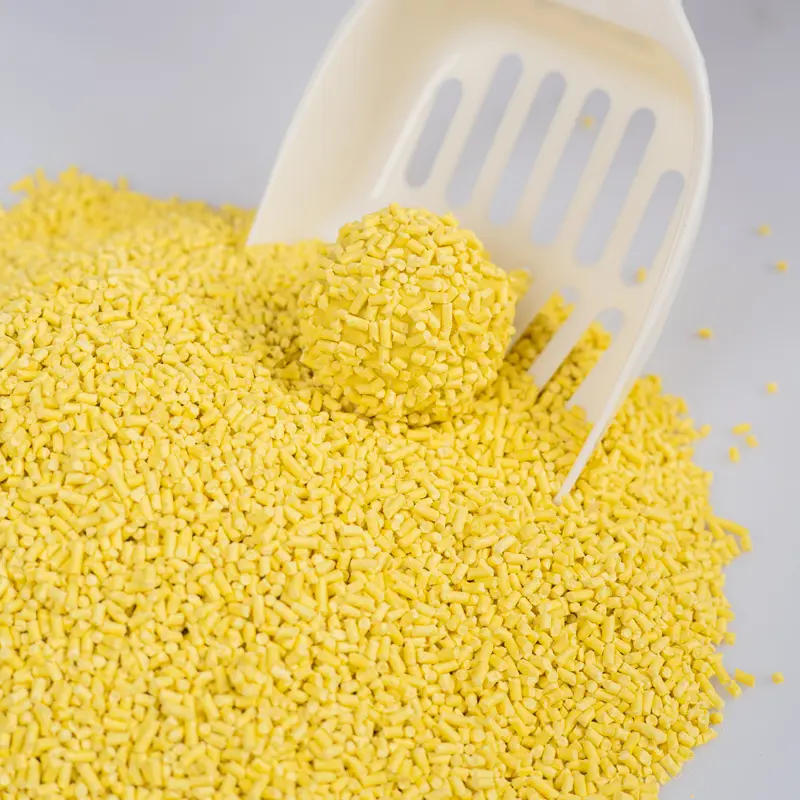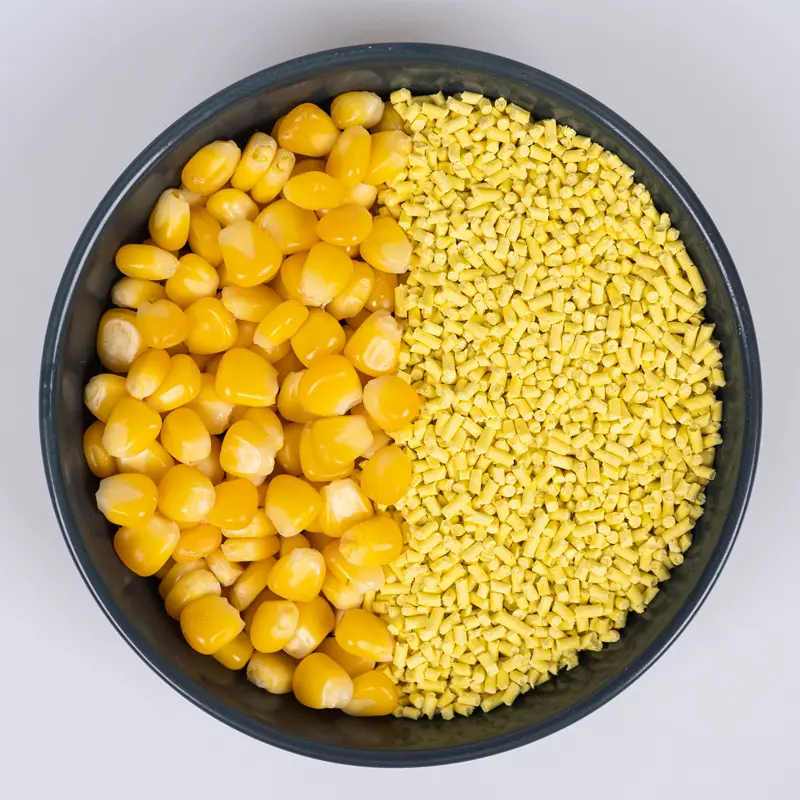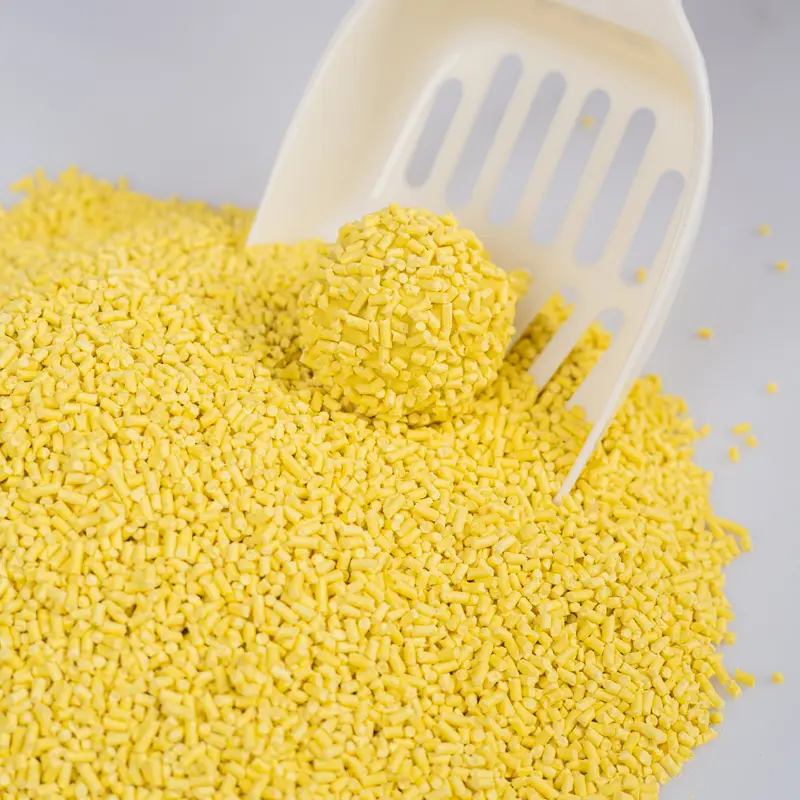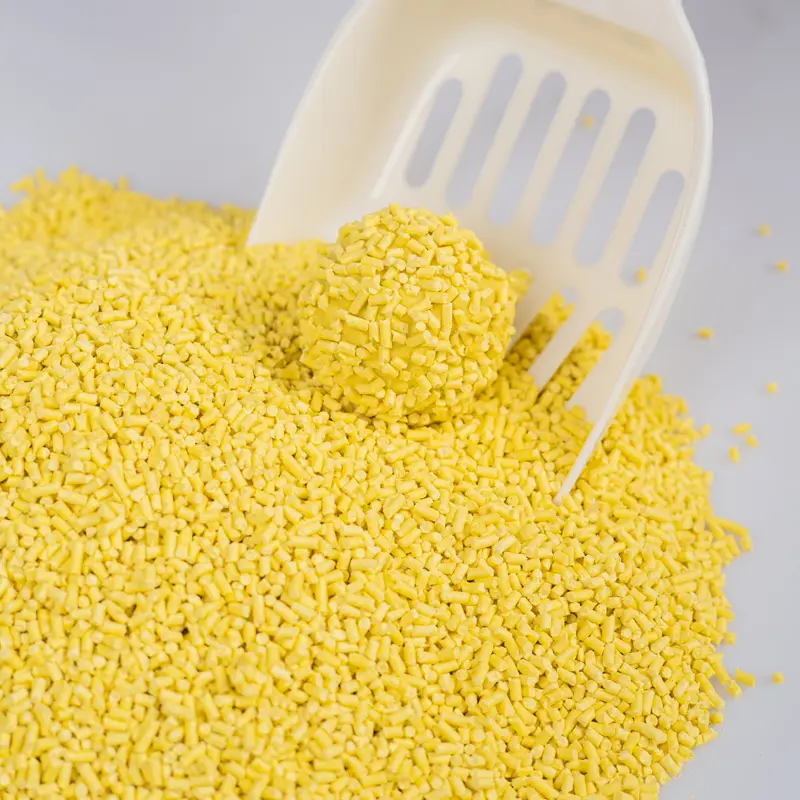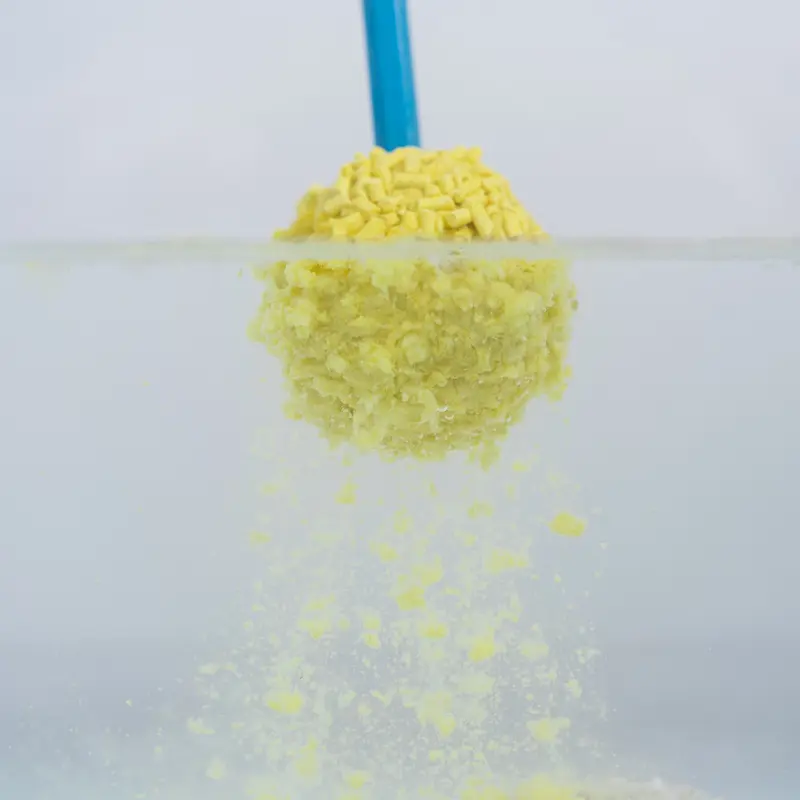
Clumping corn cat litter in Australia is an option for cat owners who want a plant-based alternative to conventional mineral litter. The right product should form easy-to-remove clumps, absorb liquid efficiently, manage unpleasant odors, and provide good value without making daily litter-box maintenance more difficult.
However, not all corn cat litter performs the same way. A product made from corn may still produce fragile clumps, create tracking around the house, or require frequent replacement. The most useful way to compare products is to evaluate their actual performance, usage instructions, and cost over time rather than relying on broad claims such as “natural,” “eco-friendly,” or “long-lasting.”
This guide explains how clumping corn cat litter works, what Australian buyers should check before purchasing, how to test performance at home, and what retailers and importers should consider when sourcing products for the Australian market.
What Is Clumping Corn Cat Litter?
Clumping corn cat litter is a litter product made primarily from processed corn or other corn-derived materials. Depending on its formulation, it may also contain plant fibres, binders, or other ingredients that help the particles form clumps when they come into contact with moisture.
When a cat urinates in the tray, the litter absorbs liquid and forms a mass that can be removed with a scoop. The remaining material can continue to be used according to the product's instructions, provided it remains clean and suitable for use.
The main components and their potential functions vary by formula.
| Component or feature | Potential function | What buyers should verify |
|---|---|---|
| Corn-derived material | Provides the primary litter material and contributes to liquid absorption | Ingredient declaration and absorption test results |
| Plant fibre | May influence particle structure and liquid handling | Particle consistency and finished-product performance |
| Plant-based binder | May help particles hold together during clumping | Clump strength and resistance to crumbling |
| Fine or granulated particles | Affect texture, coverage, and tracking | Particle-size specifications and cat acceptance |
| Optional fragrance or deodorising ingredients | May influence perceived odor | Ingredient information and odor-control performance |
These functions are formulation-dependent. An ingredient list alone cannot prove that a product has a particular absorption capacity, clump strength, or odor-control performance.
Why does corn cat litter tend to clump?
The reason why corn cat litter tends to clump is mainly due to the composition and texture of corn cat litter. Corn cat litter is usually made from corn cobs or corn particles, and these materials have a certain degree of water absorption. When cats use cat litter, cat urine is absorbed into the corn litter particles, causing clumps to form between the particles.
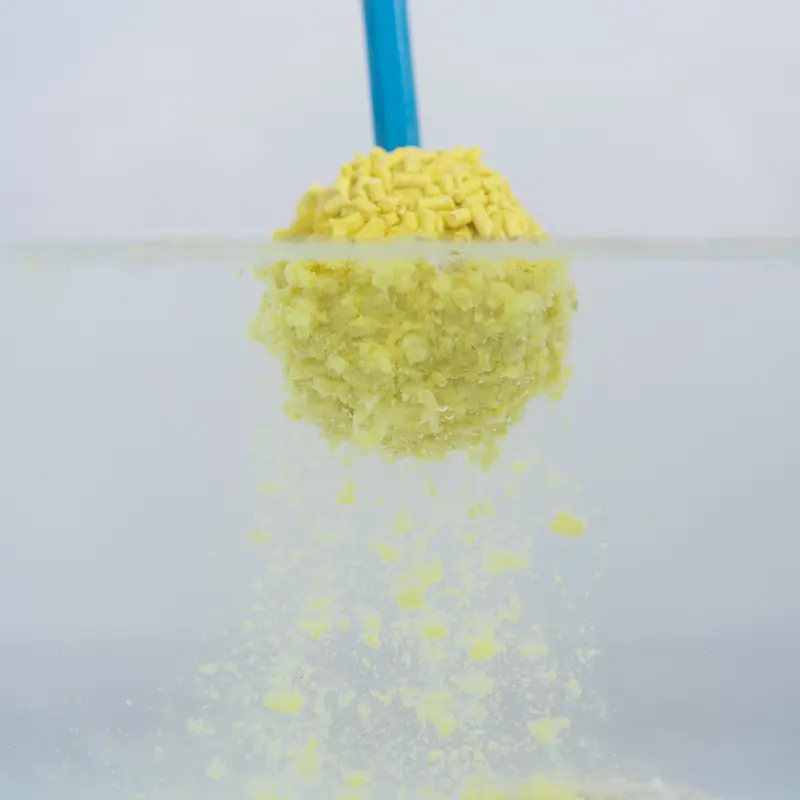
The easy clumping characteristics of corn cat litter can be attributed to the following aspects:
Water absorption: The raw materials of corn cat litter usually have strong water absorption, especially corn particles or corn cobs. When cat urine comes into contact with cat litter, the litter particles quickly absorb the urine and form solid clumps.
Stickiness: The particles of corn cat litter may have a certain stickiness that helps bind absorbed urine firmly together into clumps. This sticky property helps reduce the spread of urine in the sand basin and makes cleanup easier.
Cohesiveness: Some corn litter products are designed to be cohesive, meaning that when cat urine comes into contact with the litter, they form tight clumps that are easy to pick out and maintain their shape.
In general, the easy clumping characteristics of corn cat litter are the result of the combined effects of factors such as its water absorption, viscosity, and cohesiveness. This property makes corn litter a popular choice because it effectively reduces odors in the litter box and makes cleanup easier and more convenient.
| Service | 1. OEM and Wholesale 2. There are own ship agent service for you. |
| Samples | We could offer 1~3kg sample for free charge but do not pay the cost of freight. |
| Color | yellow |
| Scent | Original,active carbon,peach,lavender,green tea or as customers' request; Active carbon and green tea are popular. |
| Payment terms | T/T 100% (Can discuss) |
| Delivery time | 15 days for stocked packing; 20~30 days for OEM. |
| MOQ | 1*20'container(with 10pallets) 1*40'container(with 20pallets) |
| Inner Packing | Accept customers' design:6L=2.8kg; 7L=2.8kg; 15L=6kg;or request. Use our own: 6L=2.8KG |
| Packing details | 6 bags packing in one carton box; |
| Loading port | Qingdao, China |
| Loading details | 1 with pallets, 1*20': 720 cartons; 1*40':1440 cartons. 2 no pallets, 1*20': 850 cartons; 1*40':1900 cartons. |
| Why better to choose 40'? | Corn cat litter is light goods. |
What are the ingredients in corn cat litter?
Some buyers in Australia may be concerned about the ingredients of corn cat litter, so let’s share it below.
Corn cat litter is usually made from corn, and its main ingredients include:
Corn pellets or corn cobs: The main raw material of corn cat litter is corn pellets or corn cobs. These parts are usually leftover from the corn production process and are processed and used as raw materials for cat litter. Corn pellets or corncobs have better water absorption and adsorption properties and help absorb and fix cat urine.
Natural binders: In order to enhance the clumping properties of cat litter, sometimes manufacturers may add natural binders, such as plant fibers or other natural colloidal substances. These binders help bind the corn litter particles together into clumps for easy cleanup.
Deodorants: Some corn litter products may contain deodorants, such as natural plant extracts or other fragrances, that are used to reduce the odor of cat urine and feces.
Coloring or additives (optional): Some corn cat litter products may have coloring or other chemical additives added to change the color or add certain properties. However, most corn cat litter products strive to use natural ingredients and try to avoid added chemicals.
The ingredients of corn cat litter are usually relatively simple, with natural corn particles or corn cobs as the main raw materials, plus some natural binders and deodorants to improve water absorption, clumping and deodorant properties.
Judging from the ingredients of corn cat litter, they are all natural materials and are easy to clump. This is why corn cat litter is very popular in Australia.
How to Choose the Best Clumping Corn Cat Litter in Australia
When comparing products, focus on measurable performance and the manufacturer's instructions.
| Buying factor | What a good result looks like | Questions to ask |
|---|---|---|
| Absorption | Liquid is absorbed without spreading excessively through the tray | Are product-specific absorption results available? |
| Clumping | Used litter can be removed without excessive crumbling | How long does the product need to form a clump? |
| Odor control | The tray remains acceptable when cleaned as directed | Is odor control supported by testing or clear usage guidance? |
| Dust | Dust is limited during pouring and routine handling | What method was used to assess dust? |
| Tracking | Less litter is carried outside the tray under normal use | Are particle shape and size suitable for your cat? |
| Cat acceptance | The cat continues to use the tray normally | Is the texture or fragrance likely to suit your cat? |
| Value | Total consumption is reasonable relative to the purchase price | What is the actual cost per day? |
| Packaging | The bag is easy to open, reseal, store, and handle | Does the package protect the material from moisture? |
Avoid choosing a product on the basis of a single feature. High absorption does not necessarily mean strong clumps, and a strong fragrance does not necessarily indicate better odor control.
Fine-particle versus granulated corn cat litter
Fine particles may appeal to cats that prefer a sand-like texture, but they can also be tracked outside the tray depending on their shape, size, and weight.
Granulated formulas may be easier to handle for some households, but larger particles are not automatically better at absorbing liquid or forming clumps.
The best choice depends on the complete formula and the individual cat. If your cat dislikes the texture, a technically effective product may still be unsuitable.
Unscented versus scented formulas
An unscented formula avoids added fragrance, which may be helpful in households where the cat or owner is sensitive to strong smells.
Scented formulas may appeal to some owners, but fragrance can mask unpleasant odors without addressing their underlying cause. Daily scooping and appropriate litter replacement remain important with either type.
When trialling a new formula, monitor your cat's behavior rather than assuming that a stronger fragrance means better performance.
Clumping Corn Cat Litter Prices in Australia
Price comparisons should use consistent measurements. A bag's retail price, weight, volume, and actual duration of use all affect its value.
The following examples are taken from Australian retailer listings available at the time of research. Prices can change by location, promotion, and package size.
| Product example | Listed package or price | How to interpret it |
|---|---|---|
| Rufus & Coco Wee Kitty Clumping Corn Cat Litter at Petbarn | 4L, 8L, and 18L options; displayed rates include A$3.25/L for 4L and A$2.75/L for 18L | The larger listed size has a lower displayed price per litre |
| World's Best Clumping Formula at Coles | 3.63 kg for A$29, or about A$7.99/kg | A weight-based benchmark for a separate corn-based product |
These examples are not an exhaustive survey of the Australian market and do not represent an average retail price. They are also not directly comparable because one listing uses volume and the other uses weight.
Before deciding which product is cheaper, compare the same type of measurement and consider how much usable litter is consumed over time.
How to calculate the real cost of corn cat litter
A lower shelf price does not always mean a lower running cost. A product that produces weak clumps may require more frequent top-ups or lead to clean litter being thrown away.
Use these simple formulas:
Price per kilogram = Bag price ÷ Net weight in kilograms
Price per litre = Bag price ÷ Package volume in litres
Cost per day = Total litter cost ÷ Number of days the product lasts
For example, if a hypothetical bag costs A$30 and lasts 21 days, the daily cost is:
A$30 ÷ 21 = approximately A$1.43 per day.
This is an illustrative calculation, not a measured lifespan for any particular brand. To compare two products, use the same household conditions and calculate how much each actually consumes.
How to Test Clumping Corn Cat Litter at Home
Product claims are helpful for creating a shortlist, but a consistent household trial provides more relevant information about your own cat's experience.
The following procedure is a suggested evaluation method, not a report of completed testing on any named product.
Step 1: Record the starting setup
Write down the product name, bag size, purchase price, date opened, and quantity added to the tray.
Follow the manufacturer's recommended litter depth. Use the same tray and keep the setup as consistent as possible throughout the trial.
Step 2: Scoop on a consistent schedule
Remove solid waste and used clumps daily. Record how much litter is discarded and how much fresh litter you add.
Do not leave waste in the tray beyond the product's recommended cleaning routine simply to see how long the litter can last.
Step 3: Evaluate clump strength
Observe whether clumps remain intact when lifted with a scoop or break into smaller pieces.
A useful comparison records:
Clump integrity during removal.
Amount of wet residue left in the tray.
Quantity of clean litter accidentally removed.
Ease of cleaning after ordinary use.
If the manufacturer supplies a clump-strength test method, use that method when comparing samples. Otherwise, record your household observations without presenting them as a standardized laboratory result.
Step 4: Monitor odor and dust
Keep cleaning frequency and tray placement consistent. Record whether unpleasant odor returns quickly after cleaning and whether dust is noticeable during pouring.
Results will depend on ventilation, humidity, waste quantity, and the individual product formula. A household test can help with purchasing decisions, but it is not a substitute for independent technical testing.
Step 5: Decide whether the product suits your cat
A litter is not a good choice if your cat avoids the tray or shows a clear and persistent dislike of the texture or fragrance.
Introduce new litter gradually where practical. If avoidance continues, consider tray cleanliness, placement, stress, and potential health issues rather than assuming the litter itself is the only cause.
Replace the litter when required by the instructions or when its condition makes the tray unsuitable.
Common Mistakes That Can Reduce Litter Performance
Using too little litter
A shallow layer may prevent clumps from forming properly and can allow moisture to reach the bottom of the tray. Follow the recommended depth rather than reducing the amount solely to save money.
Scooping inconsistently
Allowing waste to accumulate can worsen odor and contaminate more of the remaining litter. A consistent cleaning schedule makes performance easier to maintain and consumption easier to measure.
Adding too much fragrance
Strong scent is not a reliable substitute for effective cleaning. A heavily fragranced product may also be unpleasant for some cats.
Storing an opened bag incorrectly
Keep unused litter in a dry location and reseal the packaging when practical. Protect it from leaks and moisture, particularly where the product is stored in a laundry, garage, or other area exposed to damp conditions.
Do not use litter that has become wet during storage or developed an unusual smell or visible mold.
Comparing products using different units
One product may be sold by volume and another by weight. Because formulas can differ in bulk density, neither litres nor kilograms alone tells you how many days a bag will last.
Track actual consumption to make a fair comparison.
Corn Cat Litter vs. Clay and Tofu Cat Litter
Corn, clay, and tofu litter each have potential advantages. The best choice depends on the specific formula, the cat's preferences, cleaning requirements, and household priorities.
| Feature | Clumping corn litter | Clumping clay litter | Tofu cat litter |
|---|---|---|---|
| Main material | Processed corn or corn-derived material | Mineral clay, often bentonite | Soybean residue or other plant-derived ingredients, depending on the formula |
| Clumping | Depends on the formulation | Many products form firm clumps | Depends on the formulation and pellet design |
| Weight and handling | Varies by density and package size | Can be relatively heavy | Varies by pellet structure and density |
| Texture | Fine particles or granules | Usually granular | Often pellet-shaped |
| Tracking | Depends on particle size, shape, and cat behavior | Varies by particle size and formula | Pellets may reduce some types of tracking, but performance varies |
| Environmental claims | Need product-specific evidence | Depend on sourcing, manufacturing, and disposal | Need product-specific evidence |
| Best comparison method | Cost per day and clump performance | Cost per day and clump performance | Cost per day and clump performance |
A material's natural origin does not guarantee superior performance or lower overall environmental impact. Compare actual product results rather than assuming one category is always better than another.
Is Corn Cat Litter Environmentally Friendly?
Corn cat litter uses plant-derived raw materials, but the environmental impact of the finished product depends on more than its ingredients.
Relevant considerations include agricultural sourcing, processing, packaging, shipping distance, product lifespan, and disposal.
Australian businesses should also take care when making environmental claims. The Australian Competition and Consumer Commission (ACCC) advises that environmental and sustainability claims should be truthful, accurate, evidence-based, and sufficiently specific to avoid misleading consumers.
For example, the following claims should not be treated as interchangeable:
Plant-based: Describes the source of some or all of the product's materials; the exact formulation should be clear.
Biodegradable: Requires evidence supporting the claim under relevant conditions.
Compostable: Requires evidence that the product is suitable for the specified composting conditions.
Flushable: Requires product-specific support and consideration of plumbing and wastewater restrictions.
A corn-based litter should not automatically be assumed to be suitable for home composting, municipal green-waste collection, or flushing.
How should used corn cat litter be disposed of in Australia?
Follow the product label and check the advice provided by your local council or waste service. Disposal rules and available waste facilities can vary by location.
Do not flush used litter simply because it is made from plant-derived ingredients. Litter may contribute to plumbing blockages, and animal waste can introduce pathogens into wastewater systems.
For consumers, the safest starting point is the manufacturer's disposal guidance together with current local requirements.
Clumping Corn Cat Litter for Australian Retailers and Importers
For Australian pet retailers, distributors, wholesalers, and private-label brands, product performance is only part of the purchasing decision.
A supplier should be able to explain the formula, provide a consistent product specification, support suitable packaging, and document the quality checks used before dispatch.
What should a buyer request from a manufacturer?
| Procurement item | What to confirm |
|---|---|
| Formula and ingredients | Material declaration and any relevant ingredient changes |
| Particle specifications | Particle-size range, dimensions, and acceptable variation |
| Absorption | Test method, conditions, units, and measured results |
| Clumping performance | Formation time, clump integrity, and test conditions |
| Dust performance | Assessment method and supporting results |
| Odor control | Product evidence and any fragrance options |
| Packaging | Bag weight, volume, dimensions, material, and carton configuration |
| Quality control | Incoming-material checks, production inspections, and finished-product criteria |
| Supply terms | Minimum order quantity, lead time, payment terms, and shipping arrangements |
| Private label | Artwork requirements, packaging language, barcode, and brand specifications |
Request a representative sample before committing to a bulk order. Check that the approved sample matches the agreed specification and establish which properties will be inspected during production.
If the formula changes, reassess the properties most likely to affect performance, especially clumping, absorption, dust, and odor control.
OEM and private-label customization
A private-label project generally involves several stages:
Define the target market. Identify the intended retail price, bag size, preferred particle texture, fragrance requirements, and customer segment.
Agree on a technical specification. Define the formula requirements and the measurable performance criteria that will be used to approve the product.
Evaluate samples. Test clumping, absorption, dust, tracking, packaging durability, and acceptance by cats under appropriate conditions.
Approve the packaging. Confirm the bag structure, artwork, barcode, product directions, storage instructions, and disposal wording.
Confirm quality and supply terms. Agree on the inspection plan, batch consistency requirements, minimum order, lead time, and shipping documents before production.
Packaging and formula options depend on the manufacturer's capabilities and the agreed order. Buyers should obtain written confirmation rather than assume that a particular specification, certification, or package format is available for every product.
Australian packaging and product claims
Retail packaging should communicate useful information accurately. Relevant details may include the ingredients, net weight or volume, directions for use, storage guidance, disposal instructions, and supplier contact information.
Claims such as “99% dust-free,” “absorbs four times its weight,” “lasts seven times longer,” or “fully biodegradable” should only be used when the supplier has appropriate evidence supporting the exact claim and test conditions.
Avoid comparing your product with an unspecified competitor or using a percentage improvement unless the comparison is based on a clear and defensible method.
The ACCC's environmental-claims guidance is particularly relevant when promoting plant-derived products in Australia. Clear, evidence-based messaging can help buyers evaluate the product and reduce the risk of misleading claims.
Frequently Asked Questions About Clumping Corn Cat Litter in Australia
What is the best clumping corn cat litter in Australia?
The best choice depends on your cat, cleaning routine, budget, and the product's actual performance. Compare clump integrity, absorption, odor control, dust, tracking, and cost per day. A brand's marketing claims alone are not enough to determine which product is best.
Does corn cat litter clump well?
Some corn-based formulas form scoopable clumps, but performance varies. The most useful indicators are whether the clumps remain intact during removal and whether excessive wet residue remains in the tray. Request product-specific test data when comparing suppliers.
How often should clumping corn cat litter be changed?
Follow the manufacturer's directions and change the litter sooner if persistent odor, widespread moisture, poor clumping, or other conditions make the tray unsuitable. There is no single replacement interval that applies to every corn litter, cat, and household.
Is corn cat litter suitable for multi-cat households?
Some formulas are designed or marketed for multi-cat households, but actual suitability depends on the number of cats, litter-box access, cleaning frequency, and product performance. Provide sufficient litter boxes and monitor consumption rather than relying on a single duration claim.
Is corn cat litter flushable in Australia?
Not automatically. Plant-based material does not guarantee plumbing or wastewater compatibility. Check the exact product instructions and local requirements before considering any disposal method other than ordinary waste disposal.
Can corn cat litter be used for kittens?
Suitability depends on the kitten's age, behavior, and the product's instructions. Young kittens may swallow litter while exploring or grooming. Do not assume that a plant-based clumping product is automatically suitable for every kitten; consult a veterinarian if the kitten eats litter or shows unusual symptoms.
Is corn cat litter cheaper than clay litter?
Not necessarily. Retail prices, package sizes, density, clumping performance, and consumption all vary. Compare the cost per day under similar household conditions rather than using the shelf price alone.
Can Australian businesses source private-label corn cat litter?
Yes, depending on the manufacturer's capabilities and order requirements. Buyers should confirm the formula, packaging options, minimum order quantity, production schedule, test documentation, quality controls, and freight terms before placing a bulk order.
Final Buying Advice
Clumping corn cat litter can be a practical alternative to traditional litter materials for Australian households, but the formula matters more than the category name.
For cat owners, choose a product that your cat accepts, forms manageable clumps, controls odor under normal cleaning conditions, and delivers good value over time. Measure real consumption instead of assuming that a more expensive or more absorbent product will necessarily last longer.
For Australian retailers and importers, focus on technical specifications, repeat-order consistency, transparent product claims, suitable packaging, and total landed cost. A supplier that can support its performance claims with clear test methods and documented results provides a stronger basis for building a dependable retail product.
References
Animal Medicines Australia — Pets in Australia: A National Survey of Pets and People 2025
https://animalmedicinesaustralia.org.au/resources/pets-in-australia-a-national-survey-of-pets-and-people-3/Petbarn Australia — Rufus & Coco Wee Kitty Clumping Corn Cat Litter
https://www.petbarn.com.au/p/wee-kitty-clumping-corn-cat-litter/146341Coles Australia — World's Best Clumping Formula Cat Litter, 3.63 kg
https://www.coles.com.au/product/world%27s-best-clumping-formula-cat-litter-3.63-kg-3742280Australian Competition and Consumer Commission — Environmental and Sustainability Claims
https://www.accc.gov.au/business/advertising-and-promotions/environmental-and-sustainability-claims
Corn cat litter manufacturer
At our manufacturing facility based in China, we specialize in producing premium clumping corn cat litter, tailored to meet the needs and preferences of Australian pet owners. With our OEM and private label services, we offer the opportunity for businesses in Australia to expand their product offerings with our top-of-the-line cat litter solutions.
Our clumping corn cat litter is meticulously crafted using high-quality corn kernels, processed to ensure optimum absorbency and clumping performance. The natural properties of corn make it an ideal choice for cat litter, offering excellent odor control and easy cleanup. Additionally, our litter is free from harmful chemicals or additives, providing a safe and comfortable environment for cats.
With our OEM services, we provide flexibility in customization, allowing businesses to brand the product with their own label and packaging designs. Whether you're a pet store, distributor, or e-commerce platform, partnering with us gives you the advantage of offering a premium cat litter product tailored to the Australian market.
We understand the importance of reliability and consistency in product quality, which is why we adhere to strict quality control measures throughout the manufacturing process. From sourcing raw materials to final packaging, we ensure that every batch of our clumping corn cat litter meets international standards of excellence.
Partner with us today and elevate your business with our premium clumping corn cat litter. Experience the difference in quality and performance that sets our product apart in the Australian pet care market.