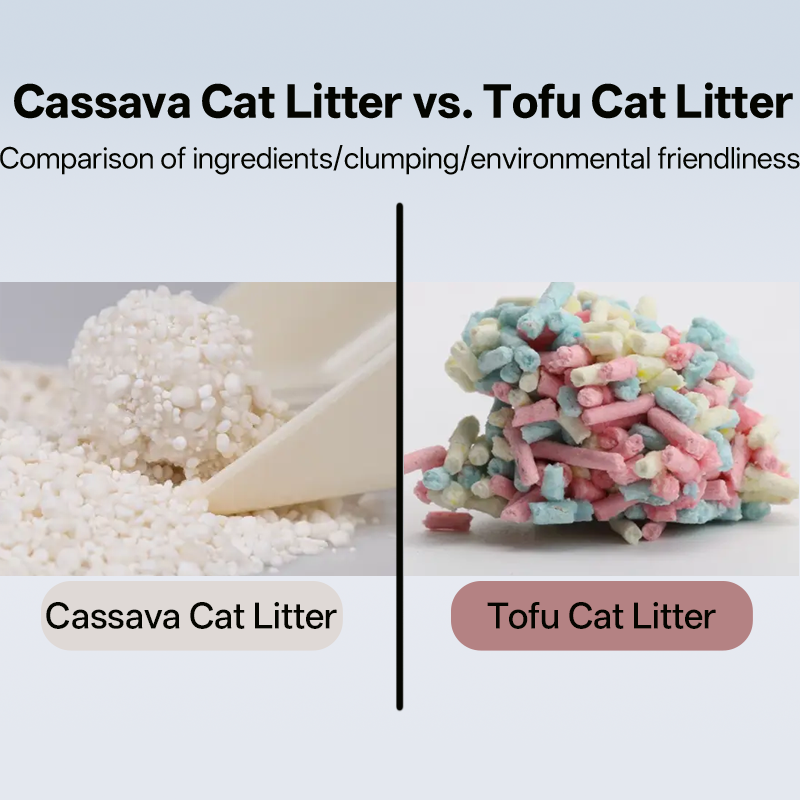
The global pet care industry is witnessing a seismic shift. As cat ownership surges worldwide, so does the demand for sustainable, efficient, and safe hygiene solutions. For decades, clay-based litters dominated the market, but environmental concerns regarding strip mining and non-biodegradability have paved the way for plant-based alternatives. Among the rising stars in this green revolution are cassava cat litter and tofu cat litter.
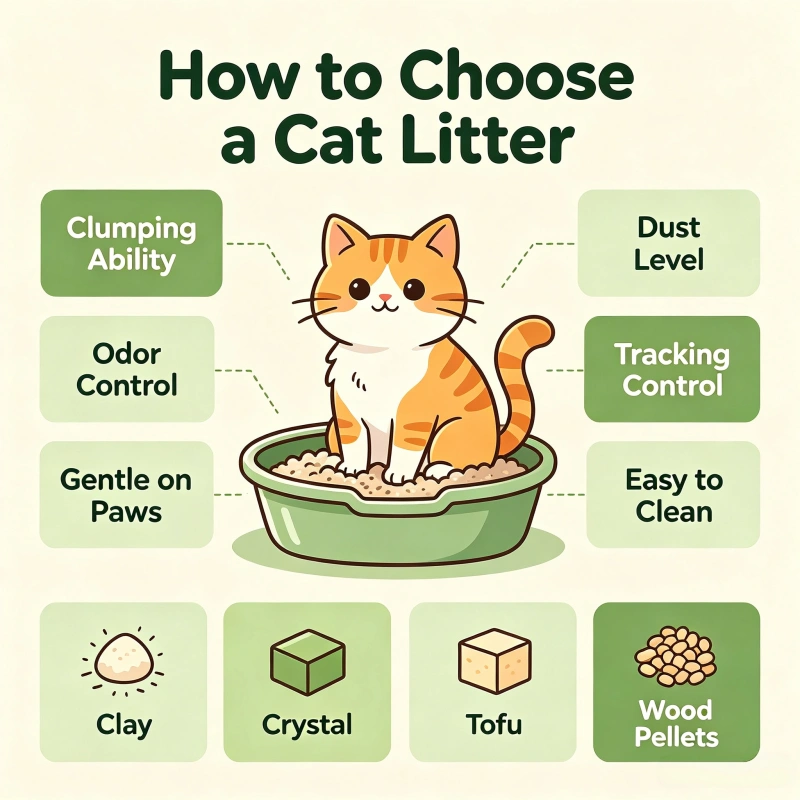
For pet owners, the choice often comes down to clumping ability, odor control, and dust levels. However, for retailers, distributors, and brand owners, the decision involves supply chain stability, production scalability, and market trends. This article provides a comprehensive, data-backed comparison between cassava and tofu cat litters, offering actionable insights for both end-users and business stakeholders looking to navigate the future of feline hygiene.
The Rise of Plant-Based Litters: Why It Matters
Before diving into the specifics of cassava versus tofu, it is essential to understand the context. Traditional bentonite clay litter generates millions of tons of waste annually, much of which ends up in landfills where it does not decompose. In contrast, plant-based litters are biodegradable, flushable (in many jurisdictions), and derived from renewable agricultural by-products.
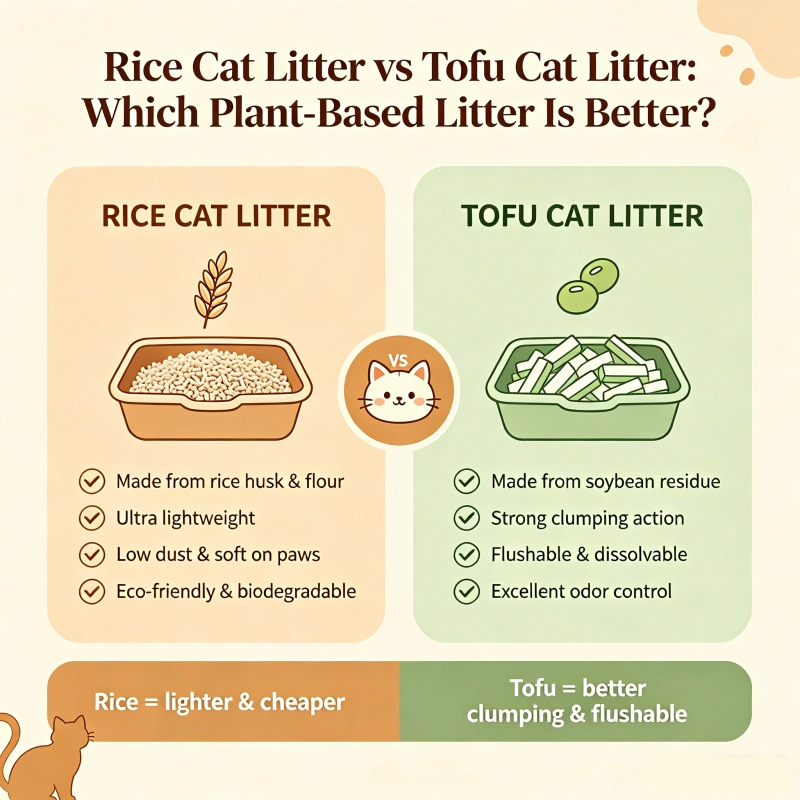
According to recent market analysis, the global eco-friendly cat litter market is projected to grow at a CAGR of over 6% through 2030. Within this sector, legume and root-based litters are capturing significant market share due to their superior clumping mechanics compared to earlier generations of wood or paper litters. The two leading contenders? Tofu litter, made primarily from soybean residue, and Cassava litter, derived from the starch-rich cassava root.
Deep Dive: Tofu Cat Litter
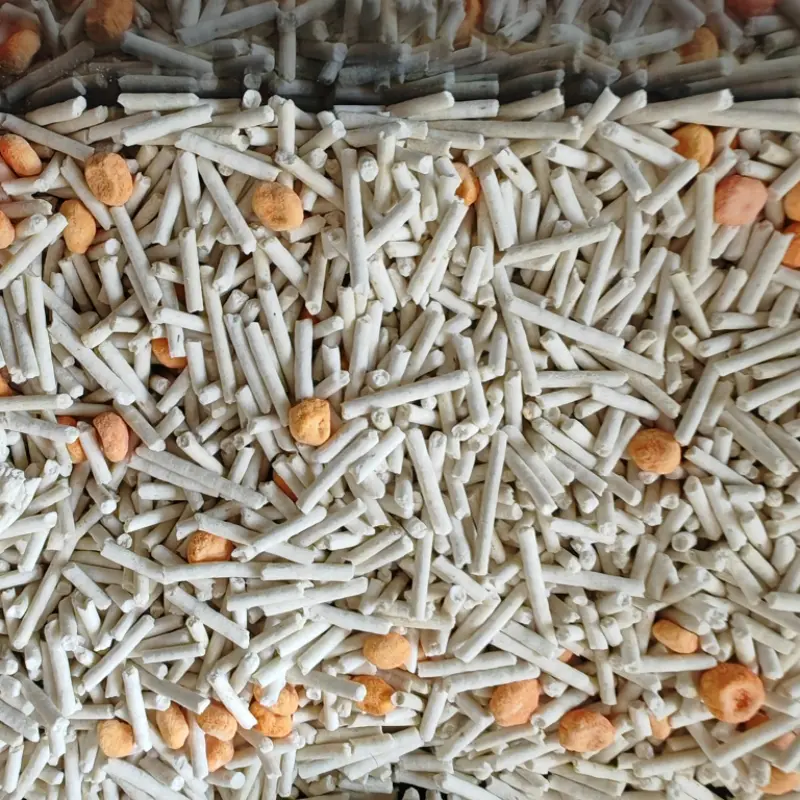
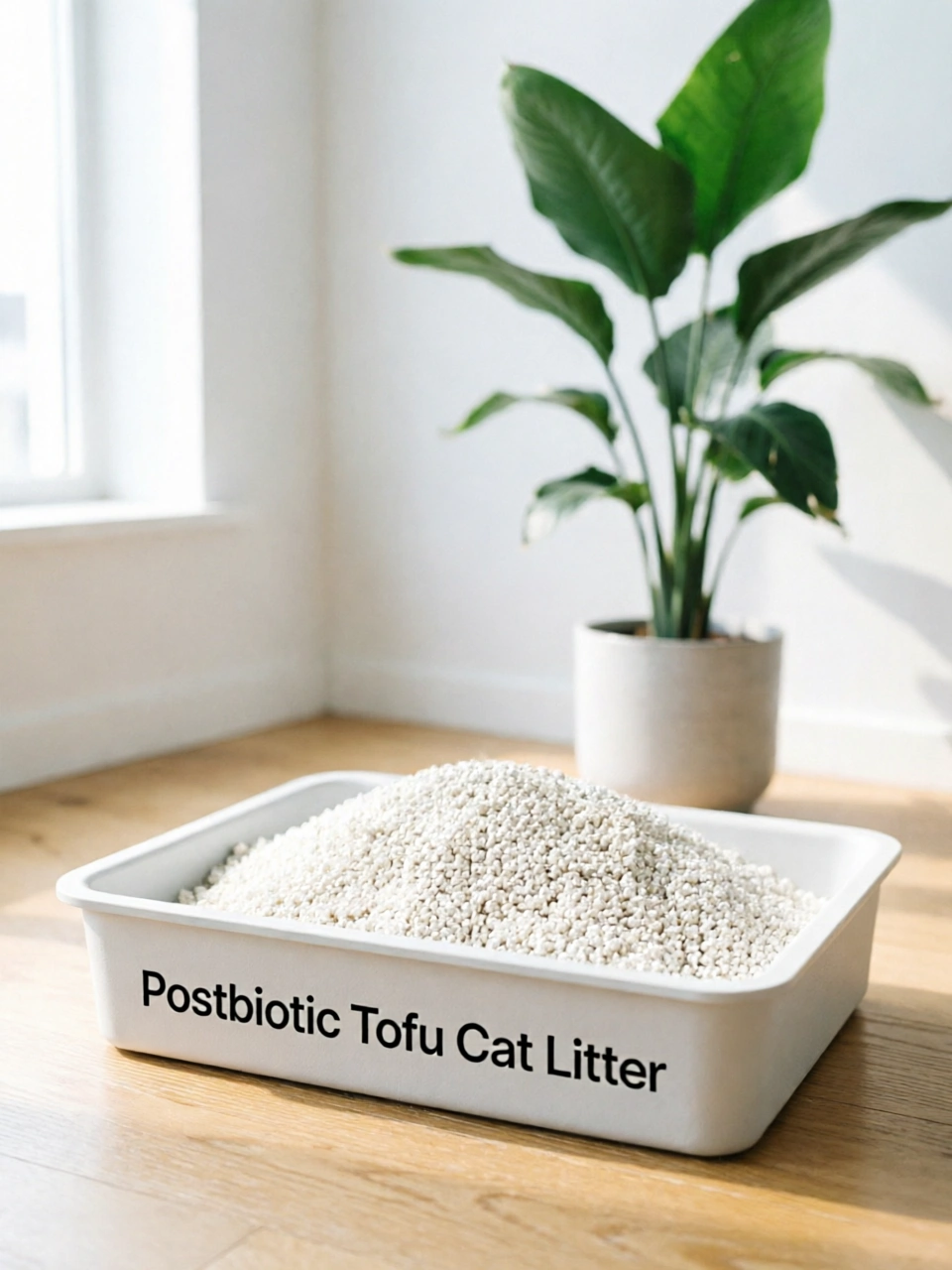
Tofu cat litter has been a staple in the Asian market for over a decade and has recently gained massive traction in Europe and North America. It is produced from the by-product of soy milk and tofu manufacturing.
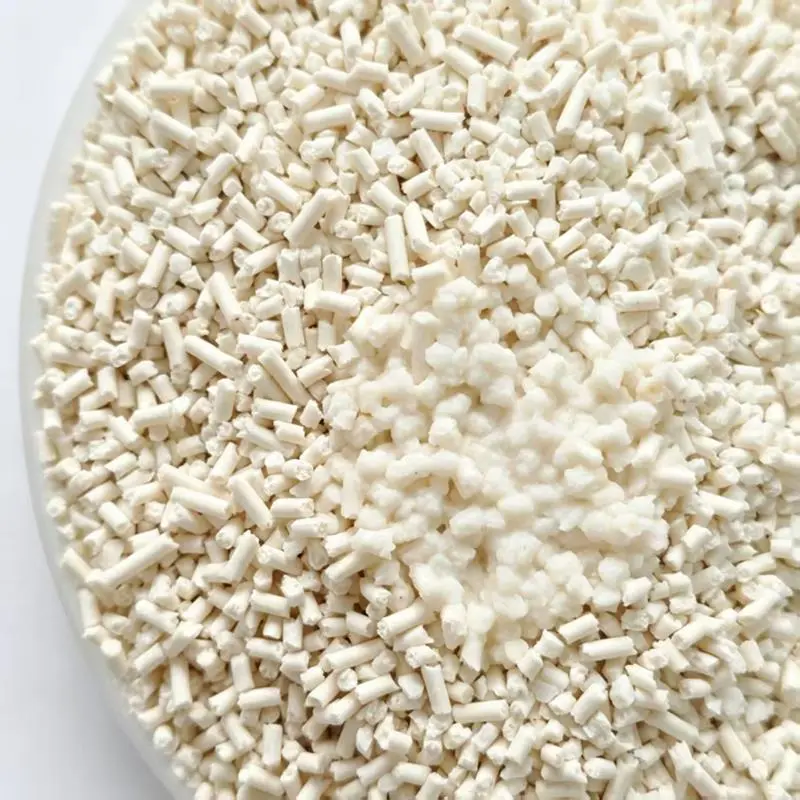
View Related Products: Clumping tofu cat litter in Norway
Key Characteristics
Material: Soybean fiber and starch.
Mechanism: When wet, the plant fibers swell and bind together using natural plant gums, forming hard clumps.
Odor Control: Naturally good at absorbing ammonia, though often enhanced with activated carbon or green tea extracts.
Biodegradability: 100% biodegradable and often flushable in small quantities.
Performance Data
Research indicates that high-quality tofu litter can achieve a clumping hardness comparable to mid-range clay litters. In absorption tests, premium tofu litter absorbs roughly 2.5 to 3 times its weight in liquid. However, its performance can vary significantly based on humidity during storage, as soy fibers are hygroscopic (absorb moisture from the air).
Deep Dive: Cassava Cat Litter
Cassava cat litter is the newer challenger. Derived from the cassava root (also known as yuca or manioc), this litter leverages the high starch content of the root to create exceptionally strong bonds when wet.
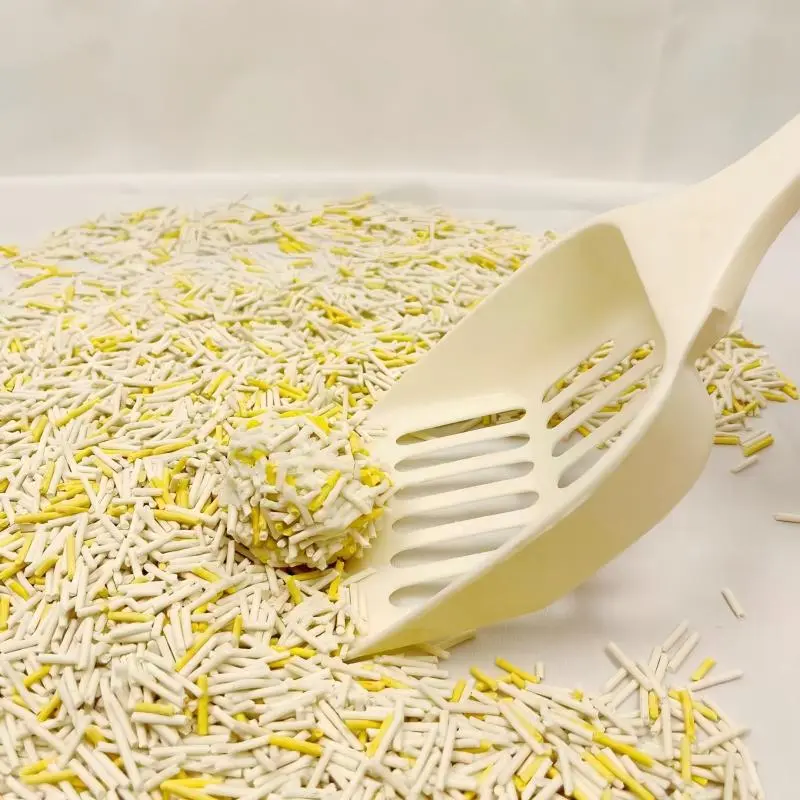
View Related Products: Cassava cat litter: OEM, manufacturer from China
Key Characteristics
Material: Cassava starch and fiber.
Mechanism: Cassava starch has unique gelatinization properties. Upon contact with urine, the starch granules swell rapidly, creating a dense, rock-hard clump that resists breaking.
Odor Control: Excellent natural odor locking due to the density of the clump, which seals in ammonia effectively.
Biodegradability: Fully biodegradable and compostable.
Performance Data
Preliminary studies and manufacturer data suggest that cassava-based litters often outperform tofu litters in clump integrity. Because cassava starch forms a tighter gel than soy fiber, the clumps are less likely to crumble during scooping. Absorption rates are similar to tofu, averaging 2.8 to 3.2 times its weight, but the speed of clumping is often faster.
Detailed Breakdown: Clumping and Structural Integrity
The most critical factor for any cat owner is how well the litter clumps. A weak clump breaks apart during scooping, leaving waste behind and making the box dirty.
Tofu Litter Mechanics:Tofu litter relies on the swelling of soy fibers. While effective, the bond is fibrous. In high-humidity environments, pre-moisture can weaken these bonds before use.
Clump Hardness: Moderate to High.
Failure Mode: Crumbling at the edges when lifted.
Data Point: In standardized drop tests, standard tofu clumps retained only about 75-80% of their mass after being dropped from 30cm.
Cassava Litter Mechanics:Cassava litter utilizes starch gelatinization. When starch hits water, it undergoes a phase change, becoming a sticky, cohesive gel that hardens as it dries.
Clump Hardness: Very High (often harder than clay).
Failure Mode: Rarely crumbles; tends to stay as a single solid unit.
Data Point: In identical drop tests, premium cassava clumps retained 90-95% of their mass, demonstrating superior structural integrity.
Table 1: Clumping Performance Metrics
| Metric | Tofu Cat Litter | Cassava Cat Litter | Analysis |
|---|---|---|---|
| Clump Formation Time | 15–30 seconds | 10–20 seconds | Cassava reacts faster due to rapid starch expansion. |
| Clump Hardness (Scale 1-10) | 7.5 | 9.2 | Cassava forms denser, rock-like clumps. |
| Integrity After Scooping | Moderate (Some crumbling) | High (Minimal breakage) | Less waste left in the box with Cassava. |
| Bottom-Sticking Risk | Low | Very Low | Both perform well, but Cassava’s speed reduces sticking. |
| Performance in Humidity | Variable (Can soften) | Stable | Cassava starch is less hygroscopic than soy fiber. |
Detailed Breakdown: Odor Control and Hygiene
Odor control is the second most important factor. Plant-based litters generally neutralize ammonia better than clay, but the mechanism differs.
Tofu Litter Odor Control:Soy fibers are porous and absorbent. They trap urine quickly, but if the clump breaks, the surface area increases, releasing odors. Many tofu litters rely on added scents (green tea, lavender) or activated carbon to mask smells.
Ammonia Neutralization: Good.
Longevity: Odor control diminishes if clumps are not removed daily.
Cassava Litter Odor Control:The dense gel formed by cassava starch creates an almost airtight seal around the waste. This physical barrier prevents ammonia gas from escaping more effectively than fibrous mats.
Ammonia Neutralization: Excellent.
Longevity: Maintains freshness longer even if scooping is delayed by a few hours.
Natural Scent: Cassava has a very neutral, mild natural scent, reducing the need for artificial fragrances.
Table 2: Odor Control and Hygiene Metrics
| Metric | Tofu Cat Litter | Cassava Cat Litter | Analysis |
|---|---|---|---|
| Ammonia Absorption Rate | High | Very High | Cassava’s density traps gas more effectively. |
| Scent Dependency | Moderate (Often needs additives) | Low (Effective naturally) | Cassava requires fewer artificial fragrances. |
| Bacterial Growth Resistance | Moderate | High | Denser clumps limit oxygen exposure for bacteria. |
| Flushability Safety | High (Dissolves quickly) | High (Dissolves well, watch quantity) | Both are safe for septic systems in moderation. |
| Mold Resistance (Storage) | Moderate (Prone in humidity) | High | Cassava is less susceptible to mold during storage. |
Detailed Breakdown: Dust, Tracking, and User Experience
Dust affects respiratory health, while tracking affects home cleanliness.
Tofu Litter Experience:Tofu pellets are lightweight. While low-dust initially, the friction of cats digging can create fine soy powder over time. The light weight also means pellets easily stick to paw pads and get tracked across the floor.
Dust Level: Low to Medium.
Tracking: Moderate to High.
Cassava Litter Experience:Cassava pellets are typically denser and slightly heavier. The manufacturing process for starch-based litters often results in smoother surfaces that generate less friction dust. The extra weight helps them fall off paws more easily in litter mats.
Dust Level: Very Low.
Tracking: Low.
Table 3: User Experience and Physical Properties
| Metric | Tofu Cat Litter | Cassava Cat Litter | Analysis |
|---|---|---|---|
| Dust Generation | Low-Medium (Fine powder possible) | Very Low (Heavy particles settle) | Better for asthmatic cats/owners with Cassava. |
| Tracking Potential | Moderate (Lightweight) | Low (Heavier, falls off paws) | Cassava keeps floors cleaner. |
| Texture Preference | Soft, cylindrical pellets | Smooth, dense pellets | Most cats accept both; Cassava feels more substantial. |
| Weight per Liter | ~450g - 500g | ~550g - 600g | Cassava is denser; bags may feel smaller but last longer. |
| Pouring Flow | Excellent | Excellent | Both flow freely without clogging. |
Comprehensive Summary: The Final Verdict
To provide a clear snapshot for decision-making, here is the consolidated comparison of all key factors discussed above.
Table 4: Master Comparison Table (Cassava vs. Tofu)
| Feature Category | Specific Metric | Tofu Cat Litter | Cassava Cat Litter | Winner |
|---|---|---|---|---|
| Core Performance | Clump Hardness | Good (7.5/10) | Excellent (9.2/10) | Cassava |
| Clump Speed | Fast | Very Fast | Cassava | |
| Absorption Capacity | 2.5x - 3.0x weight | 2.8x - 3.2x weight | Cassava | |
| Hygiene | Odor Locking | Good (Needs additives) | Excellent (Natural seal) | Cassava |
| Mold Resistance | Moderate | High | Cassava | |
| Flushability | High | High | Tie | |
| User Experience | Dust Levels | Low-Medium | Very Low | Cassava |
| Tracking | Moderate | Low | Cassava | |
| Weight/Density | Lighter | Heavier/Denser | Contextual | |
| Business & Eco | Raw Material Stability | Volatile (Soy markets) | Stable (High-yield crop) | Cassava |
| Sustainability | High (By-product) | Very High (Low input crop) | Cassava | |
| Market Saturation | High | Growing (Differentiation) | Cassava | |
| Cost | Production Cost | Moderate | Competitive | Variable |
If you would like to learn more about cat litter comparisons, you can also read this article: Comparing Top Natural Cat Litter Options: Cassava, Corn, Tofu, and More
Strategic Insights for Retailers and Brand Owners
If you are reading this as a business owner, distributor, or brand manager, the choice between cassava and tofu is not just about performance; it’s about supply chain strategy and market positioning.
Market Trends
The "Premium Natural" segment is growing fastest. Consumers are willing to pay a 15-20% premium for litters that offer superior clumping and zero dust. While tofu litter has established brand recognition, the market is becoming saturated. Cassava represents a differentiation opportunity. It allows brands to launch a "Next-Generation" product that solves the common complaints associated with early tofu litters (crumbling and dust).
Supply Chain Considerations
Raw Material Stability: Soy prices can be volatile due to global trade dynamics and animal feed demand. Cassava, being a root crop grown extensively in tropical and subtropical regions (including parts of China, Thailand, and Africa), often offers a more stable pricing structure for manufacturers.
Production Complexity: Manufacturing high-quality cassava litter requires precise control over starch gelatinization temperatures. Not all factories have the expertise or equipment to produce consistent cassava litter without it becoming too hard or dissolving too slowly.
Recommendation for Business Growth
For brands looking to expand their portfolio, a hybrid approach or a dedicated cassava line is recommended. Data suggests that introducing a "Super-Starch" cassava variant can increase customer retention rates by addressing the #1 complaint: messy scooping.
Practical Advice for Cat Owners
Switching litters can be tricky for finicky felines. Here is how to transition your cat effectively:
The Mix Method: Do not switch overnight. Start with 75% old litter and 25% new (cassava or tofu). Over two weeks, gradually increase the proportion of the new litter.
Depth Matters: Plant-based litters often work best at a depth of 5-7 cm. This ensures enough material is available to form a solid clump.
Scooping Frequency: While both litters have great odor control, daily scooping is still recommended to maintain hygiene and extend the life of the bag.
Disposal: Both litters are compostable. If you have a garden, they can be added to compost piles (avoiding use on edible plants due to pathogens). If flushing, always check local regulations and flush small amounts at a time to prevent pipe blockages.
The Future of Cat Litter: Innovation and Quality
The evolution from clay to plant-based was the first step. The next step is refining plant-based formulas for maximum efficiency. The data clearly shows that while tofu litter paved the way, cassava cat litter is emerging as the superior performer in terms of clump strength, dust control, and sustainability.
However, the quality of the final product depends entirely on the manufacturing capability. Advanced extrusion technology, precise moisture control, and rigorous quality assurance are required to turn raw cassava starch into a premium cat litter product. This is where the choice of manufacturer becomes critical for businesses.
Partner with the Leader in Plant-Based Cat Litter Manufacturing
In a market flooded with generic options, partnering with a manufacturer that combines innovation, scale, and certified quality is essential for success.
Shandong Gelin Town Pet Products Co., Ltd. stands at the forefront of this industry revolution. Established in 2020, we have rapidly grown into a professional cat litter manufacturer dedicated to improving the lives of cats through superior hygiene solutions.
Why Choose Shandong Gelin Town?
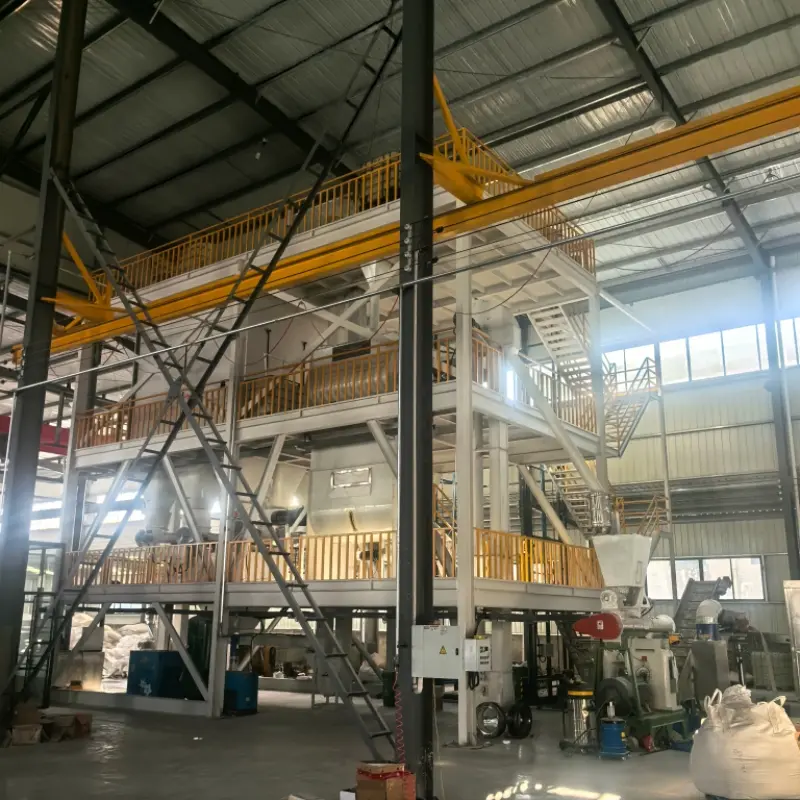
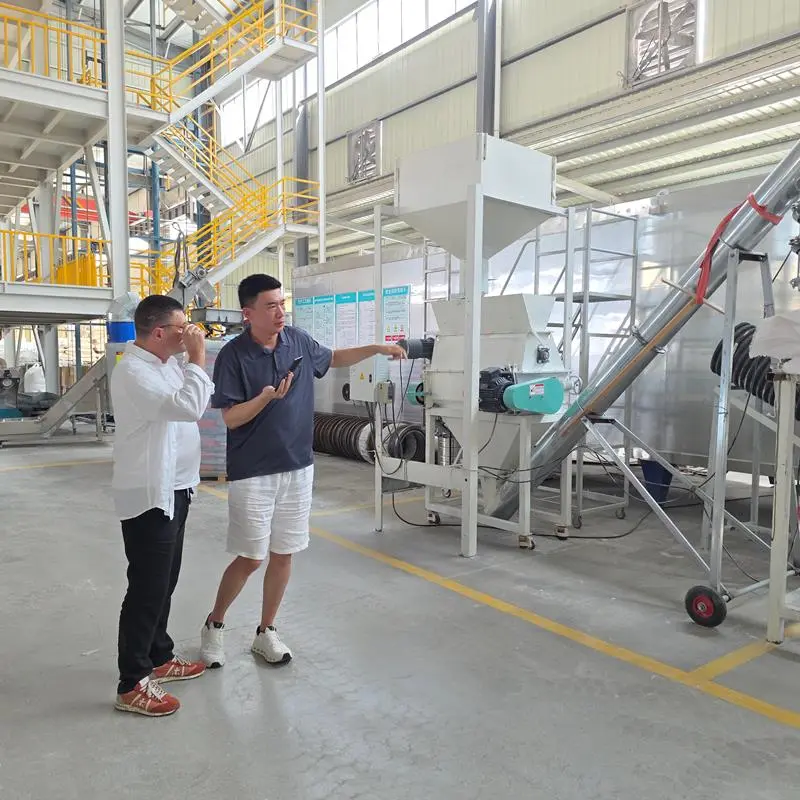
State-of-the-Art Facility: Our factory spans approximately 16,000 square meters of standardized workshops. We utilize the most advanced automatic production equipment, ensuring consistency and purity in every batch of cassava and tofu litter we produce.
Massive Production Capacity: With an annual capacity of 7,000 tons, we are equipped to handle large-scale orders and customize production for major retailers and brands. Whether you need a steady supply of standard tofu litter or a specialized run of high-starch cassava litter, our infrastructure supports your growth.
R&D Excellence: Our professional R&D team is constantly innovating. We don't just follow trends; we set them. From developing health-monitoring litters to perfecting the texture of plant-based granules, our research drives the future of the category.
Global Recognition & Certifications: Quality is not just a promise; it is verified. We hold prestigious certifications including BSCI, ISO9001, SGS, and CTI. Our products have gained trust and recognition in demanding markets across Europe, America, Australia, and Asia.
Comprehensive OEM/ODM Services: Do you have your own pet brand? We provide full-service customization.
Custom Formulations: Tailor the color, material blend (cassava, corn, mineral, or hybrid), and fragrance to your brand's identity.
Private Labeling: From packaging design to testing reports, we handle the details so you can focus on sales.
Flexible Solutions: Whether you are an online retailer on Amazon and eBay or a brick-and-mortar chain, we offer end-to-end supply chain solutions from raw material sourcing to final packaged products.
Your Best Choice for Tofu and Cassava Litter
If you are looking for a tofu cat litter processing factory or a partner to launch a premium cassava cat litter line, Shandong Gelin Town Pet Products Co., Ltd. is your ideal partner. We combine the agility of a specialized manufacturer with the capacity of an industrial leader.
Join the hundreds of satisfied partners who have elevated their brand with our high-end, eco-friendly cat litters. Let us help you capture the growing demand for sustainable pet care with products that cats love and owners trust.
Contact Shandong Gelin Town Pet Products Co., Ltd. today to discuss your custom requirements, request samples, or learn more about our wholesale and OEM opportunities. Together, let’s shape the future of clean, green, and comfortable living for cats worldwide.
387.webp)