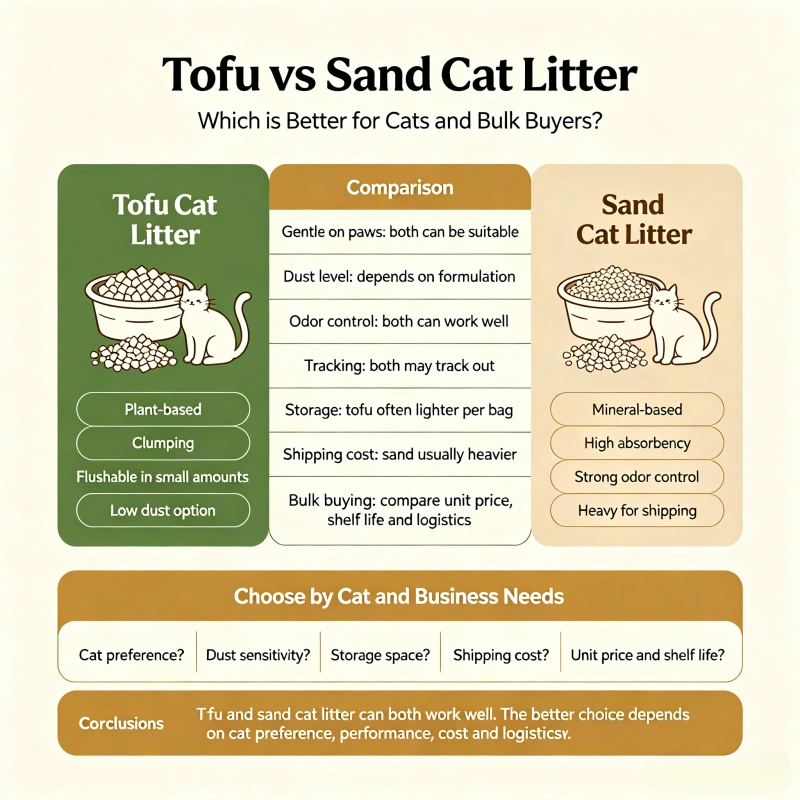
The modern cat owner faces a paradox: we want our feline friends to be safe and comfortable, yet the very substrate they use daily—traditional clay litter—often poses hidden risks. From carcinogenic silica dust to the danger of intestinal blockages caused by expanding clay, the search for a safer alternative has led many to the rise of tofu cat litter. But is it truly safe? The answer is a resounding yes, provided you understand its composition, functionality, and limitations. This comprehensive guide will walk you through everything you need to know about tofu cat litter, ensuring you make the best choice for your cat’s health and your peace of mind.
Introduction: The Shift Toward Safety
For decades, bentonite clay was the undisputed king of the cat litter aisle. However, as veterinary science advances and pet owners become more ingredient-conscious, the spotlight has shifted to biodegradable options. Tofu cat litter has emerged as a frontrunner because it addresses the two biggest safety concerns: respiratory health and digestive safety. Unlike clay, which creates airborne dust that can irritate lungs, or crystal litter, which contains silica, tofu litter is virtually dust-free and made from edible-grade ingredients. This article isn't just a review; it's a deep dive into the science of why this plant-based product is considered one of the safest choices on the market today.
What Is Tofu Cat Litter?
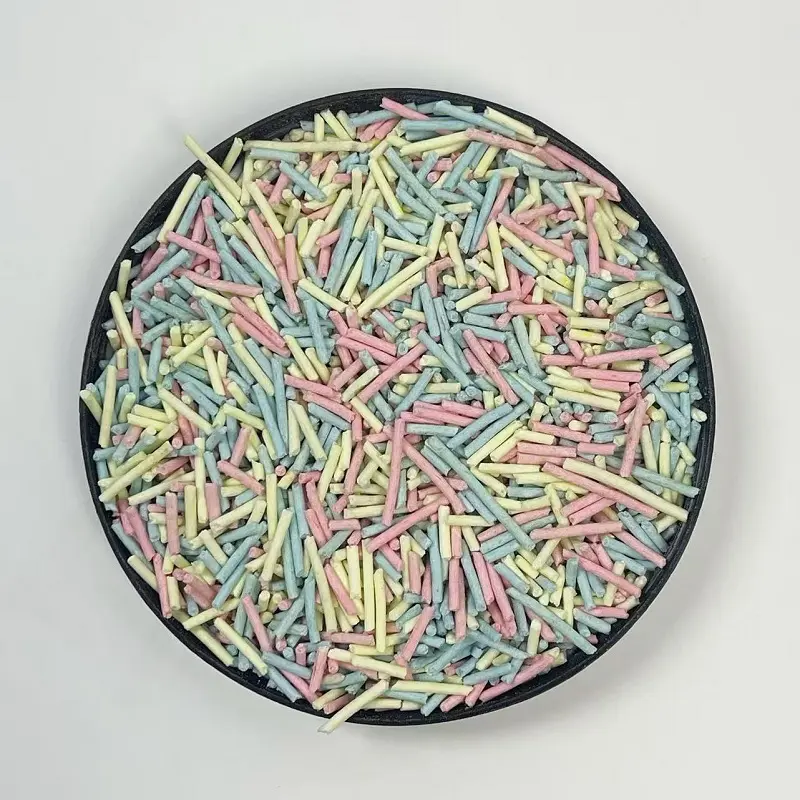
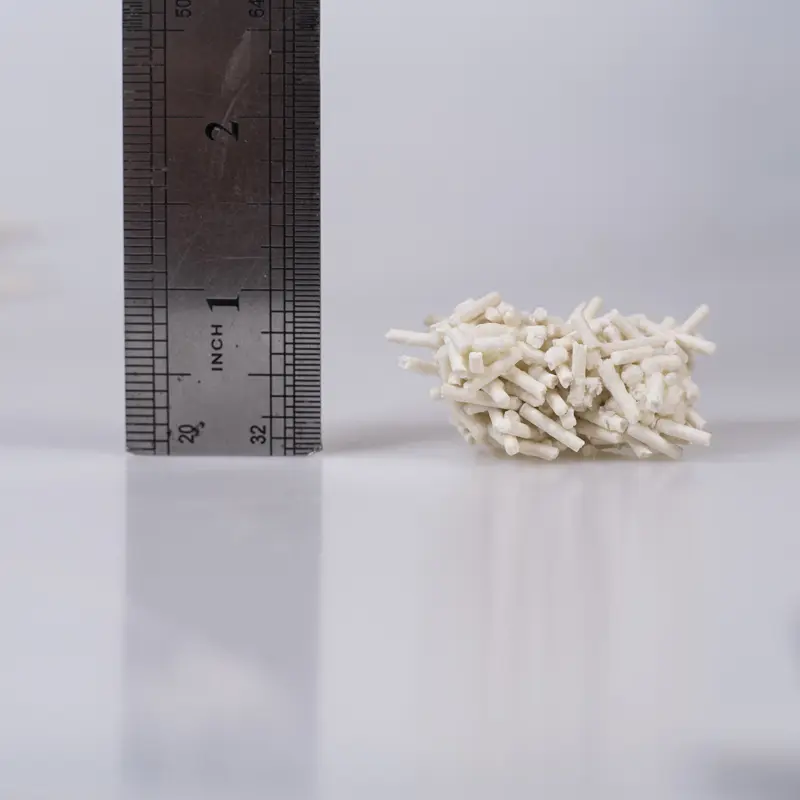
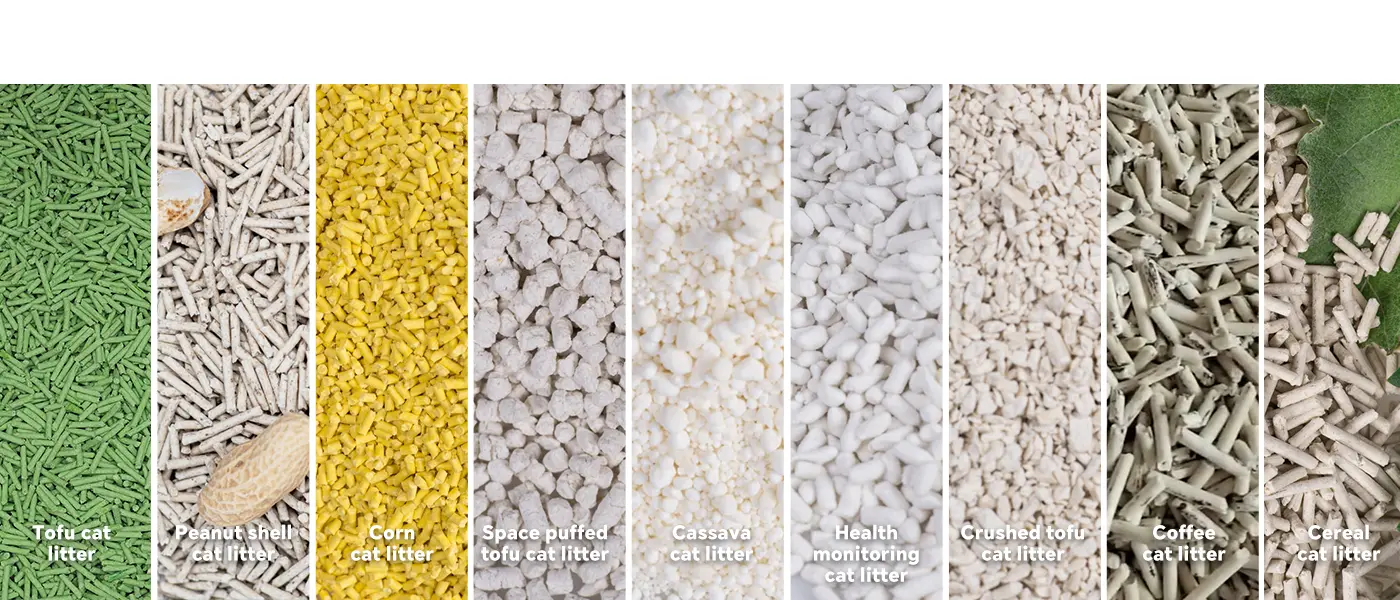
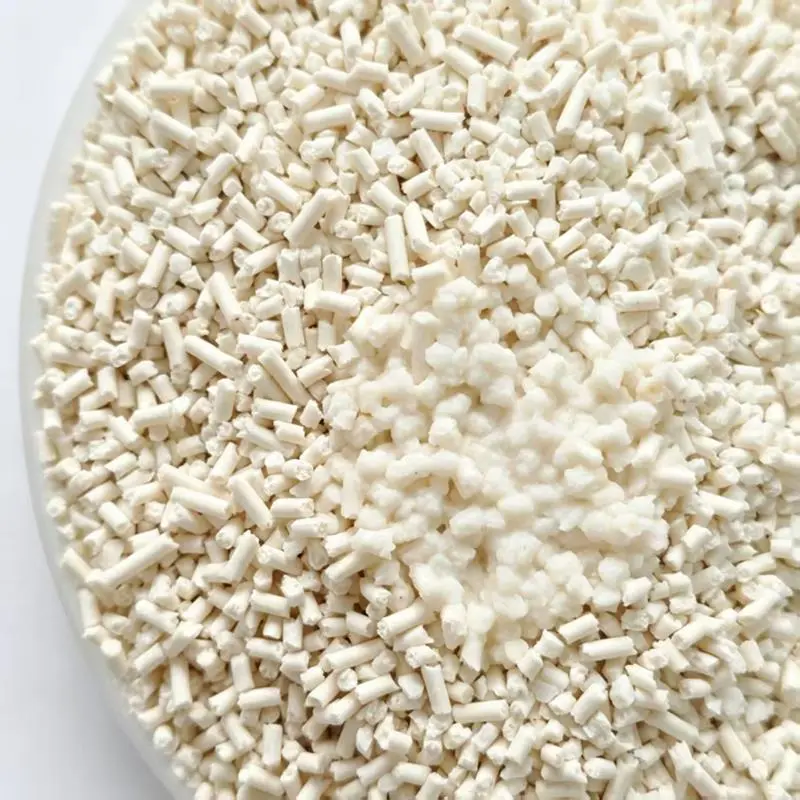
Contrary to popular belief, tofu cat litter is not made from leftover bean curd. It is a high-tech, plant-based substrate primarily crafted from soybean residue (okara)—the fibrous pulp left over after making soy milk or tofu. This food-grade byproduct is combined with natural binders and processed into uniform, lightweight pellets. It is designed to mimic the clumping action of clay without the associated health hazards. Most premium brands are free from artificial fragrances, dyes, and chemical additives, making them ideal for cats with allergies or sensitivities. Because it originates from the food industry, it carries a significantly lower toxicity profile than mineral-based litters.
Here are some of the advantages of using tofu cat litter:
Biodegradability:
Tofu cat litter is usually made from natural, biodegradable materials, making it an environmentally friendly choice.
Clumping properties:
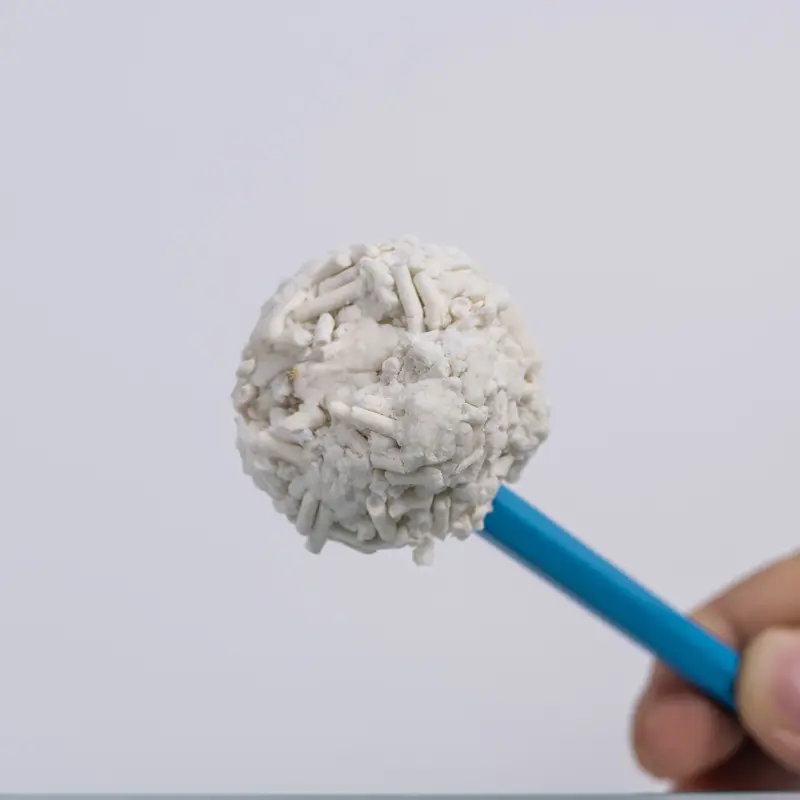
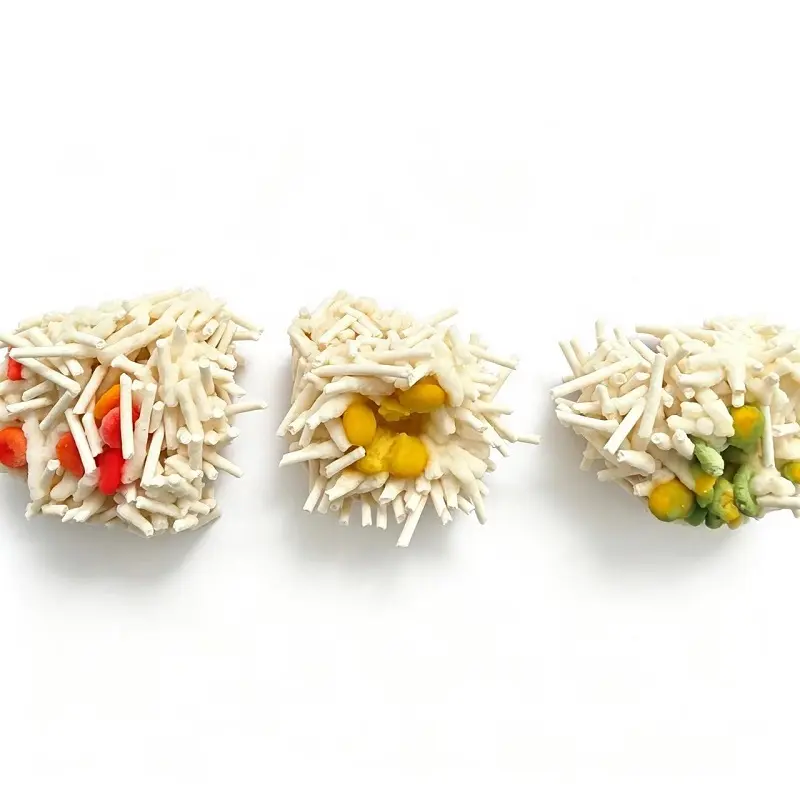
Tofu cat litters form clumps when they come into contact with moisture, making it easier to scoop out soiled litter and maintain a clean litter box.
Low dust:
Tofu cat litter often produces less dust than clay-based litters, which can be beneficial for both cats and their owners, especially if your cat has respiratory sensitivities.
Odor control:
It can be effective at controlling odors, helping to keep your home smelling fresh.
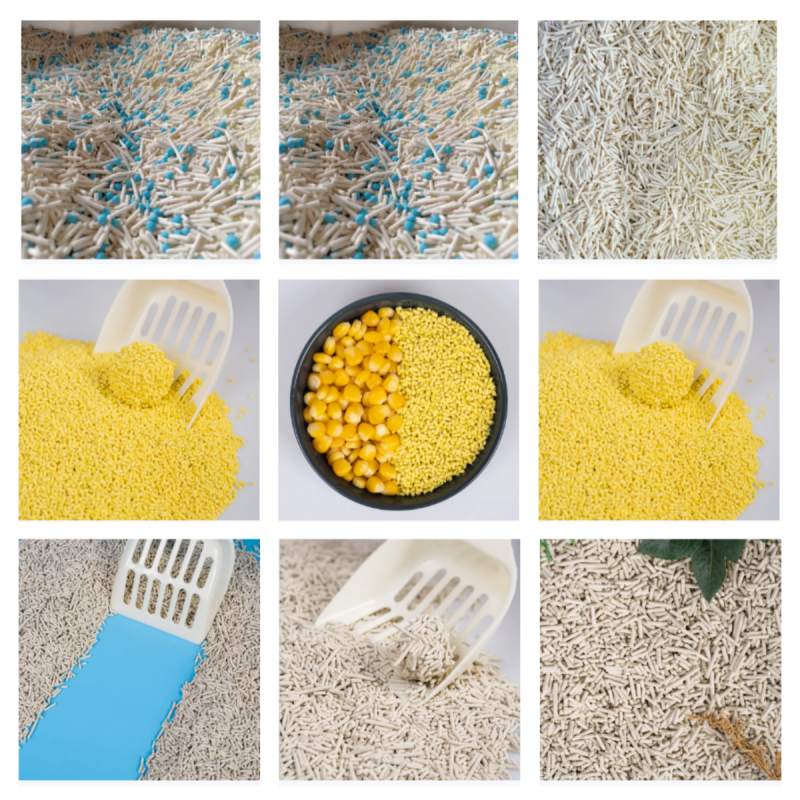
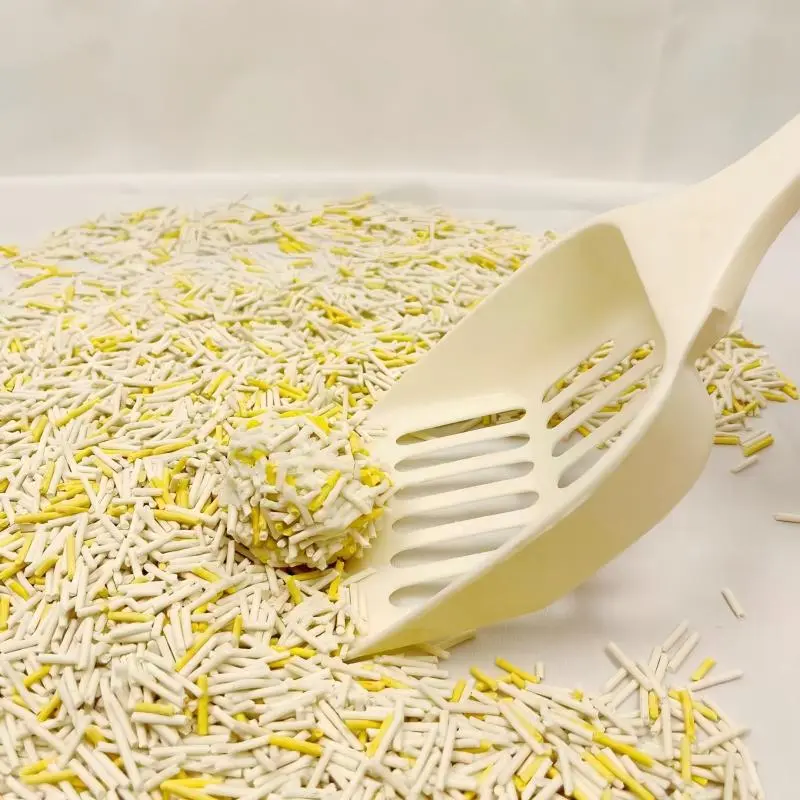
"This picture showed the clumps of tofu cat litter are tight, it can be easy to be scooped out and non-sticky."
Materials Used: What’s Inside the Bag?
Understanding the materials is key to understanding the safety profile. High-quality tofu litter is a blend of natural, renewable resources:
Soybean Fiber (Okara): The primary ingredient. It provides the bulk of the litter and is rich in cellulose, which aids in absorption. Being a food byproduct, it is completely non-toxic.
Corn Starch or Pea Starch: These act as the natural "glue." When urine hits the starch, it gelatinizes and binds the soy fibers together, forming a solid clump. Unlike chemical clumping agents found in some budget litters, starch is digestible and safe.
Guar Gum or Cassava Starch: Often used as secondary binders to improve pellet durability and clumping speed. These are common food thickeners.
Activated Charcoal (Optional): Many formulas include medical-grade activated charcoal to adsorb odors. Charcoal is inert and safe, even if ingested in trace amounts.
Green Tea Extract or Baking Soda (Optional): Natural deodorizers. Green tea offers mild antibacterial properties, while baking soda neutralizes acidic urine odors.
Calcium Carbonate: Sometimes added to adjust hardness and improve the litter's ability to neutralize acids.
Crucially, what is notin the bag is just as important: No Sodium Bentonite Clay, No Crystalline Silica Dust, No Phenol-based Deodorants.
Why our tofu cat litter is safe for your cat?
1.Main material are plant-based.
The main materials are pea fibre,soybean fibre,corn starch.All these materials are natural and non-toxic.No it is safe for your cat.
2.Food-grade Fragrance
Some custome like scented tofu cat litter, all frangrance in our tofu cat litter are food-grade. Even cat eat it by mistake, it will be also safe for your cat.
3.Food-grade guar gum
In the production of tofu cat litter, factory need to add guar gum in it to make it clumps together. We use the food grade guar gum to make it safe to your cat.
However, as with any cat litter, it's important to monitor your cat's reaction when switching to a new litter type. While tofu cat litter is generally safe, some cats may have individual sensitivities or allergies. If your cat shows signs of discomfort, skin irritation, excessive scratching, or respiratory issues after transitioning to tofu cat litter, discontinue use and consult with your veterinarian.
Always follow the manufacturer's instructions for proper use and maintenance of the specific tofu cat litter brand you choose. Keeping the litter box clean and changing the litter regularly is essential for your cat's health and comfort.
Gelin Town Pet produce a full range of tofu cat litter, they use the best pea fibre with low protein which is safe for your cat.
Working Principle: How It Functions
Tofu litter operates on principles of botany and chemistry rather than geology. Here is how it works:
Capillary Action & Absorption: Soybean fibers are naturally porous. When urine enters the box, these micro-pores use capillary action to pull liquid deep into the pellet, locking it away from the surface. This prevents the "wet paw" feeling cats hate.
Starch Gelatinization (Clumping): Upon contact with liquid, the corn or pea starch within the pellet absorbs water and swells. It then forms a gel-like matrix that fuses the soy fibers together. Within 10–30 seconds, a solid, scoopable clump is formed. This differs from clay, which relies on the physical swelling of microscopic plates.
Encapsulation: Once the clump forms, it acts as a sealed capsule. The urine is trapped inside, preventing ammonia from evaporating into the air. This is why tofu litter controls odor effectively without needing heavy perfumes.
Solubility: Because there are no clay minerals, the bonds holding the pellet together are water-soluble. If left submerged (like in a toilet bowl), the starch dissolves, and the soy fibers separate, allowing the waste to break down naturally.
Practical Experience: Tips for Optimal Use
Transitioning to tofu litter requires a slight adjustment in routine. Based on extensive user feedback, here is how to maximize safety and performance:
The Gradual Transition: Never switch abruptly. Mix 25% tofu litter with 75% of your old litter for the first three days, move to 50/50 for three days, then 75/25 for three days before going 100%. This prevents litter box aversion, which can lead to inappropriate elimination (peeing outside the box).
Depth Matters: Maintain a depth of at least 2–3 inches (5–8 cm). Because tofu pellets are lighter than clay, a shallow layer allows urine to reach the plastic bottom of the tray before being absorbed, leading to sticky messes and odors.
Storage is Critical: Tofu litter is hygroscopic (it absorbs moisture from the air). Store unused litter in a cool, dry, airtight container. In humid climates, leaving the bag open can cause the pellets to clump inside the package or even grow mold. Do not store it in a damp basement or bathroom.
Scooping Cadence: While tofu clumps fast, wait a minute or two after your cat leaves before scooping. This gives the starch time to fully gelatinize, ensuring the clump holds together. Scoop at least once daily; twice daily in multi-cat homes.
Flushing Etiquette: Although labeled "flushable," moderation is key. Flush only small clumps (1–2 scoops) at a time to prevent pipe clogs. Note: Some municipalities advise against flushing cat waste due to Toxoplasma gondii. Composting (for non-edible plants) is often a safer environmental choice.
Full Clean-Out: Even with daily scooping, microscopic urine crystals build up. Perform a full litter change every 2–4 weeks depending on the number of cats. Wash the box with mild, fragrance-free soap to remove residual oils.
Litter Mats: While tofu tracks less than clay, the pellets can still be kicked out. A textured litter mat placed outside the box captures stray pellets before they spread through the house.
FAQ: 10 Essential Questions Answered
1. Is tofu cat litter safe if my cat eats it?
Yes, it is significantly safer than clay. Tofu litter is made from food-grade soy and starch. If a cat ingests a small amount during grooming, it typically dissolves in the stomach and passes through the digestive system without issue. However, eating large quantities can cause vomiting or constipation. It is not a food source, so discourage habitual snacking.
2. Is tofu litter safe for kittens?
It is one of the safest options for kittens under 8 weeks old. Kittens often "taste-test" their environment. Unlike clay, which can swell and cause life-threatening blockages in tiny intestines, tofu litter is digestible. Its low-dust formula also protects their developing lungs from silicosis.
3. Can tofu litter cause urinary tract infections (UTIs)?
No, it does not cause UTIs. In fact, because it is highly absorbent and keeps the box drier, it may help reduce bacterial growth compared to litters that stay damp. However, always ensure fresh water is available, as dehydration is a primary cause of UTIs.
4. Is tofu litter flushable? Is it safe for plumbing?
Technically, yes, it dissolves in water. Practically, it depends on your plumbing. Old pipes or septic systems may struggle with even biodegradable materials. Only flush small amounts at a time. If you have a sensitive septic system, composting is a better disposal method.
5. Does tofu litter attract bugs?
As a plant-based product, it can attract pantry moths or ants if stored improperly or if the litter box is left dirty. Keep the bag sealed tightly and scoop the box daily. Avoid leaving spilled pellets on the floor.
6. Why does my tofu litter get mushy at the bottom of the box?
This usually happens for two reasons: the litter layer is too thin (less than 2 inches), or the litter is old and has reached its saturation point. Ensure adequate depth and perform full clean-outs regularly.
7. Is tofu litter safe for cats with asthma or allergies?
Absolutely. It is the gold standard for sensitive cats. Because it contains no silica dust and no artificial perfumes, it drastically reduces respiratory irritants in the air. Many veterinarians recommend it specifically for asthmatic felines.
8. Can I mix tofu litter with other types of litter?
You can mix it with other plant-based litters (like pine or corn) during a transition. However, do not mix it with clay litter if you plan to flush it, as the clay will not dissolve and will clog your pipes. Mixing also reintroduces dust.
9. How do I know if the tofu litter has gone bad or molded?
Check the unused pellets. If they feel damp, clumped together in the bag, or have a musty/moldy smell, discard the bag. Mold in litter can release spores harmful to cats. Proper storage prevents this.
10. Is tofu litter safe for the environment?
Yes. Unlike clay (which requires strip mining and sits in landfills for centuries) or silica (which is non-biodegradable), tofu litter is made from renewable soybeans and breaks down naturally in compost. Choosing tofu litter reduces your carbon paw-print significantly.
Conclusion
So, is tofu cat litter safe for cats? The evidence is clear: it is one of the safest, most hygienic, and environmentally responsible choices available today. By replacing hazardous silica dust with food-grade soybean fibers and swapping膨胀性粘土 for dissolvable starches, you eliminate the most common health risks associated with traditional litters. While it requires mindful storage and consistent scooping, the benefits—a dust-free home, a safer digestive profile, and a reduced environmental impact—far outweigh the minor adjustments. For the health of your cat and the planet, making the switch to tofu litter is a step in the right direction.
387.webp)