Tofu cat litter is easy to use, but getting the best performance depends on how you fill, scoop, and maintain the litter box. Unlike non-clumping litter, tofu cat litter is designed to absorb urine and form clumps that can be removed while the clean litter remains in the box.
The basic routine is simple: fill the box to the recommended depth, scoop solid waste and urine clumps regularly, refill the litter to maintain the correct level, and clean the entire box periodically.
For most tofu cat litter products, a litter depth of approximately 5–8 cm is a practical starting point. However, always follow the manufacturer's instructions because pellet size, absorbency, formulation, and litter-box design can affect the recommended depth.
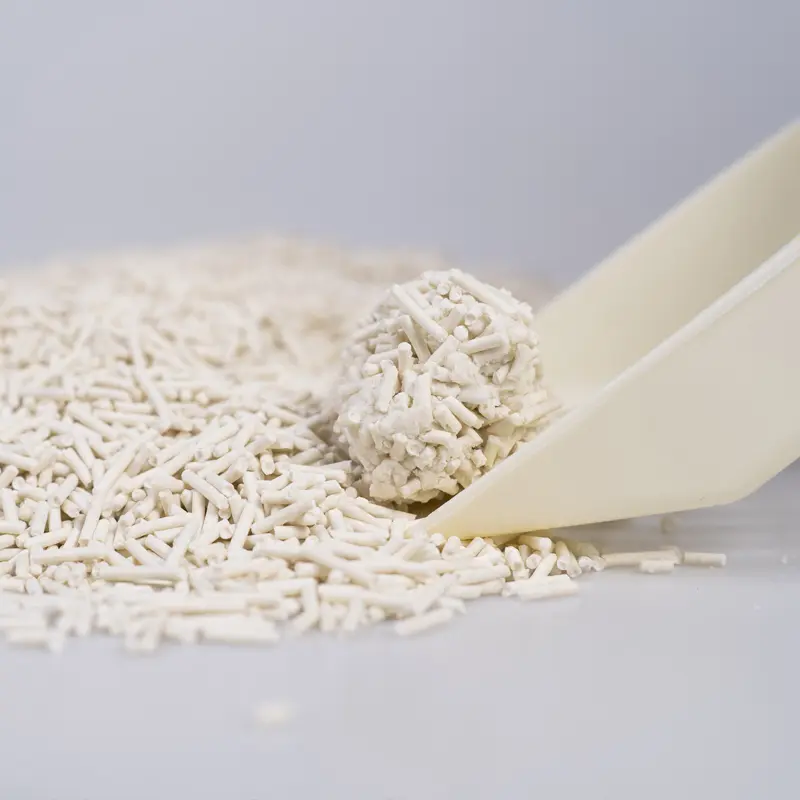
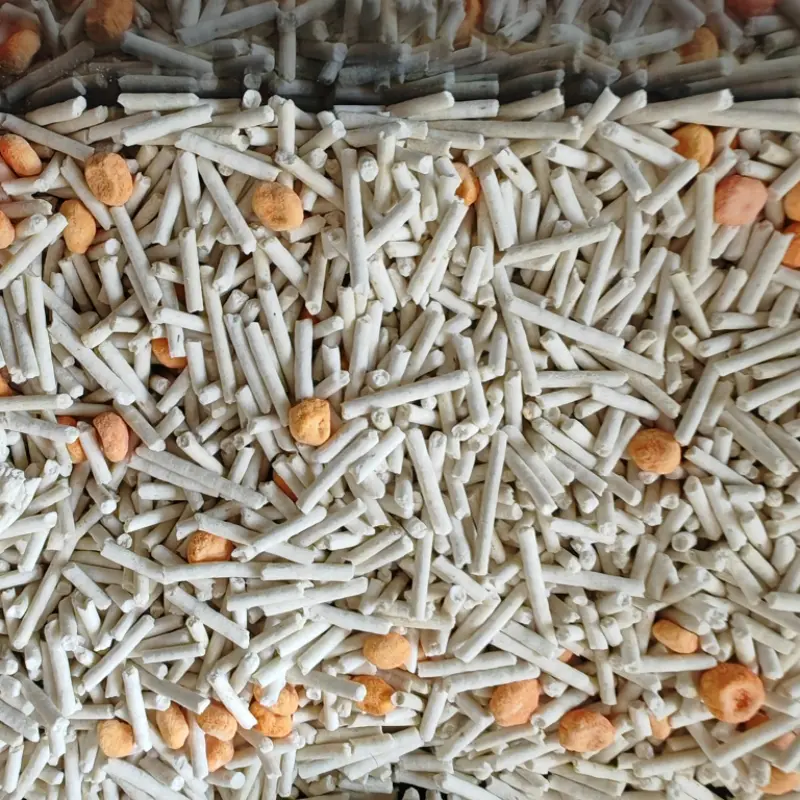
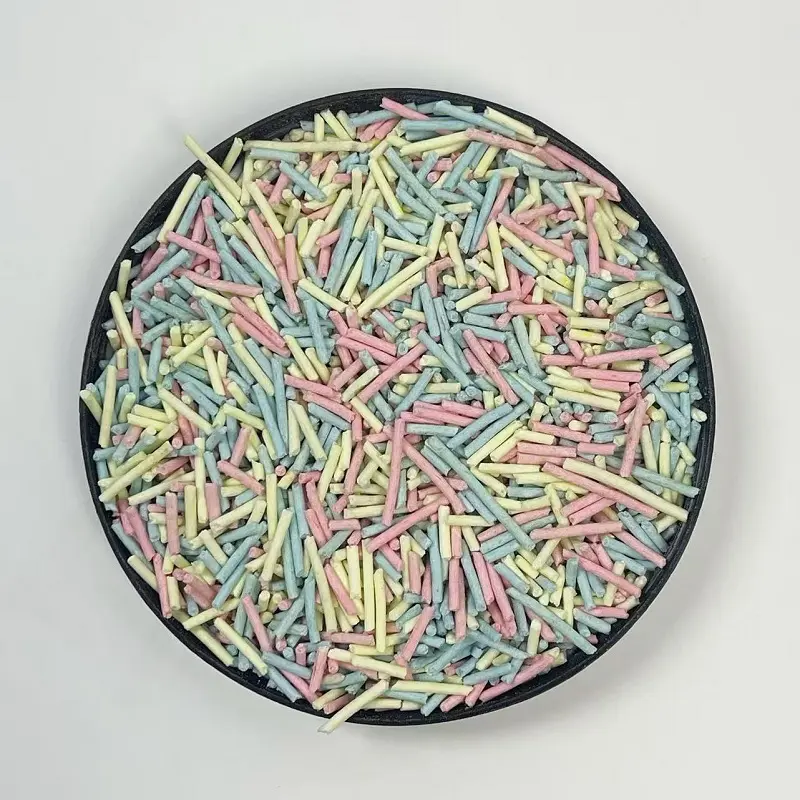
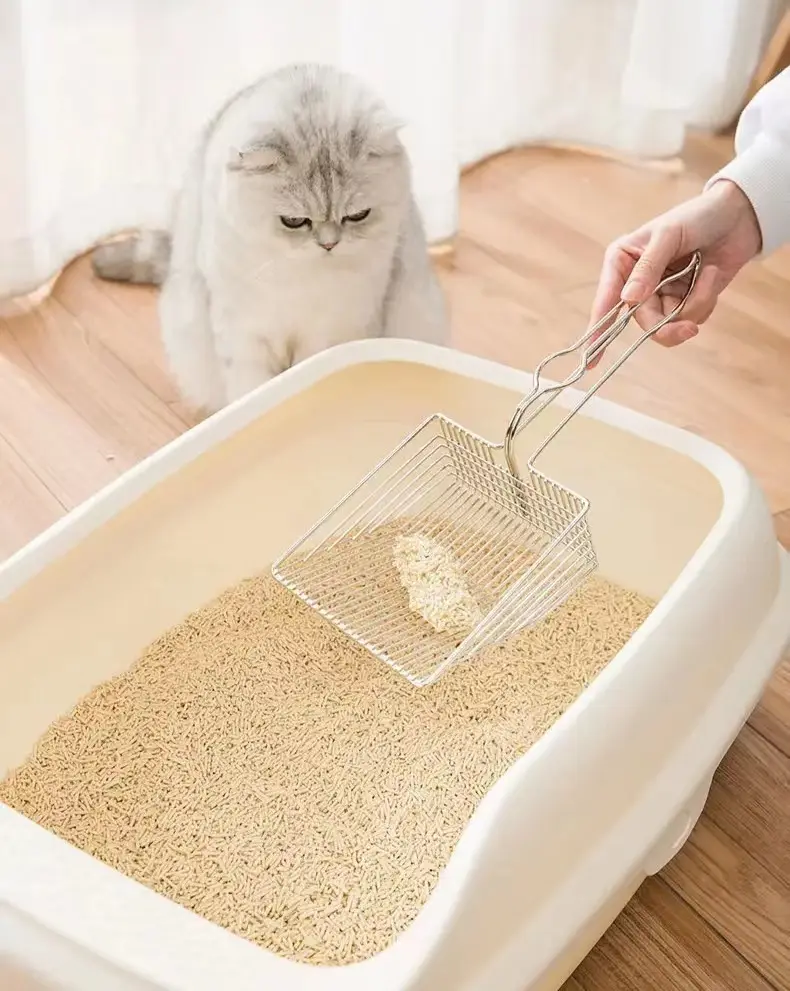
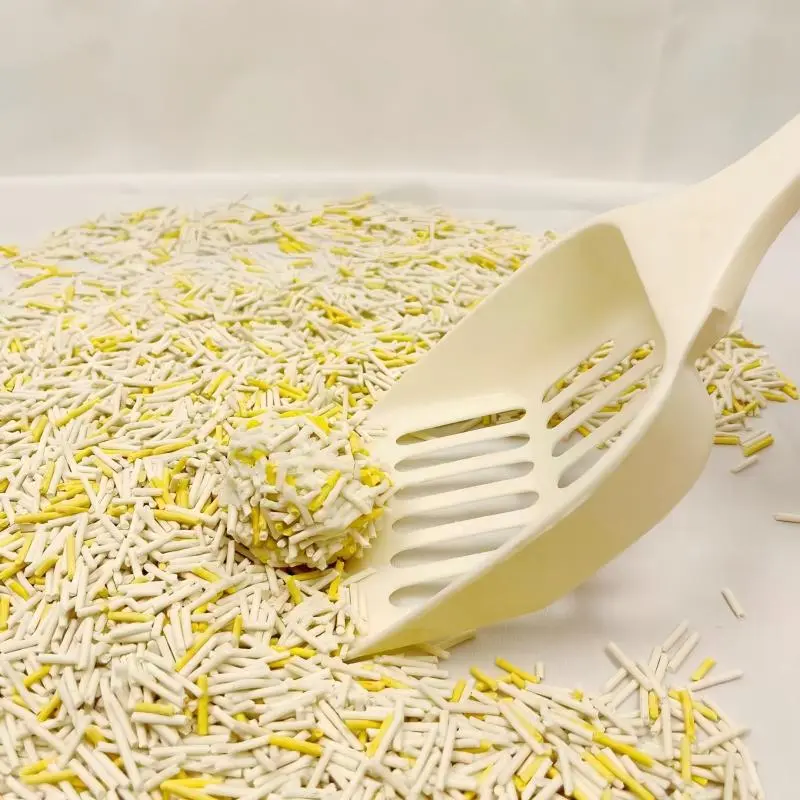
"This picture showed tofu cat litter is a clumping cat litter, which can be clumped together when they come into contact with mositure.It can be scooped from litter box easily"
How to Use Tofu Cat Litter in 8 Steps
Step 1: Start With a Clean and Completely Dry Litter Box
Before adding new tofu cat litter, empty the old litter and clean the litter box with mild soap and warm water.
Rinse away any soap residue and dry the box completely.
This step is important because tofu litter contains plant fibers and other absorbent ingredients. If the bottom of the box is already wet, the fresh litter can begin absorbing moisture before your cat uses it.
A dry litter box also helps reduce sticking and makes it easier to remove urine clumps later.
Step 2: Add Tofu Cat Litter to the Correct Depth
Pour the tofu cat litter evenly across the bottom of the box.
A useful starting range is:
| Litter setup | Suggested depth |
|---|---|
| Fine tofu granules | About 4–6 cm |
| Standard tofu pellets | About 5–7 cm |
| Larger pellets | About 5–8 cm |
| General starting point | Around 5–8 cm |
These are practical ranges rather than universal standards. Some commercial tofu litters recommend approximately 4–5 cm, while others specify 5–7 cm or 6–7 cm.
The important point is not simply adding a large amount of litter. The goal is to create enough depth for urine to be absorbed and clumped before it reaches the bottom of the litter box.
Too little litter can cause three common problems:
Urine reaches the bottom of the box.
Clumps stick to the base.
Odor becomes harder to control.
This is one of the most important differences between simply "using tofu litter" and using it correctly.
Step 3: Give Your Cat Time to Use the Box Normally
Once the litter is evenly distributed, allow your cat to use the box normally.
Tofu litter usually contains plant fibers such as soybean fiber or pea fiber, often combined with starches or natural binders. When these materials contact liquid, they absorb moisture and form a clump.
The basic process is:
Urine → moisture absorption → fiber expansion → binder activation → clump formation → easy removal
This means you do not need to replace the entire tray every time your cat urinates.
Instead, the purpose of clumping is to isolate the wet portion while leaving most of the clean litter available for continued use.
Step 4: Scoop Solid Waste and Urine Clumps Every Day
Daily scooping is the core of tofu cat litter maintenance.
Use a slotted litter scoop to remove:
Cat feces
Urine clumps
Severely contaminated litter
Try not to remove large quantities of clean litter together with the clump.
The cleaner the remaining litter, the longer the box can continue to work efficiently.
Daily scooping also helps prevent odor from accumulating. Current litter-care guidance generally emphasizes daily removal of feces and clumps rather than allowing waste to remain in the tray for several days.
How long should you wait before scooping?
If the clump is still soft or fragile, give it a little more time to absorb moisture before removing it.
Scooping too quickly can break apart a developing clump.
However, waiting too long is also unnecessary. The exact timing depends on the formula and how quickly the litter absorbs liquid.
Some commercial tofu products advertise clumping within a few seconds, but performance varies between formulations.
Step 5: The Most Important Step — Add Fresh Litter
After scooping, the litter level will gradually become lower.
Do not simply leave the box half empty.
Add fresh tofu cat litter to restore the recommended depth.
For example:
| Day | Approximate litter level | Action |
|---|---|---|
| Day 1 | 6–7 cm | Normal |
| After several days | 5–6 cm | Continue scooping |
| Level falls below recommended depth | <5 cm | Add fresh litter |
| After topping up | 5–7 cm | Continue normal use |
Maintaining the correct depth helps prevent urine from reaching the bottom of the litter box.
This is especially important for tofu litter because many complaints about weak clumping, sticking, or odor are related not only to the product itself but also to insufficient litter depth, improper scooping, or failure to top up the box.
Several current tofu litter instructions specifically recommend refilling the tray after scooping to maintain the manufacturer's recommended depth.
Step 6: Stir or Level the Remaining Litter When Necessary
After removing clumps, gently level the remaining litter with the scoop.
This can help distribute the remaining dry pellets more evenly throughout the box.
Some products specifically recommend stirring the remaining litter to redistribute fresh material and maintain consistent performance.
Do not aggressively mix heavily contaminated areas. The objective is simply to keep the clean litter distributed evenly.
Step 7: Clean the Entire Litter Box Regularly
Daily scooping does not mean the litter box never needs a complete cleaning.
Eventually, fine particles, residue, and odor-producing material can accumulate.
A typical maintenance routine for a single-cat household may include:
Daily:
Remove feces and urine clumps.
Every few days:
Check litter depth, odor, sticking, and overall condition.
As needed:
Add fresh tofu litter to restore the recommended depth.
Periodically:
Empty the box, wash it, dry it completely, and refill it with fresh litter.
Some tofu litter manufacturers recommend a complete replacement approximately once a month, while other products recommend a shorter cycle such as 2–3 weeks.
Therefore, there is no universal "30-day rule." The replacement interval depends on the product, number of cats, litter-box size, and frequency of use.
Step 8: Dispose of the Used Tofu Litter Correctly
One of the biggest attractions of tofu cat litter is that some formulas are water-soluble and marketed as flushable.
However, not every tofu cat litter should automatically be flushed down the toilet.
Always check:
The product manufacturer's instructions.
Local wastewater regulations.
Your plumbing system.
Septic-system requirements, if applicable.
Some commercial tofu litters explicitly allow small amounts to be flushed, while others provide different disposal instructions.
If flushing is permitted, use small amounts rather than dumping a large quantity into the toilet at once.
If flushing is not permitted, dispose of the used litter according to local waste rules.
Do not assume that "biodegradable" automatically means "flushable."
These are two different product claims.
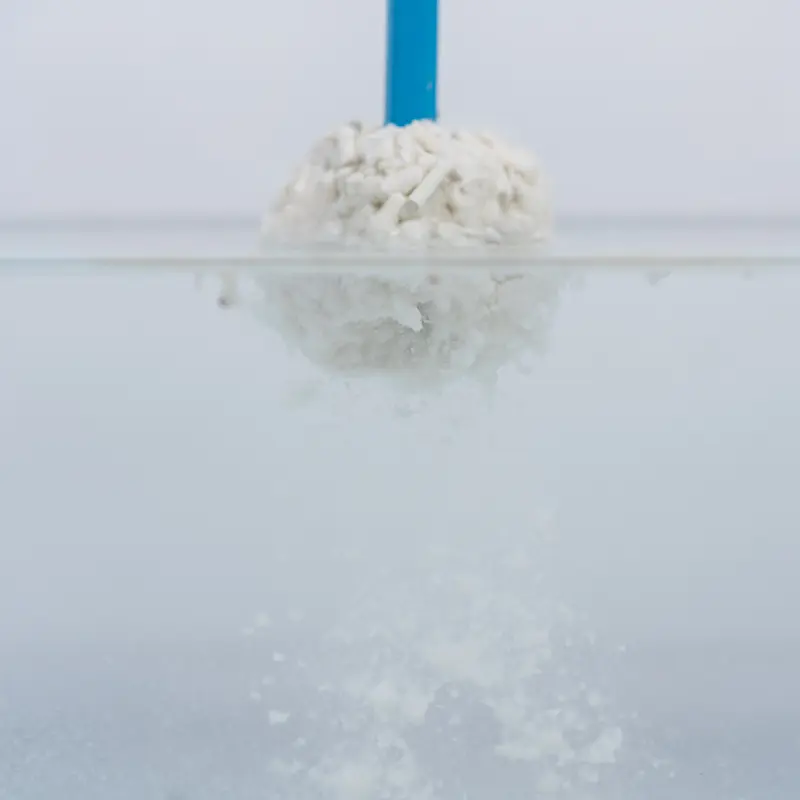
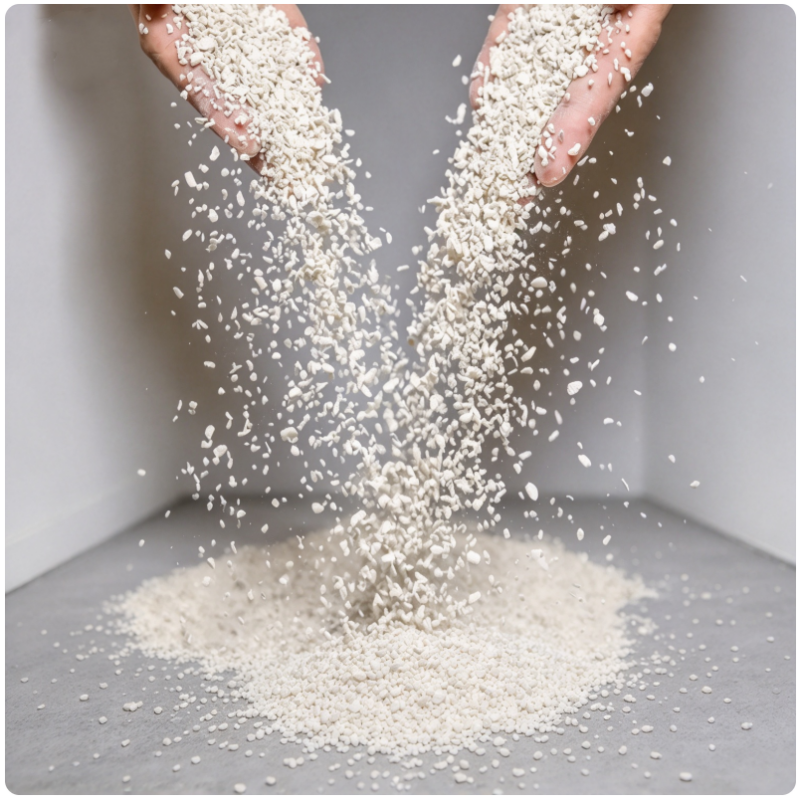
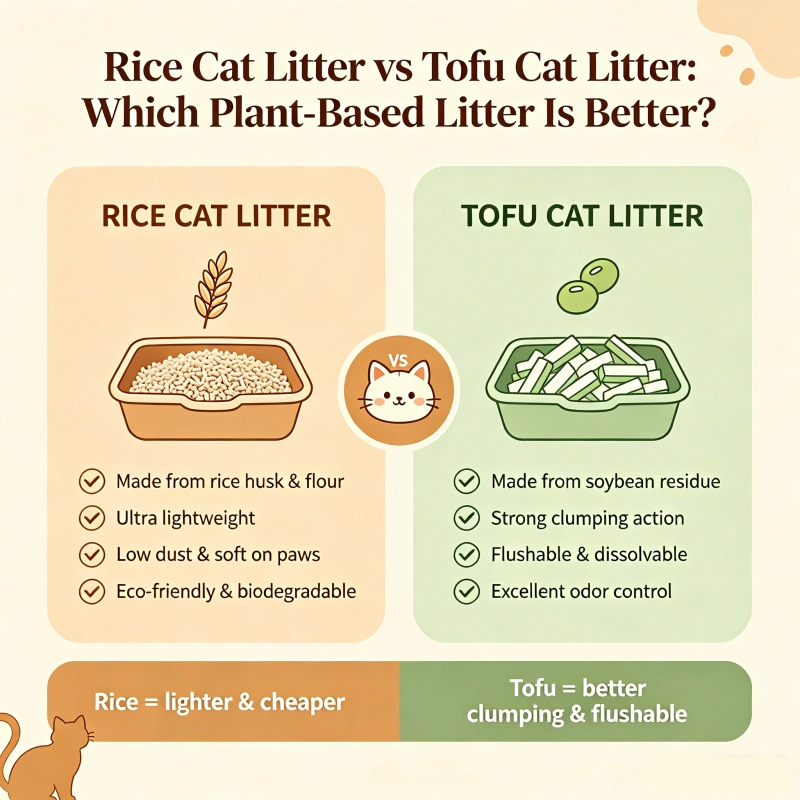
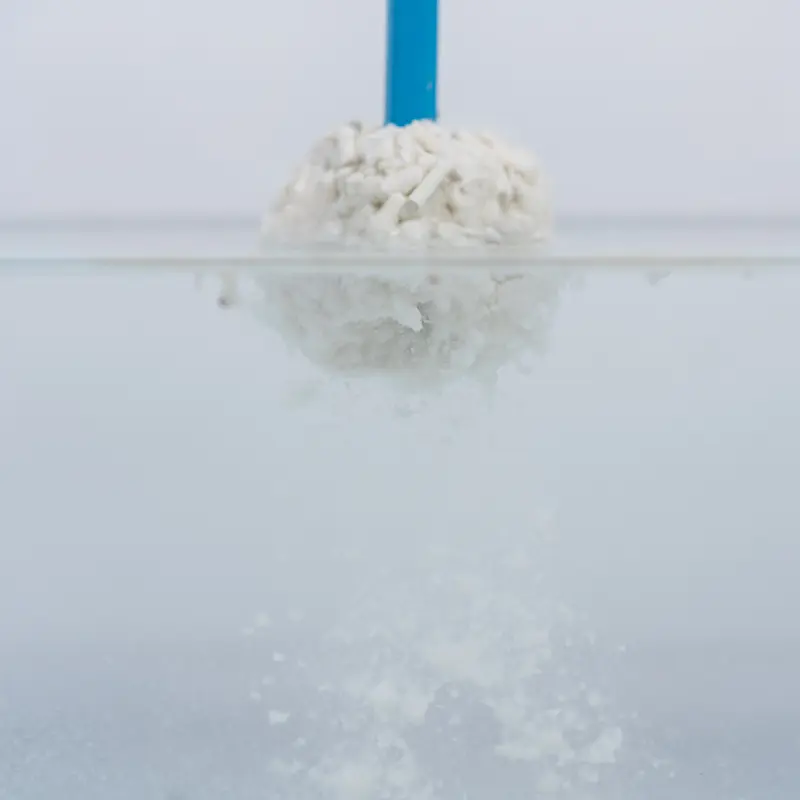
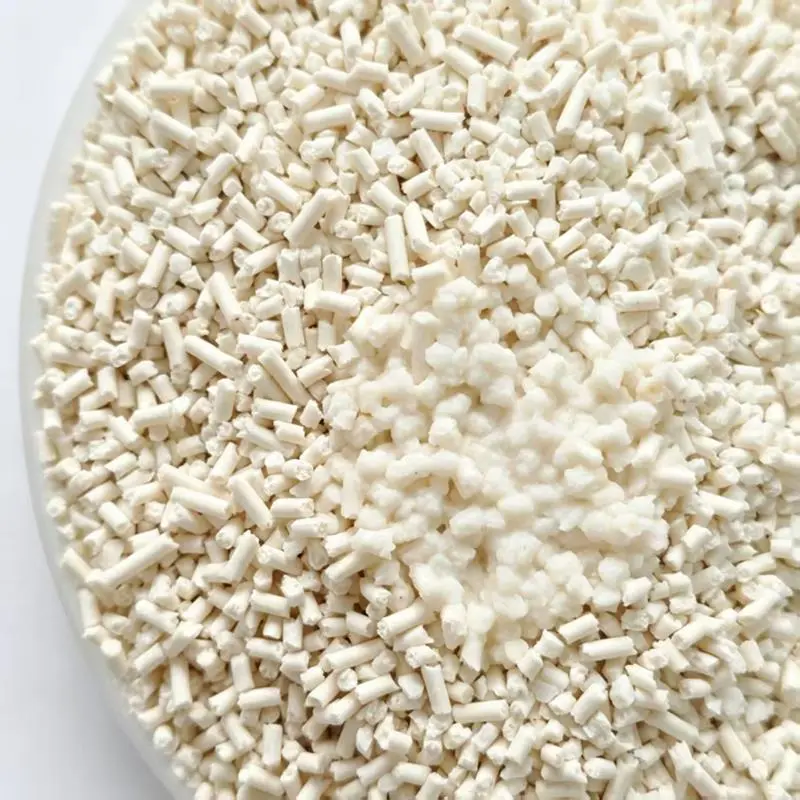
"From this picture we can see tofu cat litter can be dissolved into water very quickly,so it can be flushed into your toilet“
How Does Tofu Cat Litter Work?
To understand why tofu litter needs to be used differently from some other litters, it helps to understand its working principle.
Most tofu cat litter is made from plant-based fibers such as soybean fiber or pea fiber, often combined with starches and natural binders.
When urine enters the litter:
1. Pellets contact the liquid
The urine spreads into the surrounding pellets.
2. Plant fibers absorb moisture
The porous plant material takes up liquid.
3. The material expands and binds
Starch and other binding ingredients help the wet material stick together.
4. A urine clump forms
The contaminated material becomes a concentrated clump that can be removed with a scoop.
5. Clean litter remains
Because only the contaminated portion is removed, the remaining litter can continue to be used.
This is the main reason tofu litter can reduce unnecessary litter waste compared with a non-clumping system.
Why Does Litter Depth Matter So Much?
Imagine two litter boxes.
Box A: 6–7 cm of tofu litter
Box B: 2–3 cm of tofu litter
A cat urinates in both.
In Box A, the urine has more material available to absorb the liquid before it reaches the bottom.
In Box B, the urine may quickly travel through the thin layer and reach the base.
This can cause:
Sticky residue
Broken clumps
Difficult cleaning
More odor
More wasted litter
More frequent box washing
This is why maintaining the recommended depth is not just about giving your cat enough litter to dig.
It directly affects the working performance of the product.
How Often Should You Scoop Tofu Cat Litter?
For most households, daily scooping should be the minimum routine.
If you have multiple cats or a heavily used litter box, scooping more frequently may provide better odor control and cleanliness.
A practical schedule is:
| Task | Recommended frequency |
|---|---|
| Remove feces | Daily |
| Remove urine clumps | Daily |
| Check litter depth | Daily |
| Top up litter | Whenever the level drops |
| Level remaining litter | Daily/as needed |
| Deep clean litter box | Periodically |
| Full litter replacement | Based on product condition and manufacturer's instructions |
The exact schedule should be adjusted according to the number of cats and the manufacturer's instructions.
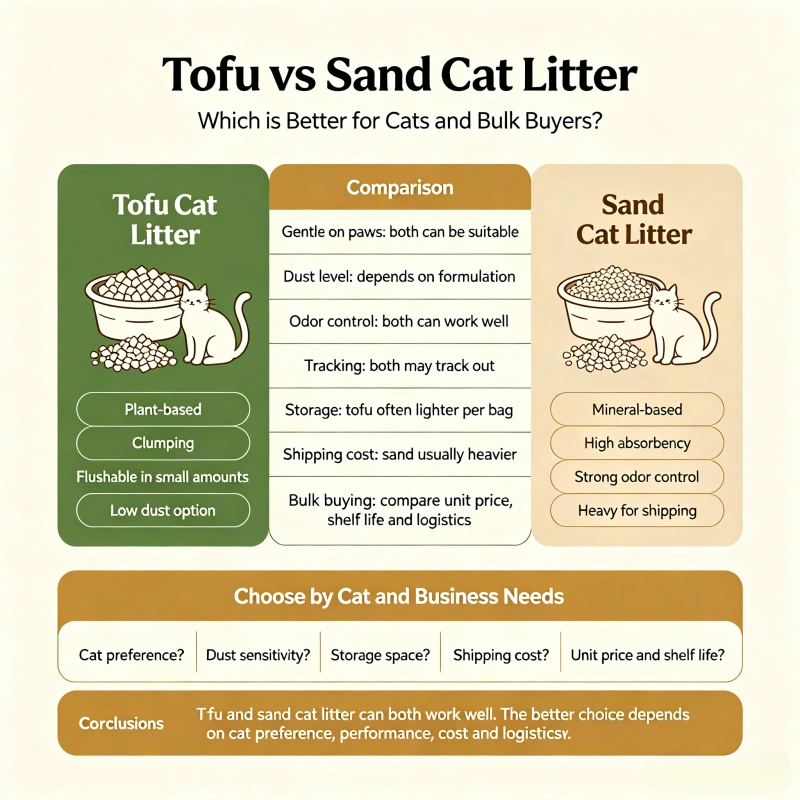
Tofu Cat Litter vs Bentonite Cat Litter
Tofu and bentonite clay both provide clumping performance, but the user experience is different.
| Feature | Tofu Cat Litter | Bentonite Cat Litter |
|---|---|---|
| Main material | Plant-based fiber | Natural clay |
| Clumping | Yes | Yes |
| Weight | Generally lightweight | Generally heavier |
| Dust | Usually low-dust formulations available | Can produce more dust |
| Biodegradability | Generally biodegradable | Mineral-based |
| Odor control | Absorption + formulation | Absorption + mineral properties |
| Scooping | Easy when clumps are stable | Usually easy |
| Flushability | Only some products | Not recommended |
| Tracking | Depends on pellet size | Depends on granule size |
| Suitable for B2B private label | Yes | Yes |
The main usage advantage of tofu litter is that it combines clumping with a lightweight, plant-based format.
For manufacturers, pellet size and formula can also be adjusted for different markets, such as fine-granule tofu litter, standard pellets, low-dust formulas, activated-carbon formulas, and scented or unscented products.
Tofu Cat Litter vs Silica Cat Litter
The maintenance method is significantly different.
Silica litter generally works by absorbing moisture into silica crystals rather than forming traditional urine clumps.
Tofu litter, by contrast, is usually designed around absorption + clumping + scooping.
| Feature | Tofu Cat Litter | Silica Cat Litter |
|---|---|---|
| Main material | Plant fiber | Silica crystals |
| Urine clumping | Usually yes | Usually no |
| Daily urine-clump removal | Yes | Usually no |
| Feces removal | Yes | Yes |
| Moisture absorption | High | High |
| Lightweight | Yes | Relatively lightweight |
| Biodegradable | Generally | No |
| Flushable | Some products | Generally no |
| Plant-based | Yes | No |
For buyers who prefer a litter that allows them to remove individual urine clumps, tofu litter provides a familiar clumping-litter experience while using a plant-based material.
Tofu Cat Litter vs Non-Clumping Cat Litter
The difference becomes even clearer when compared with traditional non-clumping litter.
With non-clumping litter, urine may spread through the litter and accumulate in the lower layers. More contaminated material may need to be removed during cleaning.
Tofu clumping litter isolates much of the contaminated material into removable clumps.
Tofu litter:
Absorb → Clump → Scoop → Top up
Non-clumping litter:
Absorb → Accumulate → Mix → Replace more frequently
This makes tofu litter particularly attractive to cat owners who want a simpler daily cleaning routine.
What Are the Main Advantages of Using Tofu Cat Litter?
1. Easy daily scooping
The urine is concentrated into clumps, making contaminated litter easier to identify and remove.
2. Less unnecessary waste
Clean litter can remain in the box while only the used portion is removed.
3. Lightweight handling
Plant-based pellets are generally easier to transport, pour, and store than many mineral-based litters.
4. Low-dust options
Many modern tofu formulas are designed to produce very little dust, although actual performance depends on pellet size and manufacturing quality.
5. Plant-based material
Soybean fiber, pea fiber, and starch-based formulations provide a plant-derived alternative to mineral litter.
6. Convenient disposal
Some tofu formulations are water-soluble and can be flushed in small quantities where local regulations permit. Others can be disposed of through appropriate waste or composting systems according to the product instructions.
7. Multiple formula options
Manufacturers can develop different tofu litter products using:
Soybean fiber
Pea fiber
Corn starch
Cassava starch
Guar gum
Activated carbon
Natural fragrances
Different pellet sizes
This makes tofu cat litter suitable for different price levels and consumer preferences.
Why Is My Tofu Cat Litter Not Clumping?
If your tofu litter is not forming good clumps, check these factors before assuming the product is defective.
The litter is too shallow
If the litter depth is too low, urine can reach the bottom of the box.
Solution: Restore the litter to the manufacturer's recommended depth.
You scoop too quickly
The clump may need some time to absorb and stabilize.
Solution: Allow the product enough time to form a stable clump.
You are removing too much clean litter
If the scoop removes a large amount of surrounding dry litter, the level drops quickly.
Solution: Use an appropriately sized slotted scoop and target the contaminated area.
The box is already dirty
Residue on the bottom can cause new urine clumps to stick.
Solution: Deep-clean the litter box when necessary.
The product has absorbed moisture during storage
Tofu litter is moisture-sensitive.
Solution: Keep unopened and opened bags sealed and store them in a cool, dry place.
How to Switch From Clay or Silica to Tofu Cat Litter
Some cats immediately accept tofu litter, while others prefer a gradual transition.
Instead of replacing 100% of the old litter overnight, gradually introduce tofu litter.
A simple transition method is:
| Stage | Old litter | Tofu litter |
|---|---|---|
| Stage 1 | 75% | 25% |
| Stage 2 | 50% | 50% |
| Stage 3 | 25% | 75% |
| Stage 4 | 0% | 100% |
The transition period can be adjusted according to your cat's behavior.
If your cat refuses the litter box, slows the transition and observe whether the pellet size, fragrance, texture, or box location is the problem.
Common Mistakes When Using Tofu Cat Litter
Mistake 1: Using too little litter
This is probably the most important mistake to avoid.
A shallow litter layer can reduce absorption performance and increase sticking.
Mistake 2: Never topping up the box
Scooping removes litter. If you never replace it, the litter depth will continue to fall.
Mistake 3: Replacing everything too frequently
With a good clumping system, you generally do not need to throw away large amounts of clean litter every day.
Mistake 4: Waiting until the box smells before cleaning
Odor should be managed proactively through regular scooping and cleaning.
Mistake 5: Assuming every tofu litter is flushable
Always verify the product instructions and local regulations.
Mistake 6: Storing tofu litter in a humid place
Moisture can affect pellet condition, clumping performance, and shelf life.
Frequently Asked Questions About Using Tofu Cat Litter
How deep should tofu cat litter be?
A practical starting point is approximately 5–8 cm, but different products may recommend around 4–5 cm or 6–7 cm. Follow the specific manufacturer's instructions.
How often should I scoop tofu cat litter?
Scoop solid waste and urine clumps at least once a day. Multi-cat households may need more frequent cleaning.
Do I need to replace tofu cat litter every day?
No. Tofu clumping litter is designed so that you can remove contaminated clumps while keeping usable litter in the box.
How often should I completely replace tofu cat litter?
There is no universal schedule. Some products recommend approximately monthly replacement, while others suggest every 2–3 weeks. Product formulation, number of cats, box size, and odor conditions all matter.
Can tofu cat litter be flushed?
Some tofu cat litters are designed to be flushable, but not all. Check the product label and local regulations first. If flushing is permitted, dispose of small amounts rather than large quantities at once.
Can tofu cat litter be used in an automatic litter box?
Some fine-granule tofu products are designed for automatic litter boxes, but compatibility depends on pellet size, clump strength, machine design, and manufacturer's recommendations.
Why does tofu cat litter stick to the bottom?
The most common causes are insufficient litter depth, excessive moisture, or a litter box that needs cleaning. Maintaining the recommended depth gives urine more material to absorb into before reaching the base.
Is tofu cat litter suitable for multiple cats?
Yes, but multiple-cat households generally require more litter capacity, more frequent scooping, and sometimes additional litter boxes.
A Simple Daily Routine for Tofu Cat Litter
If you want the simplest possible routine, remember these five steps:
1. Keep the litter box dry.
2. Maintain approximately 5–8 cm of litter or follow the product instructions.
3. Scoop feces and urine clumps every day.
4. Add fresh litter after scooping to restore the correct depth.
5. Deep-clean and replace the litter periodically according to its condition and the manufacturer's instructions.
The most important principle is simple:
Do not just scoop the litter — maintain the litter level.
Correct depth allows the tofu fibers to absorb urine effectively, gives clumps enough material to form, helps prevent urine from reaching the bottom, and supports better odor control.
For pet-product distributors and private-label buyers, tofu cat litter also offers flexibility in pellet size, material formulation, fragrance, packaging, odor-control additives, and price positioning. This makes it possible to develop different products for different retail markets and consumer preferences.
Gelin Town Pet produce a full range of tofu cat litter, you can select them based on your local market.We have different products with different price level for your selection.And we are a direct factory, both price and quality can be assured.Please contact us if you have and demand.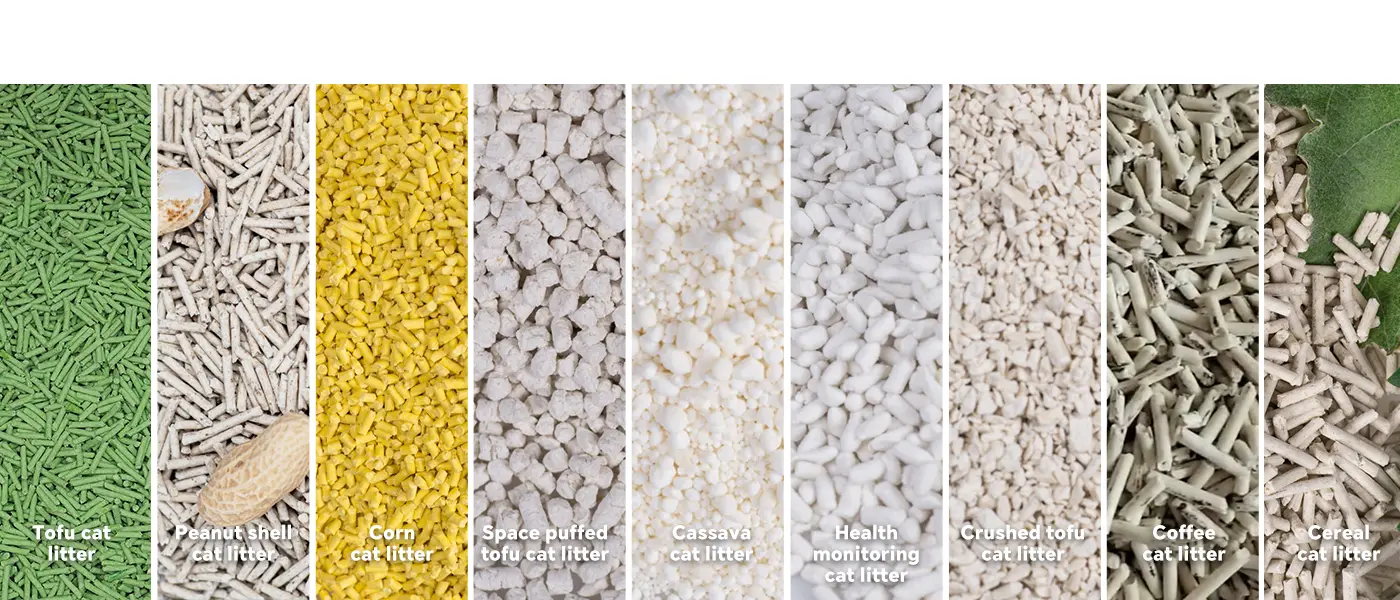
387.webp)