Tofu cat litter is becoming increasingly popular among cat owners who want a plant-based, low-dust, and convenient litter solution. However, one common question remains: How can you minimize tofu cat litter usage and make it last longer?
Many cat owners assume that using less litter or changing the litter box less frequently is the best way to save money. In practice, this approach can create more problems. If the litter layer is too thin, urine may reach the bottom of the litter box, clumps may break apart during scooping, and more clean litter may be thrown away.
The real key to reducing tofu cat litter consumption is a combination of proper litter depth, daily cleaning, good storage, and high-quality clumping performance.
A well-designed tofu cat litter can absorb moisture efficiently and form compact, easy-to-remove clumps. This means less uncontaminated litter is removed during daily cleaning, helping one bag of litter last longer.
Why Does Tofu Cat Litter Consumption Matter?
For cat owners, litter consumption directly affects the cost and convenience of maintaining a clean litter box. For retailers and private-label brands, consumption also influences product value, customer satisfaction, and repurchase decisions.
A litter that appears inexpensive per bag may not necessarily be economical if it produces large, fragile, or poorly formed clumps. When a clump breaks apart, surrounding clean litter can become contaminated and must often be removed as well.
Therefore, it is useful to look beyond the package price and consider the actual amount of litter consumed during use.
Several factors influence tofu cat litter consumption:
Absorption speed
Clumping strength
Clump size
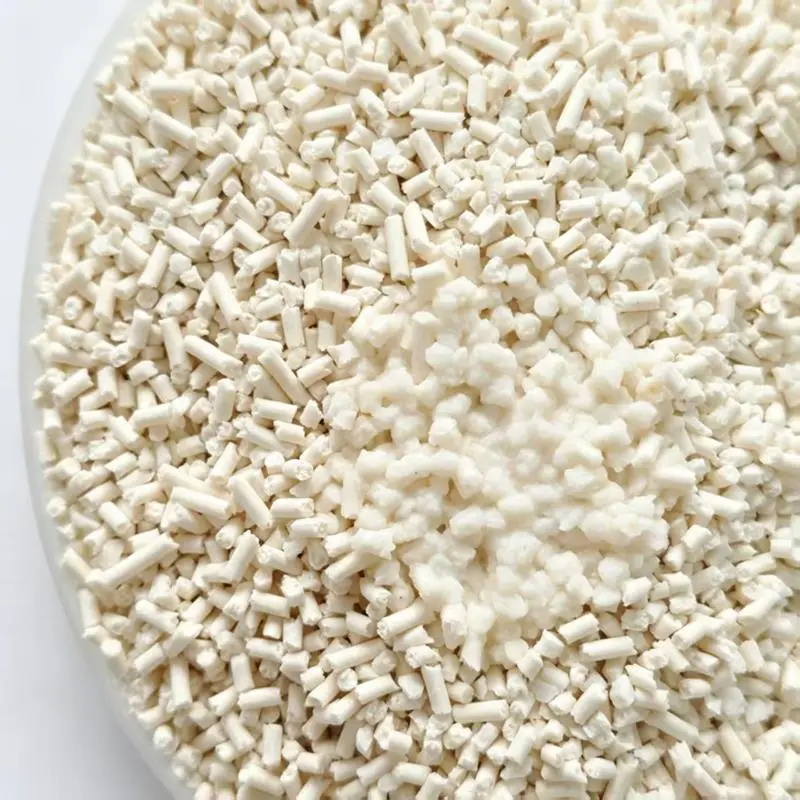
Pellet structure
Dust level
Odor control
Litter box size
Number of cats
Cleaning frequency
Storage conditions
Among these factors, absorption and clumping performance are particularly important because they determine how efficiently urine can be isolated from unused litter.
How Much Tofu Cat Litter Should You Put in a Litter Box?
Using too little litter is not necessarily a good way to reduce consumption.
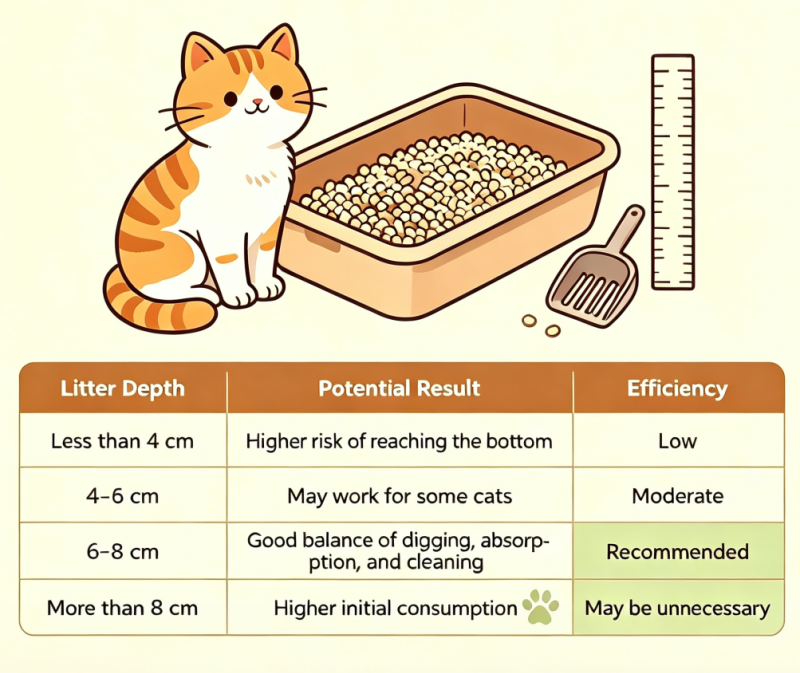
For most standard litter boxes, a litter depth of approximately 6–8 cm can provide enough material for cats to dig, cover their waste, and allow urine to be absorbed before reaching the bottom.
The exact amount depends on the litter box dimensions, the cat's habits, and the litter formulation.
If the layer is too shallow, several problems may occur:
Urine can reach the bottom of the litter box.
Clumps may stick to the base.
Cleaning becomes more difficult.
More clean litter may need to be discarded.
Cats may have difficulty burying their waste.
A slightly deeper layer can actually improve litter efficiency because urine has enough space to be absorbed and concentrated into a removable clump.
Recommended Tofu Cat Litter Depth
| Litter Depth | Potential Result | Efficiency |
|---|---|---|
| Less than 4 cm | Higher risk of reaching the bottom | Low |
| 4–6 cm | May work for some cats | Moderate |
| 6–8 cm | Good balance of digging, absorption, and cleaning | Recommended |
| More than 8 cm | Higher initial consumption | May be unnecessary |
The goal is not to use the smallest possible amount of litter. The goal is to use enough litter to create an efficient cleaning system.
Daily Scooping Is One of the Best Ways to Save Cat Litter
Regular scooping is important for maintaining litter quality.
When urine clumps and solid waste remain in the litter box for too long, they can become more difficult to remove cleanly. Broken clumps may distribute contaminated litter throughout the box, increasing unnecessary waste.
For this reason, removing waste regularly can help preserve the remaining clean litter.
A simple routine is:
Remove solid waste as soon as practical.
Scoop urine clumps regularly.
Avoid aggressively digging through the entire litter box.
Keep the remaining clean litter evenly distributed.
Top up the litter when the level becomes too low.
Clean and refresh the litter box according to the manufacturer's recommendations.
Daily maintenance is generally more efficient than waiting until the entire box becomes heavily contaminated.
Does Better Clumping Really Reduce Tofu Cat Litter Consumption?
Yes, clumping performance can have a major effect on how much litter is removed during cleaning.
A good clump should be sufficiently compact to remain together during scooping. At the same time, it should contain as little unnecessary clean litter as possible.
The original Gelin Town Pet test used 20 mL of water to simulate urine absorption. Under the same test condition, the company's tofu cat litter produced a clump weighing approximately 34 g, compared with approximately 42 g for another tested litter.
This difference suggests that the tested Gelin Town Pet litter could form a more compact clump under that particular test condition.
Tofu Cat Litter Clump Comparison
| Test Condition | Gelin Town Pet Tofu Litter | Other Tested Litter |
|---|---|---|
| Simulated liquid | 20 mL water | 20 mL water |
| Approx. clump weight | 34 g | 42 g |
| Difference | — | About 8 g heavier |
| Test purpose | Compare clump formation | Compare clump formation |
It is important to understand that this is a controlled comparison rather than a guarantee of exactly how much litter every cat will consume. Actual consumption varies according to cat size, urine volume, litter box design, pellet size, cleaning habits, and other factors.
Nevertheless, the test illustrates an important principle: the weight and structure of a clump can influence how much litter is removed from the box each time it is cleaned.
Why Smaller, Stronger Clumps Can Help Save Litter
Imagine two types of tofu cat litter absorbing the same amount of urine.
If the first litter forms a compact clump, the contaminated area may be easier to isolate and remove.
If the second litter absorbs slowly and spreads moisture over a larger area, more surrounding litter may become wet. During scooping, that additional litter may be removed even though it was not directly saturated with urine.
This is why absorption speed and clumping strength should be considered together.
| Performance | Weak Litter | High-Performance Litter |
|---|---|---|
| Absorption | Slow or uneven | Fast and consistent |
| Clump formation | Loose | Compact |
| Clump stability | Easily breaks | More stable |
| Clean litter loss | Potentially higher | Potentially lower |
| Scooping | More difficult | Easier |
| Overall litter efficiency | Lower | Higher |
For brands developing tofu cat litter, optimizing the formulation is therefore just as important as optimizing the user instructions.
Tofu Cat Litter: What Makes a Long-Lasting Formula?
A long-lasting tofu cat litter should not simply be designed to absorb as much liquid as possible. It needs to balance several performance characteristics.
1. Fast Absorption
Fast moisture absorption helps reduce the time urine remains on the surface. Efficient absorption can also reduce the area affected by moisture.
2. Strong Clumping
Clumps need enough structural strength to survive digging and scooping. Weak clumps can break apart and spread wet material throughout the litter box.
3. Appropriate Pellet Size
Pellet size affects absorption speed, tracking, texture, and clump formation. Different customers may prefer different pellet sizes, so manufacturers should offer suitable options for different markets.
4. Low Dust
Excessive dust can reduce the overall user experience. A well-processed tofu cat litter should aim for low dust while maintaining good clumping and absorption performance.
5. Odor Control
Odor control is another important factor in determining how long litter remains comfortable to use. Efficient moisture management and appropriate formulation can help control unpleasant odors.
6. Consistent Manufacturing
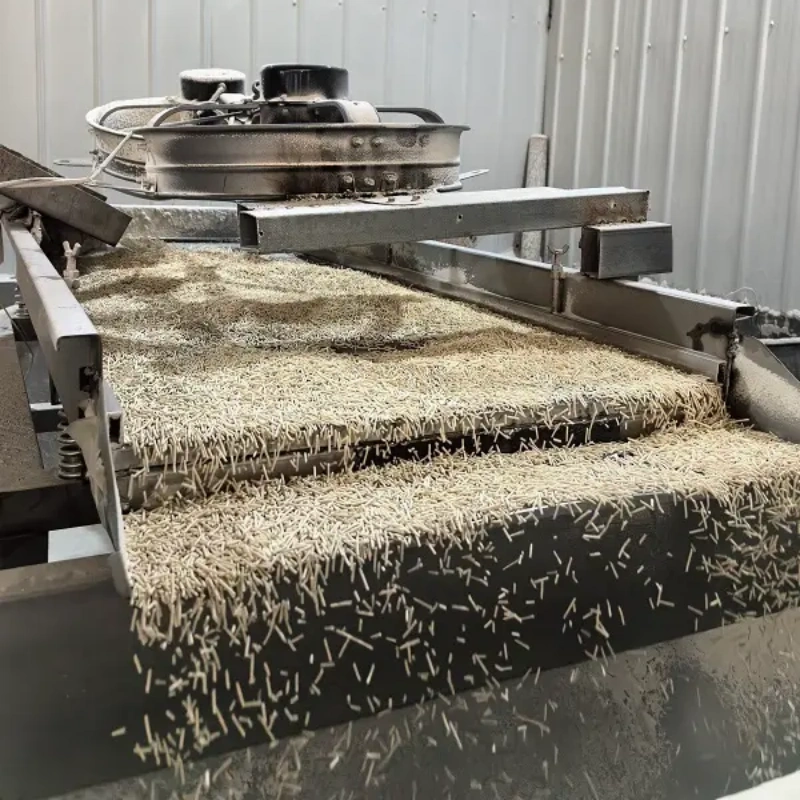
Even a good formula can produce inconsistent results if the manufacturing process is unstable. Consistent raw materials, processing conditions, pellet density, drying, screening, and packaging all influence final product performance.

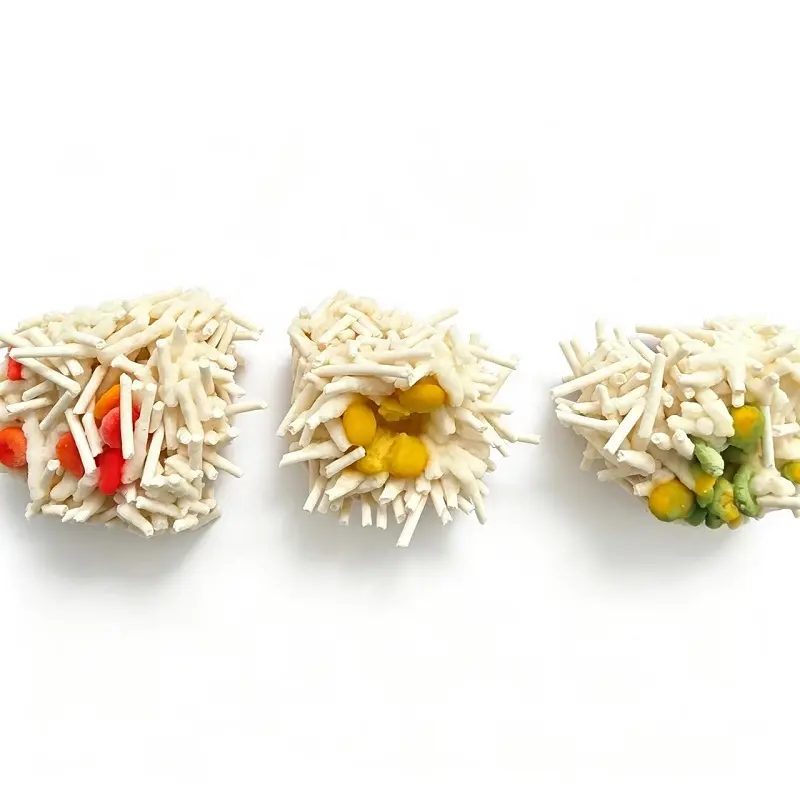
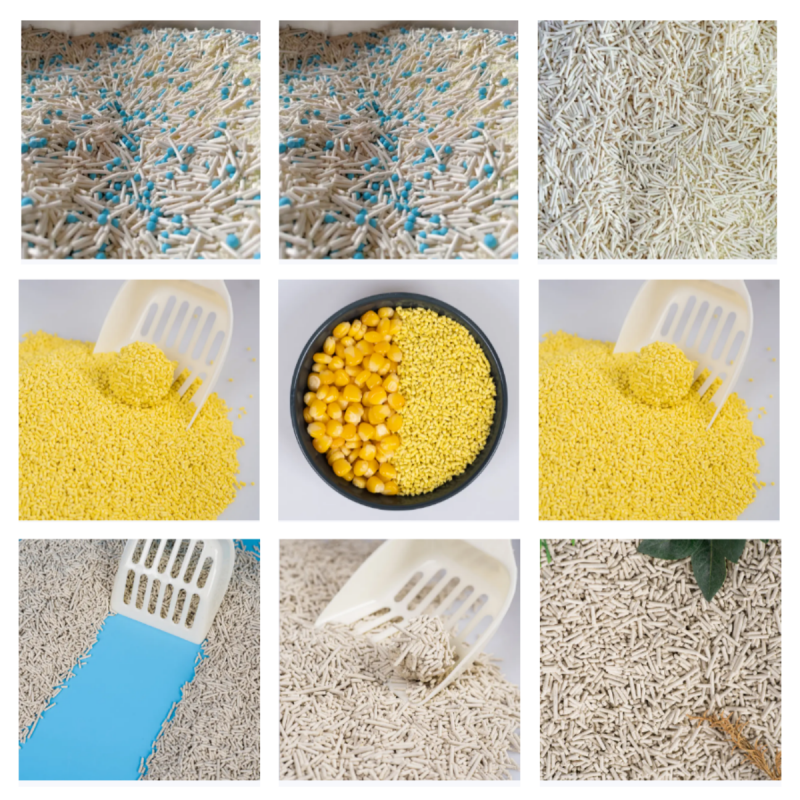
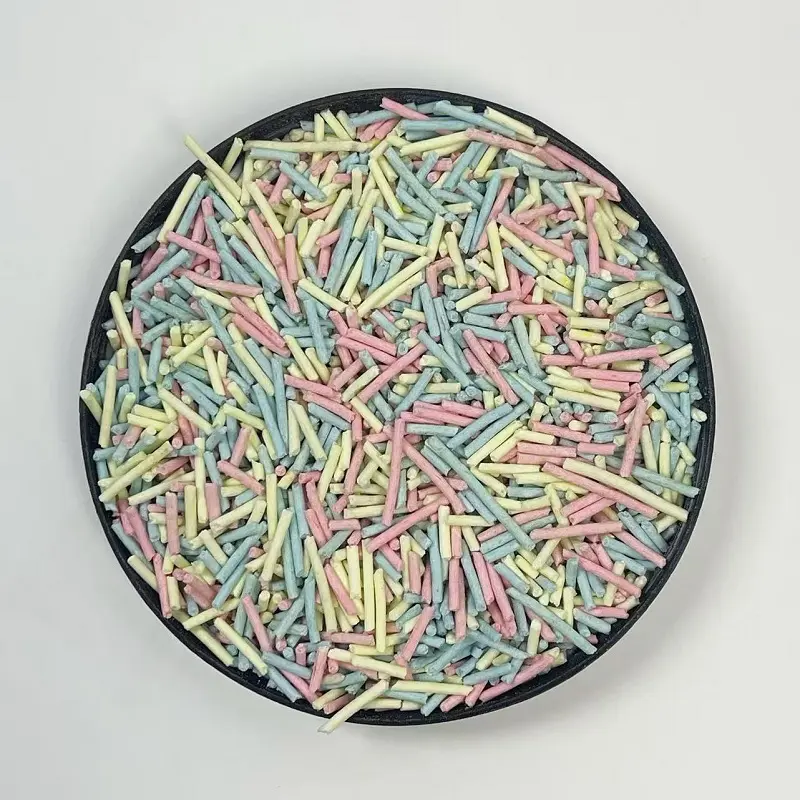
From this picture we can see the clumps of our tofu cat litter is not big, the cat litter can absorb the urine sufficiently. So it is low consumption
How to Make Tofu Cat Litter Last Longer: 8 Practical Tips
Tip 1: Use the Right Litter Depth
Start with approximately 6–8 cm and adjust according to your cat and litter box.
Tip 2: Scoop Regularly
Remove urine clumps and solid waste regularly. This helps prevent contamination from spreading into clean litter.
Tip 3: Use an Appropriate Litter Scoop
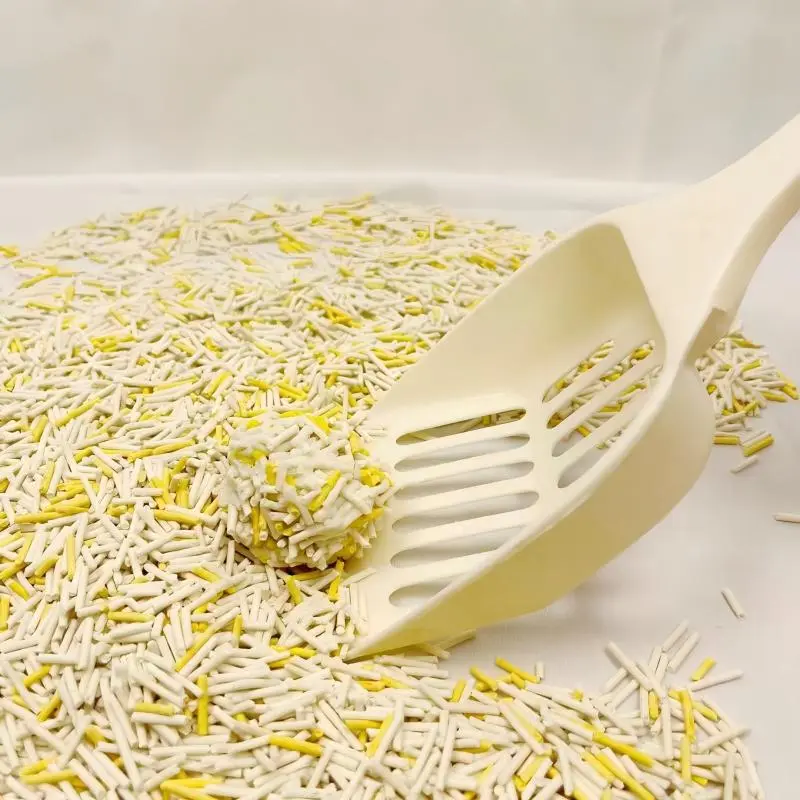
A scoop with openings suited to the pellet size can separate clean litter from waste more effectively.
Tip 4: Scoop Carefully
Avoid crushing urine clumps unnecessarily. The stronger the clump remains, the easier it is to remove only the contaminated material.
Tip 5: Do Not Overfill
Adding excessive litter increases initial consumption without necessarily improving performance. Use enough to provide adequate digging depth and absorption.
Tip 6: Top Up Instead of Replacing Too Early
If most of the litter remains clean and performs well, topping up the litter level may be more efficient than unnecessarily discarding the entire box.
Tip 7: Keep Unused Litter Dry
Tofu cat litter is highly absorbent, which means exposure to humidity can affect its performance. Store unopened and opened bags in a dry environment and reseal opened packaging when possible.
Tip 8: Choose Quality Over Package Price
A lower-priced bag is not always the lowest-cost option. Compare absorption, clumping, dust, odor control, and actual usage over time.
Tofu Cat Litter Consumption: Cheap vs. Cost-Effective
Price per bag is only one part of the total cost.
Suppose two products have similar package weights but different clumping performance. If Product A requires more litter to be discarded during every cleaning cycle, its effective cost may be higher even if its purchase price is lower.
A better comparison is:
Effective litter cost = Purchase cost ÷ Actual usable period
For example, a 2.5 kg bag that lasts 20 days may provide a different value from a 2.5 kg bag that lasts 30 days.
The actual result depends on the individual cat and usage conditions, but this approach gives consumers and retailers a more meaningful way to evaluate litter efficiency.
How Does Tofu Cat Litter Compare With Other Cat Litter Types?
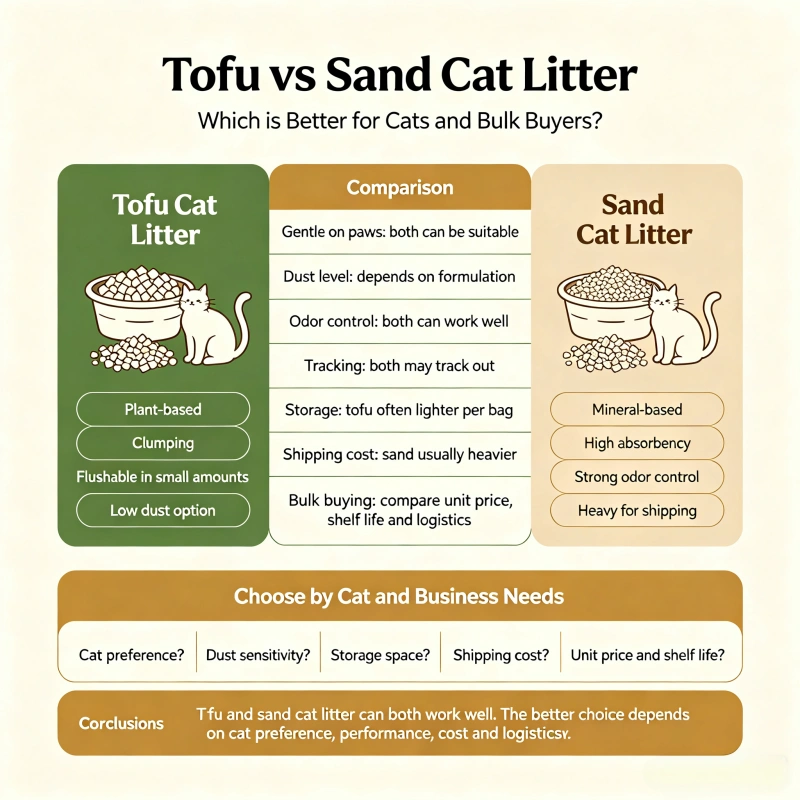
Tofu cat litter is one of several popular litter categories. Different materials have different characteristics.
| Cat Litter Type | Main Material | Clumping | Plant-Based | Typical Strength |
|---|---|---|---|---|
| Tofu litter | Soybean/plant fiber | Yes | Yes | Absorption and clumping |
| Corn litter | Corn-based material | Usually | Yes | Renewable plant-based option |
| Cassava litter | Cassava fiber | Yes | Yes | Absorption and clumping |
| Mineral clay litter | Mineral materials | Usually | No | Strong clumping and availability |
| Silica litter | Silica gel | Usually no traditional clumping | No | Moisture and odor management |
The best choice depends on the preferences of the cat, owner, retailer, and target market.
For consumers who prioritize plant-based materials and convenient clumping, tofu cat litter can be an attractive option.
Is Tofu Cat Litter Environmentally Friendly?
Tofu cat litter is generally positioned as a plant-based alternative to traditional mineral litter. Many tofu formulas use plant-derived materials such as soybean fiber, pea fiber, starch, or other botanical ingredients.
However, environmental performance depends on the complete product system, including raw materials, manufacturing, packaging, transportation, and disposal.
For this reason, responsible product communication should focus on specific characteristics that can be verified rather than making broad environmental claims.
For brands selling plant-based cat litter, certifications, material transparency, packaging choices, and documented manufacturing practices can help build consumer confidence.
What Should Retailers Look for in a Tofu Cat Litter Supplier?
Retailers and pet brands should evaluate more than the appearance of the finished product.
A reliable tofu cat litter manufacturer should be able to provide information about:
Raw material selection
Product formulation
Production capacity
Quality control
Dust control
Absorption performance
Clumping performance
Packaging options
Testing reports
Certifications
OEM/ODM capabilities
Private-label support
Minimum order quantity
Export experience
Manufacturing consistency is particularly important for private-label brands because customers expect every purchase to provide a similar experience.
Why Choose a Professional Tofu Cat Litter Manufacturer?
Shandong Gelin Town Pet Products Co., Ltd. was established in 2020 as a professional cat litter manufacturer specializing in plant-based cat litter.
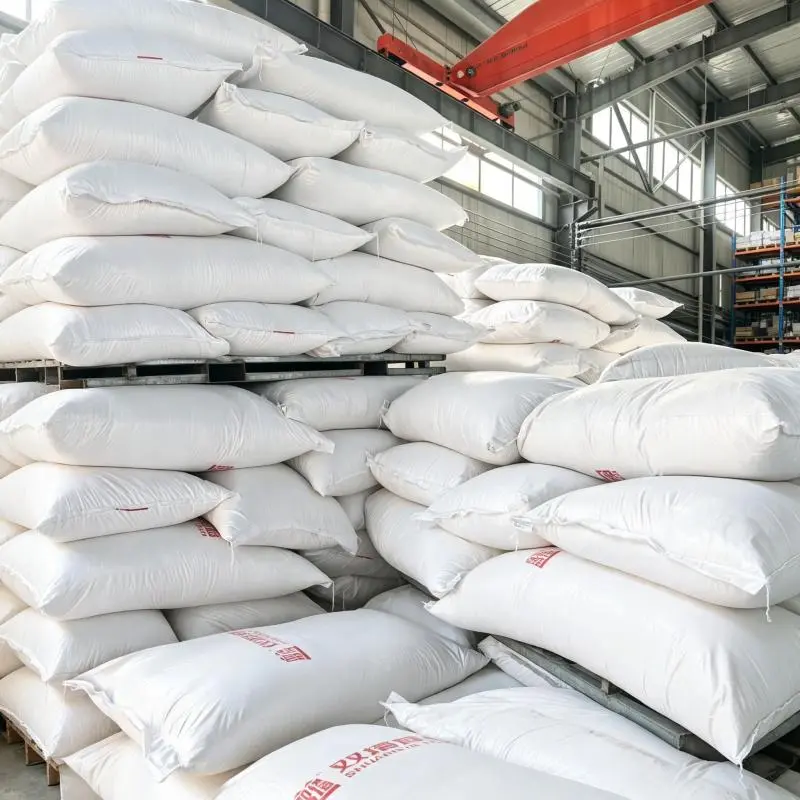
The company operates a modern cat litter factory with approximately 16,000 square meters of production area and an annual production capacity of approximately 7,000 tons.
The factory is equipped with automated production equipment, standardized workshops, and a professional R&D team. This manufacturing infrastructure enables Gelin Town Pet to support both standard products and customized cat litter production.
The company has developed a range of cat litter products, including:
Tofu cat litter
Plant-based cat litter
Cassava cat litter
Natural mineral cat litter
The company has also obtained certifications including BSCI, ISO9001, SGS, and CTI, supporting its quality and international supply capabilities.
OEM and ODM Tofu Cat Litter Solutions
For pet brands, developing a successful litter product often requires more than purchasing a standard product.
Gelin Town Pet provides OEM and ODM cat litter services, allowing customers to customize products according to their target market and brand positioning.
Customization can include:
| Customization Area | Available Options |
|---|---|
| Material | Tofu, corn, cassava, mixed plant-based materials |
| Pellet size | Different sizes according to requirements |
| Color | Customized |
| Fragrance | Customized |
| Formula | Developed according to product requirements |
| Packaging | Private-label and customized packaging |
| Product testing | Available according to requirements |
| Branding | OEM/private label |
| Product positioning | Premium, natural, low-dust, specialized formulas |
This approach allows online retailers, wholesalers, distributors, and established pet brands to develop products that better match their customers' preferences.
From Factory to Finished Private-Label Product
For businesses selling through Amazon, eBay, pet stores, distributors, or offline retail channels, supply chain stability can be as important as product quality.
Gelin Town Pet can provide an integrated supply solution covering product development, manufacturing, packaging, and private-label production.
With large-scale automated production equipment and approximately 7,000 tons of annual production capacity, the factory can undertake bulk cat litter orders and customized manufacturing projects.
The company's products have gained recognition in markets across Europe, America, Australia, and Asia, supporting international customers with different product and packaging requirements.
How to Choose the Best Tofu Cat Litter for Your Market
There is no single tofu cat litter formula that is ideal for every market.
Before placing a bulk order, brands should consider:
Target customer preferences
Local regulations and labeling requirements
Preferred pellet size
Fragrance preferences
Packaging size
Required certifications and testing
Desired price positioning
Retail channel
Shipping and container efficiency
Expected monthly sales volume
A professional manufacturer can help brands evaluate these factors before mass production.
Frequently Asked Questions About Tofu Cat Litter
How deep should tofu cat litter be?
A practical starting point is approximately 6–8 cm. The ideal depth depends on the size of the litter box, the cat's digging behavior, and the performance of the specific litter.
How often should tofu cat litter be scooped?
Solid waste and urine clumps should generally be removed regularly, ideally as part of a daily litter-box cleaning routine. More frequent cleaning may be appropriate for multi-cat households.
Does better clumping make tofu cat litter last longer?
It can. Strong, compact clumps can make it easier to remove contaminated litter while leaving more clean litter behind. However, actual litter consumption varies according to usage conditions.
Why does tofu cat litter stick to the bottom?
This can happen when urine reaches the bottom of the litter box, when the litter layer is too shallow, or when the litter does not absorb and clump quickly enough.
How should tofu cat litter be stored?
Keep unused litter in a cool, dry environment away from excessive humidity. Moisture can affect the absorption and clumping performance of plant-based litter.
Is tofu cat litter suitable for private-label brands?
Yes. Tofu cat litter can be developed as a private-label product with customized materials, pellet sizes, fragrances, colors, packaging, and other specifications, depending on the manufacturer's capabilities and target-market requirements.
Final Thoughts: How to Reduce Tofu Cat Litter Consumption
Making tofu cat litter last longer is not simply about putting less litter into the box.
A more effective approach combines the correct litter depth, regular scooping, proper storage, and high-quality absorption and clumping performance.
The 6–8 cm litter depth provides a useful starting point, while daily waste removal helps protect the remaining clean litter. Most importantly, the formulation and manufacturing process determine how effectively urine is absorbed and isolated.
The Gelin Town Pet comparison using 20 mL of water demonstrated a difference between an approximately 34 g clump and an approximately 42 g clump under the tested conditions. This highlights how clump formation can influence litter efficiency.
For consumers, choosing a high-quality tofu cat litter can improve the overall litter-box experience. For retailers and pet brands, selecting the right tofu cat litter manufacturer can help create a product that combines performance, consistent quality, customization, and reliable supply.
Established in 2020, Shandong Gelin Town Pet Products Co., Ltd. combines a professional R&D team, automated production equipment, standardized workshops, approximately 16,000 square meters of production space, and annual production capacity of approximately 7,000 tons.
Whether you are looking for tofu cat litter wholesale, private-label cat litter, OEM/ODM manufacturing, or a long-term plant-based cat litter supplier, Gelin Town Pet can provide customized solutions from product development and raw materials to finished packaging. Feel free to contact us.
A better cat litter product starts with better formulation, better manufacturing, and a clear understanding of what cats and their owners actually need.