Cat litter box odor is one of the most common concerns for cat owners. Even with high-quality cat litter, unpleasant smells can develop if the litter box is too small, poorly ventilated, difficult to clean, or not suitable for the cat's habits.
So, what is the best cat litter box for odor control?
The answer depends on more than the litter box itself. The type of cat litter, litter box design, ventilation, cleaning routine, and the number of cats using the box all affect odor control.
For most households, a good odor-control setup combines an appropriately sized litter box with effective clumping cat litter, regular scooping, and proper ventilation. Covered or self-cleaning litter boxes can provide additional odor management, but they are not automatically the best choice for every cat.
This guide explains the main types of litter boxes, compares their odor-control performance, and shows how to choose the right combination of litter box and cat litter.
What Causes Cat Litter Box Odor?
Most litter box odor comes from urine, feces, and bacterial activity. Urine can produce a strong ammonia-like smell when waste remains in the box for too long. Feces can also create unpleasant odors, particularly when they are not removed promptly.
Several factors can make litter box odor worse:
Waste is not scooped frequently enough.
The litter does not absorb moisture effectively.
The litter box is too small.
Several cats share one litter box.
The box has poor ventilation.
The litter does not form firm clumps.
The litter box is difficult to clean.
The litter is already saturated with moisture.
This means that buying an expensive litter box alone may not solve the problem. Effective odor control requires a complete approach.
Which Type of Cat Litter Box Is Best for Odor Control?
There are several common litter box designs, including open trays, covered boxes, high-sided boxes, and automatic self-cleaning litter boxes.
Each has different advantages and disadvantages.
| Litter Box Type | Odor Control | Cleaning | Ventilation | Best For |
|---|---|---|---|---|
| Open litter box | Good with regular cleaning | Very easy | Excellent | Most cats |
| Covered litter box | Good | Moderate | Moderate | Odor-sensitive households |
| High-sided box | Good | Easy | Excellent | Cats that scatter litter |
| Automatic litter box | Very good | Convenient | Depends on design | Busy cat owners |
| Top-entry box | Good | Moderate | Good | Cats that scatter litter |
There is no universally perfect litter box. The best option is the one that controls waste effectively while remaining comfortable and accessible for your cat.

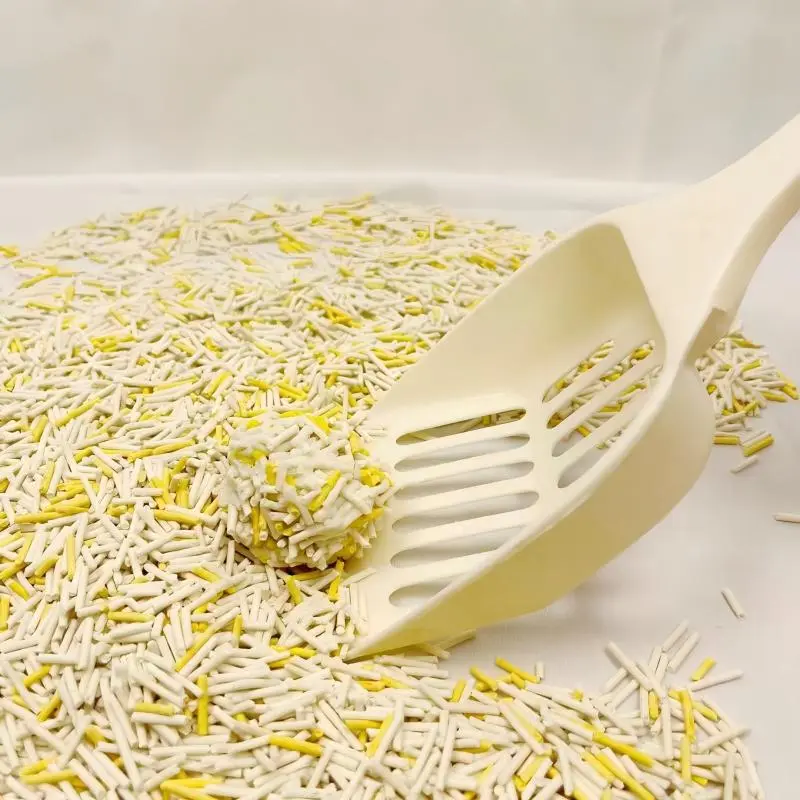
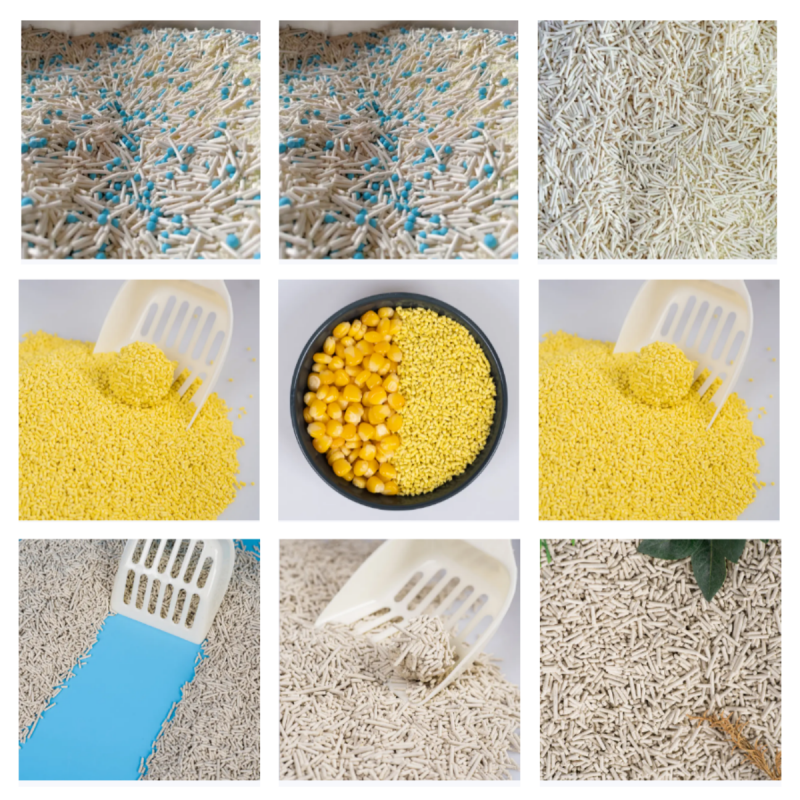
This picture showed the clumping cat litter is easy to be scooped out from litter box,it will be very helpful for odor control
Open Litter Boxes: Simple and Well Ventilated
Open litter boxes are the simplest and most widely used option. Their main advantage is excellent ventilation, which allows odors to disperse rather than becoming trapped inside the box.
They are also easy to inspect and clean. Daily scooping can therefore be very efficient.
The main disadvantage is that odors are more noticeable if waste is left in the box. Open boxes can also allow litter and waste to be kicked outside.
For many cats, however, an open litter box is a practical choice because it is easy to access and does not create a confined environment.
Covered Litter Boxes for Better Odor Containment
Covered litter boxes have a lid or hood that helps contain odors inside the box. Some models also include replaceable carbon filters to help reduce unpleasant smells.
A covered litter box can be useful in apartments, small homes, or other areas where the litter box is located close to living spaces.
However, there is an important consideration: some cats simply do not like enclosed litter boxes. A covered box can also have less ventilation, allowing odors to become concentrated inside.
Therefore, a covered litter box should not replace regular cleaning.
High-Sided Litter Boxes for Mess and Odor Control
High-sided litter boxes have taller walls that help prevent cats from kicking litter out of the box. They can also help contain urine and feces more effectively.
They are particularly useful for cats that dig extensively or tend to scatter litter.
However, high sides do not eliminate tracking. Fine and lightweight litter can still stick to a cat's paws and be carried around the home.
Using a suitable litter mat outside the box can help reduce this problem.
Automatic Litter Boxes: Convenient Waste Removal
Automatic litter boxes use a mechanical system to remove waste after the cat uses the box. Depending on the design, waste is transferred into a sealed or enclosed waste container.
Because waste is removed more frequently, automatic litter boxes can provide excellent odor control with less daily scooping.
However, automatic litter boxes are more expensive and require electricity, maintenance, and compatible litter.
Some automatic systems work better with specific litter particle sizes and shapes. Short-grain or small pellet-style litter may be more suitable for certain mechanisms.
Always check the manufacturer's recommendations before choosing litter for an automatic litter box.
Automatic vs. Traditional Litter Boxes
Which is better for odor control: an automatic or traditional litter box?
The answer depends on your priorities.
| Feature | Traditional Litter Box | Automatic Litter Box |
|---|---|---|
| Initial cost | Lower | Higher |
| Daily cleaning | Required | Reduced |
| Odor control | Good with frequent scooping | Very good with frequent waste removal |
| Maintenance | Simple | More complex |
| Electricity | Not required | Usually required |
| Litter compatibility | Broad | May be limited |
| Best for | Most households | Convenience-focused owners |
An automatic box can be an excellent option for people who want to reduce manual cleaning. A well-maintained traditional box, however, can also provide excellent odor control at a much lower cost.
Why Cat Litter Matters as Much as the Box
Choosing the right cat litter is one of the most important parts of odor management.
A litter box can only contain waste; the litter must absorb moisture, form clumps, or otherwise manage waste effectively.
Clumping litter is popular because it allows urine and feces to be removed quickly. When a litter forms firm clumps, less contaminated material remains in the box.
Plant-based cat litter has also become increasingly popular among consumers looking for renewable or biodegradable material options.
Common plant-based materials include tofu, corn, cassava, cereal, and other natural plant fibers.
Comparing Cat Litter Types for Odor Control
Different types of litter have different characteristics.
| Cat Litter Type | Odor Control | Clumping | Dust Potential | Renewable Material |
|---|---|---|---|---|
| Tofu litter | Very good | Yes | Generally low | Yes |
| Corn litter | Very good | Yes | Generally low | Yes |
| Cassava litter | Very good | Yes | Generally low | Yes |
| Bentonite litter | Very good | Excellent | Depends on product | No |
| Silica litter | Very good | No | Generally low | No |
| Non-clumping plant litter | Moderate to good | No | Depends on product | Yes |
Performance can vary significantly between products. Formula, particle size, absorption capacity, additives, and manufacturing quality all affect the final odor-control performance.
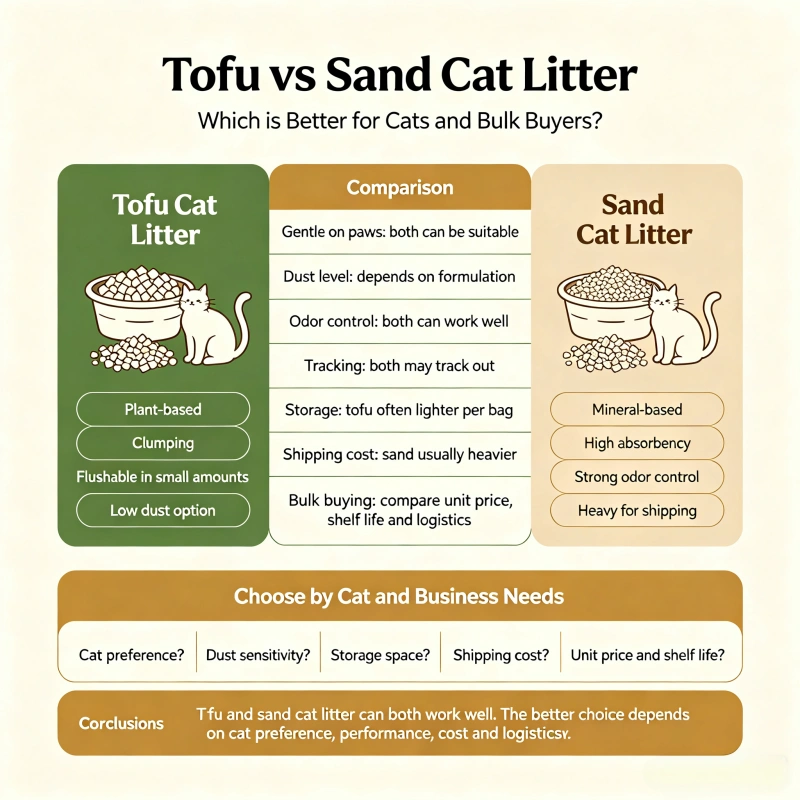
Why Tofu Cat Litter Can Be a Good Choice
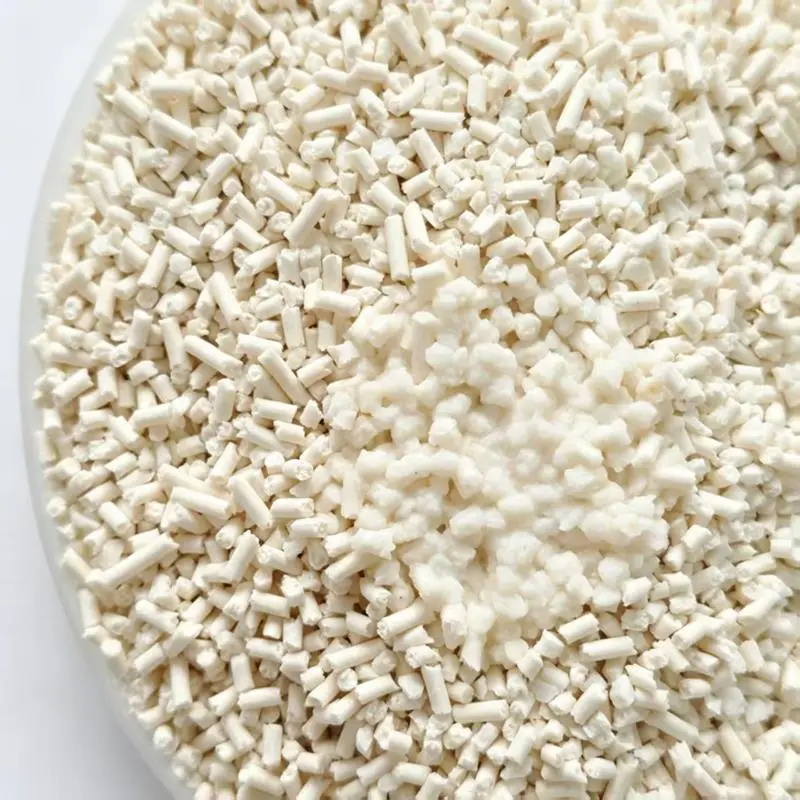
Tofu cat litter is made primarily from plant-based materials and is widely used as an alternative to traditional mineral litter.
Its strong moisture absorption and clumping characteristics can make waste removal convenient. Many tofu litter products are also designed with relatively low dust and lightweight particles.
For consumers interested in plant-based products, tofu litter can provide a balance between odor control, convenience, and sustainability.
However, not every tofu litter product performs the same way. Buyers should consider clumping strength, absorption, dust, tracking, particle size, and odor-control formulation rather than choosing a product based only on the word "tofu."
How Clumping Helps Control Odor
Clumping litter works by binding moisture into a solid mass that can be removed from the litter box.
This is important because leaving urine-soaked litter in the box can contribute to unpleasant odors.
A good clumping litter should ideally:
Absorb moisture quickly.
Form firm clumps.
Keep clumps from breaking apart easily.
Make daily scooping convenient.
Leave relatively clean litter behind.
For this reason, clumping performance is an important factor when evaluating odor-control cat litter.
Odor-Control Ingredients: What Should You Look For?
Some cat litter products use additional odor-control ingredients to improve performance.
Common options include activated carbon, baking soda, plant-based deodorizing ingredients, and other odor-absorbing or odor-neutralizing materials.
The purpose is not simply to cover unpleasant smells with fragrance. Effective odor control should help manage the source of the odor.
For cat owners, fragrance preference is also important. Some cats may be sensitive to strong fragrances, so unscented or lightly scented formulas can be preferable.
For manufacturers and private-label brands, odor-control additives can also be customized according to the target market and product positioning.
How Often Should You Clean a Cat Litter Box?
Even the best cat litter box and odor-control litter will eventually smell if waste is allowed to accumulate.
For most households, solid waste and urine clumps should be removed at least once a day. Homes with multiple cats may require more frequent scooping.
The litter box should also be thoroughly cleaned on a regular basis. The exact frequency depends on the type of litter, number of cats, box size, and household conditions.
A simple maintenance routine is:
Remove feces and urine clumps regularly.
Add fresh litter when the litter level becomes low.
Clean the litter box periodically.
Replace litter according to the product's recommended schedule.
Keep the area around the litter box clean and dry.
Consistent maintenance is one of the most effective ways to reduce litter box odor.
How Many Litter Boxes Do You Need?
The number of litter boxes can have a major effect on odor control.
A commonly recommended approach is to provide at least one litter box per cat, plus one additional box. For example, a household with two cats may consider three litter boxes.
More boxes distribute waste and reduce the amount of urine and feces accumulating in a single location.
This can be especially important in multi-cat households, where one heavily used litter box can become saturated quickly.
Does Litter Box Size Affect Odor?
Yes. A litter box that is too small can create several problems.
Cats need enough space to turn around, dig, and find a comfortable position. A small box can also cause waste to accumulate closer to the sides, making cleaning more difficult.
A larger litter box generally provides more usable litter area and can make daily scooping easier.
When selecting a box, consider the cat's body size and movement rather than choosing a box based only on the available floor space.
Should You Use a Litter Mat?
A litter mat does not directly neutralize odor, but it can help control litter tracking.
Small litter particles can become attached to a cat's paws and spread throughout the home. A mat placed outside the litter box can capture some of these particles.
For homes using lightweight plant-based litter or fine-grain litter, a suitable litter mat can be a useful addition.
The mat should also be cleaned regularly because accumulated waste particles can themselves become a source of unpleasant smells.
Covered vs. Open Litter Box: Which Should You Choose?
There is no single answer for every cat.
| Factor | Covered Box | Open Box |
|---|---|---|
| Odor containment | Excellent | Good |
| Ventilation | Moderate | Excellent |
| Accessibility | Good | Excellent |
| Easy inspection | Moderate | Excellent |
| Privacy | High | Low |
| Suitable for all cats | No | Generally yes |
If your main concern is containing odor in a small living space, a covered box may be worth considering.
If your cat prefers good ventilation and easy access, an open litter box may be the better choice.
Your cat's behavior should always be considered alongside odor-control performance.
Best Cat Litter Box Setup for Odor Control
For many households, an effective setup does not need to be complicated.
A practical combination can include:
A suitable-sized litter box + high-quality clumping litter + daily scooping + regular deep cleaning + good ventilation.
For additional convenience, you can add a litter mat or choose an automatic litter box.
If sustainability is also important, plant-based clumping litter such as tofu, corn, or cassava litter can be considered.
The key is to choose the complete system rather than focusing on only one product.
Common Mistakes That Make a Litter Box Smell
Some odor problems are caused by simple mistakes.
Leaving Waste in the Box Too Long
Even high-performance litter cannot permanently eliminate odors from accumulated waste. Regular scooping is essential.
Using Too Little Litter
Insufficient litter may prevent effective absorption and clumping. Follow the litter manufacturer's recommended fill level.
Choosing a Box That Is Too Small
A cramped box can make cats uncomfortable and make cleaning more difficult.
Relying Too Much on Fragrance
Strong fragrance can mask odors temporarily but does not necessarily solve the underlying waste problem.
Ignoring the Area Around the Box
Tracked litter and small waste particles can accumulate around the box. Regularly cleaning the surrounding area is part of effective odor management.
How to Choose the Best Cat Litter Box for Your Cat
Before purchasing a litter box, consider these questions:
1. How many cats will use it?
Multiple cats generally require more litter boxes and more frequent cleaning.
2. Does your cat prefer an open or covered environment?
Observe your cat's existing behavior before changing box styles.
3. How much time do you have for cleaning?
If daily scooping is difficult, an automatic litter box may provide additional convenience.
4. What type of litter will you use?
Some automatic litter boxes require specific particle sizes or litter characteristics.
5. Is odor containment your main priority?
A covered box, activated carbon filtration, effective clumping litter, and frequent waste removal can all contribute to odor control.
6. Is sustainability important to you?
Plant-based litter can be considered if you want a renewable-material option.
Why Choose Gelin Town Pet for Plant-Based Cat Litter?
Choosing the right litter box is only part of an effective odor-control solution. The quality and formulation of the cat litter are equally important.
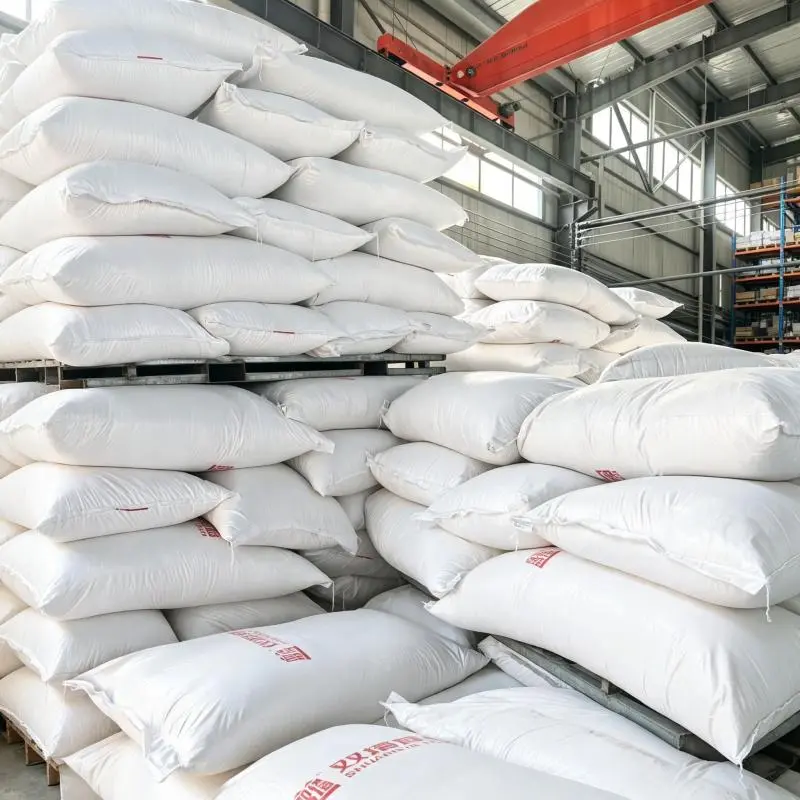
Established in 2020, Shandong Gelin Town Pet Products Co., Ltd. is a professional cat litter manufacturer with its own modern cat litter factory in Shandong, China.
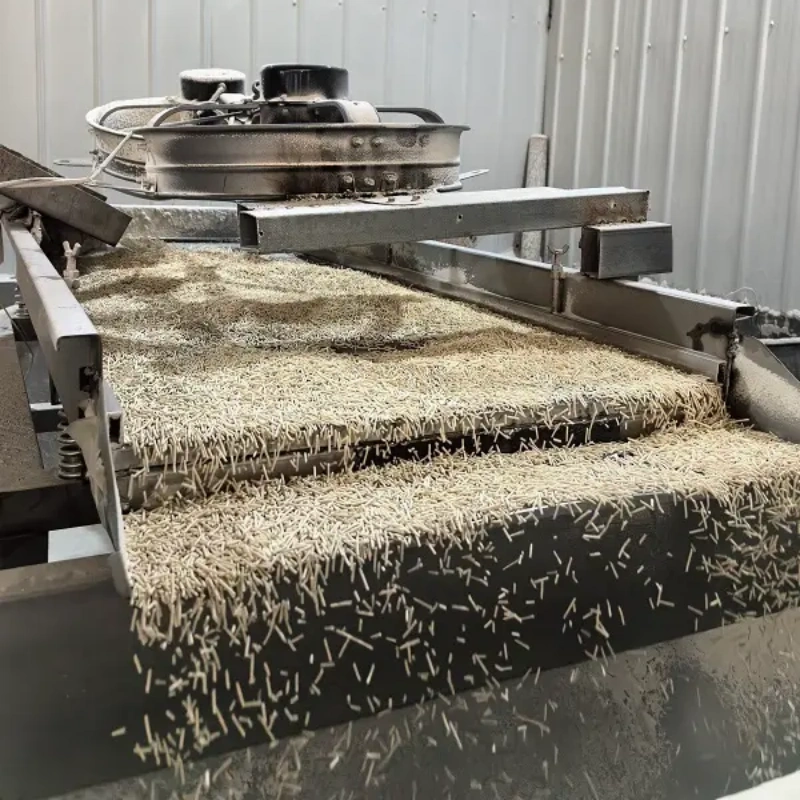
Our factory specializes in the research and production of plant-based cat litter. With approximately 16,000 square meters of production area, advanced automatic production equipment, standardized workshops, and a professional R&D team, our annual production capacity reaches approximately 7,000 tons.
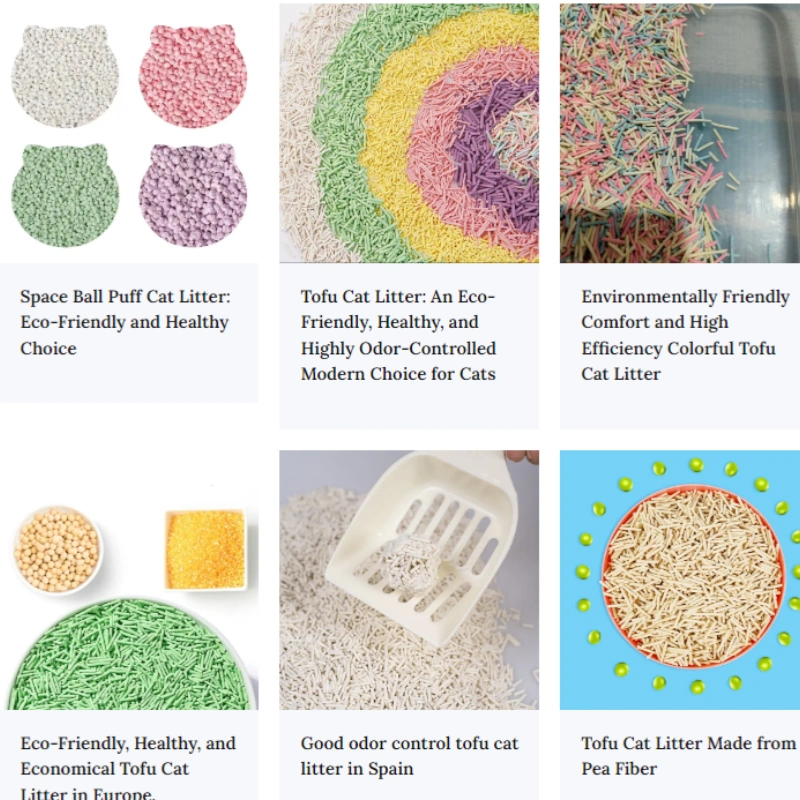
Our product range includes plant-based cat litter, tofu cat litter, corn cat litter, health-monitoring cat litter, natural mineral litter, mixed cat litter, and other customized solutions.
We serve customers in Europe, America, Australia, Asia, and other markets. Our quality management and production capabilities are supported by certifications and assessments including BSCI, ISO9001, SGS, and CTI.

Wholesale, OEM and ODM Cat Litter Solutions
For retailers, distributors, and pet brands, we provide more than finished cat litter products.
Our factory can support large-volume production and customized cat litter development. If you are looking for a tofu cat litter processing factory or a plant-based cat litter manufacturer, we can provide an integrated supply chain solution.
Customization options may include:
Cat litter material and formula
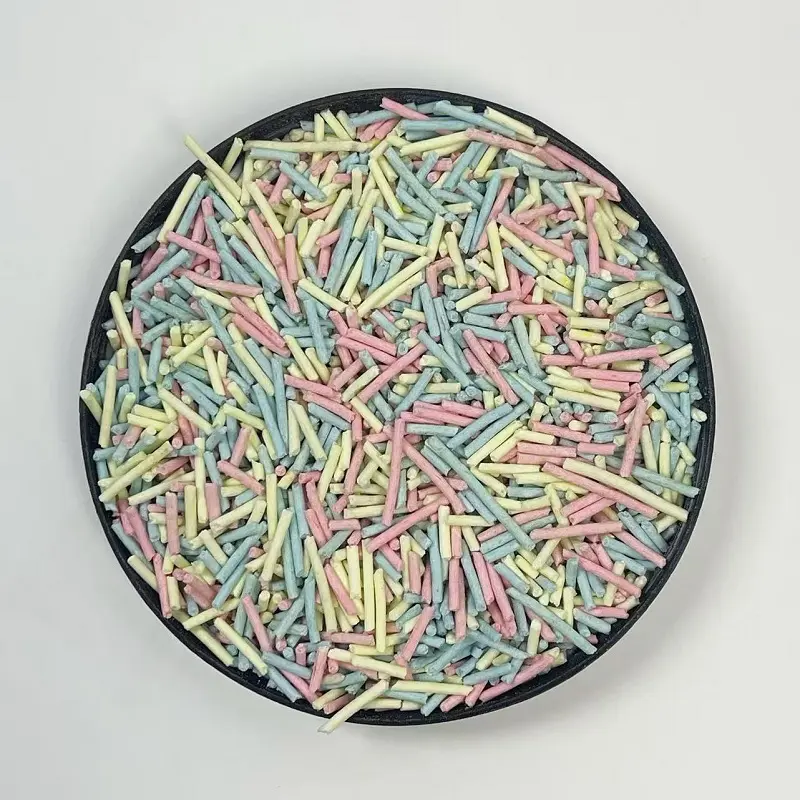
Particle size and shape
Color
Fragrance
Odor-control additives
Packaging
Private labeling
Testing requirements
OEM and ODM product development
Whether you sell cat litter through Amazon, eBay, your own online store, distributors, or offline retail channels, our production capabilities can support different business models and order volumes.
Frequently Asked Questions
What is the best cat litter box for odor control?
A covered or automatic litter box can provide strong odor containment, but the best choice depends on your cat and cleaning routine. A well-maintained open litter box can also control odors effectively when paired with high-quality clumping litter.
Does a covered litter box eliminate odor?
No. A covered litter box can contain odors, but it does not eliminate the waste causing them. Regular scooping and cleaning are still necessary.
Is tofu cat litter good for odor control?
High-quality tofu cat litter can provide effective moisture absorption and clumping, which can help with odor control. Performance depends on the specific formula, particle size, additives, and manufacturing quality.
Is automatic cat litter better for odor control?
Automatic litter boxes can reduce odor by removing waste more frequently. However, they cost more, require maintenance, and may have specific litter compatibility requirements.
How often should I scoop a litter box?
Daily scooping is a good baseline for most households. Homes with multiple cats may benefit from more frequent cleaning.
What is the best litter for an automatic litter box?
The best choice depends on the machine. Many automatic systems work with clumping litter and may perform better with specific particle sizes and shapes. Always follow the equipment manufacturer's recommendations.
Final Thoughts
The best cat litter box for odor control is not necessarily the most expensive or most technologically advanced model.
Effective odor management comes from combining the right litter box design with suitable cat litter and a consistent cleaning routine.
For many households, a properly sized box, high-quality clumping litter, daily scooping, and regular cleaning are enough to keep odors under control. Covered and automatic litter boxes can provide additional convenience, while plant-based cat litter offers another option for consumers interested in renewable materials.
If you are a distributor, retailer, or pet brand looking for a reliable plant-based cat litter manufacturer, Shandong Gelin Town Pet Products Co., Ltd. provides wholesale, OEM, ODM, and private-label cat litter solutions. With modern production equipment, approximately 7,000 tons of annual capacity, professional R&D capabilities, and experience serving international markets, we can help develop and manufacture cat litter products according to your requirements.
Contact Gelin Town Pet to discuss your cat litter project or request product samples.