The Hidden Risks of Tofu Cat Litter: Why Cats Eat It and How to Choose Safely
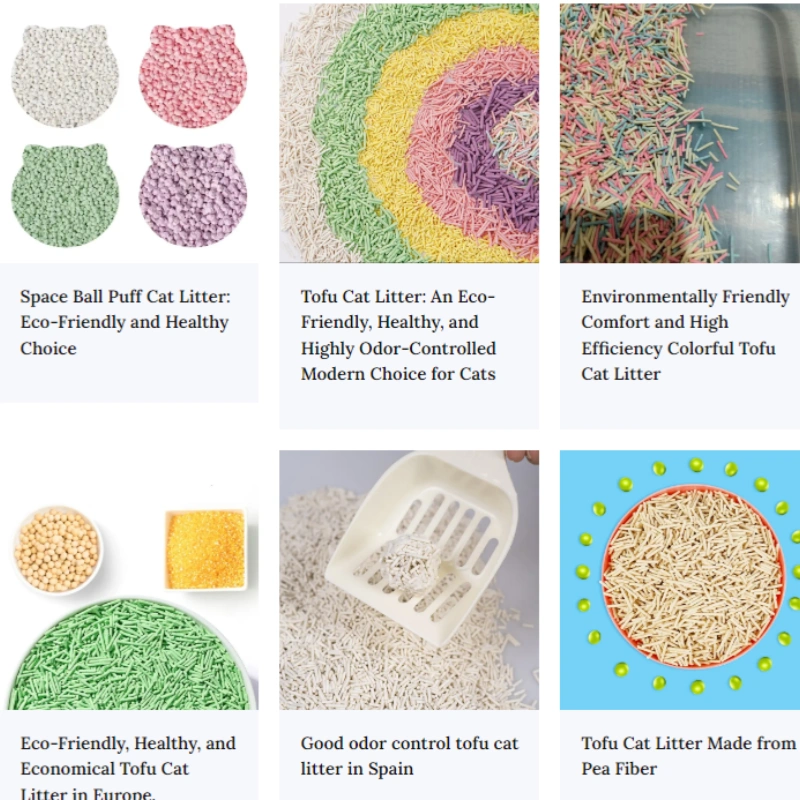
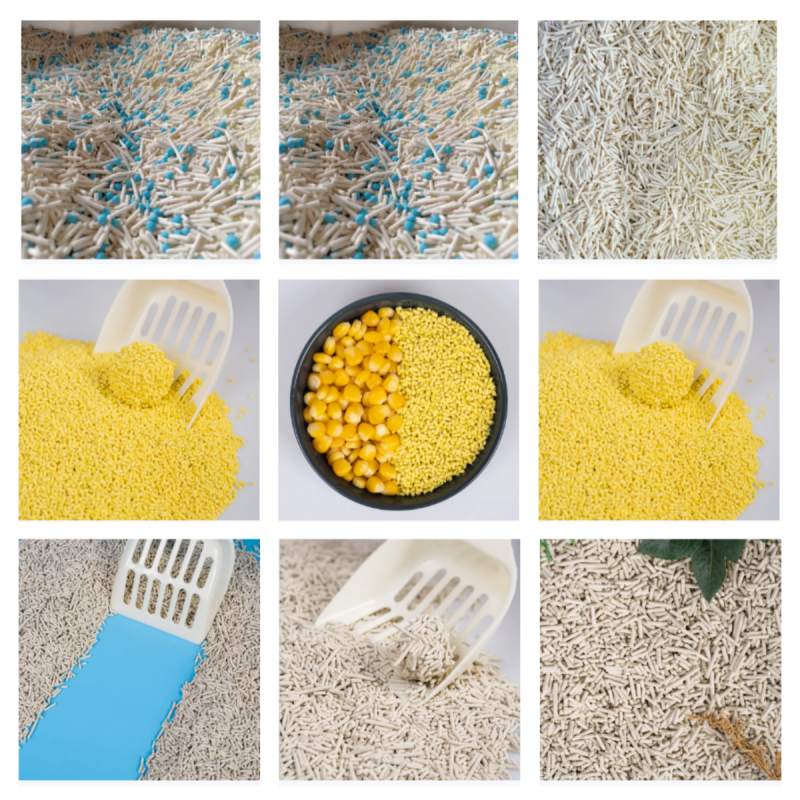
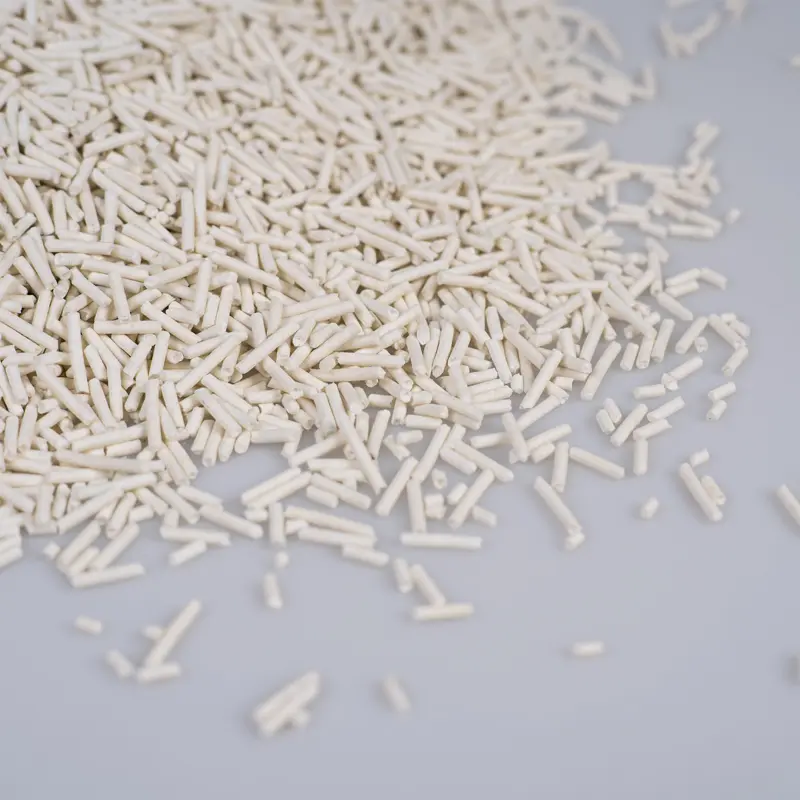
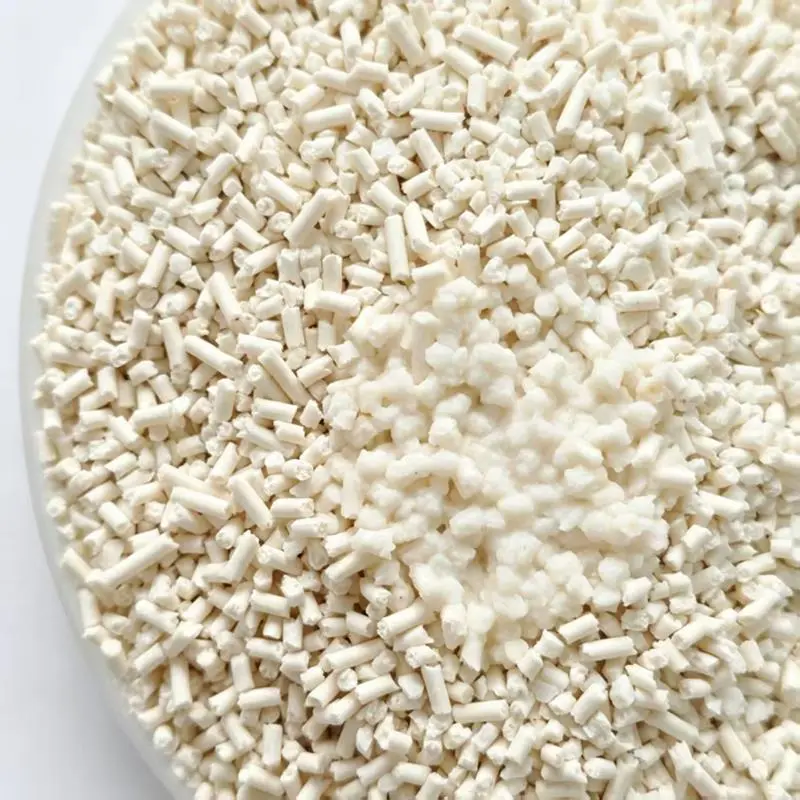
In recent years, tofu cat litter has surged in popularity among pet owners. Marketed as an eco-friendly, flushable, and low-dust alternative to traditional clay litters, it is primarily made from natural ingredients like soybean fiber, corn starch, and food-grade binders. However, this plant-based composition brings a unique challenge: its palatability. Unlike traditional clay or silica gel litters, tofu cat litter can have a slightly sweet or milky scent that may inadvertently attract curious felines.
As a manufacturer and supplier in the pet care industry, it is our responsibility to be transparent about these potential risks. While tofu cat litter is generally non-toxic, it is absolutely not intended for consumption. Understanding why cats eat it, the associated health risks, and how to select the right product for your market is crucial for both pet safety and business success.
Why Do Cats Eat Tofu Cat Litter?
The phenomenon of cats eating their litter, known as pica, can be alarming. With tofu litter, the root cause is often tied to its ingredients and scent.
1. Palatable Scents and Ingredients
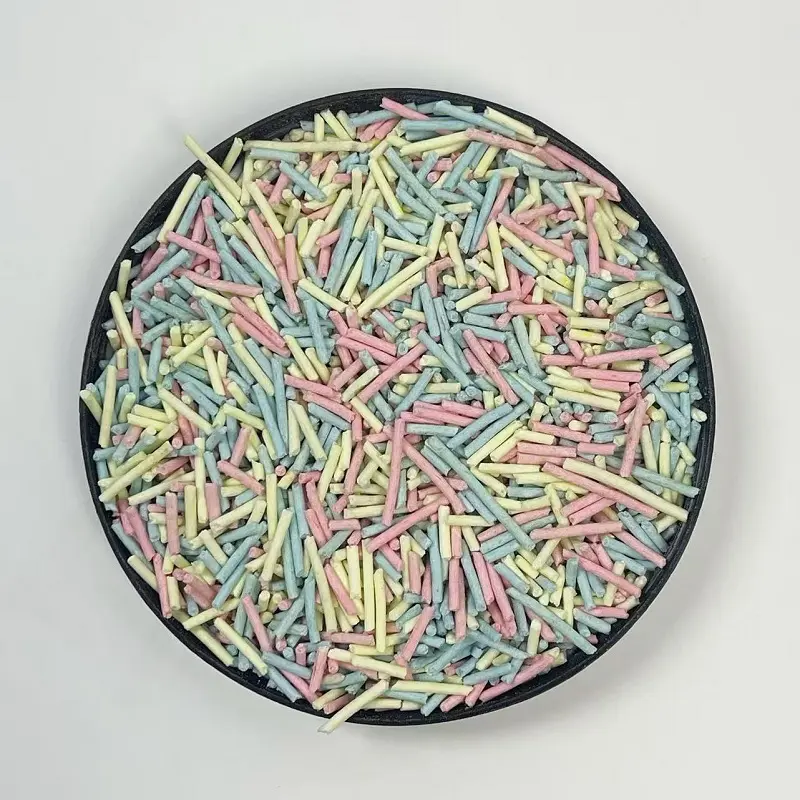
Tofu litter is made from soybean by-products, which naturally possess a mild, slightly sweet aroma. Some manufacturers add milky or sweet fragrances to mask odors, which can mistakenly signal "food" to a cat's highly sensitive olfactory system. Conversely, popular scents like Natural, Green Tea, Lavender, or Peach are generally less appetizing to felines and are much safer choices for cats prone to snacking.
2. Nutritional Deficiencies and Pica
Sometimes, litter consumption is a symptom of an underlying issue. If a cat’s diet lacks essential minerals or nutrients, they may seek them out in their litter box. Additionally, pica can be triggered by stress, boredom, or underlying medical conditions. Young kittens, in particular, may eat litter out of sheer curiosity or as a teething behavior.
The Health Risks of Ingesting Tofu Litter
Although tofu cat litter is made from food-grade materials and is considered safer than toxic clay litters if a small amount is accidentally swallowed, it is not a snack.
Gastrointestinal Blockages
The most severe risk of consuming tofu litter is intestinal blockage. Tofu litter is designed to absorb moisture and expand. When ingested in large quantities, it can swell inside the cat's digestive tract, leading to severe constipation, vomiting, or life-threatening blockages that require surgical intervention.
Digestive Upset
Even in smaller amounts, the plant fibers and binders (such as guar gum) used to form the litter pellets are difficult for a cat's digestive system to process. This can lead to gastrointestinal distress, including diarrhea and vomiting.
Nutritional Imbalance
If a cat is filling up on litter, they are displacing their actual food intake. This can quickly lead to malnutrition and weight loss, depriving them of the high-quality animal protein they require as obligate carnivores.
How to Prevent Litter Consumption
For pet owners and retailers, addressing this behavior requires a multi-faceted approach:
Rule Out Medical Issues: Any sudden onset of pica should be evaluated by a veterinarian to rule out anemia, dietary deficiencies, or gastrointestinal diseases.
Optimize Diet: Ensure the cat is on a high-quality, nutritionally complete diet. Adding wet food can also increase moisture intake and provide mental satisfaction.
Environmental Enrichment: Boredom is a major trigger. Provide interactive toys, puzzle feeders, and dedicated playtime to keep the cat mentally stimulated.
Litter Box Management: Keep the litter box impeccably clean. Scooping daily removes the temptation of fresh, clean litter.
Strategic Sourcing: Choosing the Right Tofu Litter for Your Market
For B2B buyers, distributors, and brand owners, understanding these risks is not just about pet safety—it is about product positioning and market fit. When sourcing tofu cat litter, paying close attention to scent profiles and ingredient transparency is vital.
Scent Customization and Market Fit
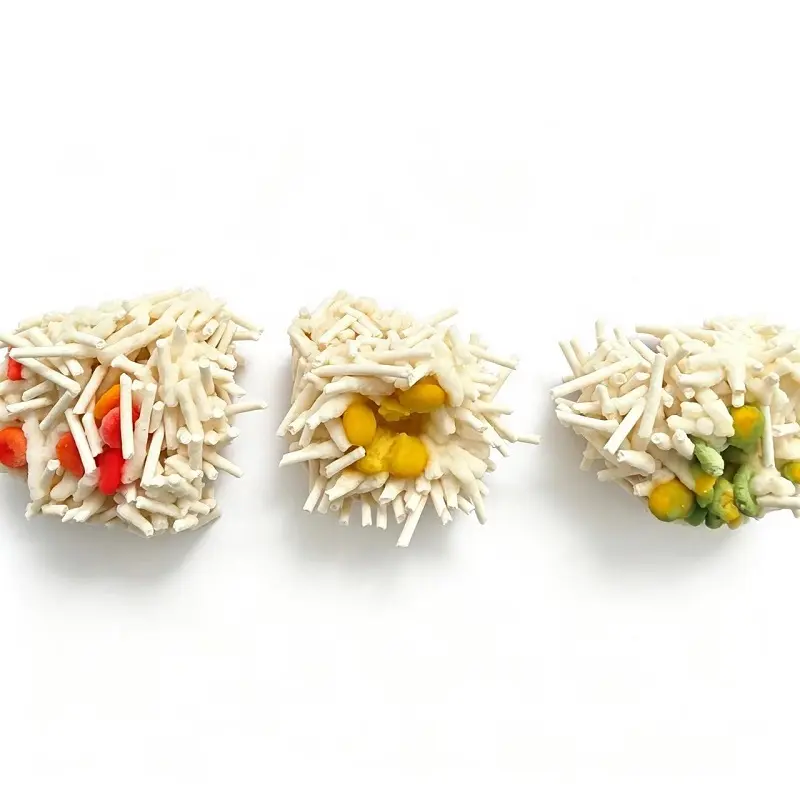
As mentioned, milky or overly sweet scents can increase the risk of ingestion. When sourcing or customizing tofu cat litter, we strongly recommend opting for universally accepted, non-food-associated scents. Natural (unscented), Green Tea, Lavender, and Peach are excellent choices. These scents effectively neutralize ammonia odors without mimicking food.
For our clients, we offer comprehensive customization services based on your specific market demographics. We can tailor the scent, pellet size, and clumping formula to meet your exact requirements.
Ingredient Transparency and Safety
Not all tofu litters are created equal. The binding agents used to hold the soy fiber together are critical. High-quality manufacturers use food-grade guar gum or plant-based binders. However, some lower-quality products may use undisclosed chemical adhesives or low-grade starches.
When evaluating a supplier, always request a detailed ingredient list and safety certifications. A reliable supplier will be fully transparent about their formulation, ensuring the product is free from harmful chemicals, excessive dust, and hidden甲醛 (formaldehyde) risks associated with poor-quality glues.
Performance Metrics Matter
Beyond safety, the litter must perform. When selecting a product for your market, evaluate it based on:
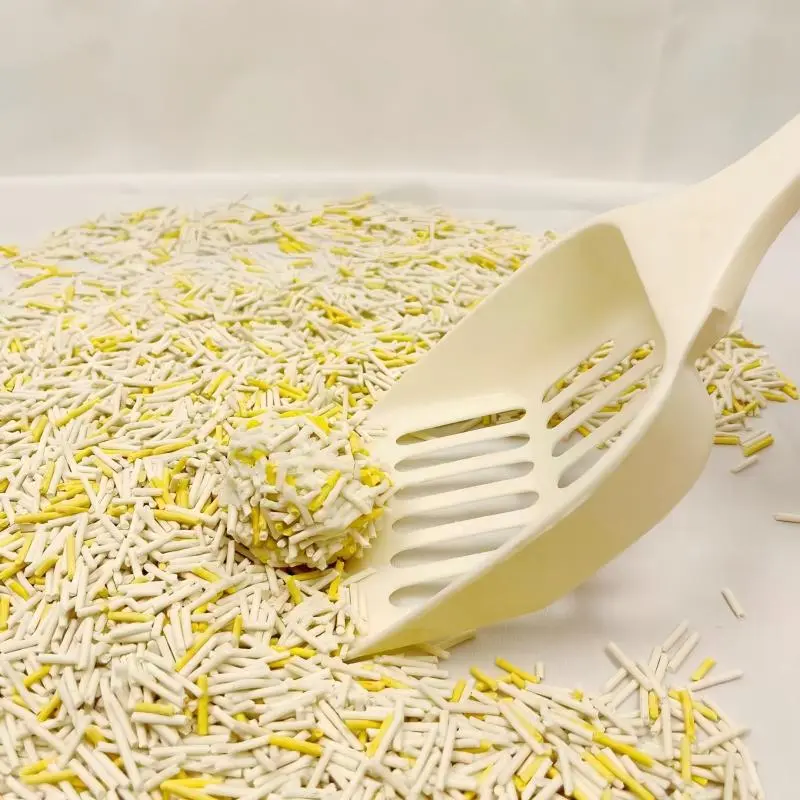
Clumping Strength: Can it form solid, unbreakable clumps that don't stick to the bottom of the box?
Dust Levels: Low dust is essential for respiratory health in both cats and humans.
Odor Control: How long does it effectively lock in smells?
Flushability: Does it dissolve quickly in water without risking plumbing issues?
Conclusion: Partnering for Pet Safety and Business Success
The rise of tofu cat litter represents a positive shift toward sustainable pet care, but it requires responsible manufacturing and informed consumer education. Cats should never eat tofu cat litter, and understanding the behavioral and biological reasons behind this habit is the first step in prevention.
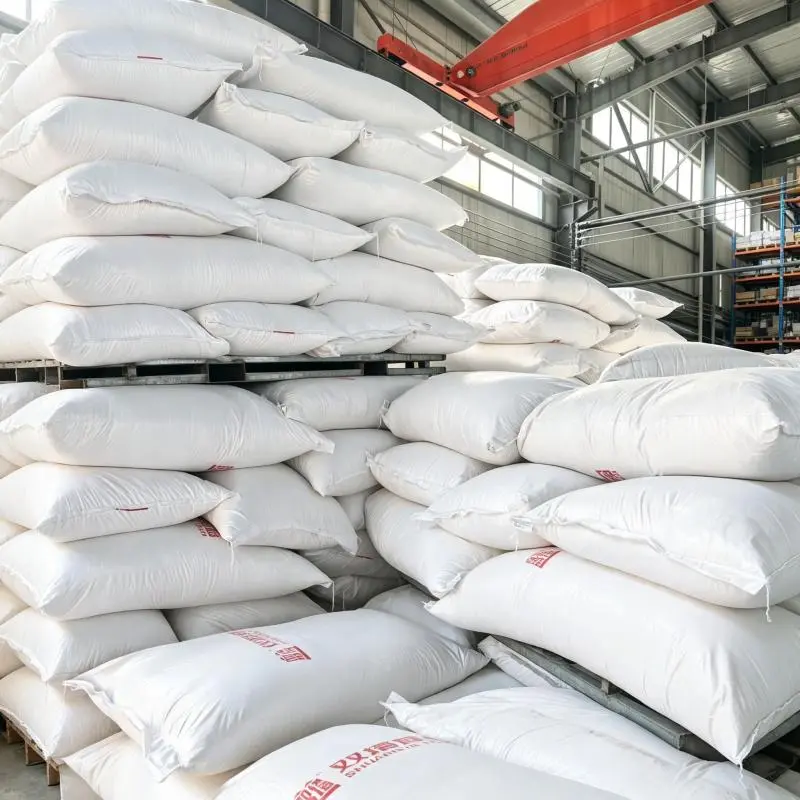
As your dedicated manufacturing partner, we go beyond simply producing cat litter. We provide comprehensive risk assessments and market-driven suggestions to help you choose the most suitable products. Whether you need to adjust a scent profile to prevent ingestion, modify a formula for better clumping, or ensure strict ingredient compliance, we are here to help.
By prioritizing safety, transparency, and customization, we can ensure that the tofu cat litter you bring to market not only meets consumer demands for eco-friendly solutions but also guarantees the highest standard of safety for the pets that use them. Contact us today to discuss how we can tailor our tofu cat litter solutions to perfectly fit your market needs.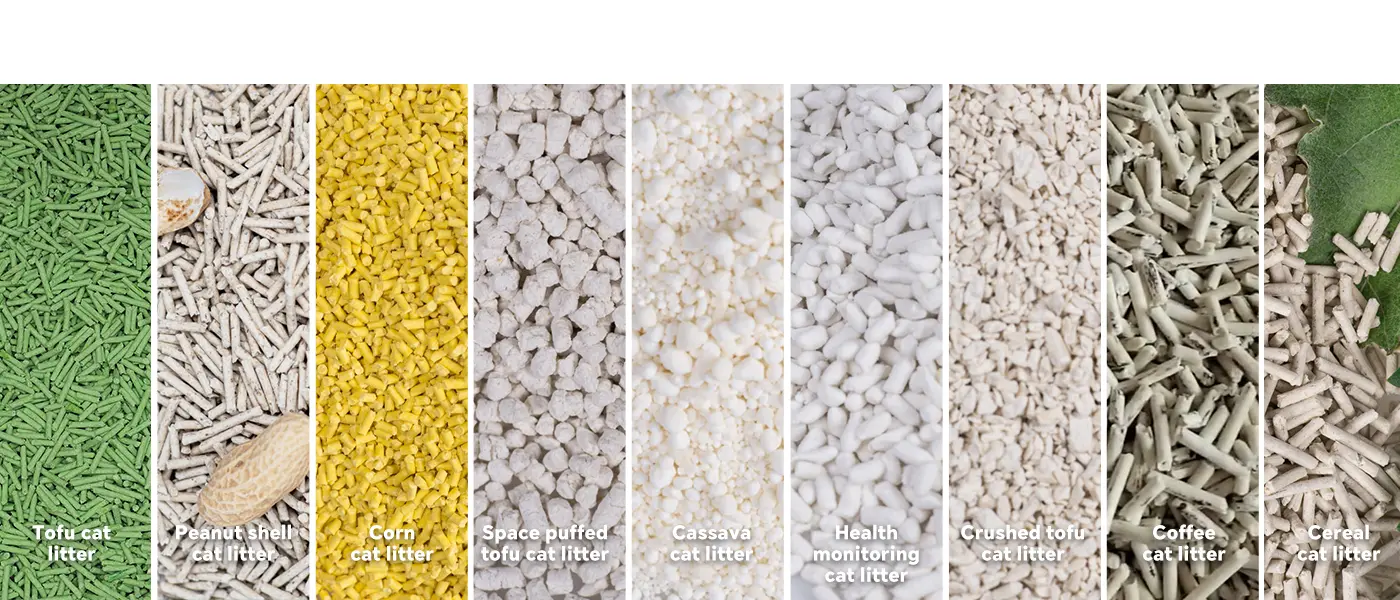
387.webp)